
Tavira
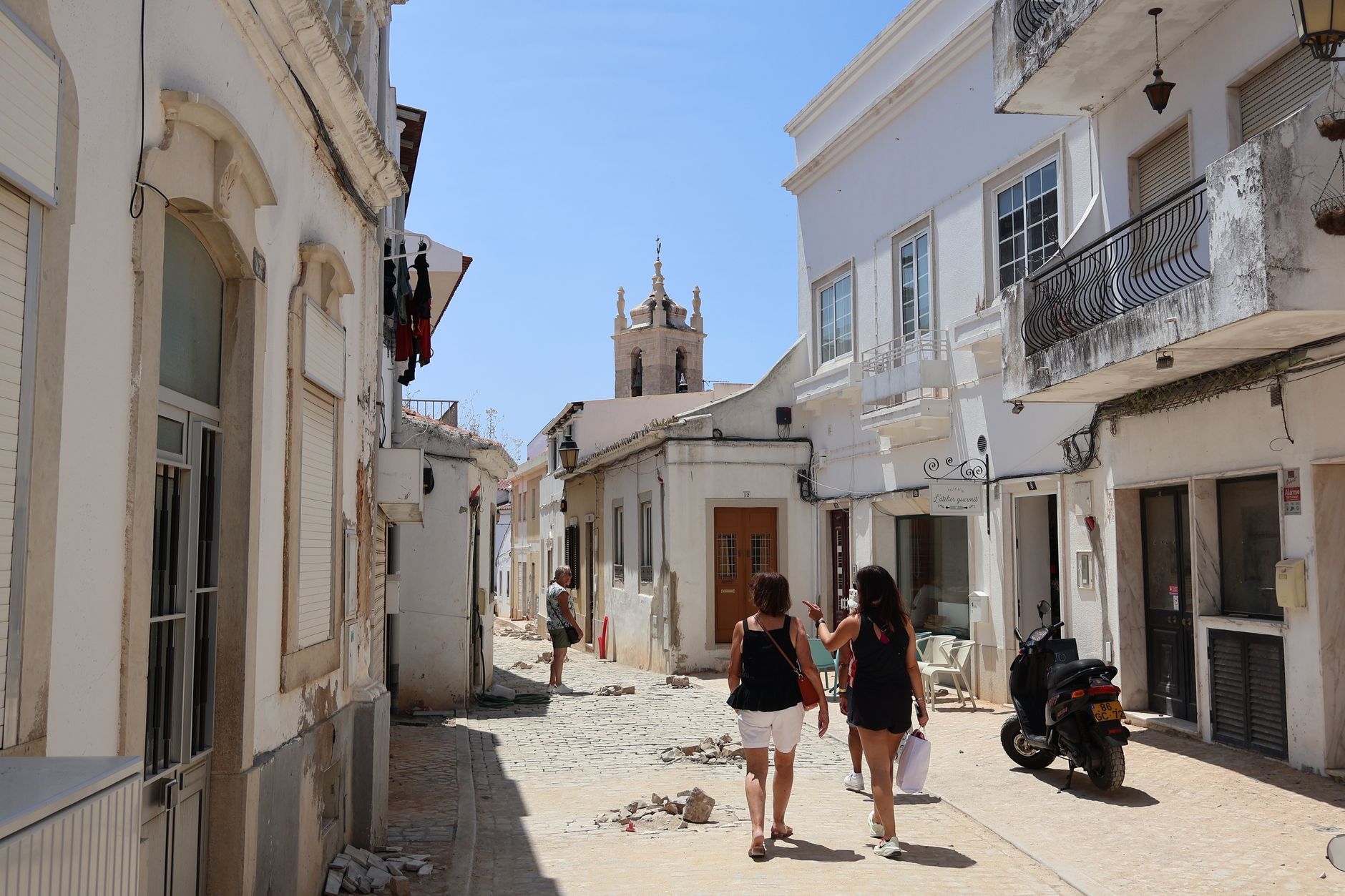
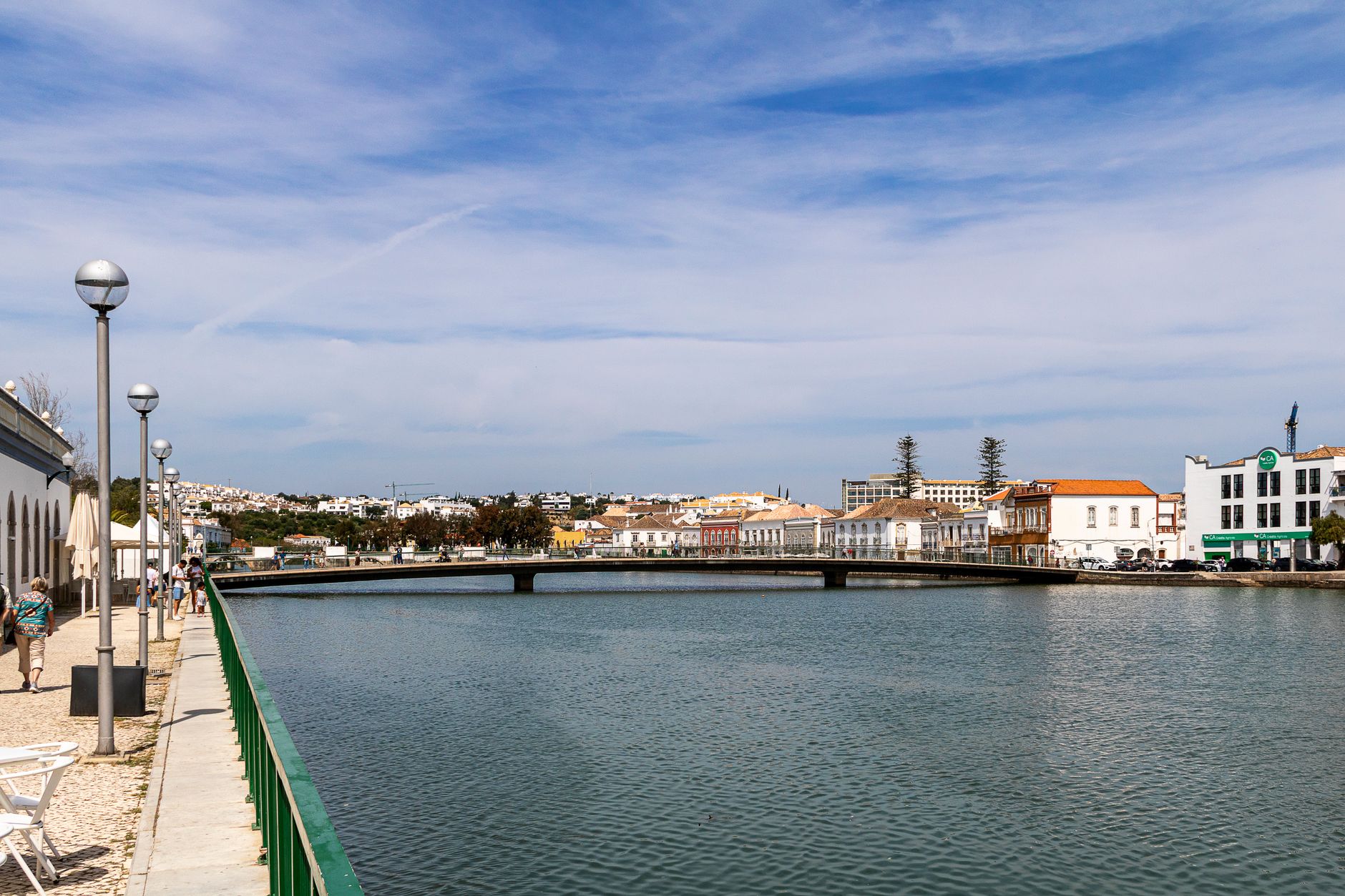
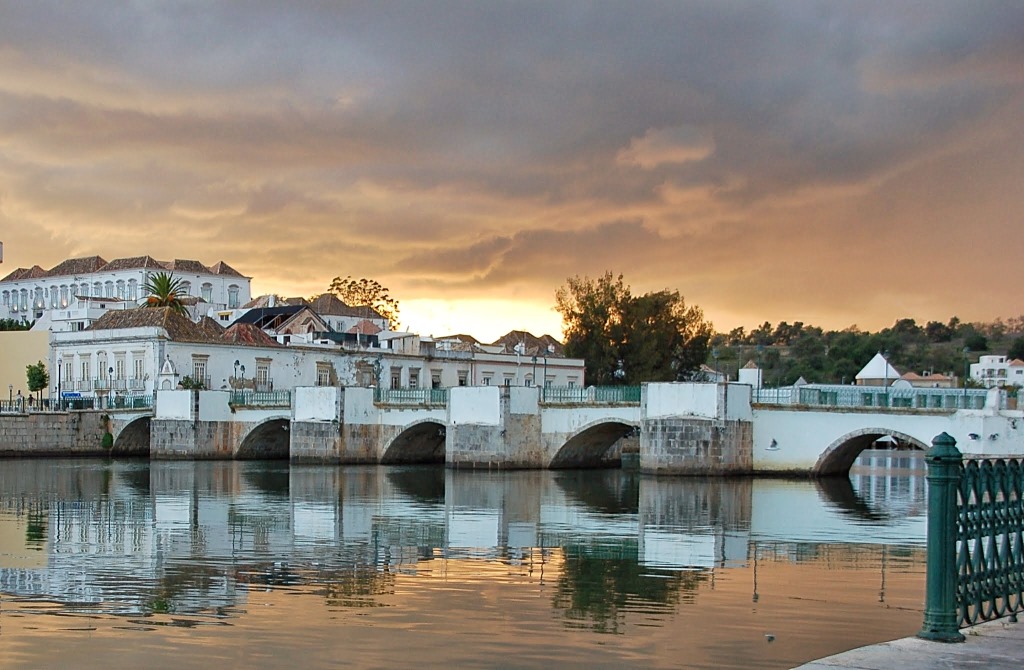
The bridge everyone calls Roman isn't. Built during the Islamic period, probably in the twelfth century, the Ponte Romana still carries foot traffic across the Gilão, and that small correction tells you something useful about Tavira: layers here are older and stranger than the labels suggest.
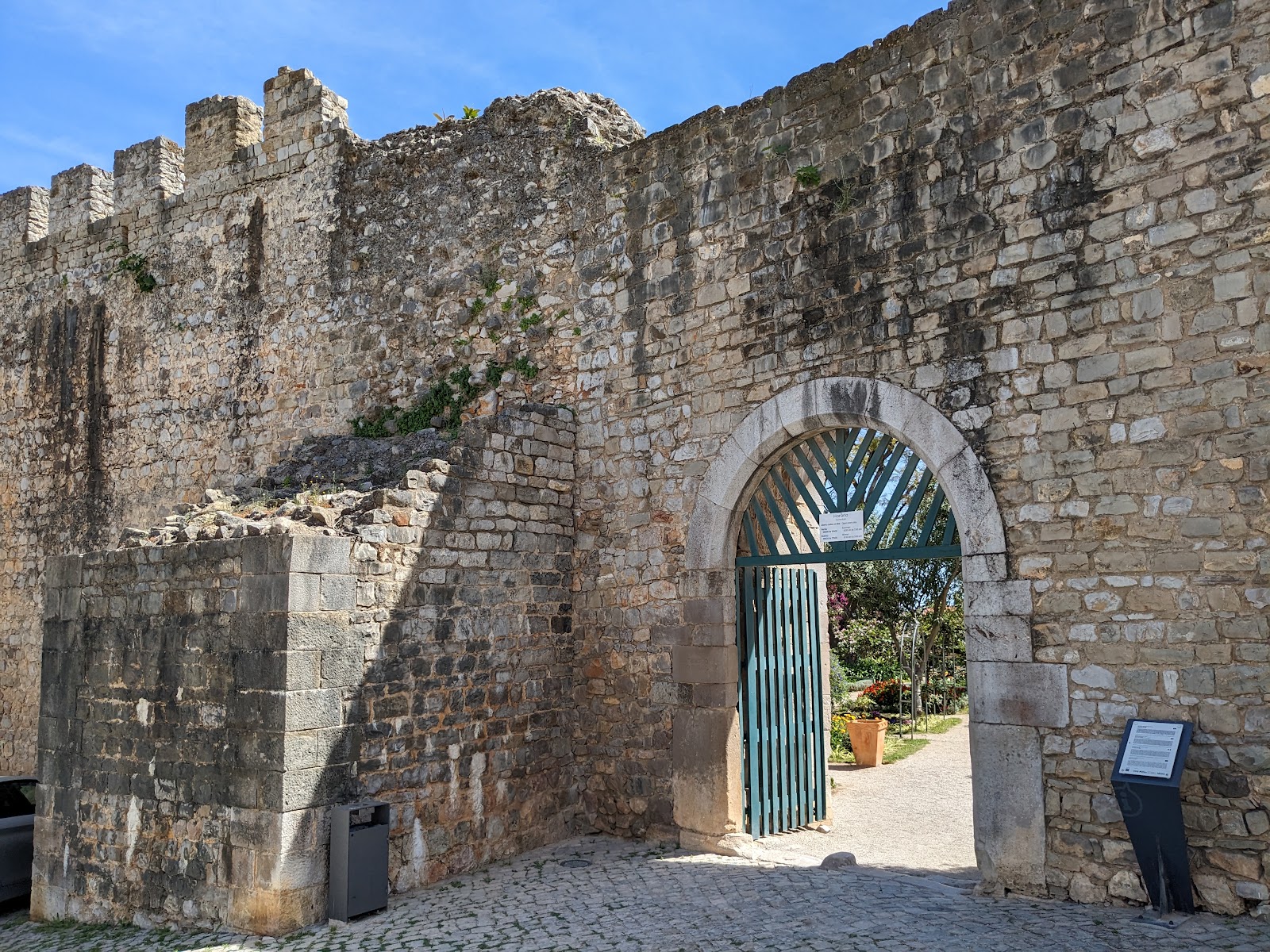
Tavira sits at the quieter, eastern end of the Algarve, separated from the Atlantic by the shallow lagoon of the Ria Formosa. Its skyline is a count of church towers — twenty-one within the city alone — most of them rebuilt after the 1755 earthquake flattened much of what came before. The result is a town that reads as eighteenth-century on the surface but runs far deeper underneath.
💛 What travellers fall for
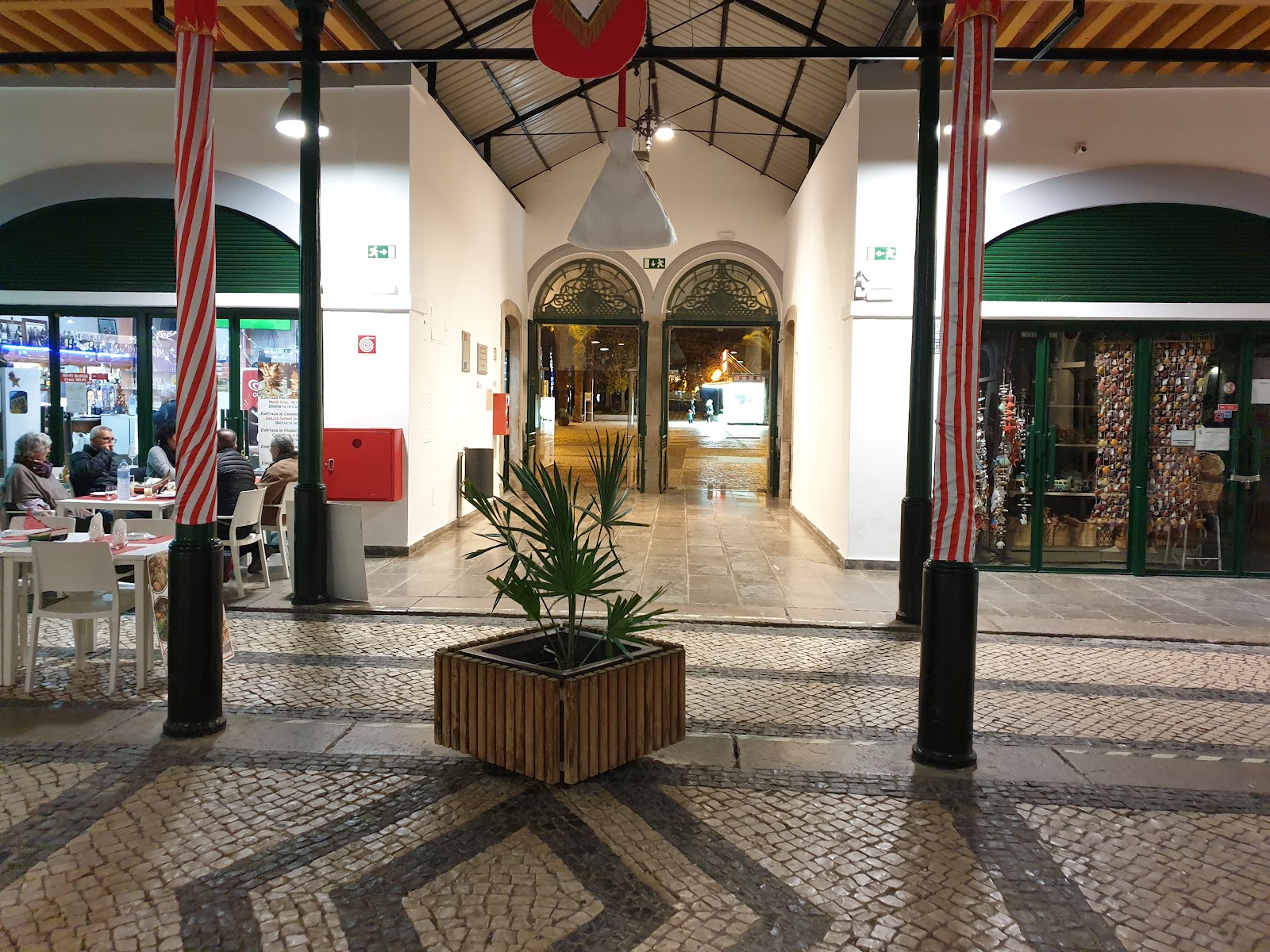
People who come back tend to mention the Camera Obscura in the old water tower — four euros for a live, silent, rotating portrait of the whole city projected onto a white dish. They also mention arriving by train from Faro, walking the ten minutes south along the Gilão, and feeling the pace shift almost immediately. The market building on the riverbank, the Mercado da Ribeira, is worth the stop for coffee before anything else.
Deals in Tavira
Book directly at the provider

How Tavira came to be
People have been settling at the mouth of the Gilão since the late Bronze Age, around 1000 BC. Phoenician traders established one of their earliest Iberian footholds here in the eighth century BC, building walls, harbors, and a proper urban grid. The site was abandoned, revived, abandoned again, and eventually absorbed into the Roman world — though the main Roman port sat seven kilometers away from the modern town.
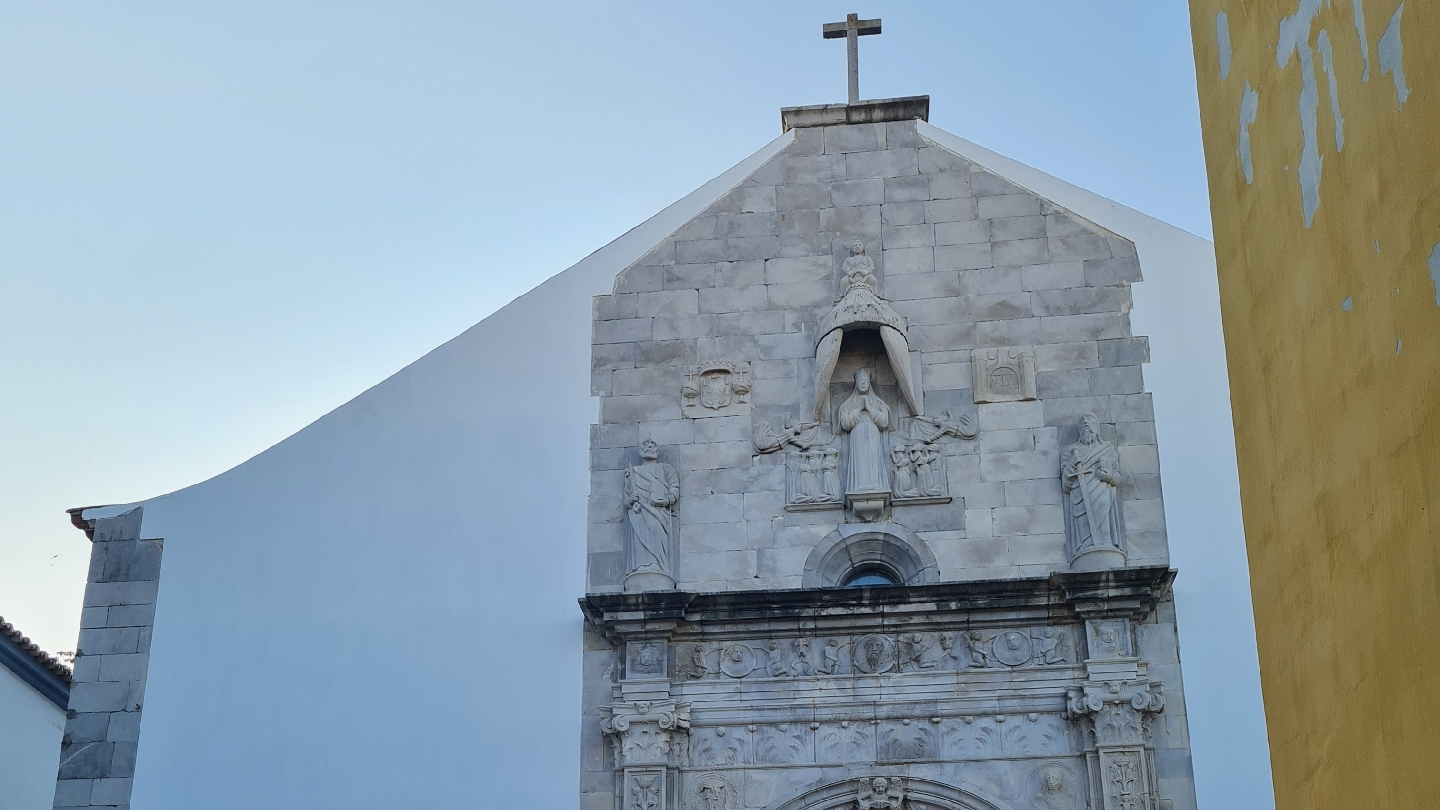
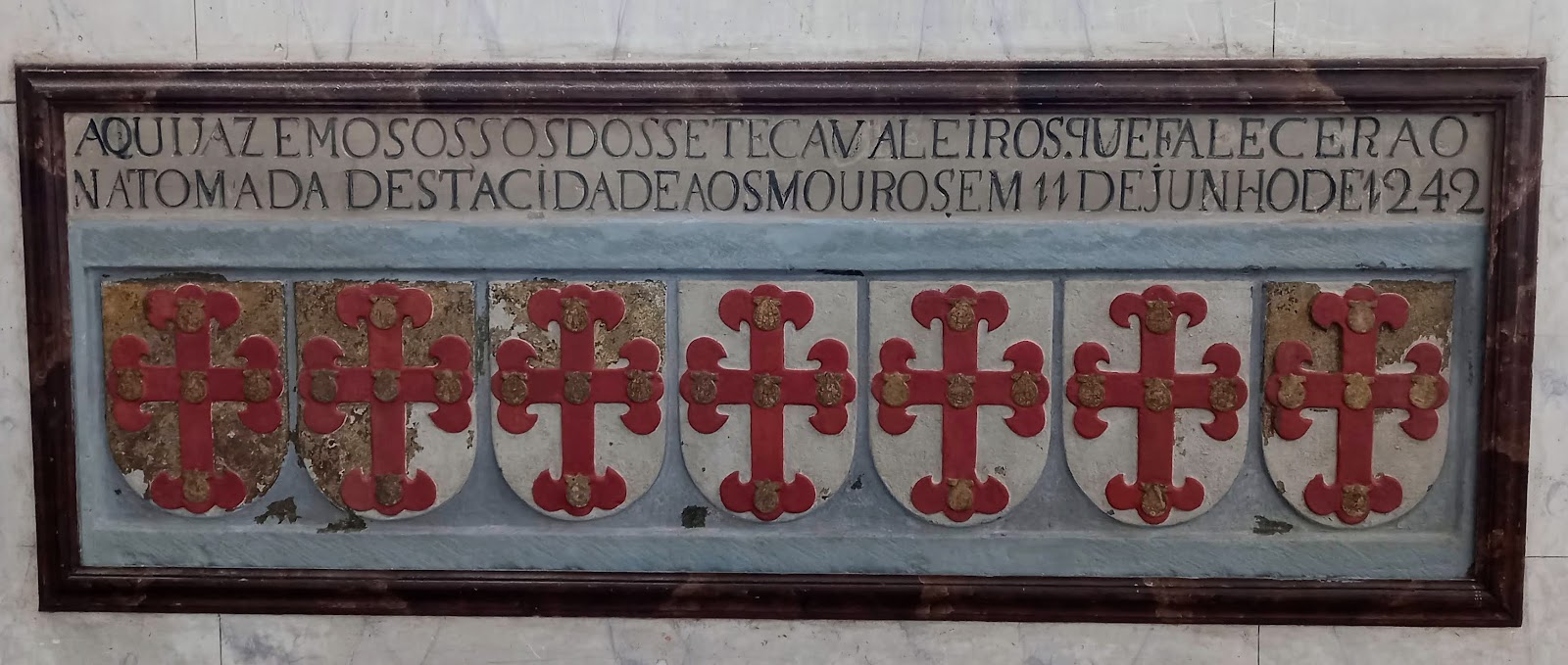
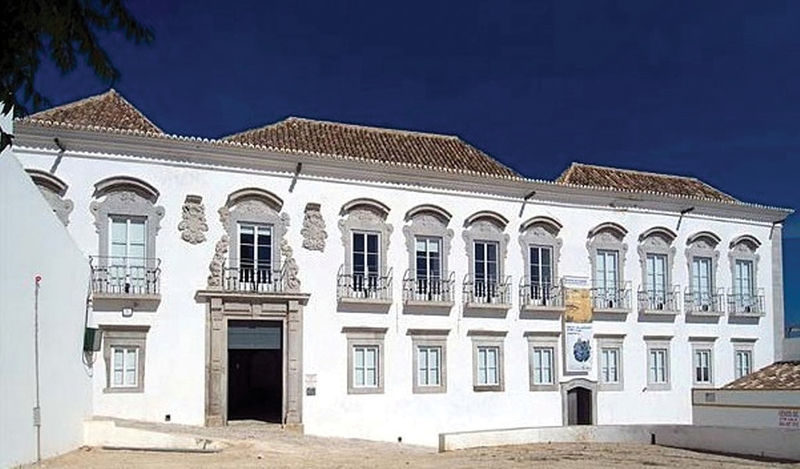
The Moors shaped much of what you see in the architecture: whitewashed walls, characteristic rooflines, the bridge misnamed for an earlier empire. The knight Paio Peres Correia took Tavira for the Order of Santiago in 1242; he's buried in the Igreja de Santa Maria do Castelo alongside seven Crusaders killed in the campaign. King Manuel I granted a new charter in 1504, and by the late sixteenth century the town was the Algarve's leading port, exporting tuna, honey, leather, and horses to North Africa. The 1755 earthquake, measuring magnitude nine, erased most of that prosperous fabric. The eighteenth-century town you walk through now is largely the rebuilt version.
Who and what shaped it
People who shaped it
Landmark buildings
See Tavira in motion
Plan your visit
On the map
When to go
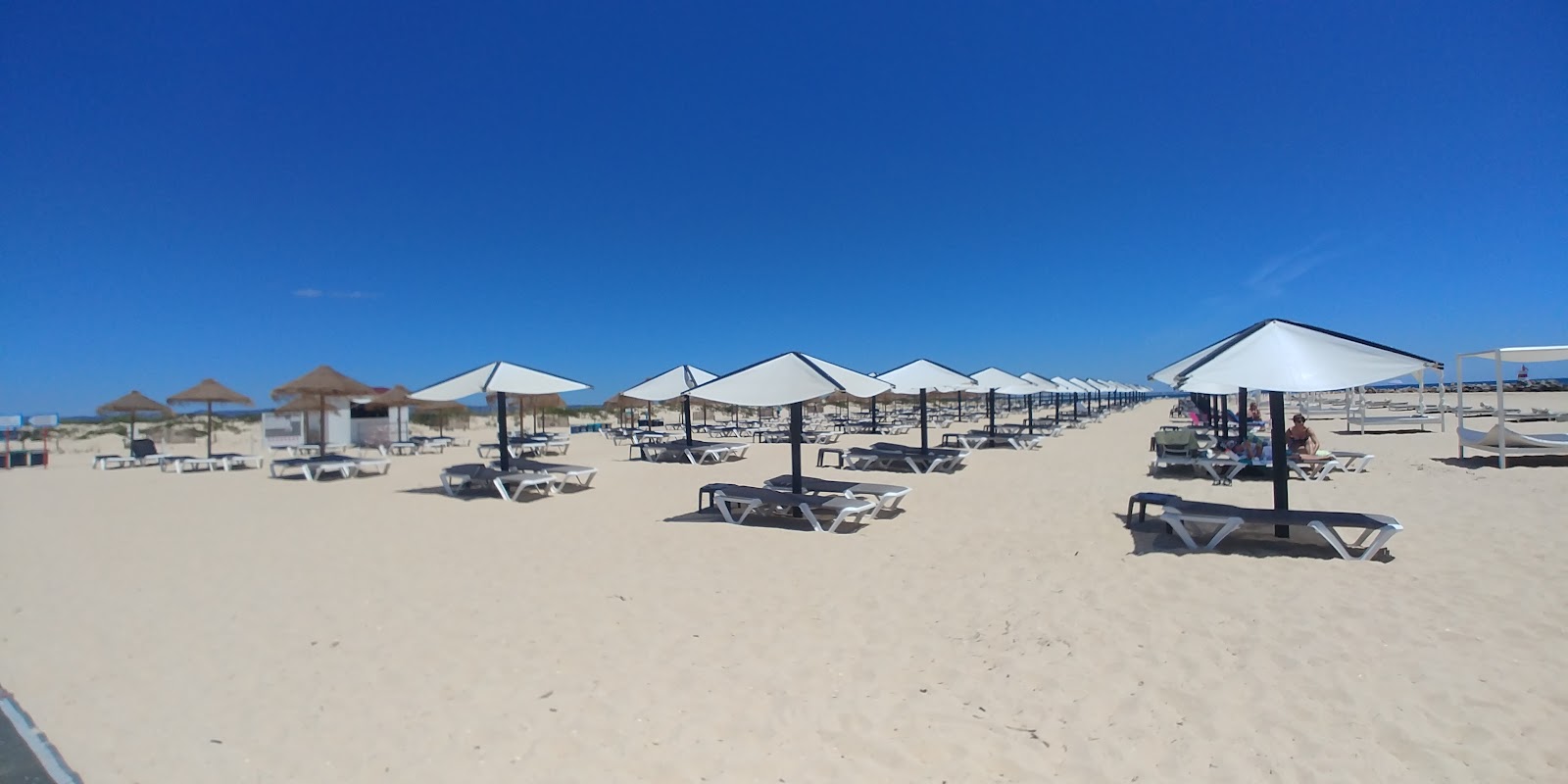
Summers are hot and dry, with July and August pushing well above 30°C — fine for the beach fringe of the Ria Formosa, less comfortable for extended walking through the town. April through June and September through October bring warm days, cooler evenings, and far fewer visitors; winter is mild and quiet, with occasional rain.
Right now
↡ Attractions
Background & history adapted from Wikipedia (CC BY-SA) · specs from Wikidata (CC0) · weather from Open-Meteo · map data © OpenStreetMap contributors · photos from Wikimedia Commons / Unsplash with per-image credit. No third-party reviews or social posts reproduced.