
Museu Municipal de Tavira
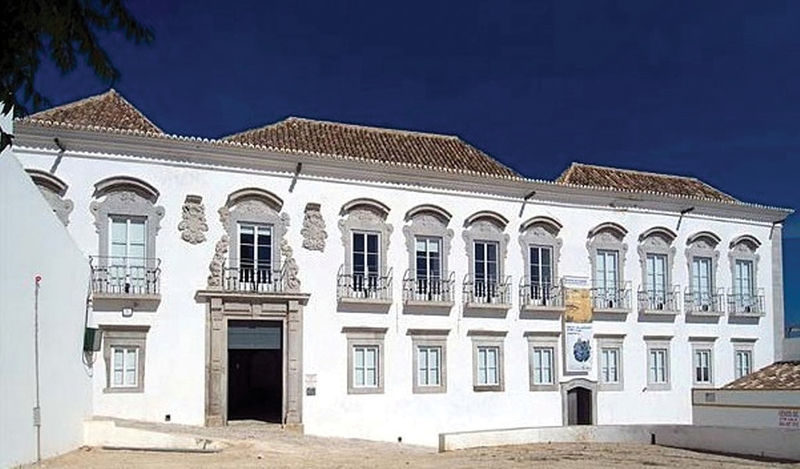
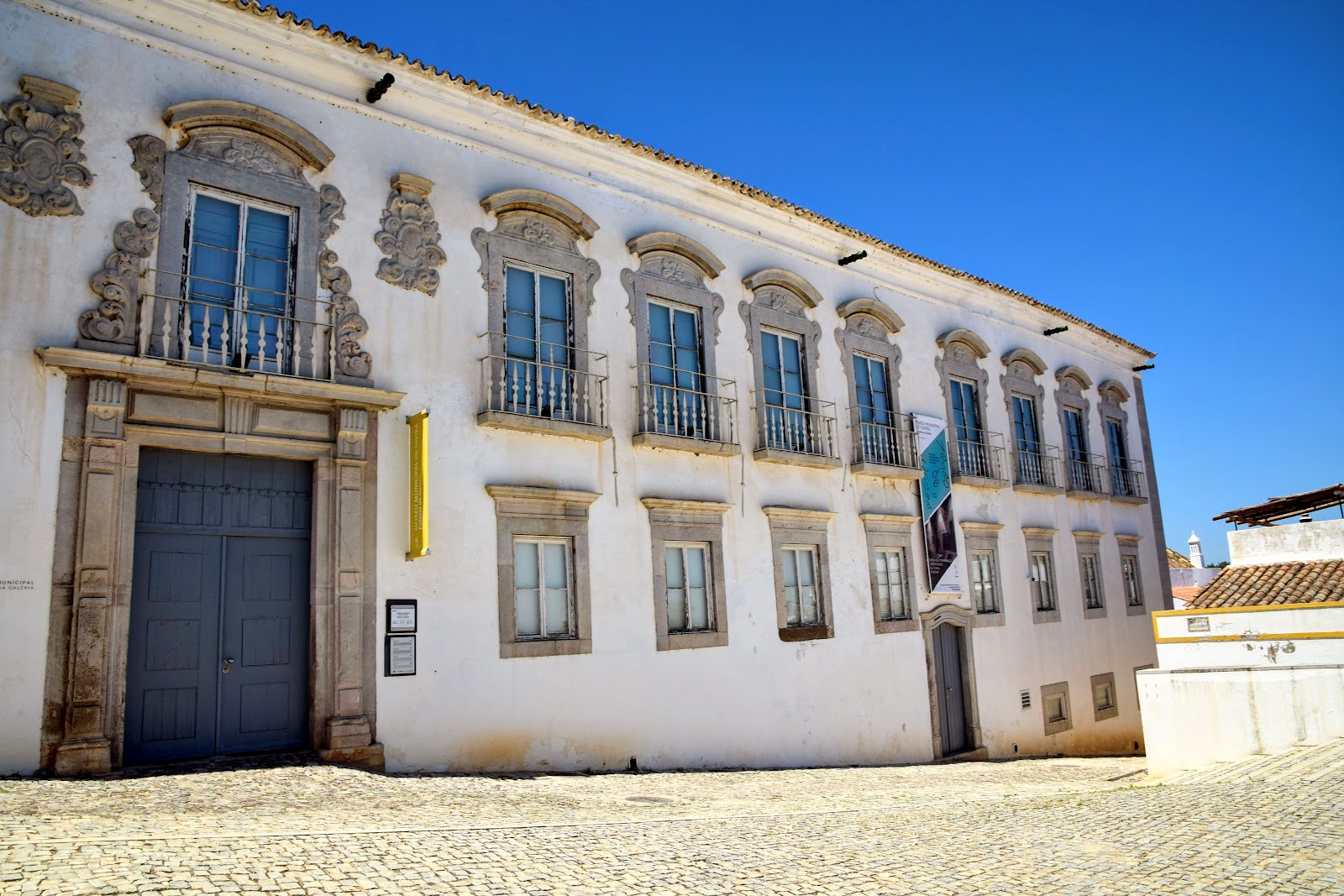
Stand in the courtyard of the Palácio da Galeria and look up at the Renaissance arcade running along the upper storey — an open loggia of arches that architectural historians consider among the finest of its kind in Portugal. The building itself has been many things across many centuries, and the layers haven't been smoothed away so much as left visible.
The museum opened here in 2001, but the ground beneath your feet goes back much further. Glass panels set into the floor reveal excavated pits from the 6th and 7th centuries, and the permanent collection traces the Roman settlement of Balsa, a few kilometres outside Tavira. Rotating contemporary exhibitions occupy the same rooms where scissor-cut wooden ceilings still carry faint traces of their original painted decoration.
💛 What travellers fall for
People who come back tend to linger longest over the glass floor panels — easy to walk past if you're moving quickly, worth stopping for. The combined ticket covering both the Palácio da Galeria and the Islamic Museological Centre costs €3 and makes the visit feel properly rounded. Confirm payment methods before you arrive; cash has been reported as the only option.
The story behind Museu Municipal de Tavira
The Palácio da Galeria sits on ground that was already old when the building took its current form. The site rests on the remains of a Phoenician settlement, and the structure itself carries architectural DNA from three distinct periods — Gothic, Renaissance, and Baroque — accumulated across the 16th century and into the 18th.
In the mid-18th century, the judge João Leal da Gama e Ataíde commissioned a significant reconstruction of the building, giving it much of the form it holds today. The Renaissance courtyard arcade is associated with the workshop of André Pilarte, a craftsman active in Tavira during the mid-16th century, though that attribution comes from architectural records rather than documentary proof. The building is classified as a monument of public interest.
Good to know
The museum is closed Sundays, Mondays, and public holidays. Opening hours shift between winter and summer schedules, so check before heading over. Admission is low — €2 for the main site — and the satellite locations, including the Almohad Quarter Archaeological Site, are free. Allow at least an hour and a half for the Palácio da Galeria alone.
Where is Museu Municipal de Tavira?
More tickets & tours for Museu Municipal de Tavira
Book directly at the provider
What travellers say about Museu Municipal de Tavira
This museum (in conjunction with the Islamic exhibition beside the tourist office) is definitely worth a vist. Interesting sections on ceramics and on Mediterranean diet and lifestyle. At €1.50 to visit both, how can you go wrong.
The exhibition of Mediterranean food is very interesting. A must-see to enjoy great local food in Tavira. It's just a pity that the reception lady was so high-handed that she didn't feel good.
The Portuguese tile exhibit was exquisite. Wonderful look into the history of Portuguese tile.
I expected a museum about the history of the region and town, but this "Palace Galeria" building is, rather, (1) upstairs, a gallery space, currently exhibiting the excellent photography of Fernando Ricardo (October 2023) and (2) excavated pits from the 6th-7th centuries, viewable through glass floor panels (which need cleaning!). Entry fee for 65+ is only 1 Euro.
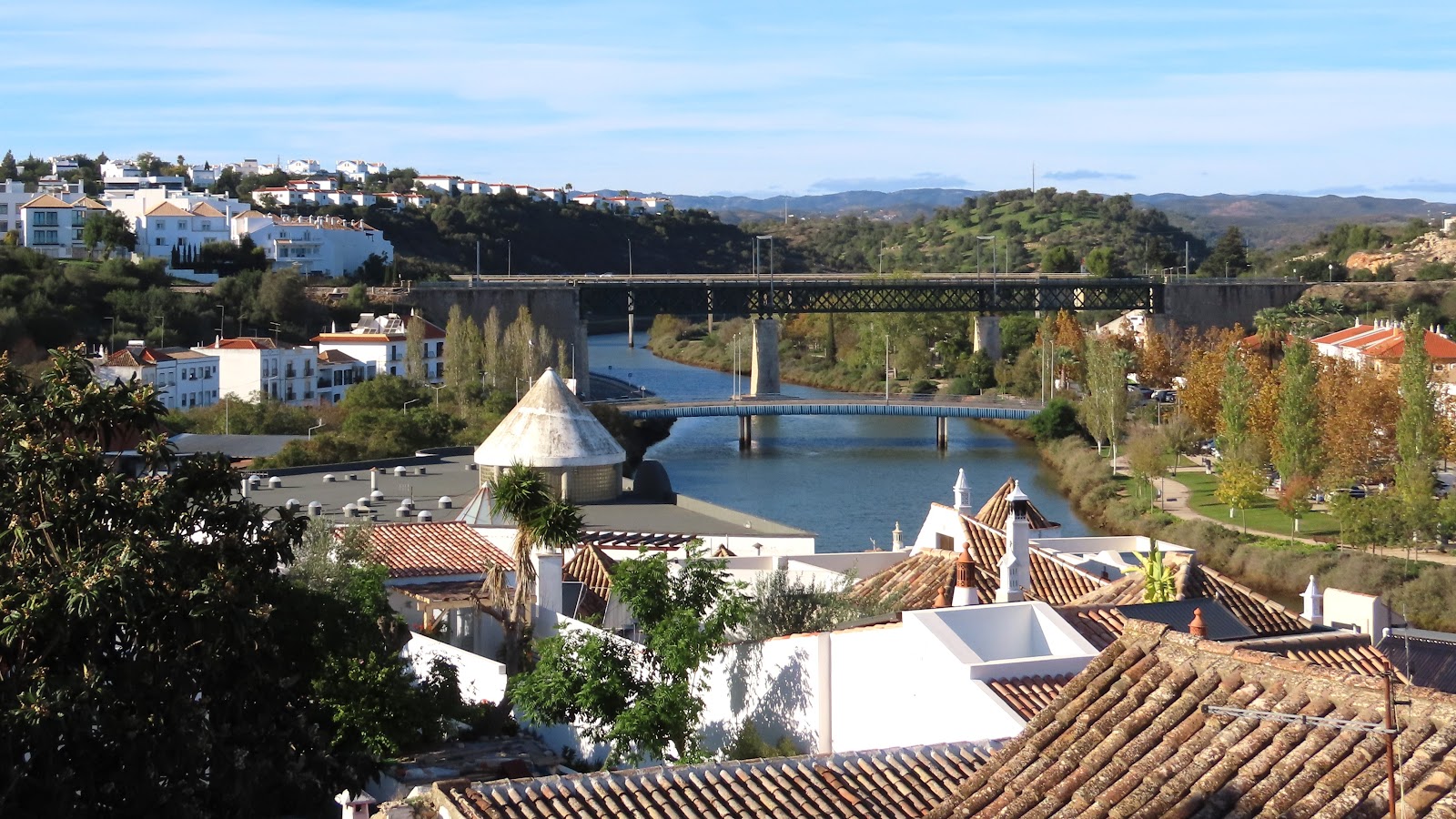
Interesting place to visit for free. Learned some interesting things about the history of this area. You also have a beautiful point of view of the town. Worths your time!
More of Tavira
Discover where to stay, what to do and the best deals for your trip.
Explore Tavira →More attractions in Tavira
All of Tavira →
Background adapted from Wikipedia (CC BY-SA) · map data © OpenStreetMap contributors · ratings & place photos via Google · other photos with per-image credit. Ticket links may earn us a commission at no extra cost to you.