
Igreja de Santa Maria do Castelo
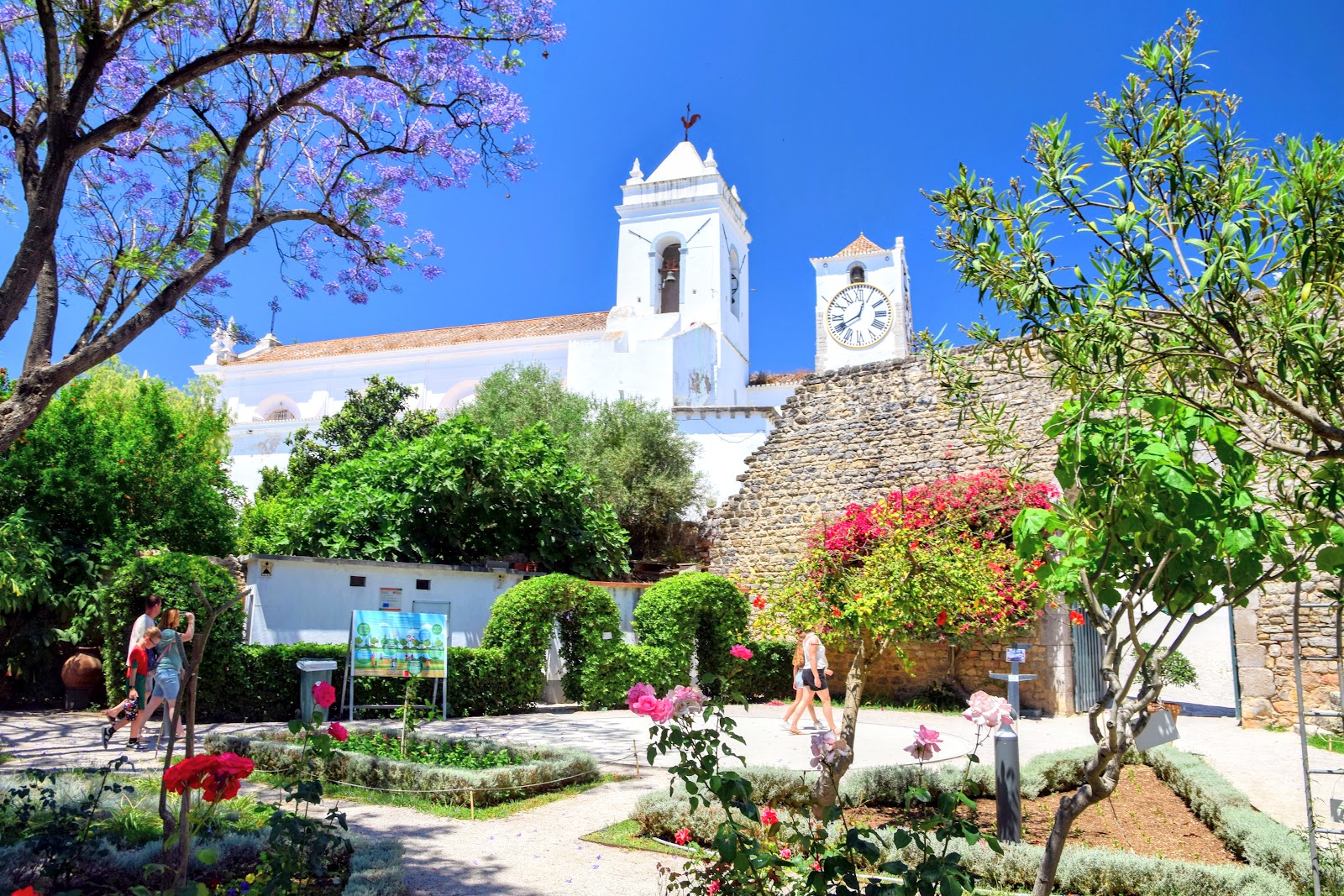
At the top of Tavira's castle hill, the clock on the bell tower keeps time over a town of thirty-six churches — and this is the one that started it all. Igreja de Santa Maria do Castelo occupies the site of a Moorish mosque, though no physical trace of that earlier building has ever been found; what you see instead is a white-washed facade with a Gothic portal, ogive window, and a small rose window that survived the catastrophic 1755 earthquake.
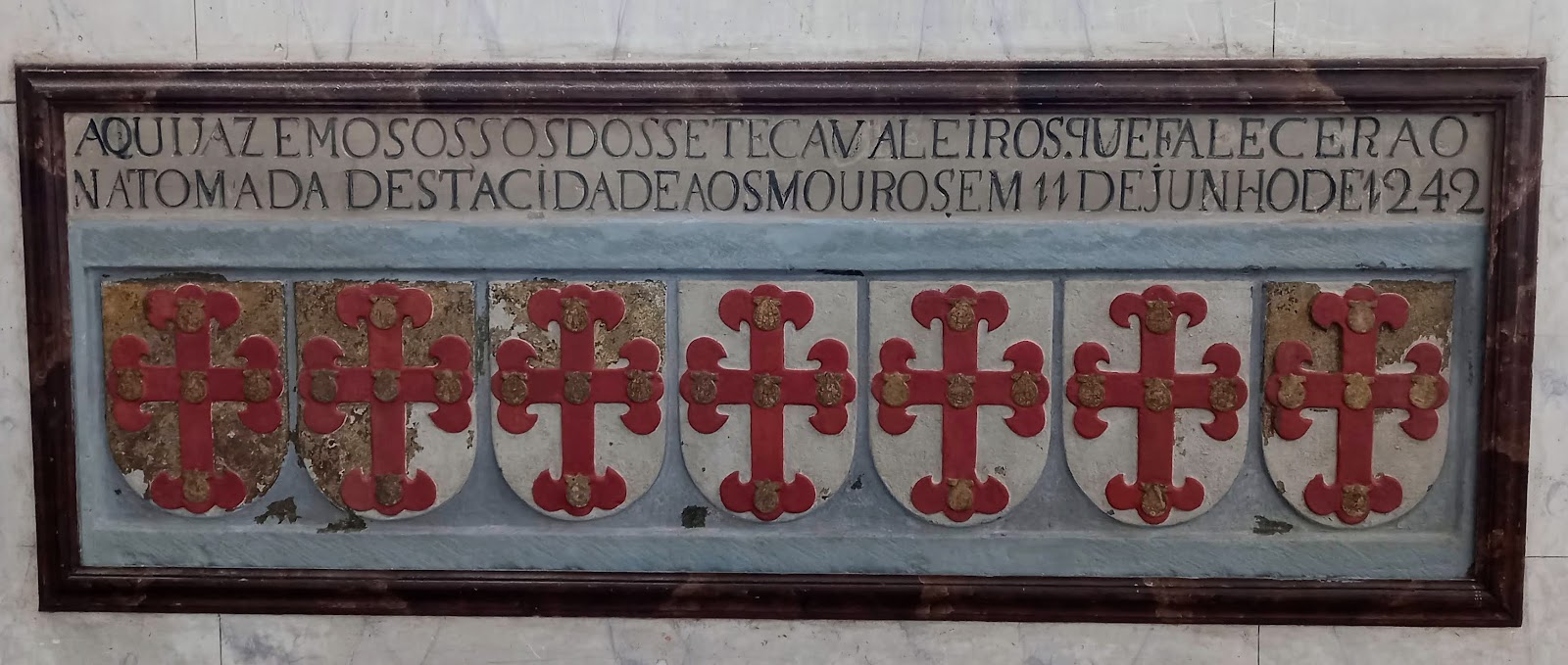
Inside, the eye adjusts from the bright exterior to blue-and-white azulejo tilework, brightly painted statues, and a side chapel in Manueline style with rib vaulting overhead. In the main chapel, a stone tomb holds D. Paio Peres Correia and the seven knights of the Order of Santiago who died taking the city in 1242.

💛 What travellers fall for
People who come back tend to pay the €2.50 for the bell tower. The steps are steep enough to earn the view — Tavira's pyramid-shaped rooftops, the Gilão River, and the salt plains stretching toward the Ria Formosa — and the oversized clock face is genuinely strange and worth seeing up close.
The story behind Igreja de Santa Maria do Castelo
When D. Paio Peres Correia led the Order of Santiago into Tavira in 1242, he commissioned a church on the site of the town's mosque — a practical act of reconquest that was also a statement of permanence. The mosque itself remains archaeologically unverified, but the Christian church that replaced it established Santa Maria do Castelo as Tavira's principal place of worship.
The building that stands today is largely the result of rebuilding after the 1755 earthquake, which damaged the structure severely. The Bishop of Algarve, D. Francisco Gomes de Avelar, brought in Italian architect Francisco Xavier Fabri to lead the reconstruction. The Gothic portal, the clock tower, and the rose window on the facade are survivals from earlier phases; the rest is Fabri's work, now classified as a National Monument.
Good to know
Open Monday to Friday 10:00–17:00 (closed 13:00–14:00) and Saturday mornings until 13:00; free to enter the church, €2.50 for the tower. Tavira is 35 minutes from Faro by car or a short hop on the Algarve train line. The church closes Sundays, so plan accordingly.
Where is Igreja de Santa Maria do Castelo?
More tickets & tours for Igreja de Santa Maria do Castelo
Book directly at the provider
What travellers say about Igreja de Santa Maria do Castelo
The church on the top of the hill is very nice, but it needed important restoration works! With the ticket you can visit the church and go to the tower bell.
A pretty church with a nice small tower you can climb for views of the town. It’s in a great location with easy access from the train station or town center.
This church is no longer being used, but artistry of the sculpture, paintings and statues need to be seen and shared. Especially, the painting of the Last Supper. The church facade is undergoing renovations, and will likely be turned into a museum. It's sad that such a beautiful place is no longer a sacred place of worship. Tavina, please save your church and sacred heritage.
Slightly disappointing. It’s simply not a very interesting church in my opinion and the views from the clock tower are moderate at best. I found the admission fee of 4 euros relatively high compared to other, more interesting churches in Portugal.
Nice church with good views from the bell tower. A small entrance fee applies.
More of Tavira
Discover where to stay, what to do and the best deals for your trip.
Explore Tavira →More attractions in Tavira
All of Tavira →
Background adapted from Wikipedia (CC BY-SA) · map data © OpenStreetMap contributors · ratings & place photos via Google · other photos with per-image credit. Ticket links may earn us a commission at no extra cost to you.