
Castelo de Tavira
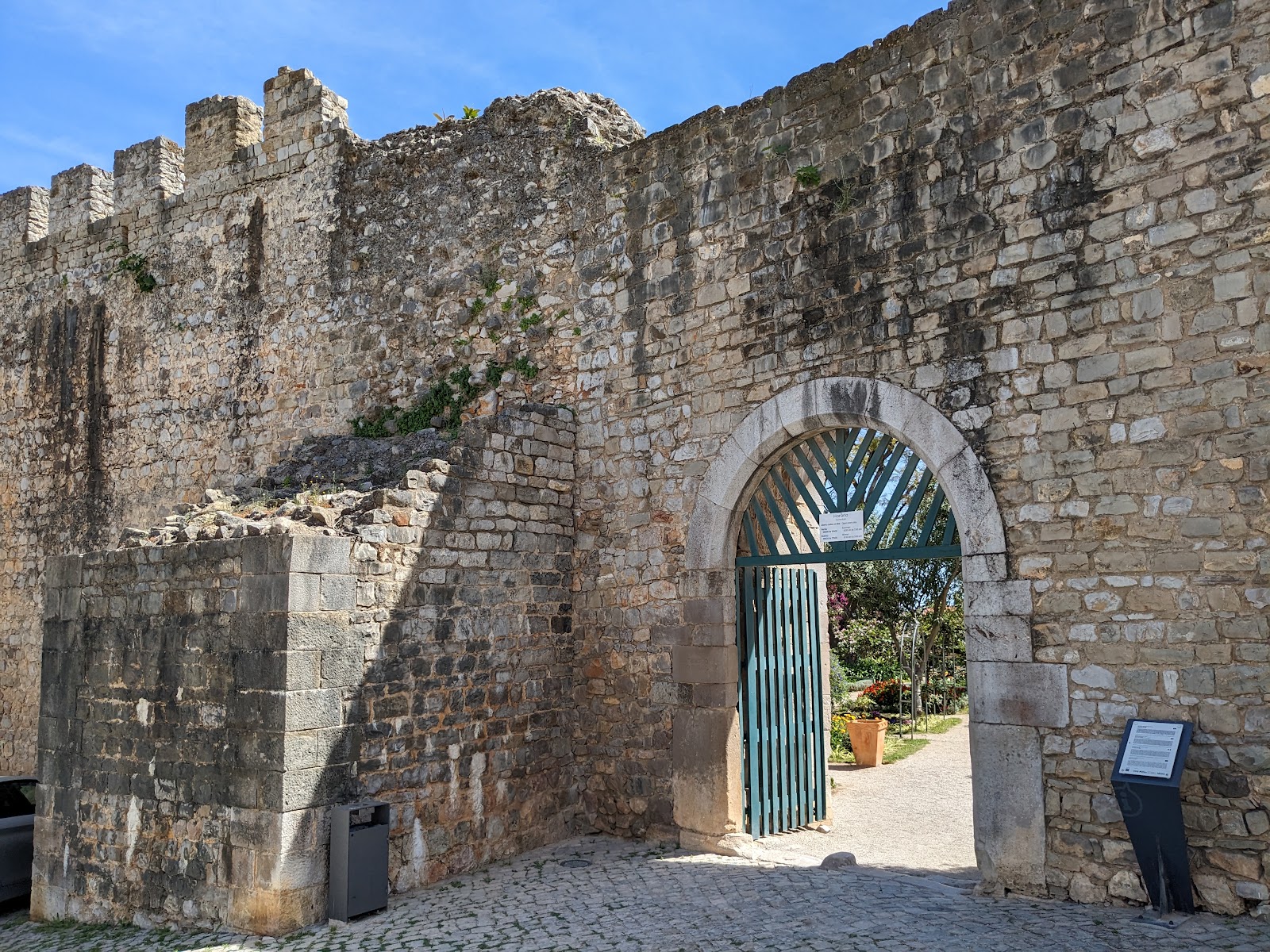
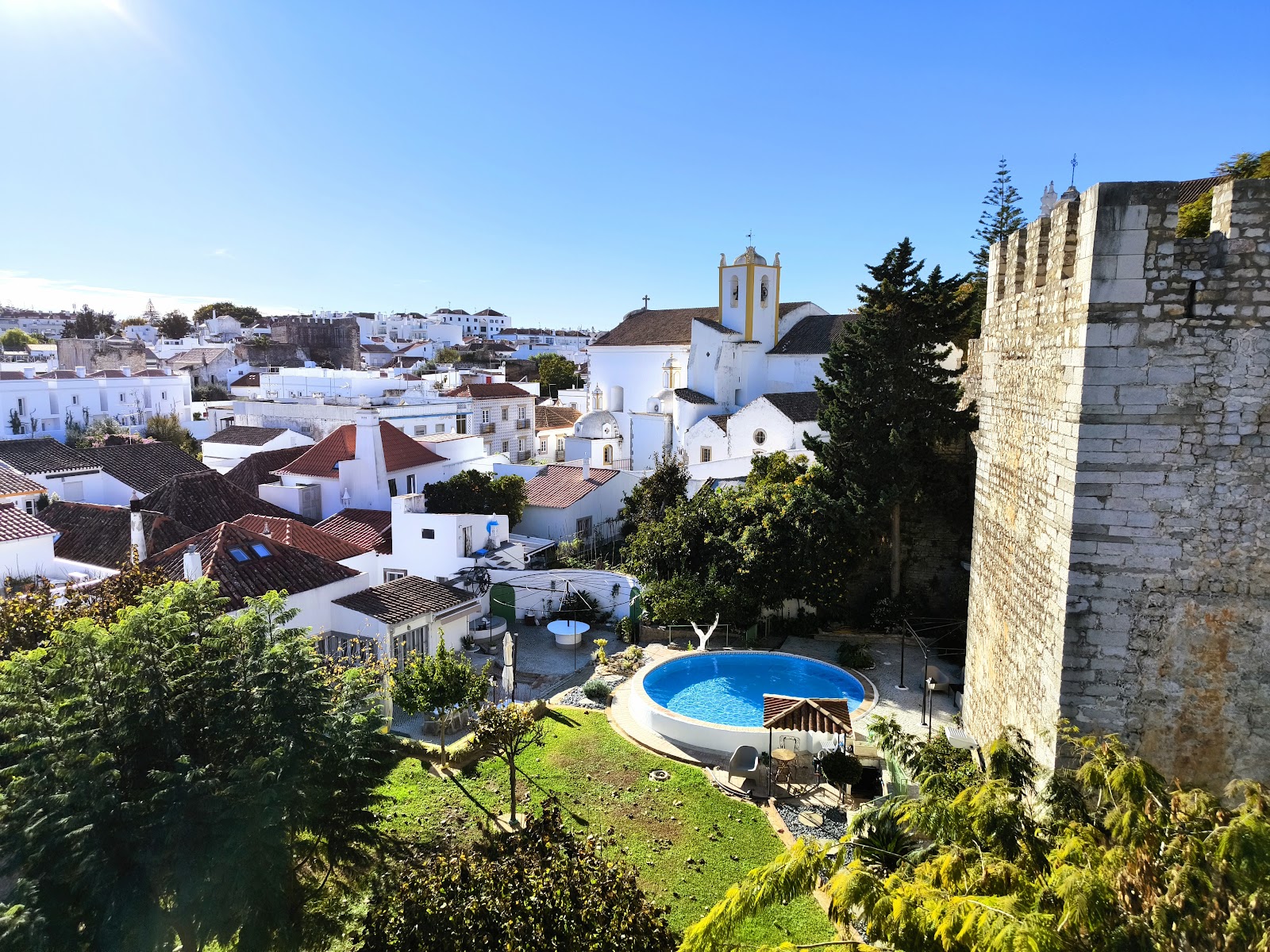
From the battlements of Castelo de Tavira, the town spreads out in a pattern you won't see elsewhere in the Algarve: rooftop after rooftop finished with four-sided hipped peaks, a geometry carried forward from the Moorish period that makes Tavira look, from above, like somewhere halfway between Portugal and North Africa. The castle itself is spare — two square towers, one octagonal, stretches of curtain wall — but the grounds have been turned into a quiet garden where cats sleep in the shade and bougainvillea grows against old stone.
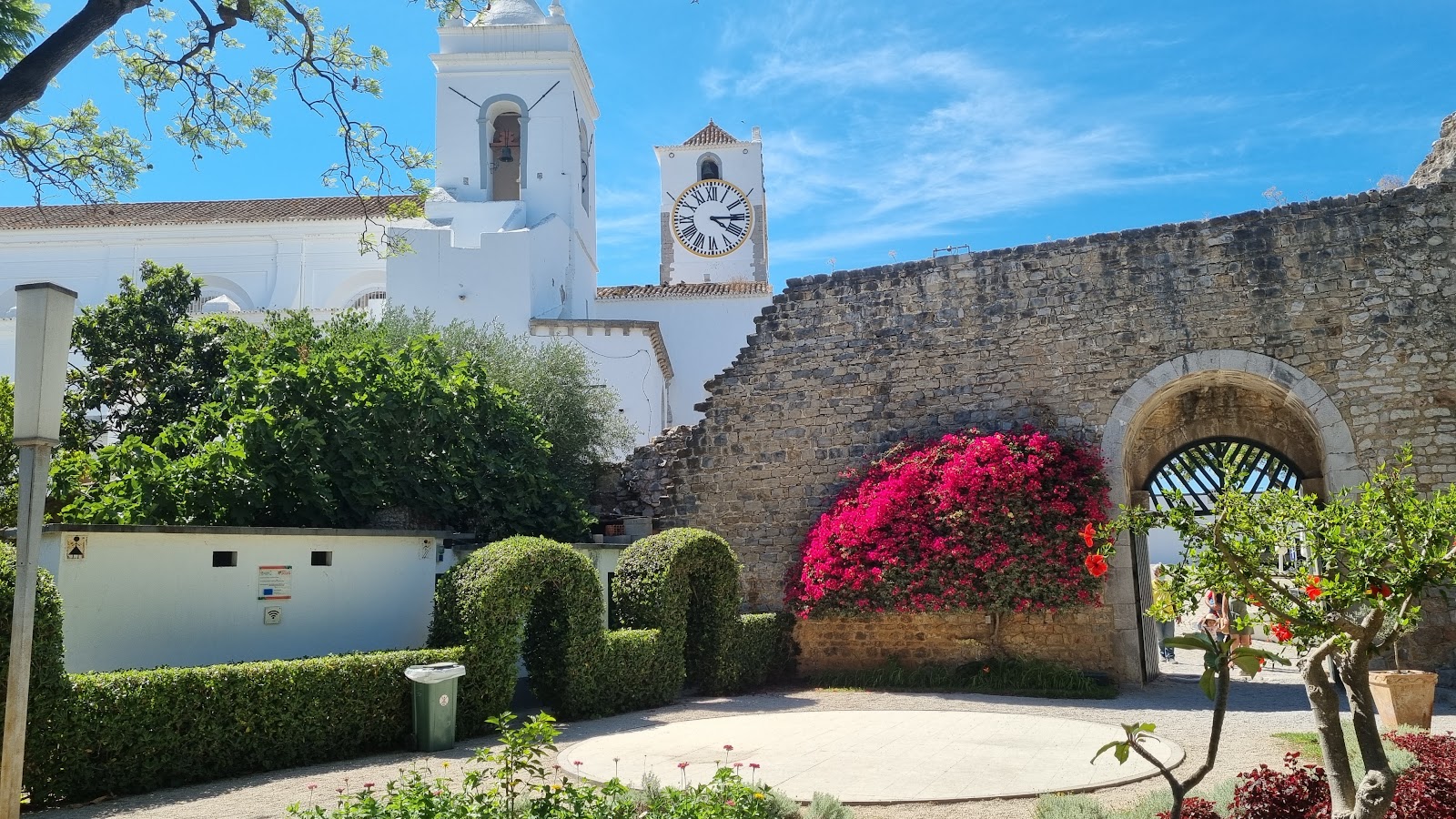
Entry is free, and the main gate opens onto Largo Abu Otmana, named for a Moorish poet born here. The Igreja de Santa Maria do Castelo stands just inside, built on the site of a former mosque after the Christian reconquest.
💛 What travellers fall for
People who return tend to time it for late afternoon, when the light hits the roofscape at an angle that justifies the climb. The secondary entrance on Rua da Liberdade is quieter than the main gate. The Camera Obscura in the old water tower nearby offers a different angle on the same view — worth the few minutes if the castle garden feels too still.
The story behind Castelo de Tavira
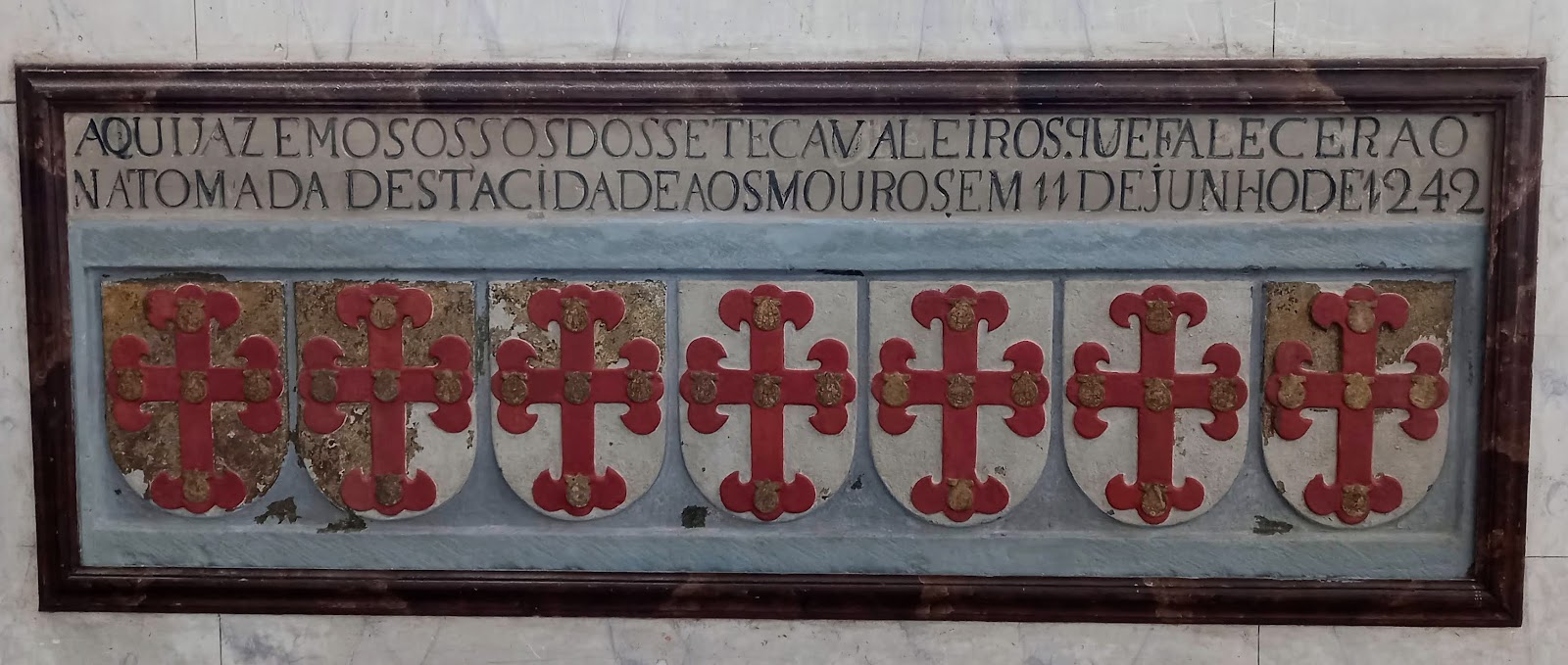
People have occupied this hill since at least the 8th century BC, and the stone you walk on today carries the weight of Phoenician, Roman and Moorish layers beneath it. The fortress as it stands was raised by Muslim rulers during the Almoravid and Almohad periods, its principal fabric dating to the late 11th and 12th centuries. Dom Paio Peres Correia, Master of the Order of Santiago, took Tavira for the Portuguese crown in 1239 — the exact date is disputed, but June of that year is most cited. King Sancho II subsequently granted the town to the Order of Santiago.
King Dinis ordered repairs and expansion around 1292, adding the Torre de Menagem and reinforcing the town's defenses. The 1755 earthquake that reshaped so much of southern Portugal did serious damage here; the castle fell into long decline. The municipality acquired the land in 1938, and a year later it was declared a National Monument.
Good to know
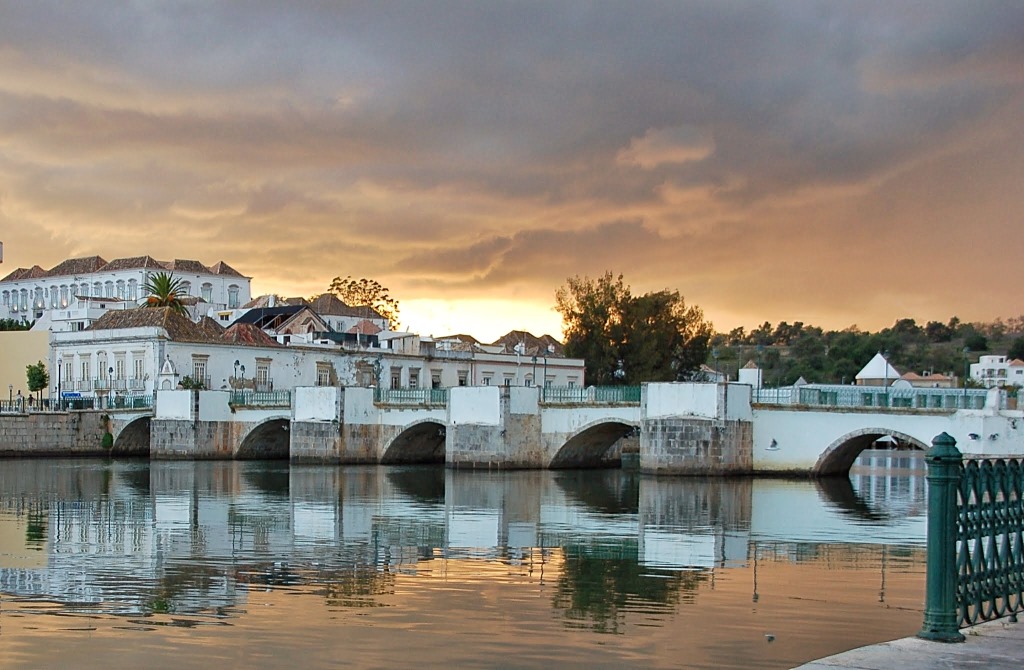
Open daily, free of charge — 10:00 to 17:00 in winter, until 19:00 in summer. About 1 km from Tavira Station on foot. Budget 20 minutes for the grounds and battlements; combine it with the Ponte Romana and Igreja da Misericórdia on the same walk.
April through June and September through November offer the most comfortable conditions — temperatures between 19°C and 27°C, little rain, and enough light to read the stonework clearly. July and August are reliably hot and dry (highs around 30°C), which makes the shaded garden welcome; December brings the most rainfall and cooler evenings.
Where is Castelo de Tavira?
More tickets & tours for Castelo de Tavira
Book directly at the provider
What travellers say about Castelo de Tavira
Beautiful find with a stunning church on the small walk up the hill to the castle. The castle itself is quality ruins. You can climb three sets of (steep but with a handrail) steps to look out from the tower or turrets. The ruins have a beautiful well kept small garden in the centre and toilets. If you exit the castle to the left you can see inside what remains of the castle inside/on the hill on the way down which is from 1200’s. Free parking 10 minutes away and a lovely stroll across a Roman bridge to get to the town and then on to the castle.
A beautiful historic fortress in the heart of Tavira, well worth the climb for both the gardens and the views. Reaching the top involves several flights of stone steps, but the effort pays off. At the summit, you’re greeted by surprisingly lush and well-maintained gardens, offering a peaceful contrast to the stone walls and historic setting. One of the highlights is an ancient fig tree that appears to be well over a century old, adding to the sense of history and calm within the space. From here, there are excellent views over Tavira’s old quarter, with its tiled rooftops, churches, and the gentle flow of the Gilão River. Admission is free, which makes it even more worthwhile as a stop while exploring the town. The site itself is not large, but it’s thoughtfully arranged and easy to explore. It’s as much about the atmosphere as the history — a quiet place to pause, take in the scenery, and appreciate Tavira from above.
A beautifully maintained castle wall enclosing a garden! It’s free to enter and you can climb up multiple areas to get views of the town and Santa Maria church. There was also a free bathroom, which got a long line.
I recently stayed in Monte Gordo, Portugal for a week and decided to do some exploring. I jumped on a train to pay a visit to Tavira, a 35 minute journey from my starting point. Tavira is split into the old and new areas crossing from one area to the other over a Roman bridge which still stands strong. With a beautiful square lined with restaurants and shops, stunning old castle which is free to visit and some beautiful churches as well as a larger impressive square in the original town this was an interesting place with many highlights. Two train stations are here, one in the older area and one in the new- Tavira and Porto Nova respectively.
we came in a sunny day, so adds the beauty of it. good view of the city, very pretry. an easy walk up to the Castel, many restaurants not far from it. We love it.
More of Tavira
Discover where to stay, what to do and the best deals for your trip.
Explore Tavira →More attractions in Tavira
All of Tavira →
Background adapted from Wikipedia (CC BY-SA) · map data © OpenStreetMap contributors · ratings & place photos via Google · other photos with per-image credit. Ticket links may earn us a commission at no extra cost to you.