
Quarteira
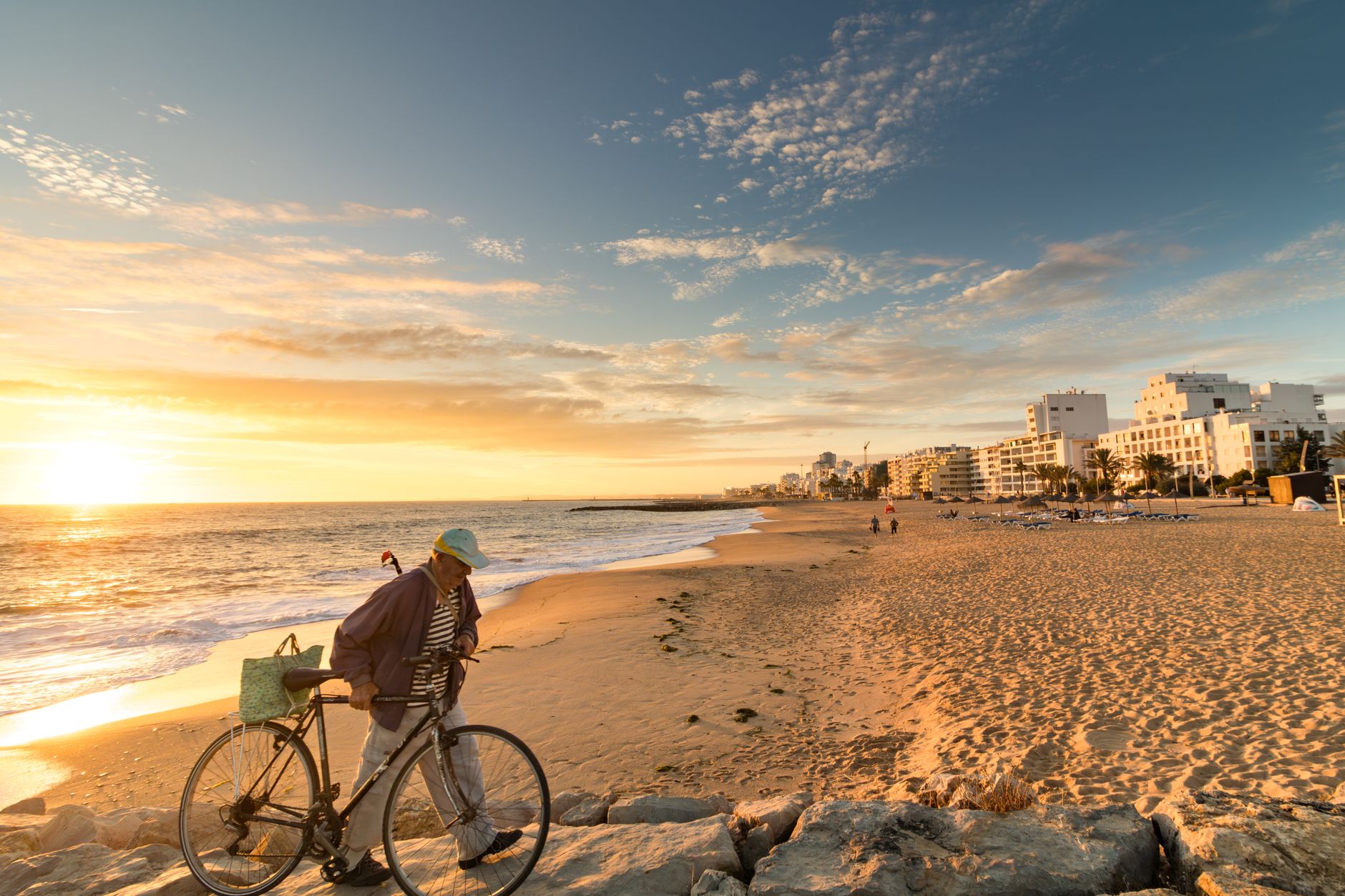
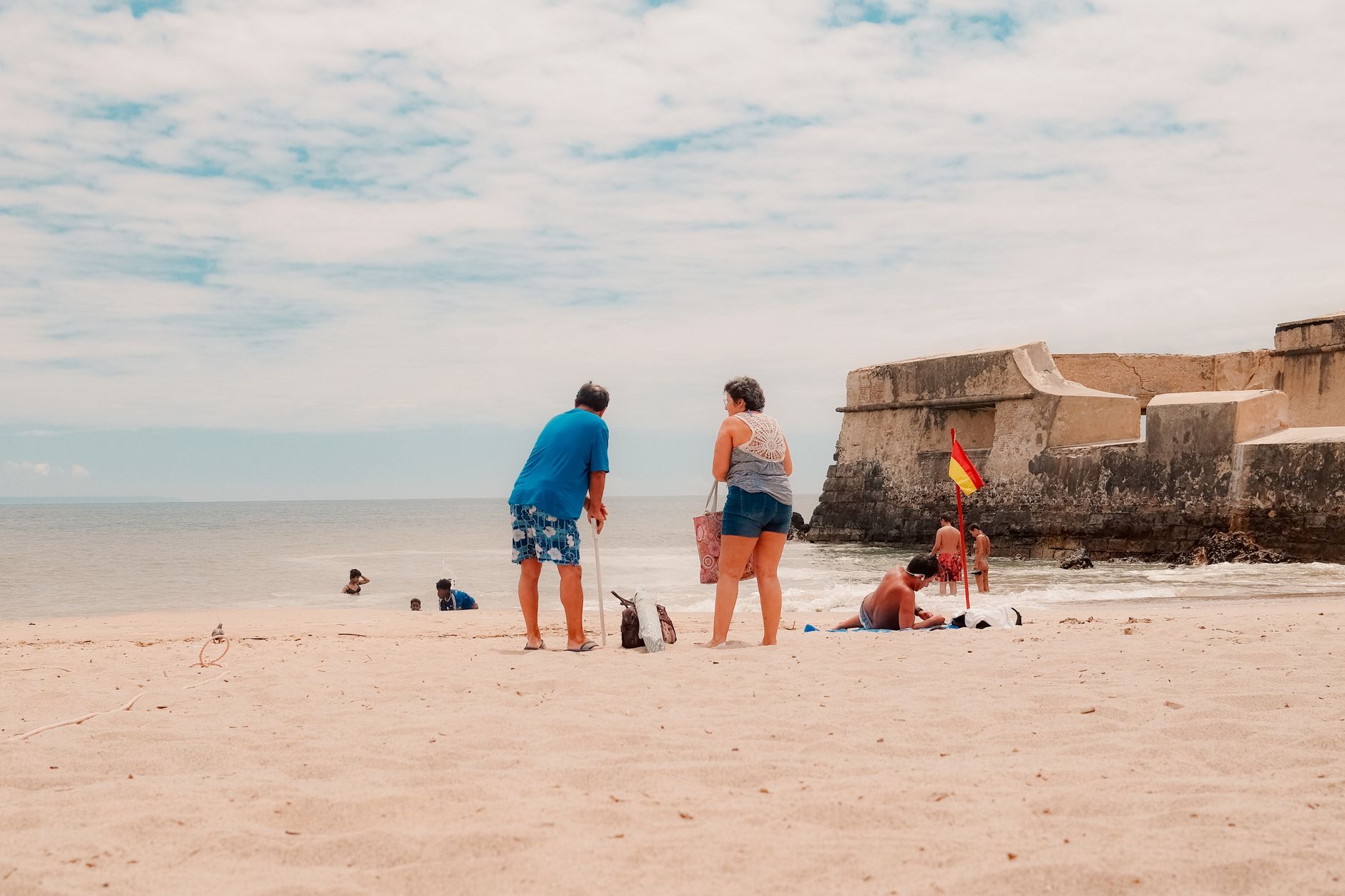
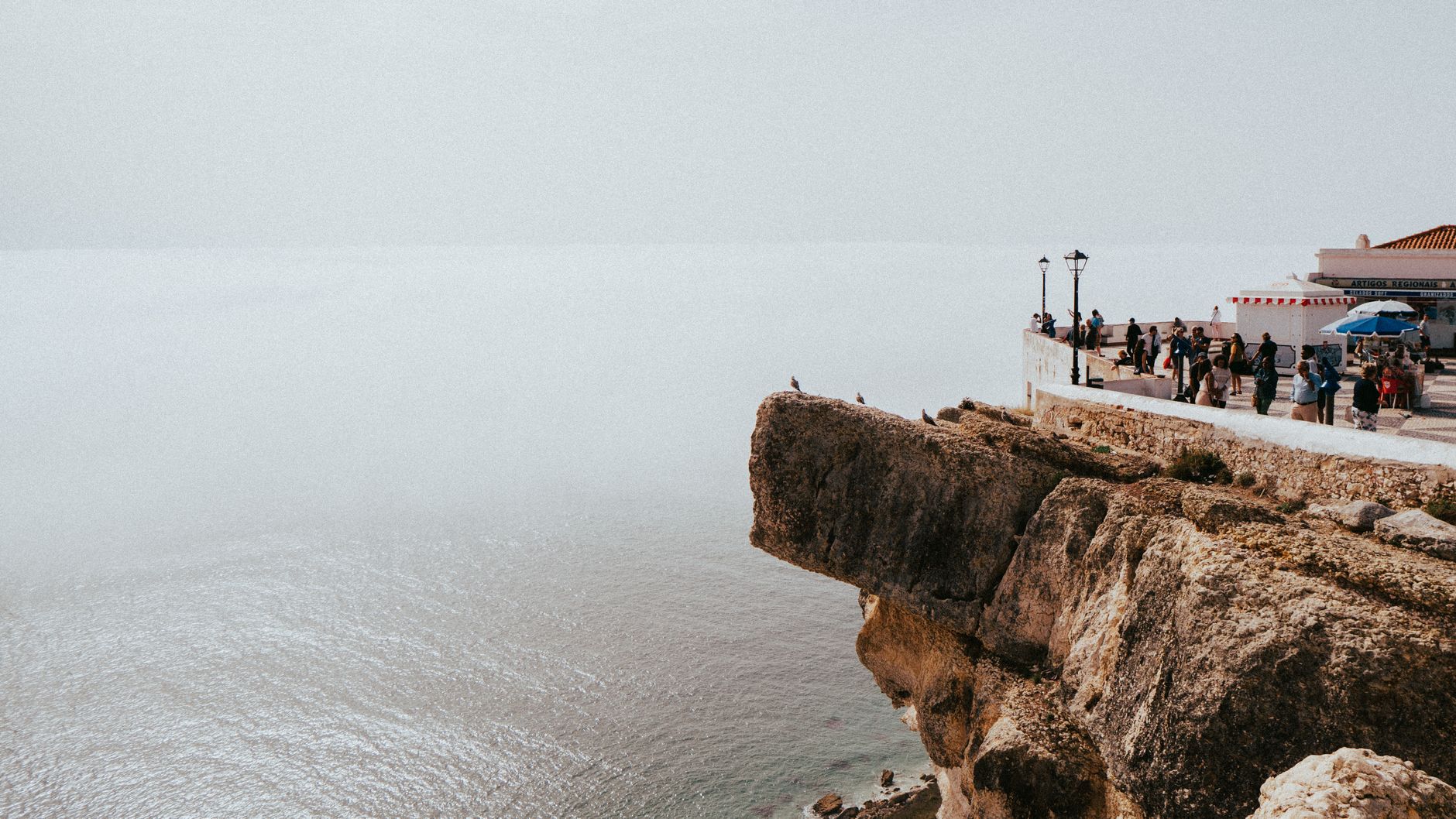
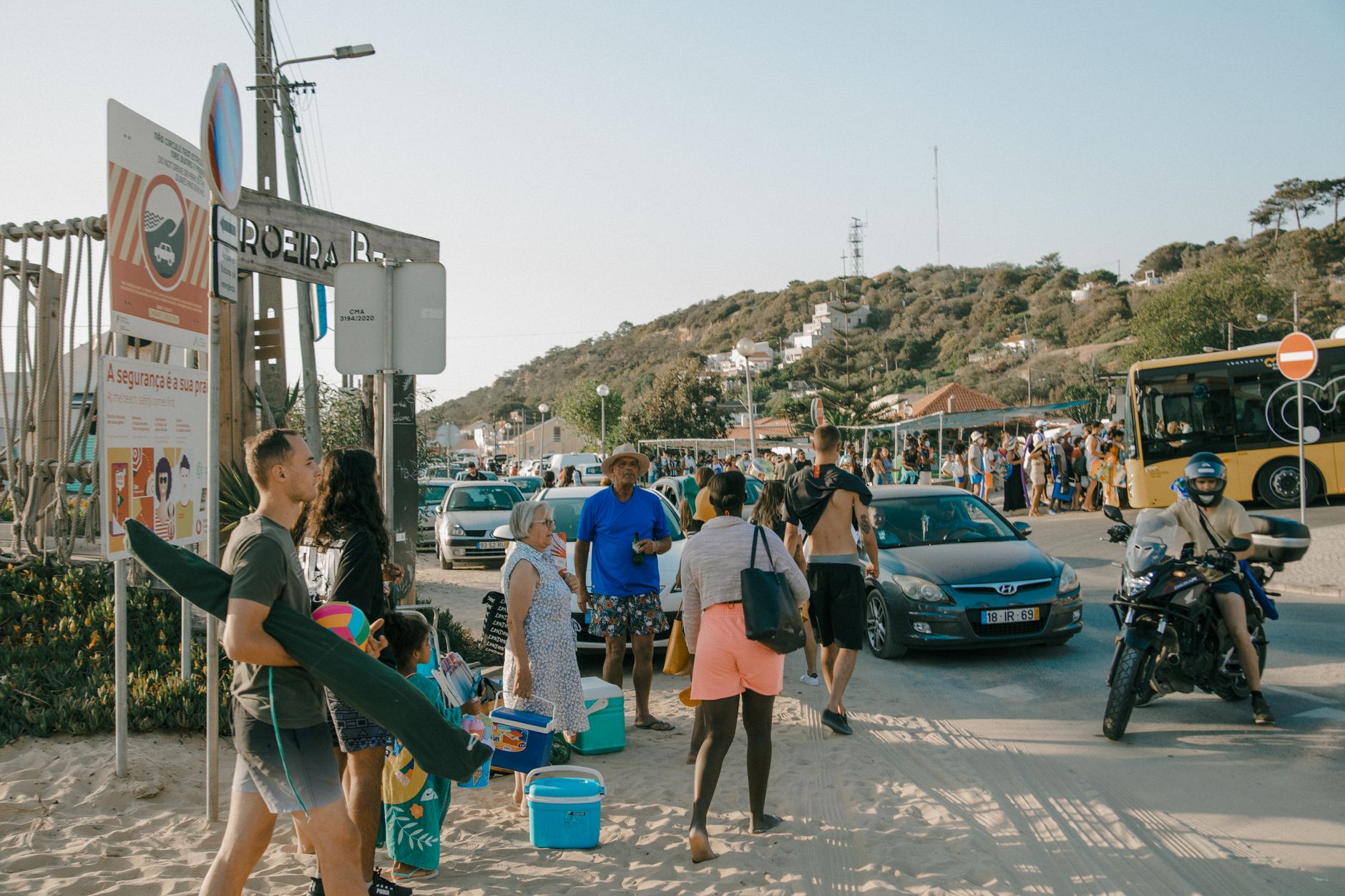
Stand at the edge of Quarteira's three-kilometre beach in the early morning, before the sun has done its work, and the Atlantic is still the colour of pewter. A few fishing boats are already back at the lota, where the daily auction runs its quick, loud course. The apartment blocks behind you are a fact of life — the town traded its pine-fringed quietness for concrete during the 1960s tourism boom — but the sea and the market remain stubbornly themselves.
What survives of the older Quarteira rewards a little attention. A 17th-century church, a ruined coastal fort now visible only at low tide, and the fragmentary walls of a Roman maritime villa whose mosaics and fish-sauce factories speak to two thousand years of people finding reasons to stay on this particular stretch of coast.
💛 What travellers fall for
People who come back tend to time their mornings around the Mercado do Peixe — arrive when the lota auction wraps and the stalls fill out. They also make a point of walking Avenida Infante de Sagres toward the eastern end to find Vila Maria Izidra, the last original beachfront house, a 1945 time capsule that the rest of the promenade seems to have forgotten.
Deals in Quarteira
Book directly at the provider


How Quarteira came to be
King Denis granted Quarteira its foral — a royal charter formalising the settlement — on 15 November 1297, though the ground underfoot had been occupied far longer. The ruins at Cerro da Vila point to a Roman maritime villa functioning from roughly the 1st to the 5th century AD, complete with baths, mosaic floors, and the kind of fish-sauce production that supplied tables across the empire. For centuries after, Quarteira remained a fishing village ringed by pines.
A watchtower documented in the 1758 Memórias Paroquiais traces back to a 1503 royal order to build coastal defences against North African piracy. Forte Novo, another such structure, succumbed to cliff erosion in the early 1980s and now appears only as rubble at low tide. The town became a civil parish in 1916 and a city formally on 13 May 1999 — by which point the 1960s construction of the beachside promenade had already set the template for the place it is today.
Who and what shaped it
People who shaped it
Landmark buildings
See Quarteira in motion
Plan your visit
On the map
When to go
Summers are long, dry, and reliably warm, with August highs around 29°C (84°F); the sea takes until July to reach a genuinely comfortable swimming temperature. Winter is mild by northern European standards — January averages 11°C (52°F) — but noticeably wetter, and many seafront businesses thin out considerably between November and March.
Background & history adapted from Wikipedia (CC BY-SA) · specs from Wikidata (CC0) · weather from Open-Meteo · map data © OpenStreetMap contributors · photos from Wikimedia Commons / Unsplash with per-image credit. No third-party reviews or social posts reproduced.