
Aljezur
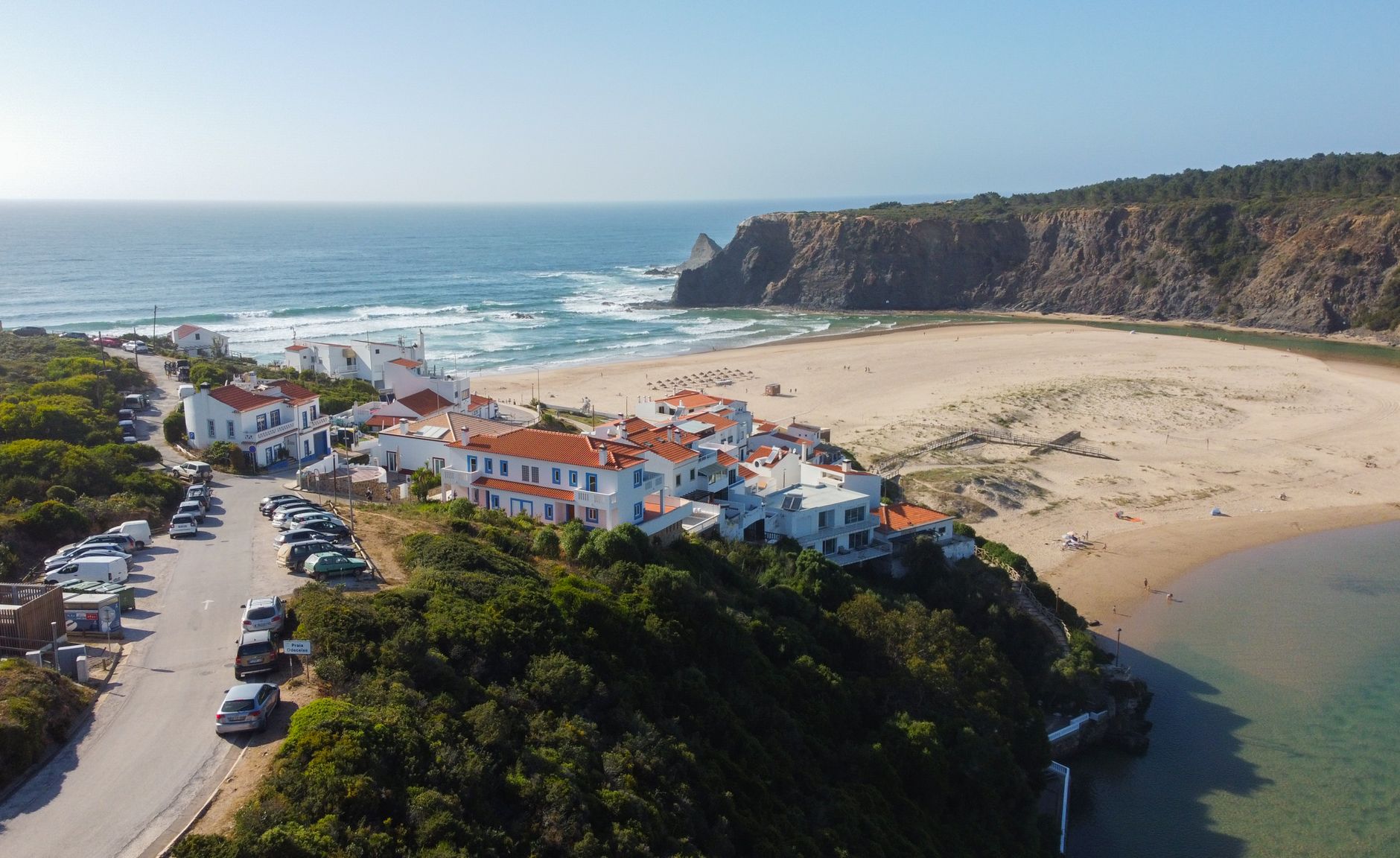
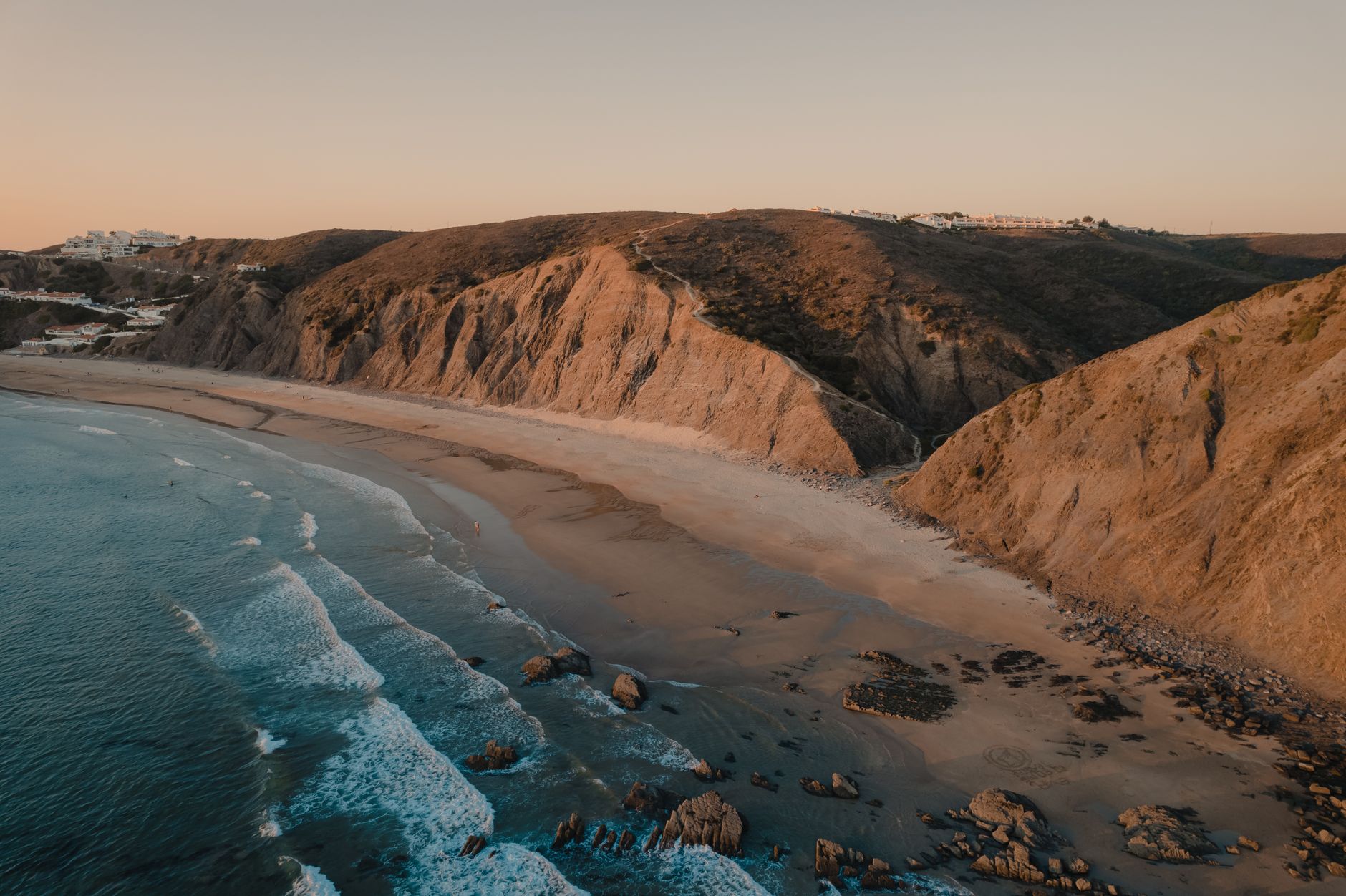
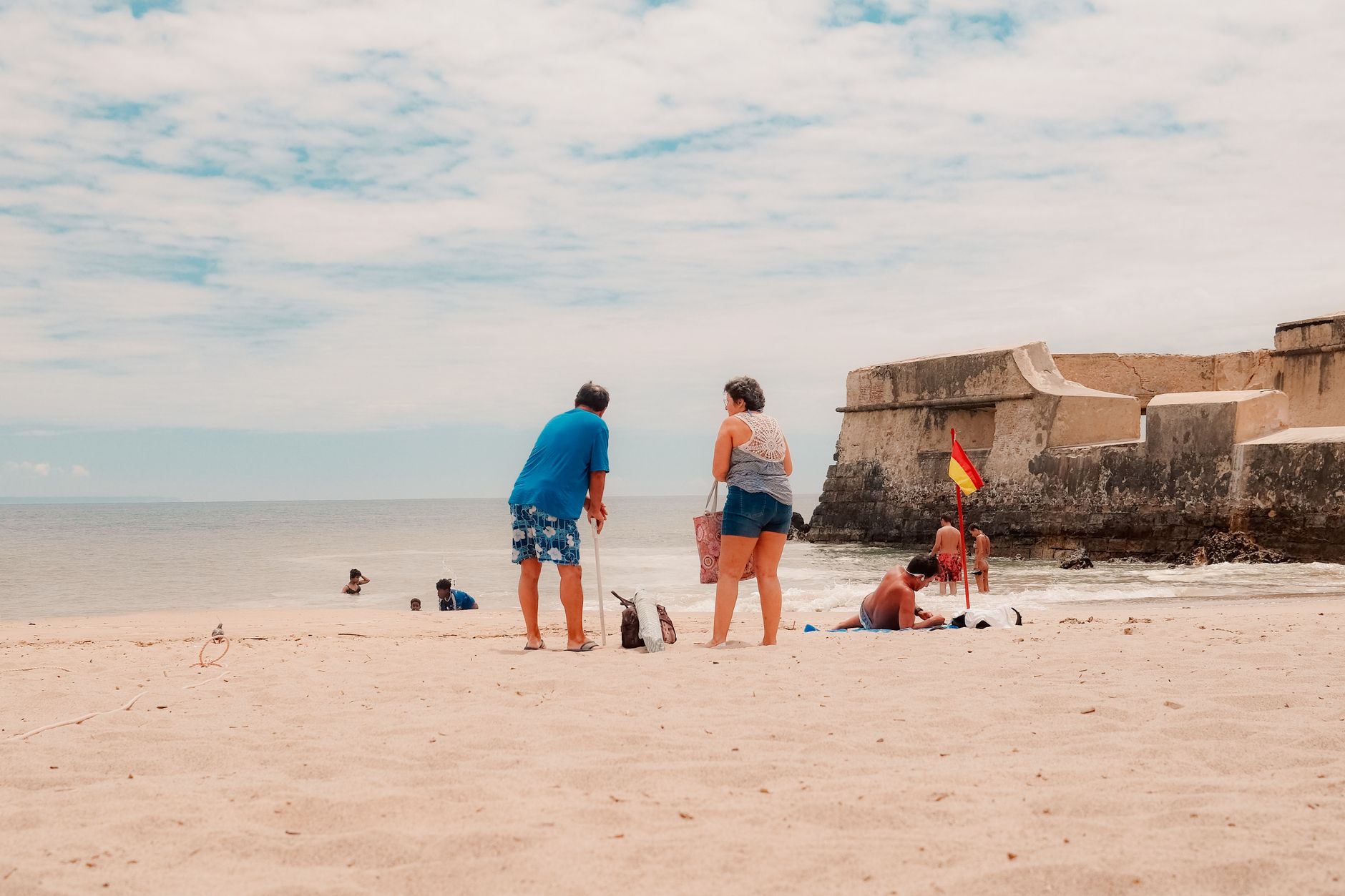
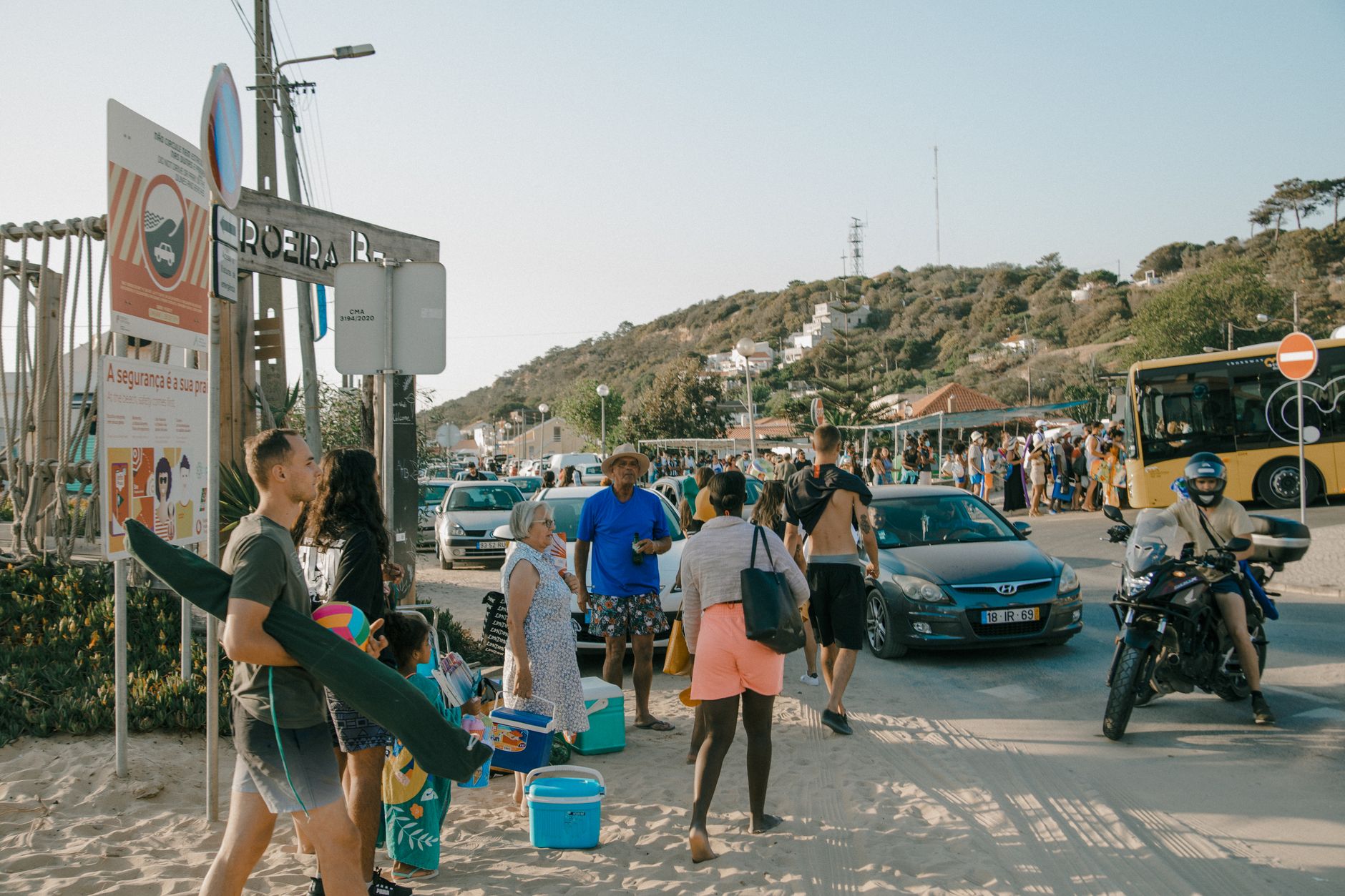
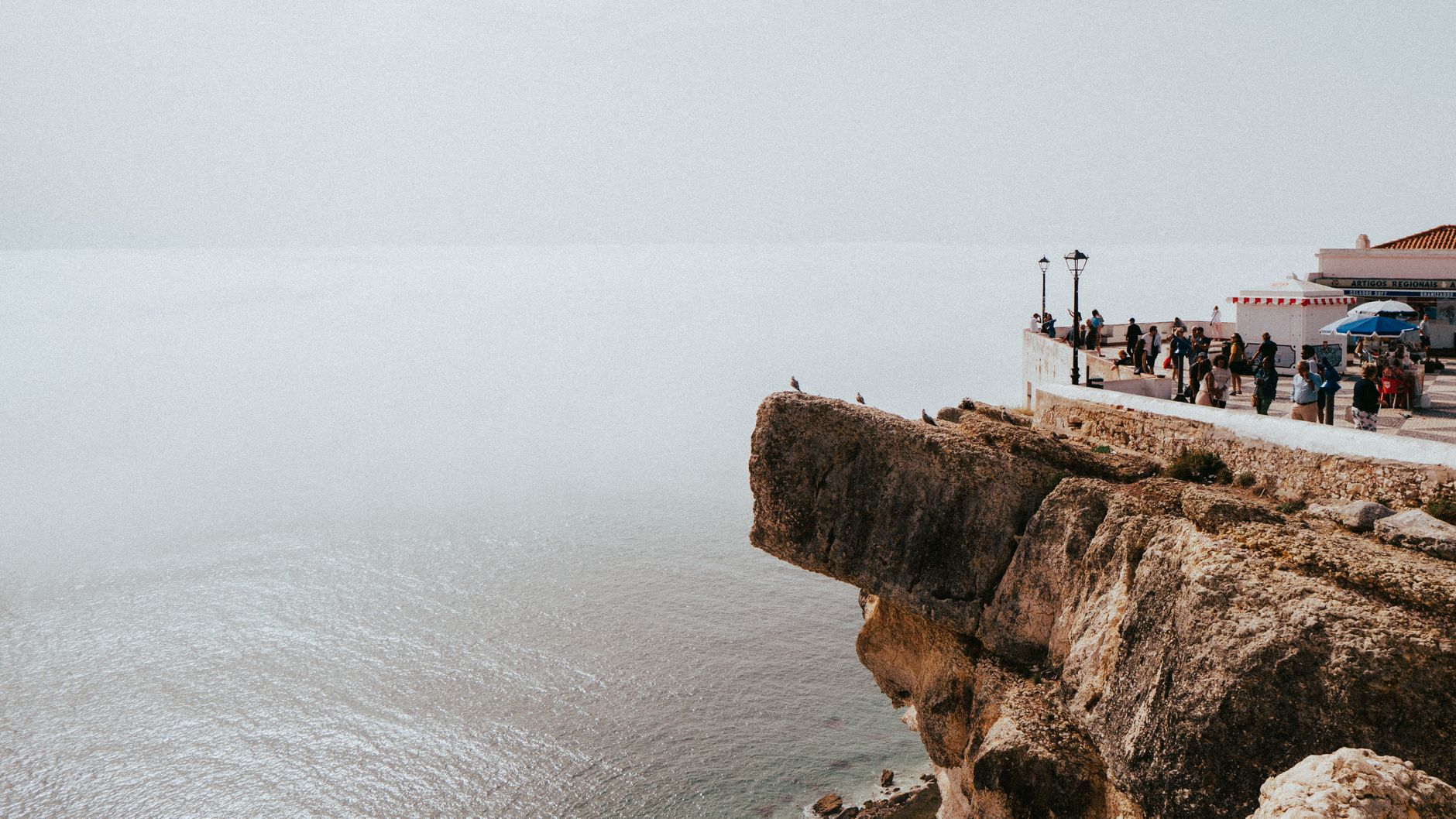
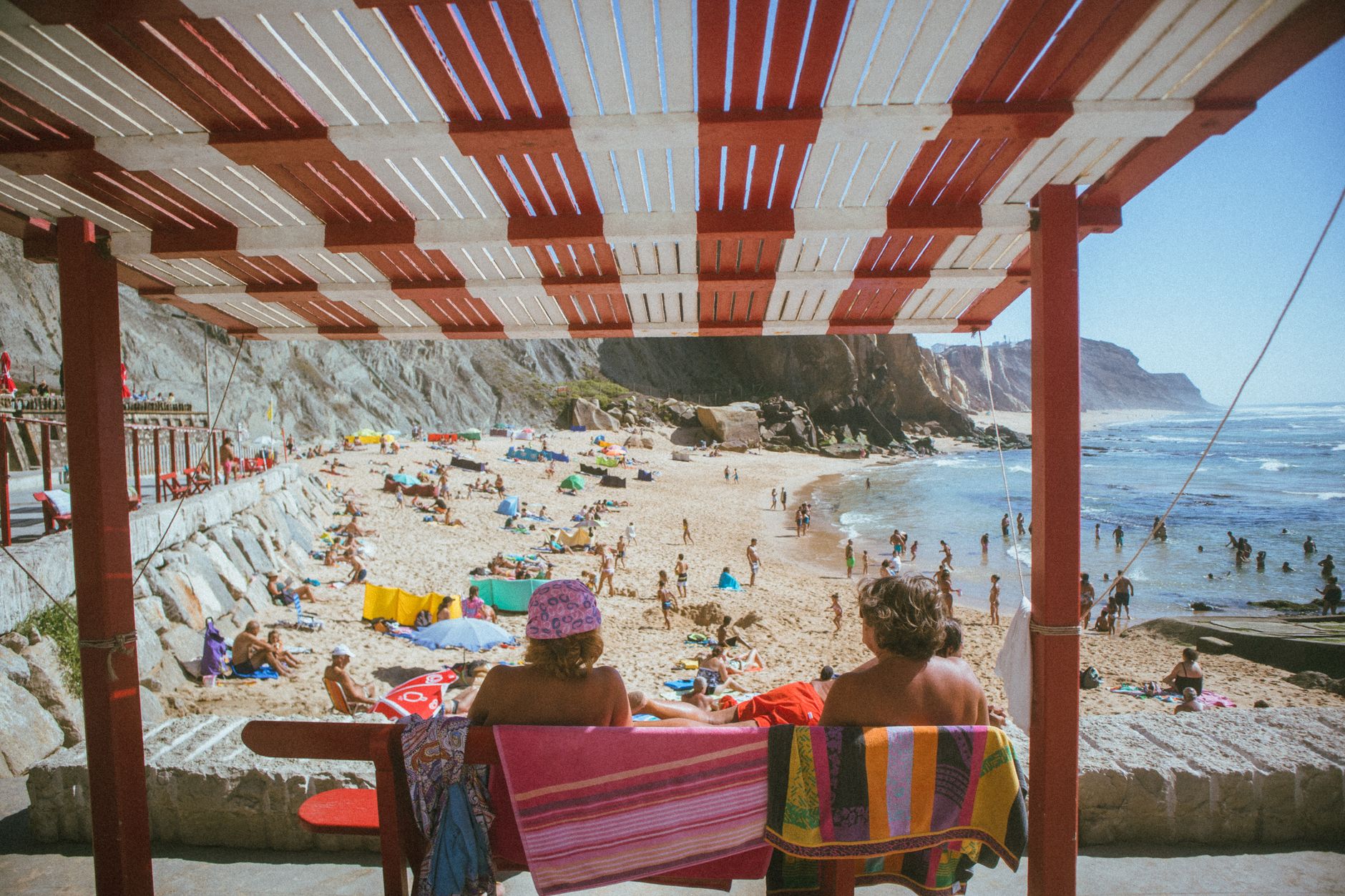
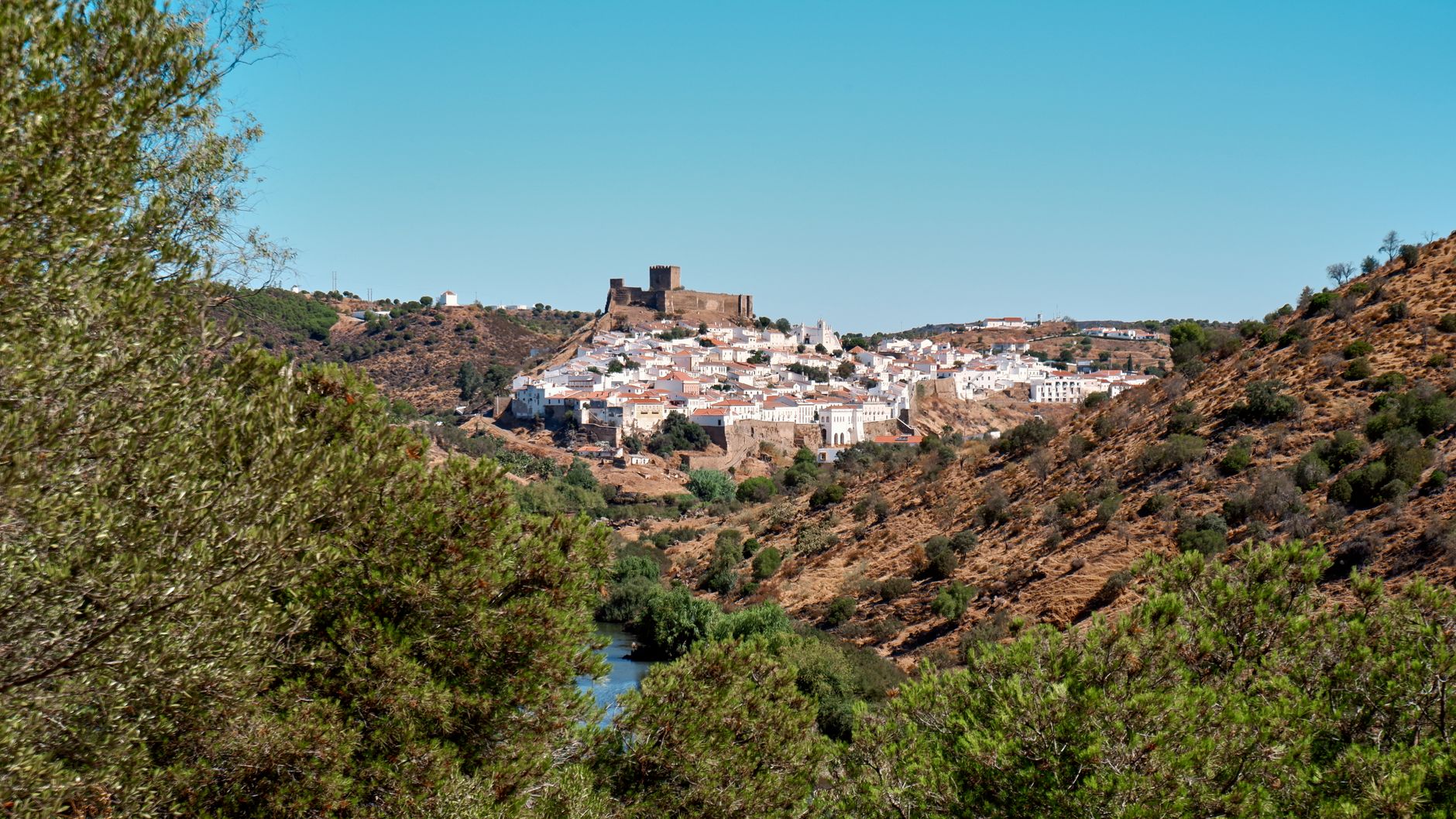
The name gives it away, if you know Arabic: al-Yazira, the island. Aljezur sits on a low hill above a tidal creek on the western Algarve, its ruined Berber castle watching over a landscape of cork oaks and eucalyptus that rolls toward the Atlantic. This is one of the least-developed stretches of the Portuguese south, a municipality of just under six thousand people spread across more than three hundred square kilometres.
The town splits cleanly in two: the older Moorish quarter climbing toward the castle, and the Igreja Nova quarter lower down, built from scratch after the 1755 earthquake levelled everything that came before it. Four small museums share a combined ticket, the castle costs nothing, and the PR1 AJZ trail links it all on foot in about four kilometres.
💛 What travellers fall for
People who come back tend to mention the castle at dusk, when the light goes orange over the creek and there's almost no one else on the hill. They also tend to find the Casa Museu Pintor José Cercas unexpectedly absorbing — a painter's life preserved in the rooms where he actually lived and worked, which is a different thing from a gallery.
Experiences you don't want to miss


Deals in Aljezur
Book directly at the provider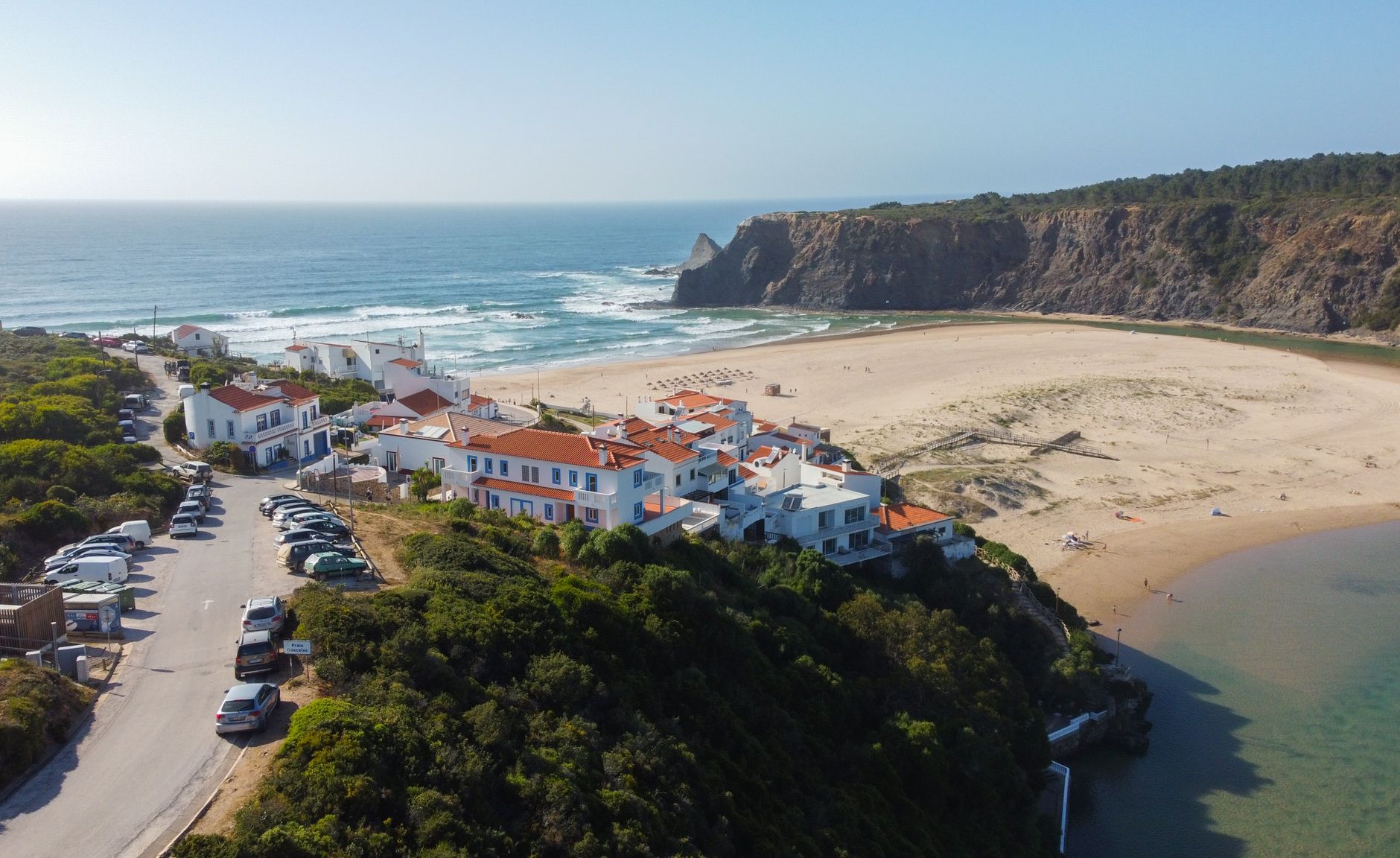


How Aljezur came to be
Aljezur was founded in the tenth century by Berber settlers, who built the hilltop castle that still defines the town's silhouette. The name they gave it — al-Yazira, the island — likely described the way the tidal creek isolated the hill. The town stayed under Moorish rule for nearly three centuries until 1249, when Paio Peres Correia, Master of the Order of Santiago, took it during the reign of Afonso III. Thirty years later, King Denis issued Aljezur its foral — its royal charter — on 12 November 1280, the first such charter he granted anywhere in the Algarve.
The earthquake of 1755 erased most of what had accumulated since. Every home in the town was destroyed and the castle largely demolished. Bishop Francisco Gomes de Avelar responded by ordering a new church — the Igreja Nova, dedicated to Nossa Senhora da Alva — built on the edge of town to anchor a new settlement. Construction dragged on until the end of the nineteenth century, leaving Aljezur with two distinct quarters that still feel, even now, like separate towns that happen to share a name.
Who and what shaped it
People who shaped it
Landmark buildings
See Aljezur in motion
Plan your visit
On the map
When to go
Summer is reliably dry and warm, with August averaging 27°C and long, bright days; if anything, the western Algarve catches more Atlantic breeze than the coast further east, which keeps the heat from becoming oppressive. Winter brings rain — December is the wettest month — but temperatures stay mild, rarely dropping below 10°C at night.
Right now
Background & history adapted from Wikipedia (CC BY-SA) · specs from Wikidata (CC0) · weather from Open-Meteo · map data © OpenStreetMap contributors · photos from Wikimedia Commons / Unsplash with per-image credit. No third-party reviews or social posts reproduced.