Region

Tuscany, Italy

Tuscany, Italy
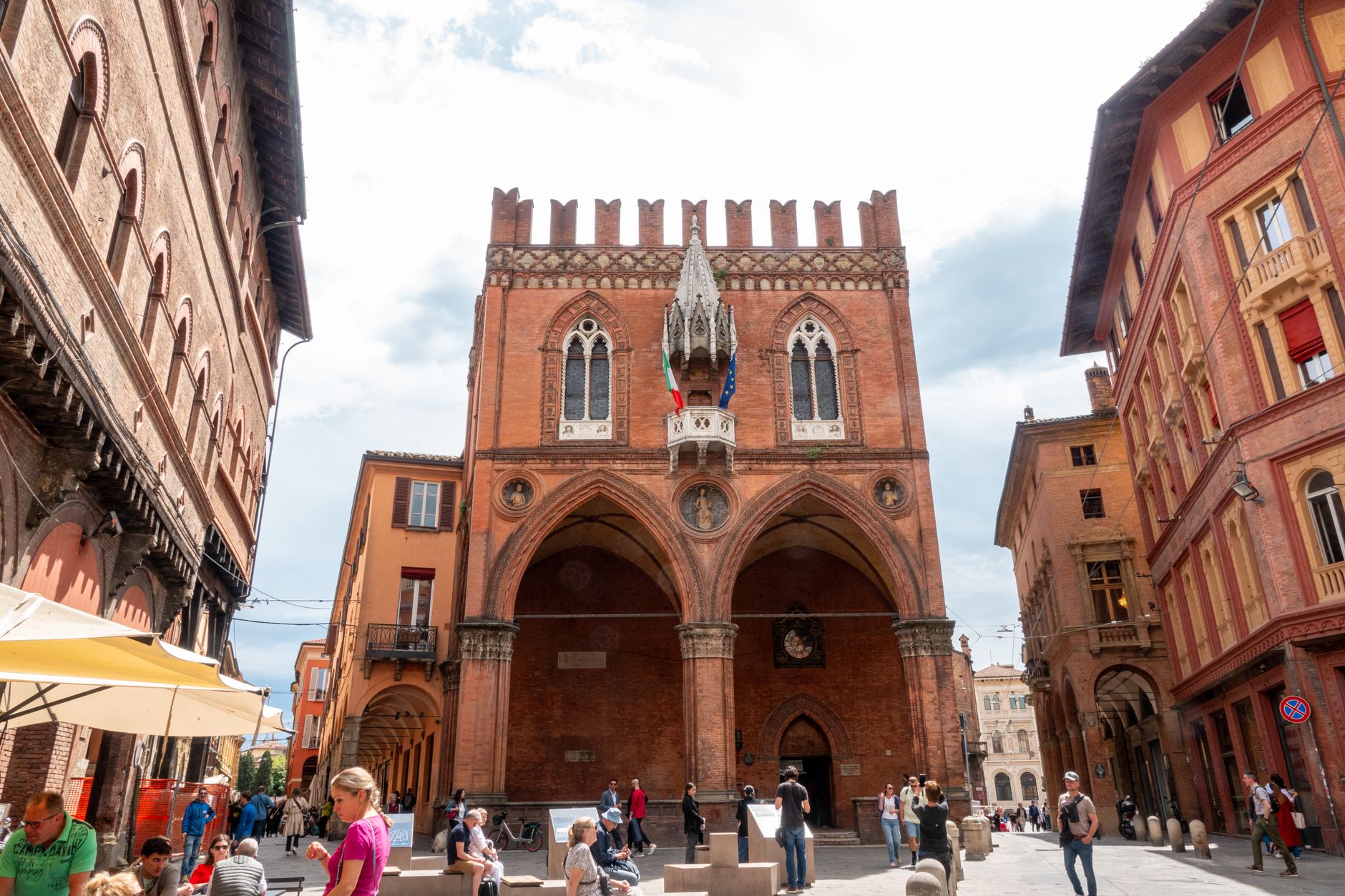
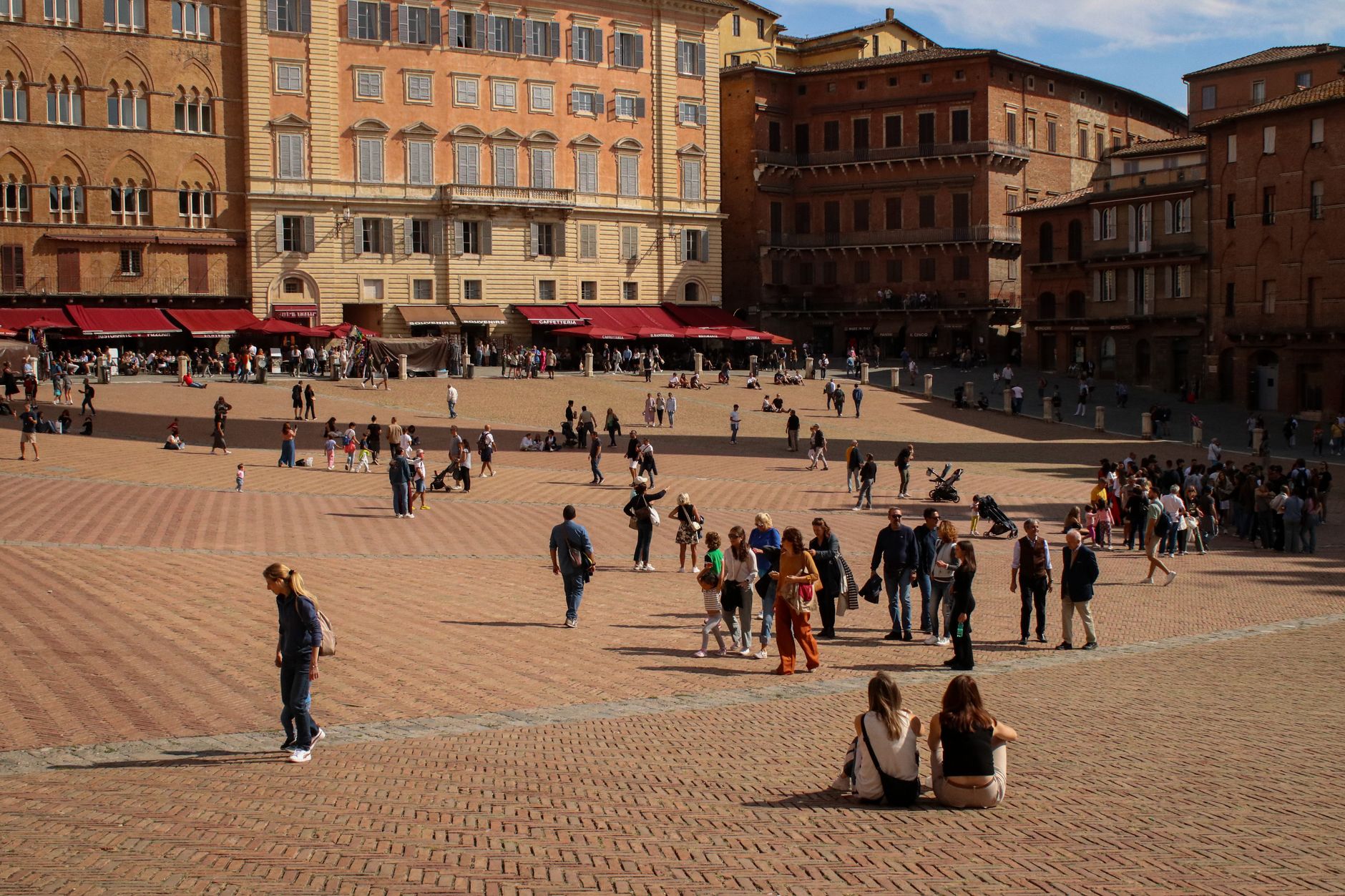
Photo by Antek Korczak on Pexels
Tuscany, Italy
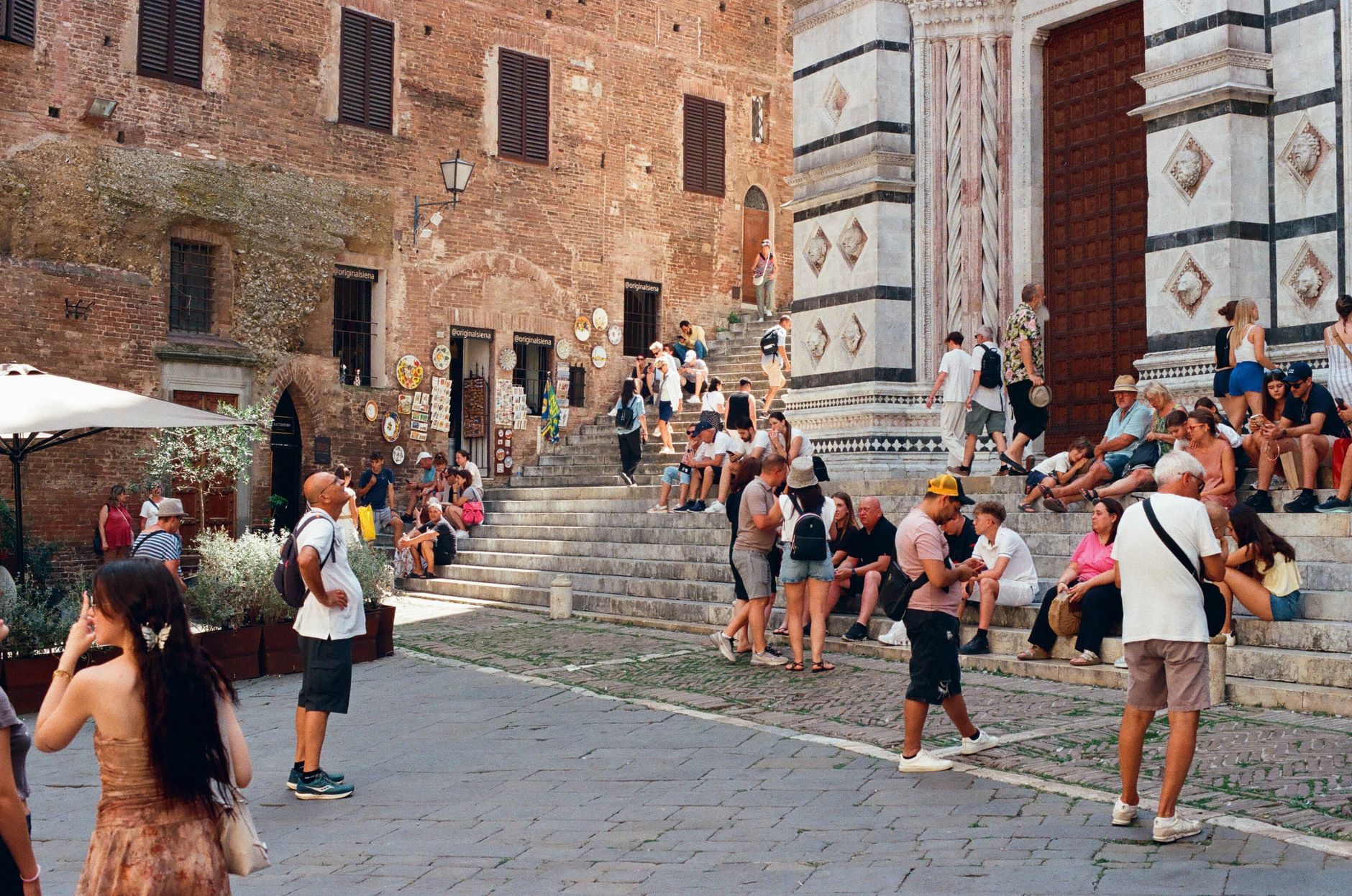
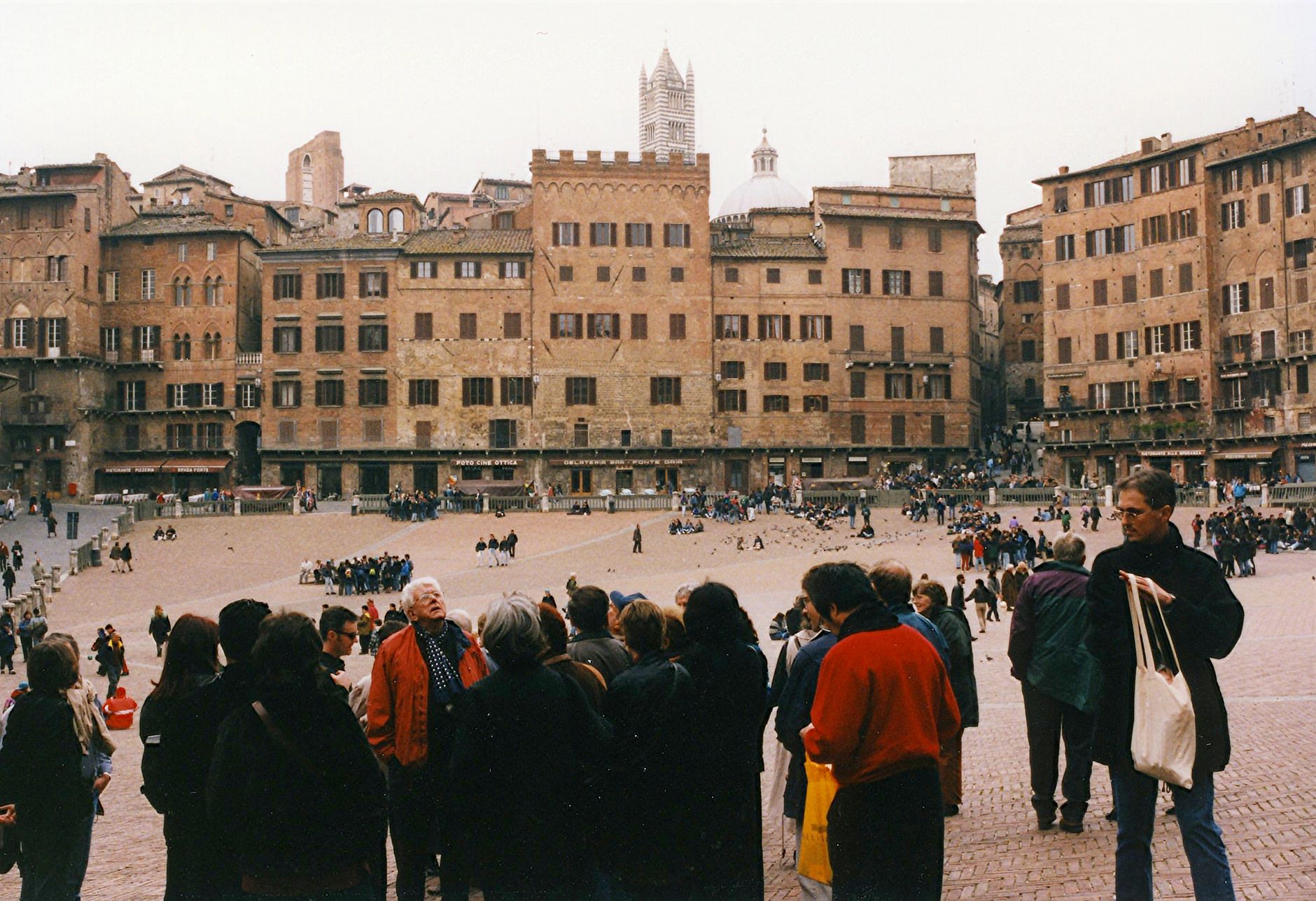
Photo by Mehmet Turgut Kirkgoz on Pexels
Tuscany, Italy
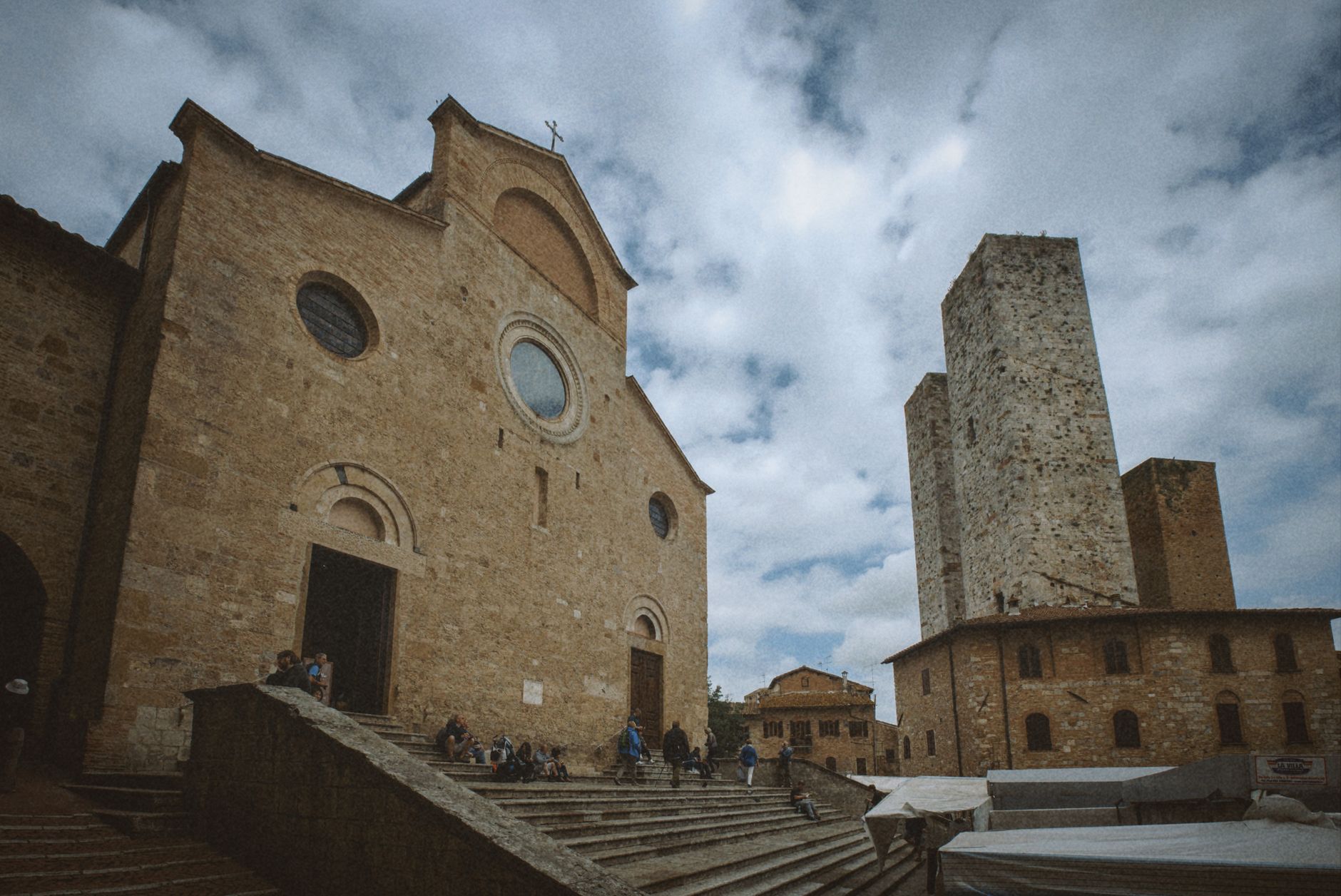
Photo by PhotoByMau PhotoByMau on Pexels
Tuscany, Italy
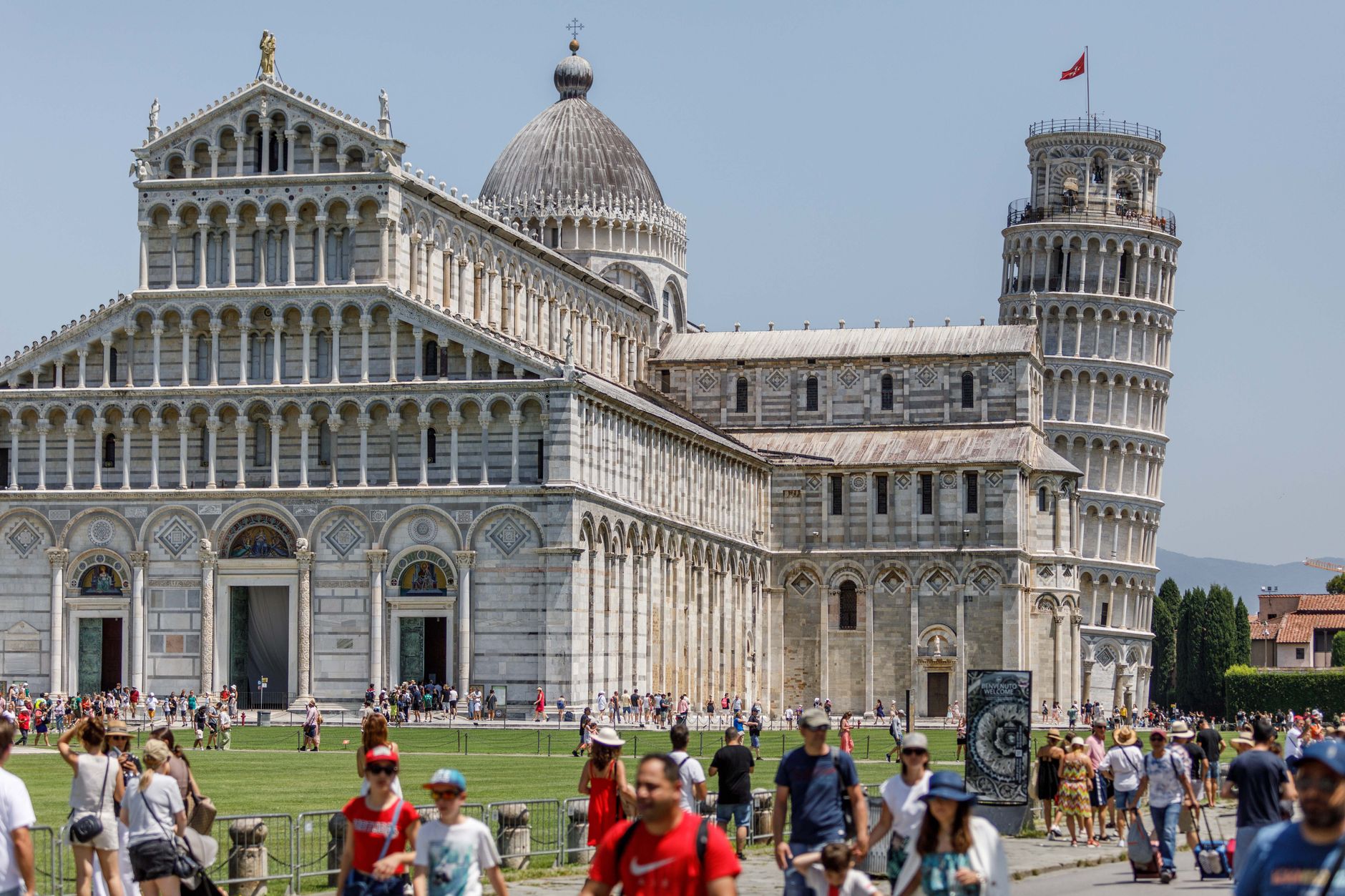
Photo by Mina Grgurović on Pexels
Tuscany, Italy
Photo by Pam Crane on Pexels
Tuscany, Italy
Photo by Efrem Efre on Pexels

Tuscany is where the Italian peninsula seems most deliberate about itself — the cypress rows, the hilltop towns, the wine-dark soil of the Crete Senesi. It stretches from the Apennines down to a long Tyrrhenian coast, taking in Florence and Siena and dozens of smaller places that each carry centuries of civic ambition in their stone. What you notice, moving through it, is that the landscape and the art are the same conversation: the same light that falls on Brunelleschi's dome once fell on the painters who learned to render it.

This is a region that rewards slowness. A single province — say, the Val d'Orcia or the Versilia coast — can hold a week without effort. The cities carry world-class collections; the countryside carries the long quiet that makes those collections mean something.

💛 What travellers fall for

People who come back tend to anchor themselves to one town and walk outward from there. Cortona, Lucca, and Pienza come up often — smaller places where you can feel the grain of daily life alongside the history. The Tuesday market in a minor piazza, the bar where the espresso is taken standing at the counter: these details accumulate.

Good to know
Trains connect Florence to Siena, Pisa, and Arezzo reliably; a car opens the countryside. April–June and September–October offer the best balance of weather and manageable crowds. August in the hill towns is slower and very hot; coastal spots fill quickly that month.
The story

How Tuscany, Italy came to be

The name comes from the Etruscans, who were here around 1000 BCE, long before Rome took notice. Florence was founded as a Latin settlement in 85 BCE; after the Lombard conquest of 569, the region became the Duchy of Tuscia, with Lucca as its seat. Lucca also became the first commune in Italy, a pattern that spread to Arezzo, Siena, Pisa, and Florence as medieval civic life took hold.

By the early 15th century Florence had absorbed Arezzo and Pisa, and from 1434 the Medici family shaped the region's politics and cultural life for three centuries. Their line ended in 1737 with Gian Gastone, after which Tuscany passed to Francis of Lorraine, then briefly to Napoleonic France, before joining a unified Italy in 1861. For six years, from 1865 to 1871, Florence served as the capital of the Kingdom of Italy.

People & landmarks

Who and what shaped it

People who shaped it

Filippo Brunelleschi
Architect (1377–1446) who designed the iconic octagonal dome of Florence Cathedral.
Sandro Botticelli
Early Renaissance painter born in Florence; created The Birth of Venus and Primavera.
Michelangelo Buonarroti
Born in Caprese Michelangelo (1475); sculptor, painter, architect, and engineer of the Renaissance.
Leonardo da Vinci
Born near Vinci (1452); architect, inventor, scientist, and painter of the Renaissance.
Donatello
Sculptor (1386–1466); considered the father of Florentine Renaissance.
Giotto
Forerunner of the Renaissance born in Vicchio; introduced realistic drawing to Italian art.
Dante Alighieri
Writer whose use of Tuscan dialect in literature led to its adoption as the basis for Italian language.
Giovanni Boccaccio
Author of Decameron and humanist; survivor of the Black Death.
Niccolò Machiavelli
Renaissance writer and political theorist; published The Prince based on study of Cesare Borgia.
Galileo Galilei
Astronomer and physicist; tomb in Basilica di Santa Croce, Florence.
Lorenzo de' Medici
15th-century member of the Medici family; celebrated patron of arts and politics in Florence.
Matilda of Canossa
11th-century countess; most famous member of the Attoni family during the marquisate period.
Frances Mayes
Author of Under the Tuscan Sun; maintains a villa in Cortona.

Landmark buildings

Florence Cathedral (Duomo)
Distinctive colored marble bands with Brunelleschi's octagonal dome; iconic symbol of Florence.
Uffizi Gallery
Houses Botticelli's The Birth of Venus and major Renaissance art collections.
Basilica di Santa Croce
Contains monumental tombs of Galileo, Michelangelo, Machiavelli, and Dante.
Church of San Lorenzo
Contains the Medici Chapel, mausoleum of the Medici family.
Palazzo Pitti
Major Renaissance palace in Florence.
Bargello
Important art museum in Florence.
Palazzo Pubblico
Gothic structure in Siena dating to late 13th century; official seat of Government of Nine, now town hall.
La Torre del Mangia
102m high tower in Siena built 1338–1348; third tallest historic tower in Italy; red brick and white travertine.
Duomo of Siena
Important example of Romanesque-Gothic style.
Spedale degli Innocenti
Built by Brunelleschi in 1419; first orphanage in Europe.
Pienza
Town designed by Bernardo Rossellino for Pope Pio II.
Practical

Plan your visit

On the map

When to go

Summers are hot and dry, especially inland, with July and August pushing well above 30°C in the valleys. Spring and autumn are mild and often clear — the light in October in particular has a quality that painters have been trying to describe for six hundred years. Winters are cool and quiet, with occasional snow on the higher ground.

Right now

☀️
31°C
Clear
Fri
36°
23°
Sat
35°
26°
Sun
35°
23°
Mon
35°
21°
Weather data: Open-Meteo

↡ Cities


Background & history adapted from Wikipedia (CC BY-SA) · specs from Wikidata (CC0) · weather from Open-Meteo · map data © OpenStreetMap contributors · photos from Wikimedia Commons / Unsplash with per-image credit. No third-party reviews or social posts reproduced.

Top