
Pistoia
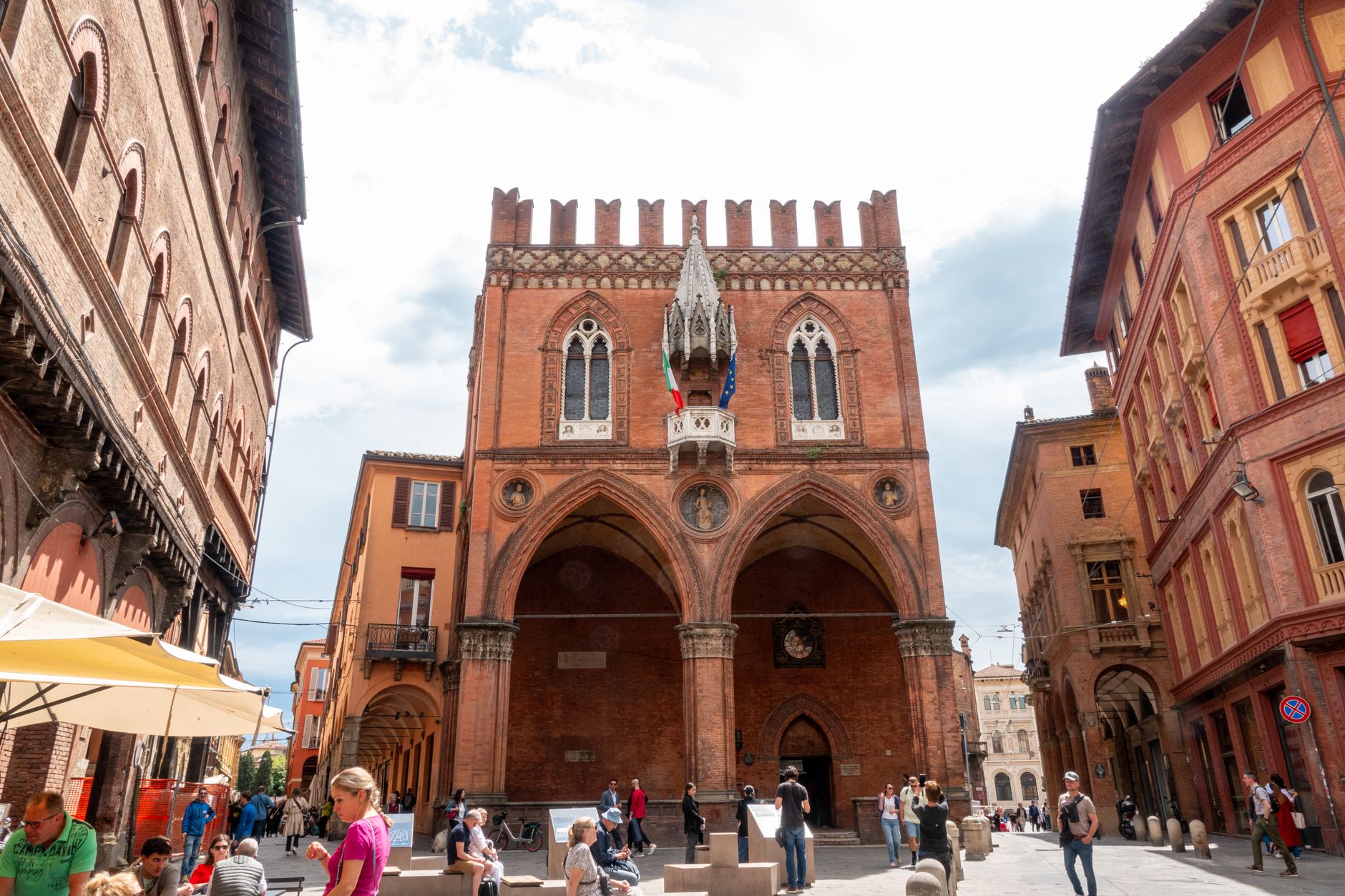

The silver altar inside Pistoia's Cathedral of San Zeno took nearly two centuries to finish — begun in 1287, completed in the 1400s, assembled by generations of silversmiths into 628 figures that together weigh close to a ton. That kind of patient, accumulated ambition is a good key to the city itself: a place that kept building, kept arguing, kept mattering, long after the rest of Tuscany learned to look past it toward Florence.
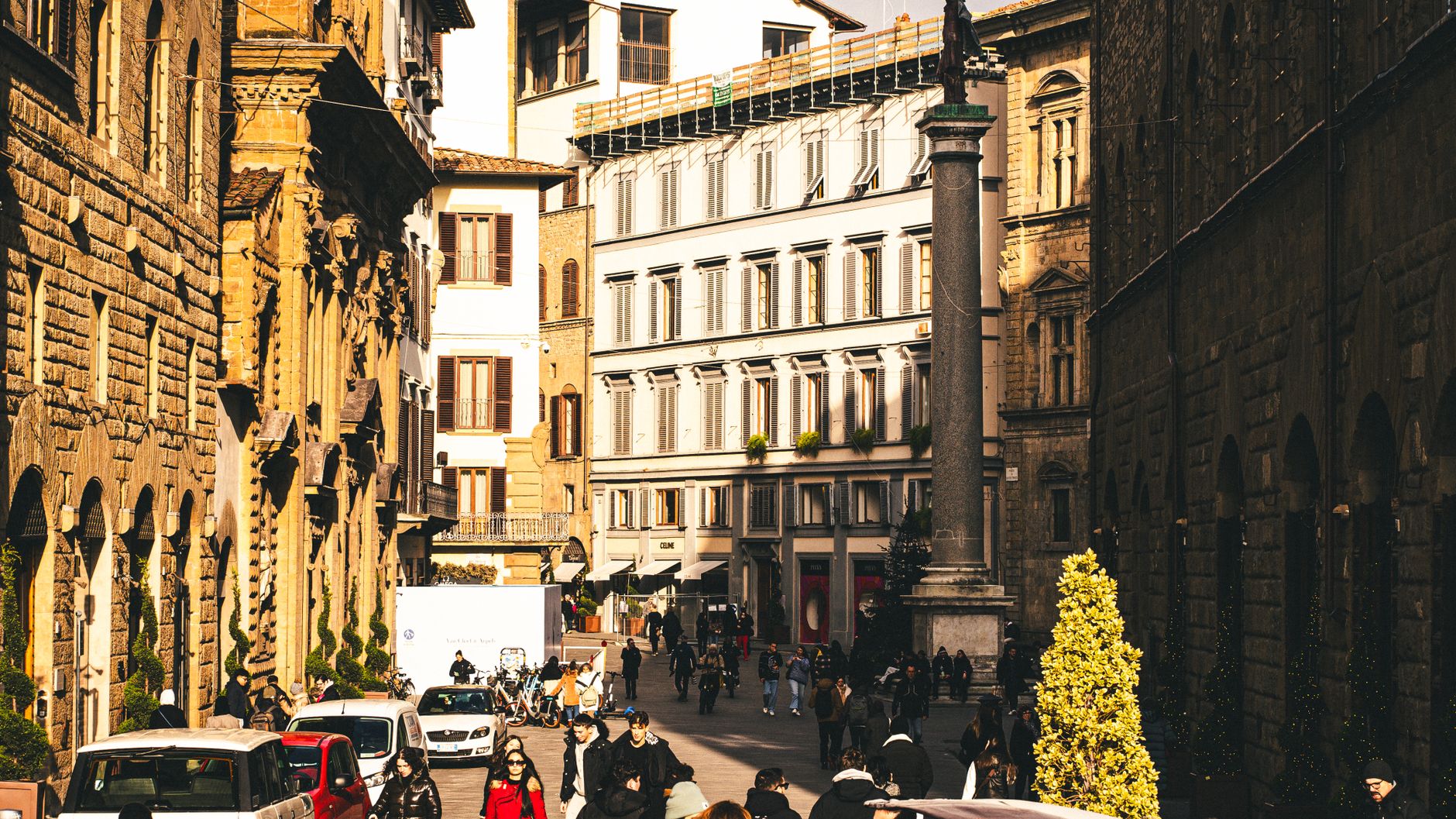
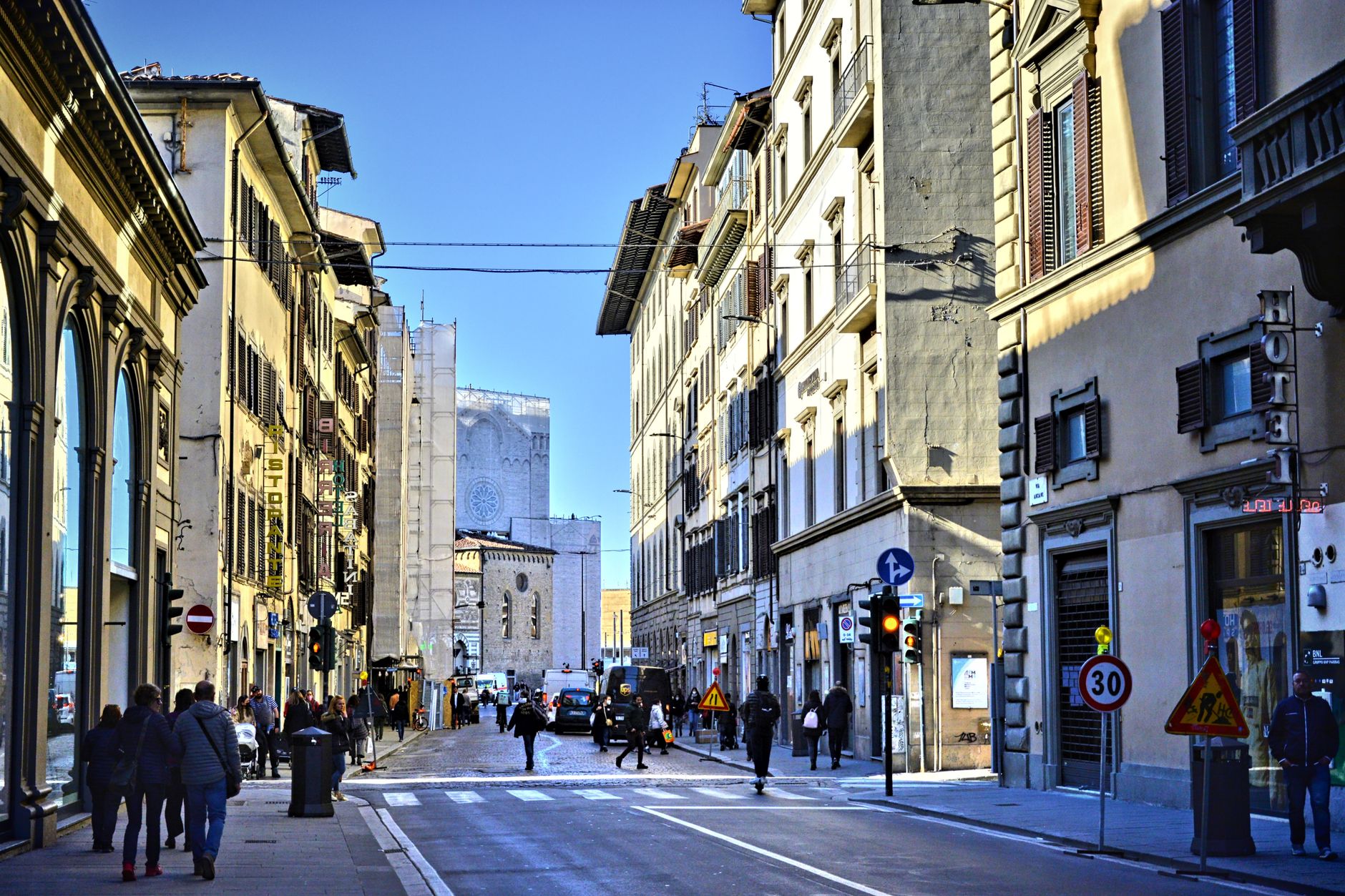
Pistoia sits on the Pisa-to-Florence rail line and gets skipped over accordingly, which means its medieval piazzas and Romanesque churches tend to have room to breathe. The centre is largely pedestrianised, compact enough to cross on foot in twenty minutes, and dense enough to fill two days without forcing anything.
💛 What travellers fall for
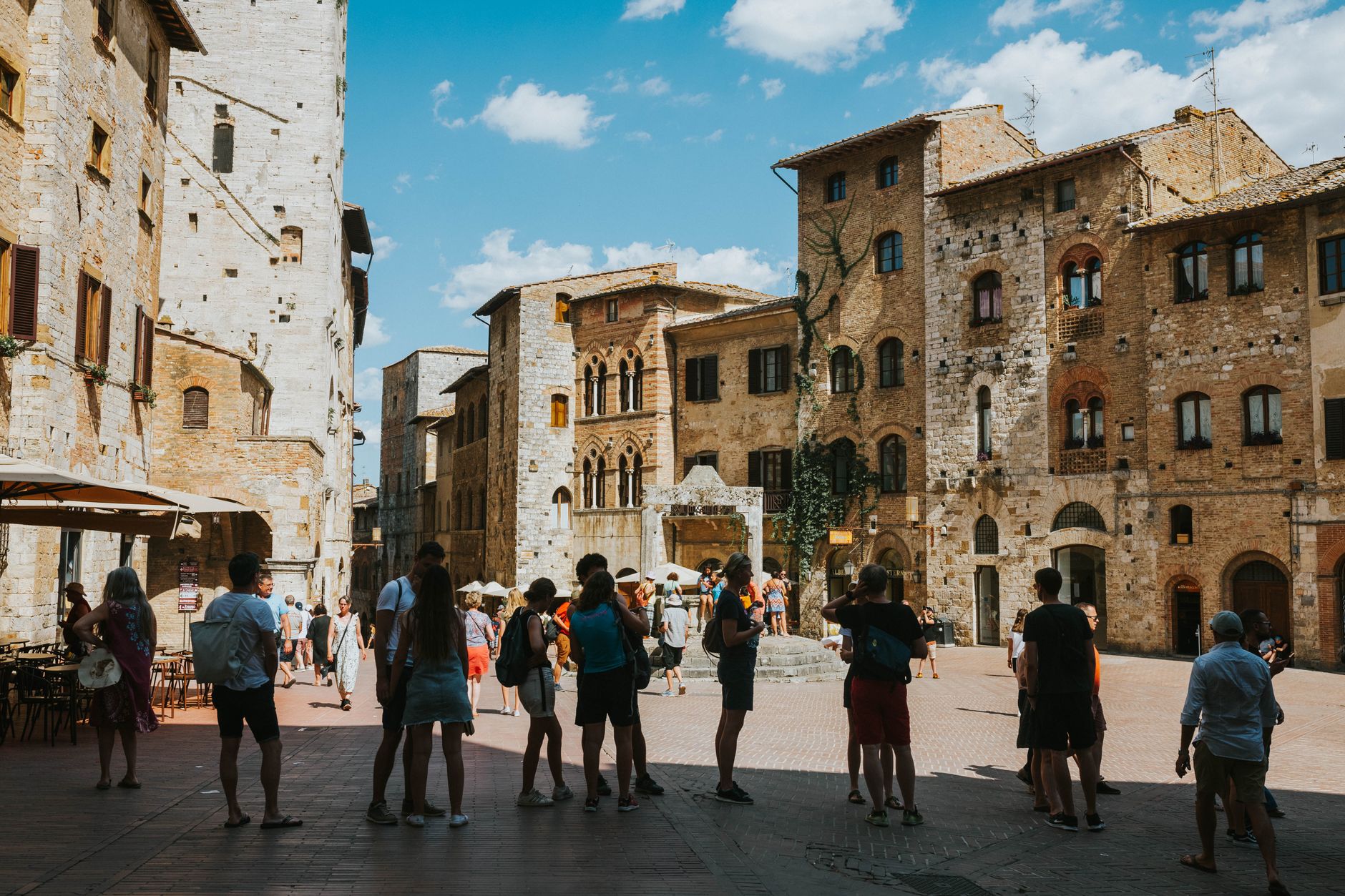
People who come back tend to make a point of the Ospedale del Ceppo — the old hospital with Giovanni della Robbia's sculptural frieze running along its facade — and Sant'Andrea, where Giovanni Pisano's pulpit rewards a long look in low morning light. The Piazza della Sala, with its little marble lion-head well, is the place to stand still and eat something.
Deals in Pistoia
Book directly at the provider

How Pistoia came to be
Rome planted a colony here along the Via Cassia, and in 62 BC the conspirator Catiline met his end in the fields nearby — the Torre di Catilina still carries his name. The city became a bishopric in the fifth century, then a free commune in 1177, then a casualty of Tuscany's factional wars: by 1254 the Guelph Florentines had taken it, and by 1530 it was formally absorbed into the Florentine state.
The medieval centuries left the real mark. The Palazzo Comunale went up between 1294 and 1385; the Baptistery, designed by Andrea Pisano in banded green and white marble, was begun in 1337; the Ospedale del Ceppo, founded in 1277, became a critical node during the Black Death of 1349. Pistoia was named Italian Capital of Culture in 2017 and holds the title of Italian Book Capital for 2026.
Who and what shaped it
People who shaped it
Landmark buildings
See Pistoia in motion
Plan your visit
On the map
When to go
Winters are mild by Tuscan standards but a touch colder than the coast — clear days can drop toward freezing overnight, and morning fog is common from December through February. Summers run hot and sunny; spring and early autumn give you the most comfortable walking weather.
Right now
Background & history adapted from Wikipedia (CC BY-SA) · specs from Wikidata (CC0) · weather from Open-Meteo · map data © OpenStreetMap contributors · photos from Wikimedia Commons / Unsplash with per-image credit. No third-party reviews or social posts reproduced.