
Bavarian Alps, Germany

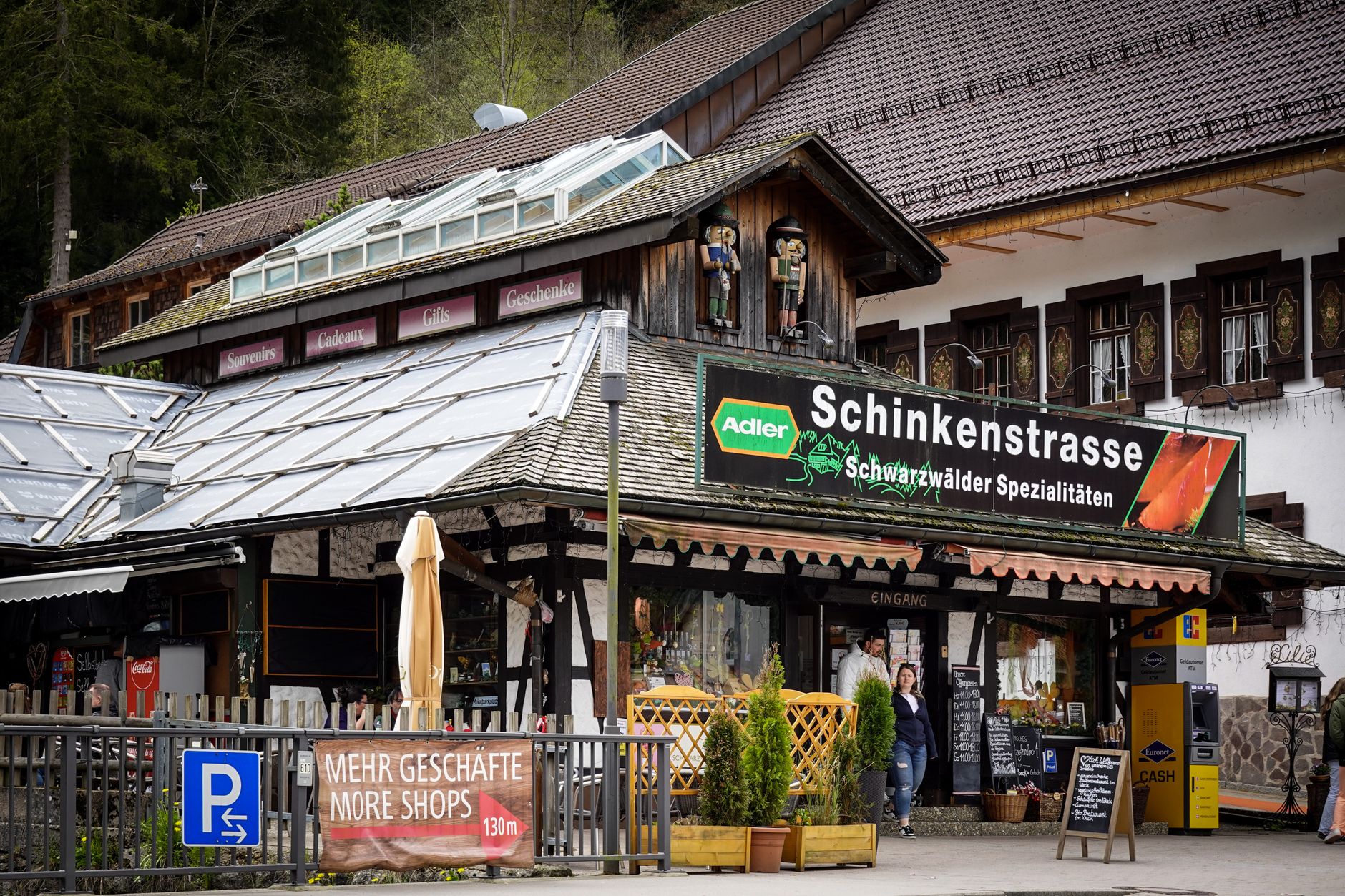
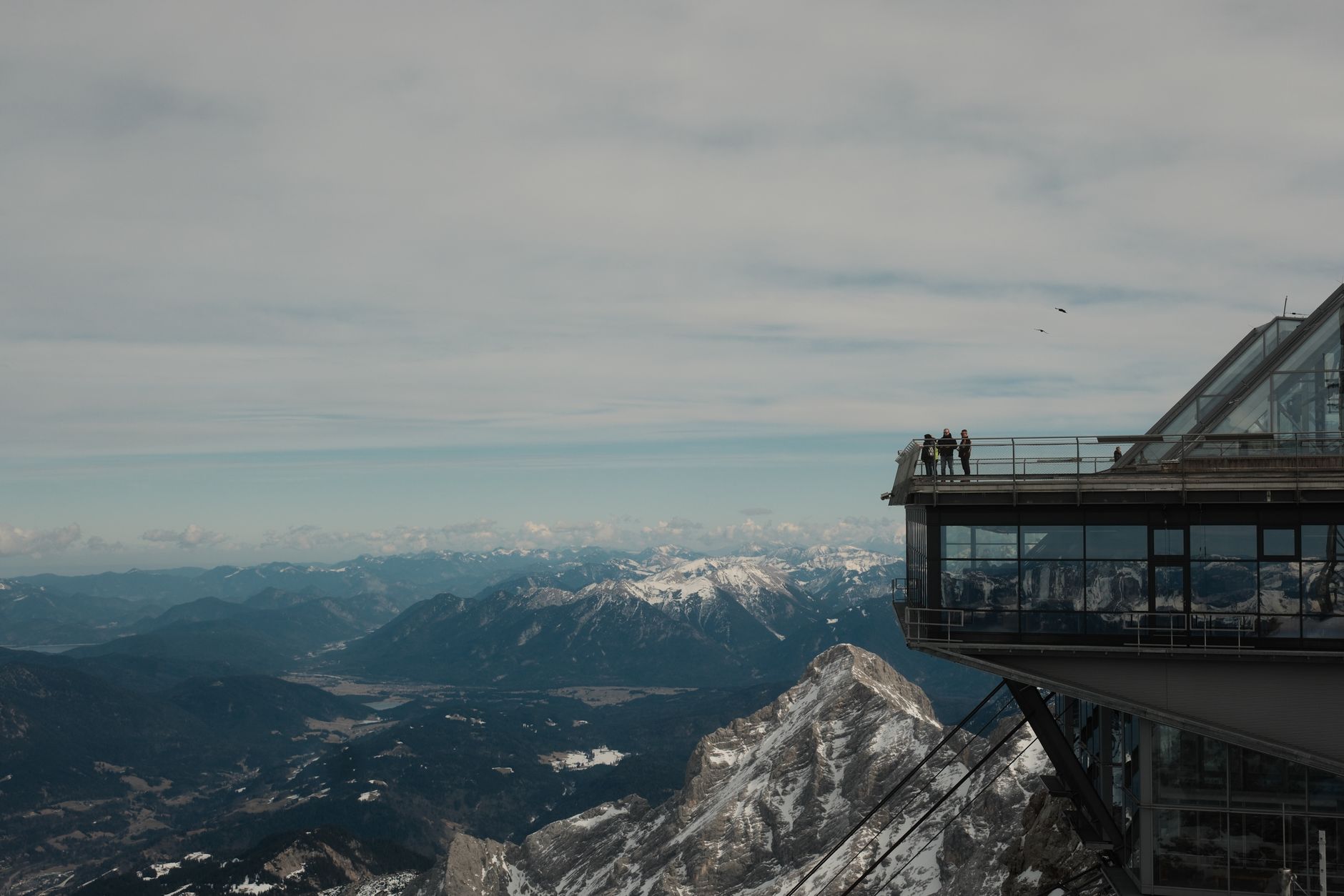
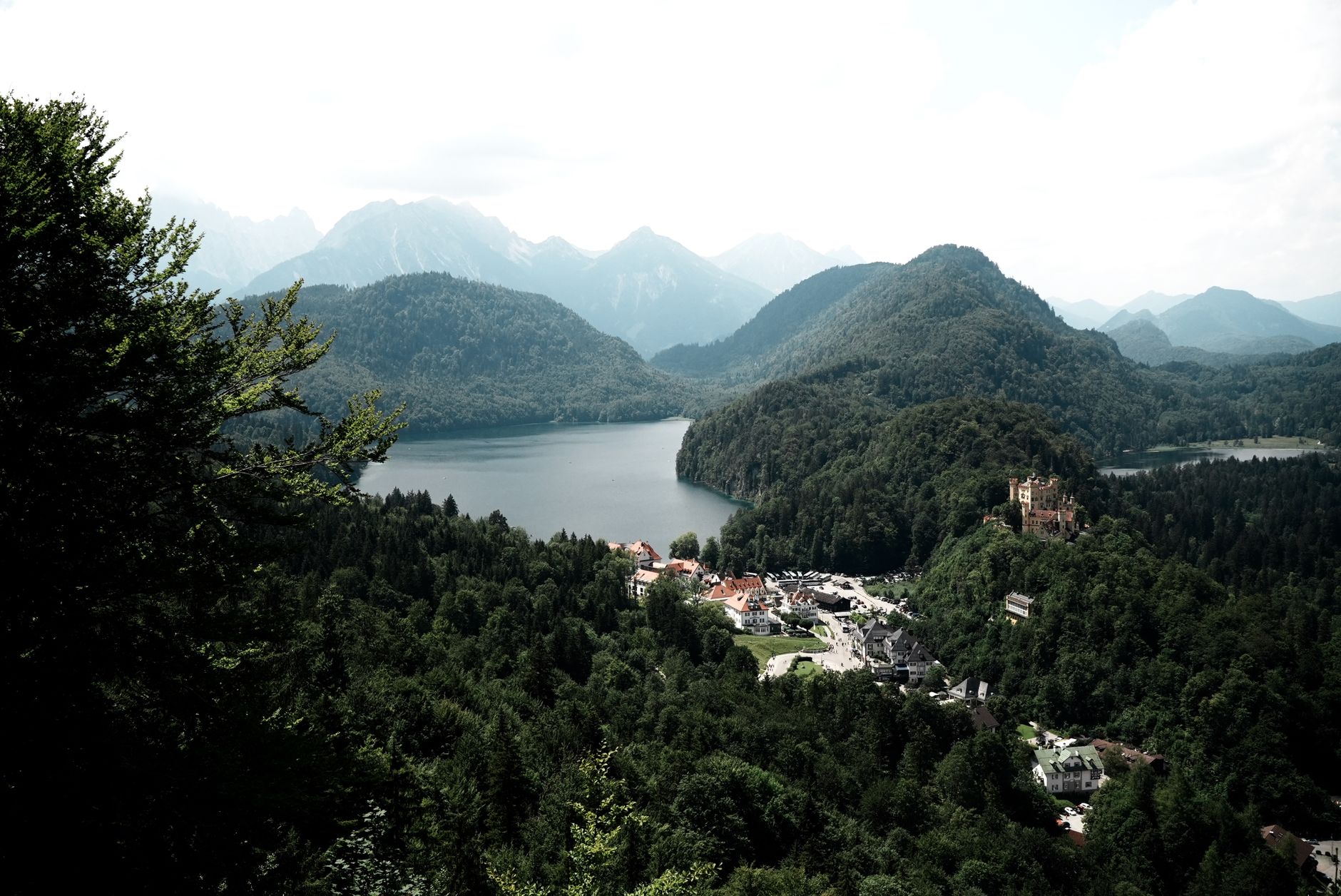
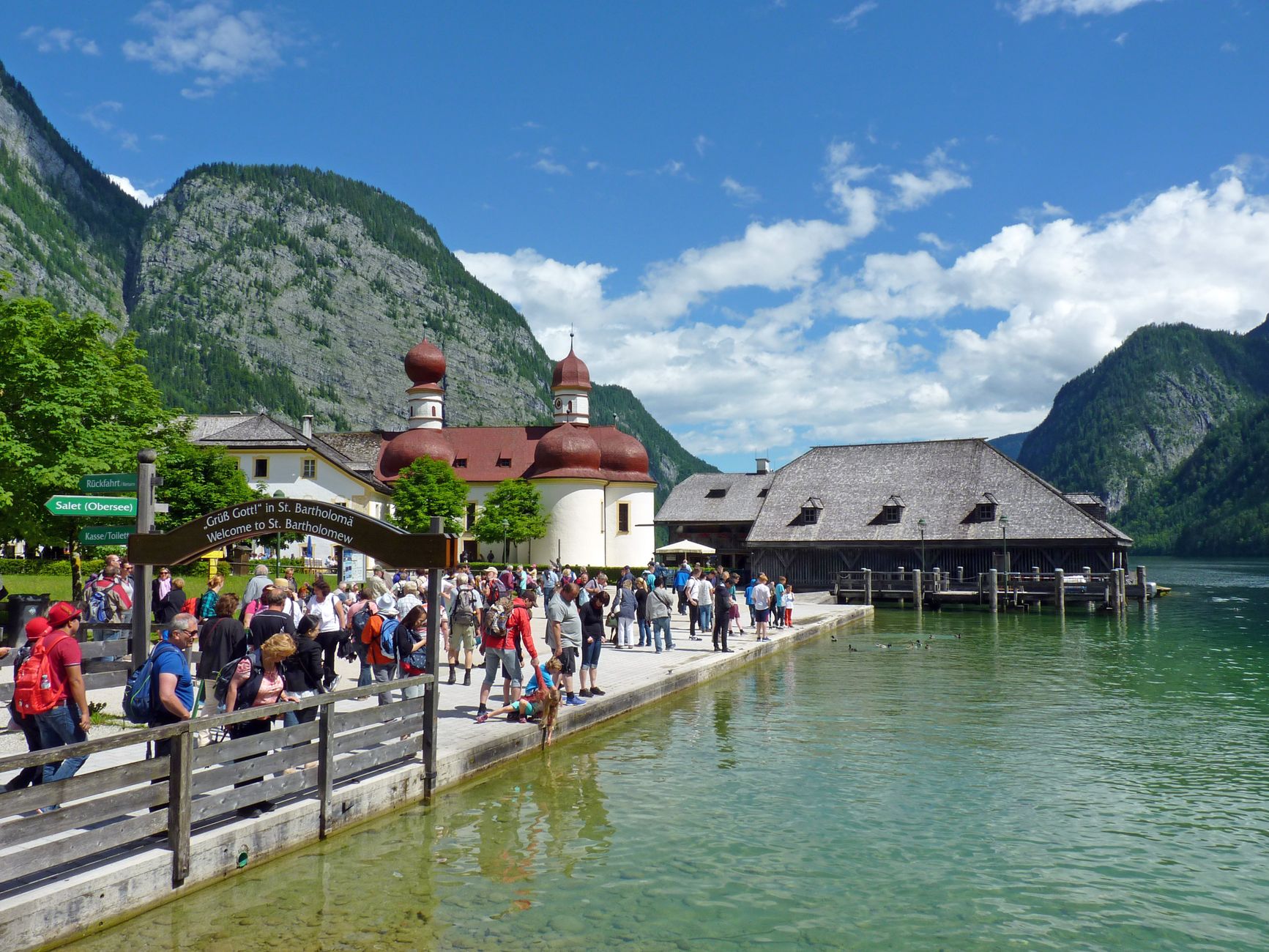
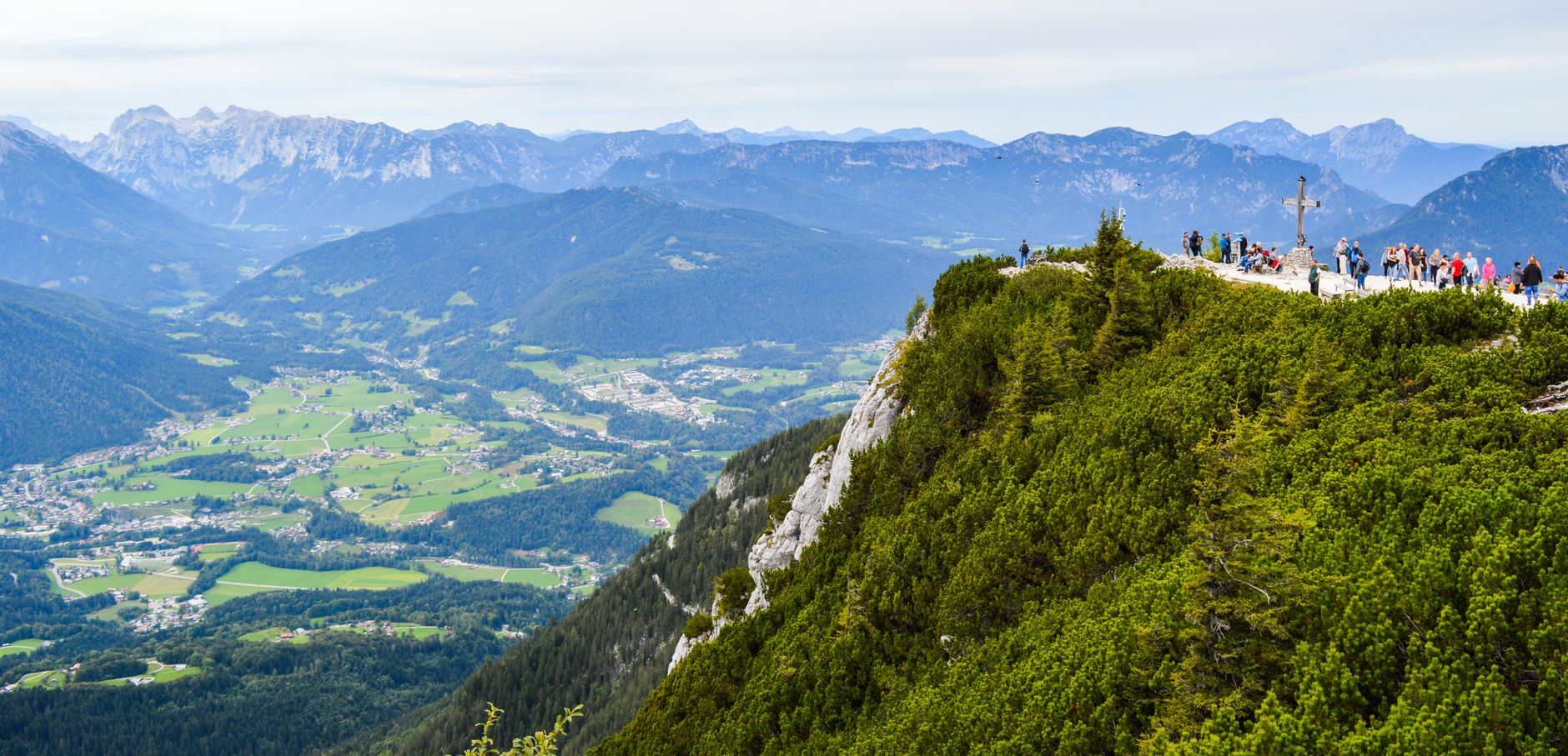
The Bavarian Alps begin where Munich's motorway dissolves into something older — limestone peaks that were already ancient when the glaciers carved the lakes and U-shaped valleys you'll walk beside today. The Zugspitze tops out at 2,962 metres, Germany's highest point, with two small glaciers still clinging to its upper flanks. Below it, Königssee reflects the Berchtesgaden walls like a mirror that hasn't been disturbed in centuries.
This is a region where a 14th-century Benedictine monastery at Ettal still runs a brewery, where the facades of houses in Oberammergau carry painted murals in a style — Lüftlmalerei — that was actually invented on this street, in this village. The density of the specific and the strange rewards slow travel here.
💛 What travellers fall for
People who come back tend to time their mornings deliberately. The light before 9am on the Eibsee, with the Zugspitze still in shadow above it, is different from anything you'll get once the cable cars start running. A Bayern Ticket covers regional trains all day for around €25 — worth buying the night before so you're already moving at first light.
How Bavarian Alps, Germany came to be
The landscape itself is the oldest story here. The Alps began forming around 100 million years ago, and by the end of the last ice age — roughly 10,000 years ago — glaciers had finished sculpting the cirques, lakes and valleys you see today. Celtic tribes of the Bronze Age were among the first documented inhabitants; Neolithic communities had already been building pile dwellings near the region's lakes as far back as 4000 BCE, leaving behind tools, pottery and wooden structures.
The more recent human layer is hard to separate from one man: King Ludwig II, who built Neuschwanstein Castle between 1869 and 1886 to realise a personal vision shaped by his admiration for Richard Wagner. His father, Ludwig I, had earlier revived the older Hohenschwangau fortress, where Ludwig II spent much of his childhood. The son also commissioned Schloss Linderhof. Between them, these buildings turned a remote alpine region into one of Europe's most visited.
Who and what shaped it
People who shaped it
Landmark buildings
See Bavarian Alps, Germany in motion
Plan your visit
On the map
When to go
Summers bring clear mornings and reliable afternoon thunderstorms — often intense, usually brief — as warm valley air rises against the peaks; plan hikes to finish before 3pm. Winters are cold and snowy from roughly December through March, with the ski season solid if not at the level of the Austrian or Swiss Alps for serious vertical.
Right now
Background & history adapted from Wikipedia (CC BY-SA) · specs from Wikidata (CC0) · weather from Open-Meteo · map data © OpenStreetMap contributors · photos from Wikimedia Commons / Unsplash with per-image credit. No third-party reviews or social posts reproduced.