
Veneto, Italy
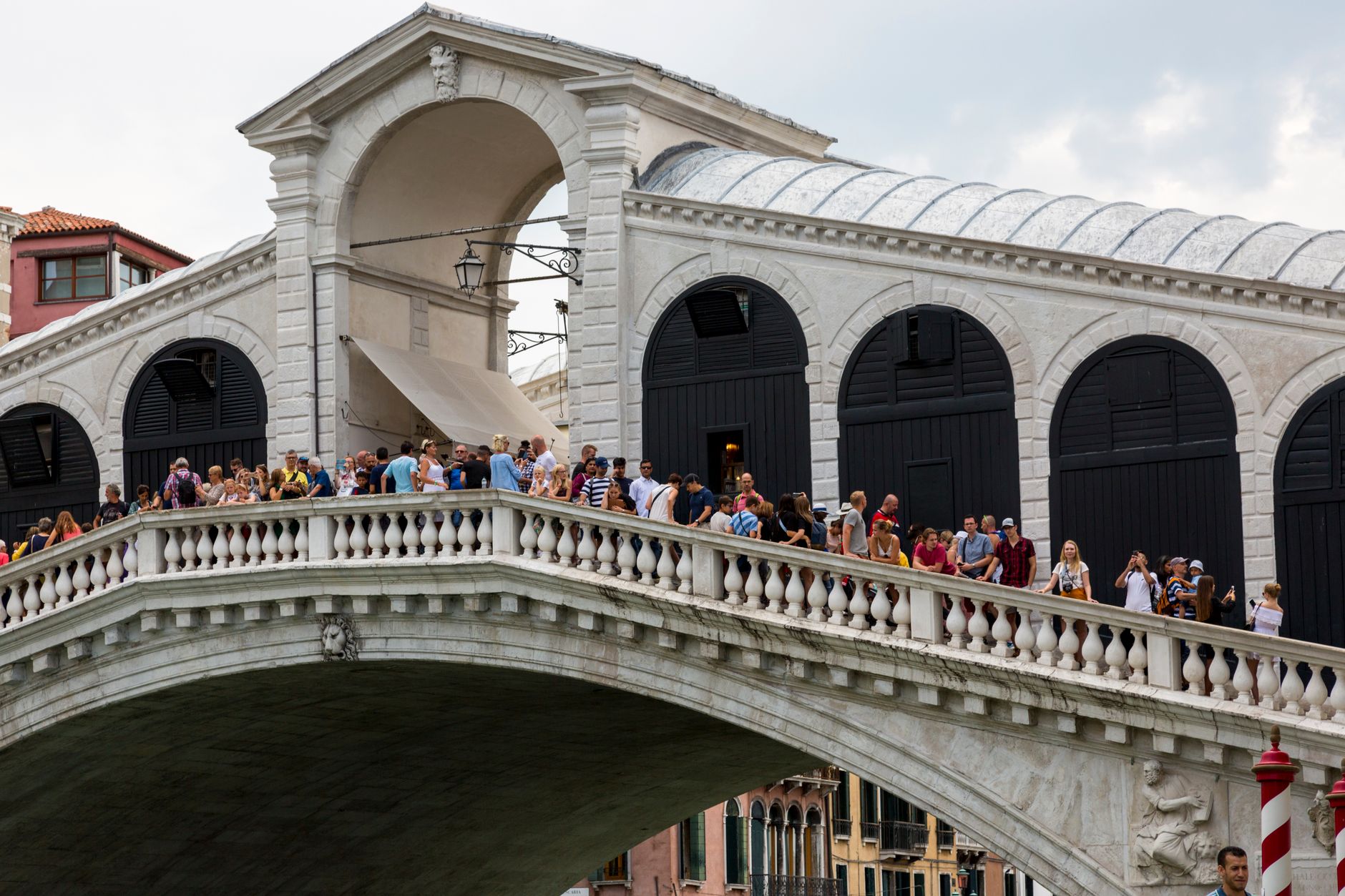
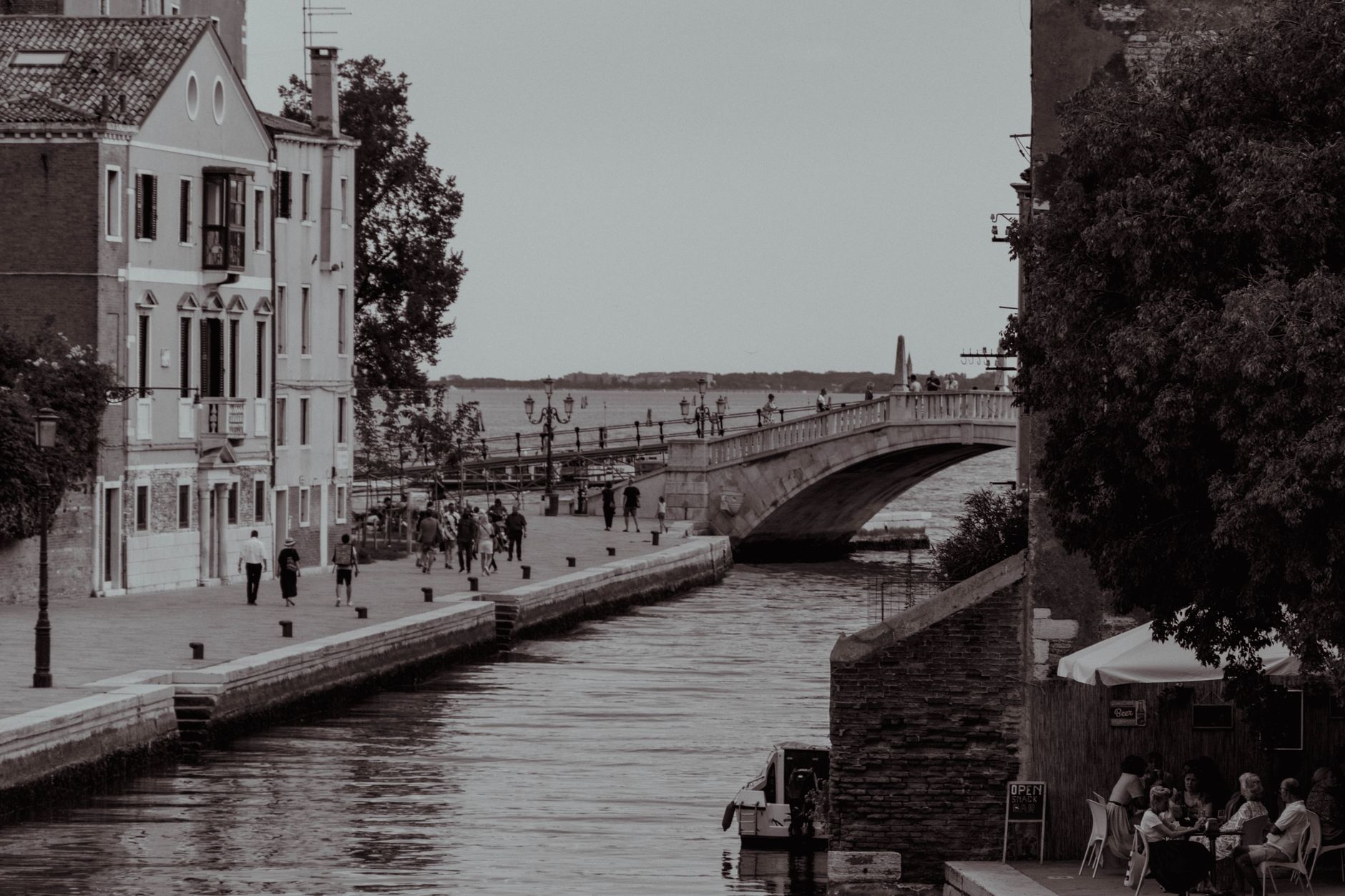
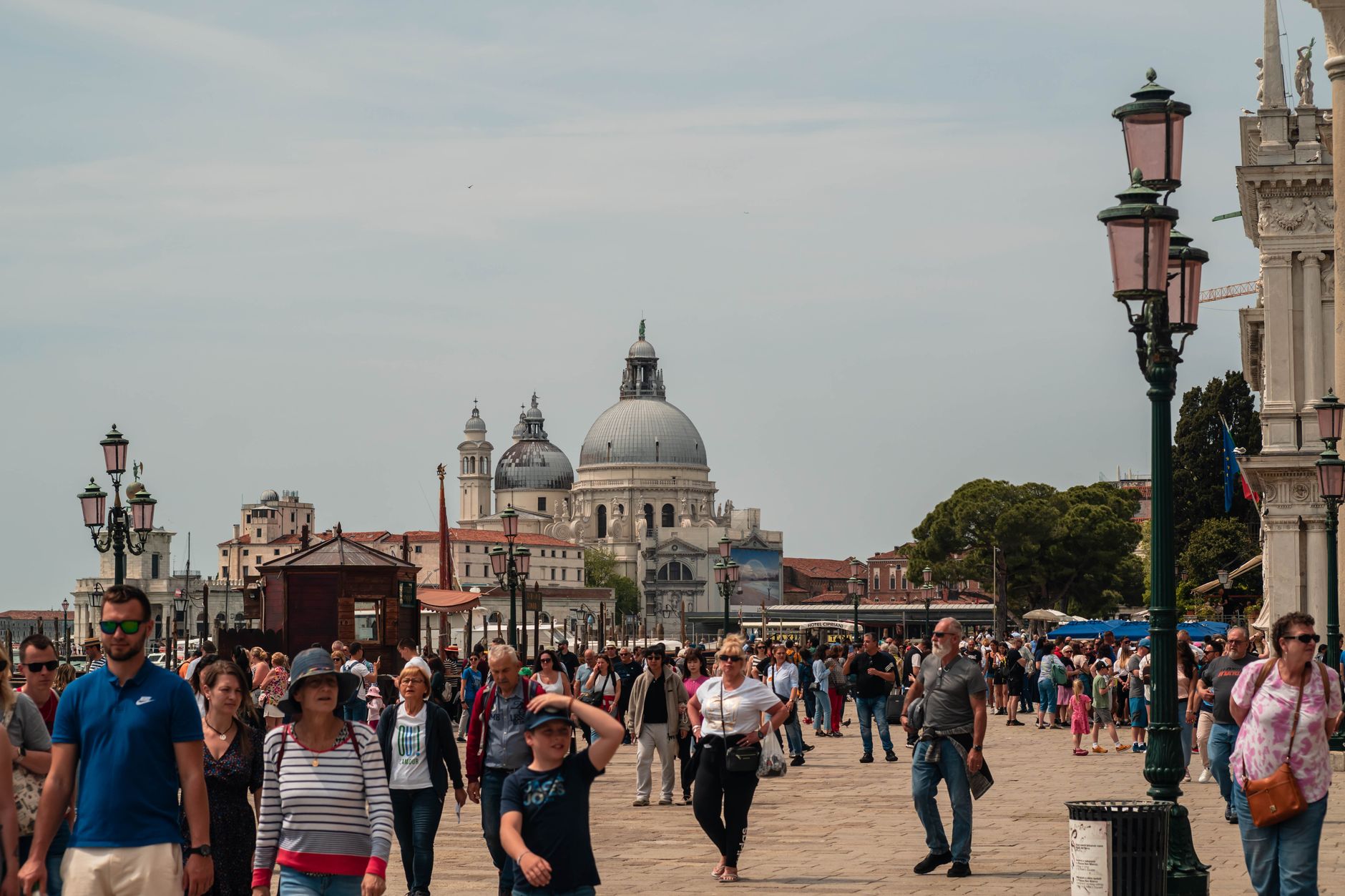
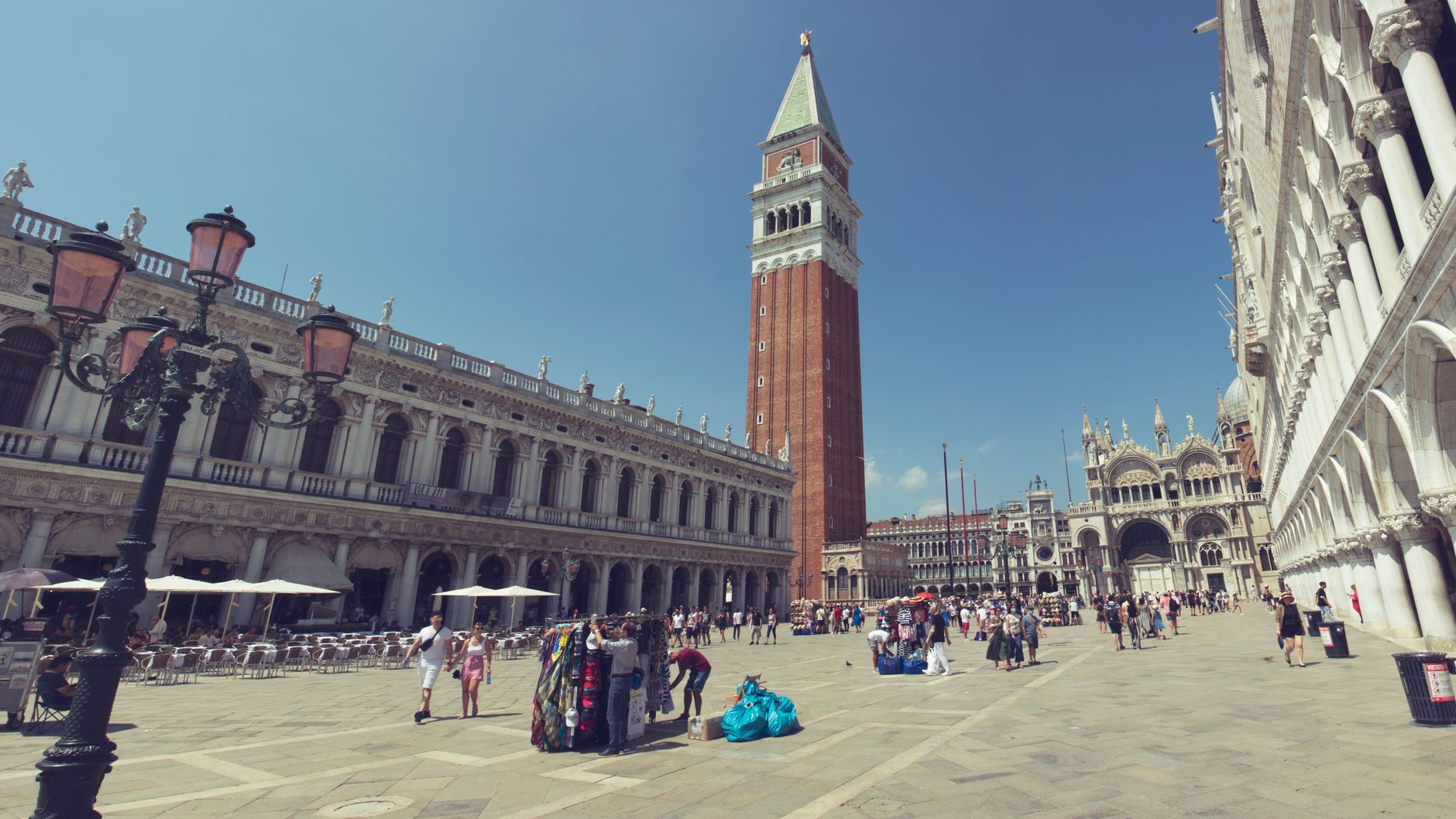
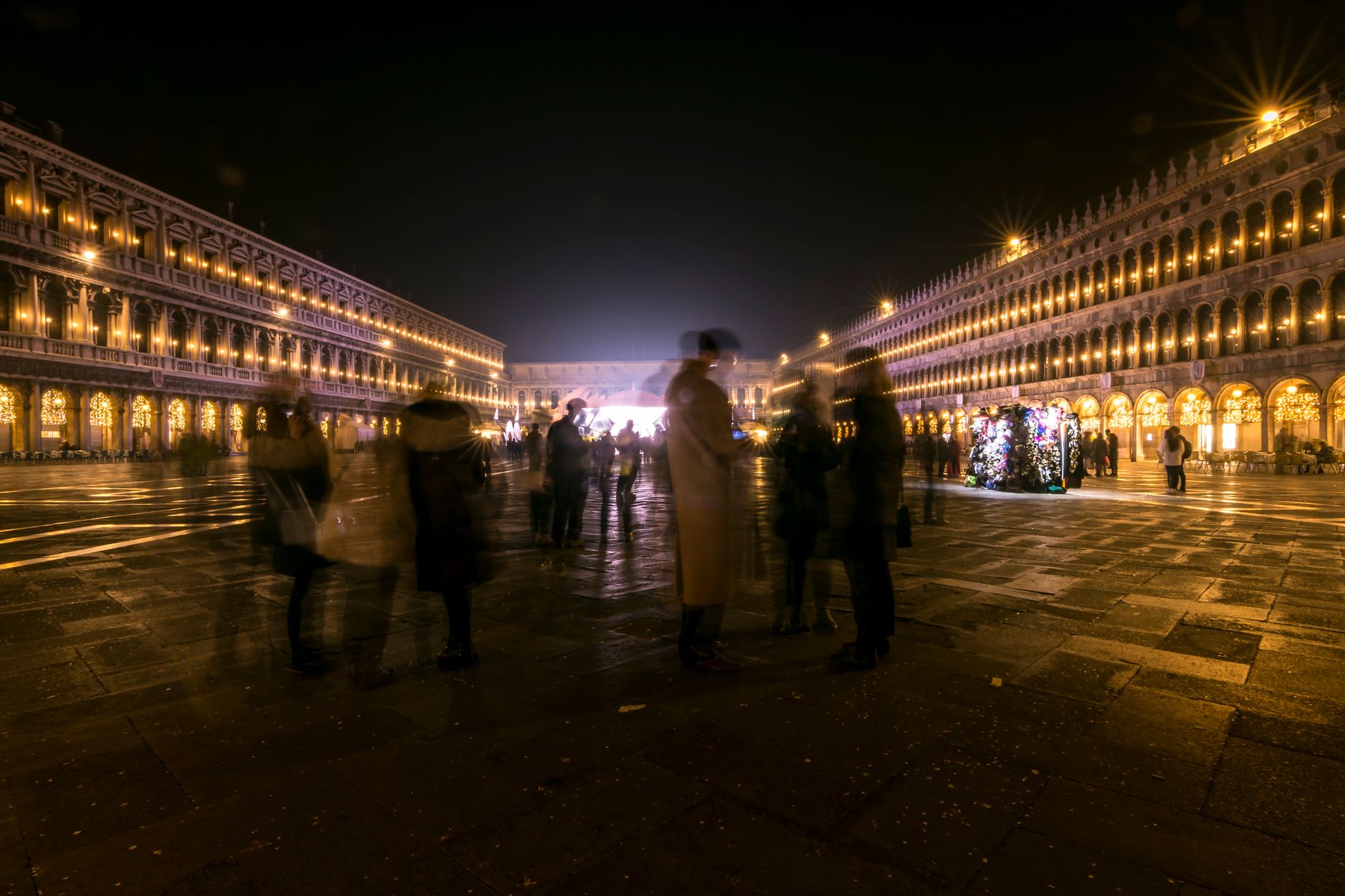
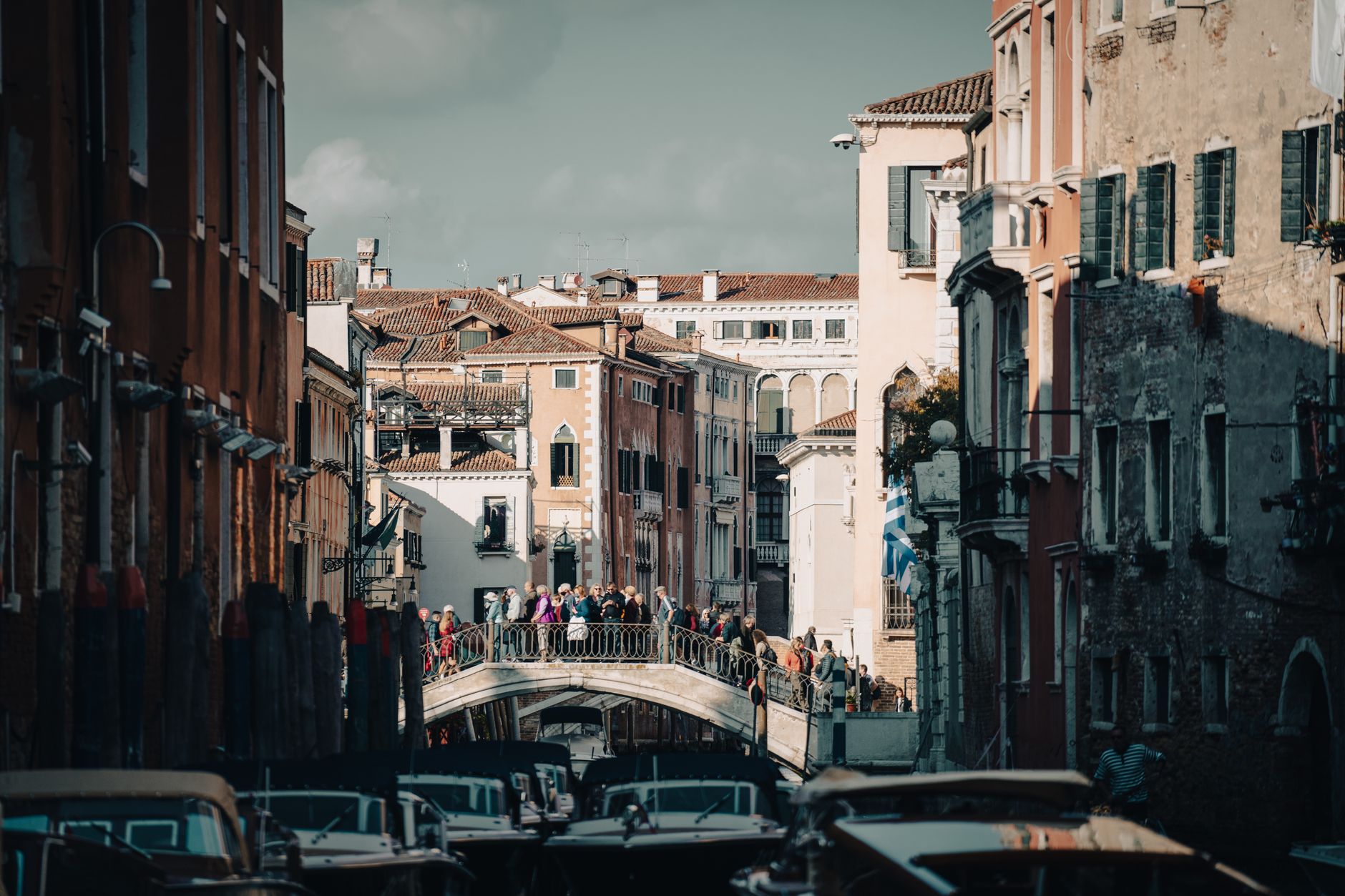
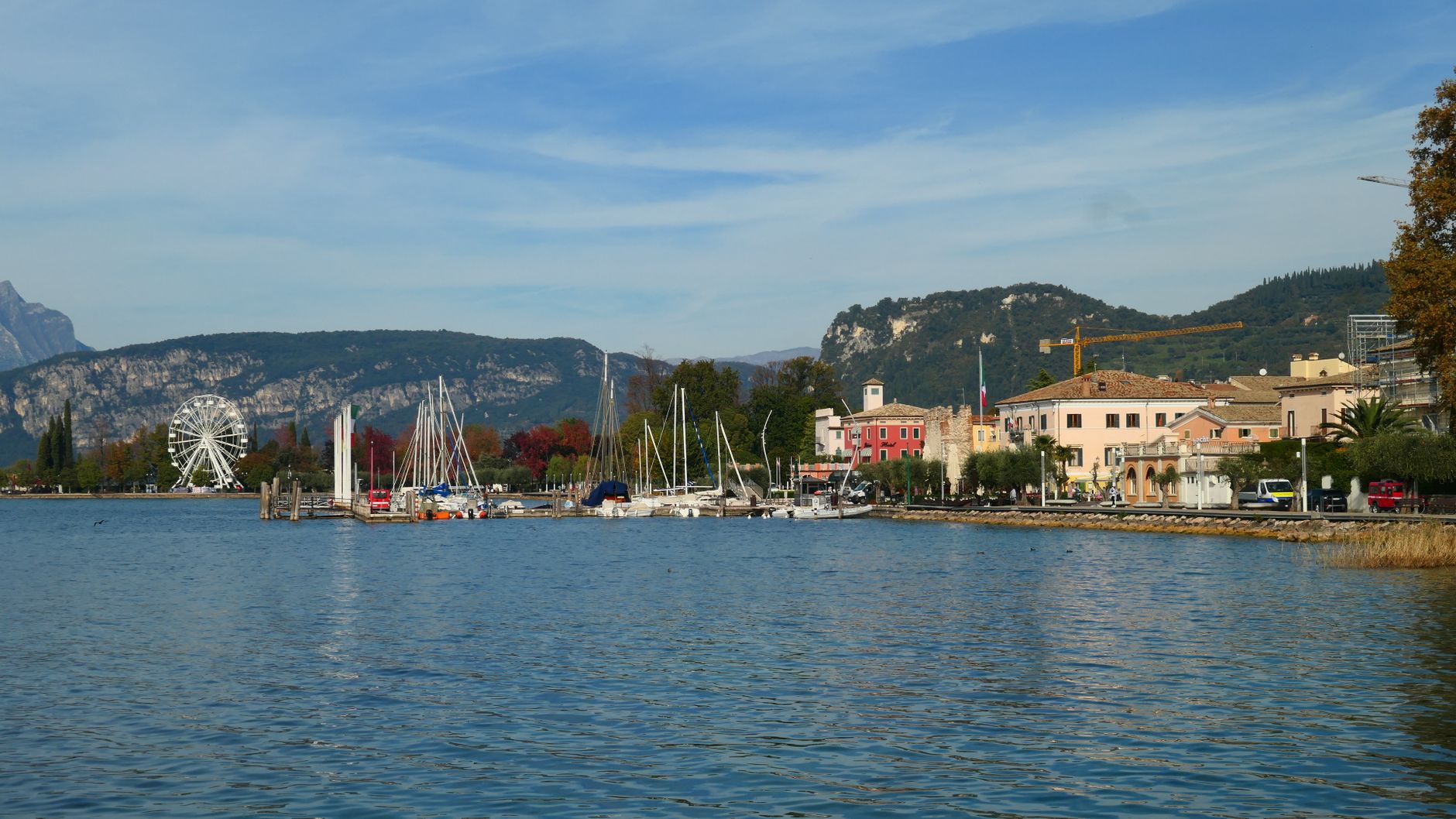
Veneto is where a good deal of what the world pictures when it imagines Italy actually lives: the canals of Venice, the Roman arena in Verona, the Palladian villas scattered across the Euganean plain, the Prosecco hills rolling toward the Dolomites. It is one of the most visited regions in Europe, and it earns that attention honestly.
What surprises most people is the range. Venice is car-free and navigated by foot or boat; Cortina d'Ampezzo sits in the Alps with trails and ski runs above the treeline; Padua, Vicenza, and Verona line up along a single rail corridor and can each be done in a day or two.
How Veneto, Italy came to be
The Veneti — an Indo-European people distinct from the Romans — were here first, before Rome absorbed them in the 3rd century BC. What followed was centuries of Roman order, then the slow fracturing of empire, then the rise of something singular: the Republic of Venice, which held the region in its orbit until Napoleon ended it in 1797. That republic's wealth built the palaces, funded the painters — Titian, Tintoretto — and drew composers like Vivaldi and Monteverdi to St. Mark's.
After Napoleon, the Congress of Vienna folded Veneto into the Austrian Empire as part of the Kingdom of Lombardy-Venetia. It joined the Kingdom of Italy in 1866. Half a century later, the region became a World War I front; the armistice ending the Italo-Austrian conflict was signed on 3 November 1918 at Villa Giusti in Padua.
Who and what shaped it
People who shaped it
Landmark buildings
See Veneto, Italy in motion
Plan your visit
On the map
When to go
The plains run continental — cold, damp winters with January averages around 3–4°C, and summers that turn hot and humid. Spring and early autumn are the most comfortable seasons for moving between cities; mountain areas around Cortina follow an alpine pattern with heavy winter snow and cool summers.
Right now
↡ Cities
Background & history adapted from Wikipedia (CC BY-SA) · specs from Wikidata (CC0) · weather from Open-Meteo · map data © OpenStreetMap contributors · photos from Wikimedia Commons / Unsplash with per-image credit. No third-party reviews or social posts reproduced.