
Bardolino
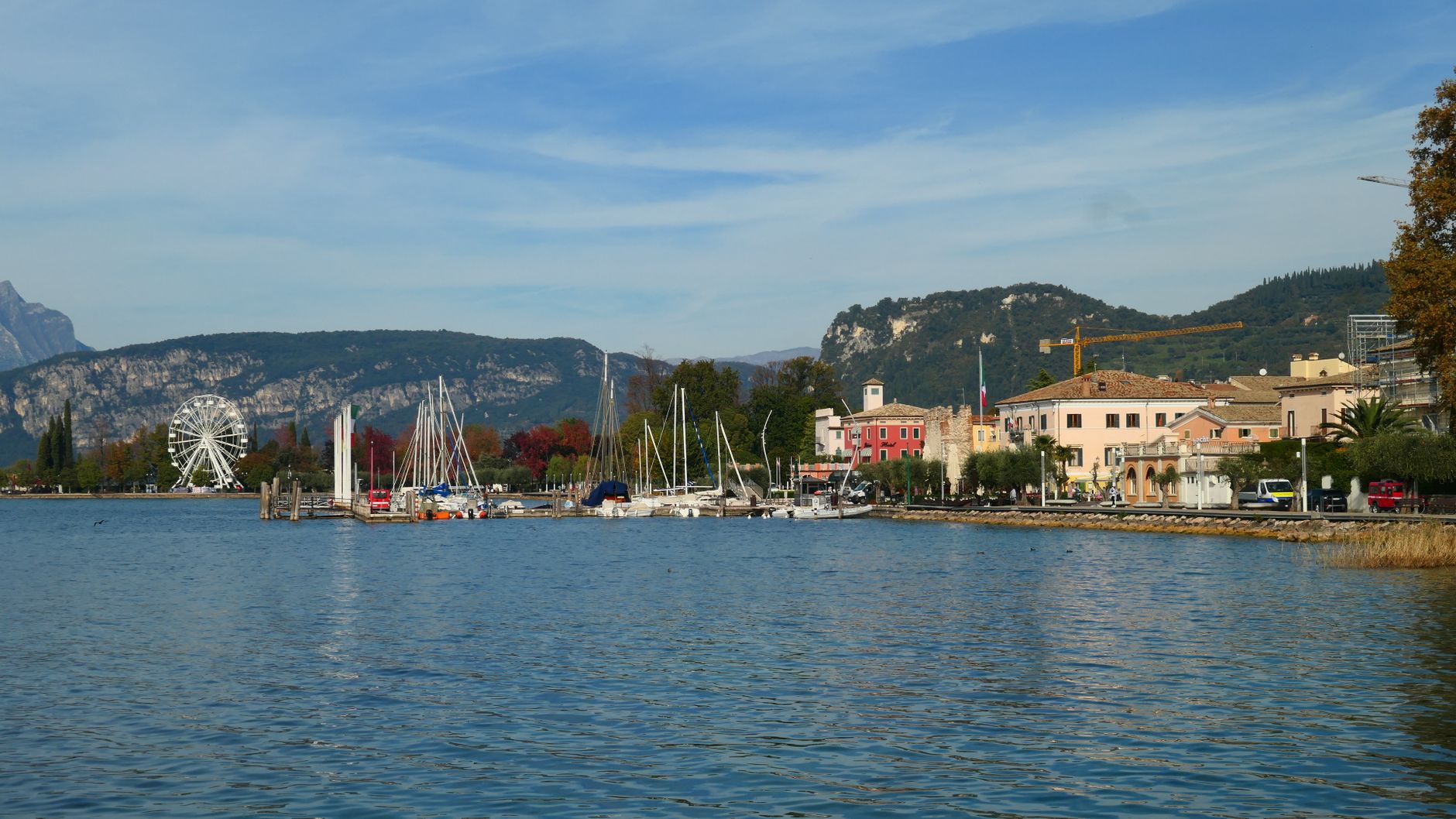
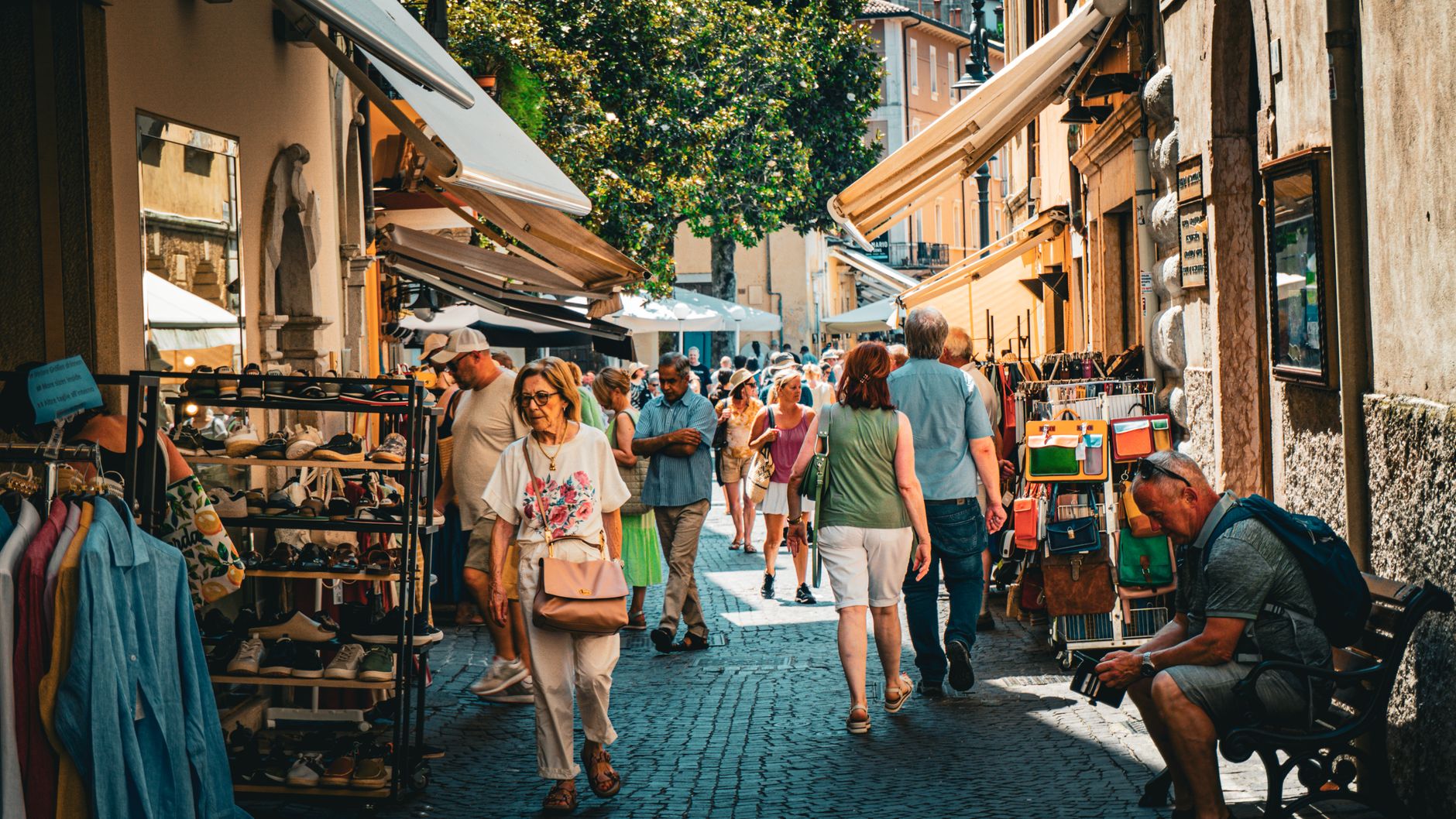
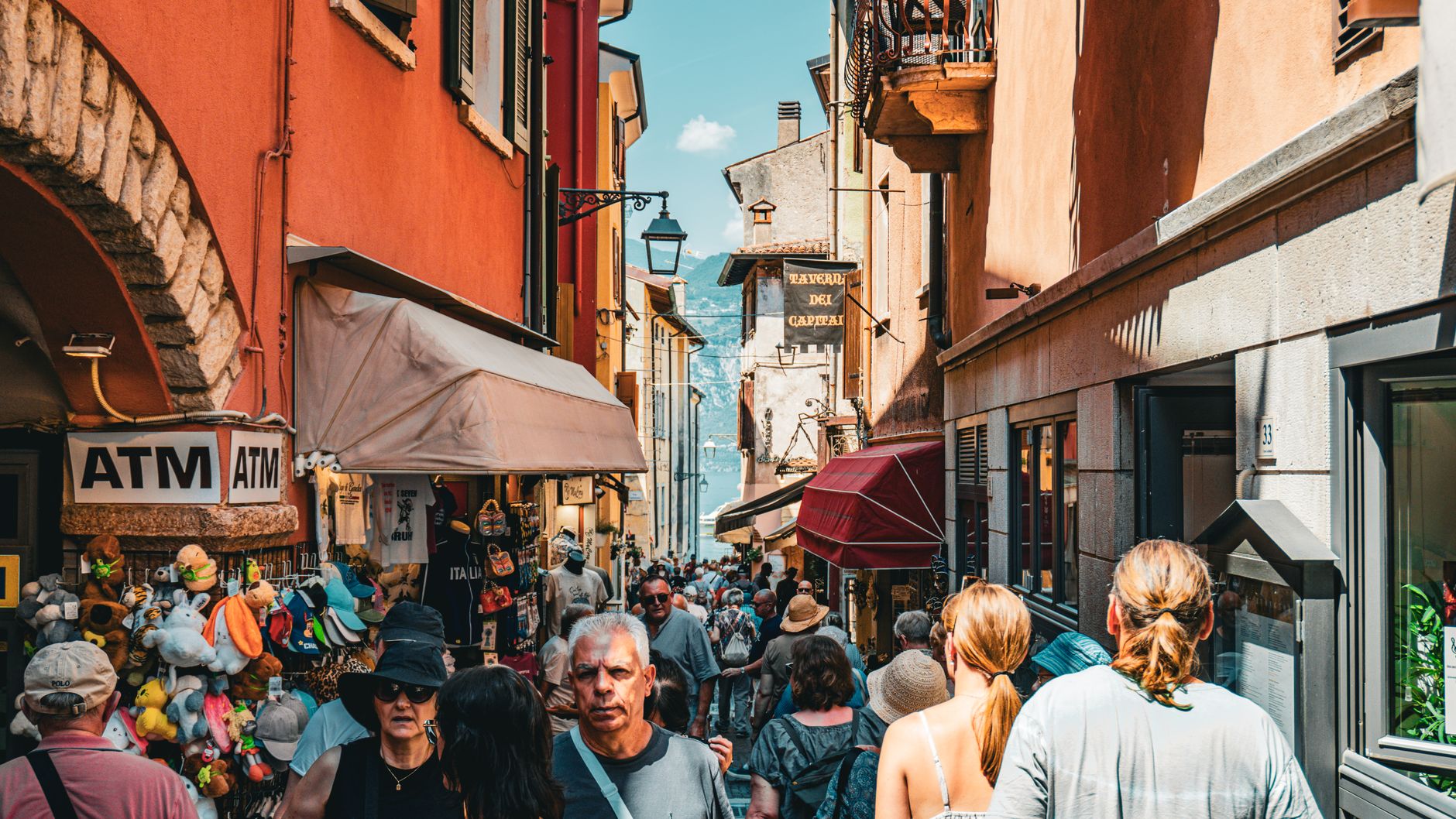
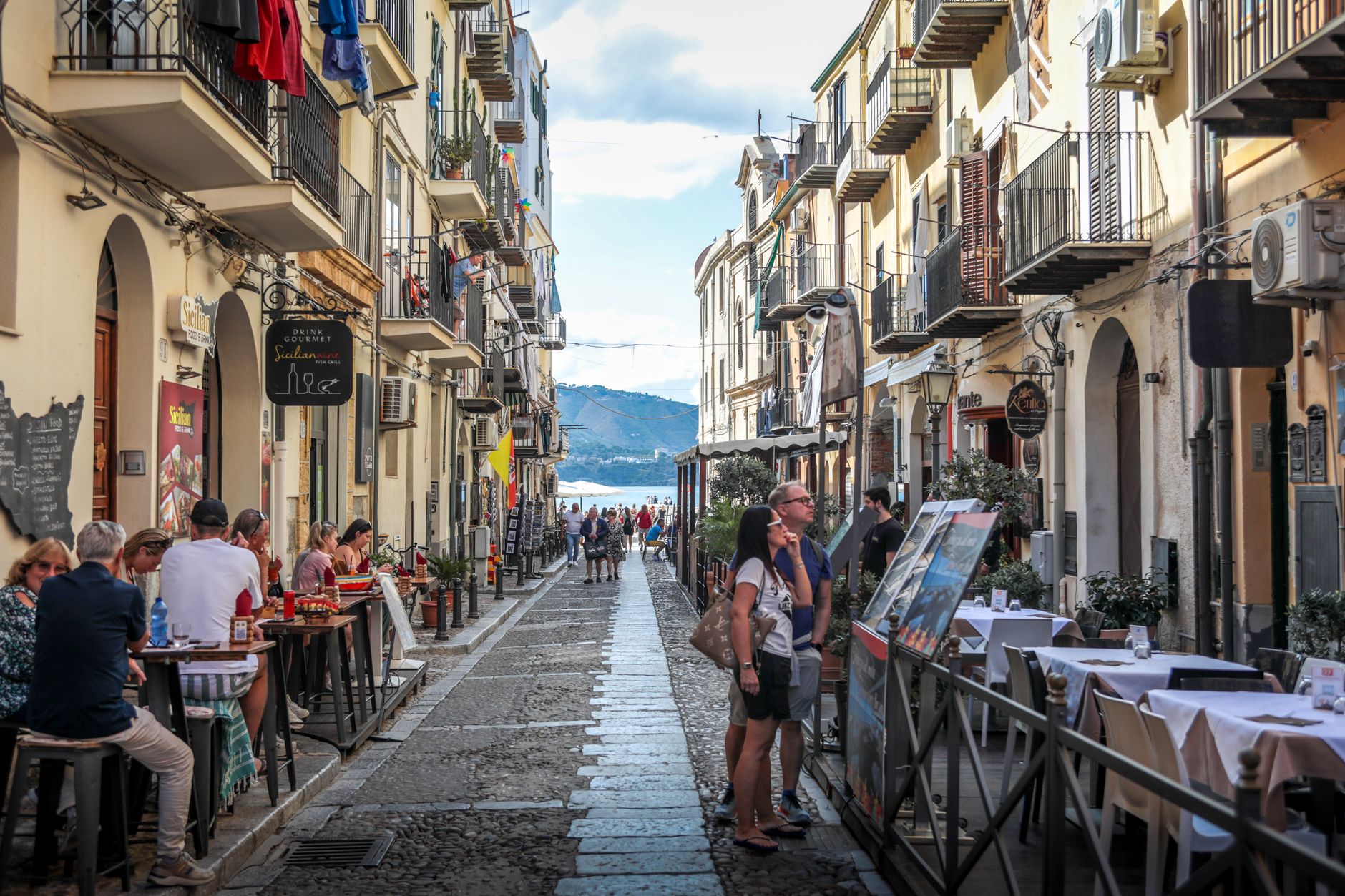
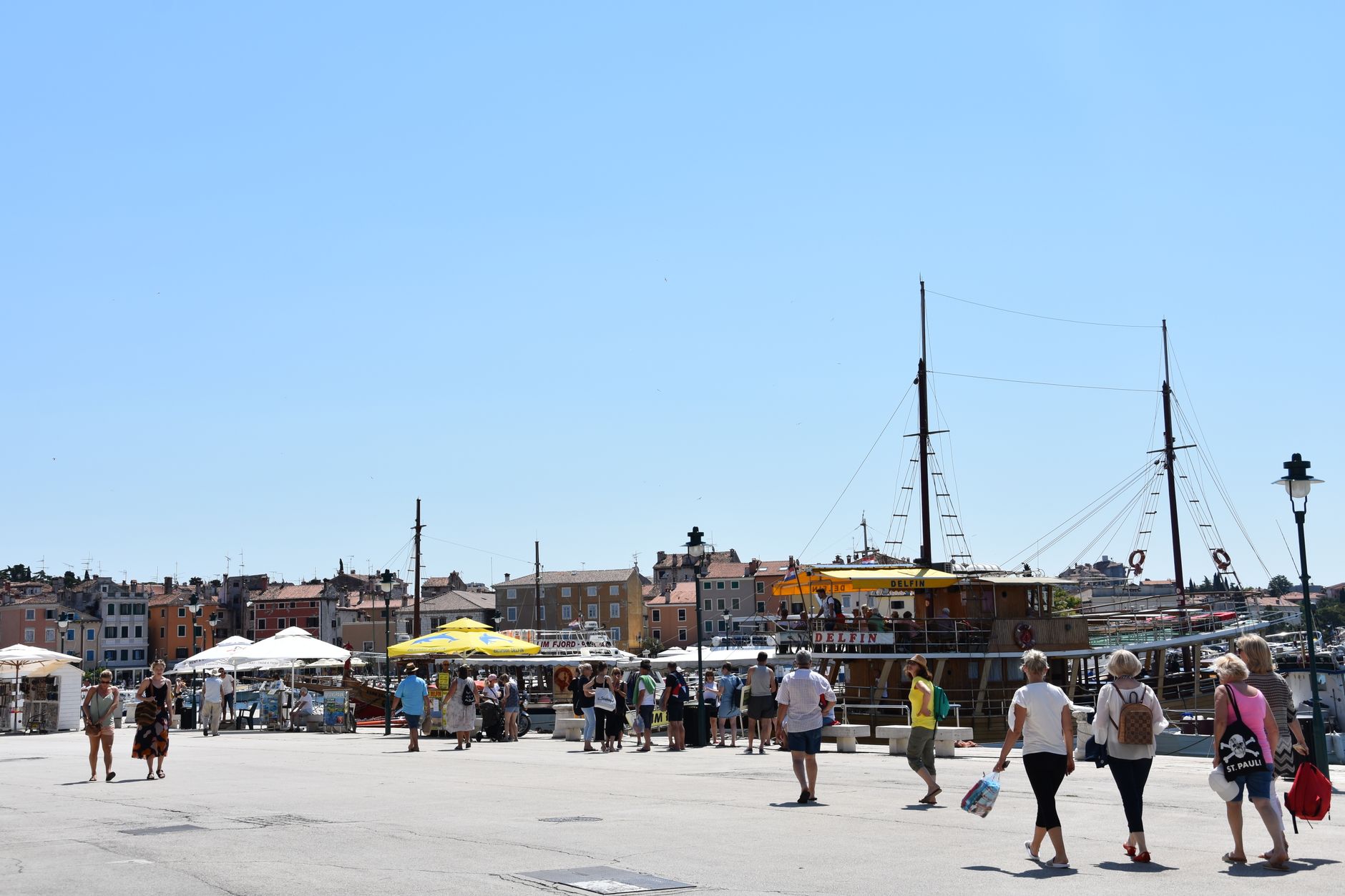
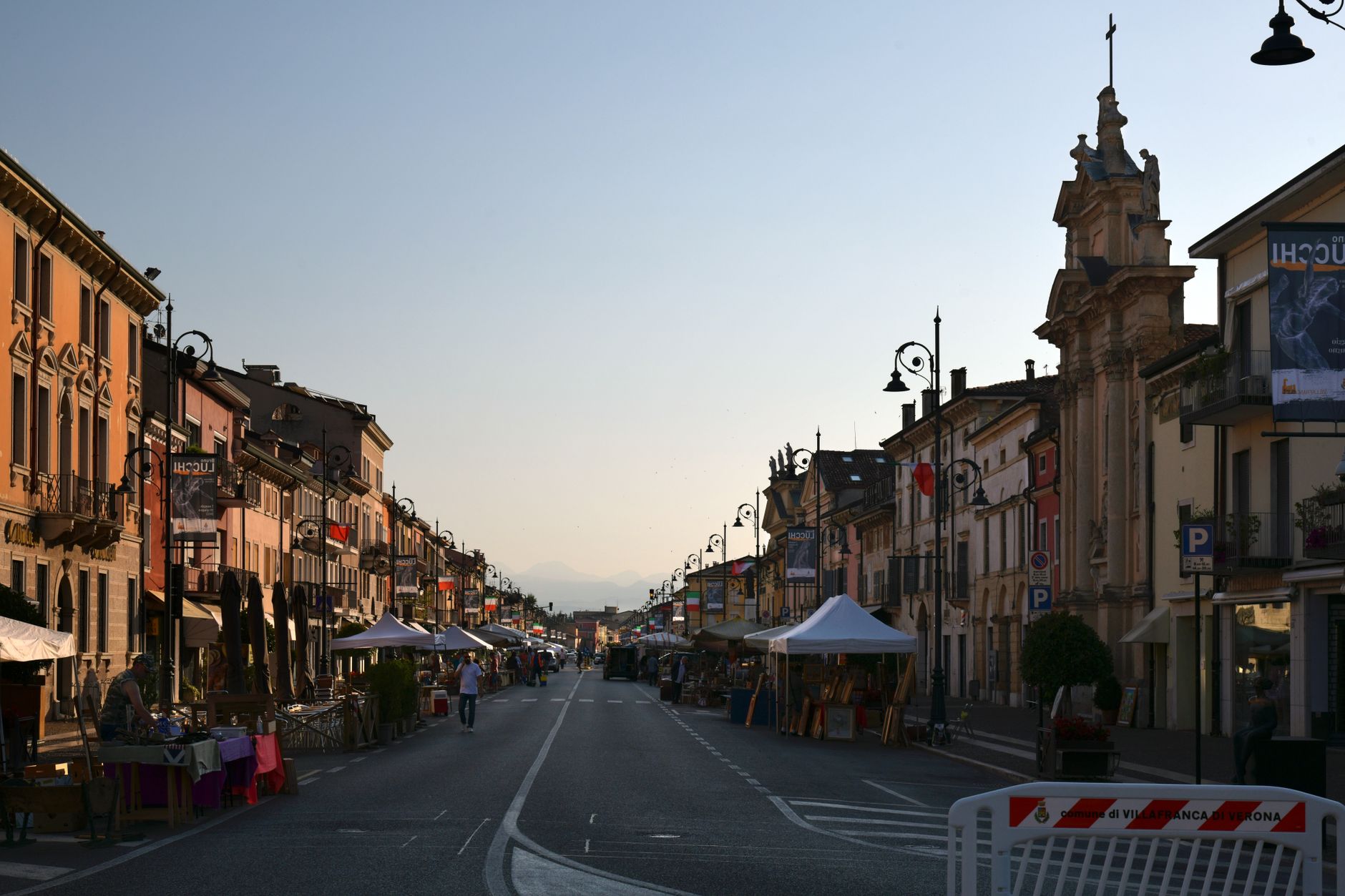
The leaning stone tower near Bardolino's harbour has been watching over this stretch of Lake Garda since the ninth century, and the lake has been watching back ever since. Walk the Lungolago Roma on a weekday morning — past seventy-odd tulip beds, past the fishing boats — and you get a sense of a town that has always organised itself around the water's edge.
Bardolino gives you two things at once: a genuinely old lakeside settlement with Carolingian churches and Romanesque frescoes, and a place that has made its peace with the twenty-first century through wine, olive oil, and a promenade lined with restaurants all the way to the waterfront.
💛 What travellers fall for
People who come back tend to time it for the shoulder season — May or September — when the Lungolago belongs to locals again. The Zeni winery on the edge of town is worth the walk for a tasting, and the frescoes inside San Severo, just north of the old centre, are easy to miss but hard to forget once you've stood in front of them.
Experiences you don't want to miss


Deals in Bardolino
Book directly at the provider
How Bardolino came to be
People have lived on this shore since at least 1000 BC, with pile-dwelling communities building their homes on stilts above the lake near what is now Cisano. The medieval town took shape when King Berengar of Italy permitted the inhabitants to raise defensive walls in the late ninth century — the leaning tower by the harbour is what remains of that effort, augmented in the fourteenth century by the Scaligeri.
By the twelfth century Bardolino was an autonomous municipality with its own statute, and in 1222 local families formalised a fishing corporation along the shore. In 1370 the Venetian Republic took control after defeating the Duchy of Milan at the Battle of Garda. The town held that allegiance for centuries, governed in part by the Rambaldi family as lake captains appointed directly from Venice. Austrian occupation ended in 1866 with annexation to the Kingdom of Italy; the wine now known as Bardolino only began carrying the town's name in the nineteenth century.
Who and what shaped it
Landmark buildings
See Bardolino in motion
Plan your visit
On the map
When to go
Lake Garda moderates the climate considerably: winters are mild for northern Italy, summers warm and reliably dry, with afternoon breezes off the water. Spring and early autumn offer the most comfortable temperatures for walking the lakefront; July and August are busy and hot, though the lake itself stays swimmable.
Right now
Background & history adapted from Wikipedia (CC BY-SA) · specs from Wikidata (CC0) · weather from Open-Meteo · map data © OpenStreetMap contributors · photos from Wikimedia Commons / Unsplash with per-image credit. No third-party reviews or social posts reproduced.