
Catalonia, Spain
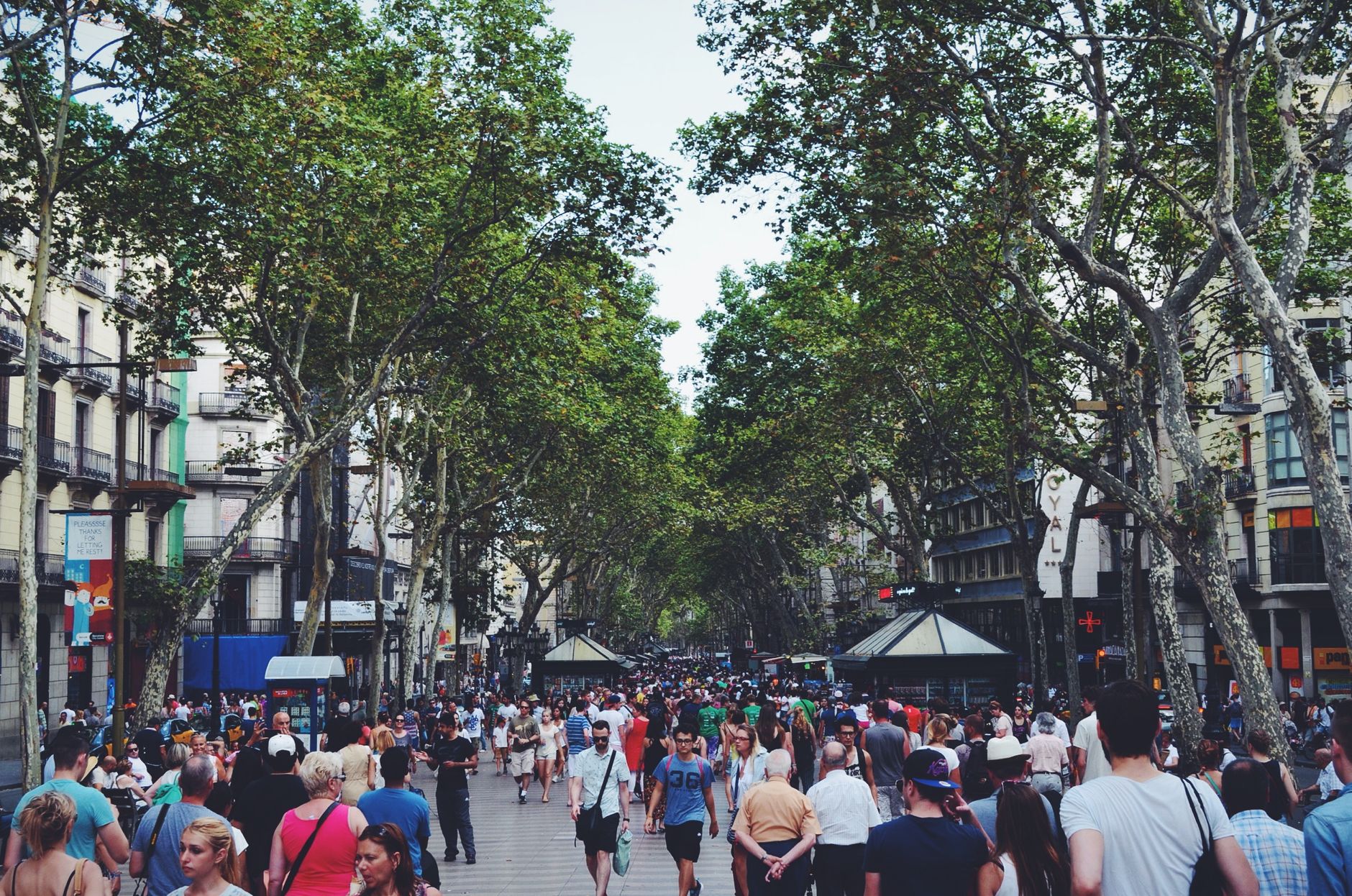
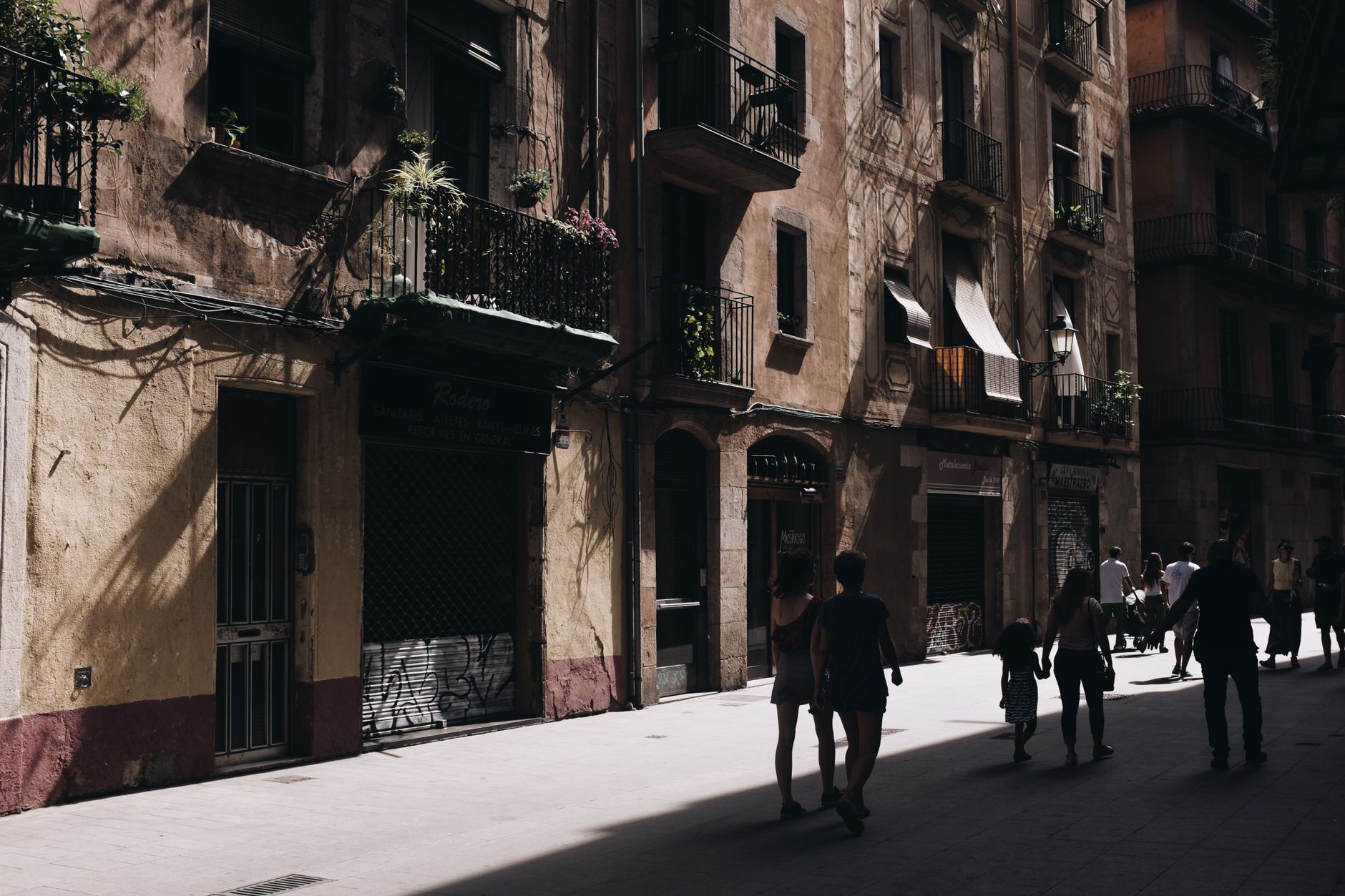
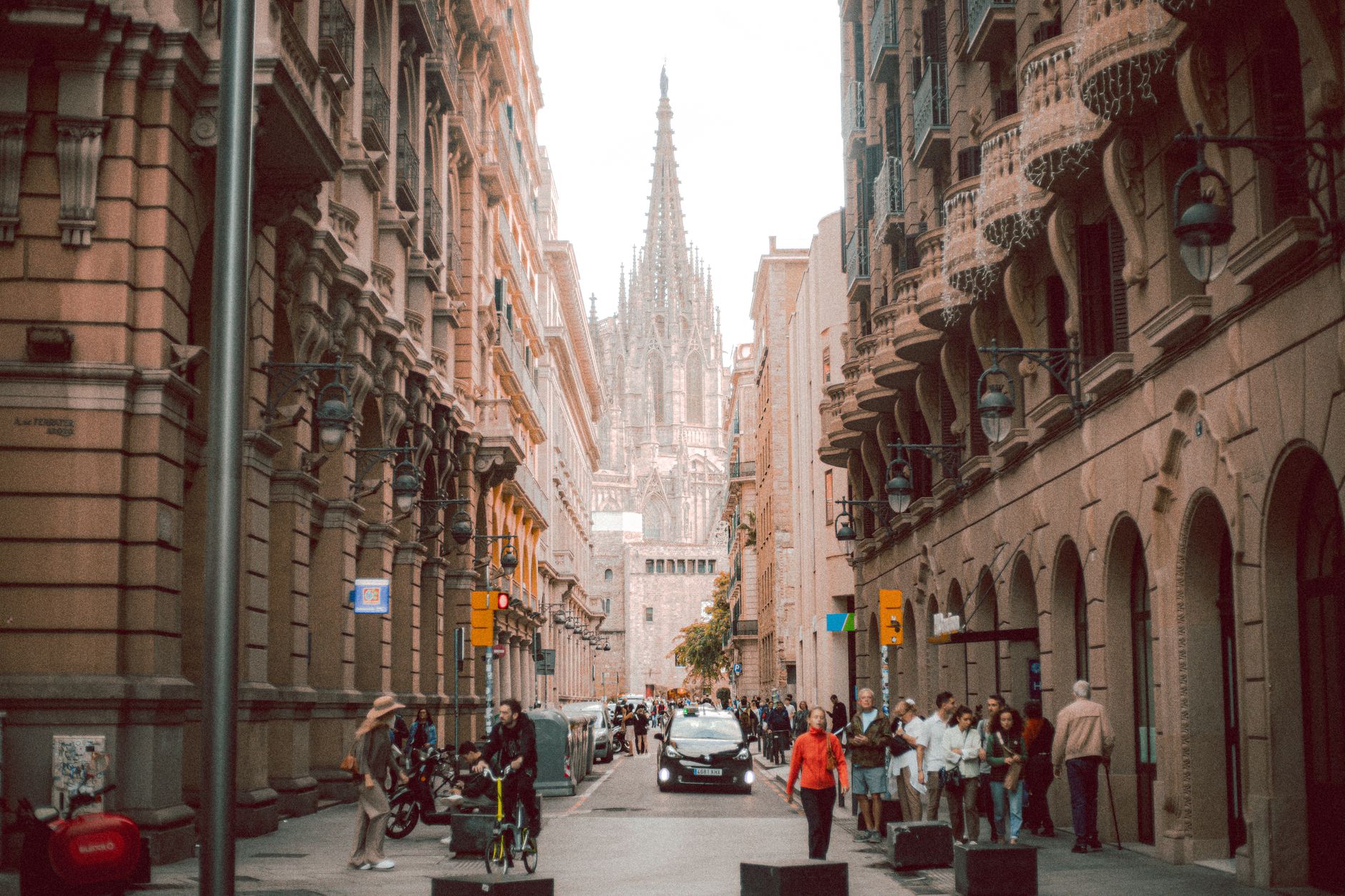
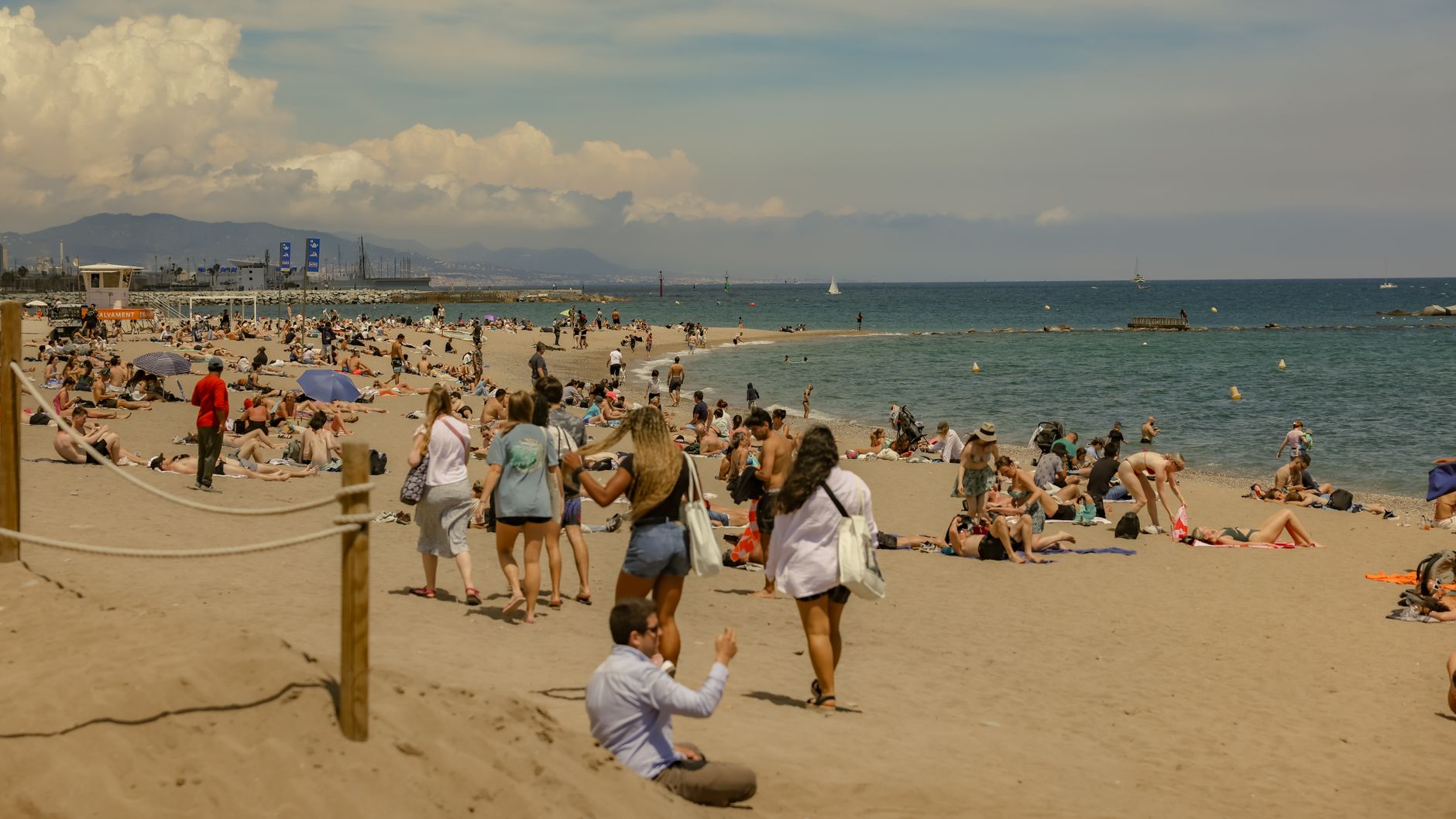
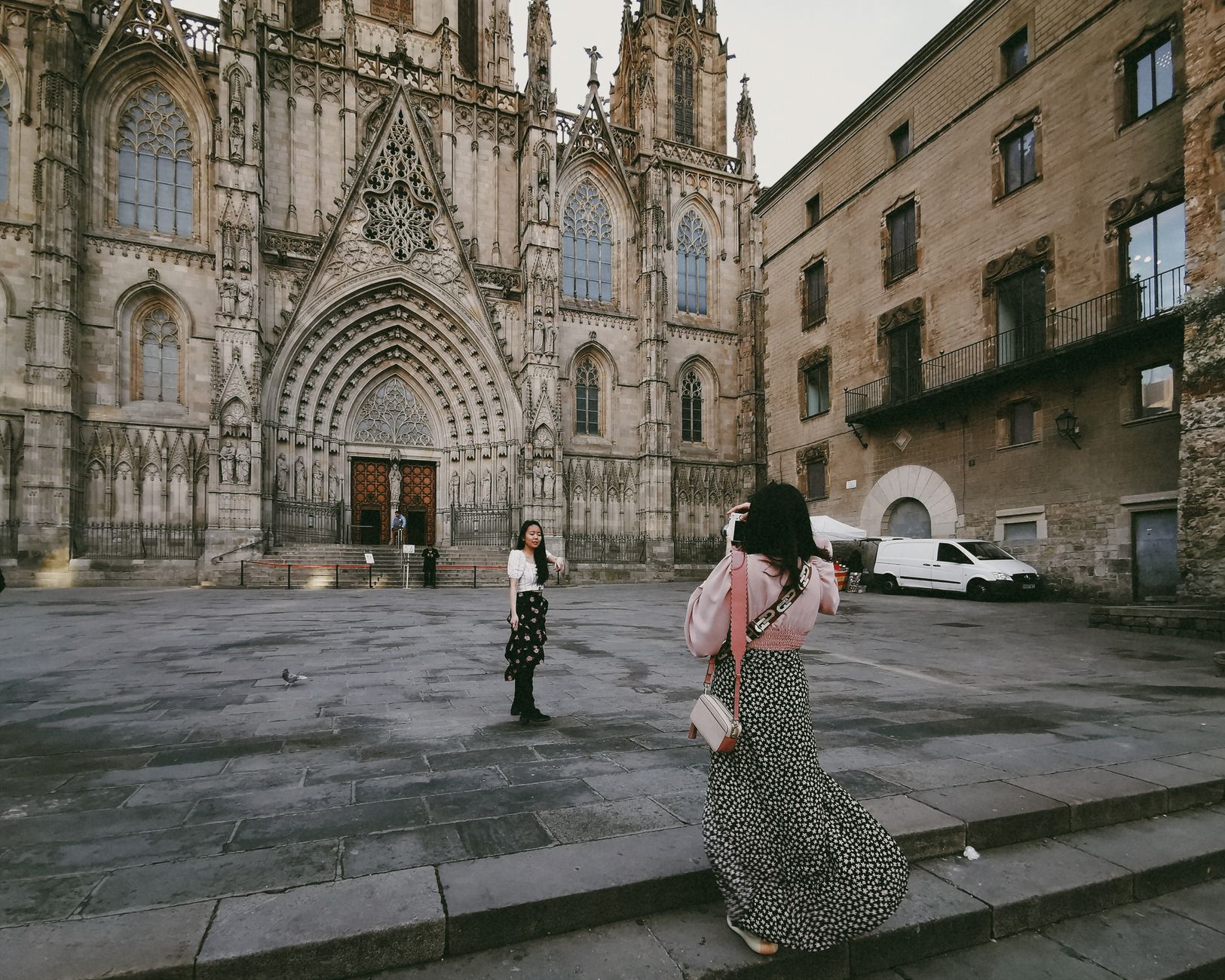
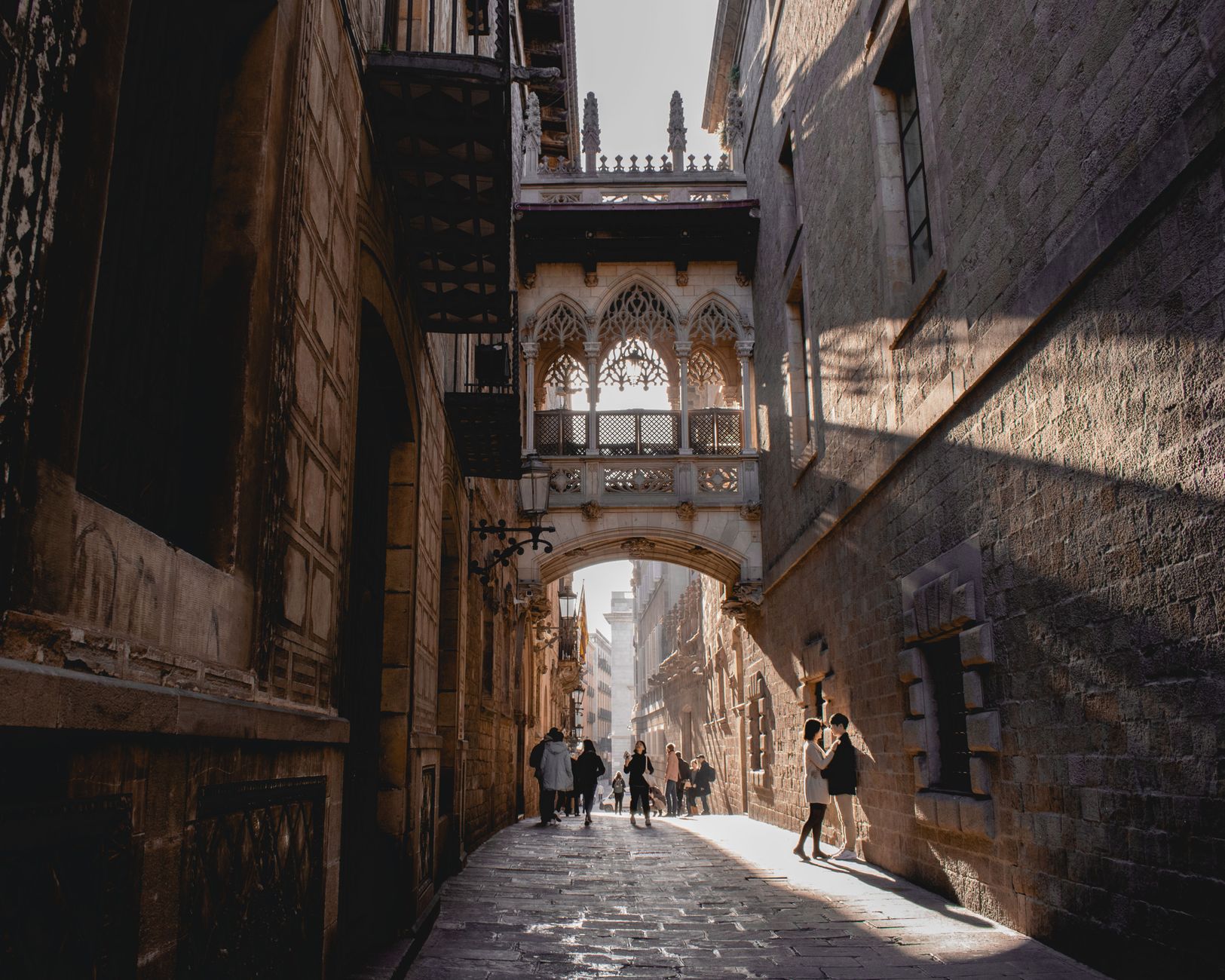
Catalonia is the northeastern wedge of Spain where the Pyrenees drop toward the Mediterranean and everything — food, language, architecture — operates on its own logic. Barcelona anchors the coast, but the region stretches inland through vineyards, medieval monasteries, and ochre plains that most visitors never reach. What makes it distinct is the accumulation: a language spoken by around ten million people, a Gothic quarter built on Roman foundations, and a run of early-twentieth-century architecture that changed how buildings could look.
The Modernisme movement alone would justify the journey. Antoni Gaudí, Salvador Dalí, Joan Miró — this small corner of Europe produced an unusual concentration of artists and architects whose work is still, in the most literal sense, unfinished.
Popular cities in Catalonia, Spain
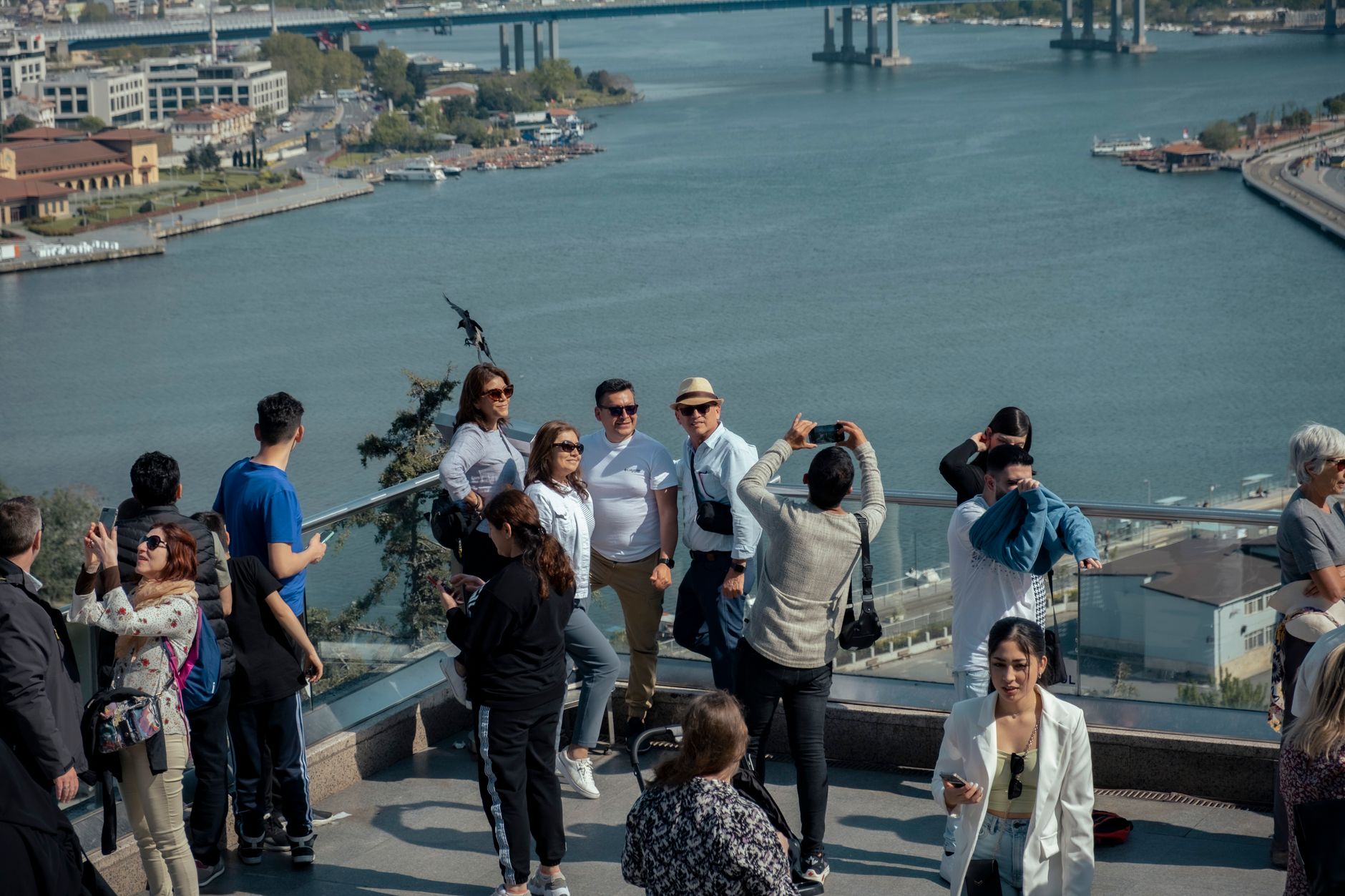
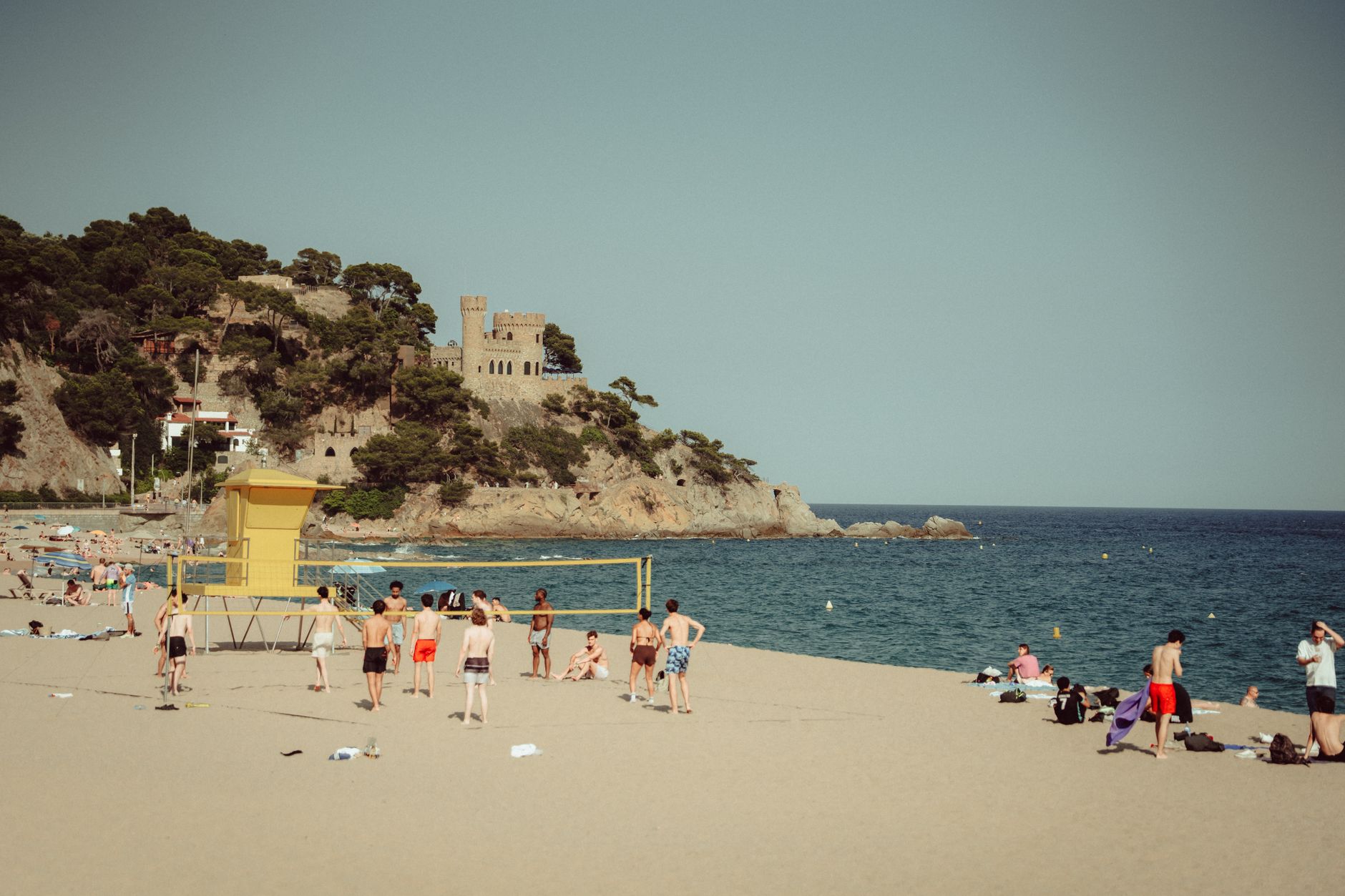
How Catalonia, Spain came to be
Iberian peoples were here first, then the Romans, who made Catalonia the first part of Hispania they controlled. Visigoths followed, then in 718 the Umayyad Caliphate moved through. The Frankish Empire pushed back, taking Barcelona in 801, and by the tenth century the County of Barcelona was edging toward independence. The first written record of the name Catalonia appears in the twelfth century — around the same time the Catalan language surfaces in documents.
The dynastic marriage of Ferdinand of Aragon and Isabella of Castile in 1469 pulled Catalonia into a broader Spanish orbit, a tension that never fully resolved. The Spanish Civil War, which began in 1936 under Franco's coup, hit Catalonia hard. Franco died in 1975, and the 1978 constitution restored the region's autonomy and recognised its language. The Statute of Autonomy followed in September 1979.
Who and what shaped it
People who shaped it
Landmark buildings
See Catalonia, Spain in motion
Plan your visit
On the map
When to go
The coast around Barcelona runs mild in winter — around 10 °C in January — and warm but rarely brutal in summer, with August highs near 29 °C. September and October bring the Gota Fría, a weather pattern that can drop 80 litres per square metre in hours, so pack accordingly if you're travelling in autumn.
Right now
↡ Cities
Background & history adapted from Wikipedia (CC BY-SA) · specs from Wikidata (CC0) · weather from Open-Meteo · map data © OpenStreetMap contributors · photos from Wikimedia Commons / Unsplash with per-image credit. No third-party reviews or social posts reproduced.