
Lloret de Mar
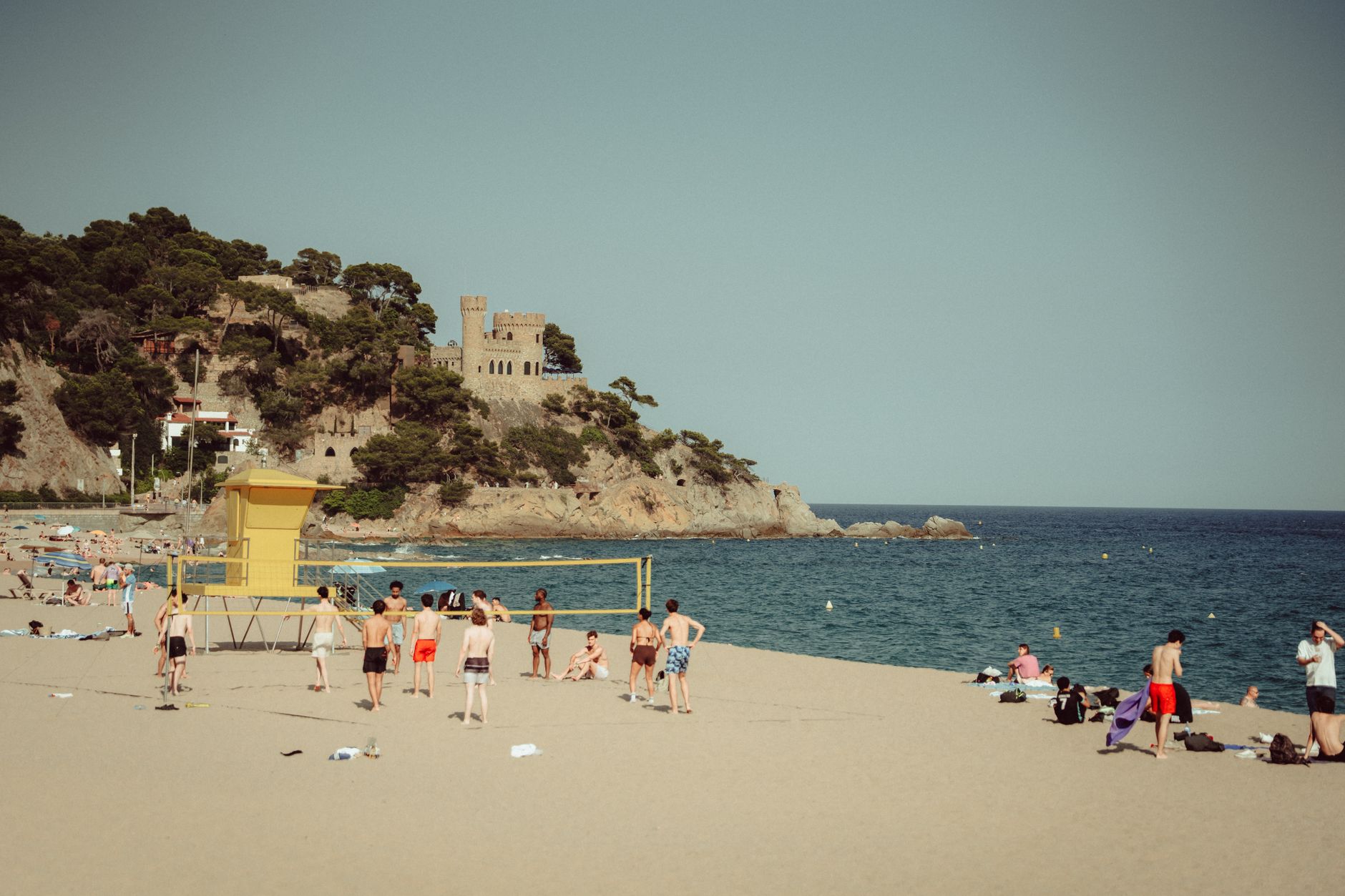
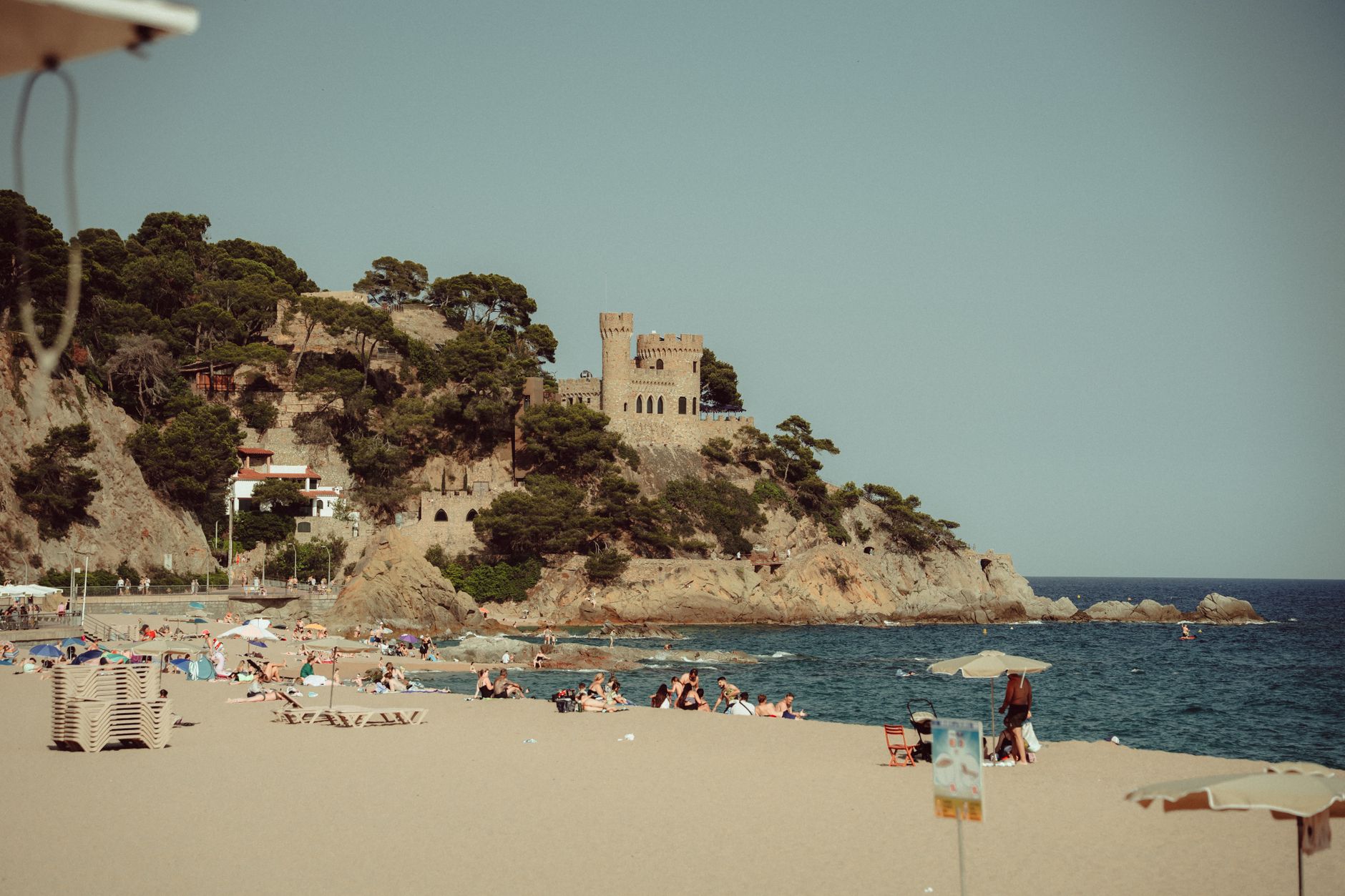
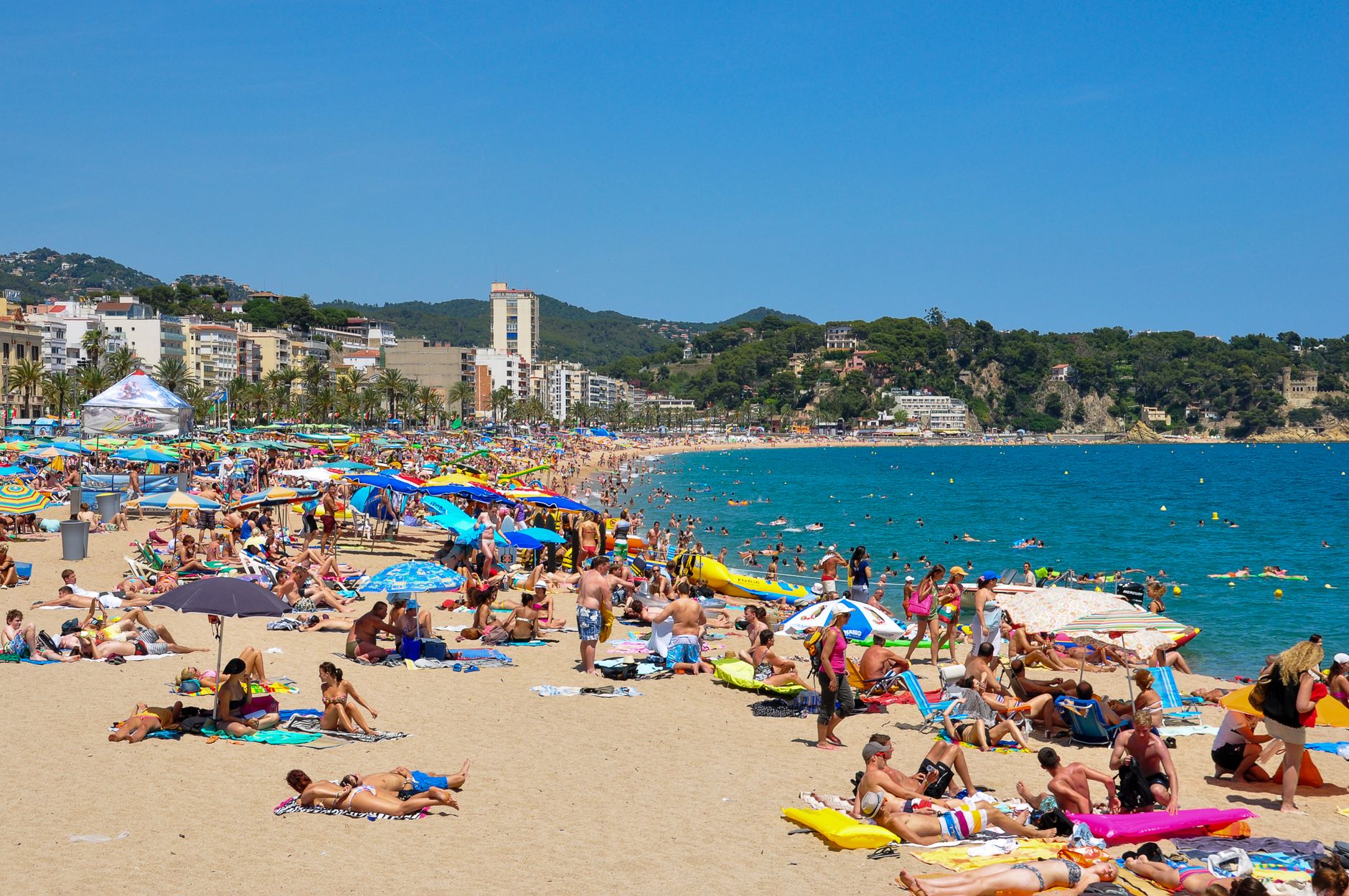
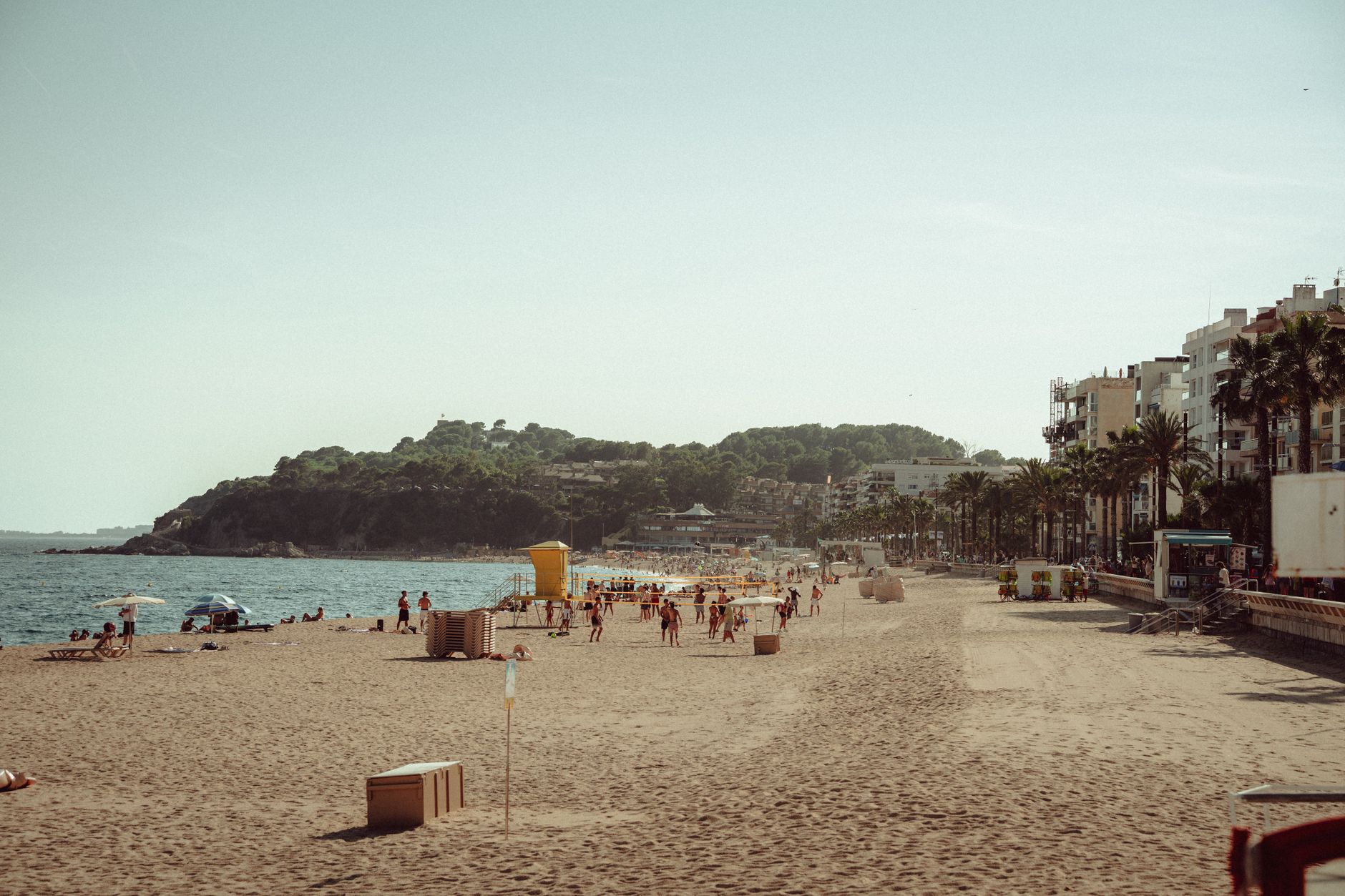
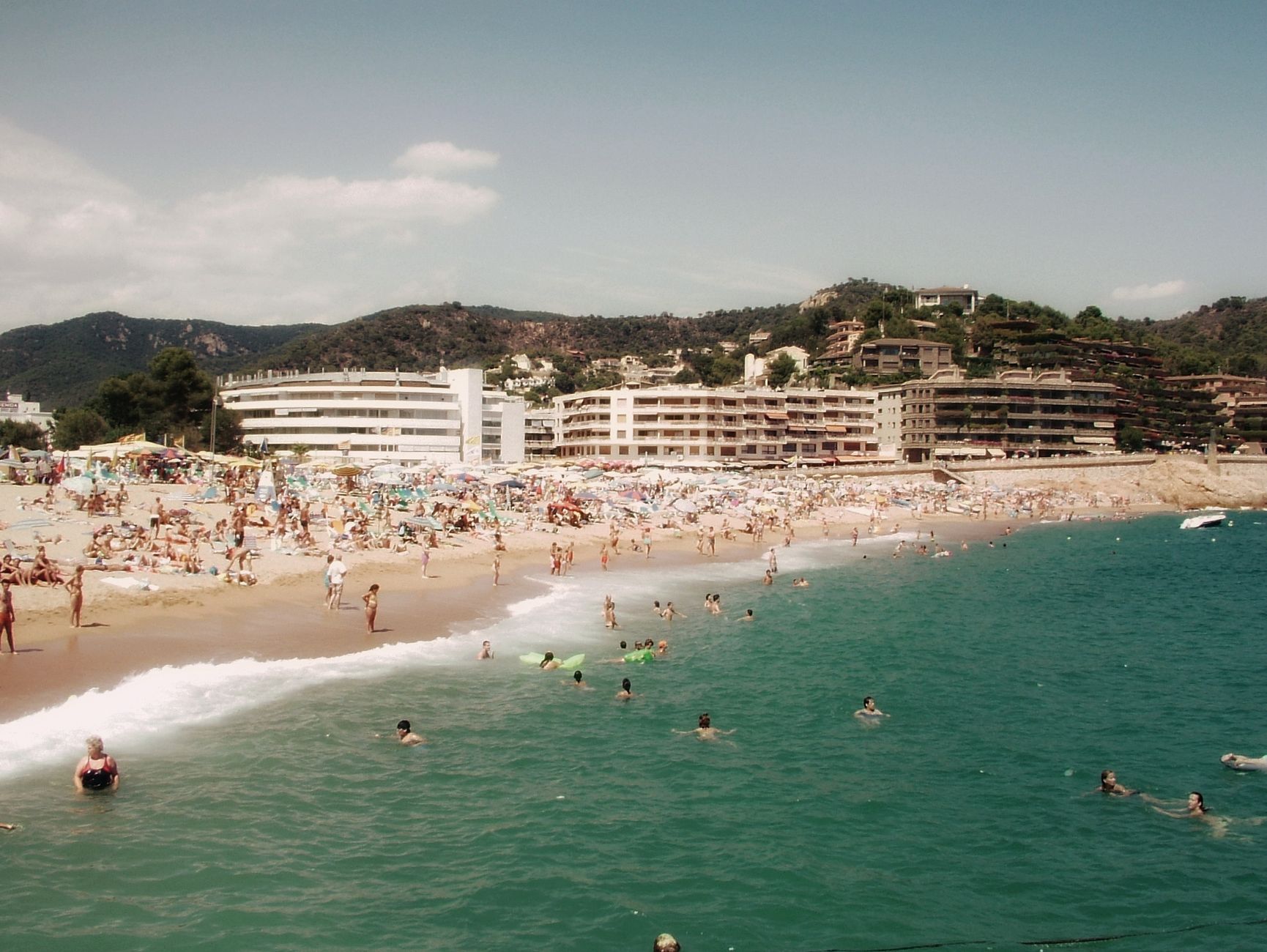
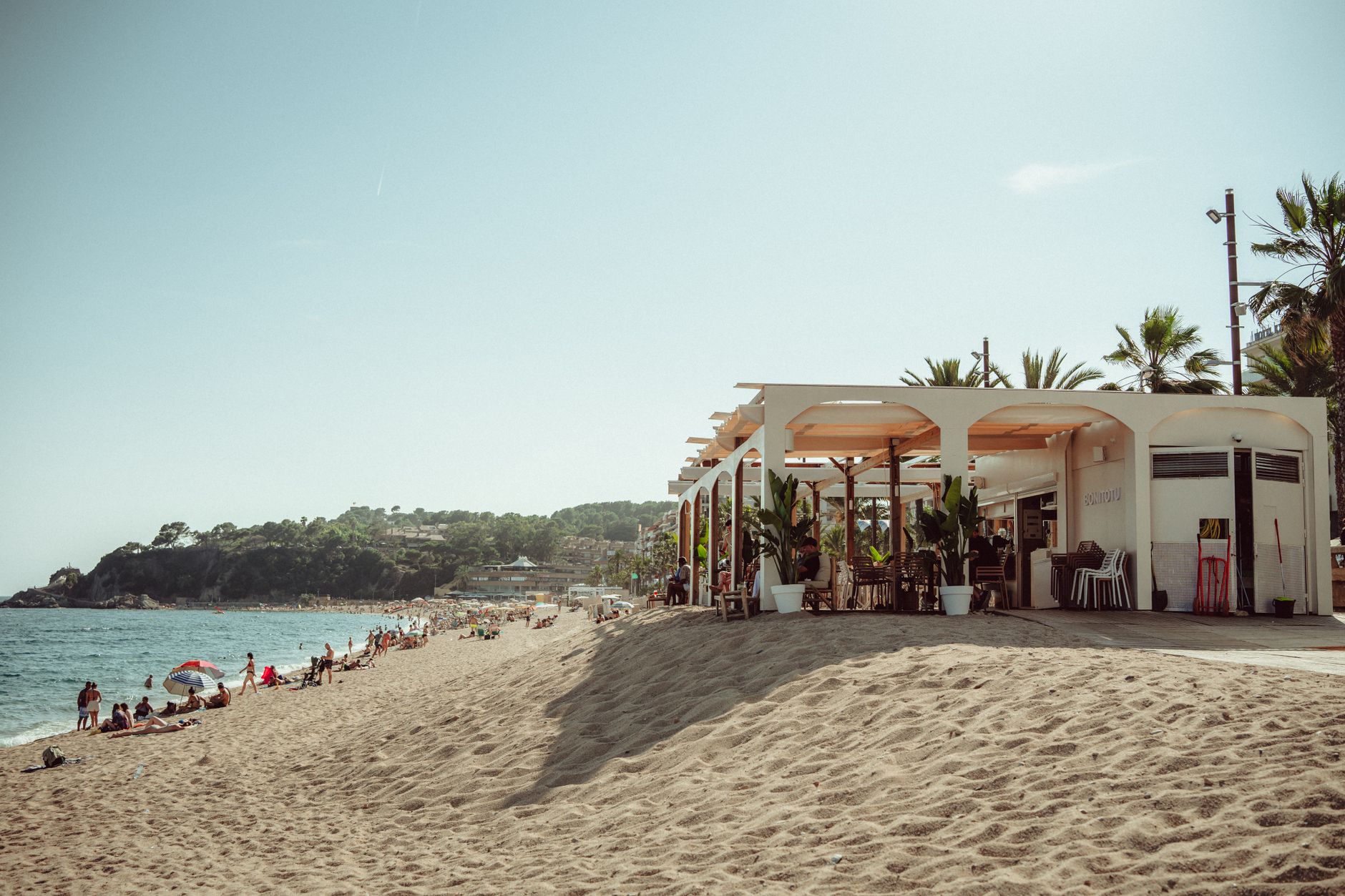
The name comes from the Latin for bay laurel — lauretum — and Lloret de Mar has been written down since 966 AD, which puts it well ahead of the package-holiday reputation that now tends to precede it. The town sits on the Costa Brava where the beach curves in a long arc, backed by a promenade and, if you look past the beach bars, a Gothic church whose two Modernista domes were bolted on centuries after the original 1509 stonework.
What rewards a closer look is the layer beneath the sunburn economy: Indiano mansions built by Catalans who made fortunes in Cuba and came home to commission architects, a cliff-top garden laid out in Italian Renaissance style, a cemetery that reads like an open-air Modernisme survey, and a bronze fisherman's wife at the end of the beach who has been facing the sea since 1966.
💛 What travellers fall for
People who return tend to time it for May or September, when the beach is usable and the town is itself again. The Santa Clotilde Gardens on the cliff edge repay a second visit at different light. The Maritime Museum in Casa Garriga is smaller than it sounds and better than expected — give it an unhurried hour.
Deals in Lloret de Mar
Book directly at the provider

How Lloret de Mar came to be
Settlement here goes back at least to the 3rd century BC, when the Indigetes tribe held the hilltop of Puig de Castellet. Romans followed, then medieval Catalan counts: in 1001, Ramon Borrell and Countess Ermessenda formally separated Lloret's boundaries from Macanet. For centuries the town kept itself a kilometre inland, near the Chapel of Les Alegries, to stay out of reach of pirates — English, French, Turkish, Algerian — raiding the coast.
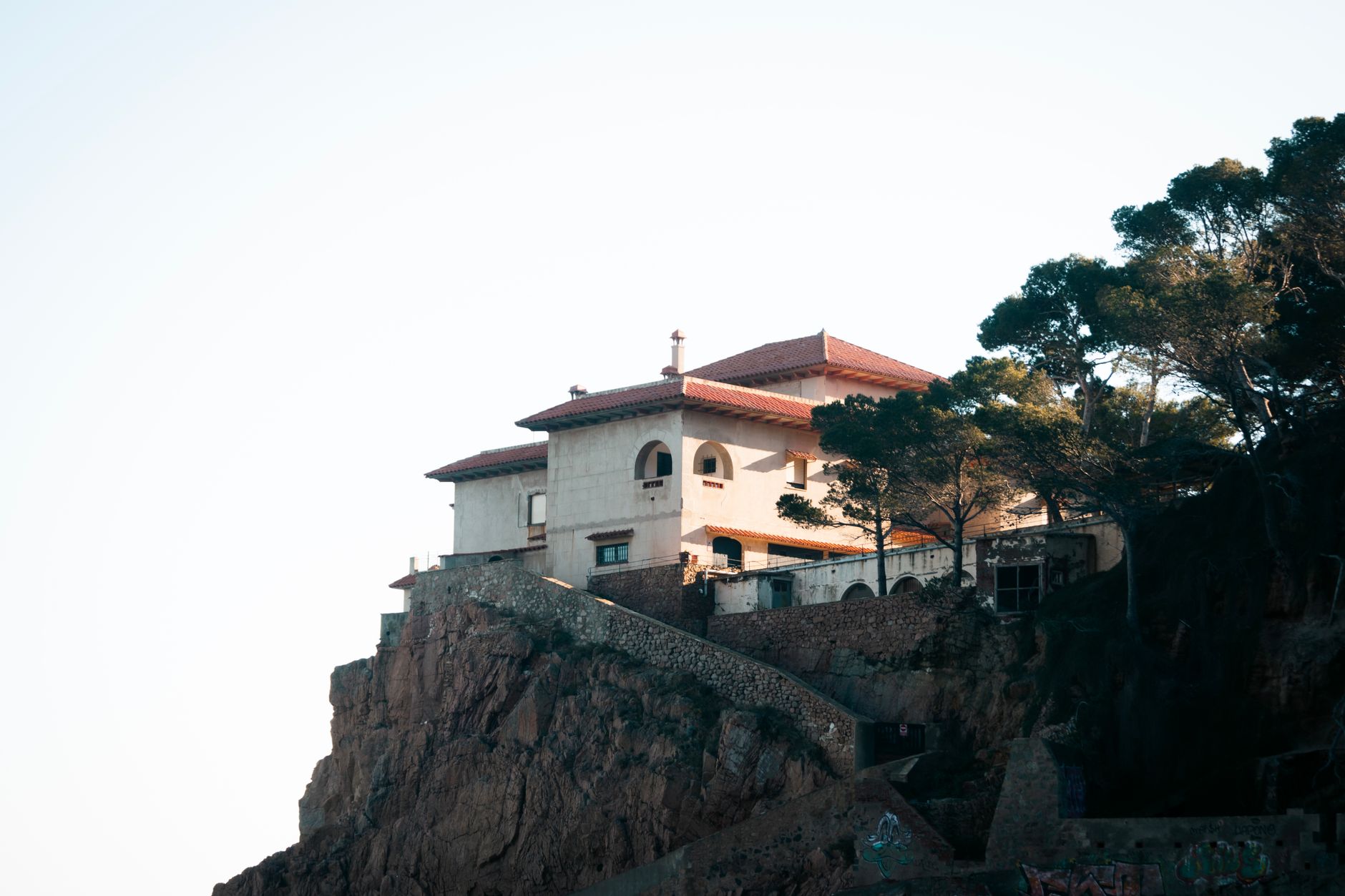
The shore only became the centre of life once the 18th-century port trade brought money in. The grandest architectural mark came from the Indianos, emigrants returned from the Americas with Cuban wealth, who hired Modernista architects and built the mansions and the cemetery that still define the older parts of town. The first hotel opened in 1920; foreign tourists began arriving around 1950.
Who and what shaped it
People who shaped it
Landmark buildings
See Lloret de Mar in motion
Plan your visit
On the map
When to go
Summers run hot and sunny, with a sea breeze that takes the edge off July and August heat. Winters are mild — January averages around 8.5°C — with stretches of sun interrupted by rain. May and September sit in the middle: warm enough for the beach, calm enough to move around town without the summer crowd.
Right now
Background & history adapted from Wikipedia (CC BY-SA) · specs from Wikidata (CC0) · weather from Open-Meteo · map data © OpenStreetMap contributors · photos from Wikimedia Commons / Unsplash with per-image credit. No third-party reviews or social posts reproduced.