
Tortosa
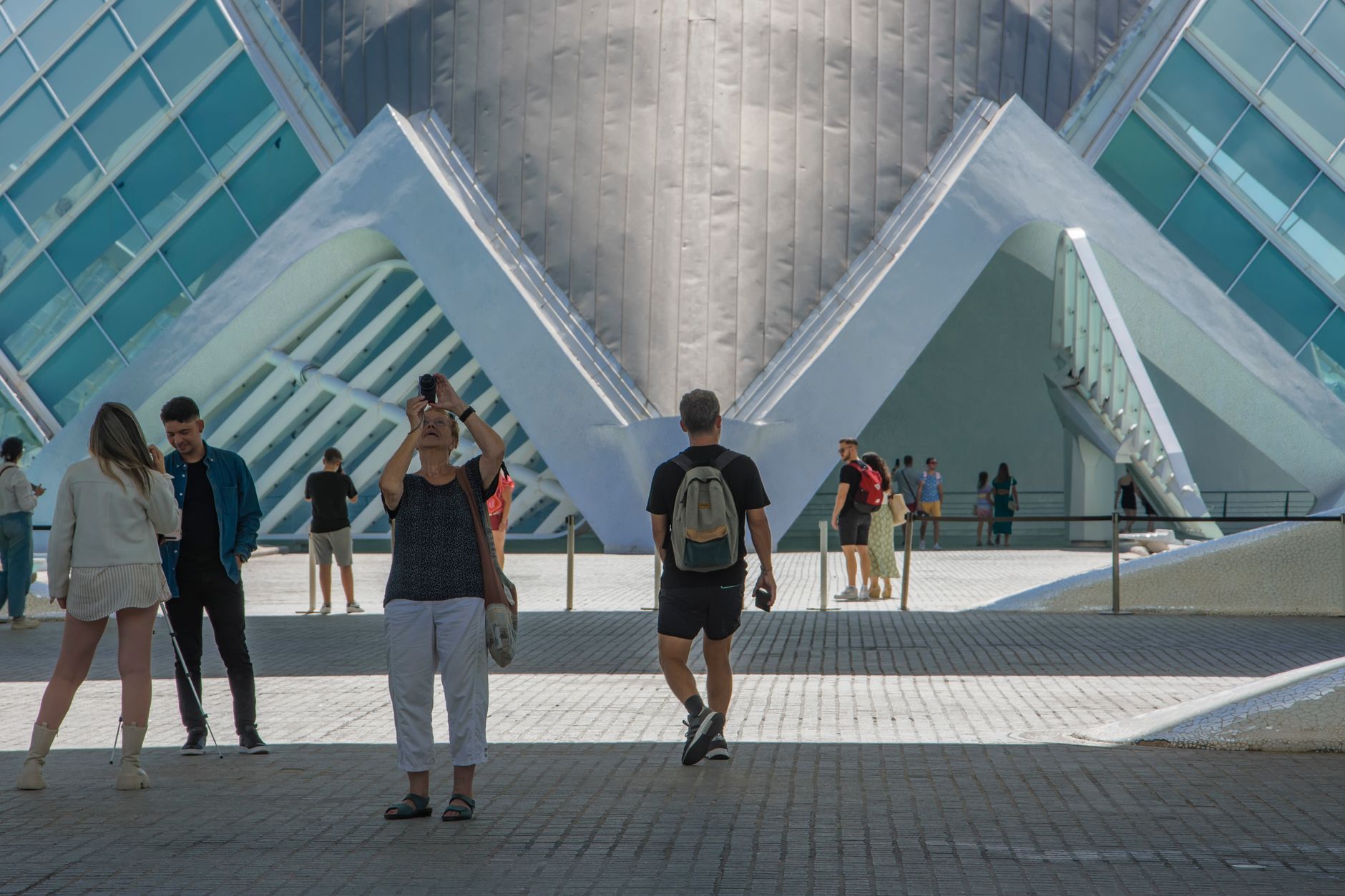
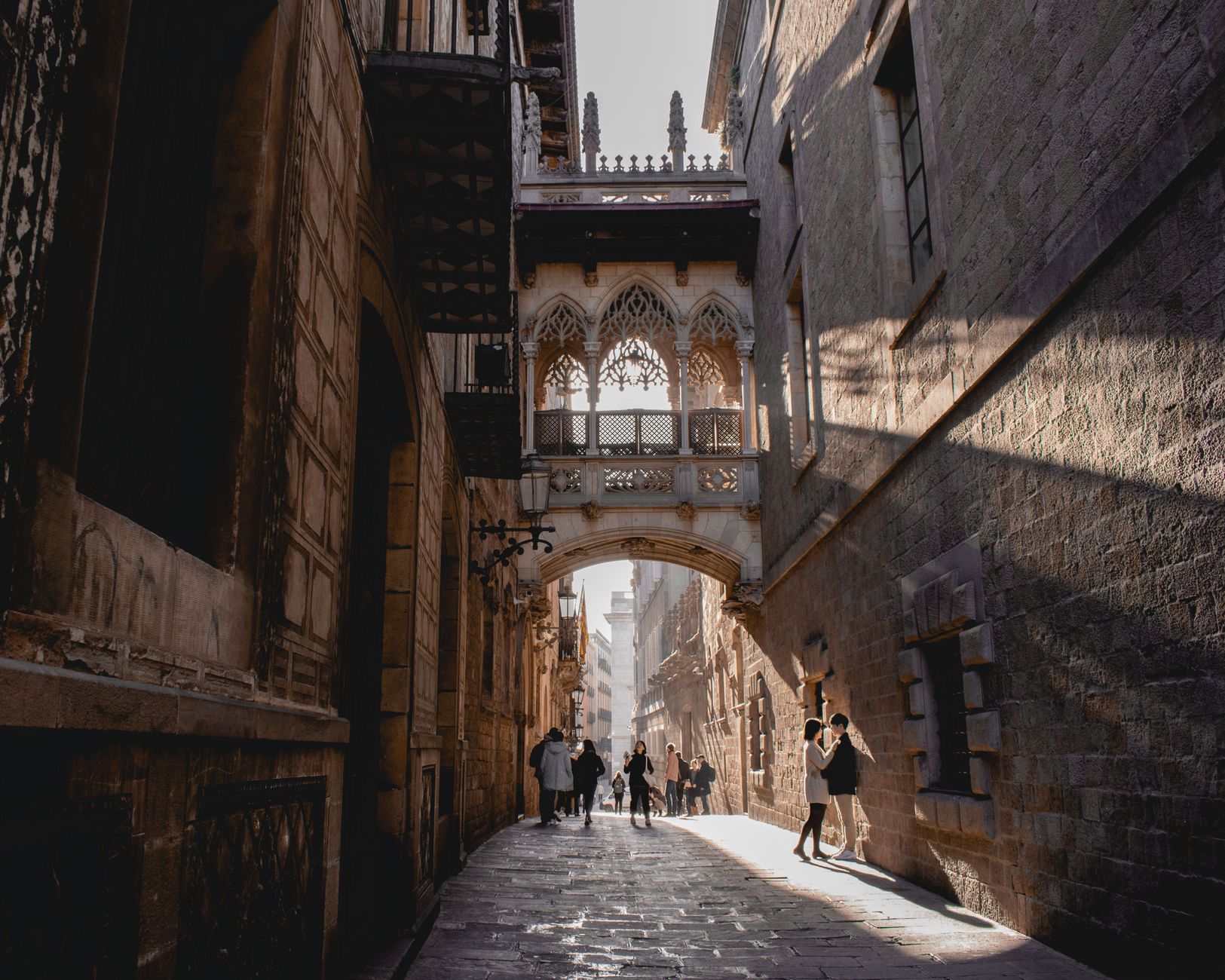
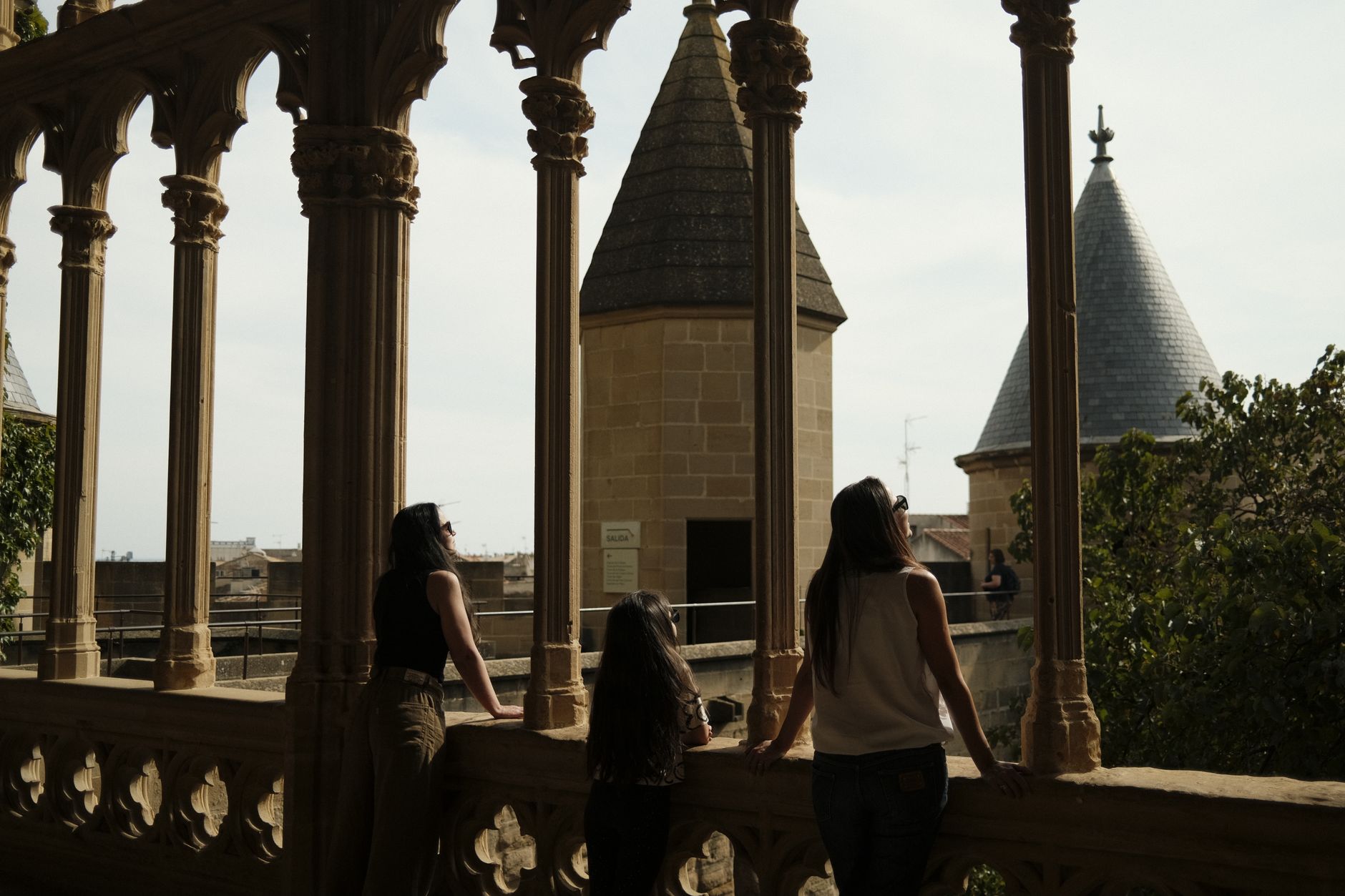
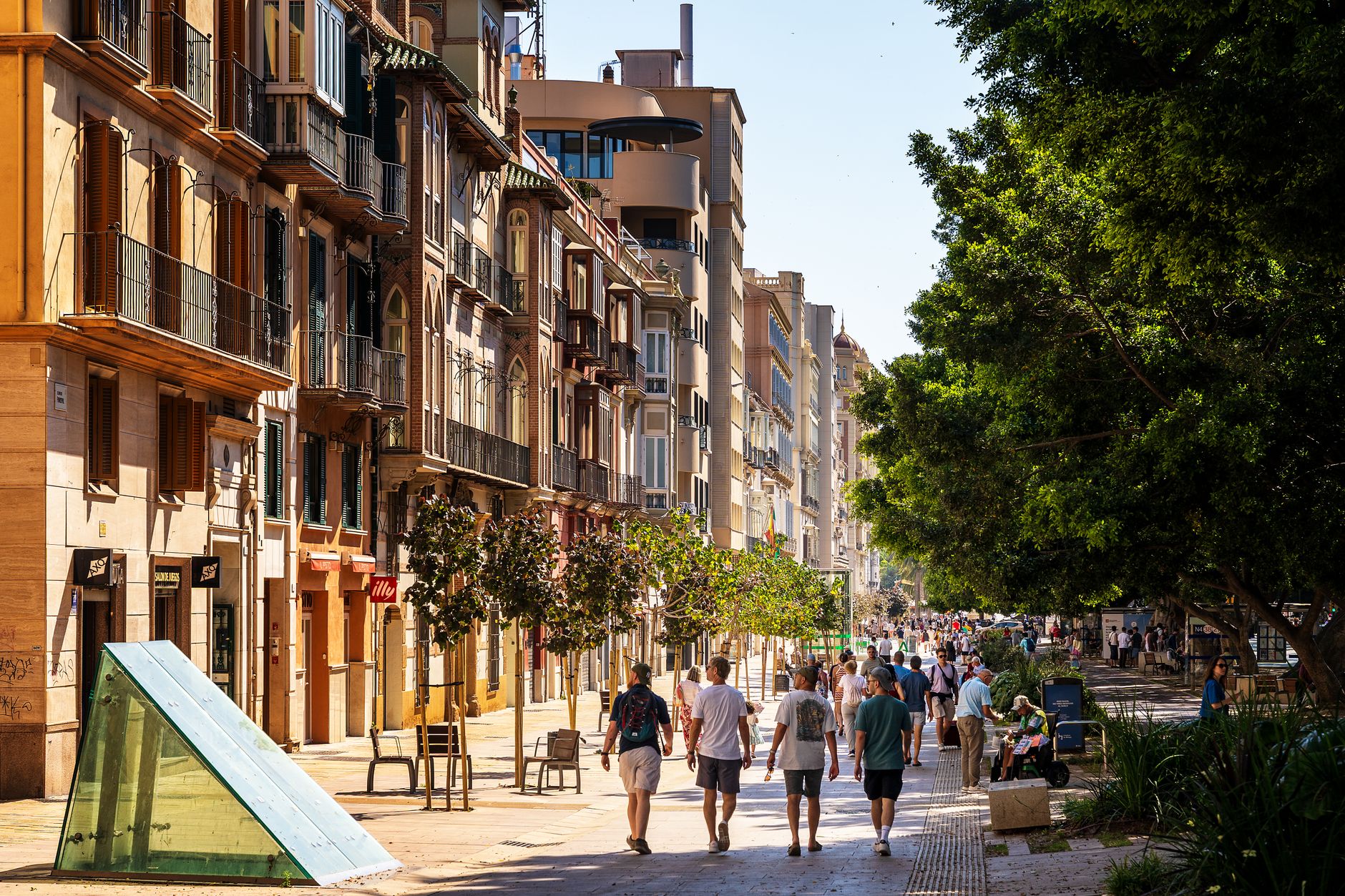
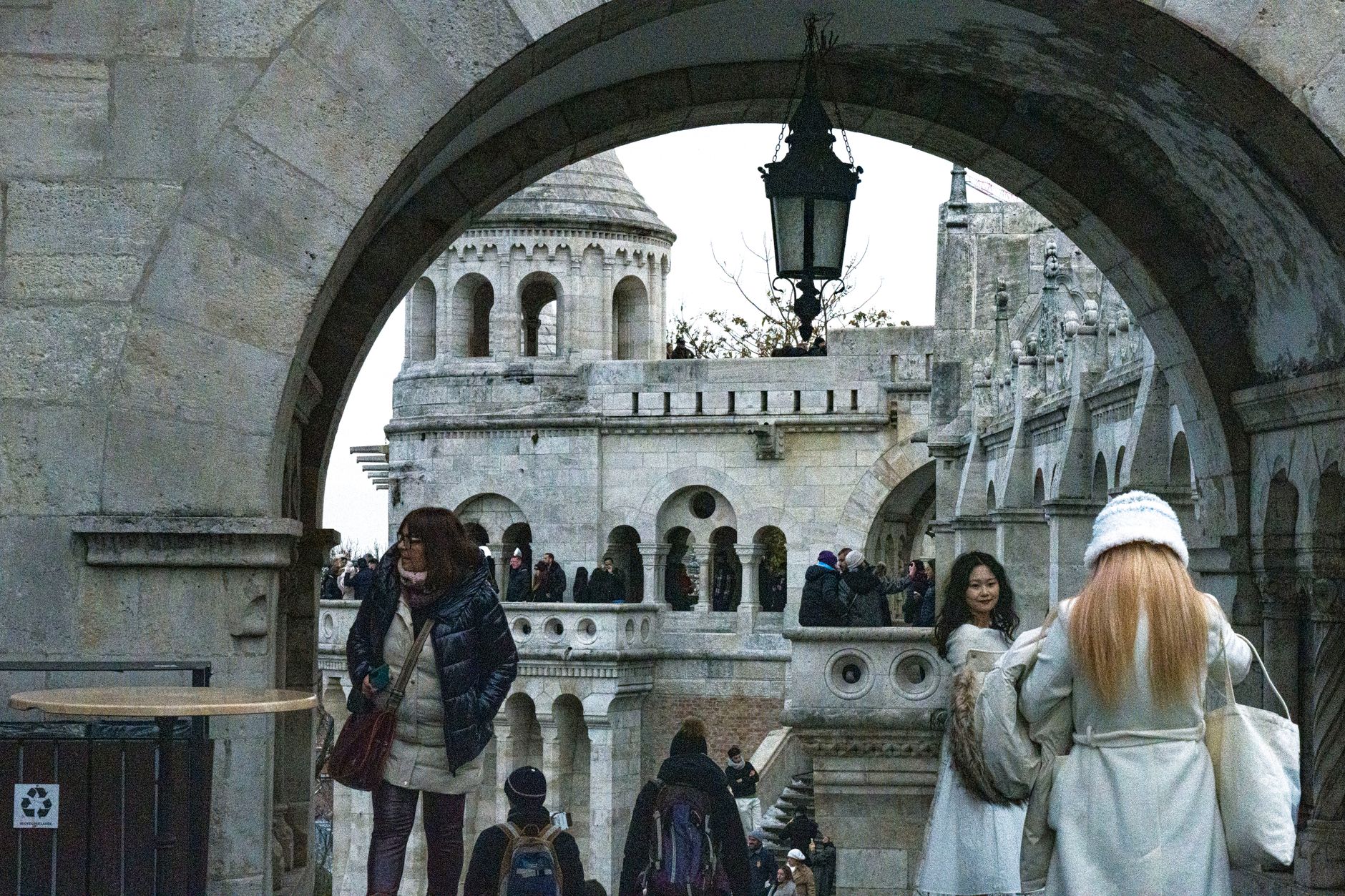
Tortosa sits in the Ebro valley where the river narrows before its final push to the sea, and the city wears its long life visibly. The cathedral's apse is heptagonal — an unusual plan you won't find explained on any obvious sign — and it rises on ground that was first a Roman forum, then a mosque, then a Romanesque church before the Gothic builders arrived in 1347.
The castle on the 59-metre hill above town is now a Parador hotel, which means you can sleep inside walls that Abd ar-Rahman III raised and the Knights Templar later occupied. Below it, the old Jewish quarter of Remolins still has its street grid, and the medieval Exchange once set the wheat price for the entire western Mediterranean basin.
💛 What travellers fall for
People who come back tend to time it around the Renaissance Festival in the second half of July — 3,000 locals in period costume, sixty shows a day. It sounds theatrical and it is, but it also gives the cathedral square and the old lanes a context that a quiet Tuesday visit doesn't quite supply.
Deals in Tortosa
Book directly at the provider

How Tortosa came to be
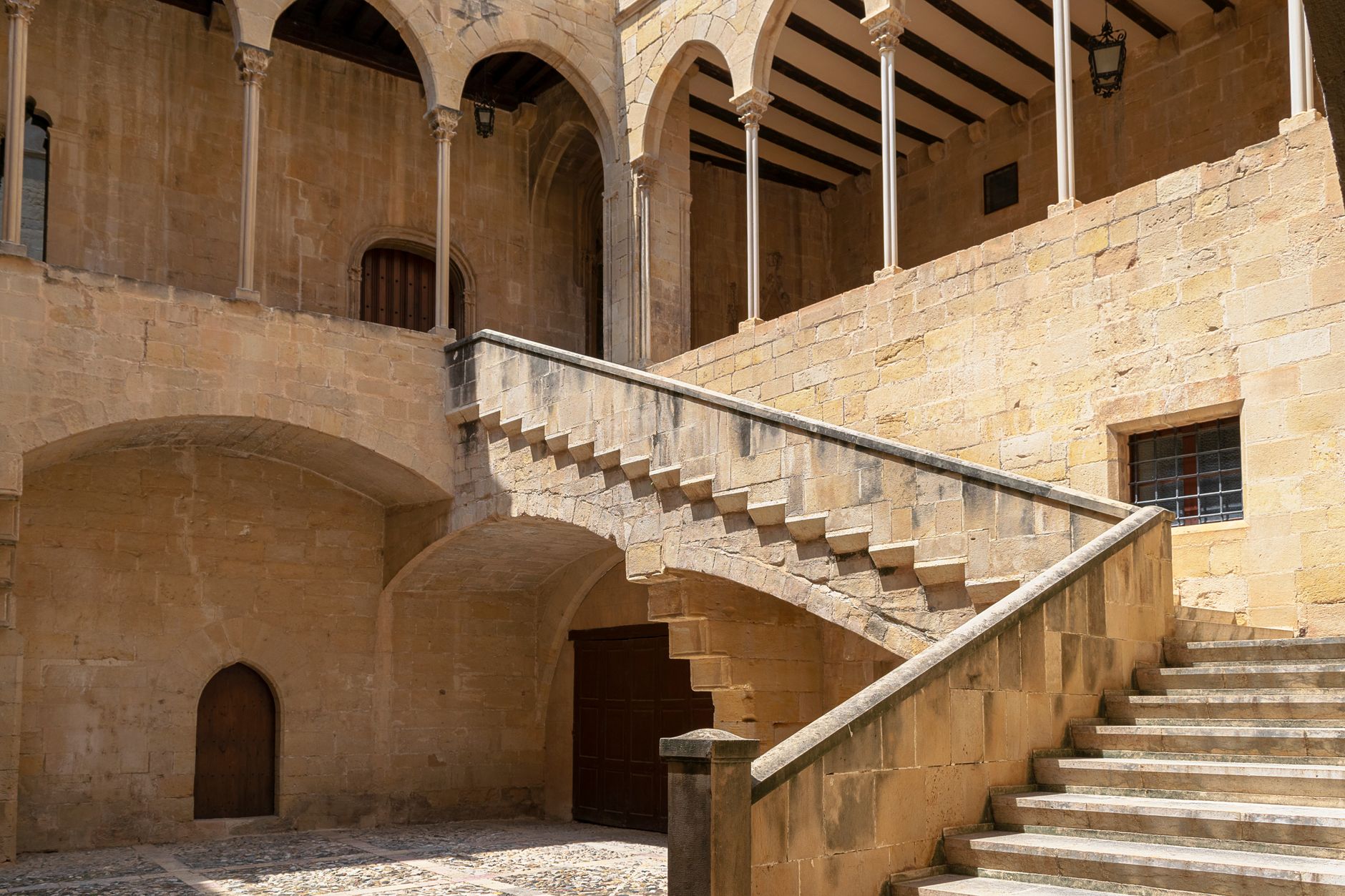
The site has been continuously inhabited and continuously contested. Iberians were here first, then Romans who gave the settlement colonial status under Augustus as Colonia Julia Augusta Dertosa. Under Moorish rule it served as a frontier stronghold of the Caliphate of Córdoba and briefly as the capital of its own small independent kingdom.
In 1148 Ramon Berenguer IV, Count of Barcelona, took the city and granted it an unusually generous charter. A Moorish counterattack the following year was repulsed — according to local tradition, in part through the fighting of the city's women. Tortosa took serious damage in the Spanish Civil War but was largely restored afterward, and the long layering of Roman, Moorish, medieval and Renaissance building is still legible on a single afternoon's walk.
Who and what shaped it
People who shaped it
Landmark buildings
See Tortosa in motion
Plan your visit
On the map
When to go
Spring (April–May) and autumn (September–October) give you temperatures in the low-to-mid twenties and manageable crowds. August averages 26°C but regularly climbs well beyond that in the Ebro valley, and July rainfall is almost negligible — useful if you're outdoors all day, less so if the heat is a concern.
Right now
Background & history adapted from Wikipedia (CC BY-SA) · specs from Wikidata (CC0) · weather from Open-Meteo · map data © OpenStreetMap contributors · photos from Wikimedia Commons / Unsplash with per-image credit. No third-party reviews or social posts reproduced.