
Berga
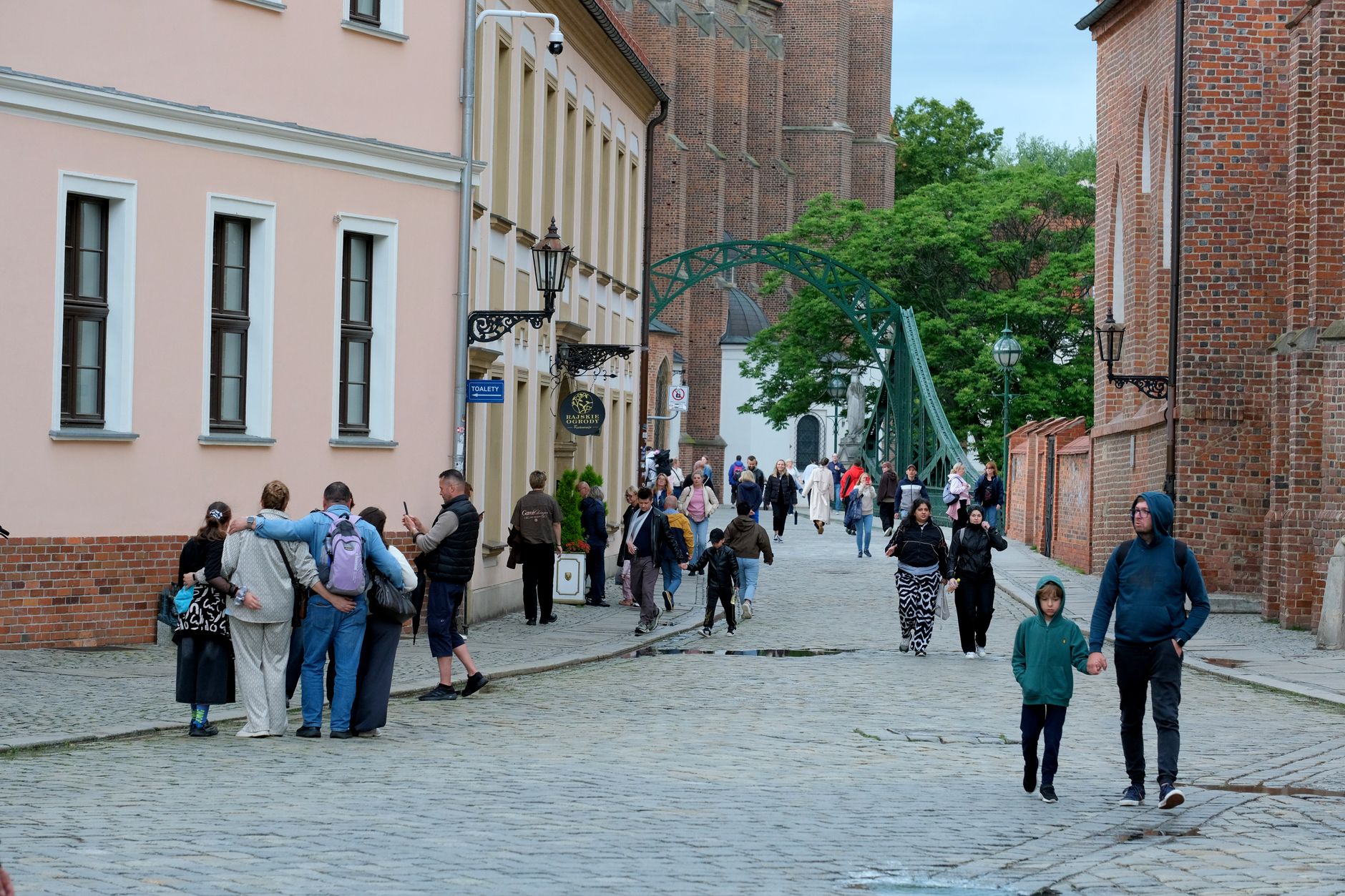
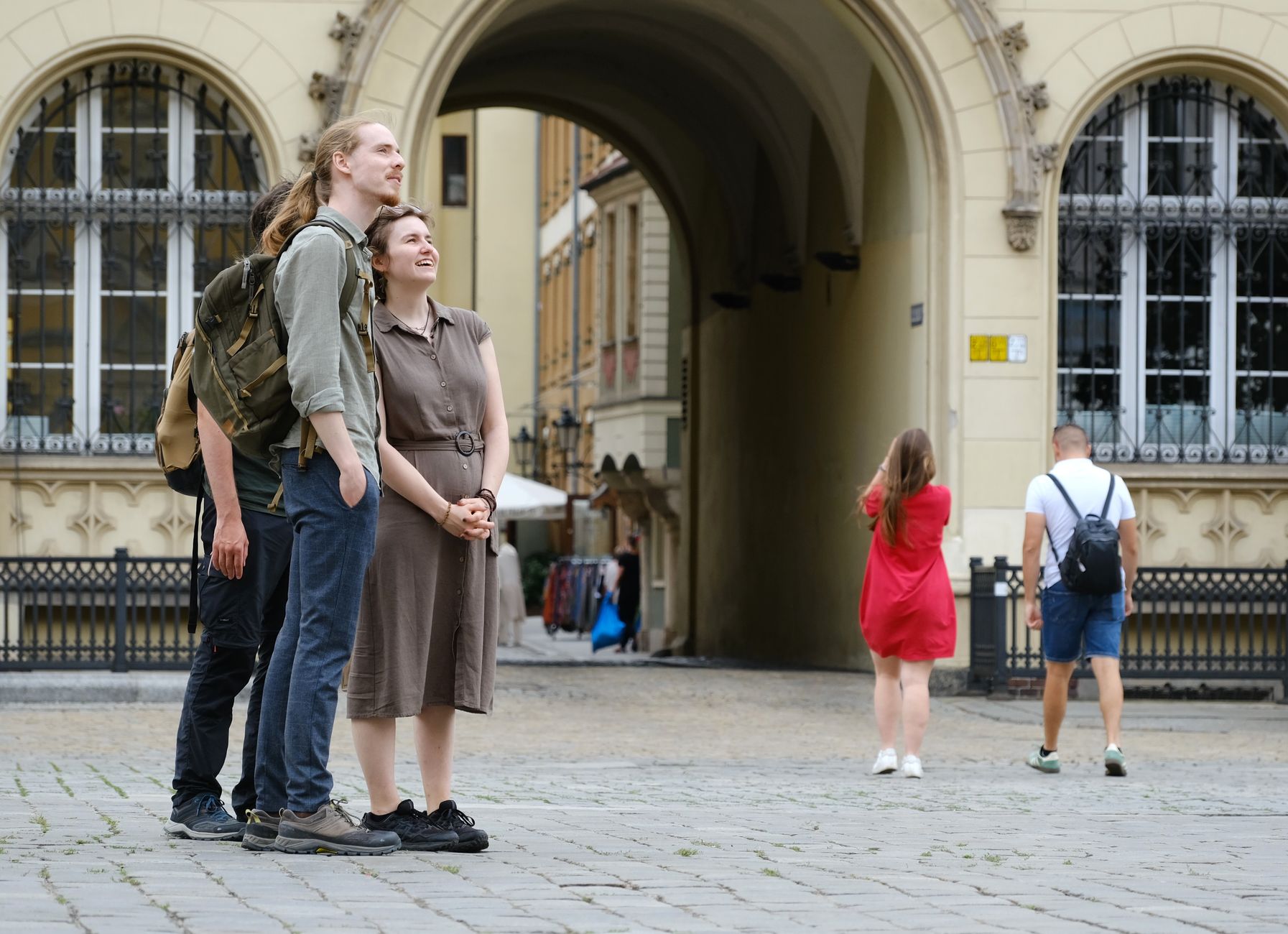
The name Berga goes back to the Bergistani, an Iberian tribe that Hannibal subdued in 218 BC, and the town has been accumulating history at that rate ever since — Carlist headquarters, French occupation, medieval walls, and, on a July afternoon in 2010, the world's first Free Software Street, opened with Richard Stallman in attendance. That last fact tells you something about Berga: it does its own thing, quietly and with conviction.
Perched in the pre-Pyrenean comarca of Berguedà, it sits at the kind of elevation where the air has a different weight. The medieval Portal de la Magdalena is still the only surviving gateway through what was once a full town wall. The Gothic Pedret Bridge has been crossing the Llobregat since 1286.
💛 What travellers fall for
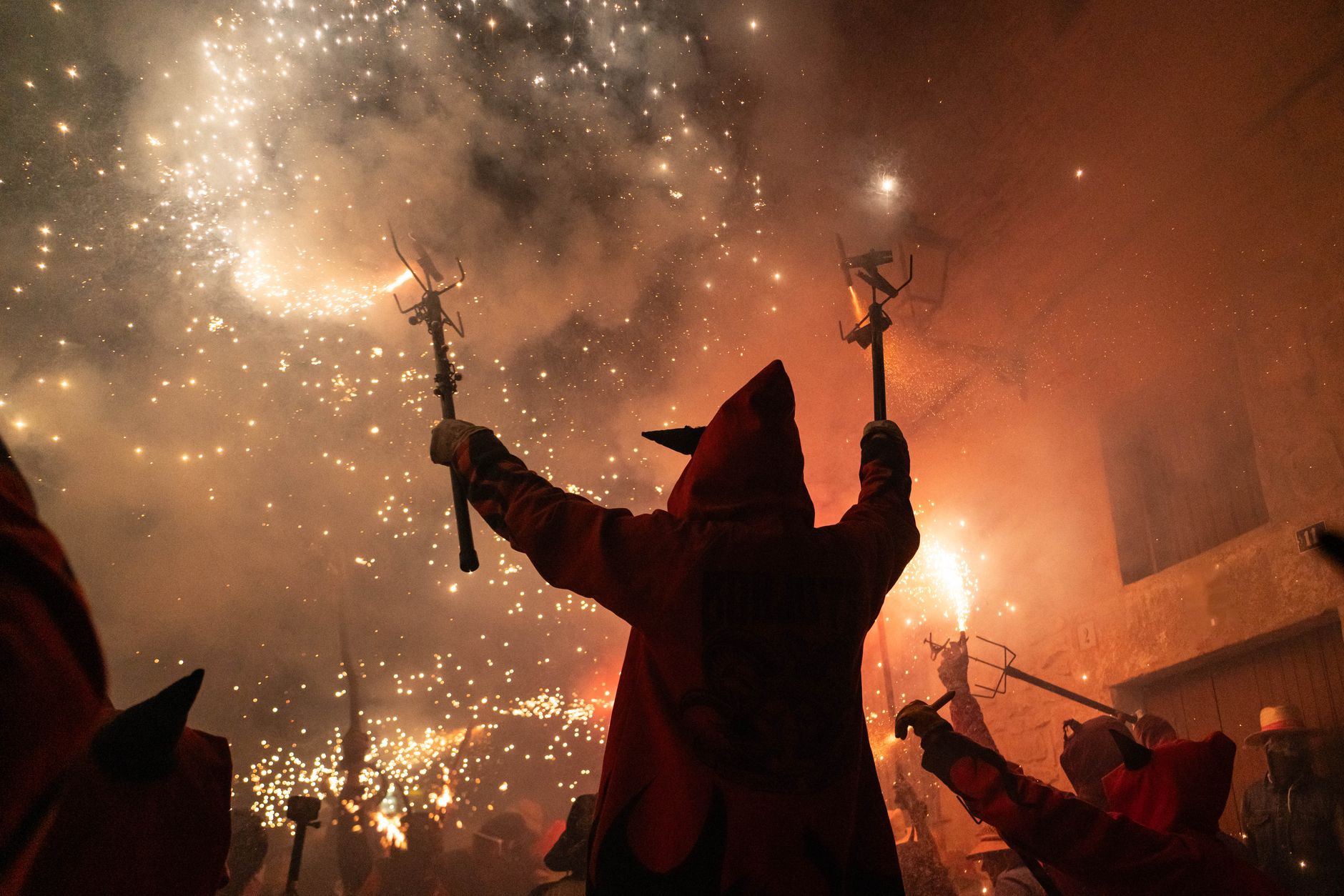
People who come back tend to time their visit around La Patum, the festival rooted in the Late Middle Ages whose drums you feel before you hear. Outside of that, regulars point to the Queralt Sanctuary — take the inclined lift up, walk the 168 steps down — and the Modernist facades on Carrer Ciutat, especially the ceramic-clad Casa Barons from 1904.
Experiences you don't want to miss


Deals in Berga
Book directly at the provider


How Berga came to be
Livy records a Castrum Bergium that is almost certainly Berga's ancestor, and the Iberian roots run deeper still. By the tenth century the counts of Cerdanya had made it the capital of a viscounty; by 988 it had counts of its own. Peter II of Aragon bought the town in 1199, and the fourteenth century brought both a Franciscan convent and the stone walls — most of which came down four hundred years later.
Berga spent the following centuries as a pawn in larger conflicts: French troops took it in 1655 during the Reapers' War, and in 1837 it served as the seat of the Carlist government, a role that left behind the Petita Tower, built the previous year for Carlist defense. The city title came in 1877.
Who and what shaped it
People who shaped it
Landmark buildings
See Berga in motion
Plan your visit
On the map
When to go
Summers are short and warm, with July averaging around 27°C and clear skies most days; winters are genuinely cold, dropping to 9°C in January with frequent cloud cover. Spring and early autumn — mild, occasionally rainy — are the most comfortable seasons for walking the town.
Right now
Background & history adapted from Wikipedia (CC BY-SA) · specs from Wikidata (CC0) · weather from Open-Meteo · map data © OpenStreetMap contributors · photos from Wikimedia Commons / Unsplash with per-image credit. No third-party reviews or social posts reproduced.