
Region

Andalusia, Spain

Andalusia, Spain
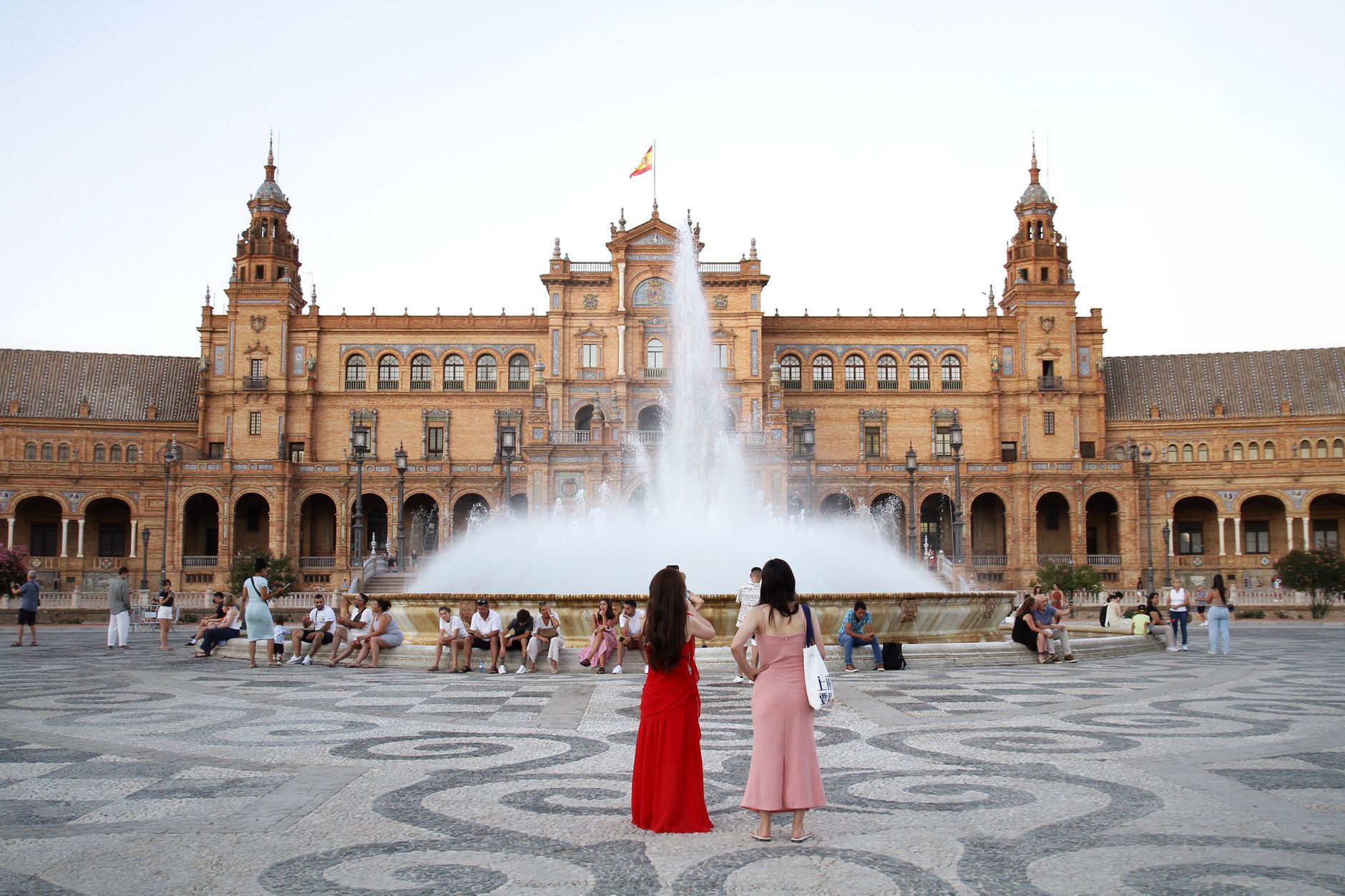
Photo by Georgi Kanov on Pexels
Andalusia, Spain
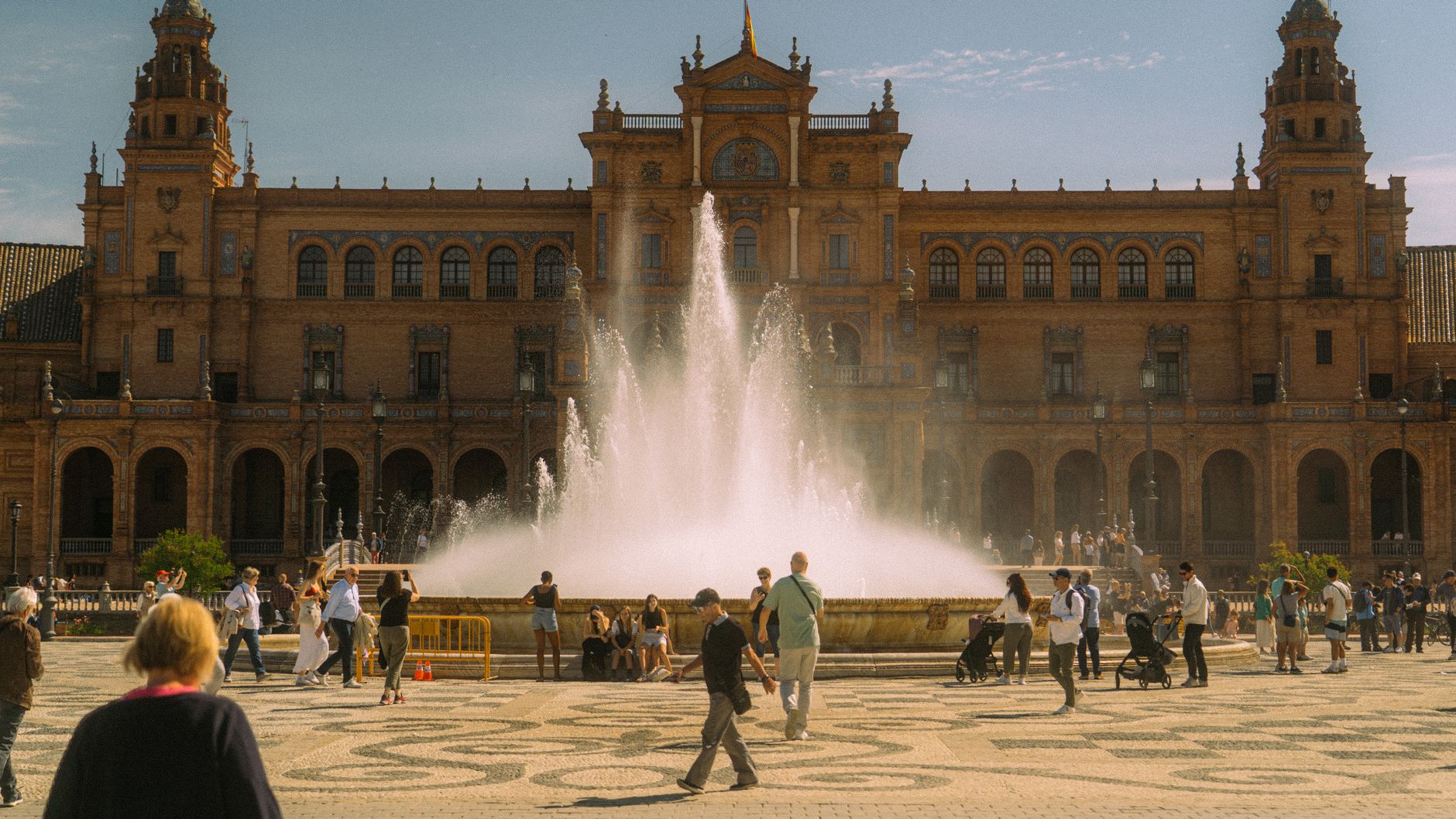
Photo by Nick Gorniok on Pexels
Andalusia, Spain
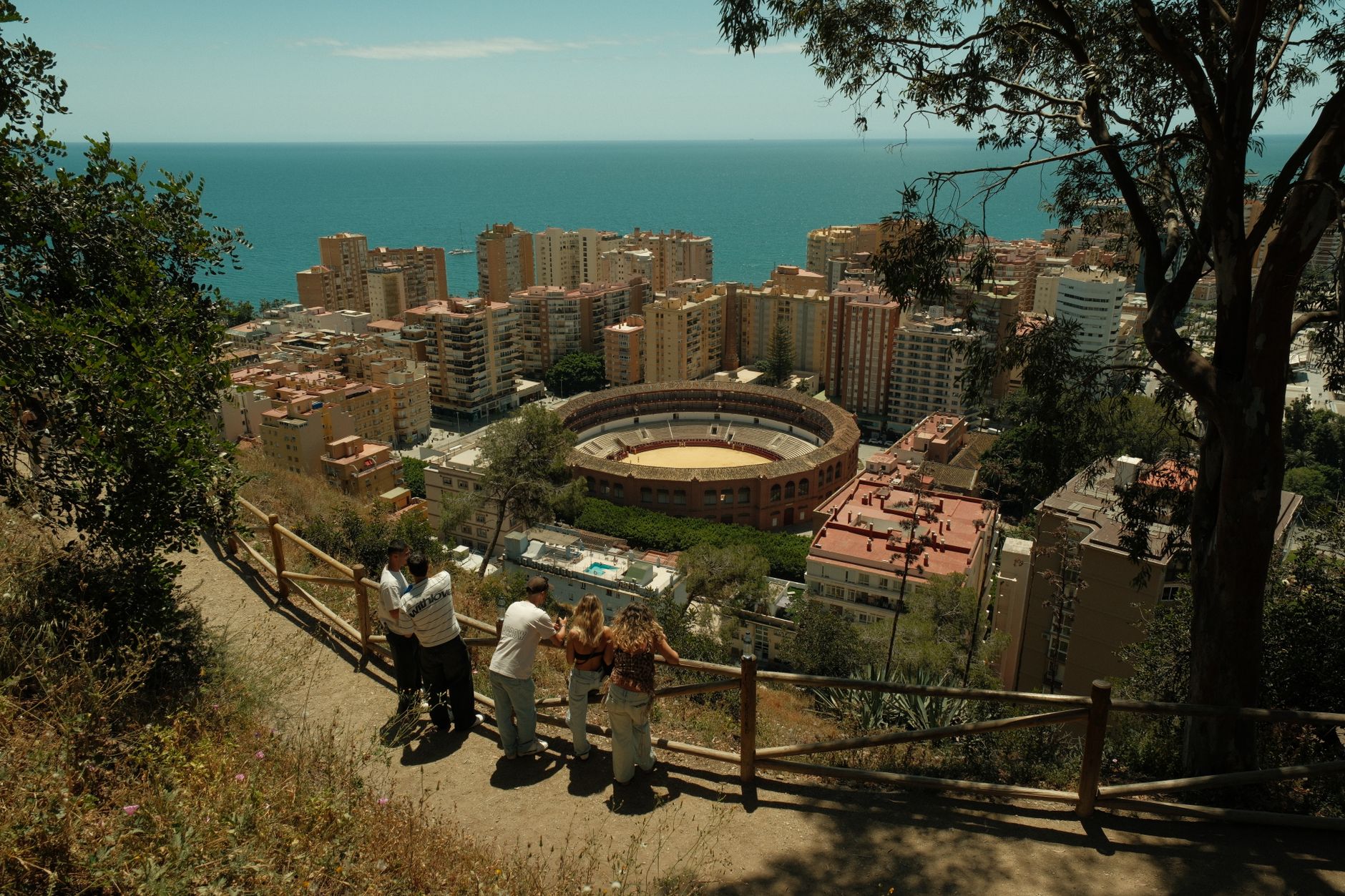
Photo by Ramon Karolan on Pexels
Andalusia, Spain
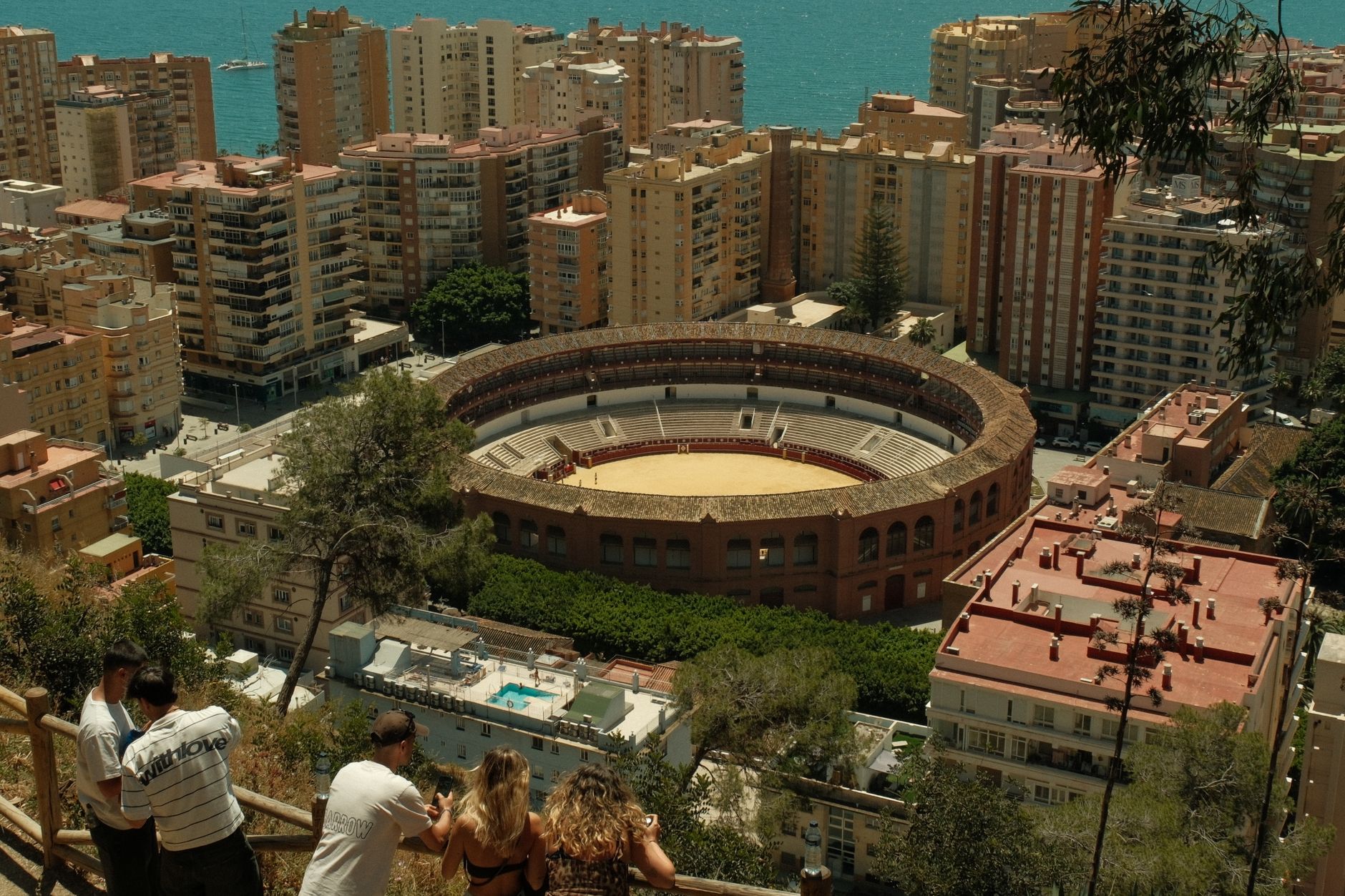
Photo by Ramon Karolan on Pexels
Andalusia, Spain
Photo by Daka on Pexels
Andalusia, Spain
Photo by JOSE BARON on Pexels

Somewhere between Seville and the Sierra Nevada, Andalusia stops being a region and starts being an argument — about what Europe is, where it begins, and how much of it was built by people history later tried to erase. The south of Spain carries more layers than almost anywhere on the continent: Phoenician ports, Roman provinces, a Moorish caliphate that produced some of the medieval world's finest architecture, and a Christian reconquest that left cathedrals growing out of mosques.

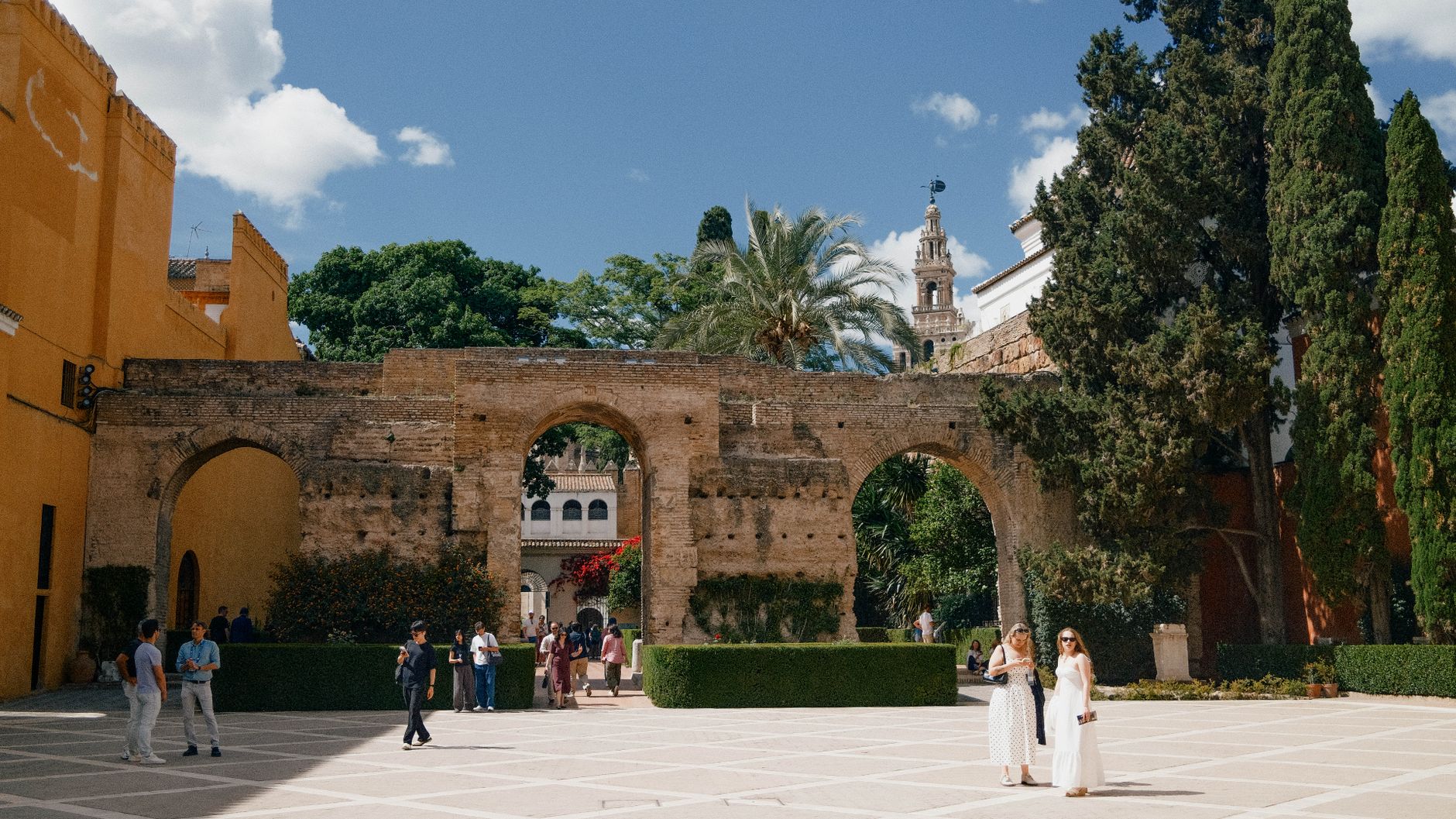
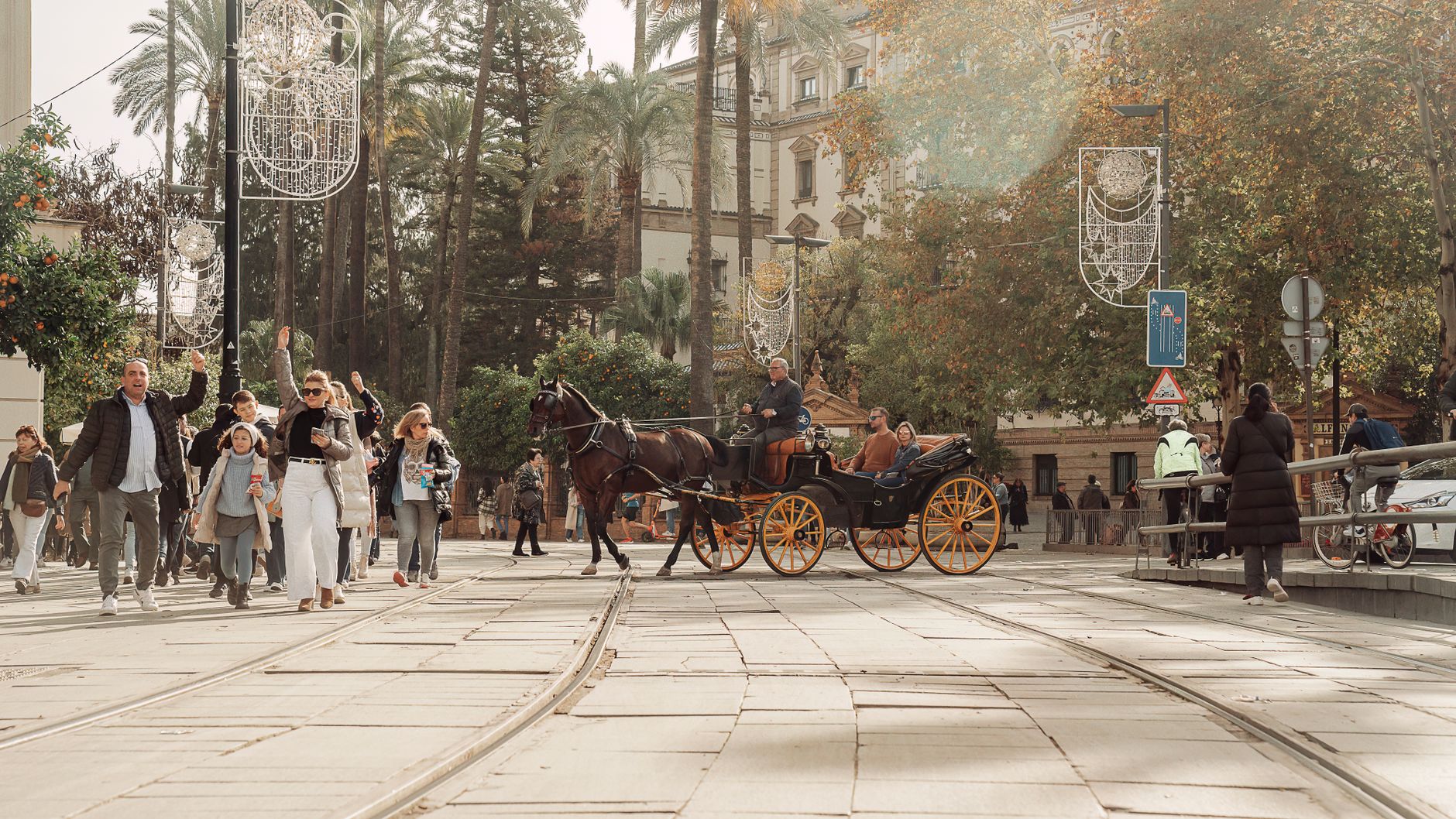
What you actually walk through is the result of all of that — labyrinthine streets in Córdoba's Judería designed to catch a breeze, courtyards that turn inward like a private world, and cities where a minaret became a bell tower without anyone bothering to demolish the original stonework.

Good to know
April, May, and October are the practical sweet spots — cities like Seville and Córdoba become genuinely punishing in July, when inland temperatures push past 36°C. The coast runs cooler year-round. Trains connect the main cities quickly; the countryside rewards a rental car.
The story

How Andalusia, Spain came to be

People were farming this land by 4000 BCE, and the Phoenicians had already founded Gadir — today's Cádiz — by the 9th century BCE. Rome followed, taking the region between 210 and 206 BCE under Scipio Africanus; it became the prosperous province of Baetica, birthplace of emperors Trajan and Hadrian. Then, in 711 CE, Ṭāriq ibn Ziyād crossed the Strait of Gibraltar from Tangier and ended Visigothic rule in a matter of months.

What came next shaped everything still standing. The Umayyad caliphate of Córdoba, formally proclaimed by ʿAbd al-Raḥmān III in 929, produced the Great Mosque and the palace-city of Madinat al-Zahra. The Nasrid Kingdom of Granada — founded in 1237 by Muhammad I — gave the world the Alhambra. The Christian Reconquista took Córdoba in 1236 and Seville in 1248, absorbing rather than erasing much of what it found. Andalusia became an autonomous community on December 30, 1981.

People & landmarks

Who and what shaped it

People who shaped it

Trajan
Roman Emperor born in Andalusia.
Hadrian
Roman Emperor born in Andalusia.
Ṭāriq ibn Ziyād
Muslim military leader who crossed the Strait of Gibraltar in 711 CE and conquered Andalusia from the Visigoths.
ʿAbd al-Raḥmān III
Founded the independent Umayyad caliphate of Córdoba in 929.
Muhammad I
Proclaimed himself emir in 1232 and founded the Nasrid Kingdom of Granada in 1237.
Ahmad ibn Basu
Chief architect who built the Córdoba Mosque and its minaret.
Muhammad ibn el-Ahmar
Ordered construction of the Alhambra to begin in 1238.
Diego Siloe
Spanish Renaissance architect and sculptor who established himself as a key figure in the Granadan school.
Federico García Lorca
Poet, playwright and theatre director from Andalusia.
Diego Velázquez
Great painter born in Seville, Andalusia.
Bartolomé Murillo
Great painter born in Seville, Andalusia.
Pablo Picasso
Great painter born in Málaga, Andalusia.

Landmark buildings

The Great Mosque
Built by Emir Abdurrahman I in 785; foundational Islamic monument in Córdoba.
Mosque of Córdoba
Constructed between 786 and 988; major medieval Islamic architectural achievement.
Madinat al-Zahra
Palace-city built during the rule of Abdurrahman III and extended by Al-Hakam II; UNESCO World Heritage site as of 1 July 2018.
The Alhambra
Constructed mainly between 1238 and 1358 under the Nasrid Kingdom of Granada; iconic Islamic palace complex.
The Giralda
Originally built in 1195 as the minaret of the Aljama mosque in Seville; later incorporated into the Cathedral.
Cathedral of Seville
Christian-era cathedral that incorporates the Giralda, a former minaret, without demolishing the original stonework.
Alcázar of Seville
Originally built in 1364; Christian-era palace.
Palacio de Carlos V
Renaissance palace in Granada begun in 1526.
Archivo de Indias
Built between 1584 and 1598 in Seville; historical archive building.
Metropol Parasol
150 x 70 meters, 26 meters high; largest wooden structure in the world.
Practical

Plan your visit

On the map

When to go

The coast stays mild year-round — Cádiz averages around 12°C in January and 25°C in August — while the interior swings harder, with summers that are long, dry, and serious about the heat. Spring and autumn are the most forgiving seasons for anyone planning to spend real time outdoors or on foot in the cities.

Right now

☀️
38°C
Clear
Fri
38°
22°
Sat
37°
23°
Sun
38°
23°
Mon
38°
23°
Weather data: Open-Meteo

Background & history adapted from Wikipedia (CC BY-SA) · specs from Wikidata (CC0) · weather from Open-Meteo · map data © OpenStreetMap contributors · photos from Wikimedia Commons / Unsplash with per-image credit. No third-party reviews or social posts reproduced.

Top