
Hawaii (Big Island & Honolulu)
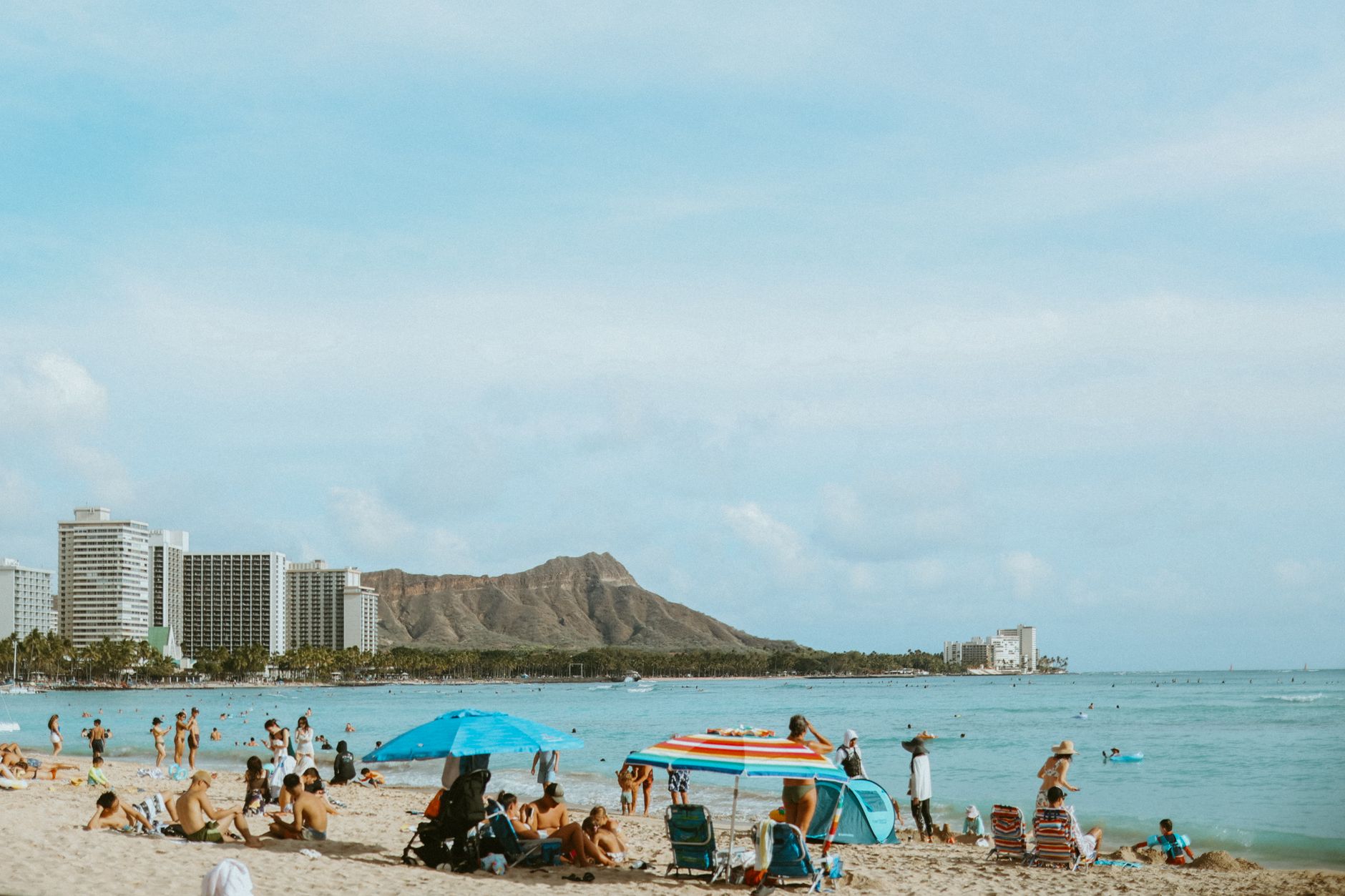

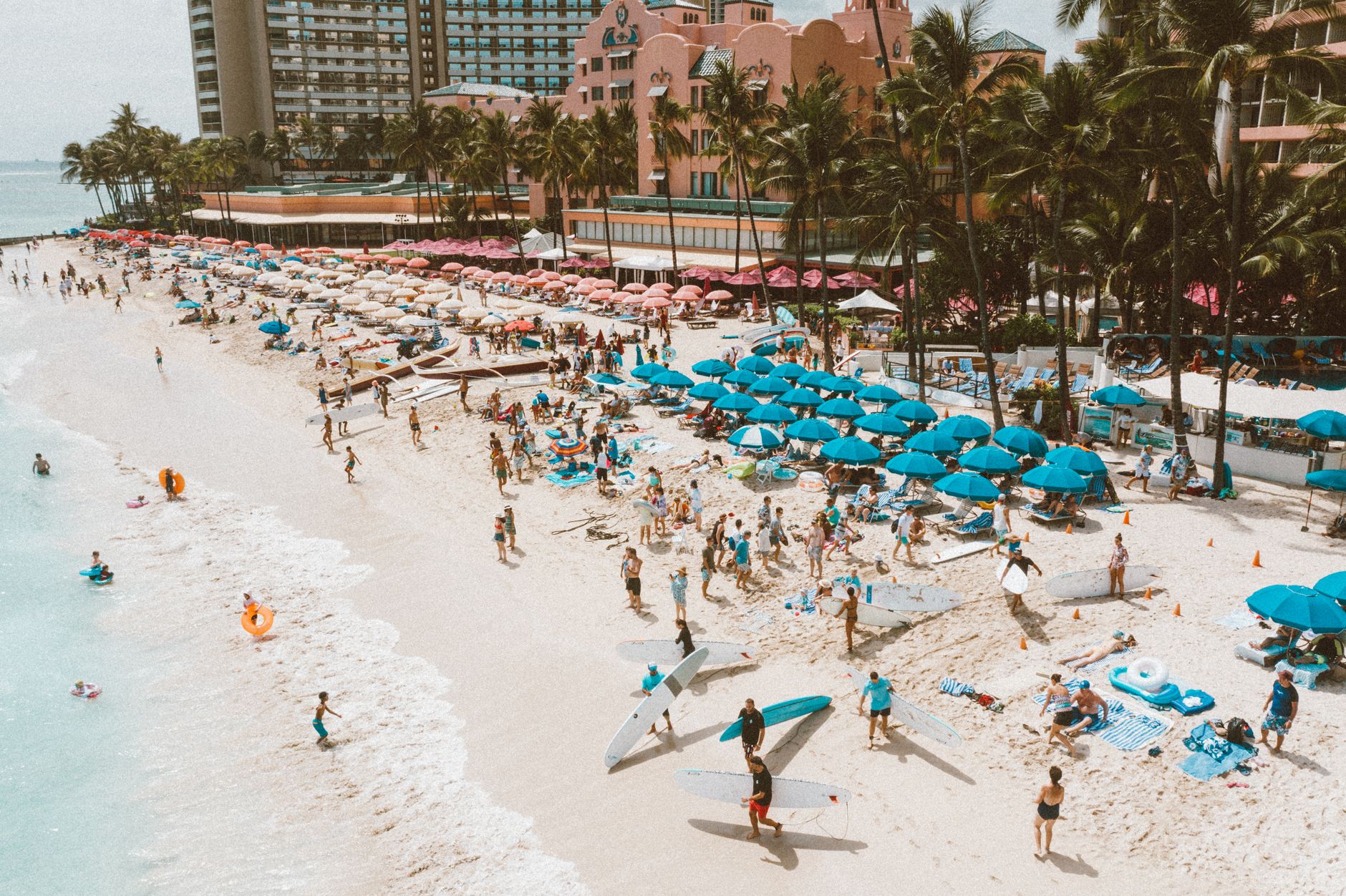

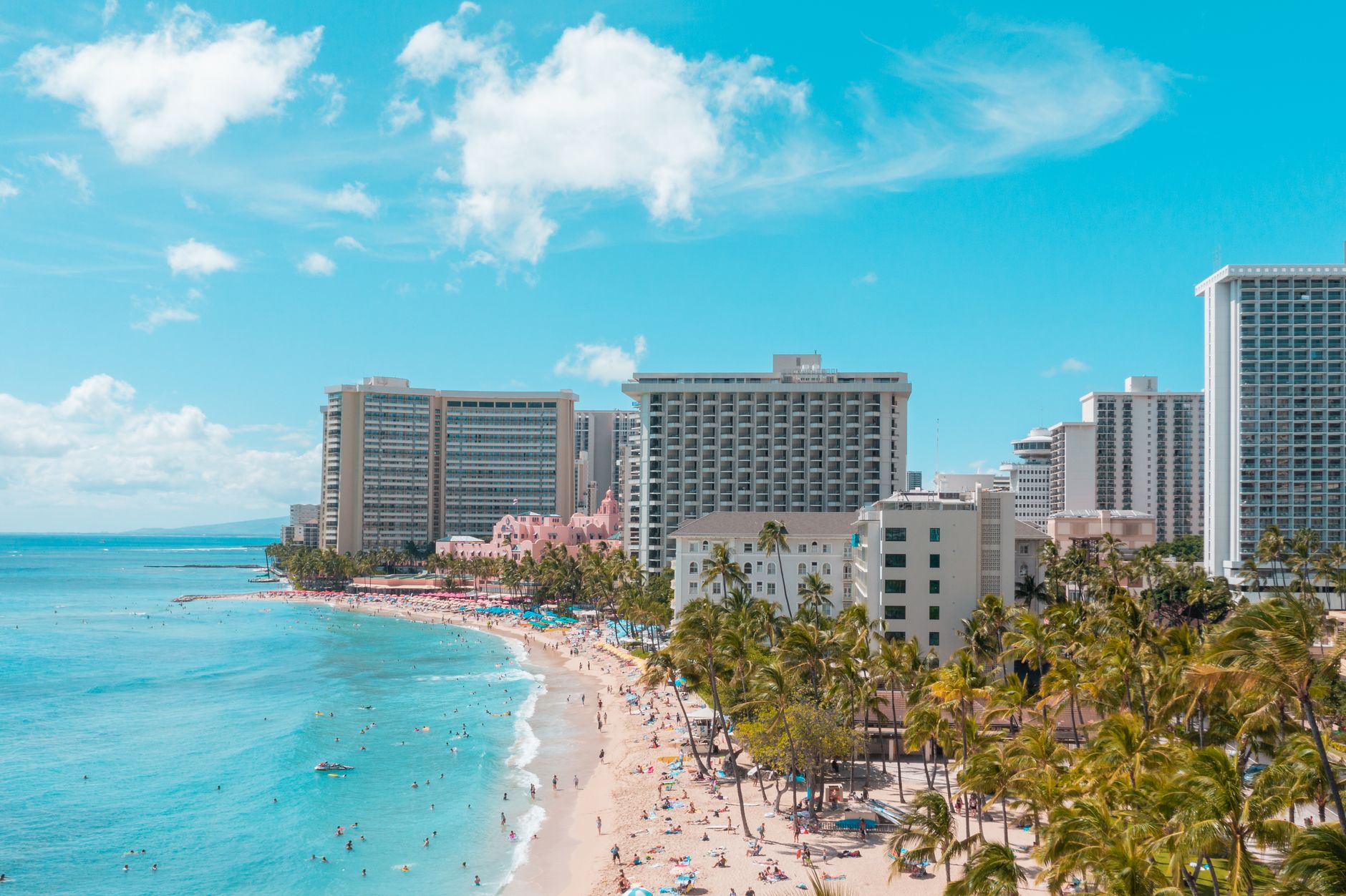

Hawaii is two very different islands sharing one name. On the Big Island, Kīlauea and Mauna Loa are still building the land underfoot — Hawaiʻi Volcanoes National Park stretches from sea level all the way to 13,680 feet, and the summit of Mauna Kea carries thirteen international telescopes above the clouds. Honolulu, meanwhile, is a city with a palace: ʻIolani, the only royal residence on American soil, sits a few blocks from downtown traffic, its American Florentine stonework a quiet reminder that this was a sovereign kingdom until 1898.
These two islands reward patience. The Big Island alone is larger than all the other Hawaiian islands combined, and its landscapes shift from lava fields to coffee farms to alpine cold within a single drive.
💛 What travellers fall for
People who come back tend to time an early morning at the Maunakea Visitor Information Station at 9,200 feet — the free stargazing programs run year-round and the altitude keeps the crowds thin. On the Honolulu side, booking ʻIolani Palace early in the week (Tuesday–Saturday, doors open at nine) means quieter rooms and more time with the audio guide.
How Hawaii (Big Island & Honolulu) came to be
Polynesian voyagers reached these islands somewhere between 940 and 1200 AD, navigating by stars across open Pacific. It was Kamehameha I who unified the warring Big Island tribes and went on to found the Kingdom of Hawaiʻi, ruling until 1804. Captain James Cook arrived in January 1778 — he named them the Sandwich Islands — and was killed here the following year. Western missionaries followed in 1820, and coffee took root on the Big Island slopes in 1817.
Honolulu's rise came later. A British captain renamed the harbor 'Fair Haven' in 1796, and by 1845 King Kamehameha III had moved the permanent capital there from Lahaina. ʻIolani Palace went up between 1879 and 1882. The United States annexed the islands in 1898; Hawaii became the 50th state in 1959.
Who and what shaped it
People who shaped it
Landmark buildings
See Hawaii (Big Island & Honolulu) in motion
Plan your visit
On the map
When to go
Hawaii runs on two seasons: a warm stretch from May through October, with daytime highs around 85°F, and a cooler, wetter winter from October through April, when temperatures drop to the mid-70s and rain is more likely. At Mauna Kea's summit, expect genuine cold regardless of season — layers are not optional.
Right now
Background & history adapted from Wikipedia (CC BY-SA) · specs from Wikidata (CC0) · weather from Open-Meteo · map data © OpenStreetMap contributors · photos from Wikimedia Commons / Unsplash with per-image credit. No third-party reviews or social posts reproduced.