
New York
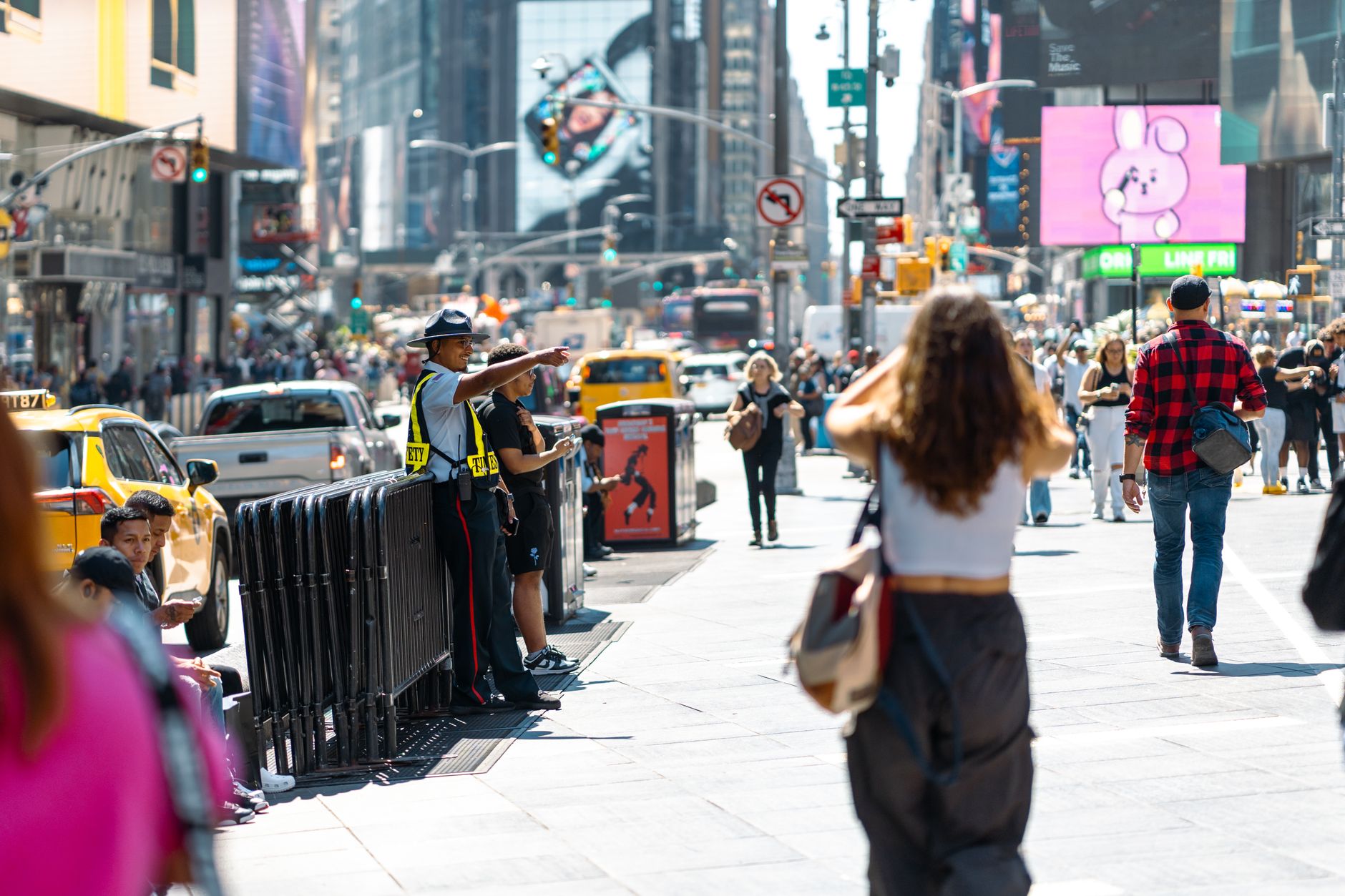
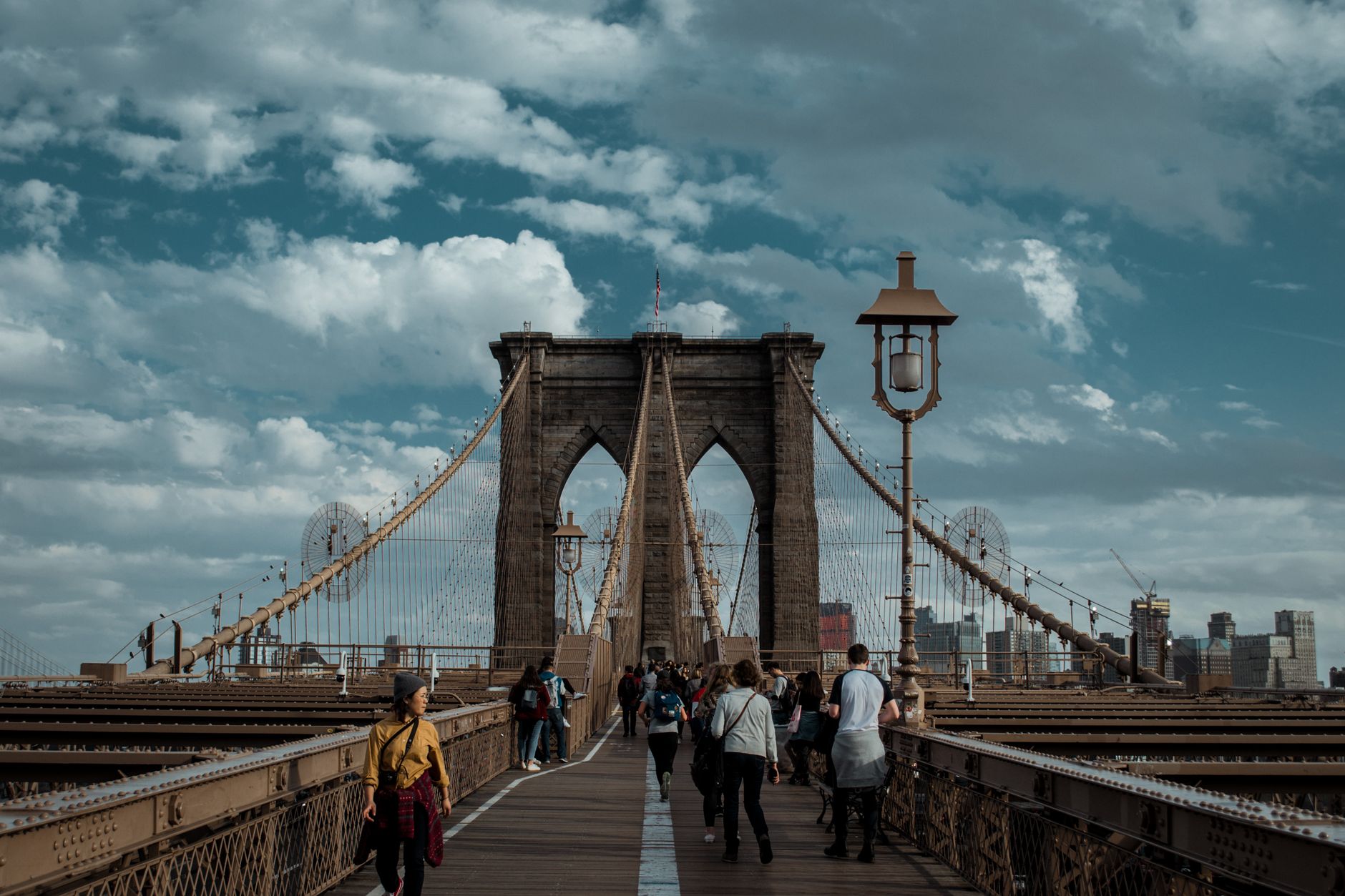
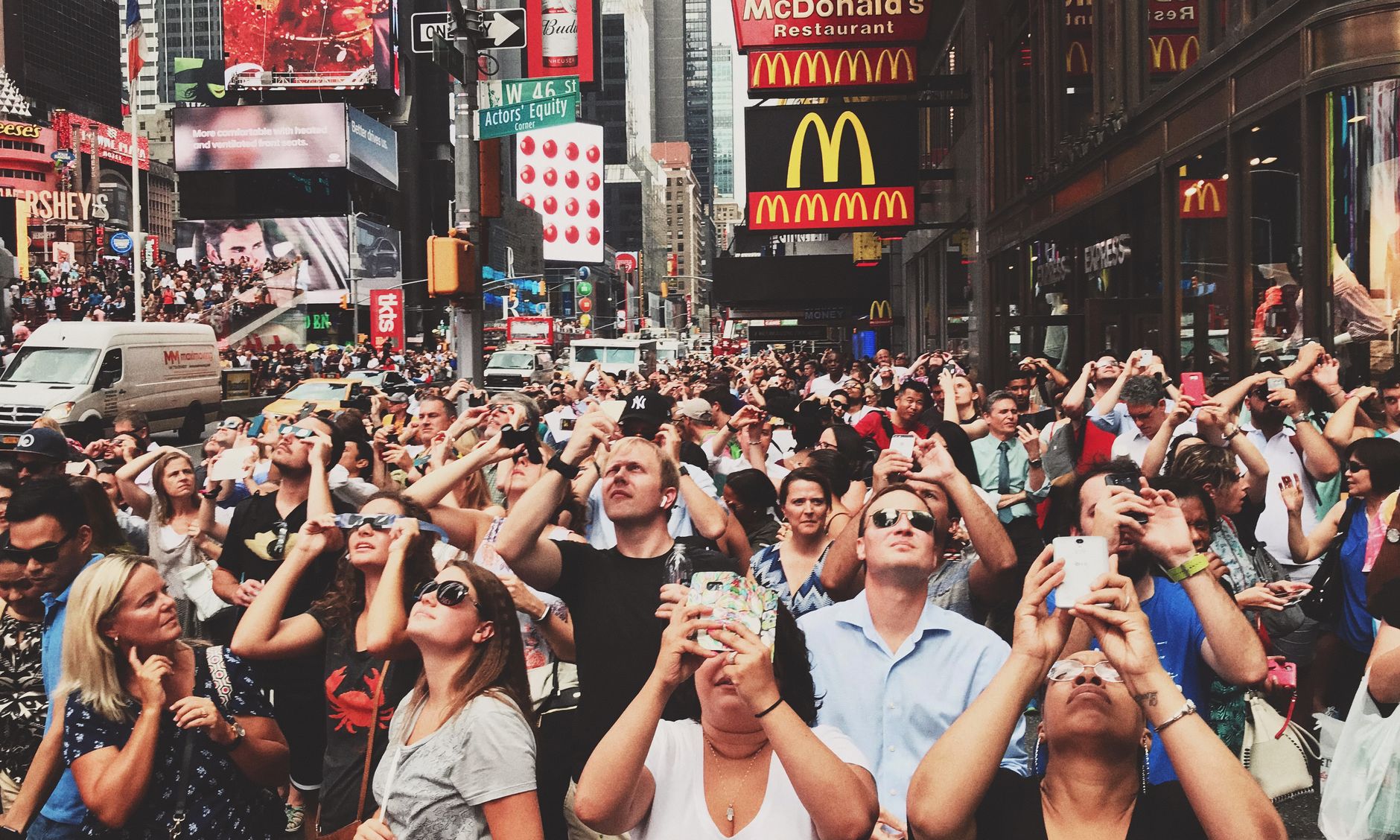
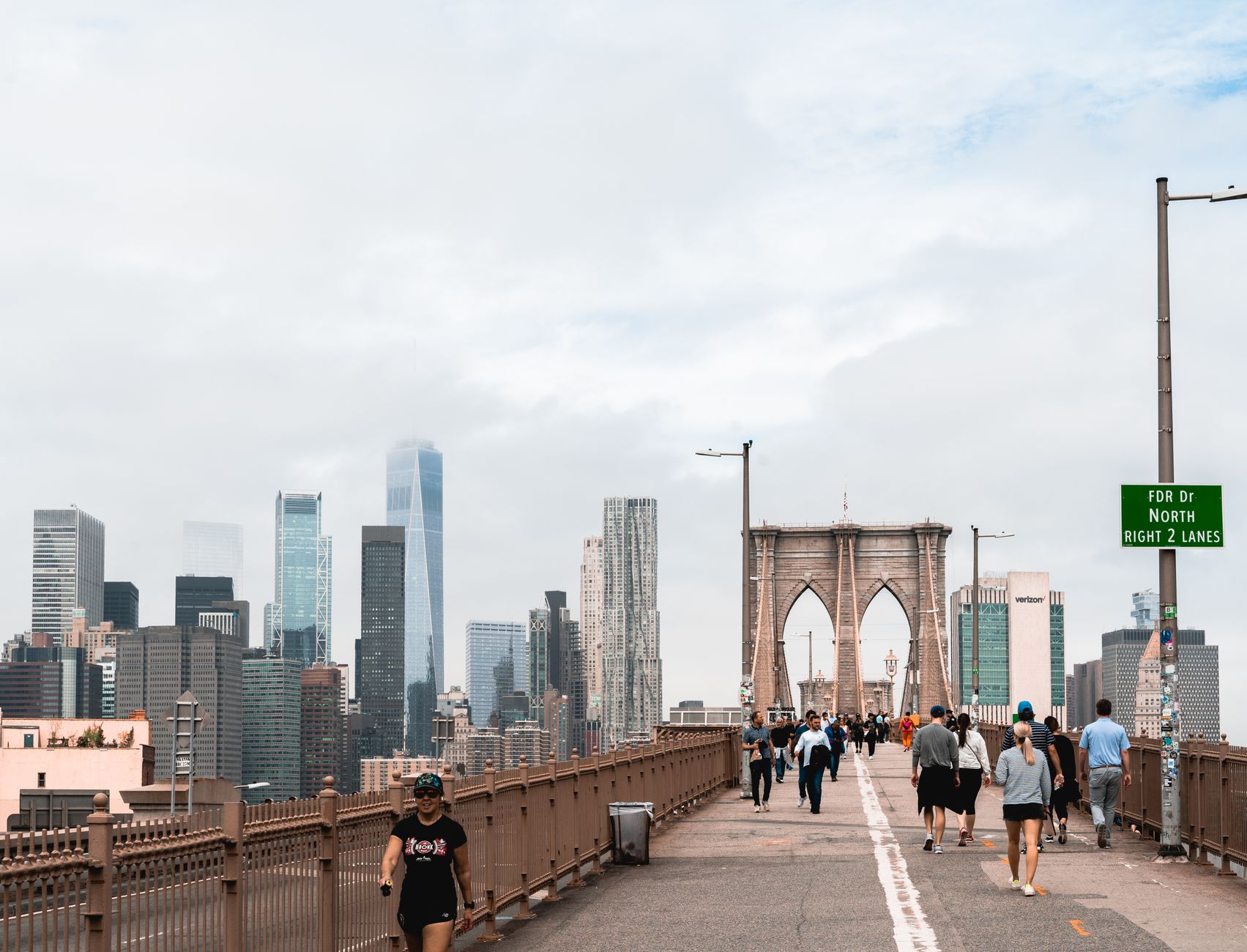
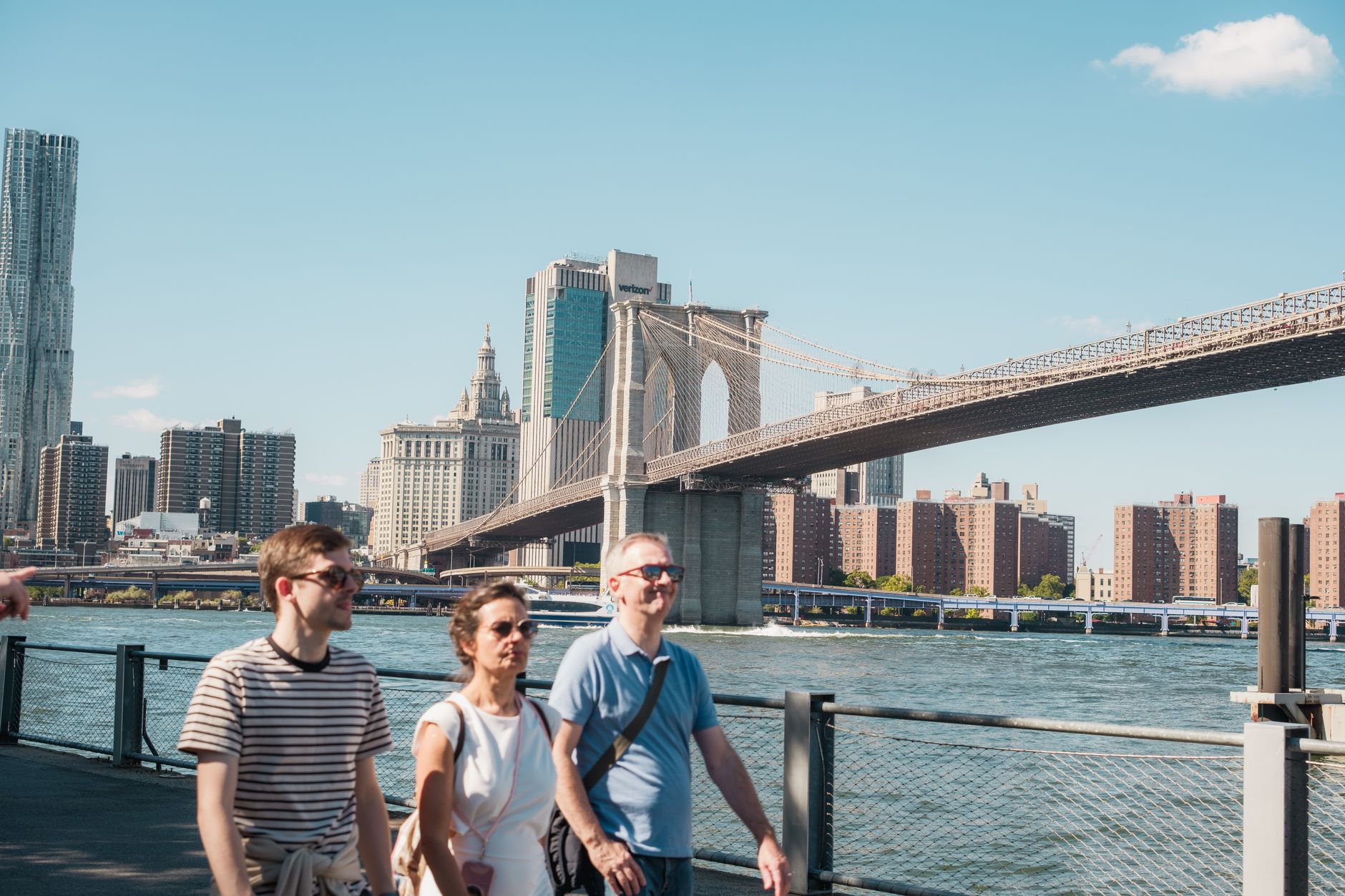
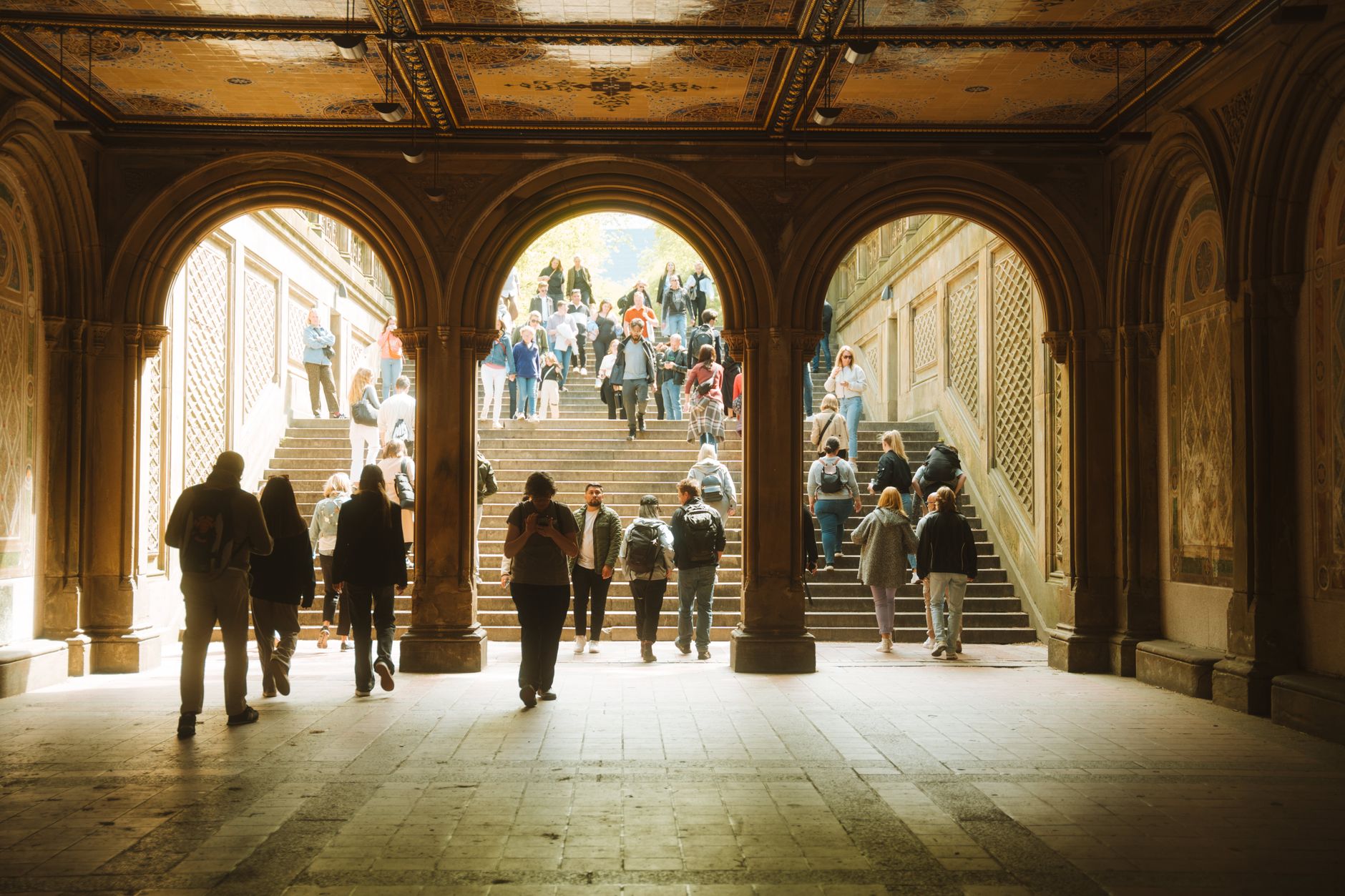
The grid hits you before anything else — 1811's street plan still slicing Manhattan into numbered order, yet somehow containing one of the most chaotic concentrations of human ambition on earth. Stand at the base of the Chrysler Building and look up at William Van Alen's steel eagles, completed in 1930, and the city's central obsession becomes clear: New York has always been competing with itself.
At 1,776 feet, One World Trade Center is the tallest structure in the Western Hemisphere, and the number is deliberate. The city layers meaning onto everything — its architecture, its subway system (472 stations, more than any rapid transit network in the world), its very shape on the water.
💛 What travellers fall for
People who keep coming back tend to stop fighting the subway and start reading it. The MetroCard gets you onto the Roosevelt Island Tramway, which most visitors skip entirely — a aerial gondola over the East River that costs the same as a train ride and earns you a view that no observation deck quite matches.
Deals in New York
Book directly at the provider

How New York came to be
Dutch traders established New Amsterdam at the southern tip of Manhattan in 1624, and two years later Peter Minuit — appointed Director-General by the Dutch West India Company — formalised the purchase of the island. In 1664 the British took control without a fight and renamed it New York. By 1686 it had received the first royal charter granted to any city in the colonies, with Stephanus Van Cortlandt, born in New Amsterdam in 1643, serving as its first native-born mayor.
After the Revolution the city briefly became the nation's first capital. The 1811 grid plan that commissioners imposed on the island above Houston Street still governs how you move through Manhattan today — a bureaucratic decision that shaped more daily lives than any single building ever could.
Who and what shaped it
People who shaped it
Landmark buildings
See New York in motion
Plan your visit
On the map
When to go
Winters are genuinely cold, with January averages around -1°C and regular snowfall — the city received 69 centimetres in a single day in January 2016. Summers are warm and muggy; September and October offer the clearest skies and the most comfortable temperatures for walking.
Right now
Background & history adapted from Wikipedia (CC BY-SA) · specs from Wikidata (CC0) · weather from Open-Meteo · map data © OpenStreetMap contributors · photos from Wikimedia Commons / Unsplash with per-image credit. No third-party reviews or social posts reproduced.