
Hawaii (Big Island and Oahu)


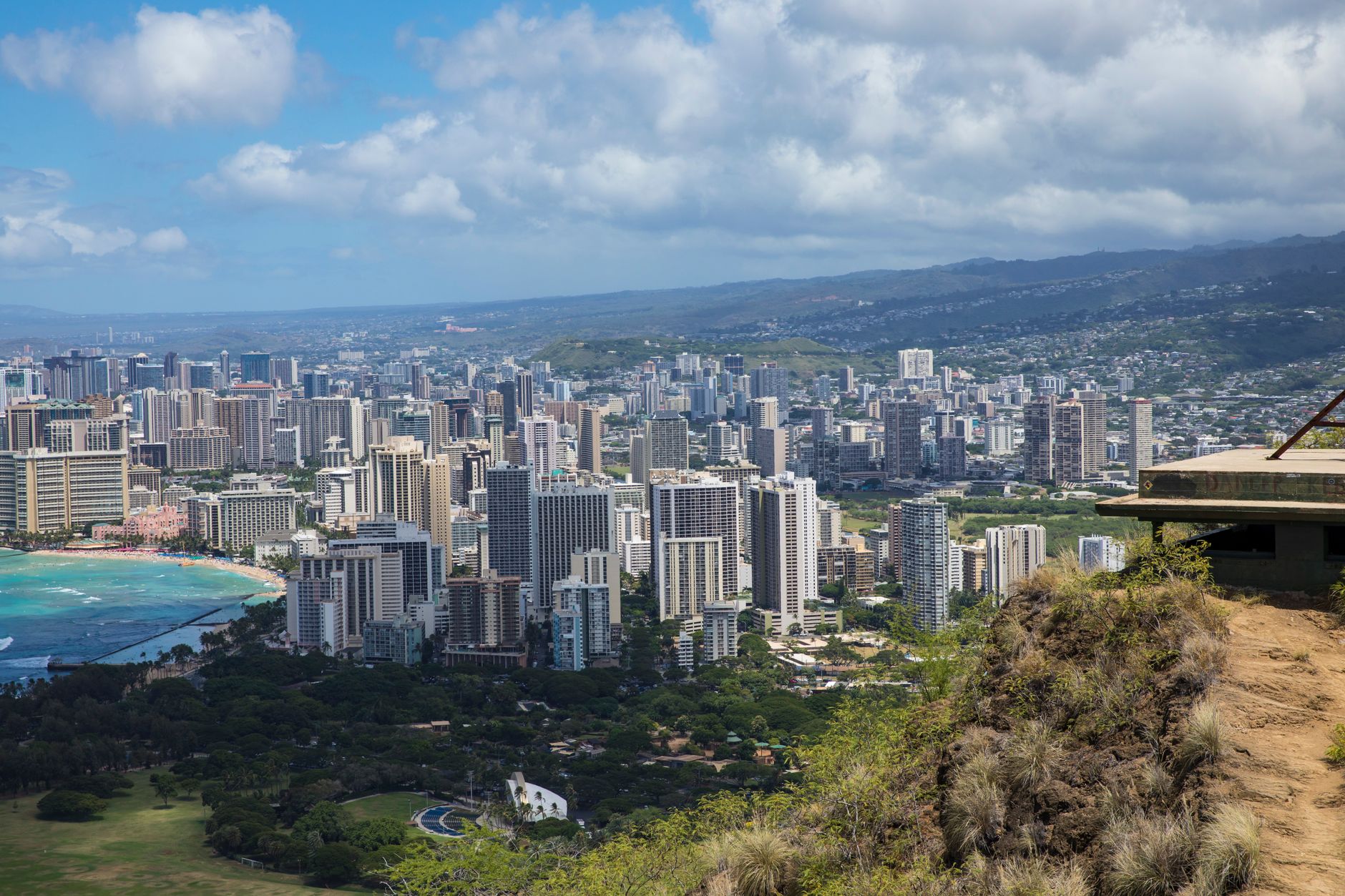
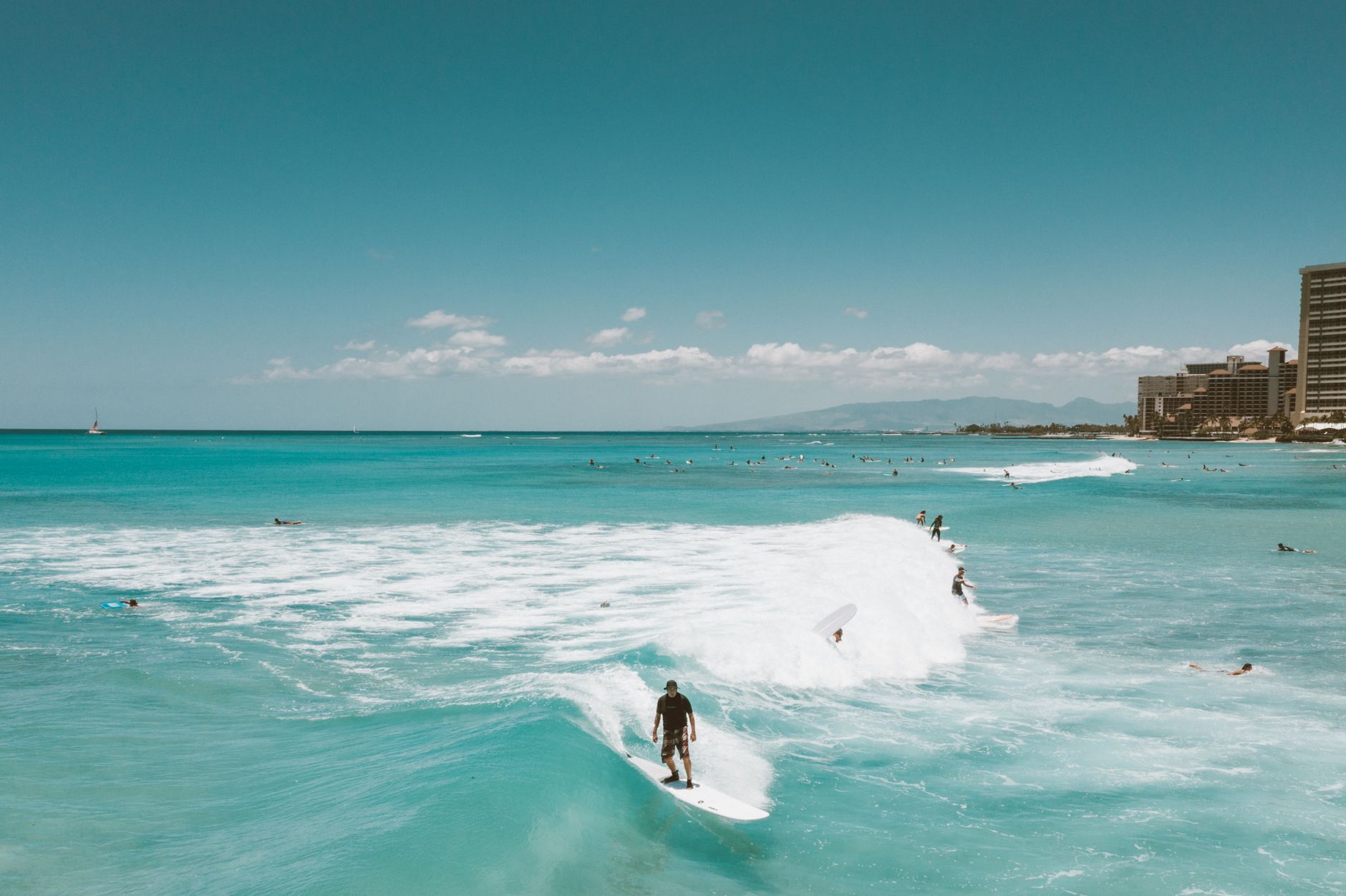

The Big Island is younger than you might expect — geologically speaking, barely half a million years old — and Kilauea is still adding to it. That fact alone reorients how you see everything here: the black lava fields pushing toward the coast, the steam vents, the way the land feels unfinished. Oahu, older and more worn smooth, runs on a different register: Honolulu's density, the green crease of the Ko'olau Range behind it, and Pearl Harbor sitting in the harbor's flat water as a reminder of December 7, 1941. Between the two islands you get the full range of what Hawaii actually is.
💛 What travellers fall for
People who come back tend to split their time deliberately — a few days on Oahu to get oriented, then a flight to Kona or Hilo before the resort rhythm sets in. On the Big Island, rent a car without negotiating: there is no other way. The Chain of Craters Road at dusk, with the caldera glowing, is worth the full day it takes.
How Hawaii (Big Island and Oahu) came to be
The Big Island is where the Hawaiian story begins. Polynesian voyagers from the Marquesas Islands are believed to have first landed at Ka Lae — South Point — roughly 1,500 years ago, and a bone fishhook carbon-dated to around A.D. 700 was found nearby. Centuries later, Kamehameha I built Pu'ukoholā Heiau in North Kohala between 1790 and 1791 as a tribute to the war god Kūkā'ilimoku, and used it as a foundation — spiritual and political — for unifying the islands. His conquest of Oahu in 1795 completed that project.
European contact came in 1778 with Captain James Cook, who was killed at Kealakekua Bay a year later. The capital of the Hawaiian Kingdom moved from the Big Island to Honolulu in 1845, shifting Oahu to the center of power. Iolani Palace, built in 1882 with electric lights and telephones already installed, served as the official royal residence until the kingdom's end. Hawaii became the 50th U.S. state on August 21, 1959.
Who and what shaped it
People who shaped it
Landmark buildings
See Hawaii (Big Island and Oahu) in motion
Plan your visit
On the map
When to go
Trade winds keep both islands cooler than their latitude suggests, with the driest and sunniest conditions generally running from April through October. Winter months bring more rain, especially on windward coasts — Hilo on the Big Island is one of the wettest cities in the United States, while the Kona side stays comparatively dry year-round.
Right now
Background & history adapted from Wikipedia (CC BY-SA) · specs from Wikidata (CC0) · weather from Open-Meteo · map data © OpenStreetMap contributors · photos from Wikimedia Commons / Unsplash with per-image credit. No third-party reviews or social posts reproduced.