
Boston
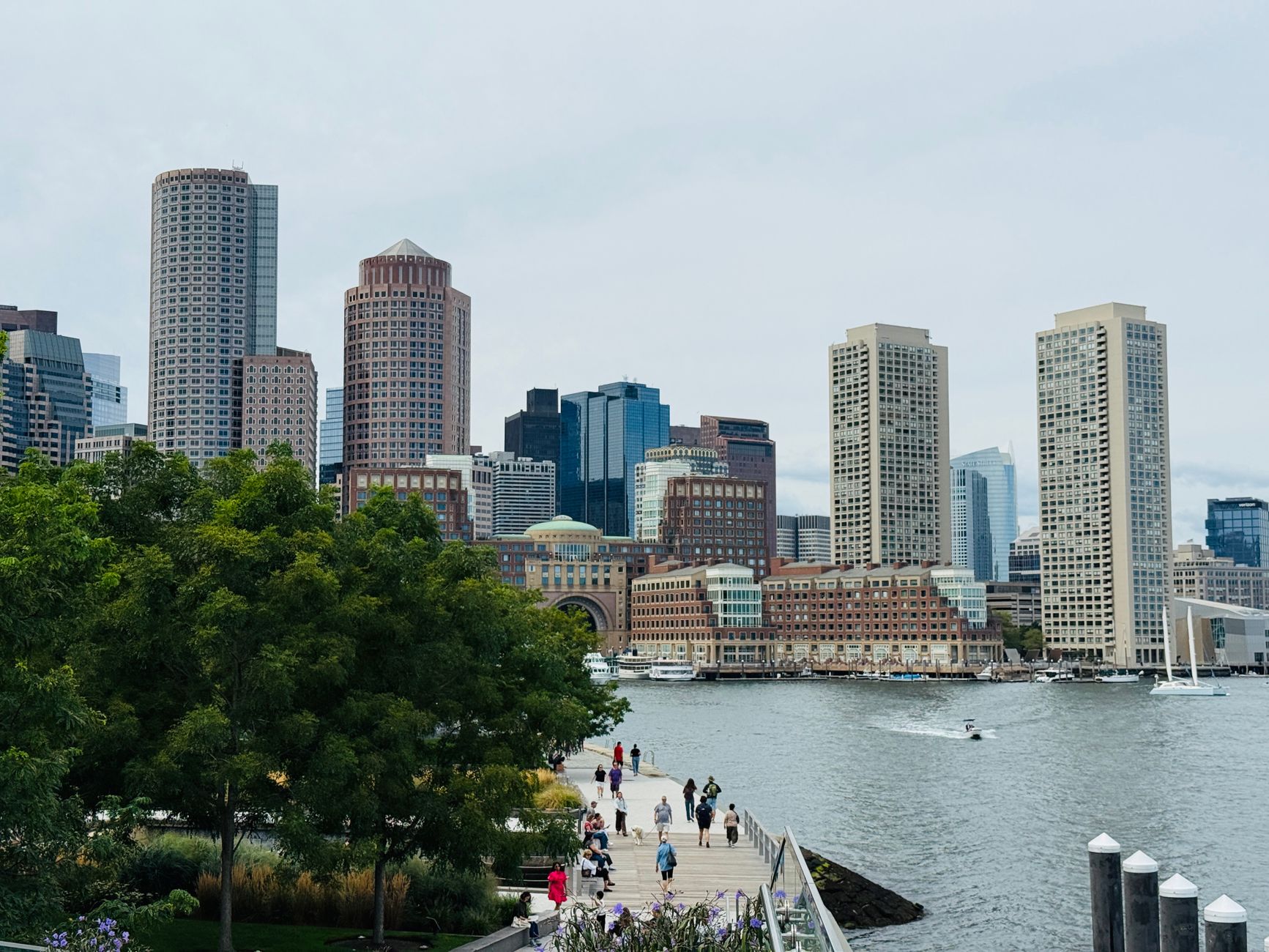
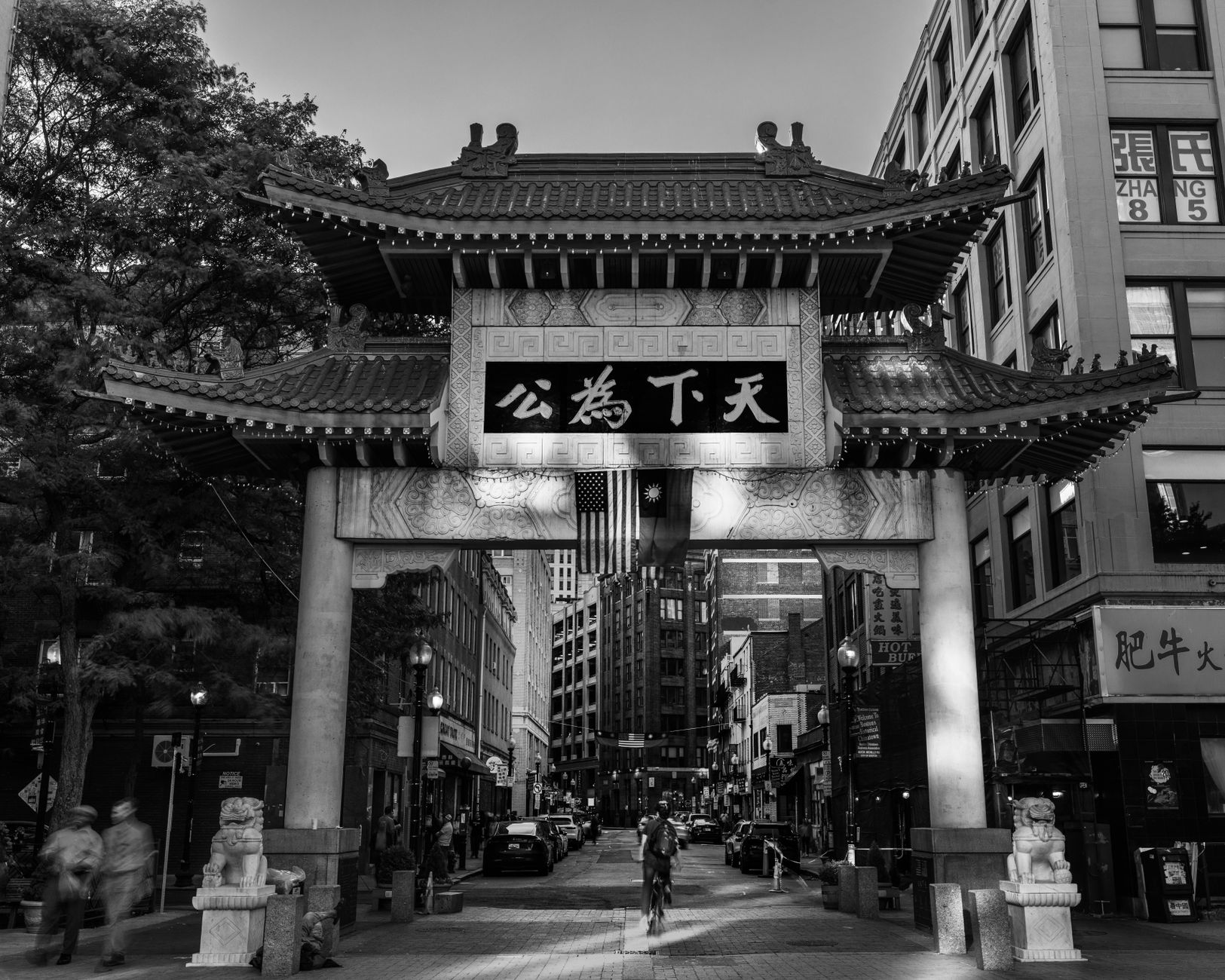
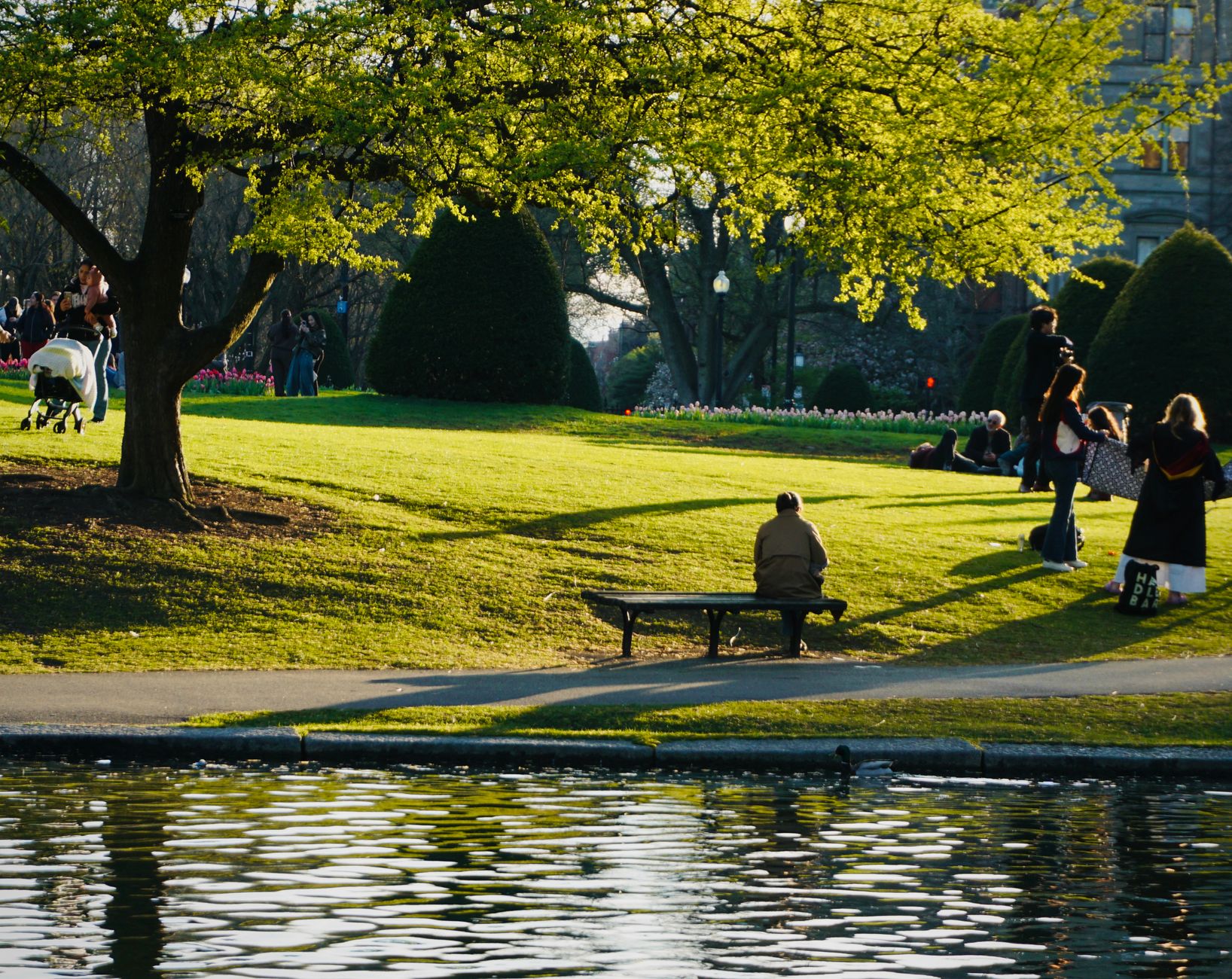
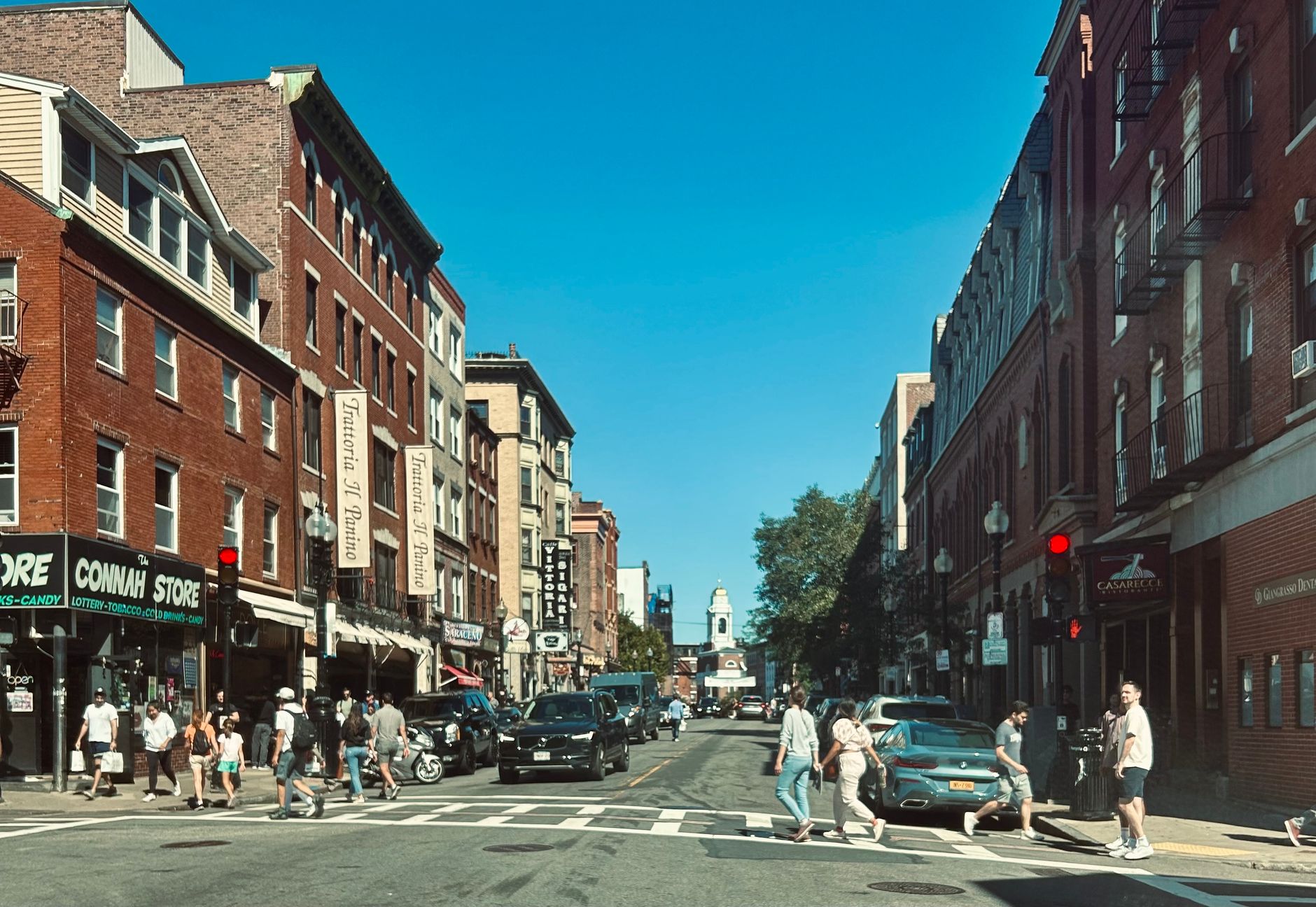
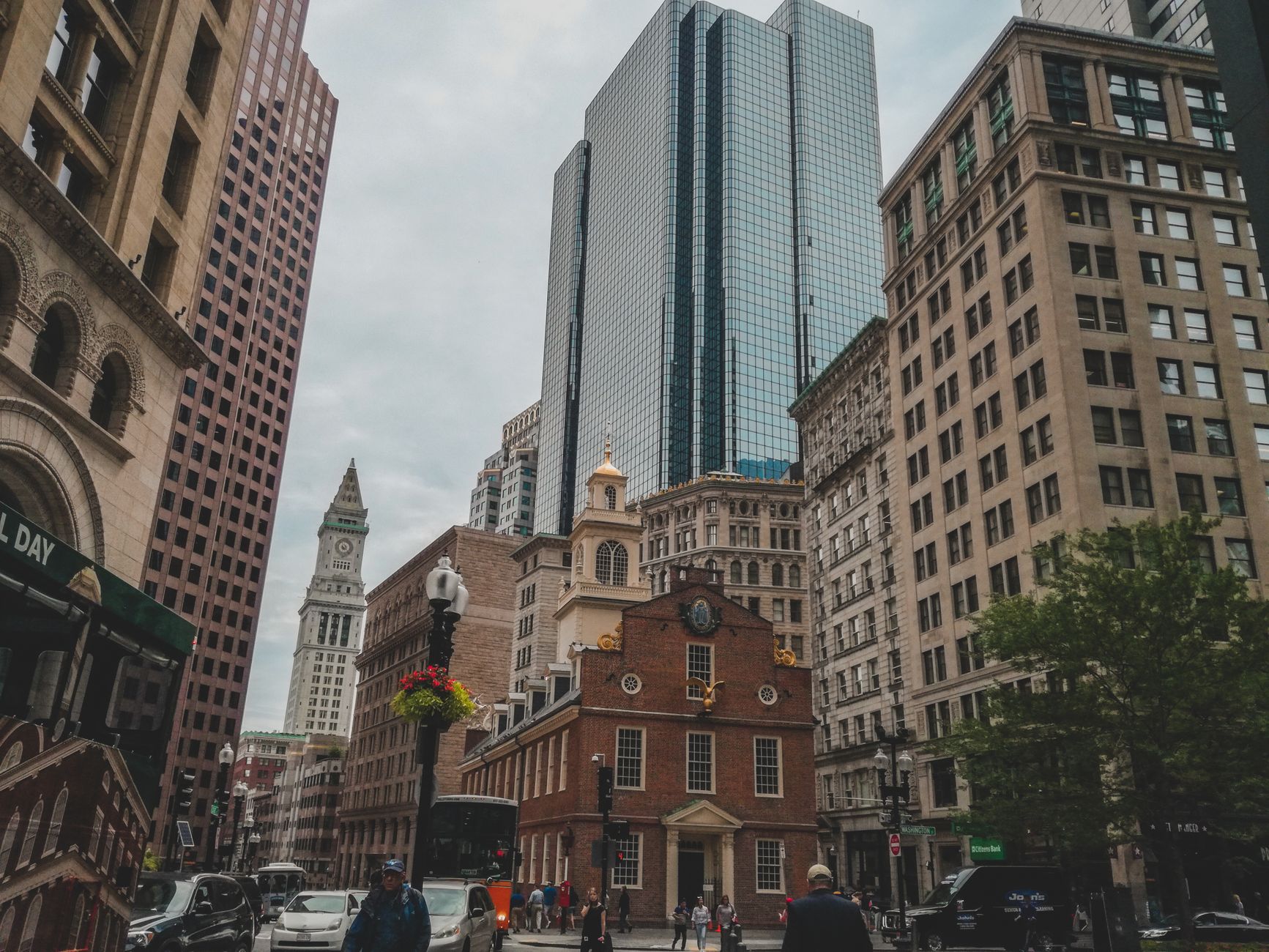
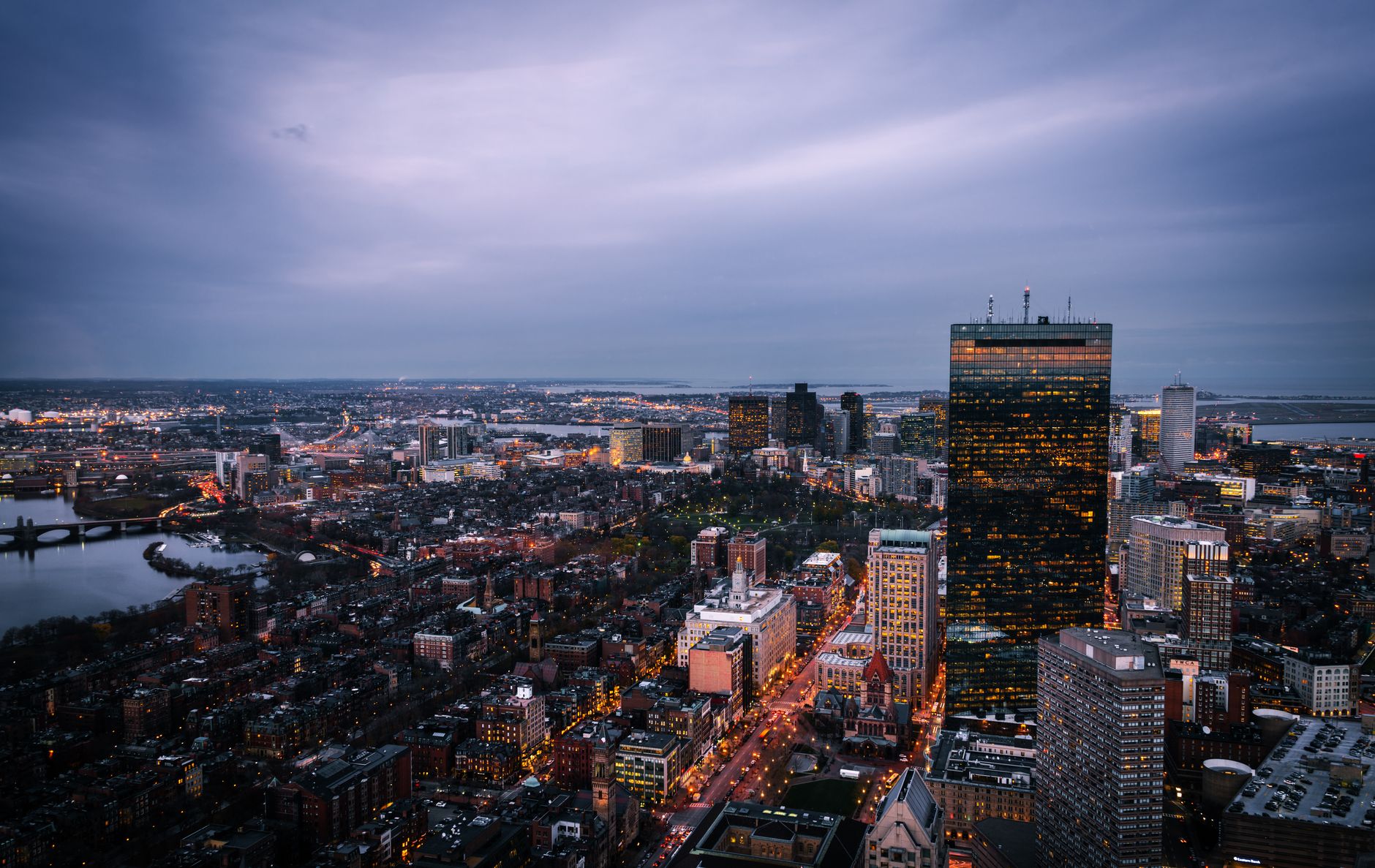
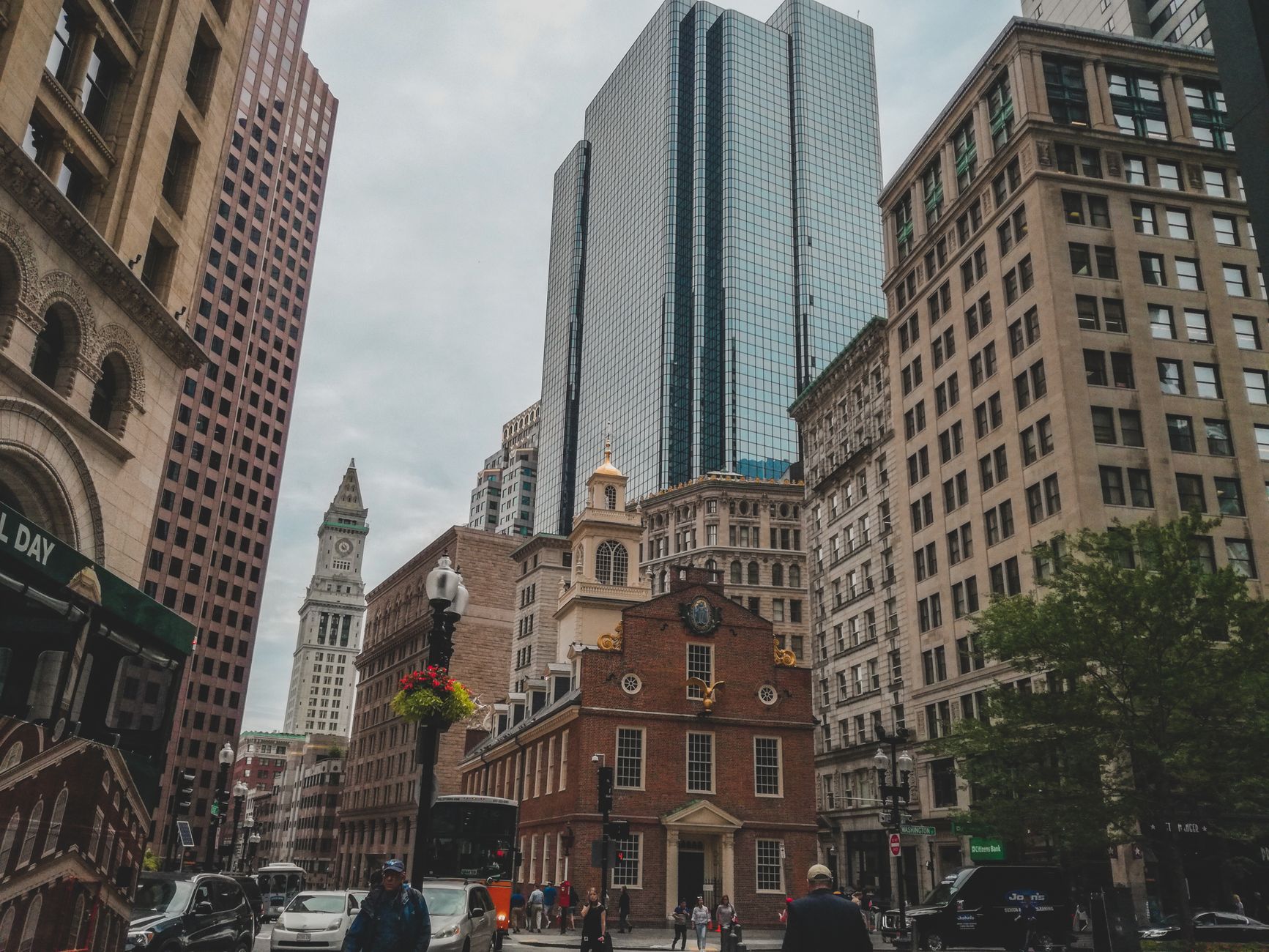
Stand at the corner of Park Street and Tremont and you're above the oldest underground transit stations still running in North America — opened 1897, still carrying the city on the Green and Red lines. Boston is compact enough to walk across in an afternoon, yet its layers run deep: the street grid follows colonial cow paths, the land itself was largely invented (the city tripled its footprint between 1630 and 1890 by filling in marshes and waterfront mud flats), and the architecture swings from Puritan-era timber frames to John Hancock Tower's mirrored glass climbing 62 floors above Copley Square.
It is a city that takes its own history seriously without being suffocated by it. The Paul Revere House on North Square — 90 percent original structure, built in 1680 — sits a short walk from a Brutalist city hall that won an international design competition in 1962. Both are still in use. That matter-of-fact continuity is distinctly Boston.
💛 What travellers fall for
People who come back tend to stop fighting the T and just use it — the four-line subway is genuinely faster than a cab for most crosstown trips. They also learn to treat Symphony Hall as a destination in itself: the 1900 building is considered one of the three best concert halls in the world for acoustics, and cheap standing-room tickets exist if you ask.
Experiences you don't want to miss



Deals in Boston
Book directly at the provider

How Boston came to be
In September 1630, William Blaxton — an Anglican cleric educated at Cambridge who was already living on the Shawmut Peninsula — wrote to a group of Puritan settlers struggling in Charlestown and told them about a natural spring on his land. They came. John Winthrop had led the fleet of eleven ships carrying 700 people from England that March; Isaac Johnson, one of the leaders, named the new settlement after his hometown of Boston in Lincolnshire. The colony moved fast: Boston Common was set aside as public land in 1634, Boston Latin School opened in 1635, and a college was founded in 1636 — named Harvard three years later.
By 1897 the city was running the first subway tunnel in North America beneath its oldest streets. In between, it had fought a revolution from Faneuil Hall and the Old State House, reclaimed hundreds of acres of tidal flats to build new neighborhoods, and accumulated a skyline that now ranges from Charles Bulfinch's gold-domed State House (1798) to the John Hancock Tower, which has held the title of tallest building in New England since its completion in 1976.
Who and what shaped it
People who shaped it
Landmark buildings
See Boston in motion
Plan your visit
On the map
When to go
Winters are cold and snowy — temperatures regularly drop below freezing from December through February. Spring arrives tentatively in April, summers run warm and humid, and autumn, particularly September through mid-November, brings crisp air and clear skies that make it the easiest season to be on foot.
Right now
Background & history adapted from Wikipedia (CC BY-SA) · specs from Wikidata (CC0) · weather from Open-Meteo · map data © OpenStreetMap contributors · photos from Wikimedia Commons / Unsplash with per-image credit. No third-party reviews or social posts reproduced.