
San Francisco
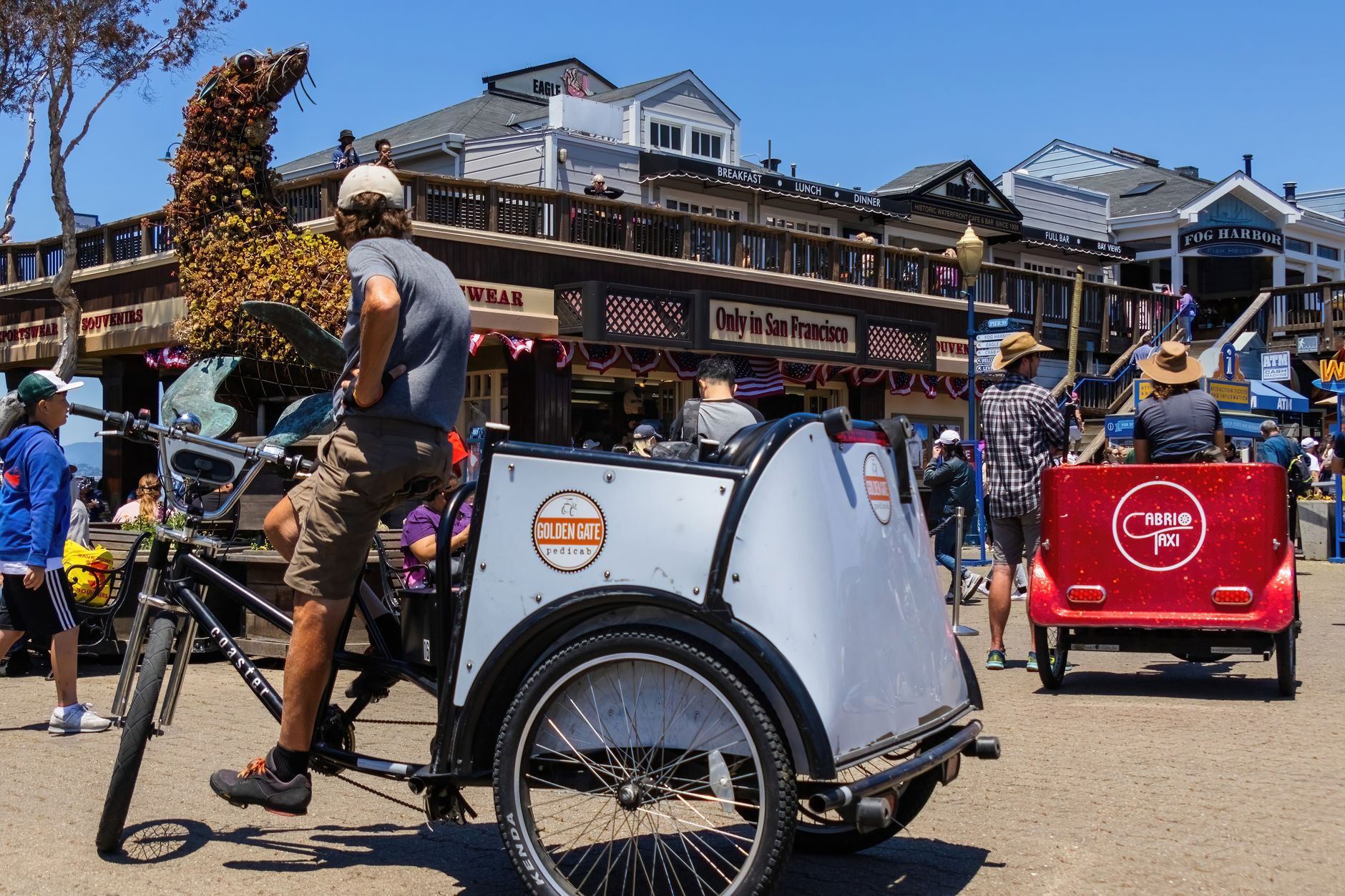
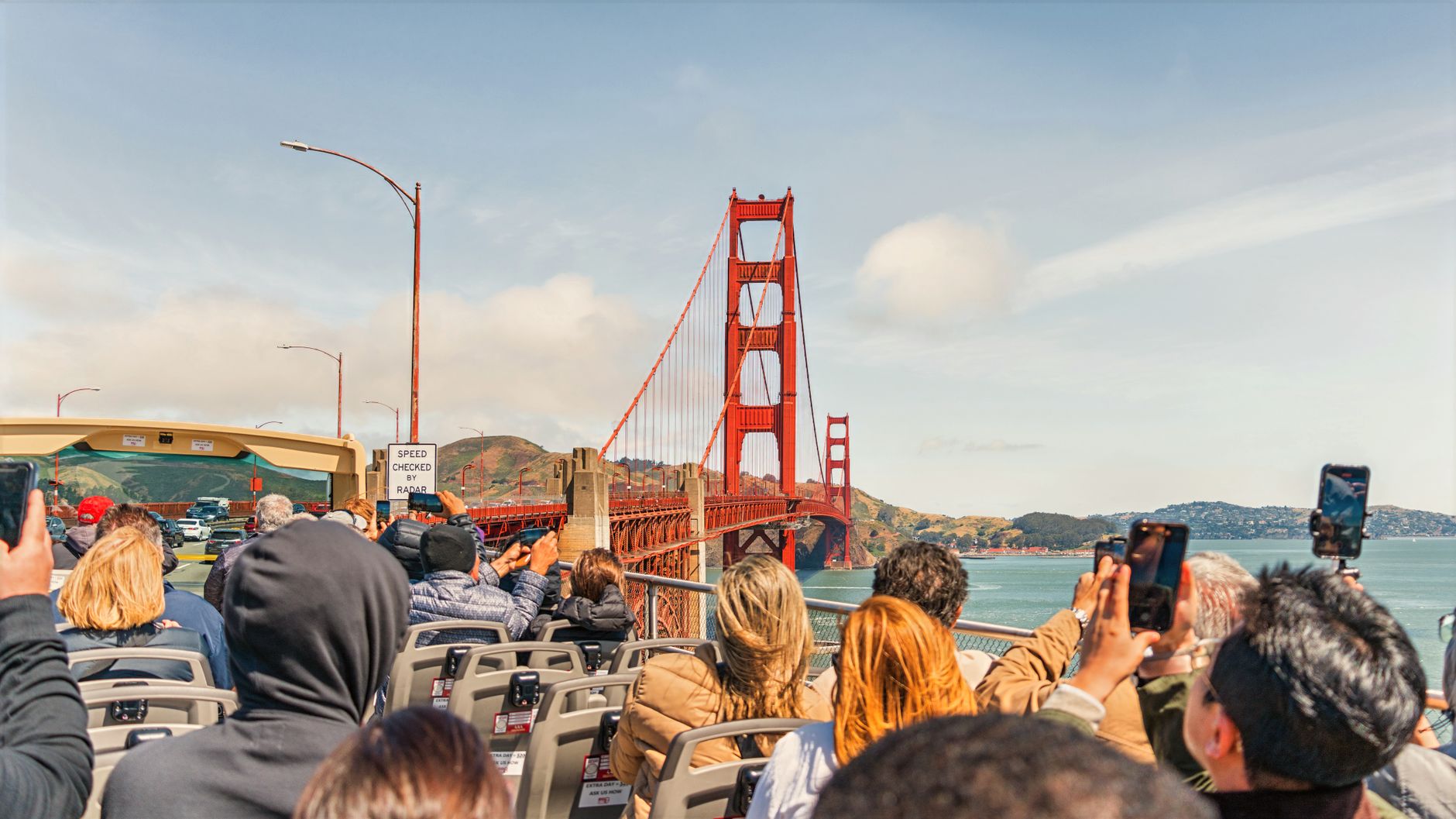
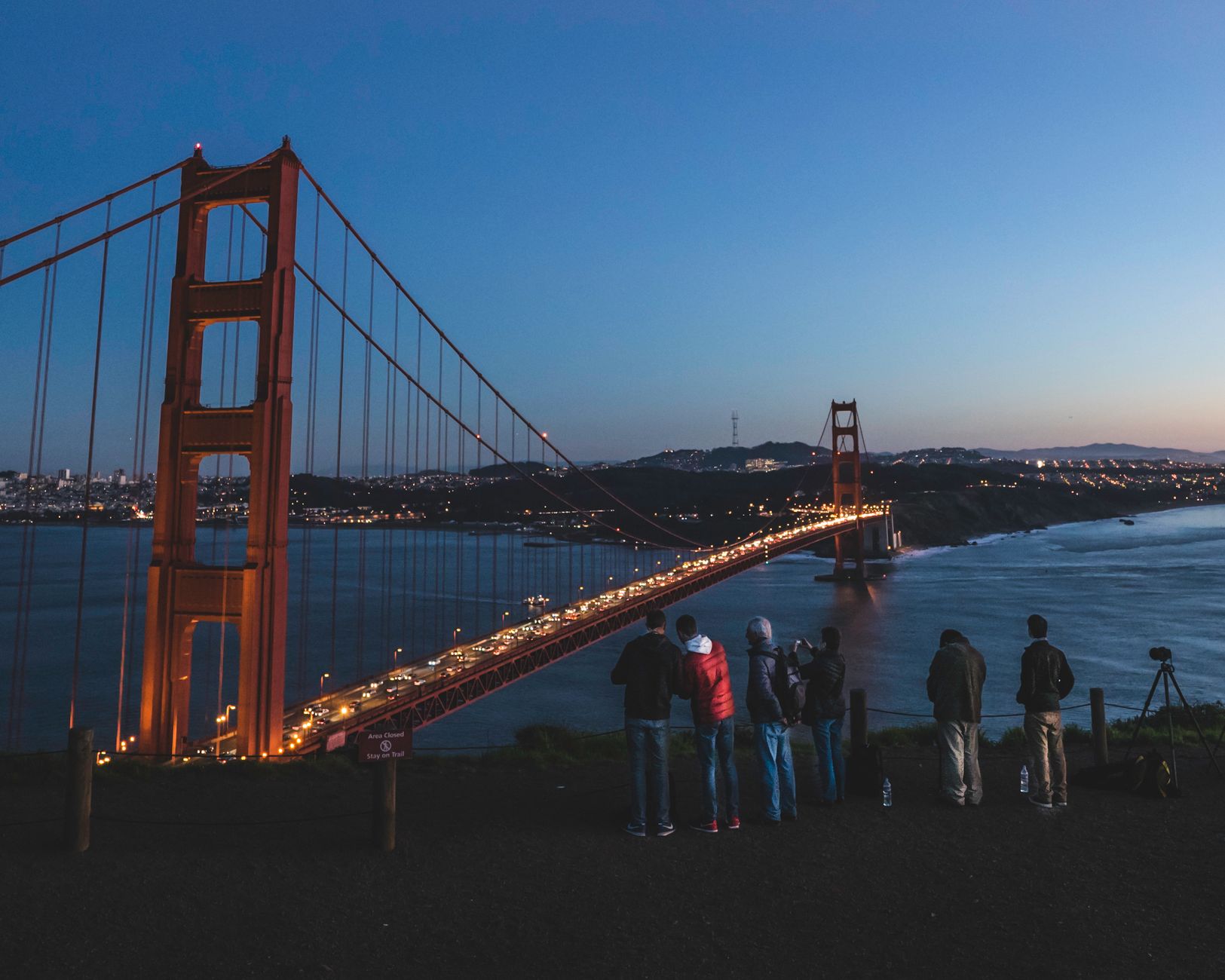
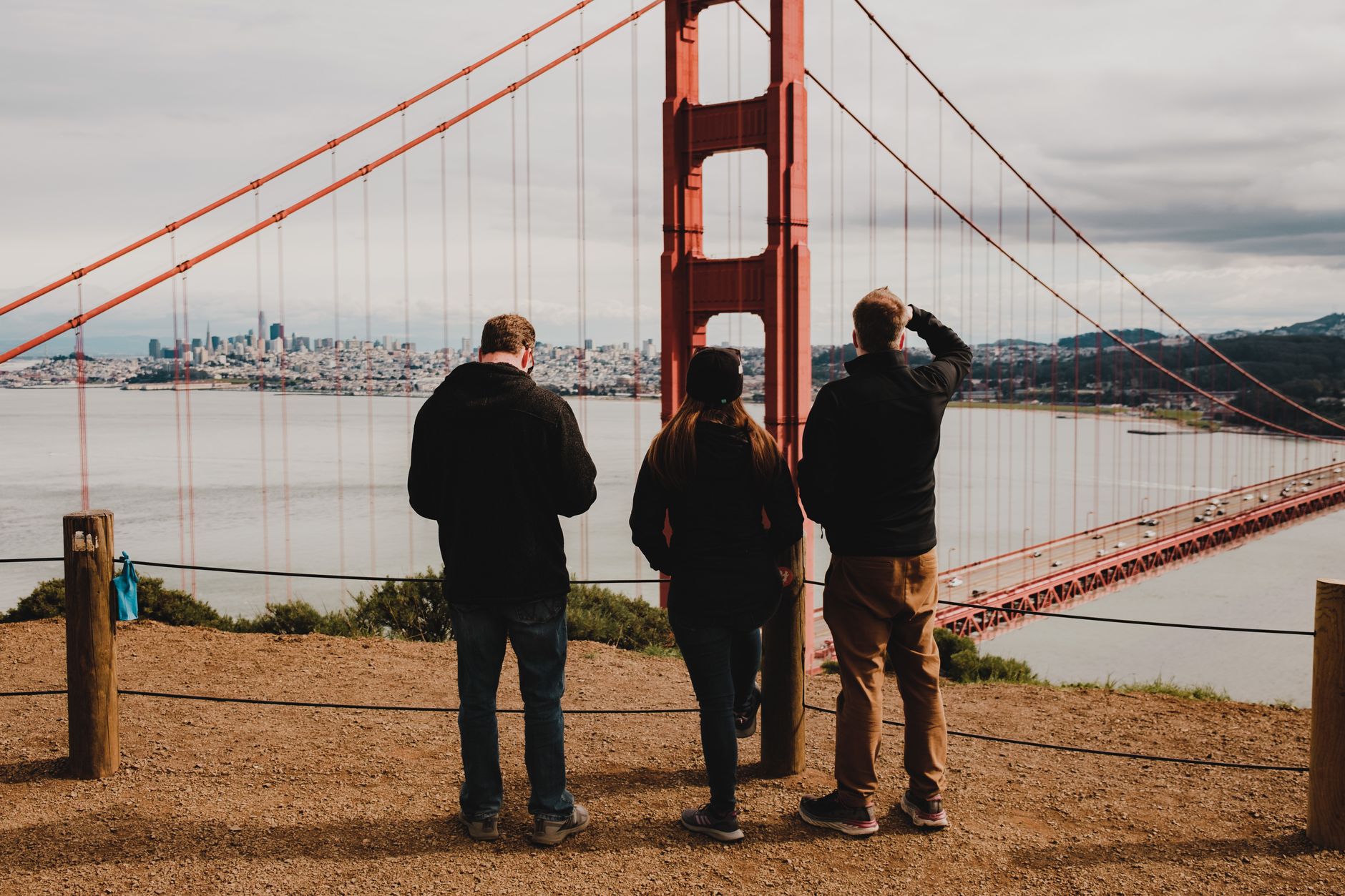
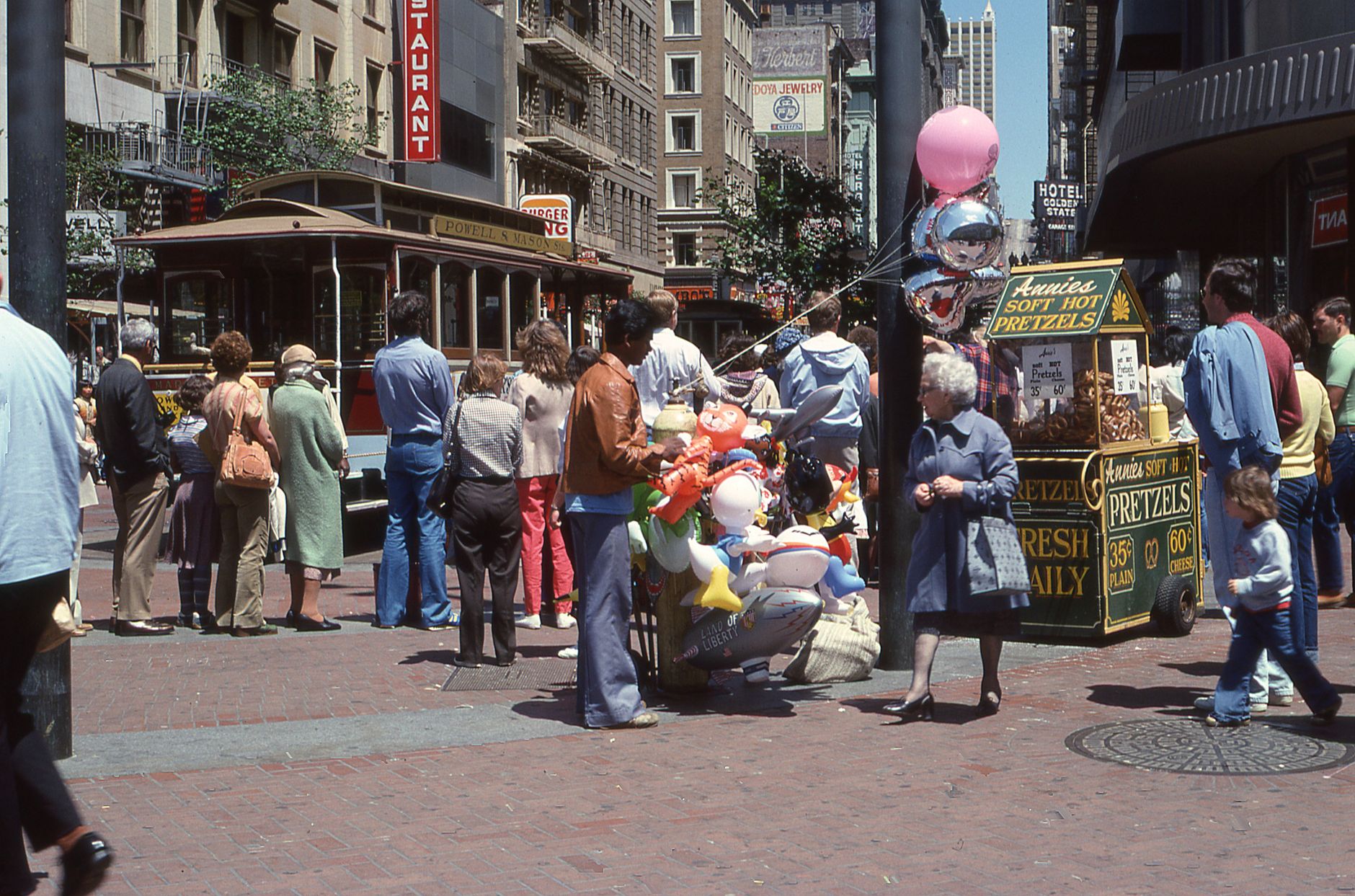
San Francisco sits on a narrow peninsula where the Pacific fog rolls through the Golden Gate each afternoon like clockwork, cooling streets that were, not long ago, a gold-rush boomtown. The city is compact enough to walk across yet varied enough that the Mission, the Richmond, and the Embarcadero feel like different cities sharing a transit card.
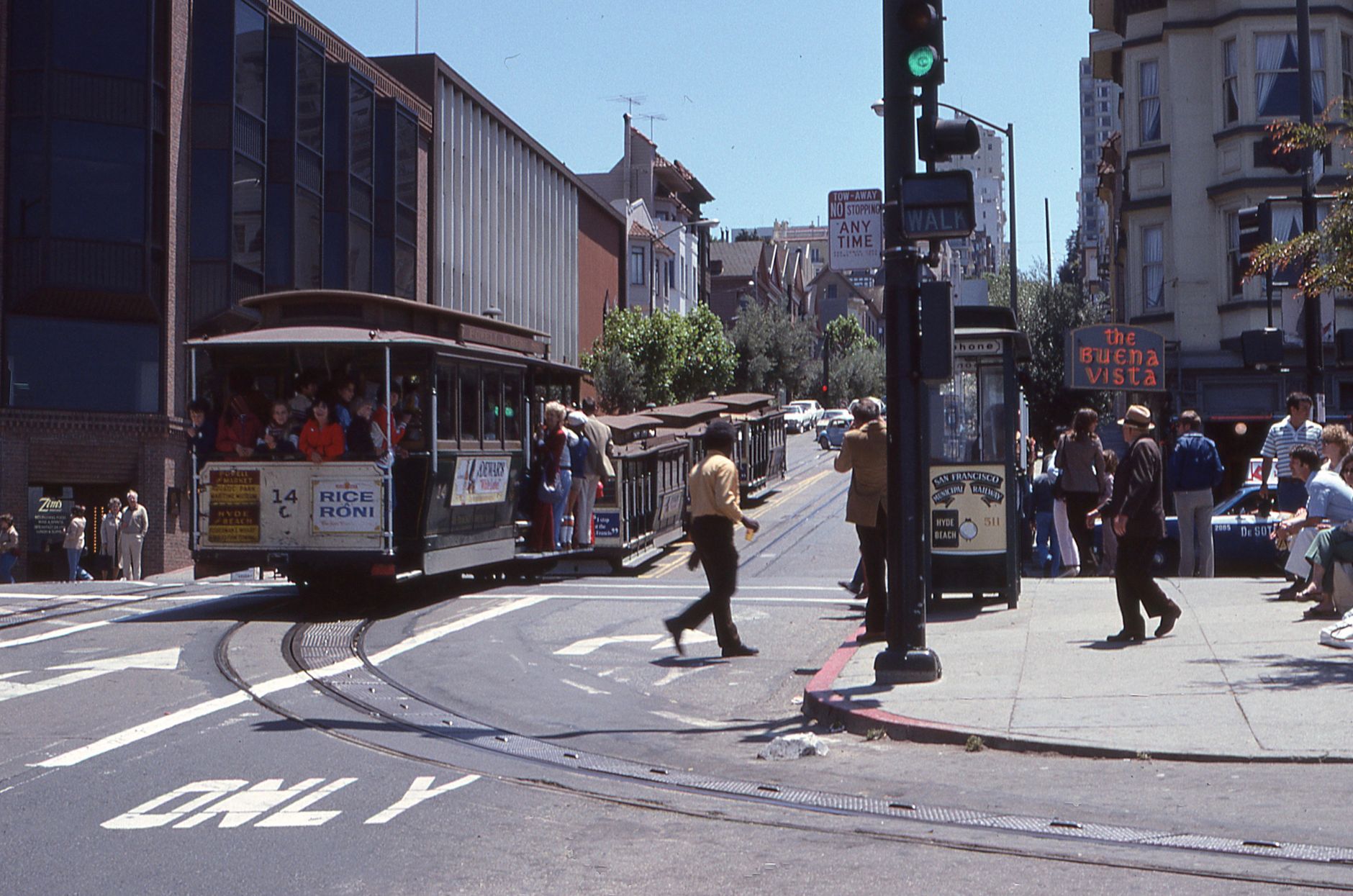
The cable cars still run on the same three downtown lines Andrew Hallidie invented in 1873, and the Painted Ladies on Alamo Square — part of roughly 48,000 Victorian buildings raised between 1849 and 1915 — remain the city's most photographed row of houses. History here is not decorative; it sits right on the surface.
💛 What travellers fall for
Regulars learn quickly to tap a credit card directly onto BART or Muni readers rather than queuing for tickets. The F-Line vintage streetcar from downtown to Fisherman's Wharf is slower than BART but far more atmospheric. And the fog lifts earliest in the Mission and the Dogpatch — useful to know when the rest of the city is still grey by noon.
How San Francisco came to be
The Yelamu Ohlone lived on this peninsula long before Juan Bautista de Anza arrived in 1776 leading an expedition from New Spain — more than two hundred people, cattle, horses, and mules — to establish the Presidio at the Golden Gate and, a few miles south, the Mission San Francisco de Asís, both named for Francis of Assisi. The civilian settlement was called Yerba Buena until 1847, when alcalde Washington Bartlett renamed it San Francisco.
The California Gold Rush of 1849 pushed the population from roughly 1,000 to 25,000 within a single year, and Sam Brannan — who publicised the rush and became its first millionaire — helped cement the city's reputation for opportunism and reinvention. That instinct proved essential after the 1906 earthquake and fire destroyed three-quarters of the city; San Francisco rebuilt fast enough to host the Panama–Pacific International Exposition just nine years later.
Who and what shaped it
People who shaped it
Landmark buildings
See San Francisco in motion
Plan your visit
On the map
When to go
Contrary to reputation, summer is not the warmest season — the fog that frames the Golden Gate in photographs also keeps June through August cool and grey, especially west of Twin Peaks. September and October bring the clearest skies and the most reliably warm days; winter is mild but wet, with rain arriving mostly between November and March.
Right now
Background & history adapted from Wikipedia (CC BY-SA) · specs from Wikidata (CC0) · weather from Open-Meteo · map data © OpenStreetMap contributors · photos from Wikimedia Commons / Unsplash with per-image credit. No third-party reviews or social posts reproduced.