
New York City
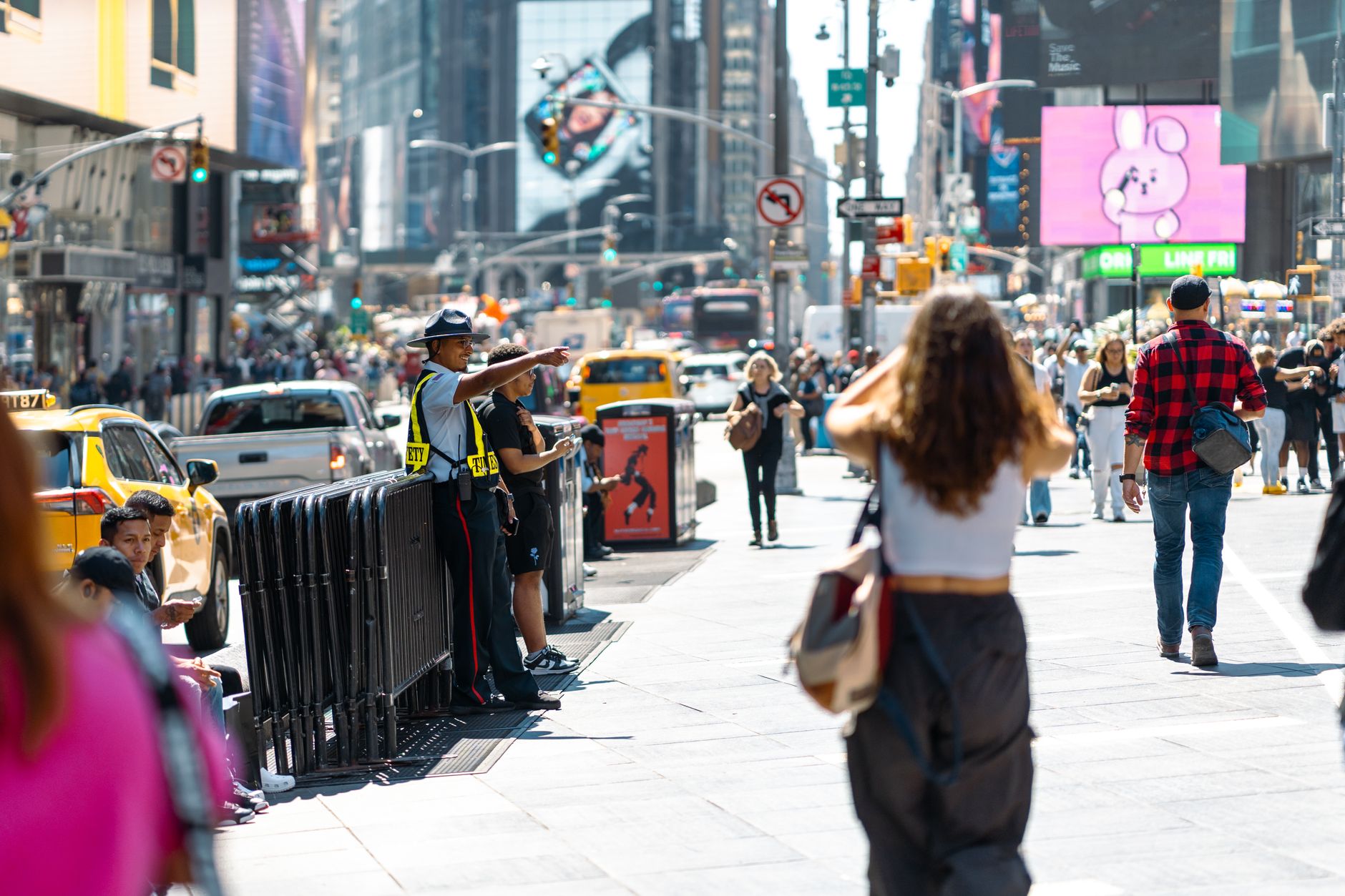
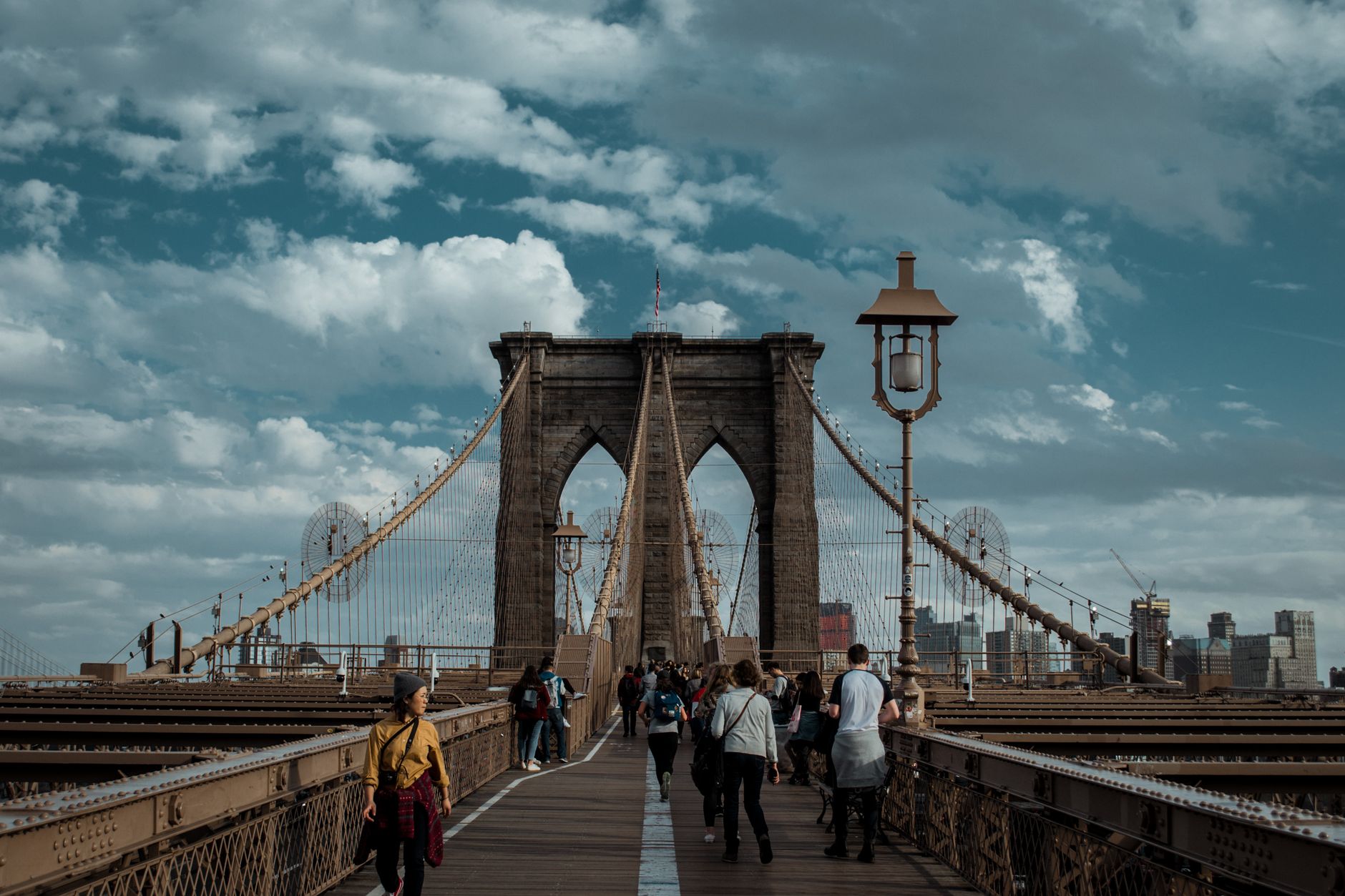
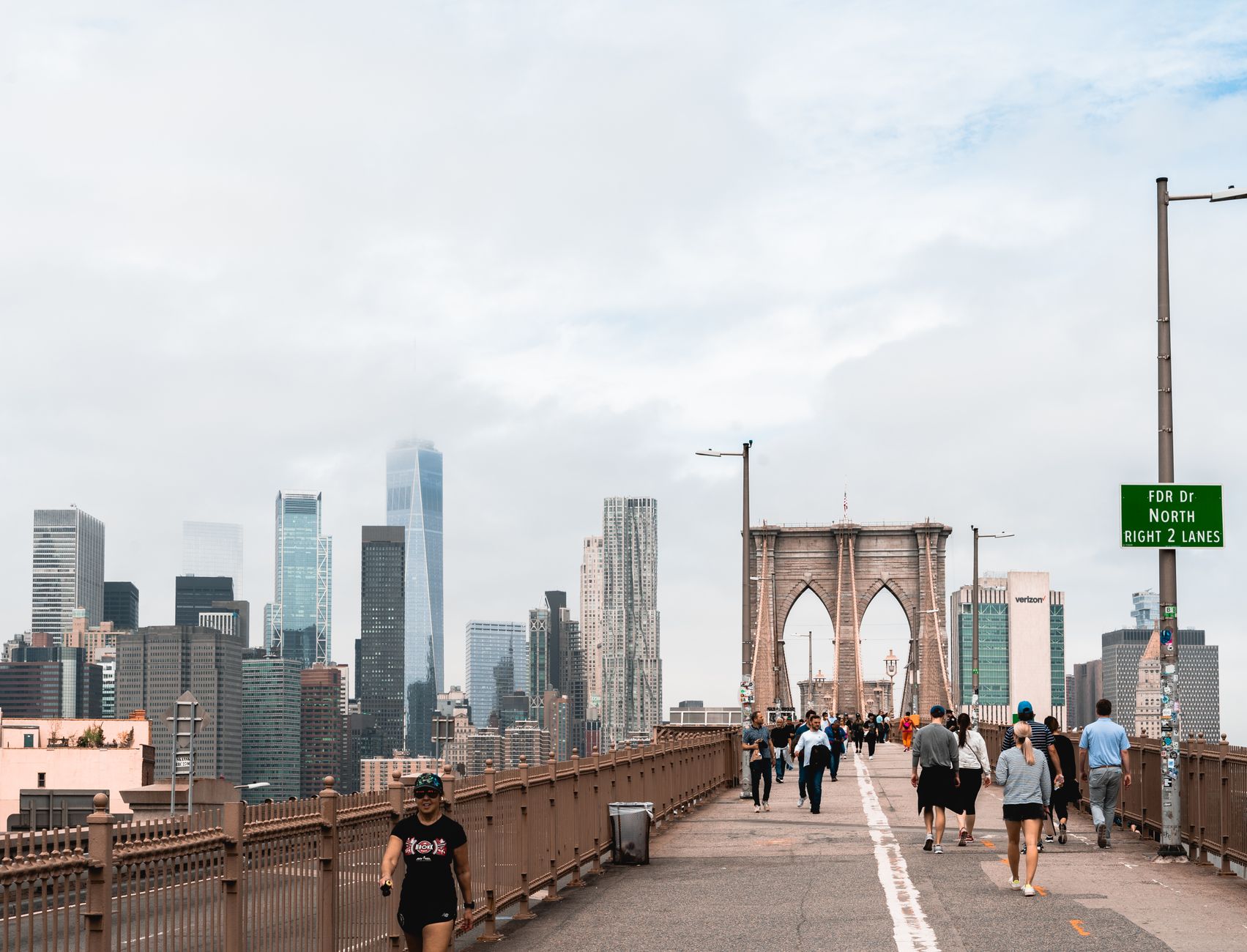

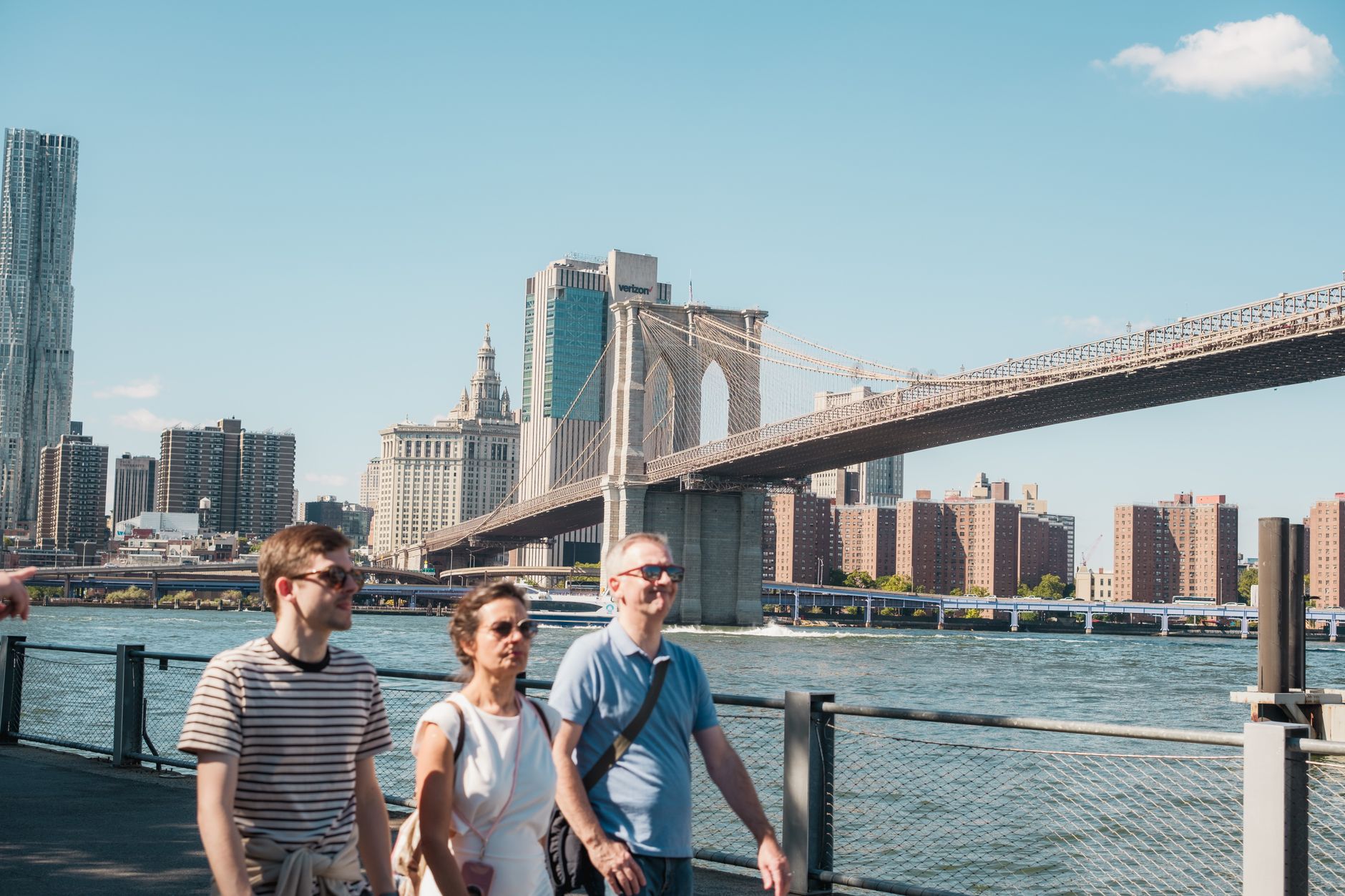
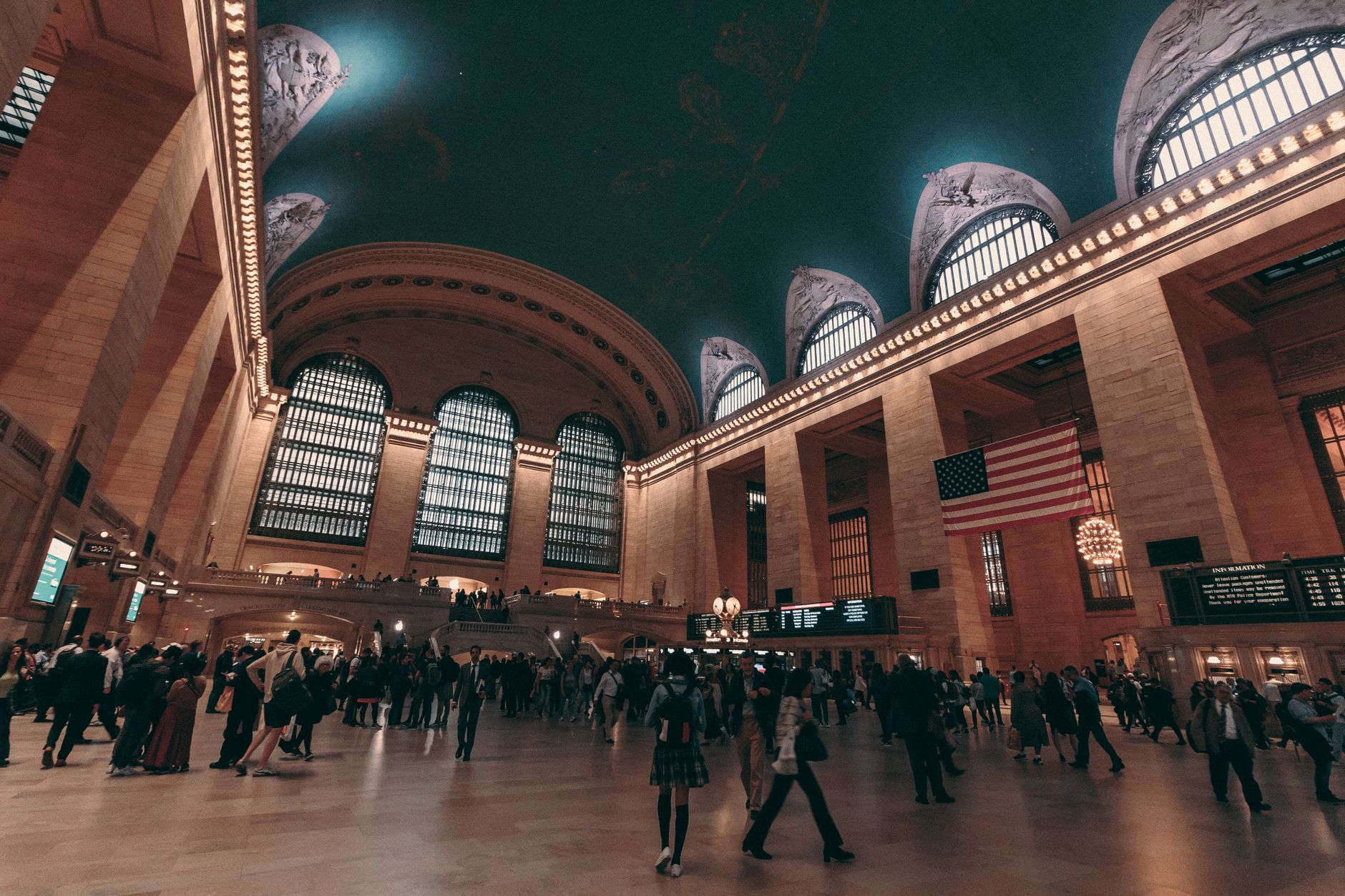
The grid gives it away before anything else does. Those long avenues cutting arrow-straight from the Hudson to the East River, numbered streets ticking upward with a kind of blunt municipal confidence — it's a city that decided, back in 1811, to impose order on an island and never quite stopped arguing with that decision. Every neighbourhood that breaks the pattern, every diagonal scar of Broadway, feels like a small rebellion.
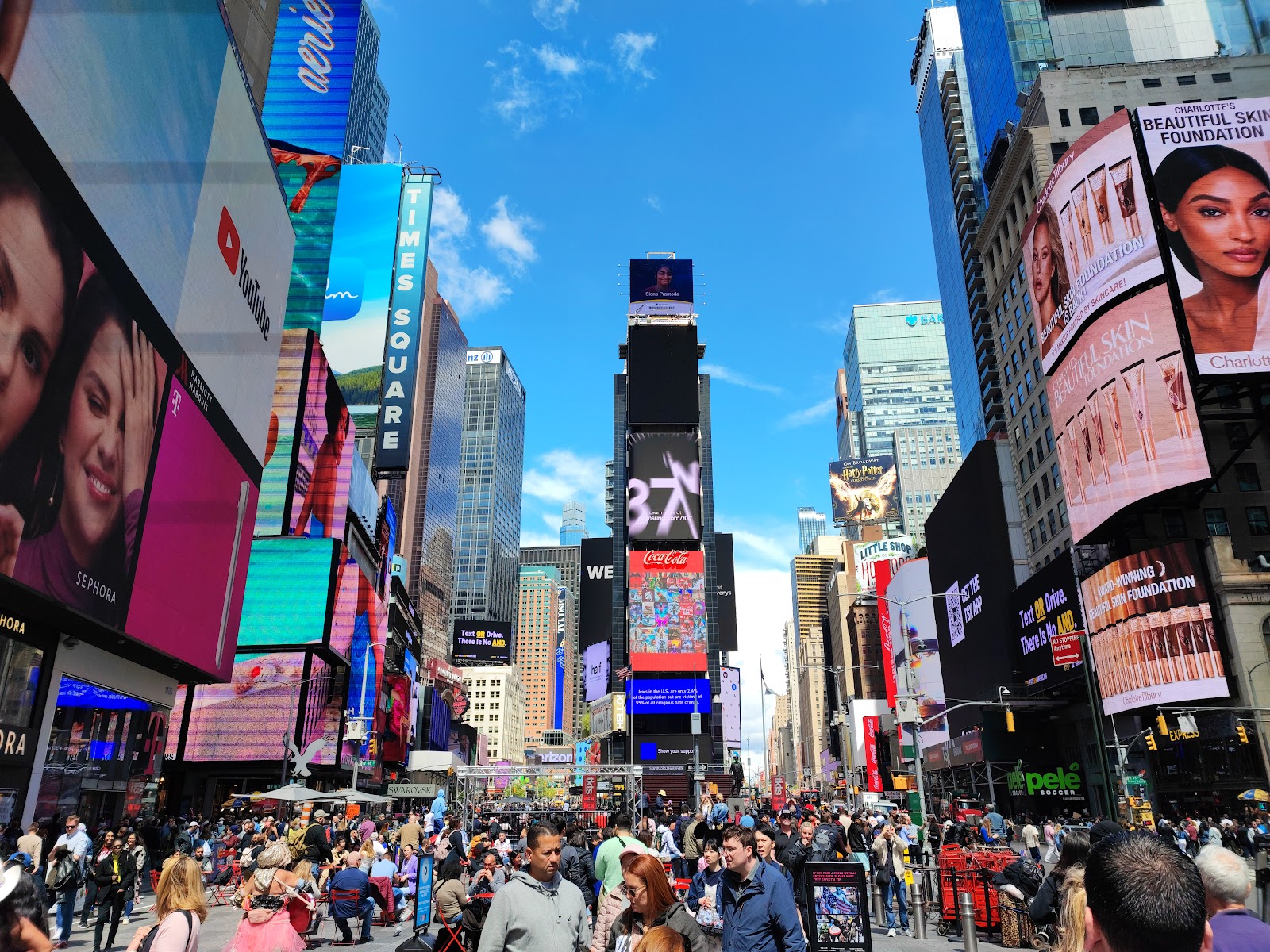
New York City is five boroughs, 36 subway lines, and somewhere north of eight million people conducting their lives at close range. It rewards the specific errand over the general sightseeing loop.
Popular cities in New York City
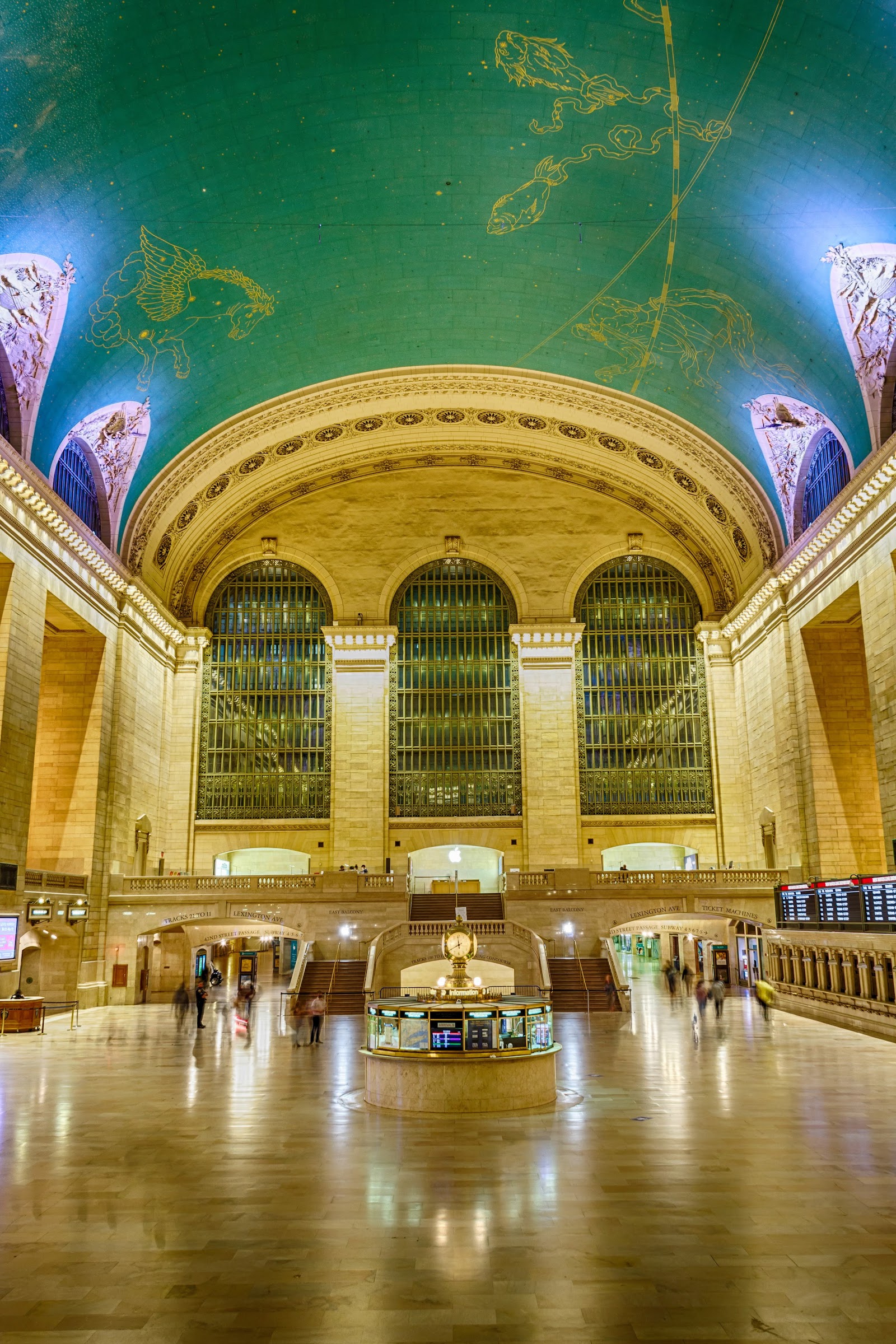
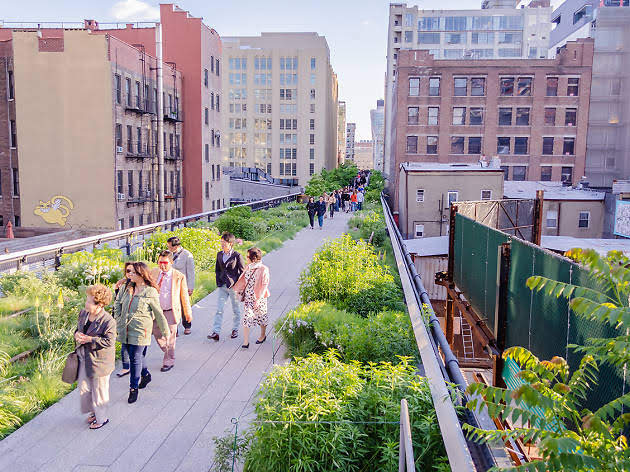
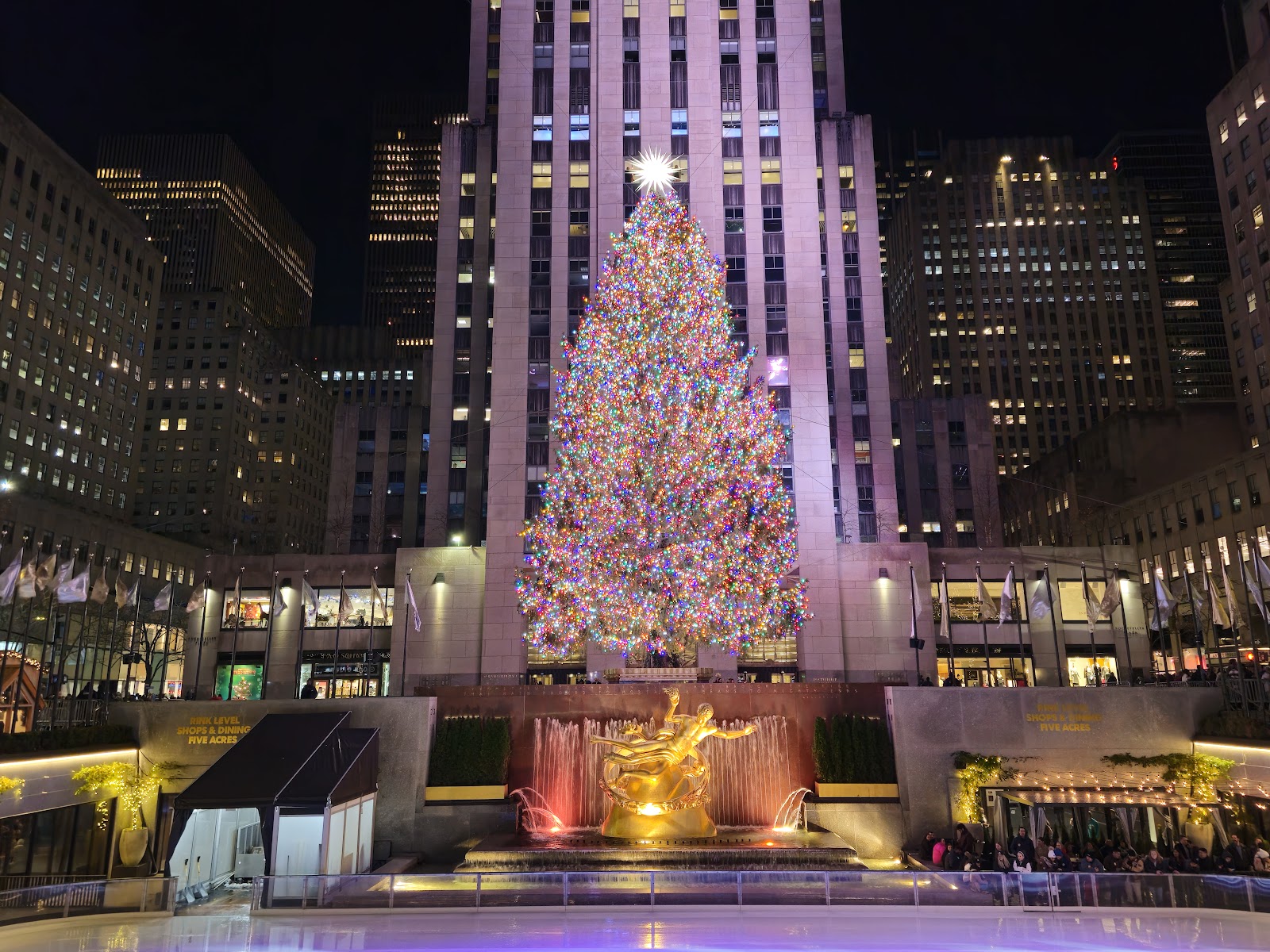

💛 What travellers fall for
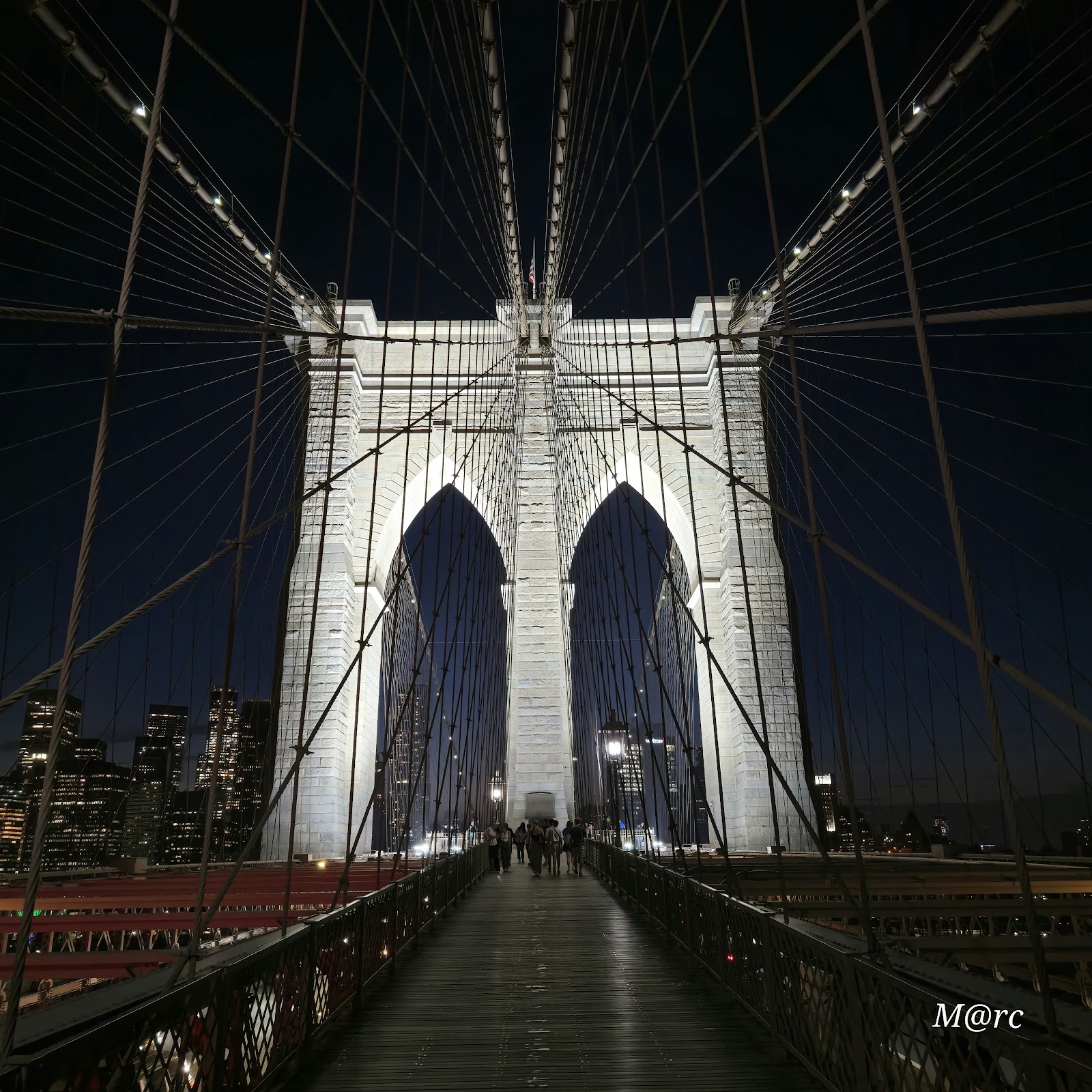
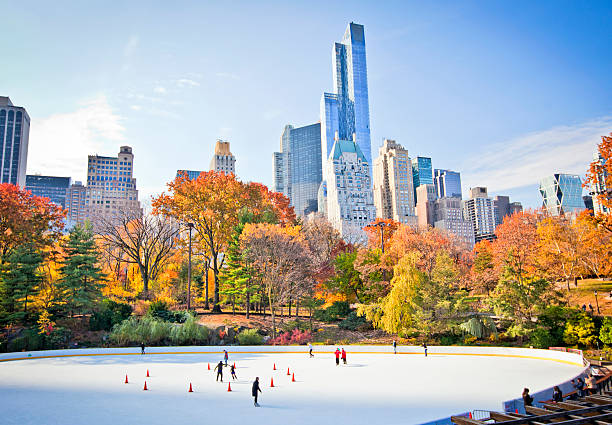
Return visitors tend to stop planning and start moving. Pick one neighbourhood for a morning, one museum for an afternoon, and let the subway handle the gaps — same flat fare whether you're crossing a block or crossing a borough. The MetroCard machines at Penn Station still eat cards without warning, so tap-to-pay on the turnstile saves the argument.
How New York City came to be
The Dutch arrived first, establishing New Amsterdam at the southern tip of Manhattan in 1624. Two years later, Peter Minuit formalised the settlement by purchasing the island. The British seized it in 1664 and renamed it New York, and by 1686 it had become the first city in the colonies to receive a royal charter — the same year Stephanus Van Cortlandt, Manhattan-born, became its first native mayor.
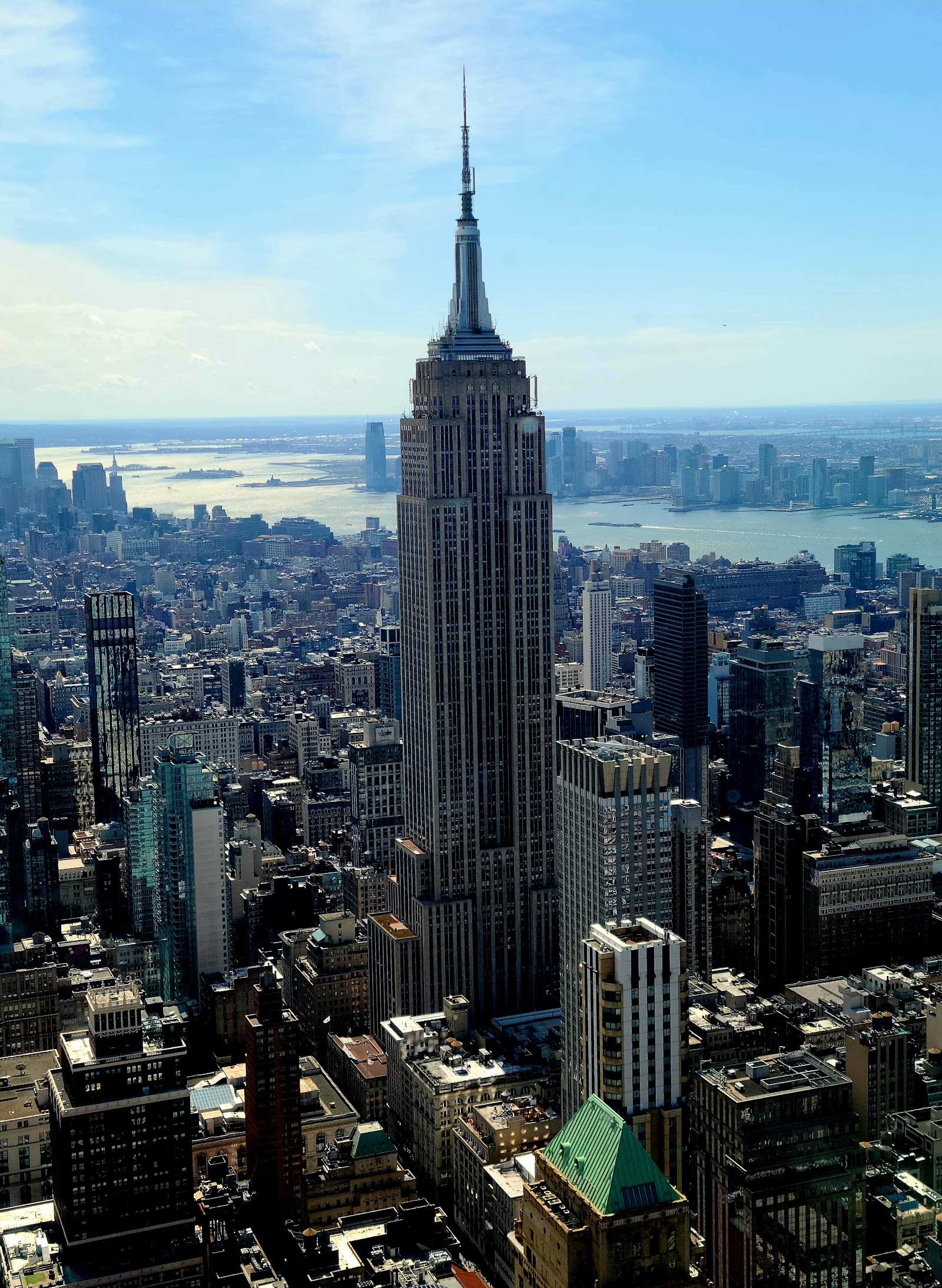
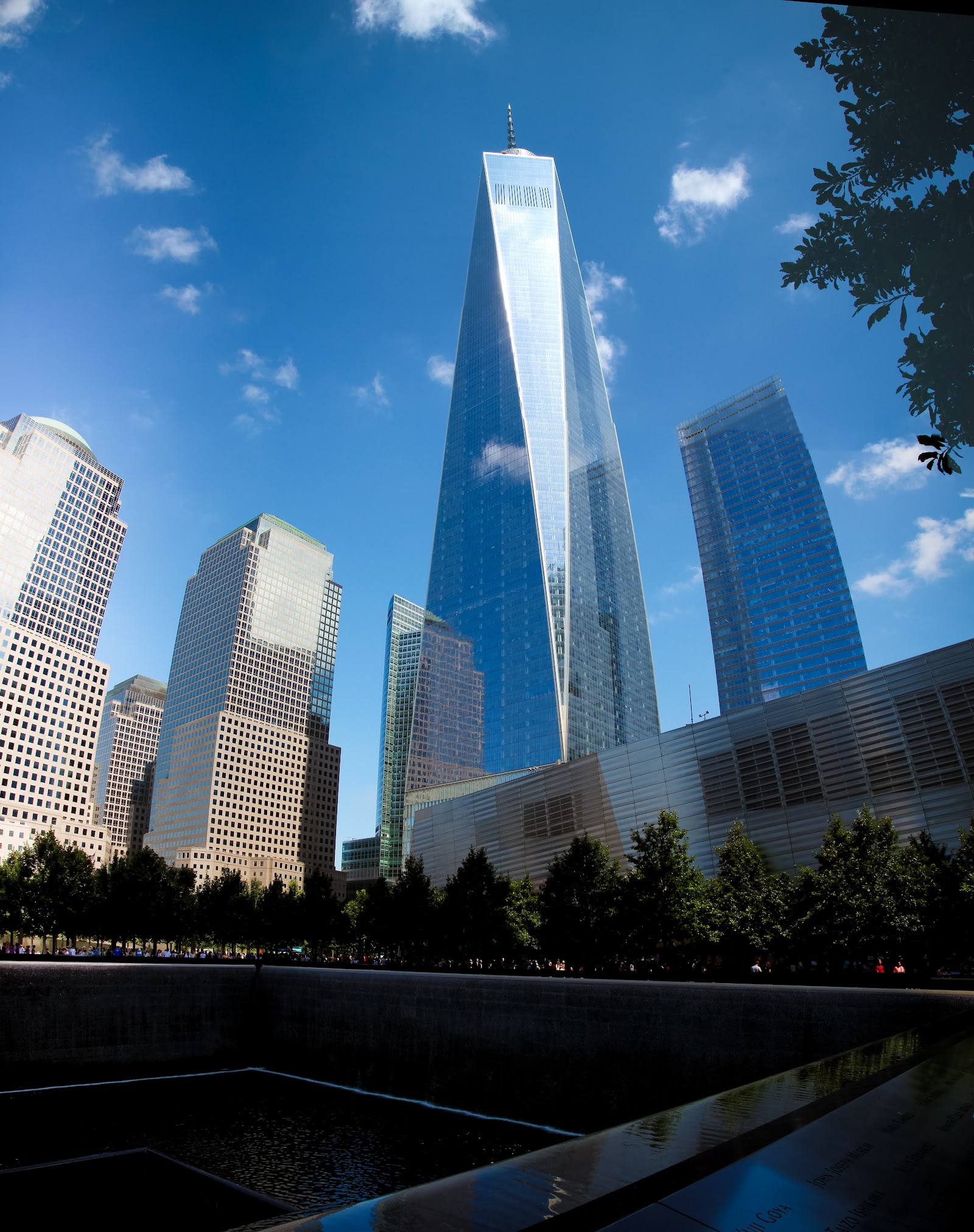
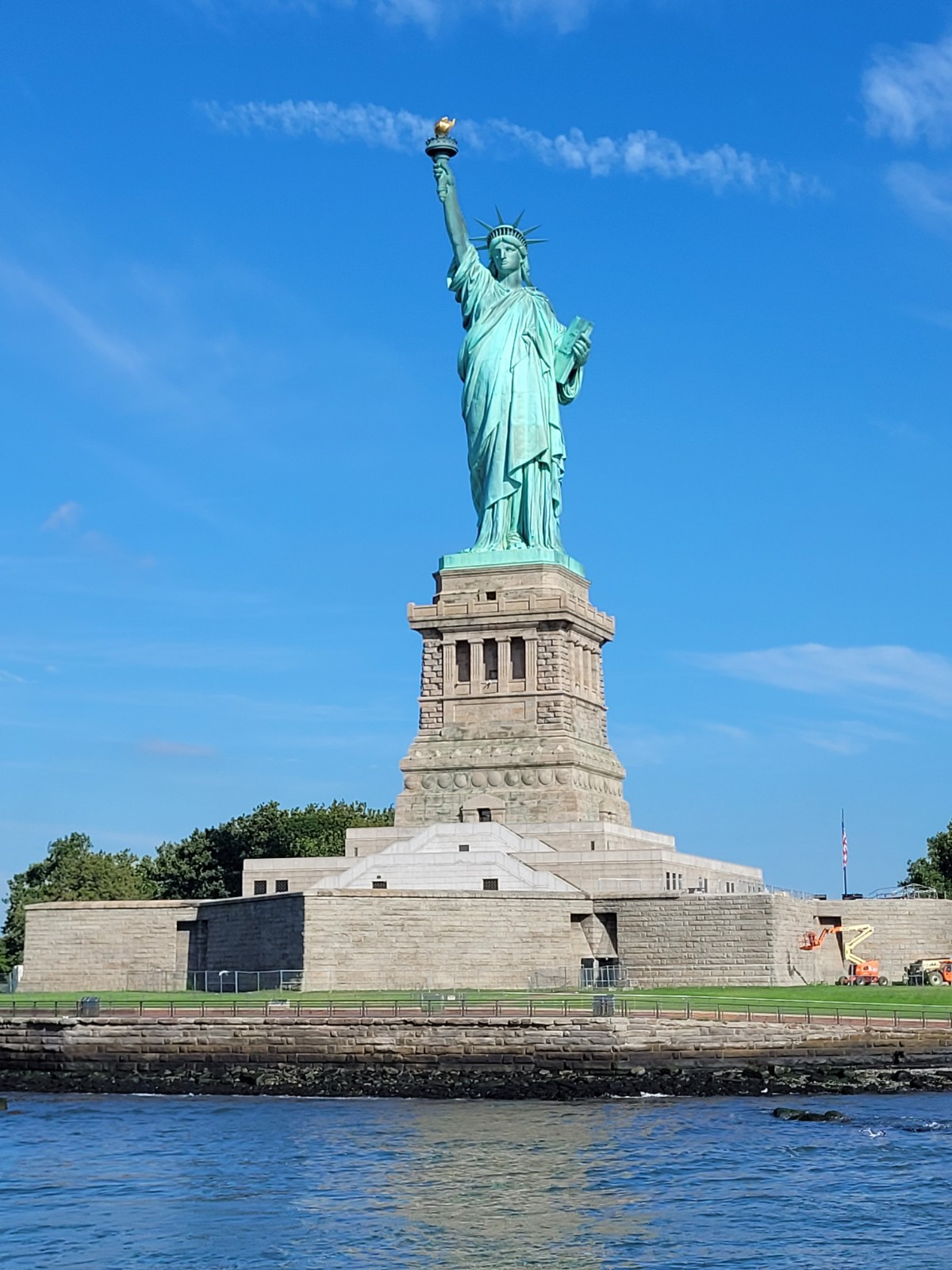
After the Revolution, New York briefly served as the first capital of the United States. The completion of the Erie Canal in 1825 turned it into the commercial hinge of a continent, and the city never relinquished that position. The skyline that resulted — Chrysler in 1930, the Empire State in 1931, One World Trade Center in 2014 — is less a collection of landmarks than a running argument about height and ambition.
Who and what shaped it
People who shaped it
Landmark buildings
See New York City in motion
Plan your visit
On the map
When to go
Summers are hot and humid, winters genuinely cold with occasional heavy snow. The shoulder seasons — April through early June, and September through November — offer clearer skies and temperatures that make walking between neighbourhoods something other than an ordeal.
Right now
↡ Attractions
Background & history adapted from Wikipedia (CC BY-SA) · specs from Wikidata (CC0) · weather from Open-Meteo · map data © OpenStreetMap contributors · photos from Wikimedia Commons / Unsplash with per-image credit. No third-party reviews or social posts reproduced.