
Brooklyn Bridge
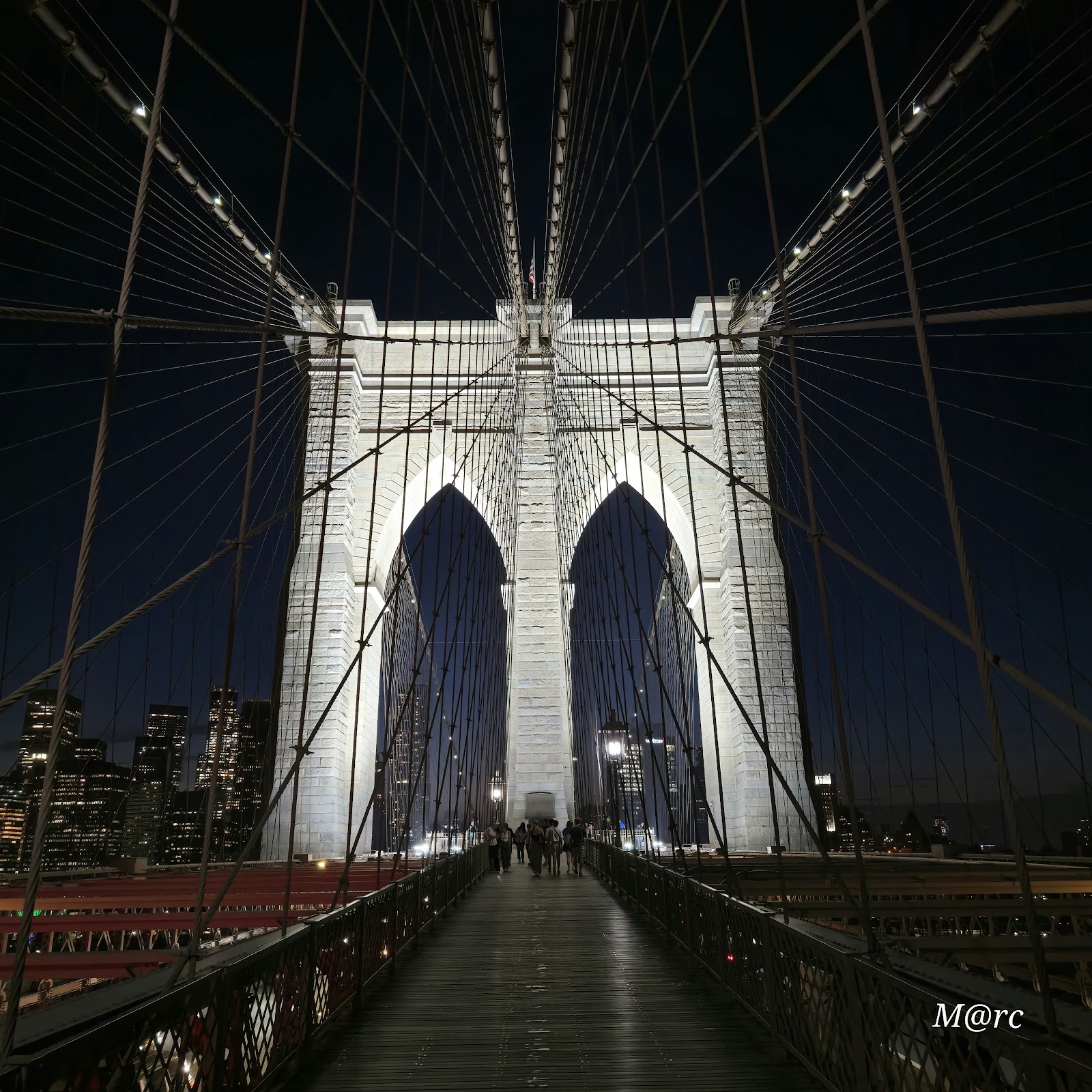
The first thing you notice, stepping onto the promenade, is that the bridge has its own weather system — wind funnelling off the East River, cables humming above you, the granite towers close enough to read the individual stones. Below, over 116,000 vehicles a day thread through the roadway while you walk a raised wooden deck that feels almost contemplative by comparison.
From the midpoint, the geometry opens up completely: Manhattan and Williamsburg Bridges to the north, the Upper Bay stretching south, and on a clear day the outline of the Statue of Liberty in the distance. It is one of the few places in New York City where you can see the whole thing at once.
💛 What travellers fall for
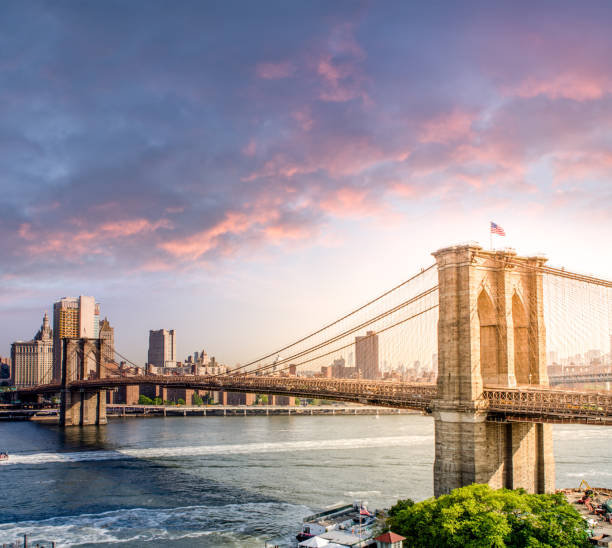
People who cross more than once tend to agree on two things: early morning, before 8am, the bridge belongs almost entirely to cyclists and a handful of photographers chasing low light on the towers. And the Brooklyn-to-Manhattan direction rewards you — you walk toward the skyline the whole way, rather than away from it.
The story behind Brooklyn Bridge
John Roebling designed the bridge after 14 years of planning, but never saw it built. In 1869, while taking compass readings across the East River, a ferry crushed his foot; he died of tetanus three weeks later. His son Washington took over as chief engineer at 32, then spent years bedridden after developing decompression sickness from working in the pressurised underwater caissons.
It was Washington's wife, Emily Warren Roebling, who kept the project moving — learning cable-wire theory, supervising construction on-site, and serving as the essential link between a bedridden engineer and a bridge that was, at the time of its opening on May 24, 1883, the longest suspension bridge ever built. She was given the first ride across the finished span, with a rooster in her lap.
Good to know
Free, open 24 hours. From Manhattan take the 4, 5, or 6 to Brooklyn Bridge–City Hall; from Brooklyn the A, C, or F to High Street. Allow 25–40 minutes at a relaxed pace. Avoid 9am–5pm if crowds bother you; early morning and early evening are the practical sweet spots.
New York winters are genuinely cold on the bridge — wind off the water makes it feel colder than the air temperature, so a proper coat matters from November through March. Summer mornings are the most comfortable; midsummer midday crossings in direct sun can be punishing.
Where is Brooklyn Bridge?
Location
- In New York City
- 40.7061, -73.9969
- Open in Google Maps
Rating
4.8 ★ · 92,364 Google reviews
More tickets & tours for Brooklyn Bridge
Book directly at the provider
What travellers say about Brooklyn Bridge
Walking across the Brooklyn Bridge is an absolute must-do experience for anyone visiting New York City. As one of the most iconic landmarks in the world, the historic stone-and-steel design is an architectural marvel that offers a truly unforgettable way to cross the East River. Whether you are a first-time tourist or a returning visitor, the feeling of walking along the wooden planks with the sweeping skyline in front of you is magical. Here are a few highlights and things to keep in mind: Stunning Views: The panoramic views of the downtown Manhattan skyline, the Statue of Liberty in the distance, and the surrounding harbor are completely breathtaking, making it a perfect spot for photography. The Architecture: Up close, the massive neo-Gothic stone arches and the intricate web of suspension cables are incredible to witness in person. The Crowds: It gets incredibly busy during the day! It is highly recommended to go early in the morning (ideally right at sunrise) if you want a peaceful walk and want to avoid the massive crowds of tourists and vendors. The Walk: There is a dedicated pedestrian walkway elevated above the car traffic. It is a little over a mile long, so make sure to wear comfortable walking shoes and stay mindful of the pedestrian lanes. Overall, it is a magnificent and historic stroll that completely lives up to its legendary reputation. I highly recommend setting aside some time to experience it! A quick tip: If you happen to have walked it from Brooklyn into Manhattan (or vice versa), you might want to specify your route in the review, as walking toward the Manhattan skyline is often considered the best view!
The Brooklyn Bridge is one of the most iconic and beautiful places in New York. Seeing it in real life was even more impressive than I expected. The architecture is stunning, and the views from the bridge are absolutely breathtaking. Walking across it is such a unique experience - you can take your time, enjoy the skyline of Manhattan, and watch the city from a completely different perspective. It’s amazing both during the day and at sunset, when everything looks even more magical. There are always lots of people - tourists taking photos, locals biking or just passing by - but it still feels special and worth it. It’s definitely a must-visit spot that gives you a real sense of the energy and beauty of New York.
The Brooklyn Bridge is one of the most beautiful landmarks in New York City. The views of the Manhattan skyline, the East River, and the surrounding city are breathtaking, especially at sunrise or sunset. Walking across the bridge is a memorable experience with great photo opportunities at every turn. The historic architecture and atmosphere make it a must-visit destination for both tourists and locals. Highly recommended!🌪️🤩
Amazing experience walking back to Manhattan from Brooklyn over the bridge. Get the Metro to Brooklyn and then walk back over the bridge for stunning views of the Manhattan skyline (especially at night) and also the Statue of Liberty in the distance. Ensure you wrap up as the temp drops a good few degrees and it can also be very busy.
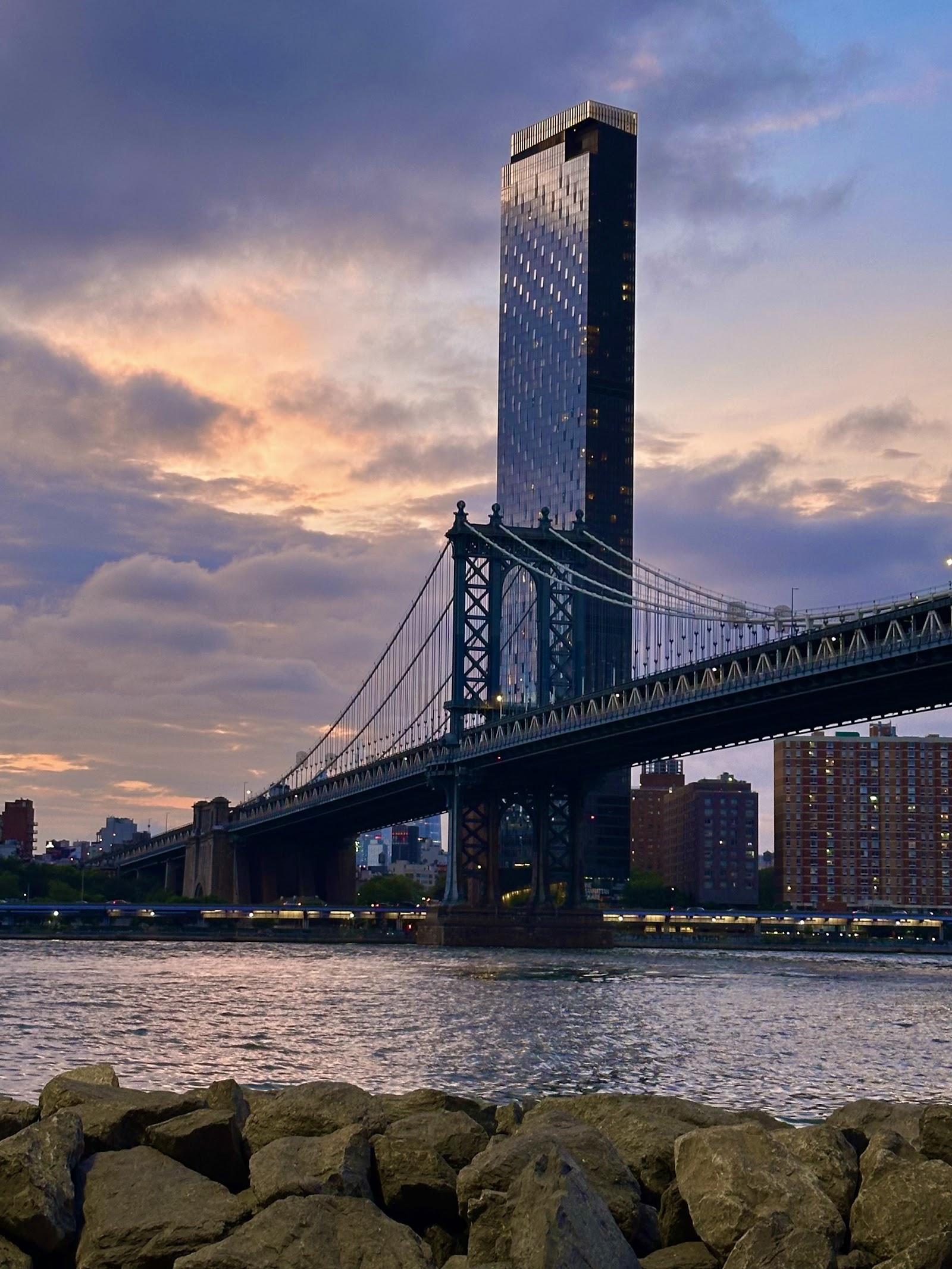
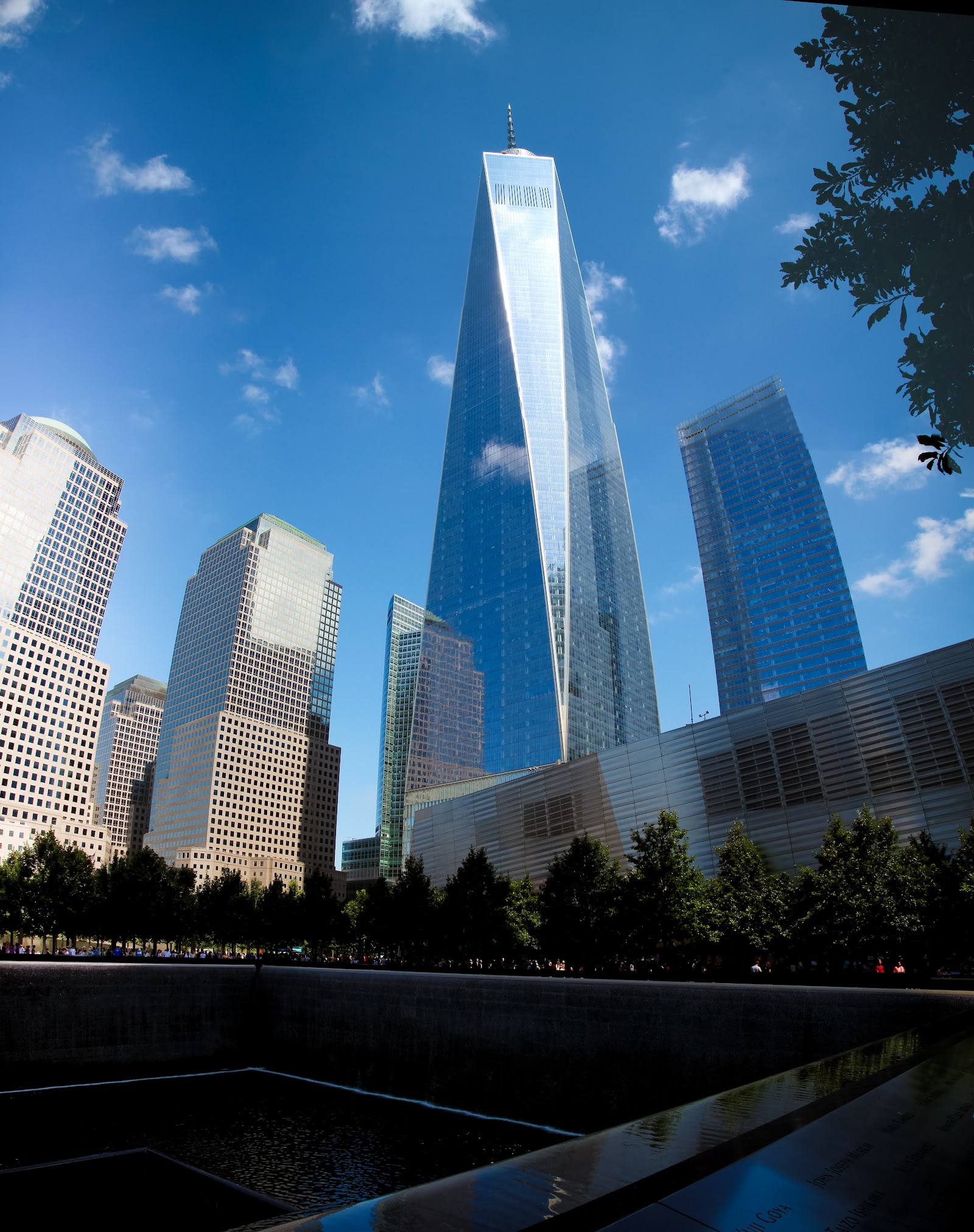
Crossing the Brooklyn Bridge is one of the most iconic experiences in New York City, as you walk along the wooden pathway surrounded by the steel cables, the views of Manhattan, Brooklyn, and the East River unfold in front of you. It feels like stepping into history and at the same time into one of the most photogenic places in the city. Sunrise and sunset are especially magical, when the skyline glows and the bridge itself seems alive. You can begin your walk from Manhattan near City Hall, where several subway lines stop, or from Brooklyn at Tillary Street and Adams Street. The walk across takes about twenty minutes, but most visitors take longer because it’s impossible not to stop for photos. A great tip is to cross into Brooklyn via the Brooklyn Bridge, enjoy the atmosphere in DUMBO and Brooklyn Bridge Park, and then return to Manhattan by walking across the Manhattan Bridge. This way you get two completely different perspectives of the city: the Brooklyn Bridge from afar framed by the Manhattan skyline, and the bustle of Chinatown waiting for you at the end of the Manhattan Bridge. Along the way, you’ll find plenty of Instagram-worthy spots. In DUMBO, the famous view of the Manhattan Bridge framed between old brick buildings on Washington Street is a must. Brooklyn Bridge Park offers wide-open spaces and perfect angles of the skyline. Back on the Manhattan side, you’ll see One World Trade Center rising above the city, and the South Street Seaport with its historic charm.
More of New York City
Discover where to stay, what to do and the best deals for your trip.
Explore New York City →More attractions in New York City
All of New York City →
Background adapted from Wikipedia (CC BY-SA) · map data © OpenStreetMap contributors · ratings & place photos via Google · other photos with per-image credit. Ticket links may earn us a commission at no extra cost to you.