
Empire State Building
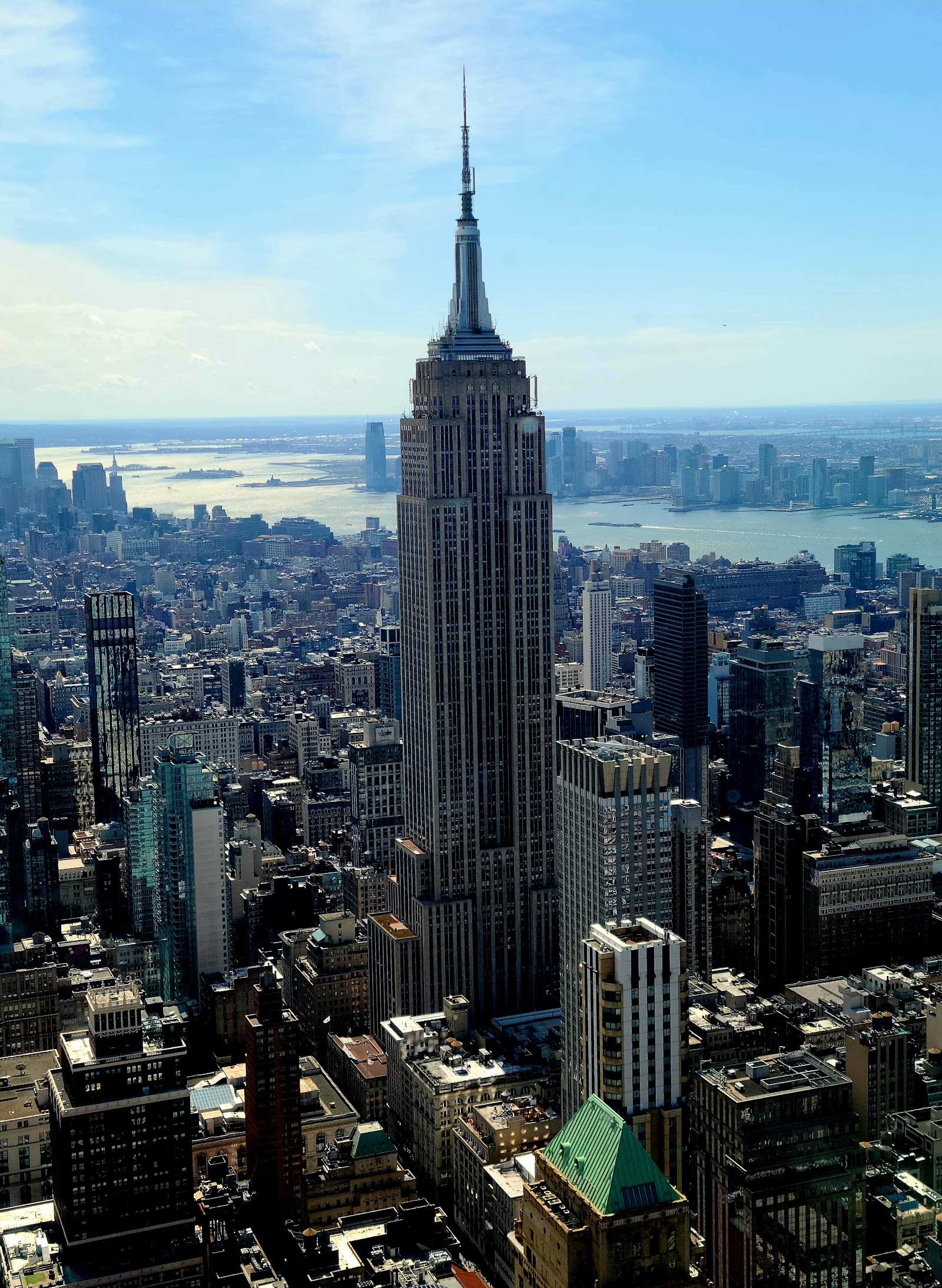
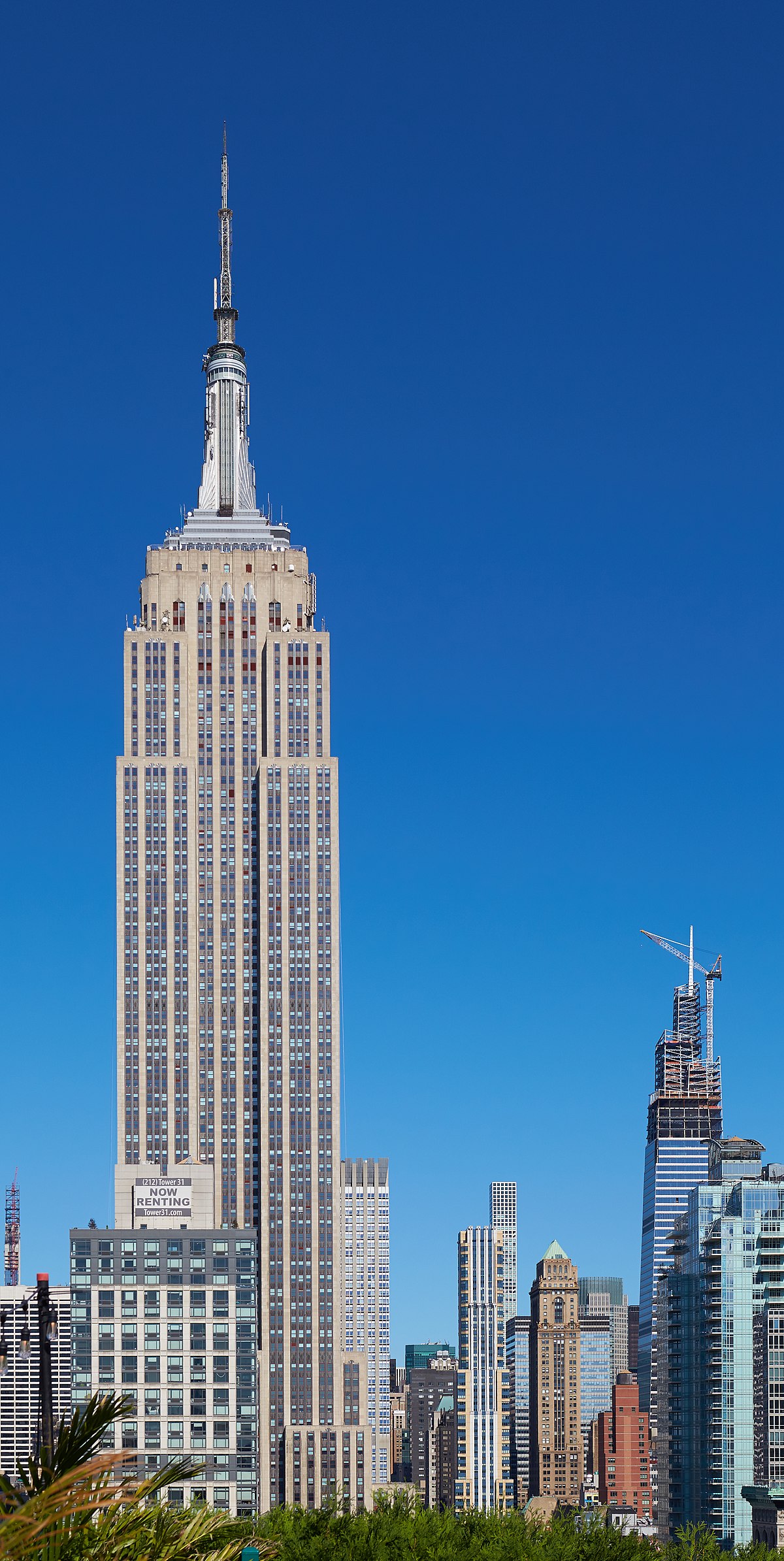
At street level, the Empire State Building's Indiana limestone facade has a particular blonde warmth that photographs never quite capture. You notice it most in the late afternoon, when the light catches the Art Deco detailing and the building stops looking like an icon and starts looking like a thing someone actually built, stone by stone, in 410 days.
The 86th-floor observation deck is open-air, which matters more than it sounds. The wind comes in from the Hudson, the street noise rises faintly from 1,050 feet below, and on a clear day the view extends across six states. The 102nd floor, at the very tip of the original spire, is fully enclosed and reaches 1,250 feet above Fifth Avenue.
💛 What travellers fall for
People who come back tend to time the 86th floor around dusk, when Manhattan's grid shifts from daylit geometry to something else entirely. Book a timed entry for late afternoon, upgrade to the 102nd floor if the day is clear, and arrive at the ticket office on West 34th Street rather than the main entrance to save a few minutes of queue.
The story behind Empire State Building
The site had another life before the steel went in. The original Waldorf–Astoria Hotel opened here in 1893, was sold in 1928 for around $15 million, and closed its doors on May 3, 1929. Empire State Inc. — led by former New York Governor Al Smith and financier John J. Raskob — acquired the plot and moved fast.
Construction began March 17, 1930. Architect William F. Lamb of Shreve, Lamb and Harmon revised the design fifteen times to guarantee the building would top every rival; the team stacked steel at four and a half stories per week. President Herbert Hoover switched on the lights from Washington, D.C., on May 1, 1931 — forty-five days ahead of schedule. The airship mooring spire at the crown was never used for its intended purpose, but the 222-foot antenna added in 1950 gave the building its current silhouette.
Good to know
Take the subway to 34th Street — Penn Station or Herald Square, both a five-minute walk. Tickets start at $44 for the 86th floor; the 102nd-floor upgrade runs $79. Book timed reservations online in advance; all tickets are non-refundable. Budget one to two hours for the decks and the in-building museum.
Where is Empire State Building?
Location
- In New York City
- 40.7484, -73.9857
- Open in Google Maps
Rating
4.7 ★ · 127,631 Google reviews
More tickets & tours for Empire State Building
Book directly at the provider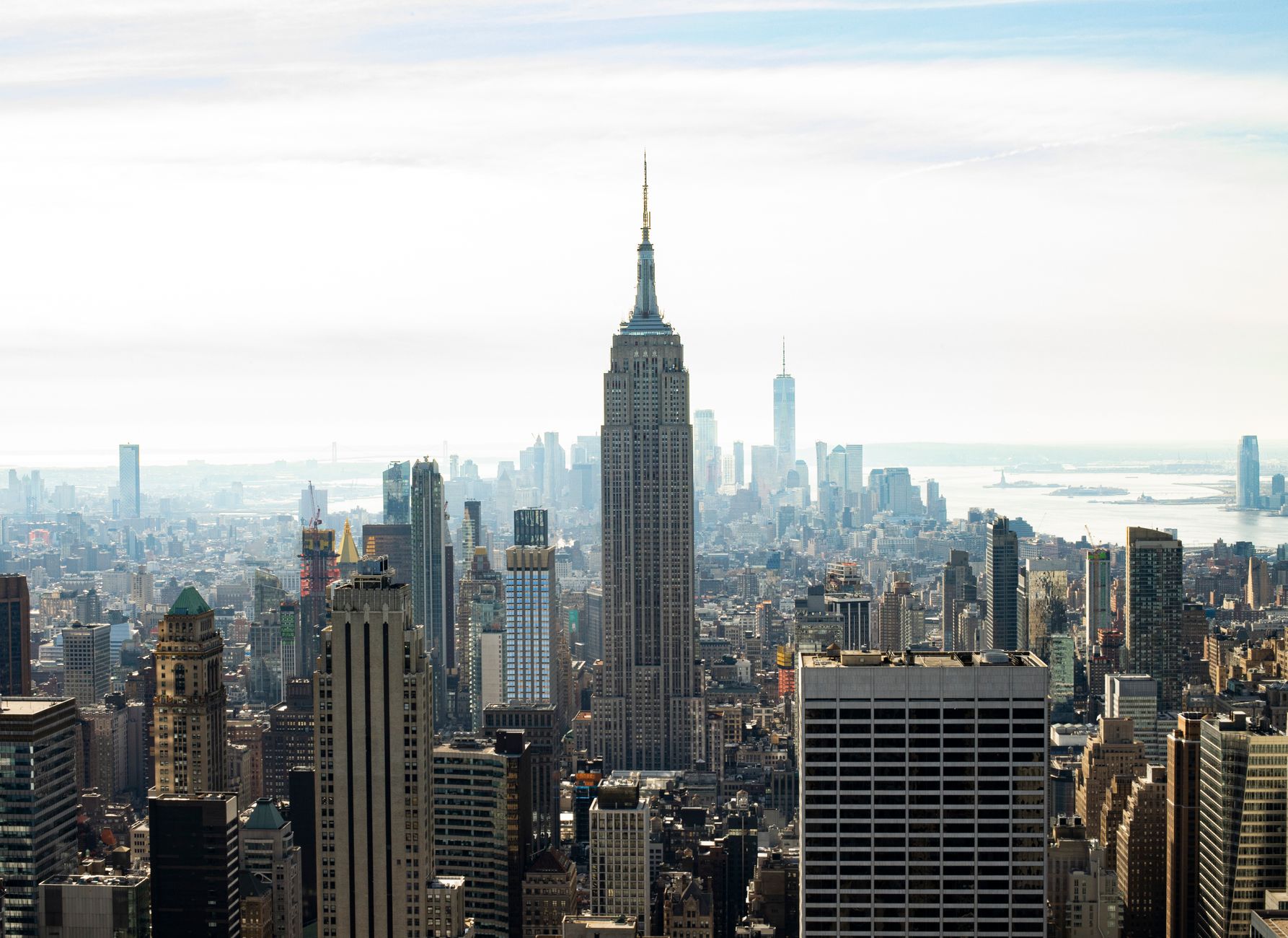
What travellers say about Empire State Building
Reasonably priced and super easy to get in. There is a neat museum but honestly we headed up as soon as we could. The view from the balcony is what we really came to see. And wow! What a view, 360 of the entire city. We loved being able to see so many city landmarks, its was such a great experience to take in. I would recommend to anybody who hasn’t done it yet.
Make sure when you buy the tickets you read which floor you want to go to general tickets only go to the 86 floor which still wasn’t a bad experience. When entering on the second floor to the pathway, there is two employees taking pictures there and they do not ask you if you want to do it or skip it. They simply just tell you to step up to take a picture. I didn’t want to take a picture so I passed it and the guard got mad at me and started yelling stating there’s no reason for me to do that you should wait your turn. I simply said this is my first and last time that I will come here and I did not want to take a picture so I did not think I had to wait in line. Besides that when I did go to the 86 floor, it was a wonderful experience. There was an elevator assistant named Princess. She was just amazing and was full of good vibes. Upon checking out, the lady named Angela assisted me and she had a great conversation very respectful.
The Empire State Building is one of New York City's most iconic skyscrapers. A high-speed elevator ride to the observation deck offers breathtaking panoramic views of Manhattan, with Central Park, the Statue of Liberty, and the Brooklyn Bridge visible in the distance. The view is particularly stunning around sunset, when the city lights gradually illuminate the cityscape, creating a rich and layered spectacle. The building's interior retains its classic Art Deco style, exuding historical charm. Although crowded, the event is well-organized, making it an excellent spot to experience the allure of New York City and capture panoramic views.
One of New York City’s most iconic landmarks and absolutely worth the visit. The view from the top is breathtaking — you get a full panoramic of Manhattan, especially stunning during sunset or at night when the city lights come alive. The organization is excellent, with a smooth flow and minimal hassle despite the crowds. Everything feels well-maintained and thoughtfully arranged, making the whole experience very enjoyable. It may be a classic tourist attraction, but it fully lives up to the hype. A must-visit when you’re in NYC.
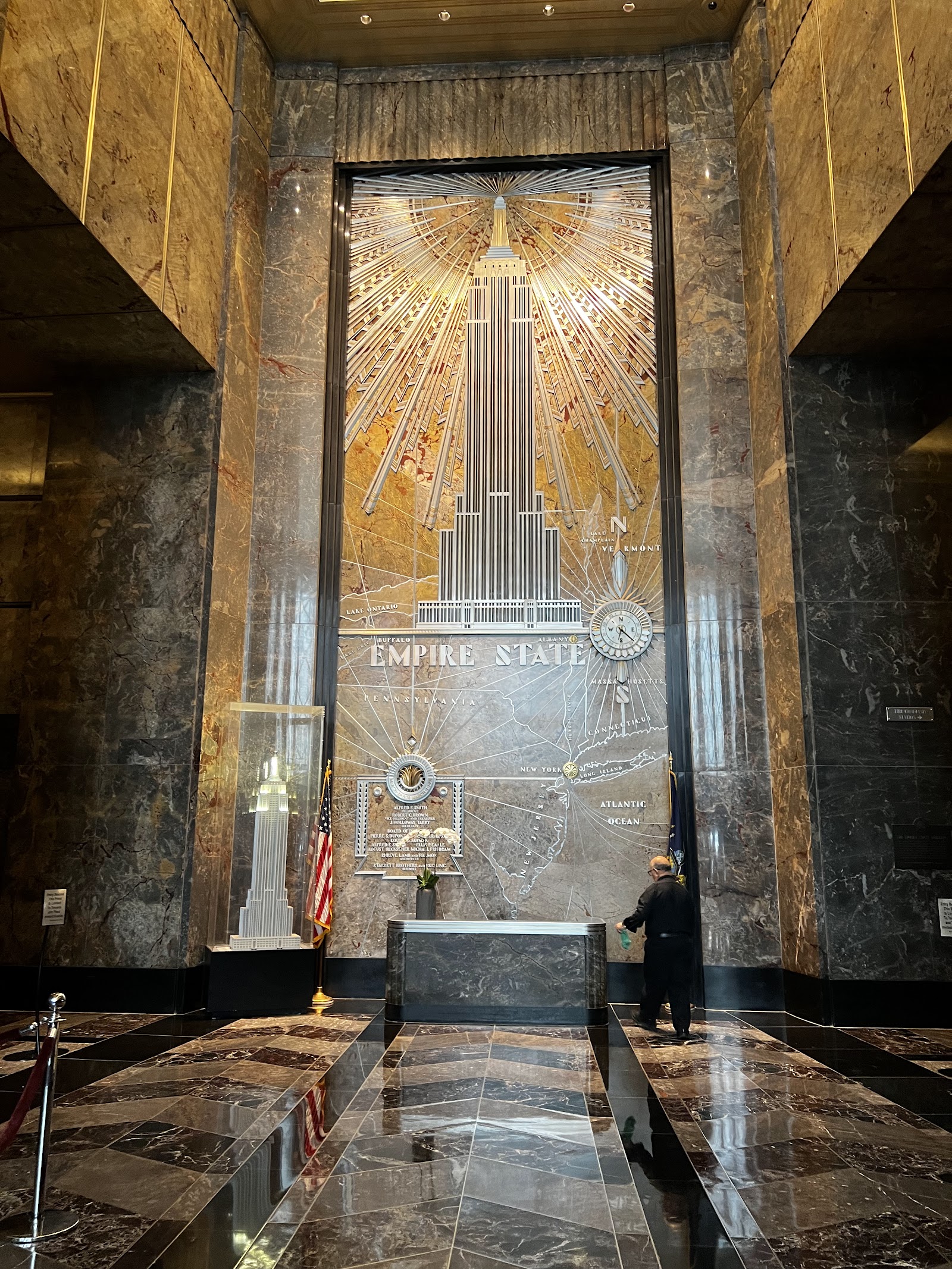
What a fabulous experience! My daughter & I visited on a Thursday evening for the sunset viewing on the 86th floor. The staff wear beautiful uniforms that harken back to the 1930’s. Everyone was very helpful & professional. The inside of the building is just as beautiful as the outside. The video renderings of the construction process are awesome. We would definitely go again.
More of New York City
Discover where to stay, what to do and the best deals for your trip.
Explore New York City →More attractions in New York City
All of New York City →
Background adapted from Wikipedia (CC BY-SA) · map data © OpenStreetMap contributors · ratings & place photos via Google · other photos with per-image credit. Ticket links may earn us a commission at no extra cost to you.