
San Diego
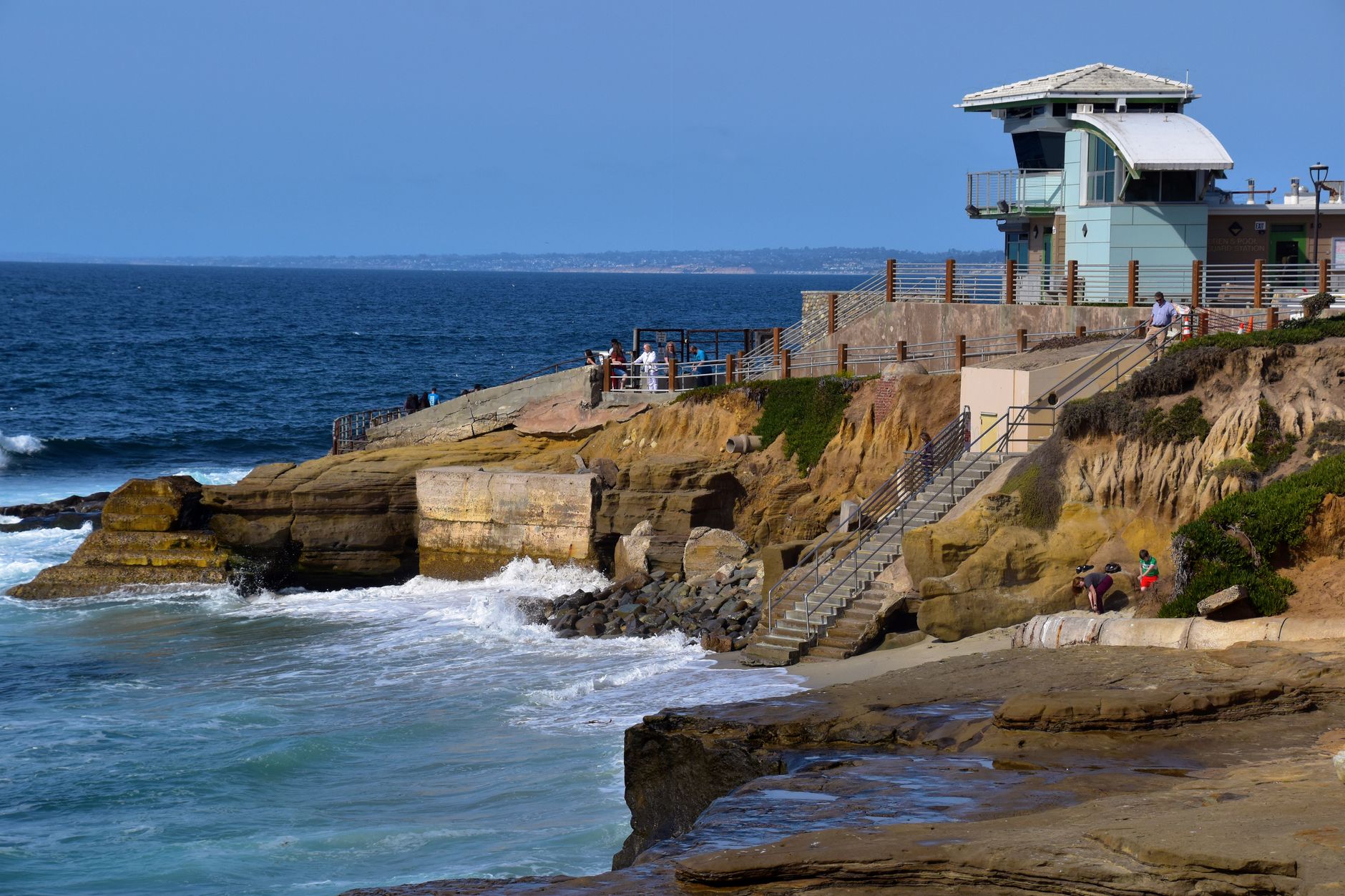
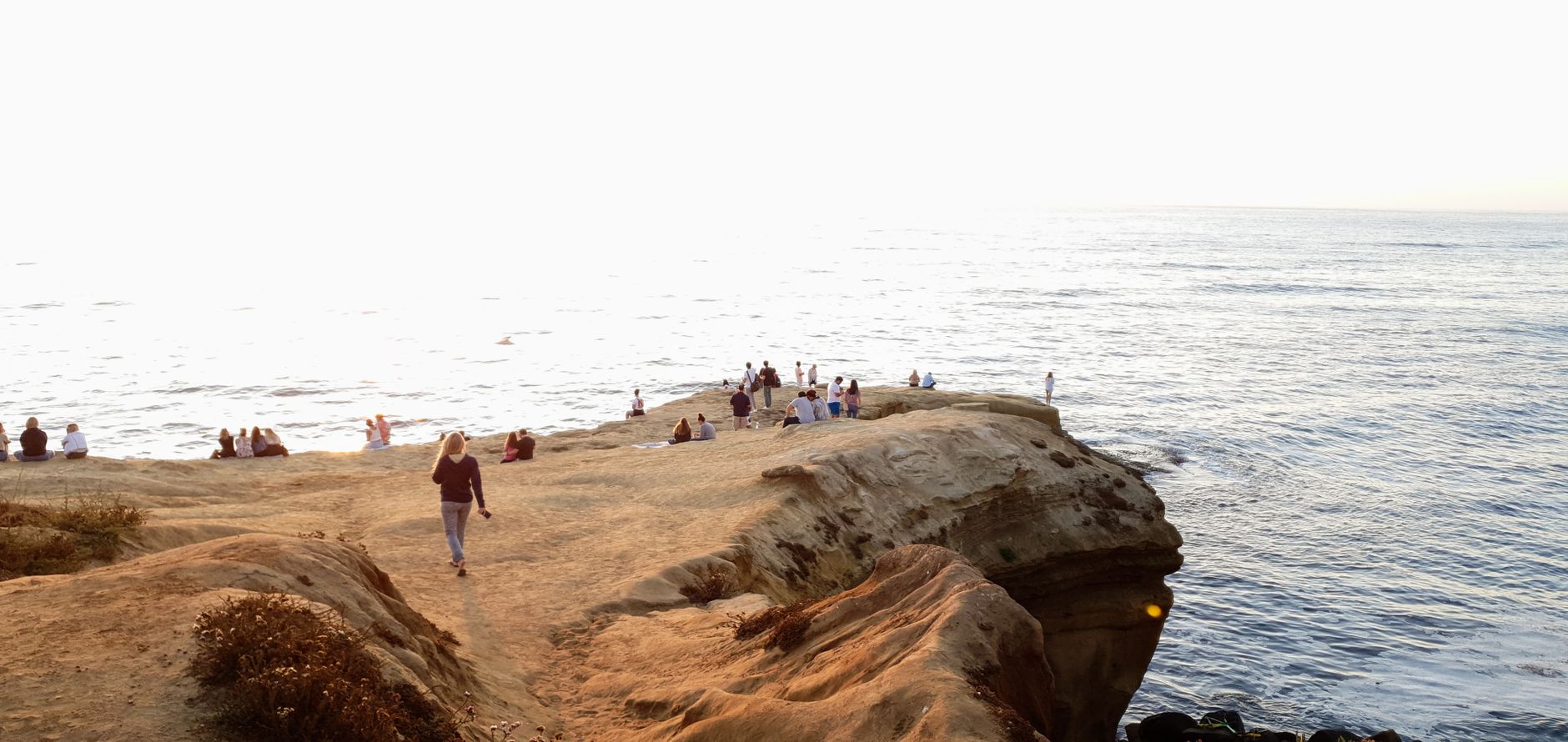
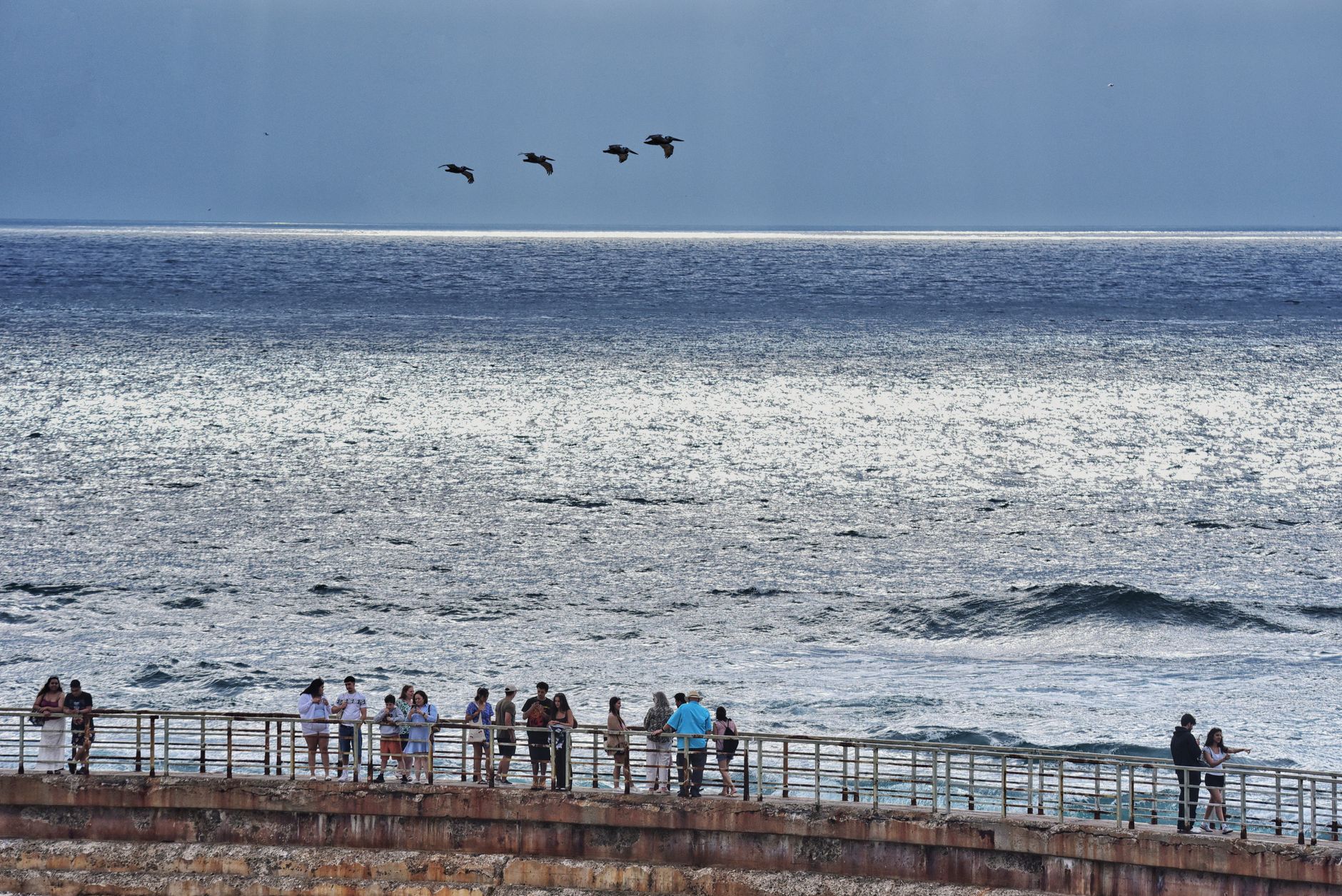
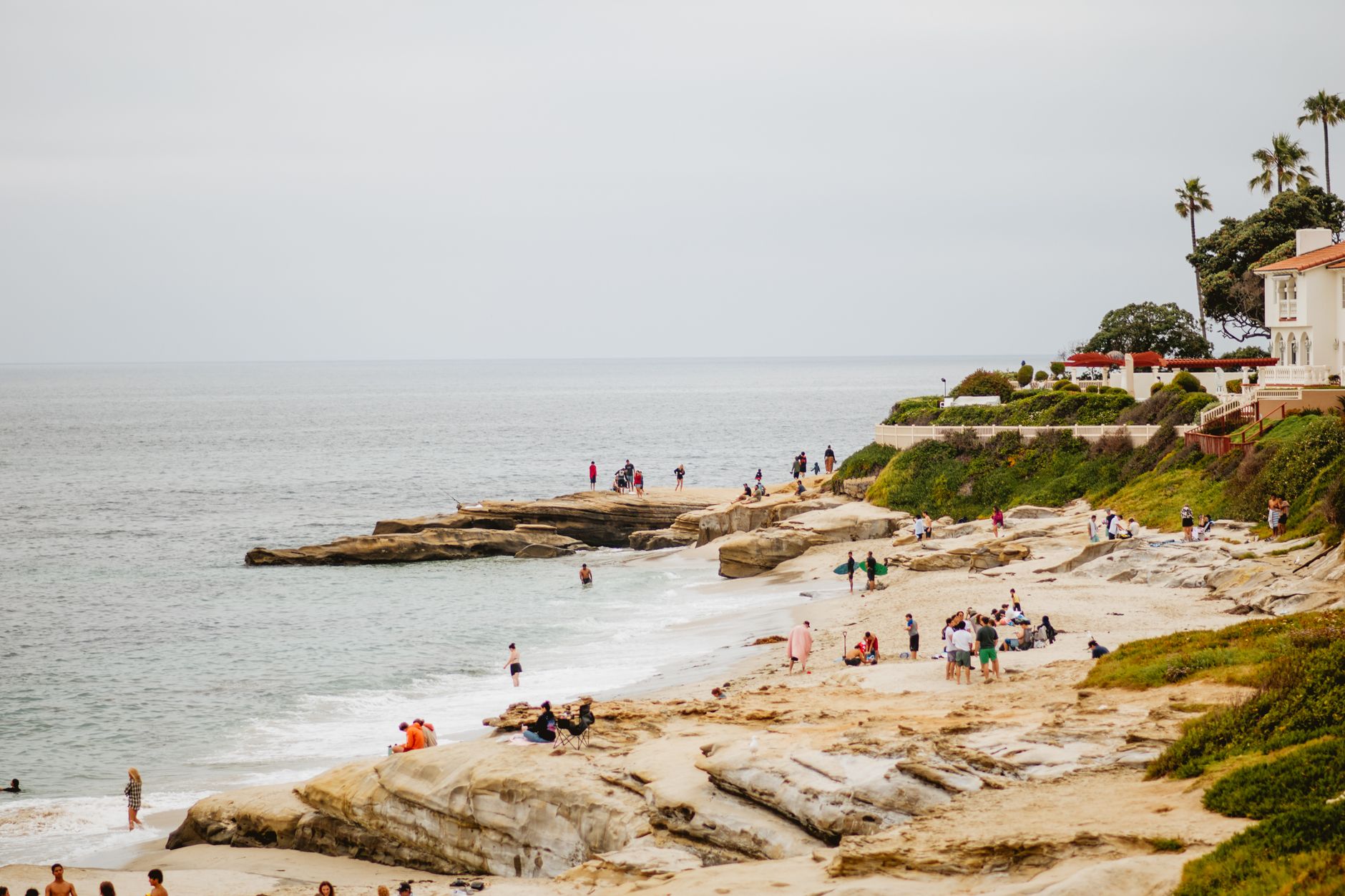
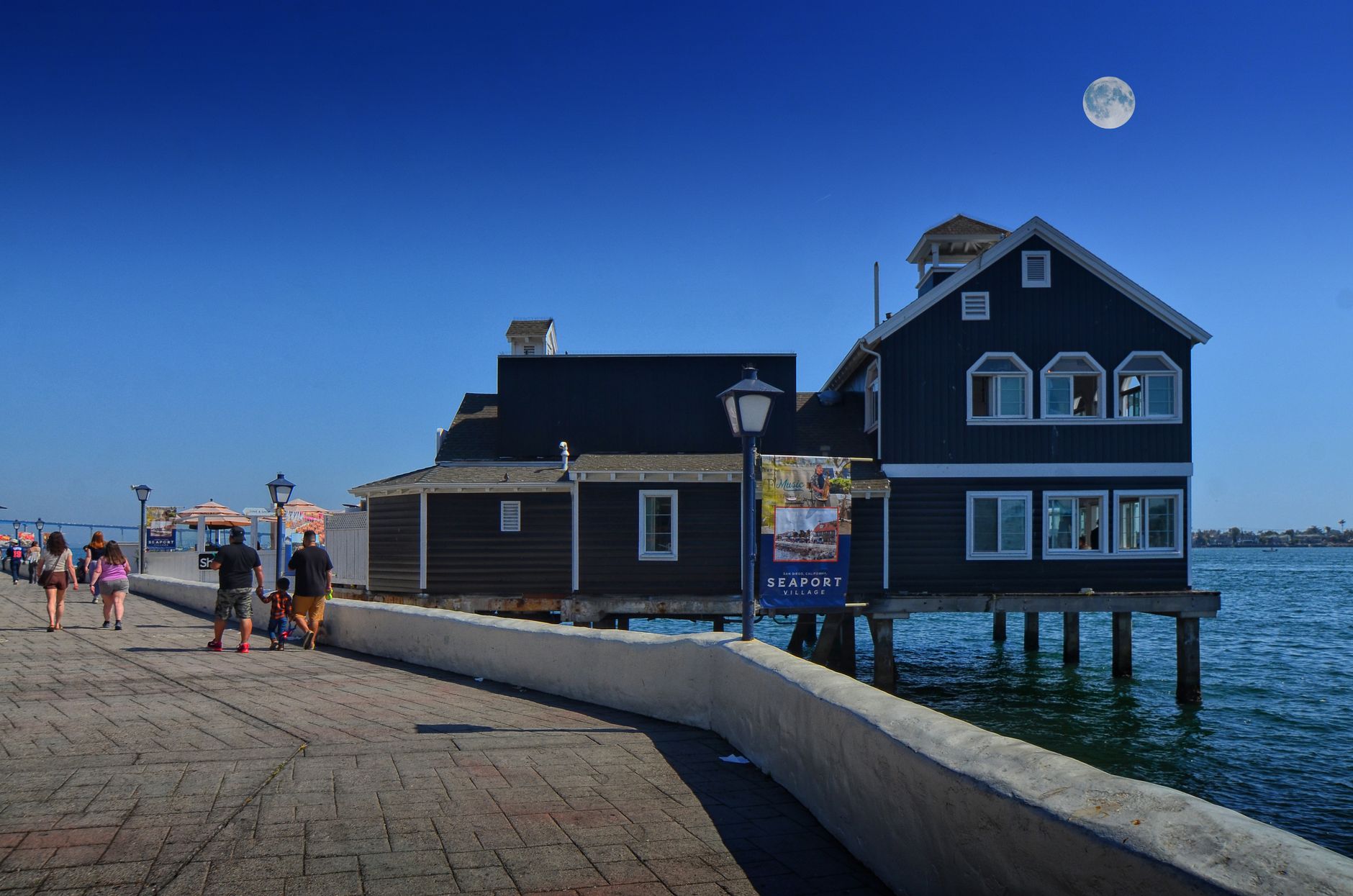
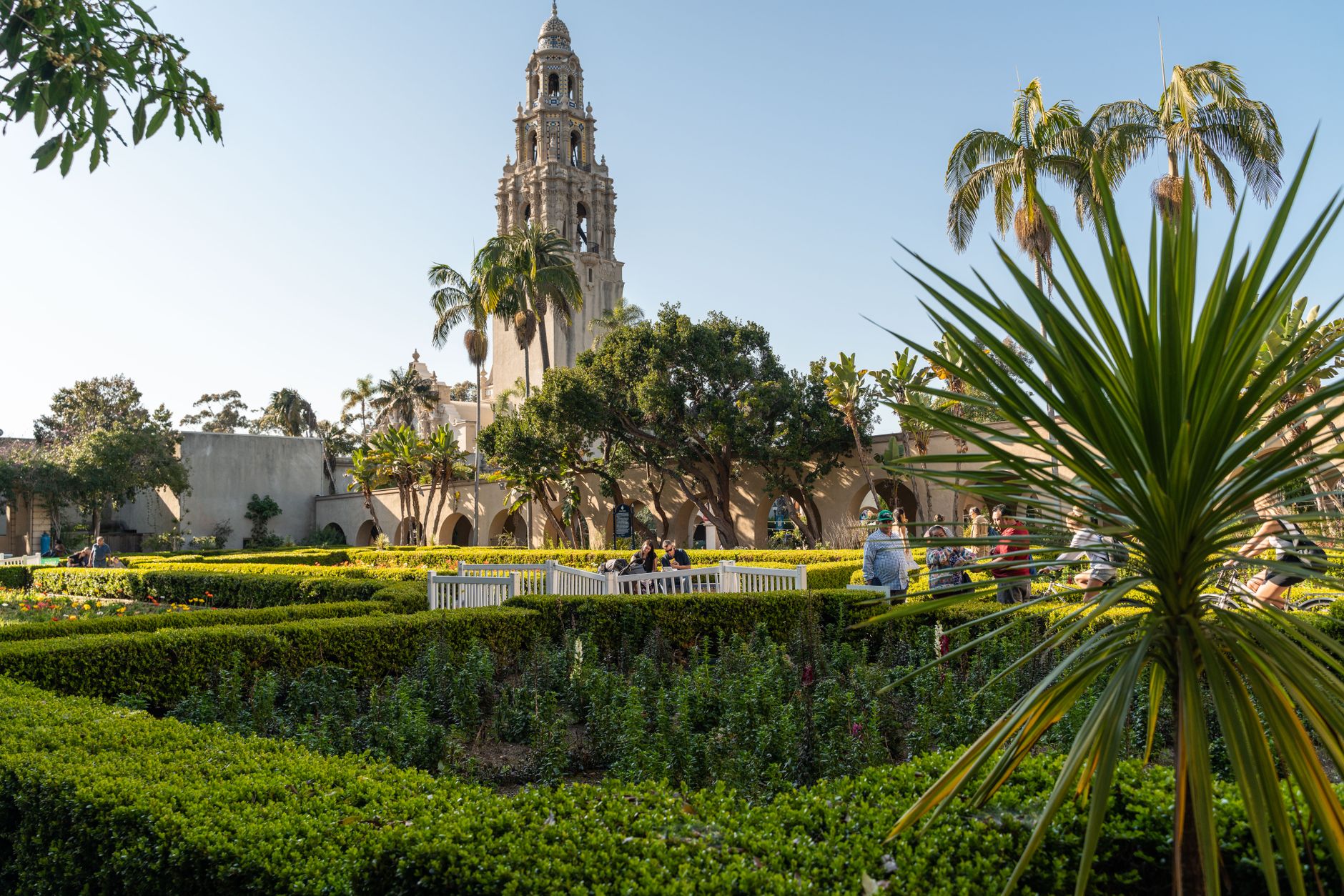
San Diego's light is the first thing you notice — flat, bright, almost shadowless, the kind that makes the bay look painted rather than real. The city sits at the southwestern edge of the continental United States, where the Pacific sets a hard western boundary and the border with Mexico lies just twenty miles south, a fact you feel in the food, the architecture, and the cadence of everyday conversation.
What holds people here is less any single landmark than a particular quality of life that the city has been selling, with justification, since Alonzo Horton laid out its streets in 1867. The tuna canneries are long gone, but the waterfront still organises the city's sense of itself.
💛 What travellers fall for
Regulars tend to steer toward La Jolla for the Salk Institute — Louis Kahn's courtyard opens onto the Pacific in a way that photographs never quite capture. The Blue Line trolley to the border at San Ysidro costs almost nothing and shows you the city's full social geography in under an hour. The Gaslamp Quarter is best on a weekday morning, before the crowds arrive.
Deals in San Diego
Book directly at the provider


How San Diego came to be
Juan Rodríguez Cabrillo sailed into the bay in 1542, claimed it for Spain, and left. Settlement waited two centuries: in 1769 Gaspar de Portolà led the Sacred Expedition north and established the Presidio above the Kumeyaay village of Cosoy, while Junípero Serra — fifty-six years old, arriving by ship — founded Mission San Diego de Alcalá on July 16 of that year, the first of California's missions. The mission moved to its current site in 1774; the present buildings date largely from 1813, with reconstruction work continuing into the 1930s.
San Diego passed from Spain to Mexico in 1821, then to the United States in 1848. It might have stayed a modest port town had Alonzo Horton not bought 960 acres of downtown land cheaply in 1867 and aggressively promoted the climate. The Santa Fe Railway arrived in 1885, sealing the city's growth. By the early twentieth century, San Diego was calling itself the tuna capital of the world — the Pacific Tuna Canning Company opened in 1911 — a chapter largely forgotten now but visible in the bones of the waterfront.
Who and what shaped it
People who shaped it
Landmark buildings
See San Diego in motion
Plan your visit
On the map
When to go
Summers are warm and dry but the coast often sits under marine layer until early afternoon from May through July. The most reliably sunny months are September and October, with temperatures in the low-to-mid twenties Celsius. Winters are mild and rarely wet, though evenings cool quickly.
Right now
Background & history adapted from Wikipedia (CC BY-SA) · specs from Wikidata (CC0) · weather from Open-Meteo · map data © OpenStreetMap contributors · photos from Wikimedia Commons / Unsplash with per-image credit. No third-party reviews or social posts reproduced.