
Washington, D.C.
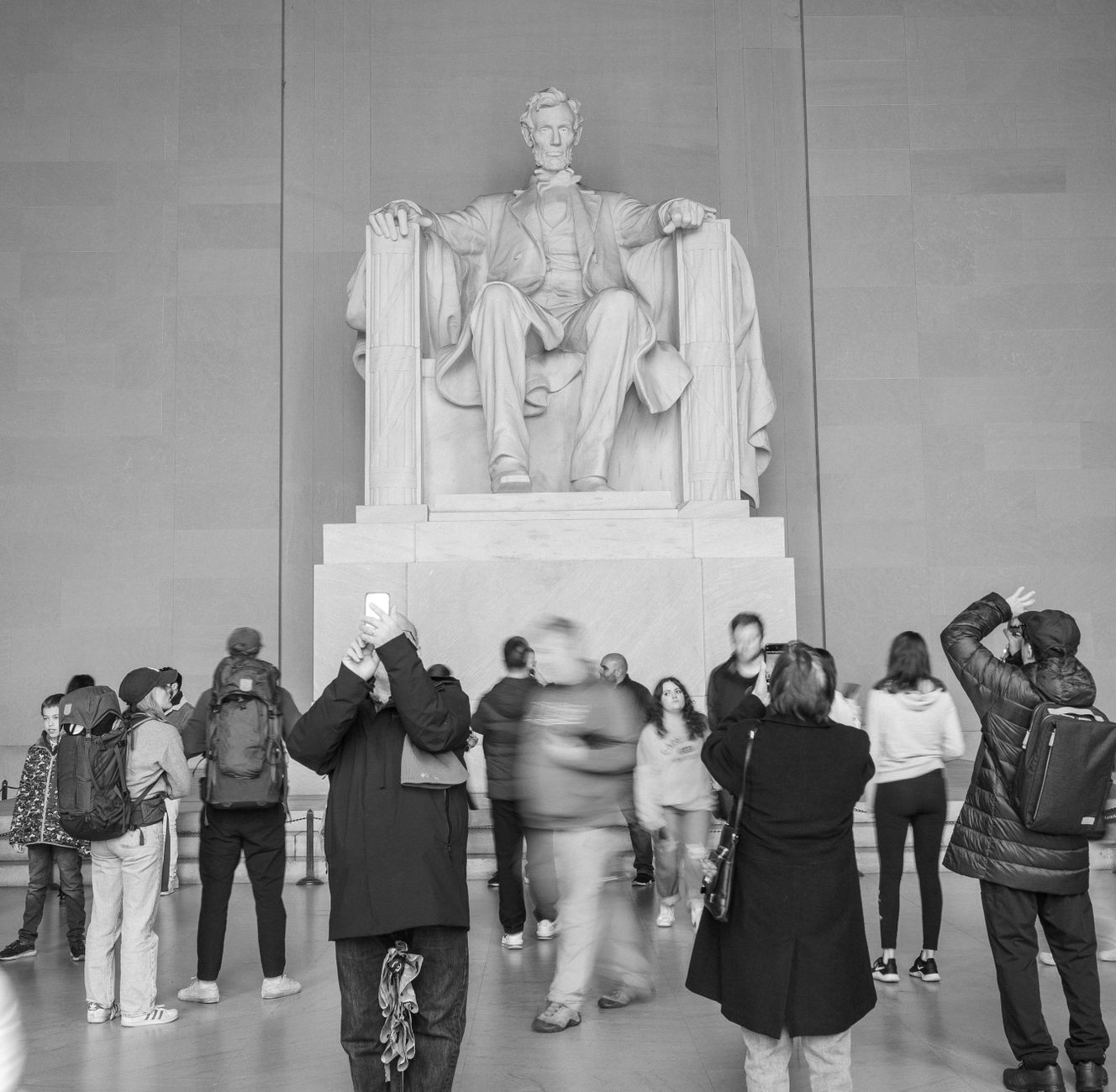
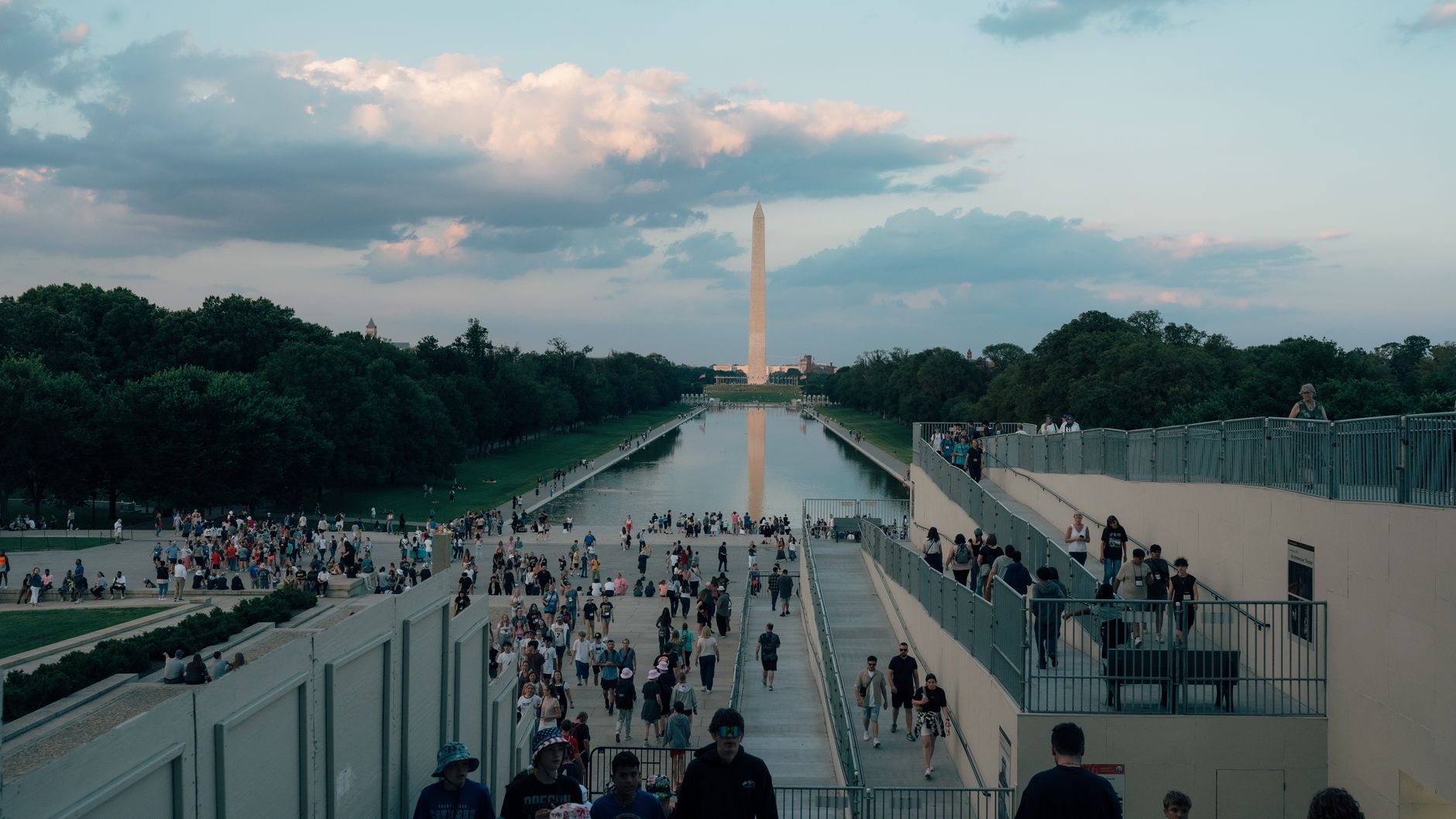
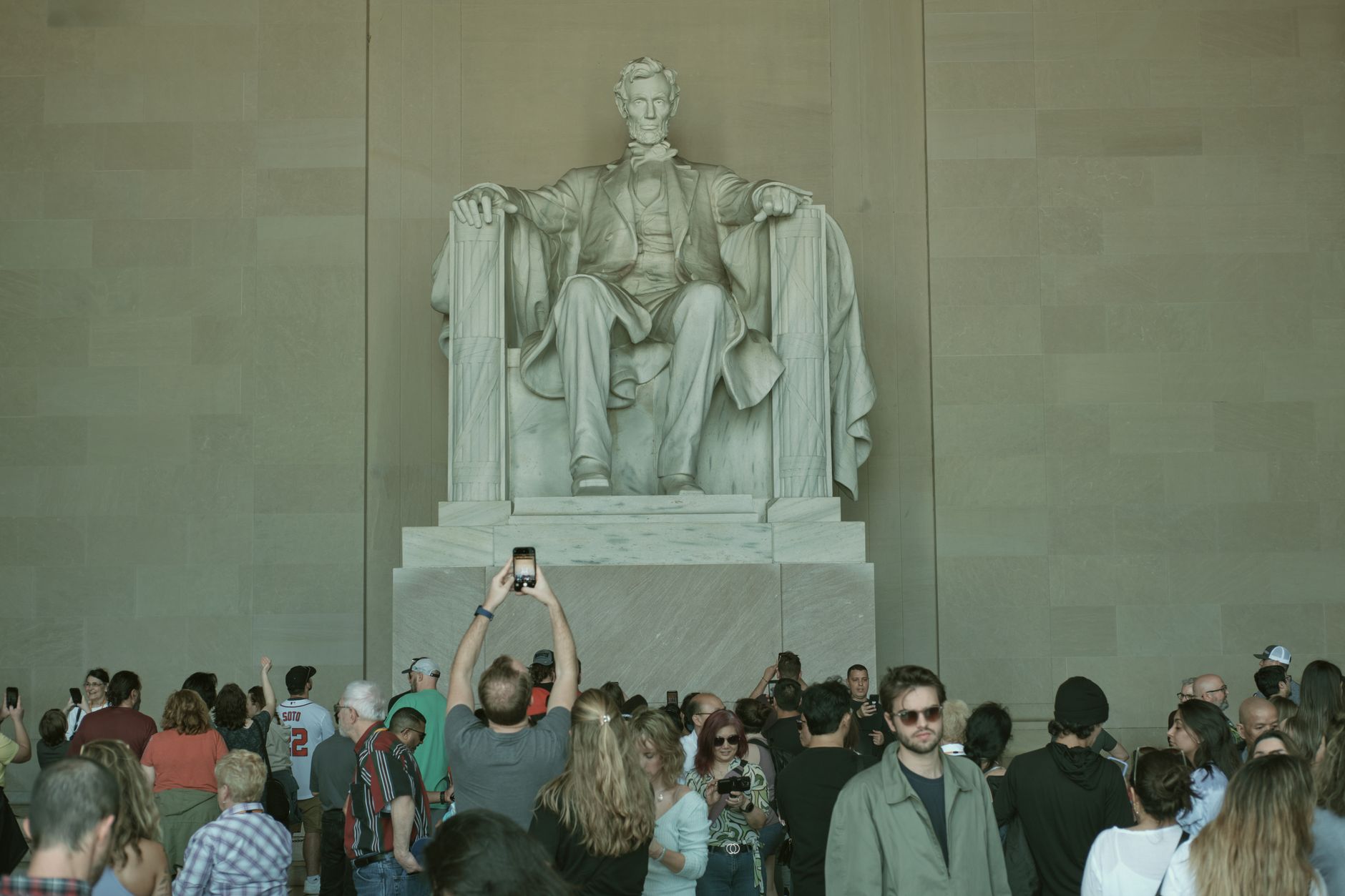
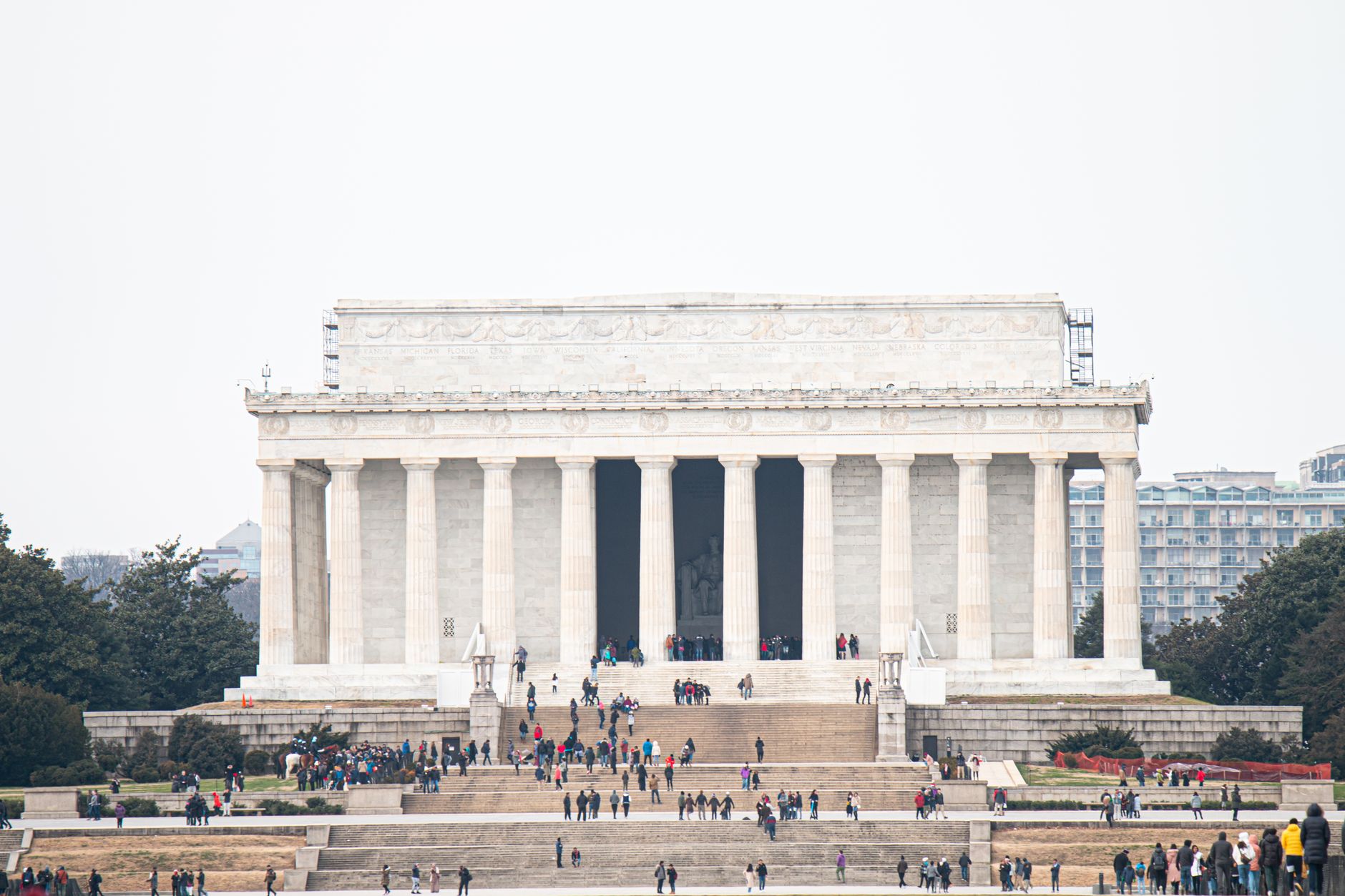
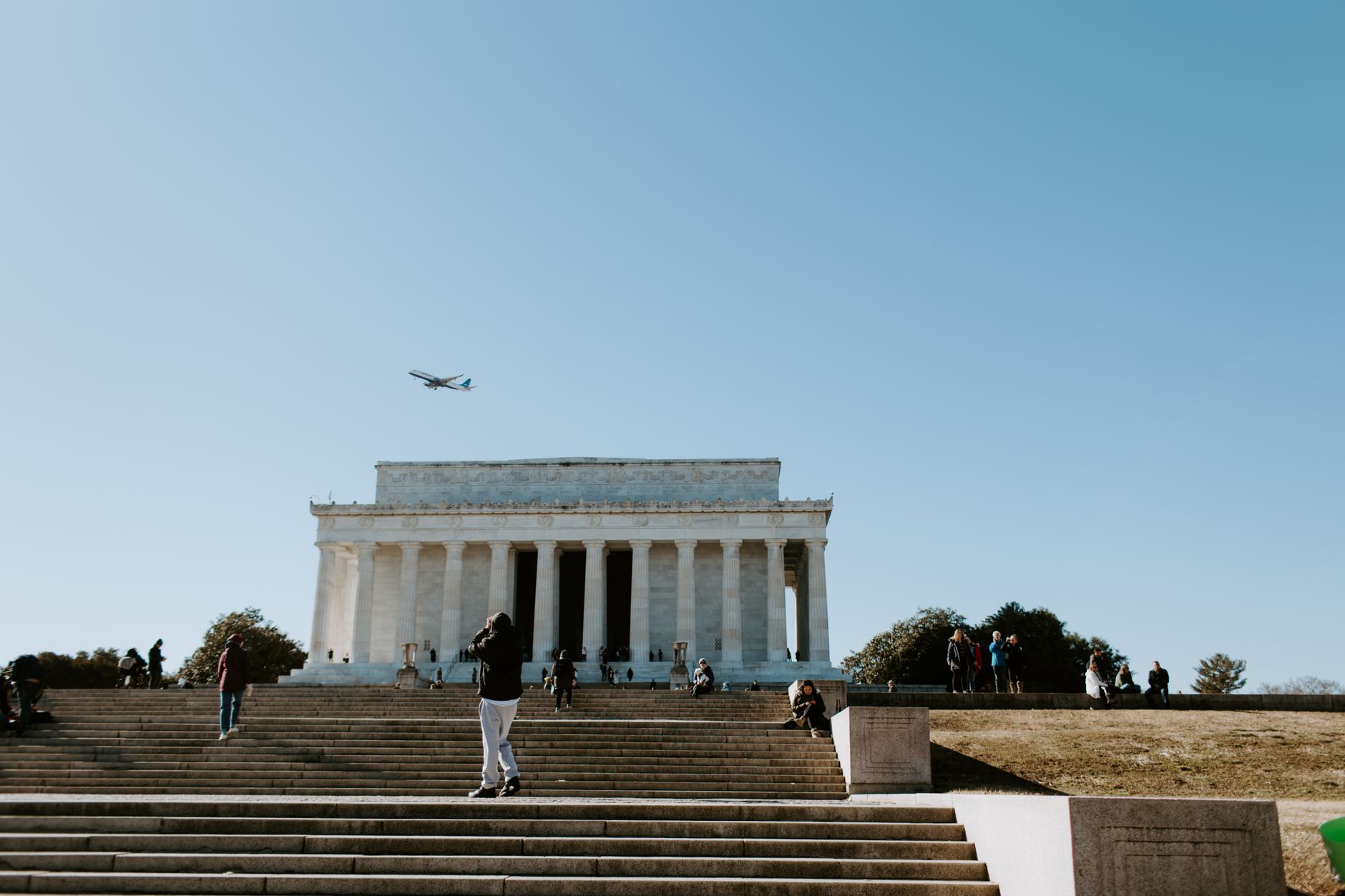
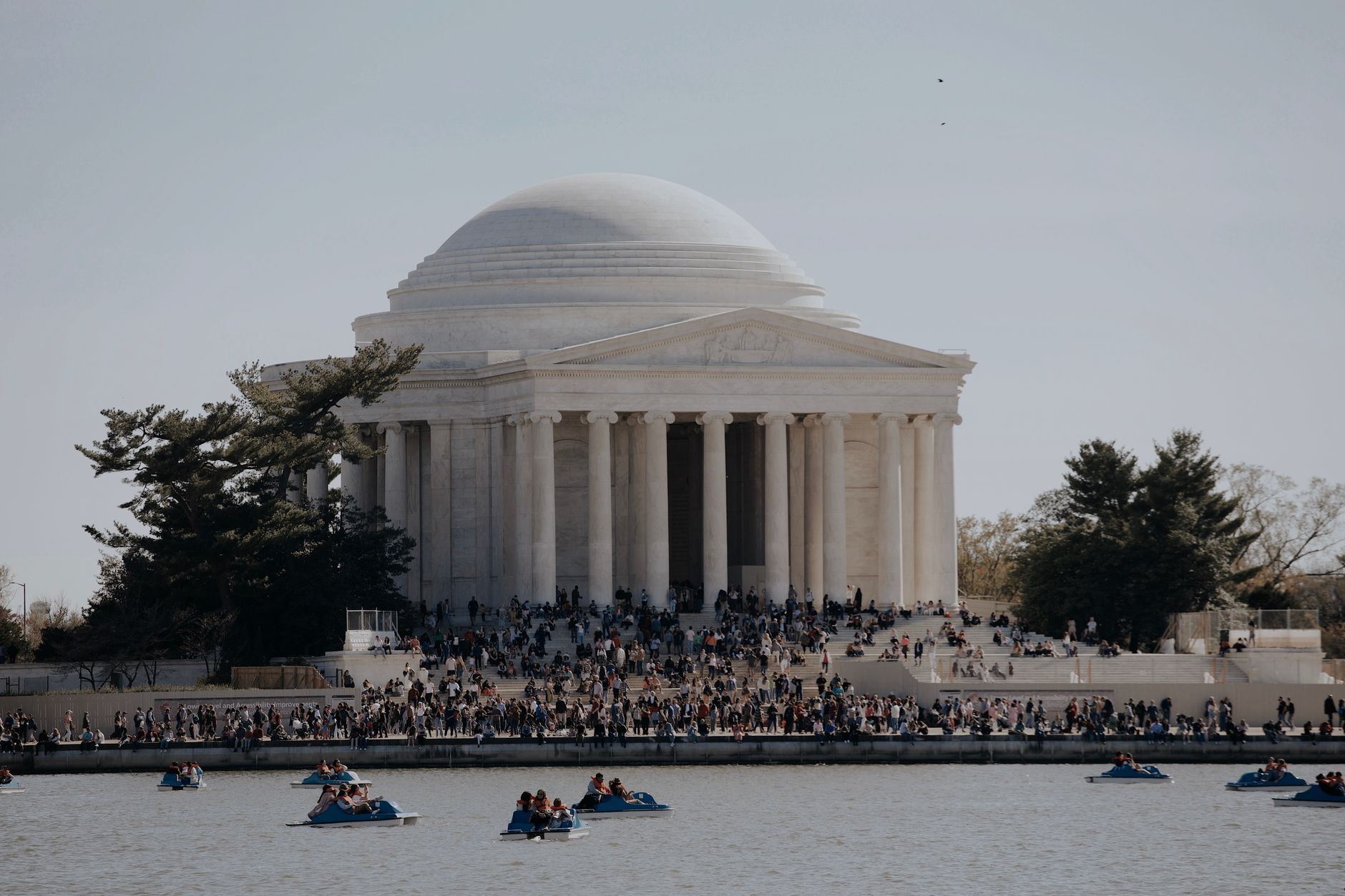
Washington is a city built on an argument — about what a republic should look like, who gets to be remembered, and how much marble it takes to say it. Pierre Charles L'Enfant laid out its diagonal avenues over a grid in 1791, and the tension between those two systems still shapes how you move through it. The Mall stretches nearly two miles from the Capitol to the Lincoln Memorial, lined with museums that charge nothing to enter, and the sheer density of things worth standing in front of can quietly wreck your schedule.
This is also a working city. Neighborhoods like Capitol Hill, Adams Morgan, and 16th Street NW have their own rhythms — corner bars, weekend markets, row houses — that exist at a remove from the monuments. The further you walk from the Mall, the more the city starts to feel like somewhere people actually live.
💛 What travellers fall for
Regulars learn to arrive at the Smithsonian museums right when they open, before the school groups. Eastern Market on a Saturday morning — built in 1873 and still running — is worth the detour east of the Hill. Metro fares drop significantly after 9:30 p.m. and on weekends, which is useful if you're staying more than a couple of days.
How Washington, D.C. came to be
Congress authorized the federal district in July 1790, carved from land donated by Maryland and Virginia — though the Virginia portion was returned in 1847 after Alexandria voted to leave. George Washington appointed L'Enfant to design the city in early 1791; Benjamin Banneker, an African American astronomer whose parents had been enslaved, surveyed the borders and placed boundary stones at every mile. Construction on the Capitol began in 1793, the White House in 1792, and the federal government moved in by 1800.
The city's early history runs darker than its monuments suggest. British forces burned the Capitol and the White House during the War of 1812. Enslaved people in the district were emancipated on April 16, 1862 — nine months before the Emancipation Proclamation. Frederick Douglass lived here after the Civil War, part of a significant African American community whose presence shaped the city's culture, including the early career of Duke Ellington, born and raised in Washington.
Who and what shaped it
People who shaped it
Landmark buildings
See Washington, D.C. in motion
Plan your visit
On the map
When to go
Summers are genuinely hot and humid, with temperatures regularly above 90°F (32°C); spring brings famous cherry blossoms but also peak crowds. Winters are cold but mild enough that outdoor monuments remain accessible most days, and the Mall is far quieter from December through February.
Right now
Background & history adapted from Wikipedia (CC BY-SA) · specs from Wikidata (CC0) · weather from Open-Meteo · map data © OpenStreetMap contributors · photos from Wikimedia Commons / Unsplash with per-image credit. No third-party reviews or social posts reproduced.