
Grand Canyon
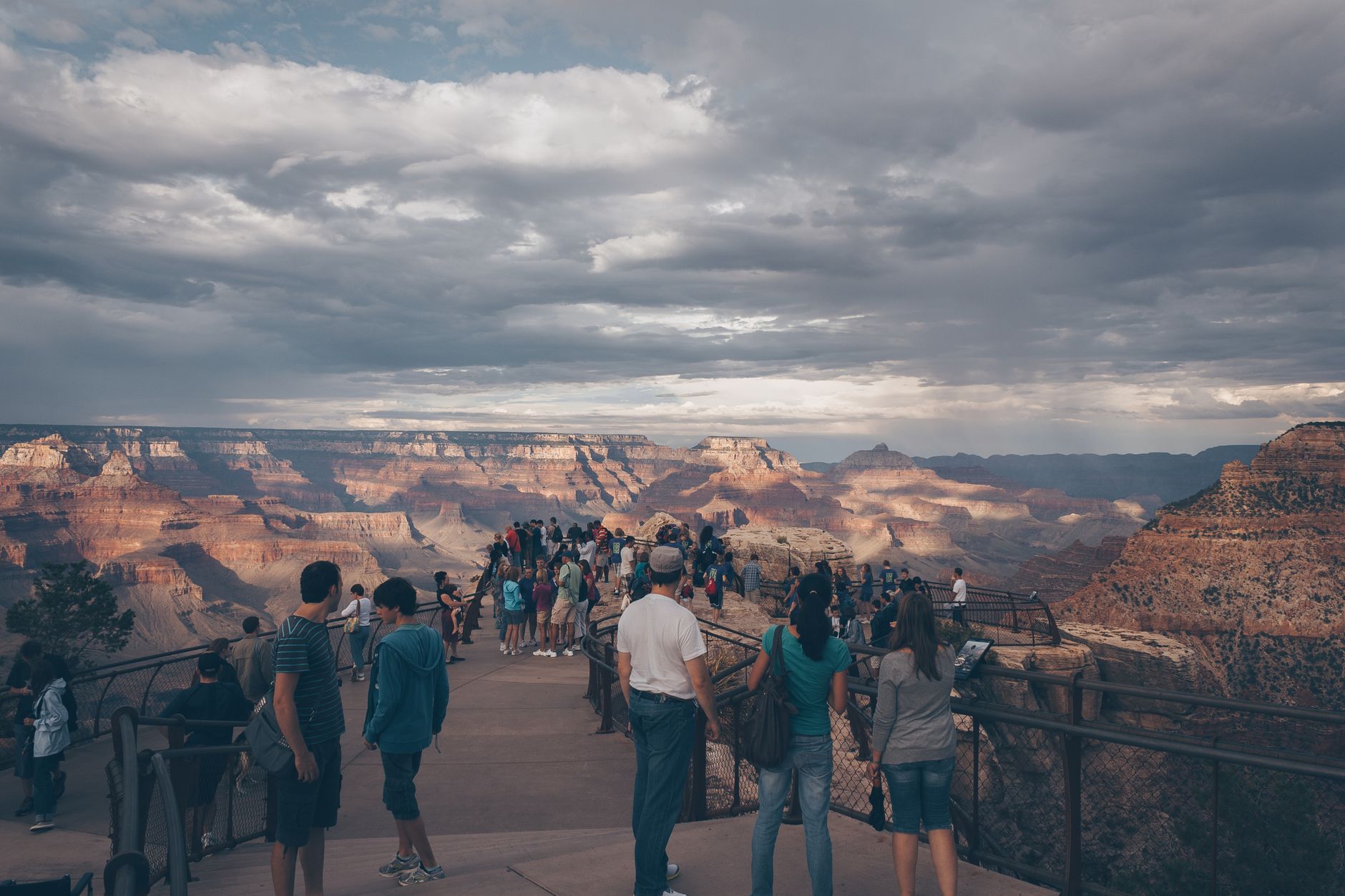
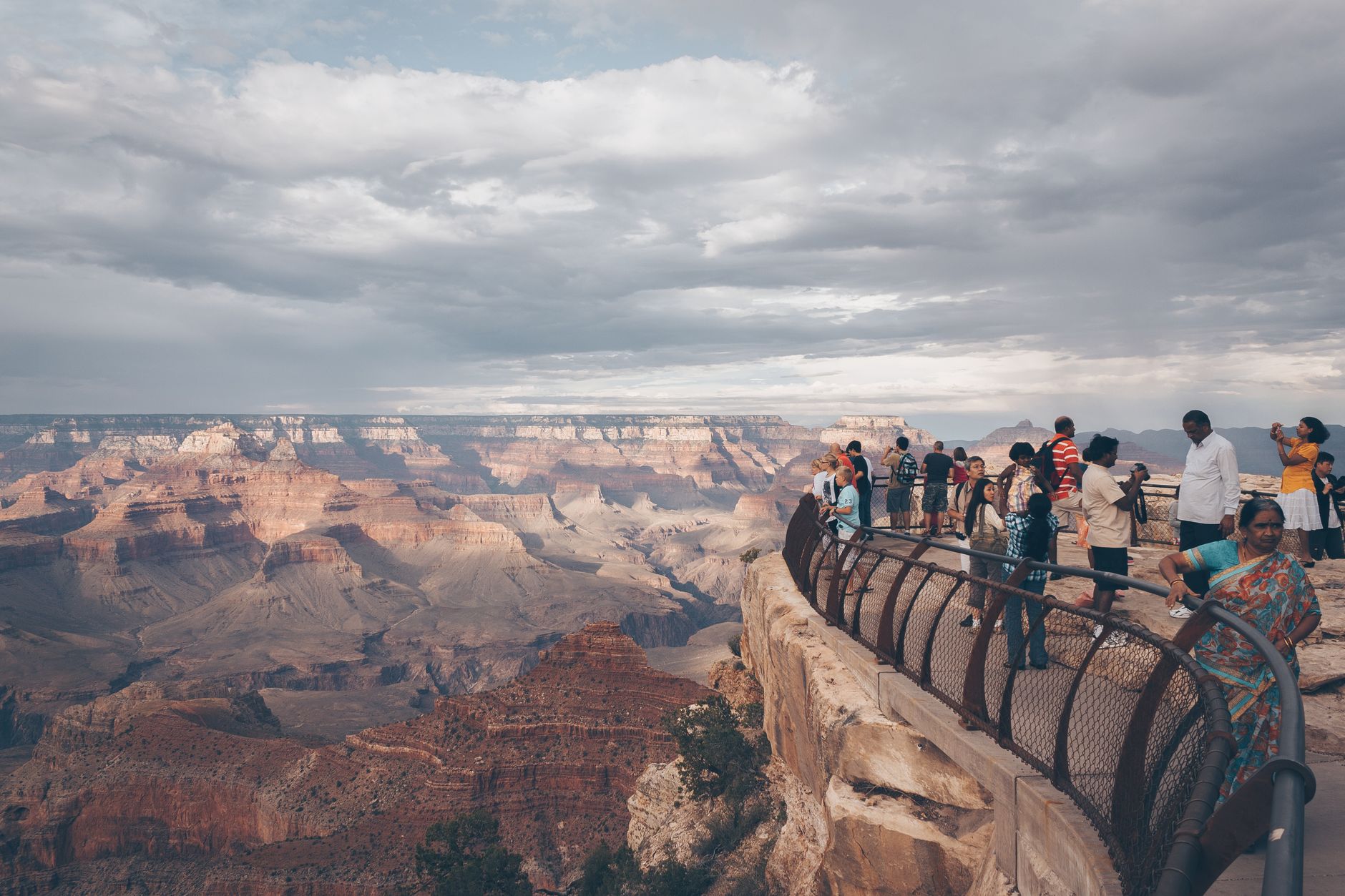
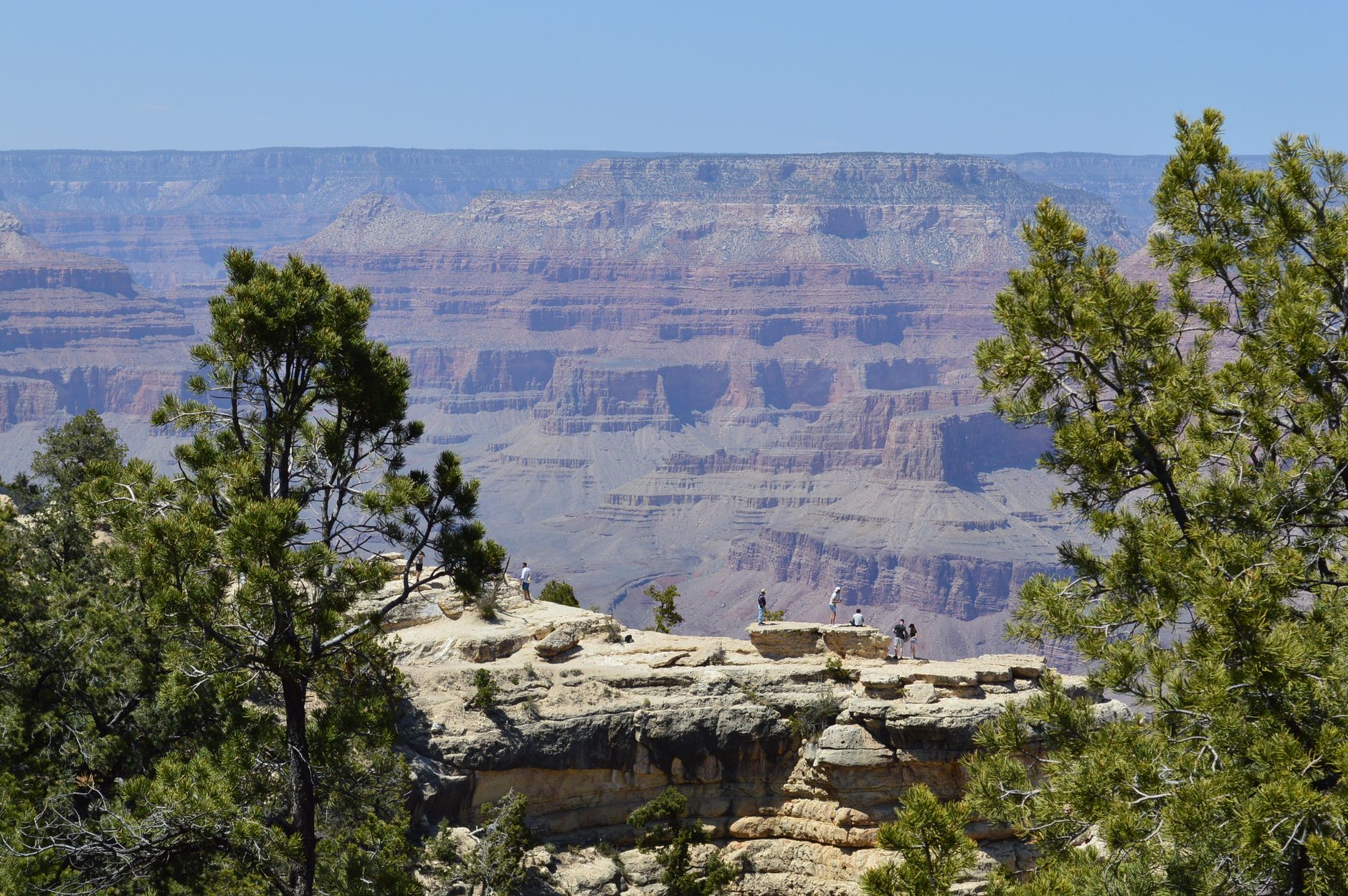
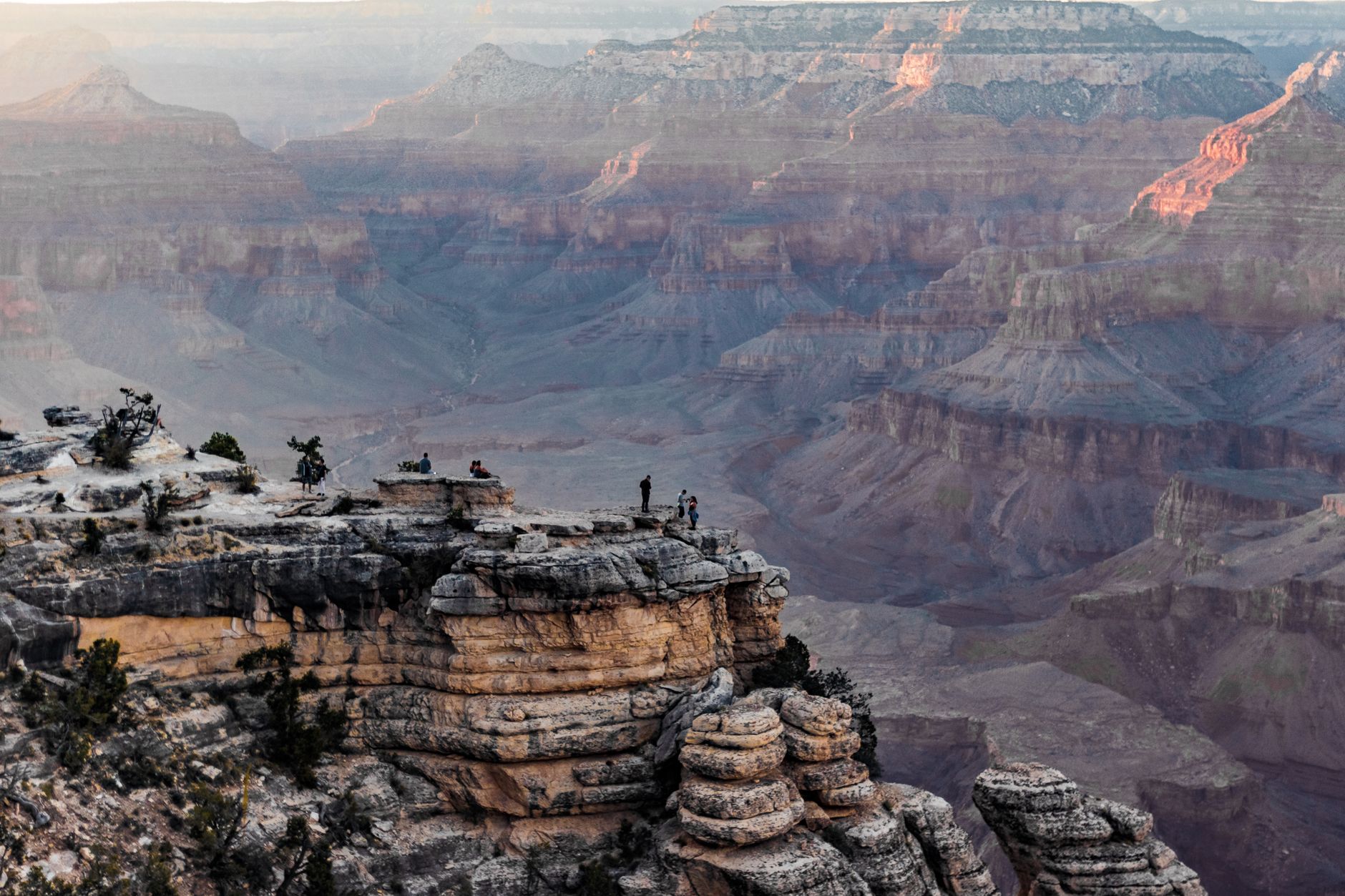
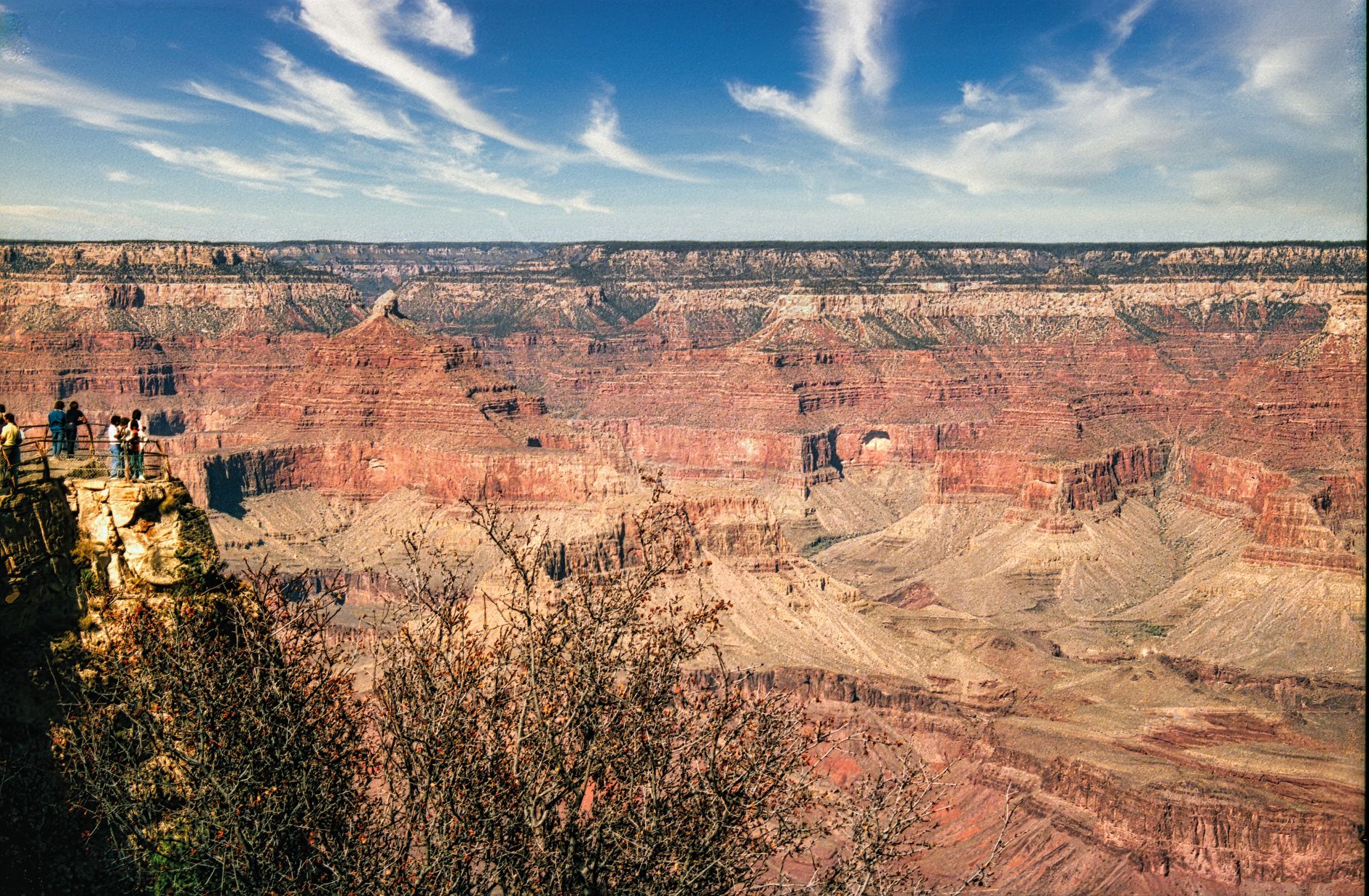
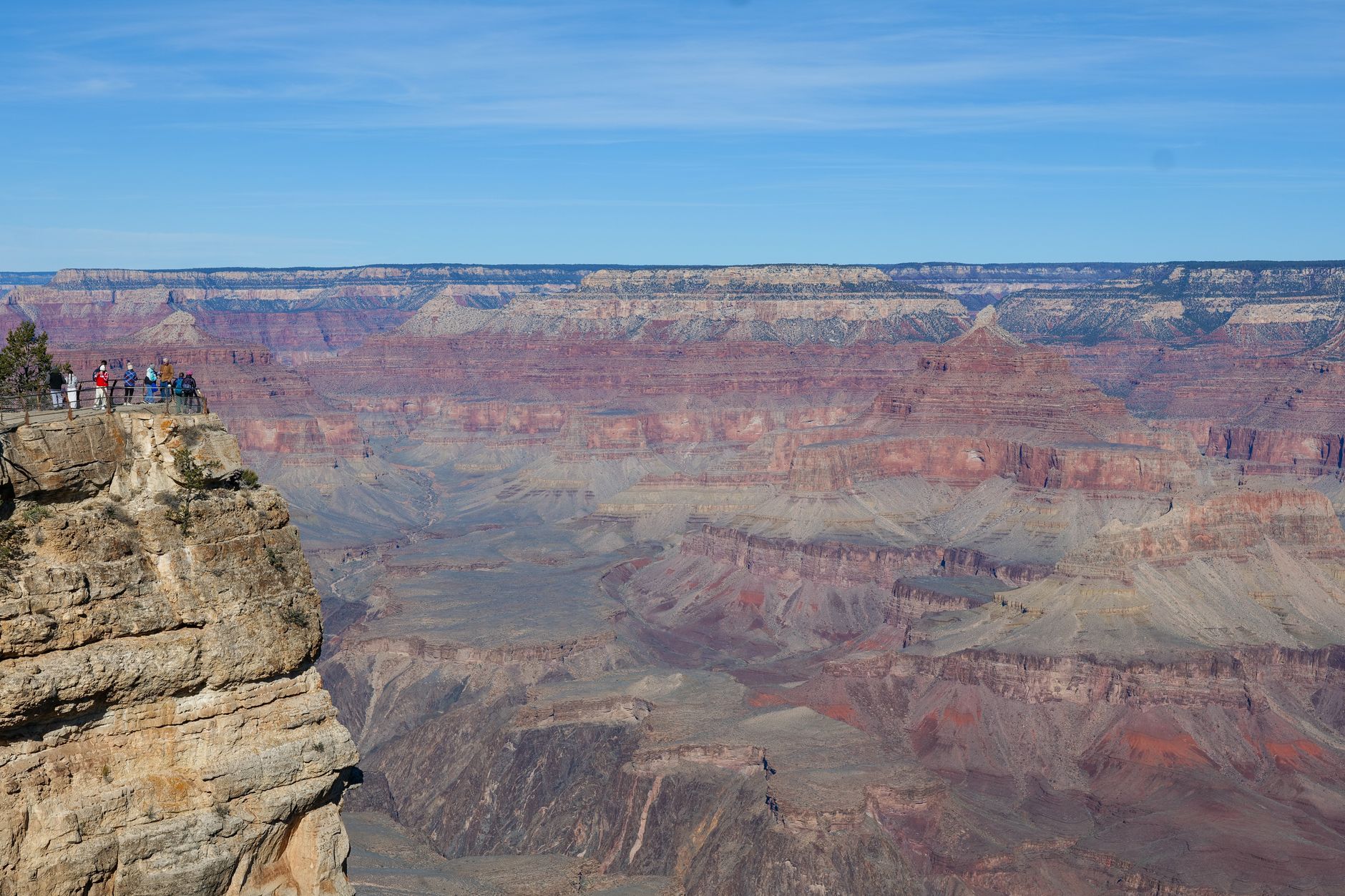
A mile deep and up to eighteen miles wide, the Grand Canyon stops you in a way that photographs have never quite managed to convey. The scale refuses to resolve into something the eye can hold — you keep looking, keep recalibrating, and the canyon keeps winning. The Colorado River, a thin brown ribbon from the rim, carved this place over five to six million years through rock that is nearly two billion years old.
The South Rim is open year-round and draws the overwhelming share of the park's 13.2 million annual visitors. The North Rim, higher and quieter, closes from October through May when snow makes the roads impassable. Both reward patience over speed.
💛 What travellers fall for
People who come back tend to do one thing differently each time: they pick a single trail and go down far enough to feel the temperature shift — the canyon runs about twenty degrees warmer at the bottom. Bright Angel Trail to the 3-Mile Resthouse is a reasonable half-day target. Sunset from Yaki Point, reached on the free Kaibab Rim shuttle, consistently outperforms the more crowded Mather Point.
How Grand Canyon came to be
People have lived at and around the canyon for at least 10,500 years. The Ancestral Pueblo peoples farmed its terraces and left split-twig figurines in limestone caves; drought in the late 13th century pushed their descendants out toward the Rio Grande and beyond. The first European to see the canyon was García López de Cárdenas in 1540, on a side expedition from Coronado's larger march through the Southwest — his party stood at the rim, tried to climb down, and turned back.
It took another three centuries before Major John Wesley Powell ran the Colorado through the canyon's full length in 1869, naming it 'Grand Canyon' in the writings that followed. Theodore Roosevelt visited in 1903, declared it beyond improvement by human hands, and used the Antiquities Act to protect it as a National Monument in 1908. Congress made it a National Park on February 26, 1919. The architect Mary Colter, working for the Fred Harvey Company from 1902 to 1948, gave the South Rim much of its built character — Hopi House, Lookout Studio, Hermits Rest, and the Desert View Watchtower are all hers, and all National Historic Landmarks.
Who and what shaped it
People who shaped it
Landmark buildings
See Grand Canyon in motion
Plan your visit
On the map
When to go
Summer (June–August) brings intense heat at the canyon floor — often above 100°F — while the rim stays in the 80s; afternoon monsoon storms arrive in July and August with little warning. Spring and autumn are the most comfortable seasons for hiking, with mild rim temperatures and manageable trail conditions. Winter sees snow on the South Rim and genuine cold, but also far thinner crowds and a particular stillness.
Right now
Background & history adapted from Wikipedia (CC BY-SA) · specs from Wikidata (CC0) · weather from Open-Meteo · map data © OpenStreetMap contributors · photos from Wikimedia Commons / Unsplash with per-image credit. No third-party reviews or social posts reproduced.