
Chicago
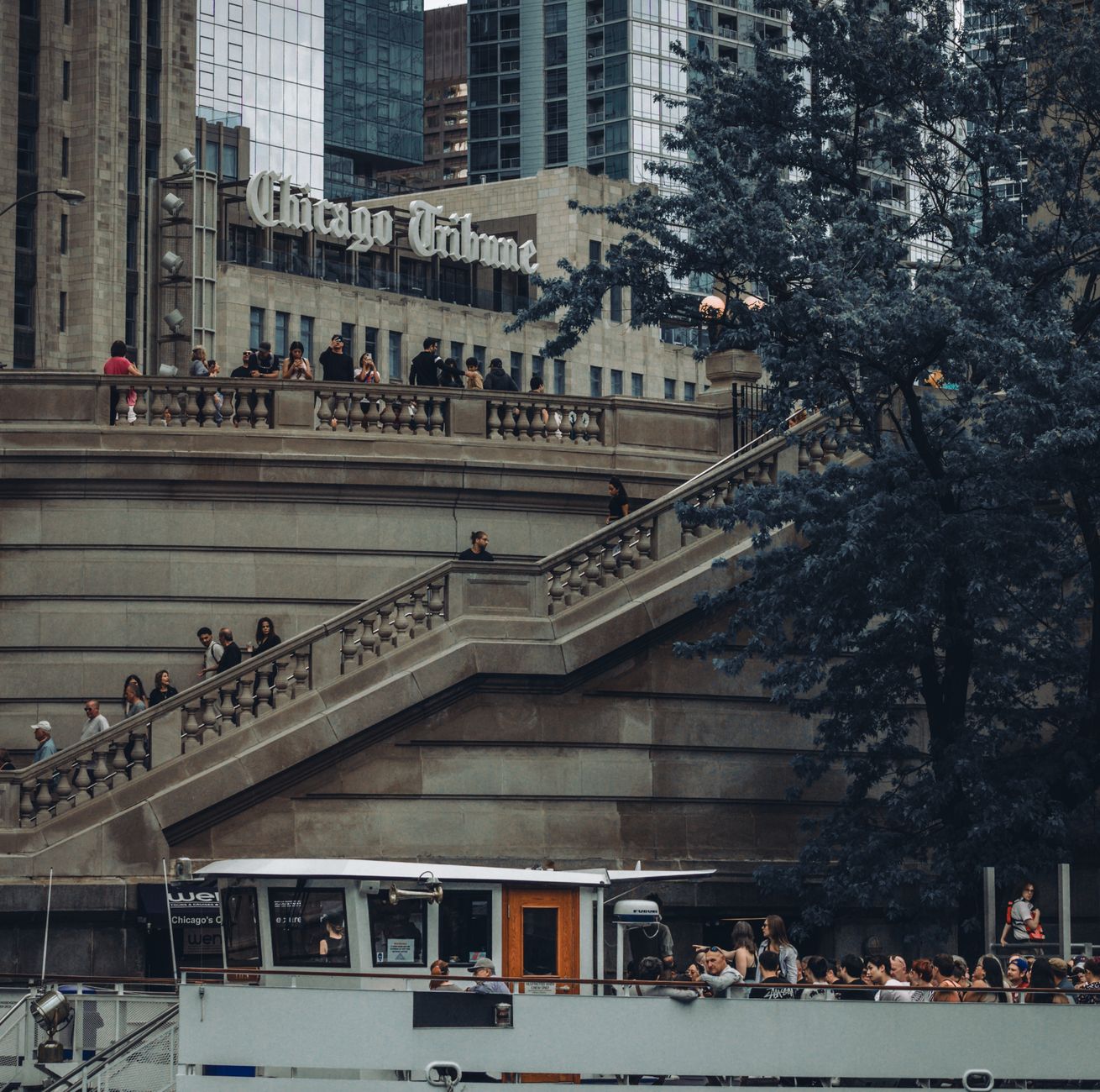
Chicago announces itself with architecture. Not one tower or monument but a whole skyline that reads like a textbook on what buildings can do — from the steel-framed Home Insurance Building of 1885 to Jeanne Gang's rippling Aqua Tower, completed in 2009. The city rebuilt itself after a catastrophic 1871 fire and, in doing so, essentially invented the modern American city.
The L train runs above the streets on eight rapid transit lines, connecting 145 stations across the city's distinct neighborhoods. Walk under its iron lattice on a winter morning and you understand something about Chicago that no photograph quite captures: this is a place built for people who mean business.
💛 What travellers fall for
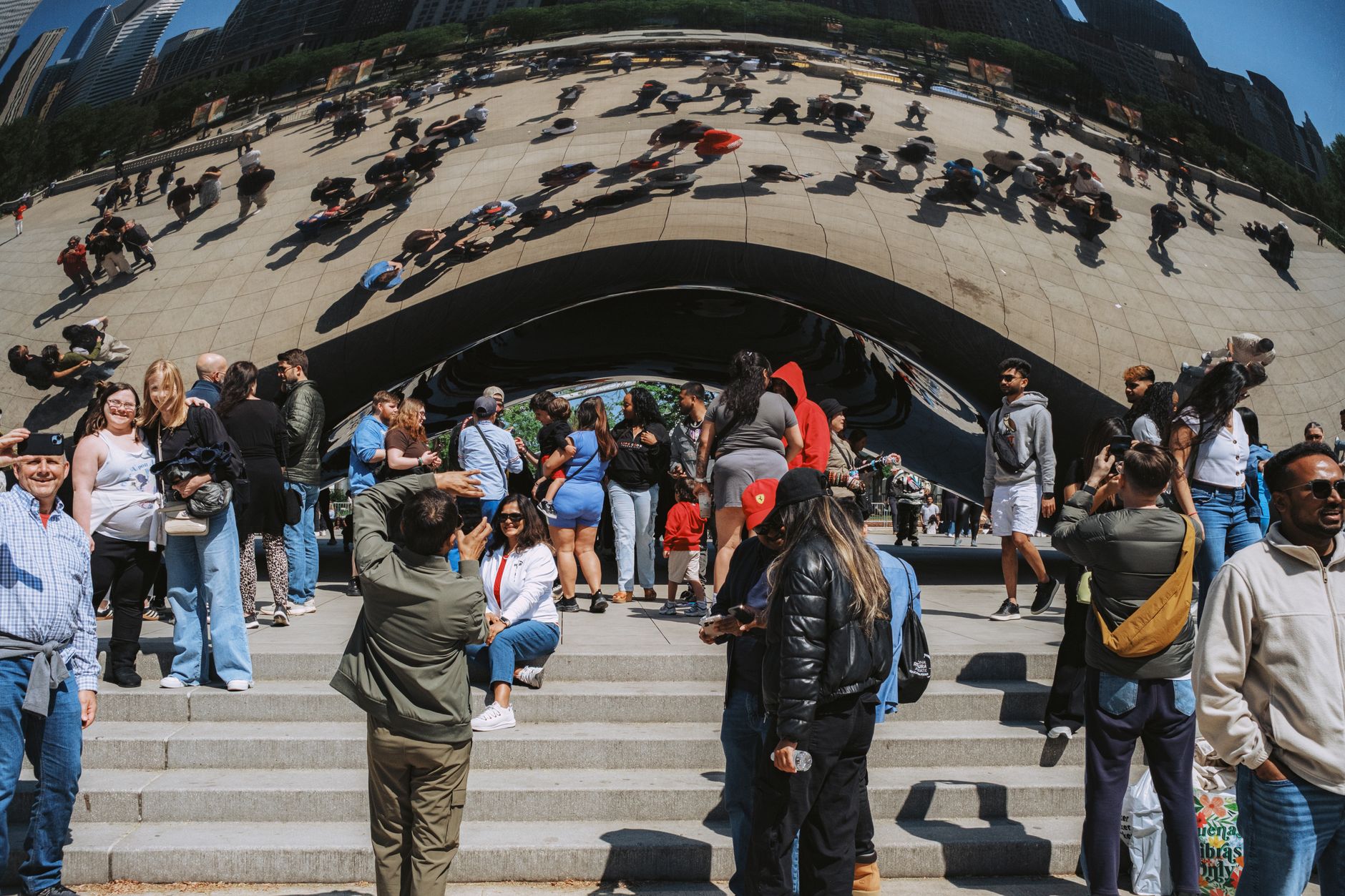
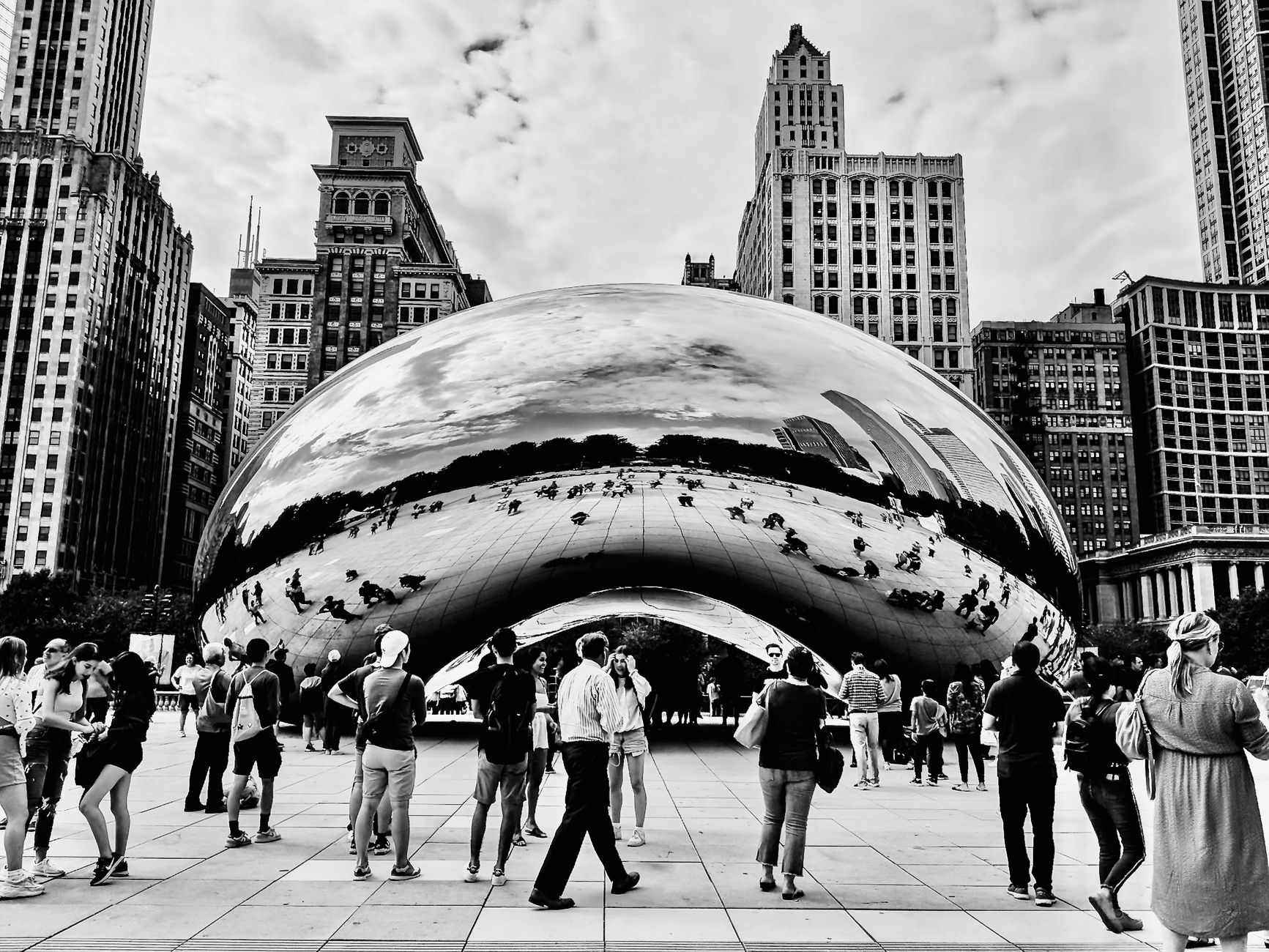
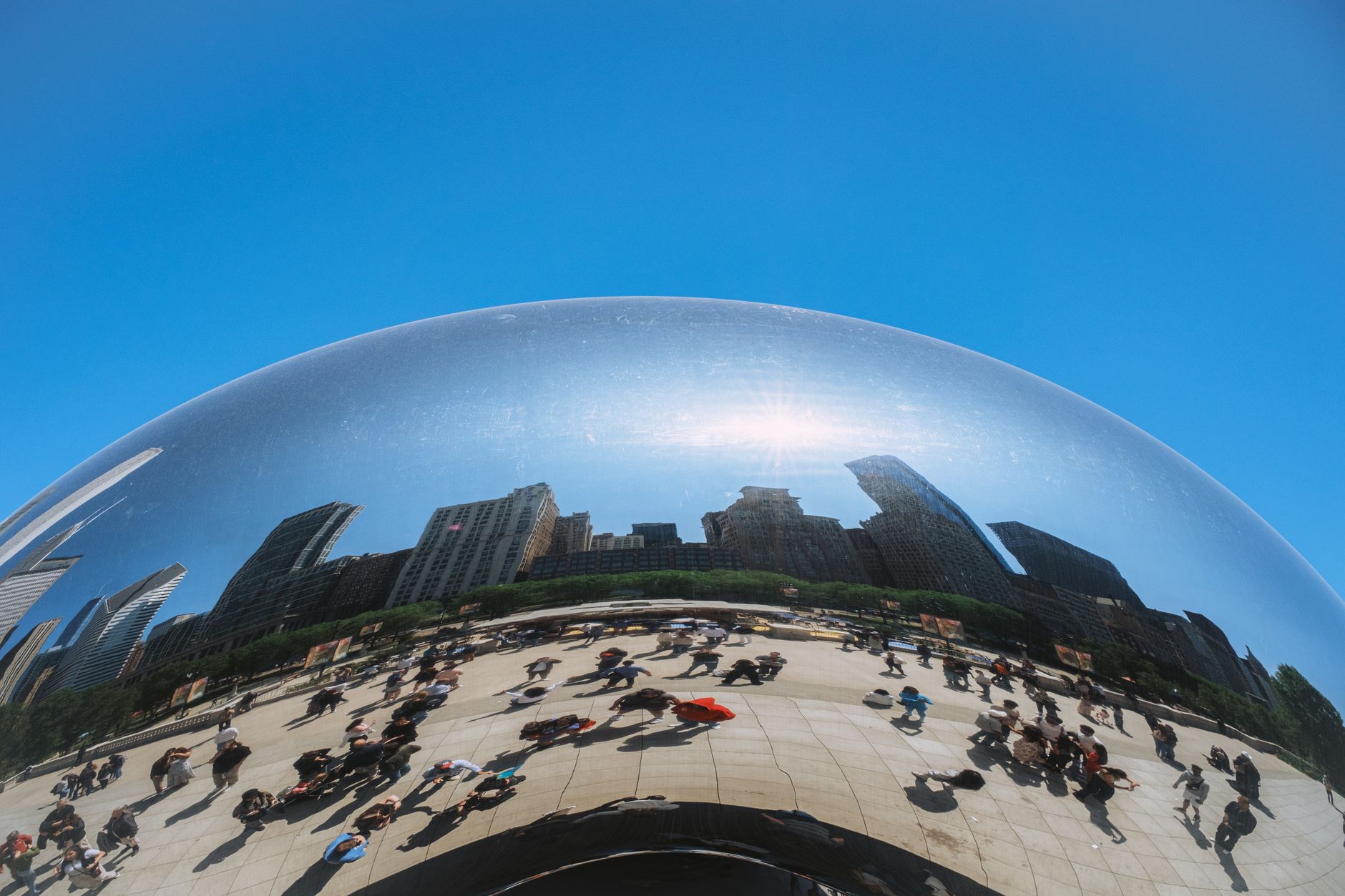
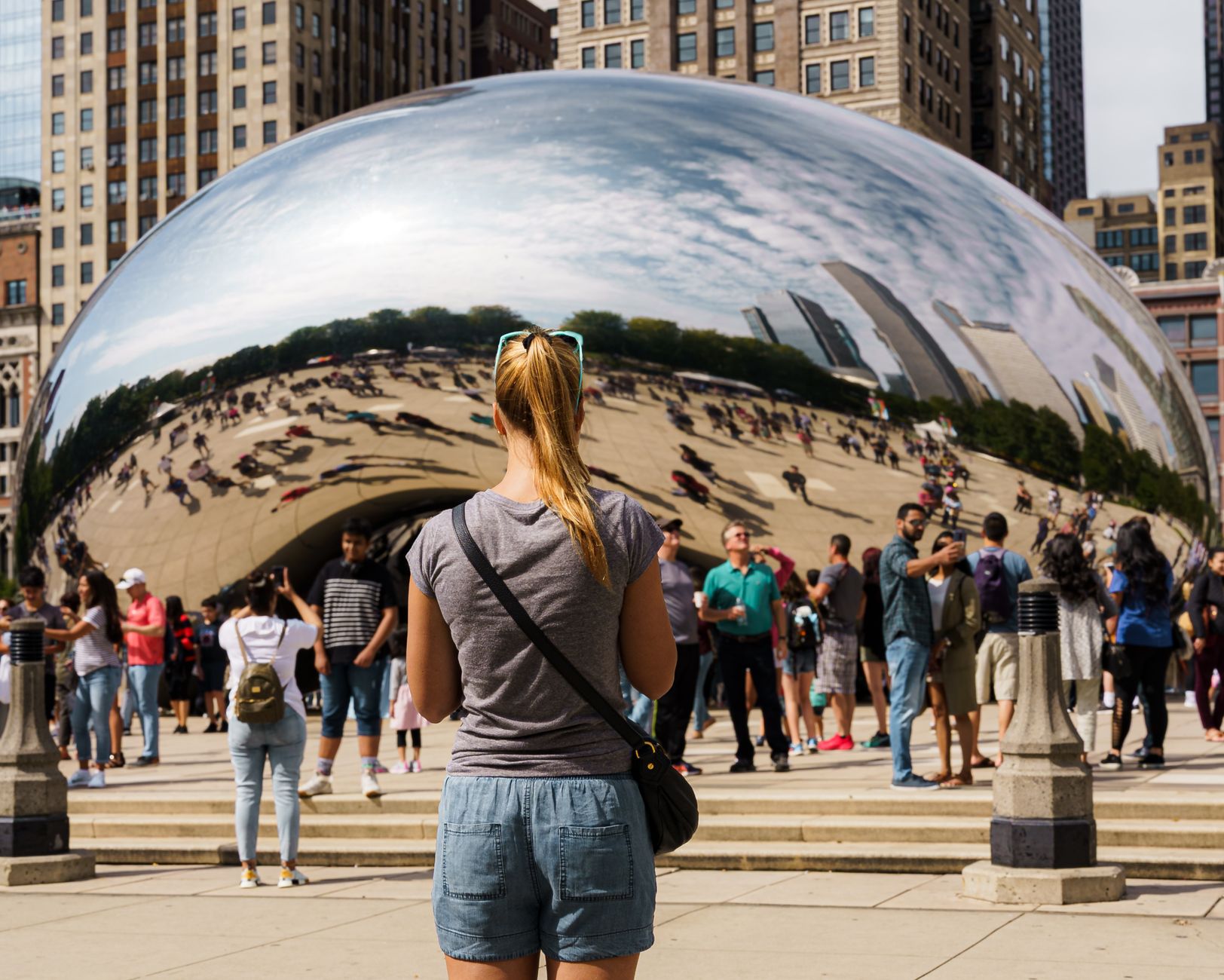
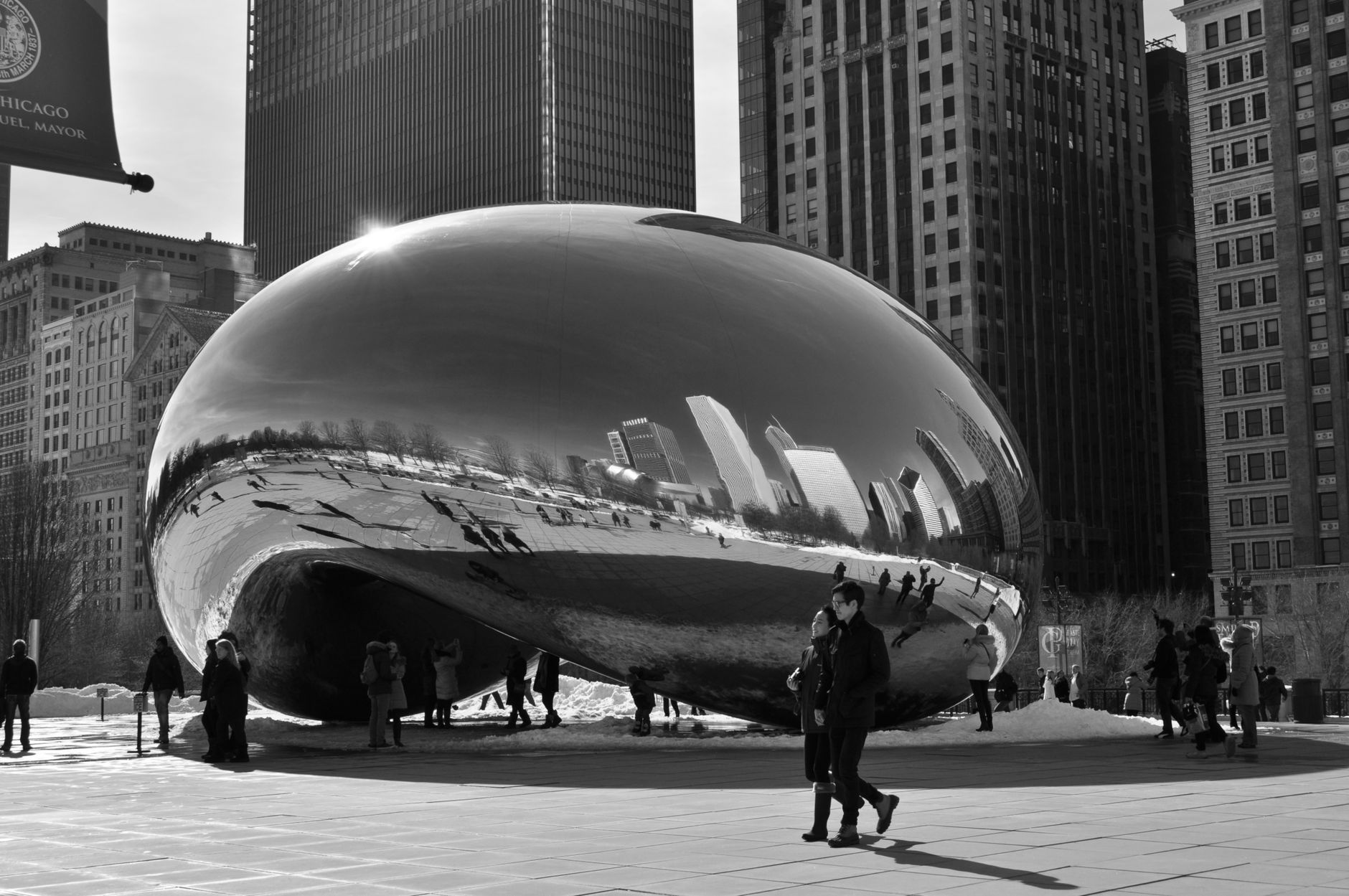
Return visitors tend to anchor themselves to a neighborhood rather than a hotel district. The University of Chicago campus puts you within walking distance of the Robie House, one of Frank Lloyd Wright's most studied buildings. Millennium Park is best before 9 a.m., when the Cloud Gate reflects an empty sky.
How Chicago came to be
Jean Baptiste Point du Sable, a man of European and African descent thought to have been born in Saint-Domingue, built a farm at the mouth of the Chicago River around 1788. The U.S. Army followed in 1803 with Fort Dearborn, which the Potawatomi destroyed during the War of 1812. The city's official plat was filed on August 4, 1830; fewer than 200 people lived there when it was formally incorporated in 1837.
The Great Fire of October 1871 destroyed roughly 17,450 buildings across 3.5 square miles and left more than 100,000 people without homes. What rose in its place drew architects from across the country — Daniel Burnham, Louis Sullivan, William LeBaron Jenney — and produced the vocabulary of the modern skyscraper. Jane Addams opened Hull-House in 1889, the same year Sullivan completed the Auditorium Building with his young assistant Frank Lloyd Wright doing much of the interior drafting.
Who and what shaped it
People who shaped it
Landmark buildings
See Chicago in motion
Plan your visit
On the map
When to go
Summers run warm and humid, with lake breezes that can shift the temperature by 10 degrees within a single afternoon. Winters are long and genuinely cold — wind off Lake Michigan is not a metaphor — while spring and fall tend to be brief but clear.
Right now
Background & history adapted from Wikipedia (CC BY-SA) · specs from Wikidata (CC0) · weather from Open-Meteo · map data © OpenStreetMap contributors · photos from Wikimedia Commons / Unsplash with per-image credit. No third-party reviews or social posts reproduced.