Region

Los Angeles

Los Angeles
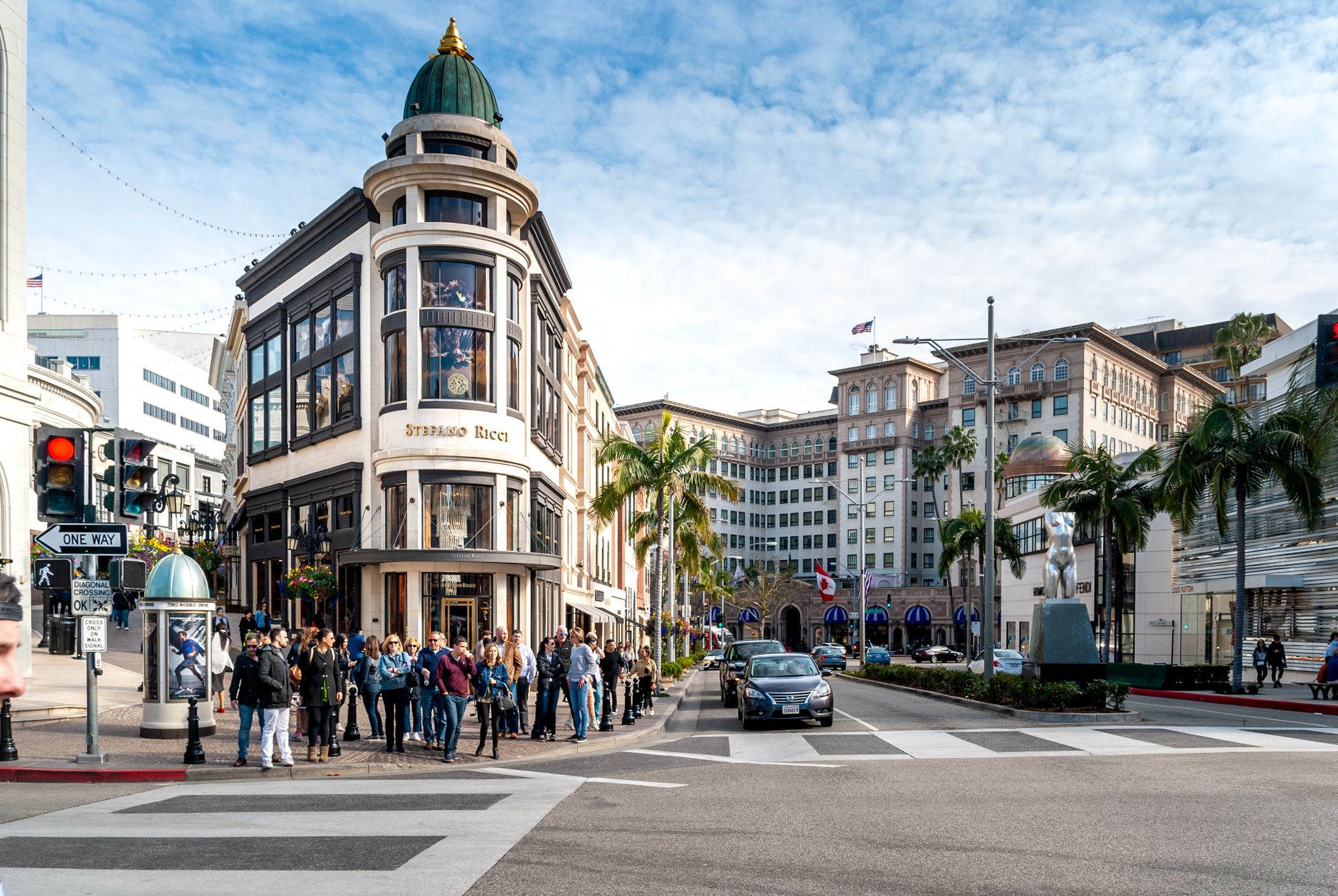
Photo by David Vives on Pexels
Los Angeles
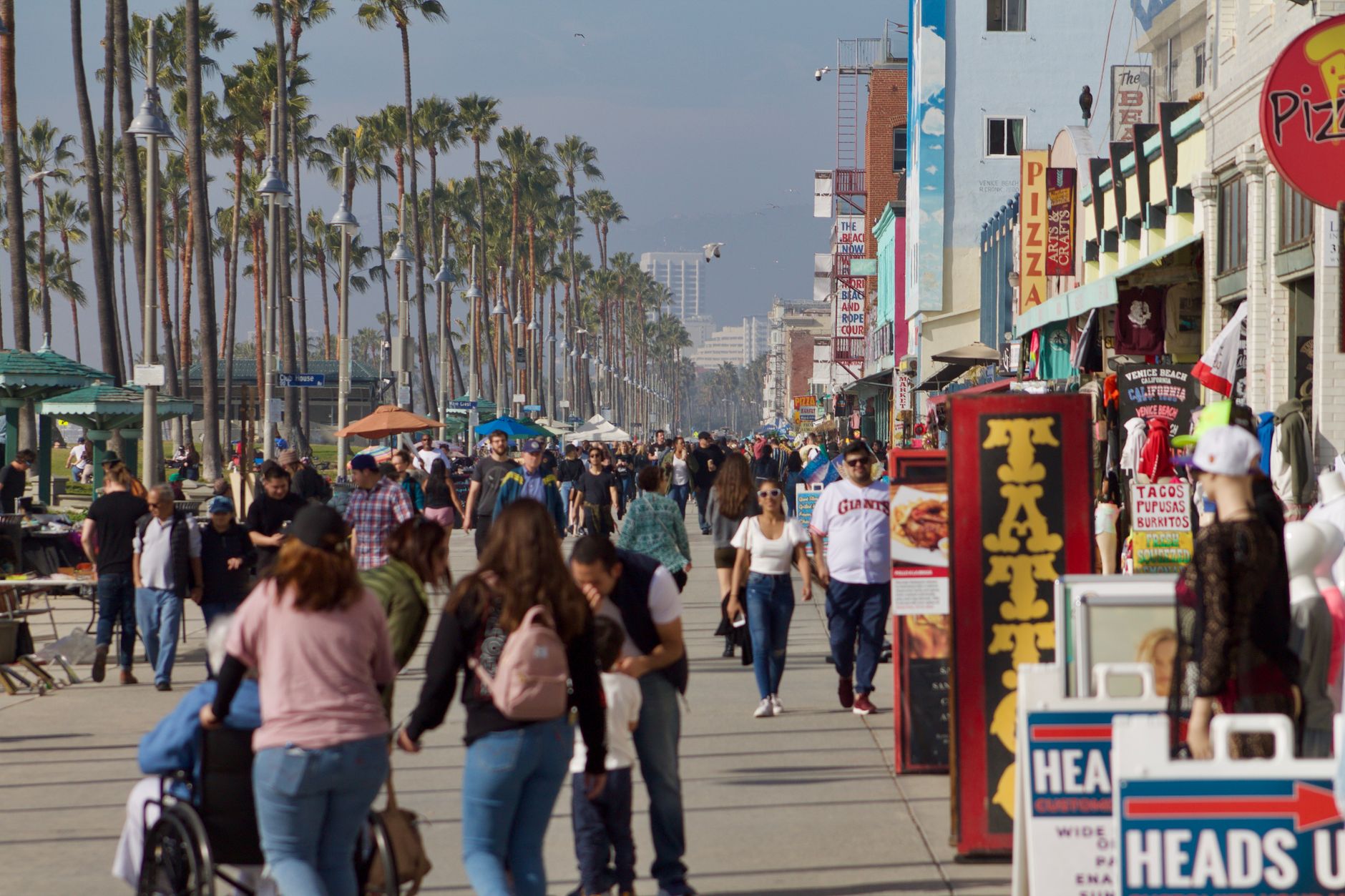
Photo by Gabriel Graves on Pexels
Los Angeles
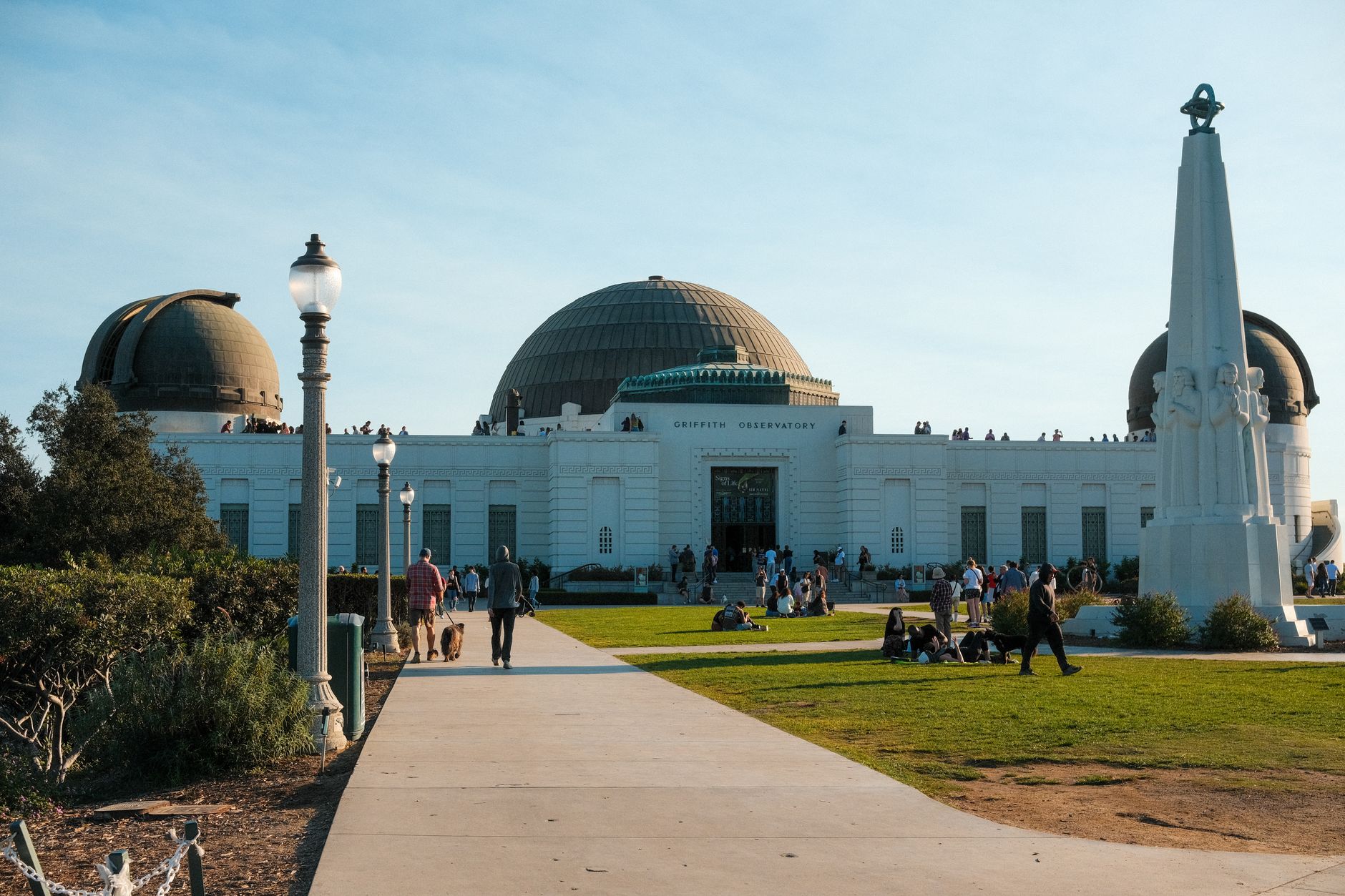
Photo by Cristiane Doffini on Pexels
Los Angeles
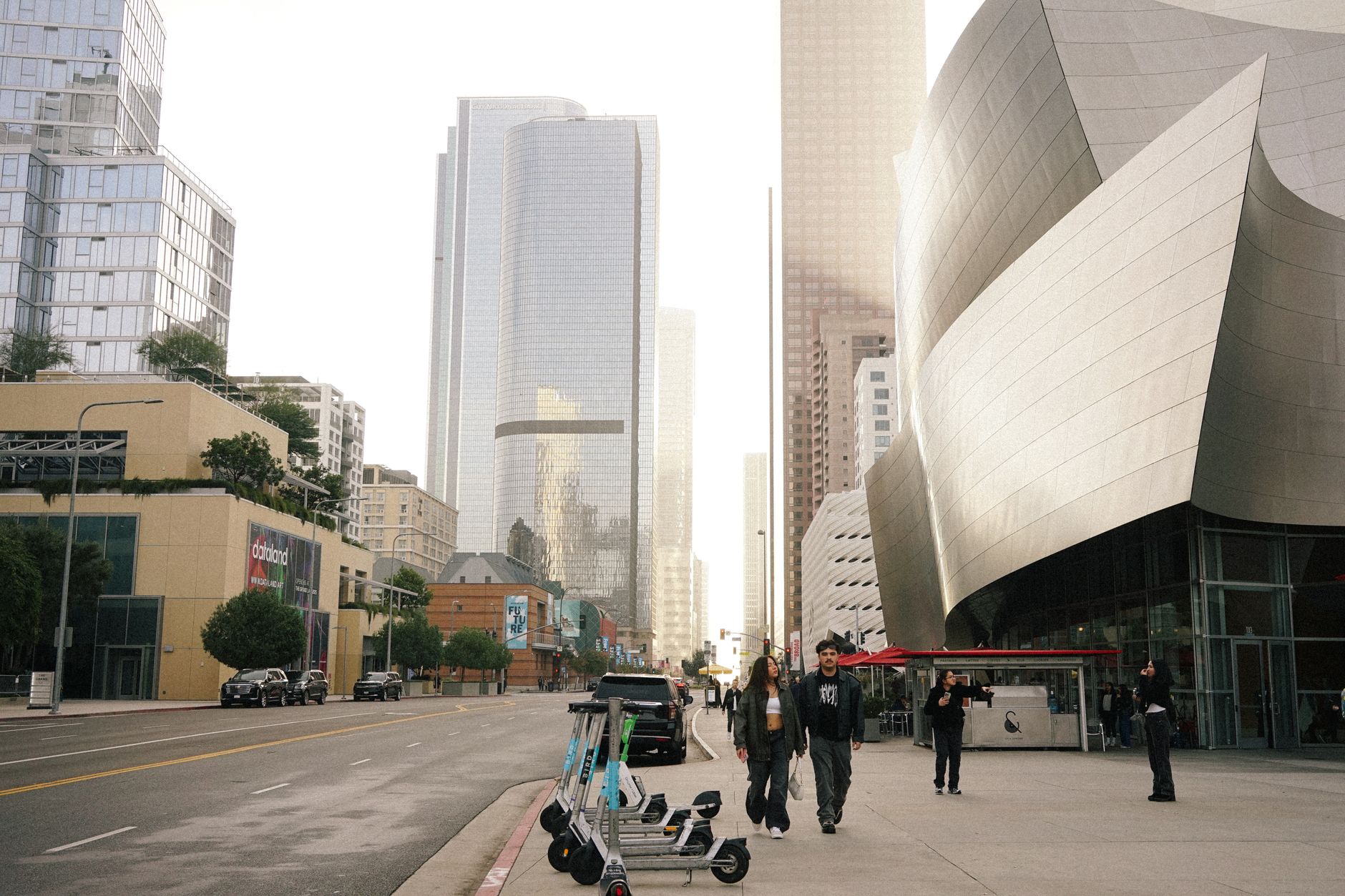
Photo by Darya Sannikova on Pexels
Los Angeles
Photo by RITESH SINGH on Pexels
Los Angeles
Photo by Darya Sannikova on Pexels
City break Culture & history Nightlife & party

Los Angeles sprawls across a coastal basin between the San Gabriel Mountains and the Pacific, a city that resists single definition — which is precisely the point. The light here does something particular in the late afternoon, turning the freeway overpasses and palm-lined boulevards a shade of amber that explains, at least partially, why so many people arrived and never left.

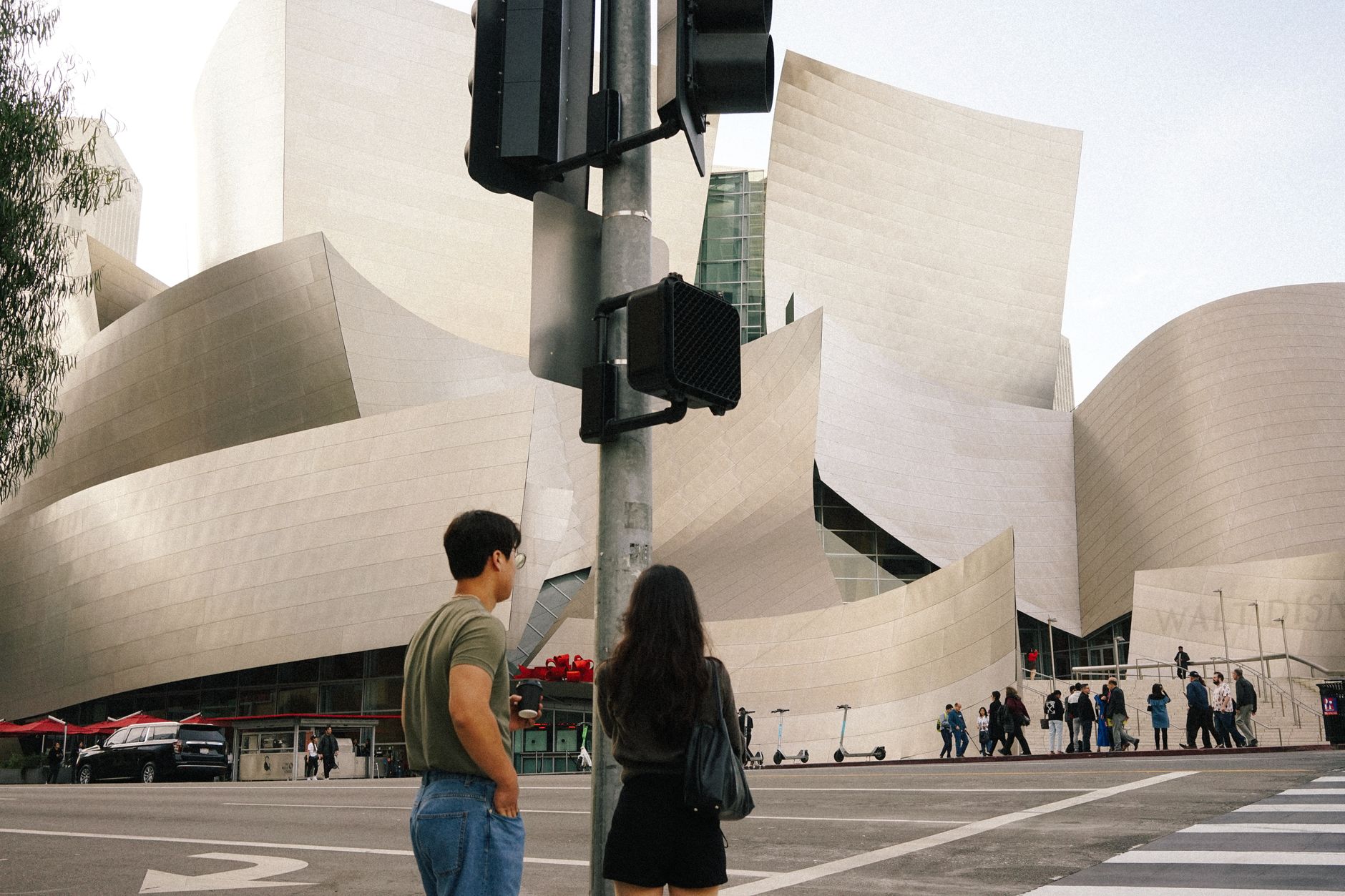
At this scale, Los Angeles is less a city than a collection of distinct places stitched together by a metro rail network that now covers 110 stations. Frank Gehry's stainless-steel curves at Walt Disney Concert Hall sit a few miles from the 1931 Broadway theaters, from the oldest McDonald's still standing, from a Buddhist temple that once sheltered Japanese Americans after internment.

💛 What travellers fall for

People who keep coming back tend to structure their time around neighborhoods rather than landmarks. The K Line through Leimert Park and Inglewood opens up a stretch of the city that most first-timers miss entirely. Union Station — Art Deco, Mission Revival, and Streamline Moderne all at once — is worth arriving into even if you don't need the train.

Good to know
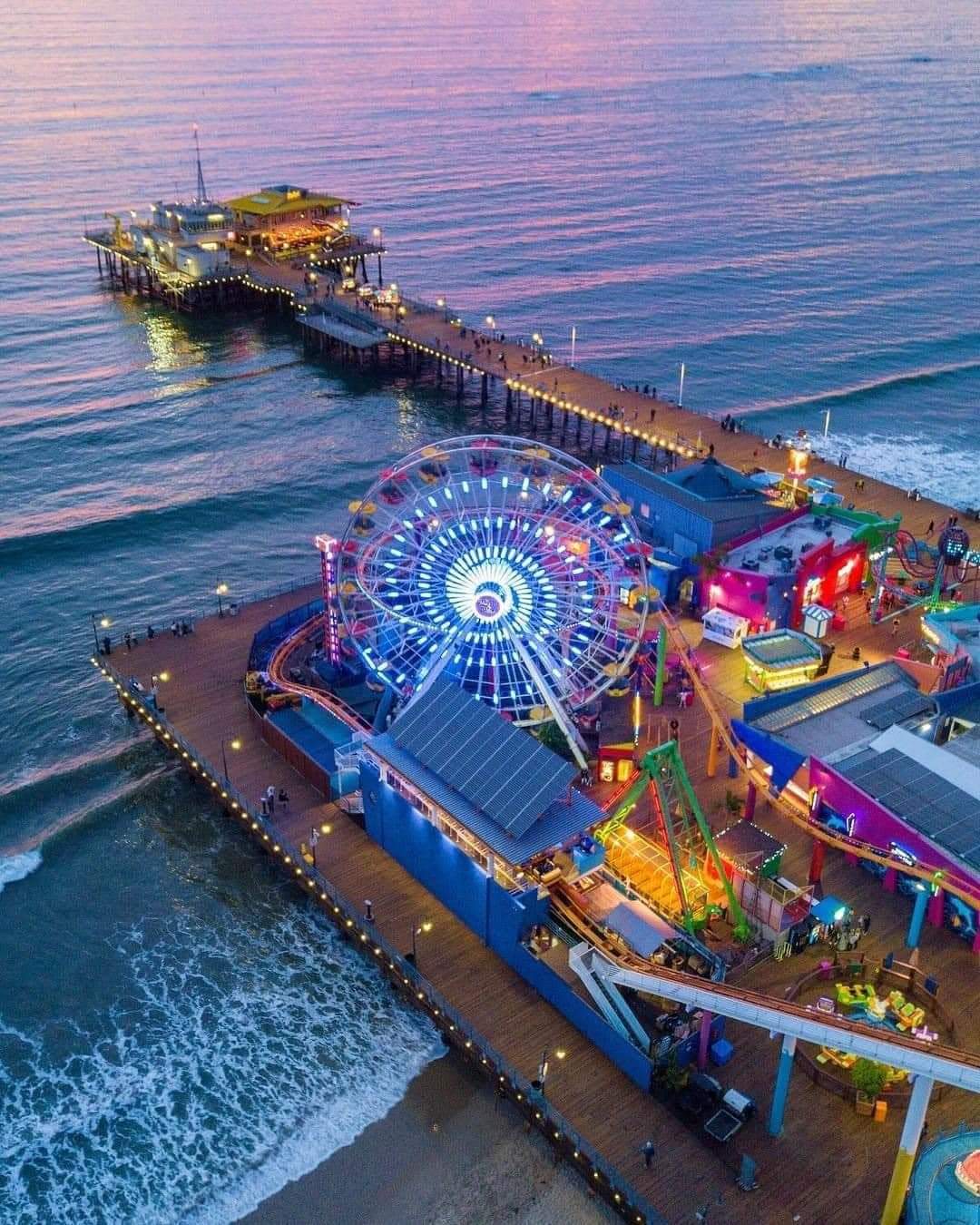
The Metro E Line runs 22 miles from Santa Monica Pier to East LA; it's the most useful single line for visitors. Tap a credit card directly at stations — no separate ticket needed. Spring and autumn offer the most reliable weather and thinner crowds than summer.
The story

How Los Angeles came to be

On September 4, 1781, Spanish Governor Felipe de Neve established El Pueblo Sobre el Rio de Nuestra Señora la Reina de los Angeles del Río de Porciúncula with 44 settlers from Sonora — the majority of African American or Native American descent. A chapel went up on the Plaza in 1784; by 1800, 29 buildings surrounded it.

The Mexican Congress made it a city in 1835. The American flag was raised on August 13, 1846, and incorporation followed in 1850. The completion of the Santa Fe railroad line from Chicago in 1885 triggered the first major wave of arrivals — and Los Angeles began its long habit of remaking itself for whoever showed up next.

People & landmarks

Who and what shaped it

People who shaped it

Felipe de Neve
Spanish Governor who founded Los Angeles on September 4, 1781, with 44 settlers from Sonora.
Frank Gehry
Architect of Walt Disney Concert Hall, home of the Los Angeles Philharmonic.
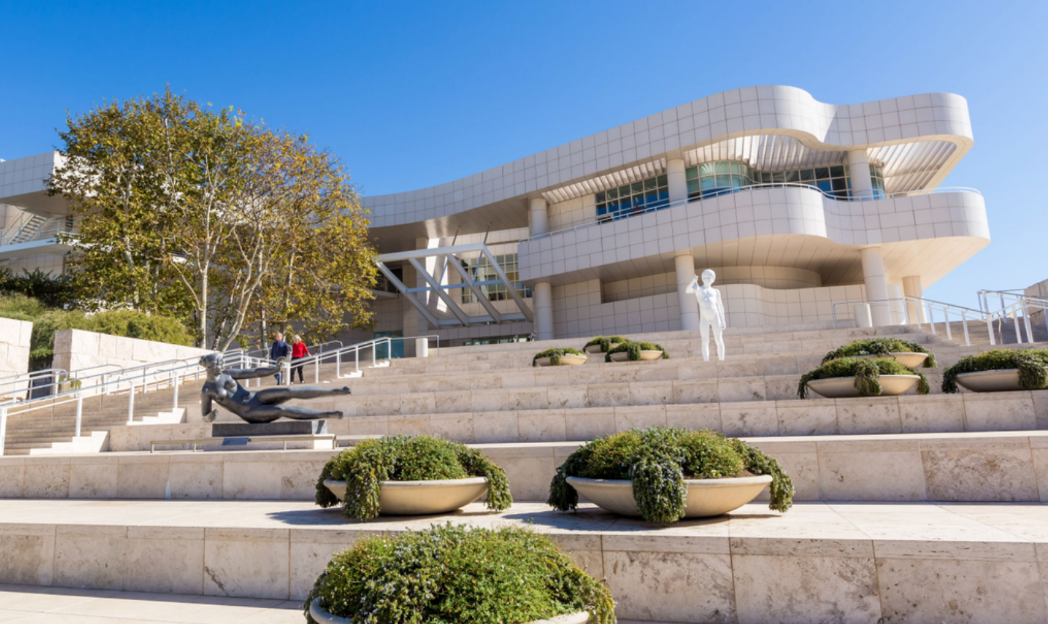
Richard Meier
Architect who designed the Getty Center, a modernist hilltop museum.
Paul R. Williams
First Black architect to gain widespread recognition; designed homes for Hollywood elites and the Beverly Hills Hotel.
Richard Neutra
Modernist architect known for rigorous geometry who shaped Southern California's architectural landscape.
Rudolph Schindler
Innovative architect who influenced the modern architectural landscape of Southern California.

Landmark buildings

Walt Disney Concert Hall
Frank Gehry-designed home of Los Angeles Philharmonic; sweeping stainless-steel curves completed in 2003.
Getty Center
Richard Meier modernist architecture on hilltop housing major art collection.
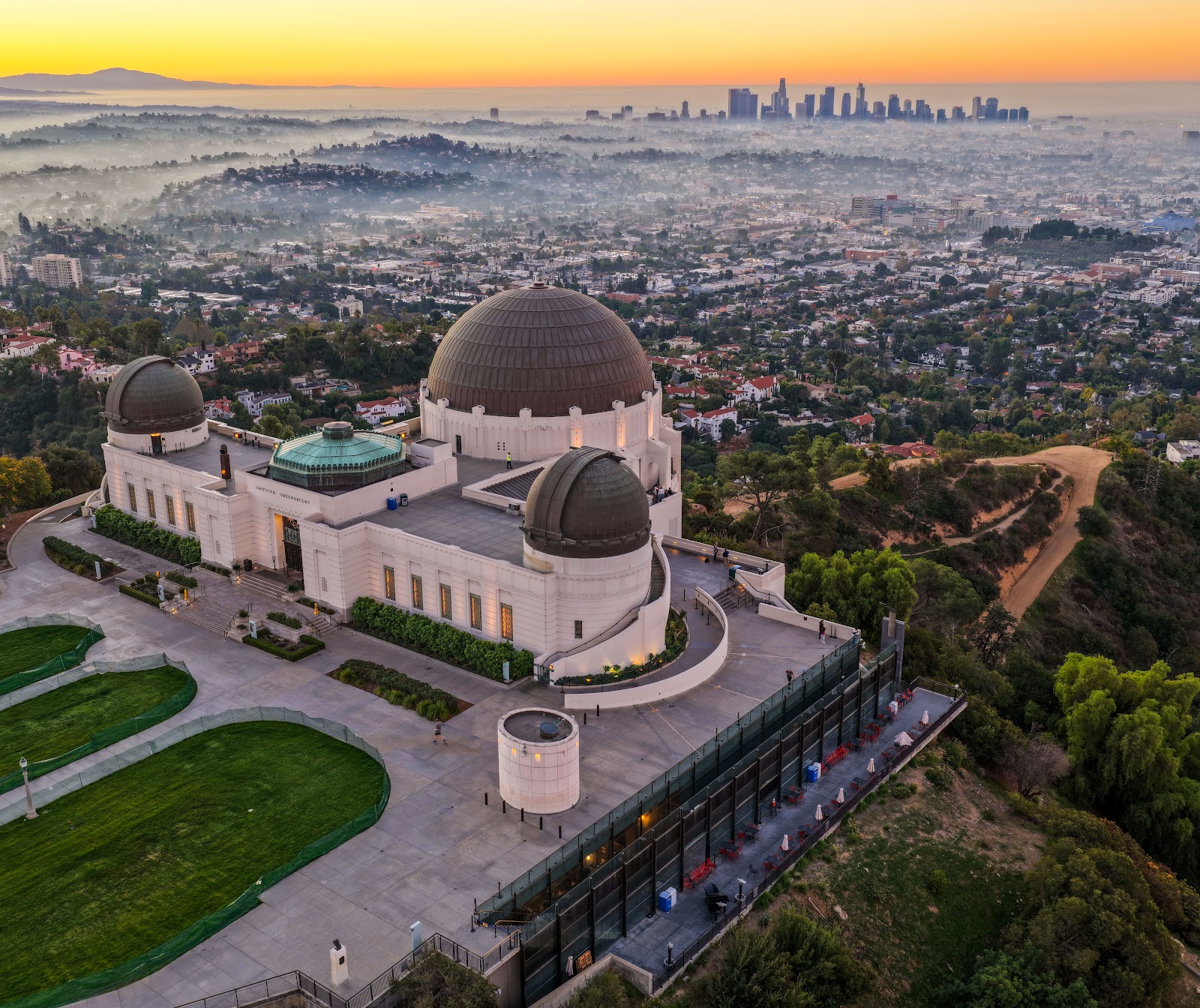
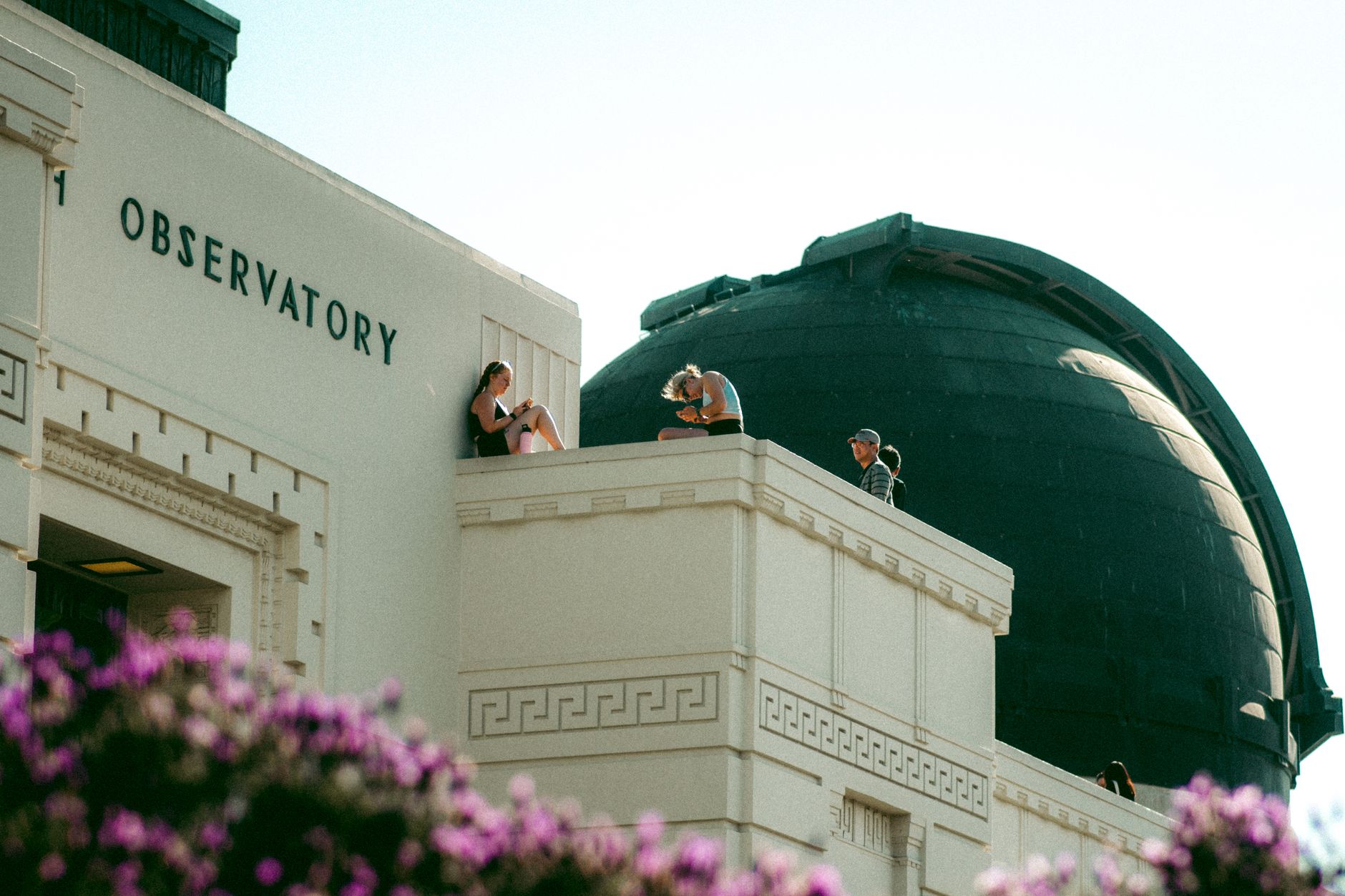
Griffith Observatory
1935 Art Deco landmark designed by John C. Austin and Frederick M. Ashley.
Union Station
1939 transportation hub blending Art Deco, Mission Revival, and Streamline Moderne styles.
Los Angeles Theater
1931 Broadway theater designed by S. Charles Lee; most opulent theater on the street.
Bradbury Building
1893 Victorian atrium with ornate ironwork; historic downtown landmark.
Capitol Records Building
1956 building shaped like a stack of records; iconic music industry landmark designed by Welton Becket.
Bullocks Wilshire
1929 Art Deco department store; nation's first car-centric retail design by Parkinson brothers.
Beverly Hills Hotel
1912 hotel designed by Elmer Grey and Paul R. Williams; Elizabeth Taylor spent six of eight honeymoons in Bungalow 5.
Pío Pico House
1869 home of California's last Mexican governor; historic landmark on Olvera Street.
Nishi Hongwanji Buddhist Temple
First building in Los Angeles designed as a Buddhist temple; sheltered Japanese American internment evacuees.
McDonald's (Downey)
Oldest McDonald's still standing; golden arches design inspired the ubiquitous logo.
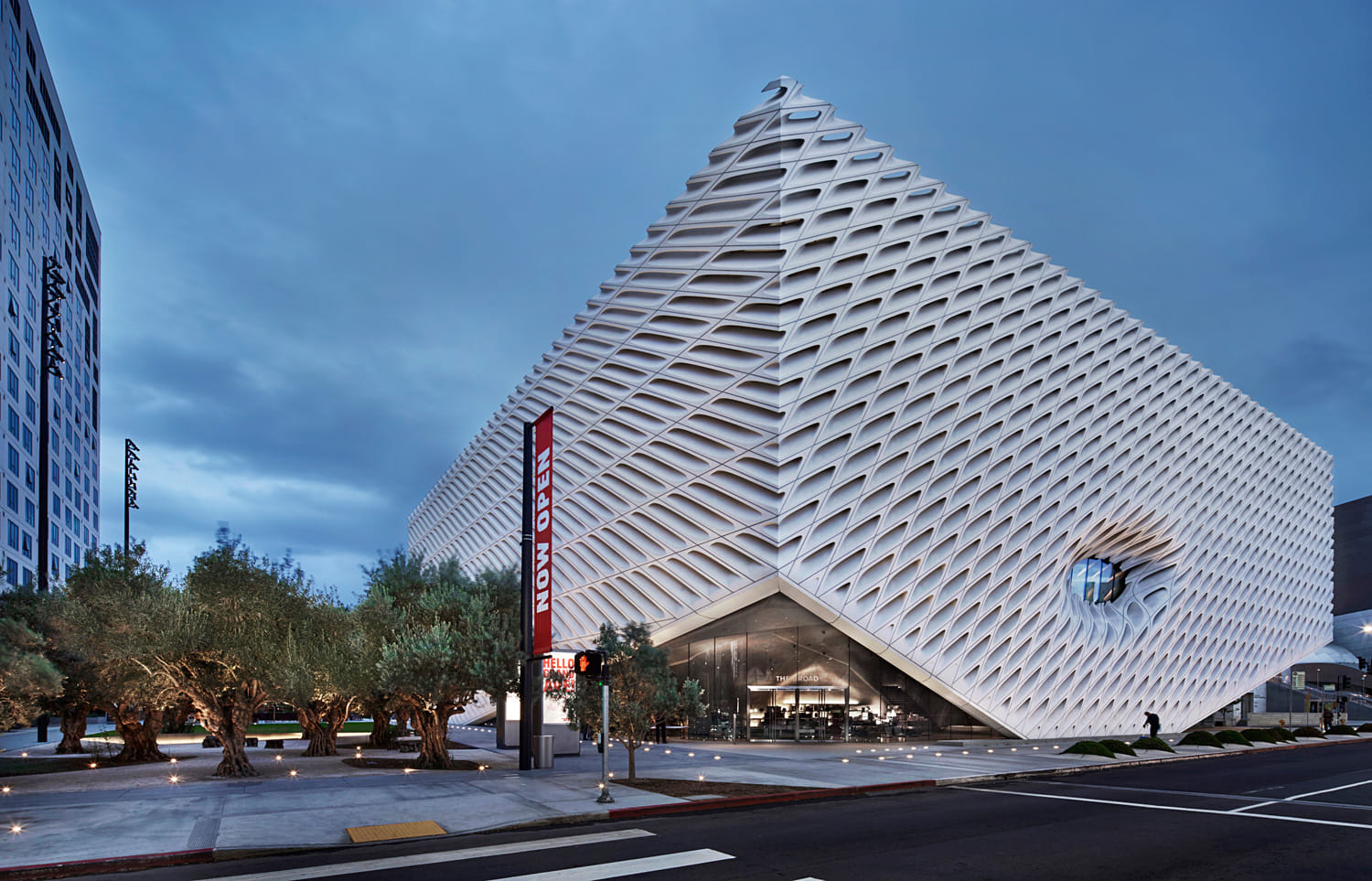
The Broad Museum
Contemporary art museum with porous white shell façade designed by Diller Scofidio + Renfro.
Practical

Plan your visit

On the map

When to go

Summers are warm and dry with almost no rain, though a marine layer keeps mornings along the coast grey well into July. Winters are mild and occasionally wet; the hills turn briefly green, and the mountains to the north hold snow you can see from the city.

Right now

☀️
31°C
Clear
Fri
31°
21°
Sat
32°
19°
Sun
32°
19°
Mon
33°
23°
Weather data: Open-Meteo

↡ Attractions


Background & history adapted from Wikipedia (CC BY-SA) · specs from Wikidata (CC0) · weather from Open-Meteo · map data © OpenStreetMap contributors · photos from Wikimedia Commons / Unsplash with per-image credit. No third-party reviews or social posts reproduced.

Top