
New Orleans
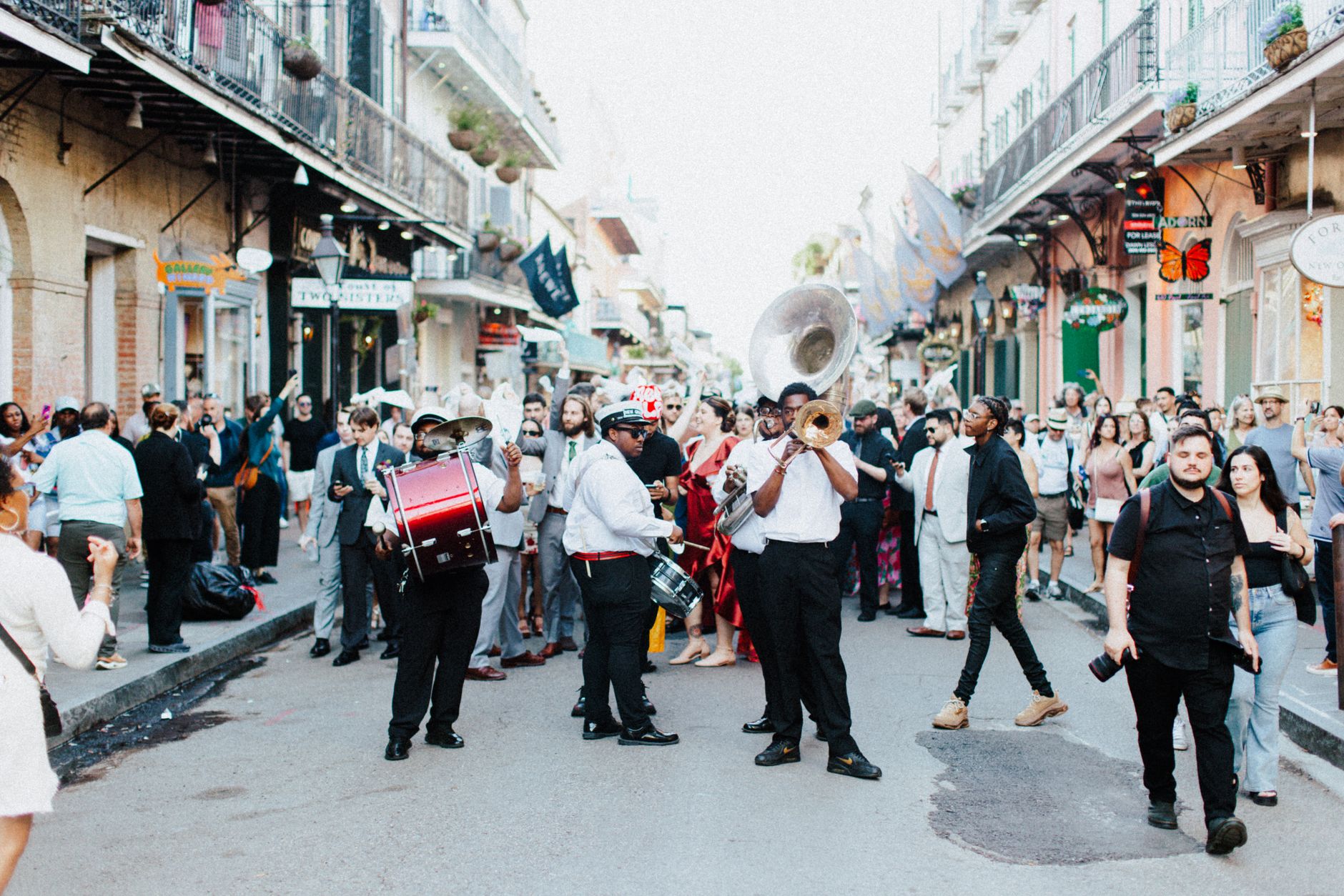
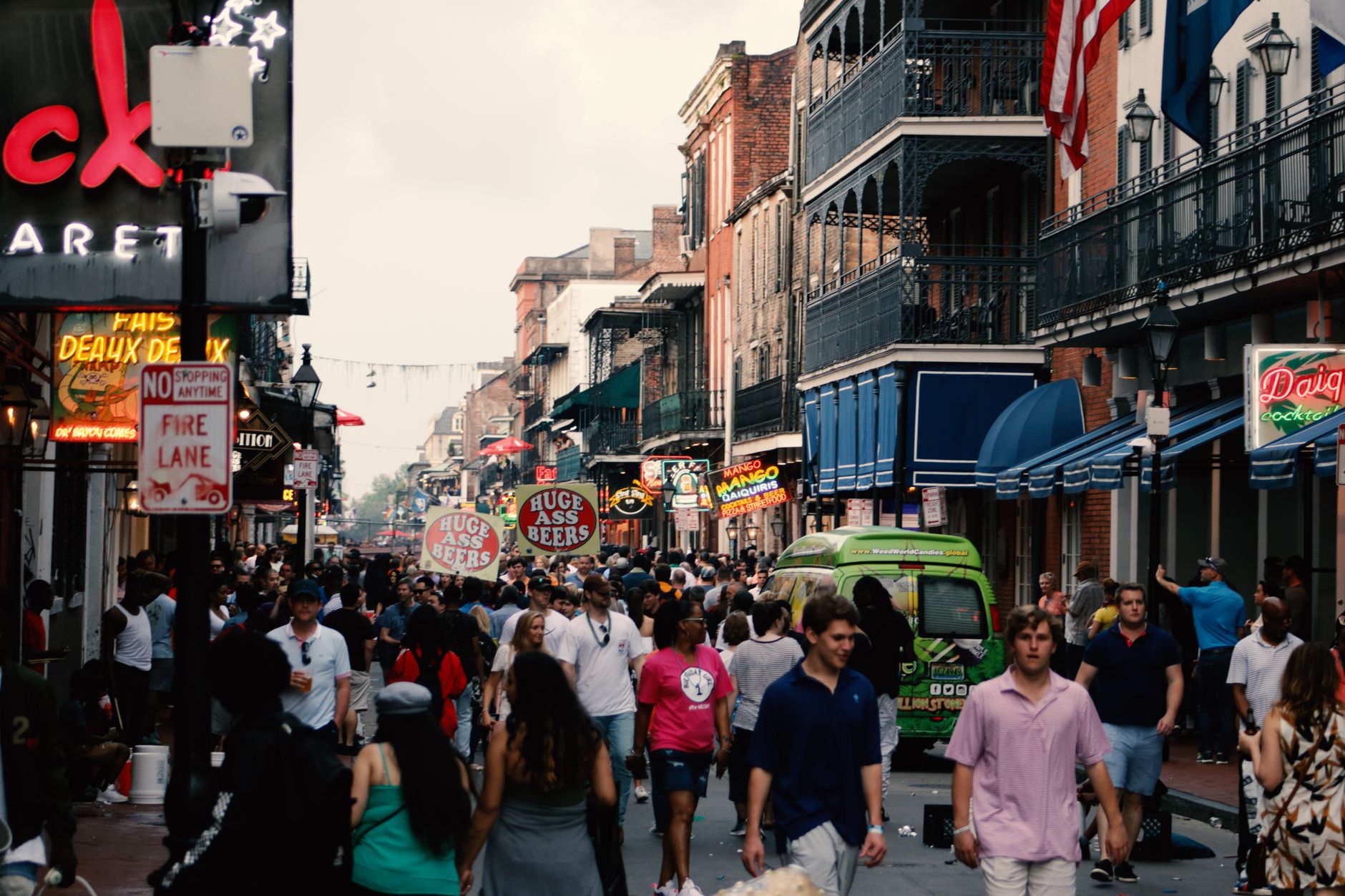
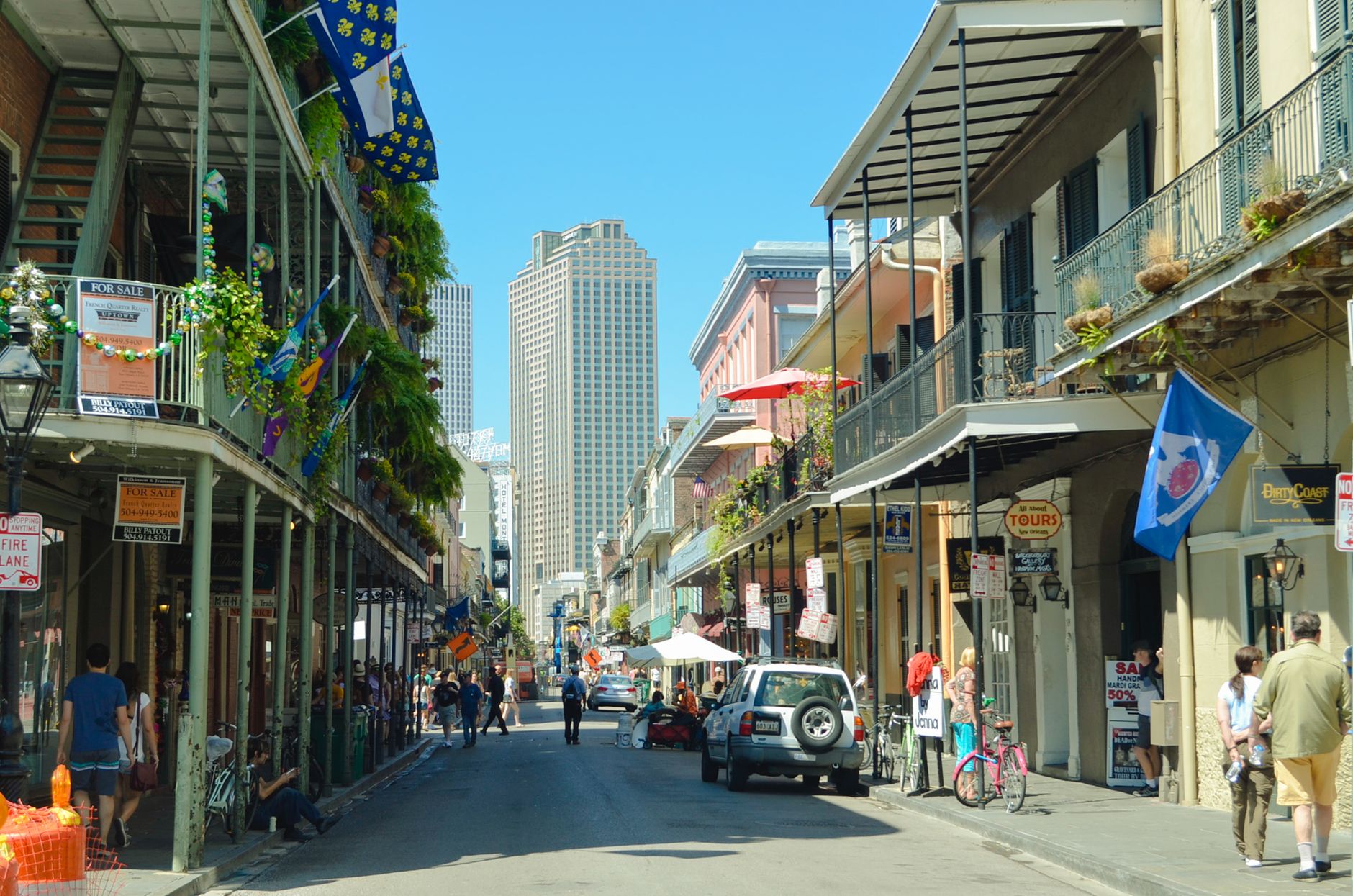
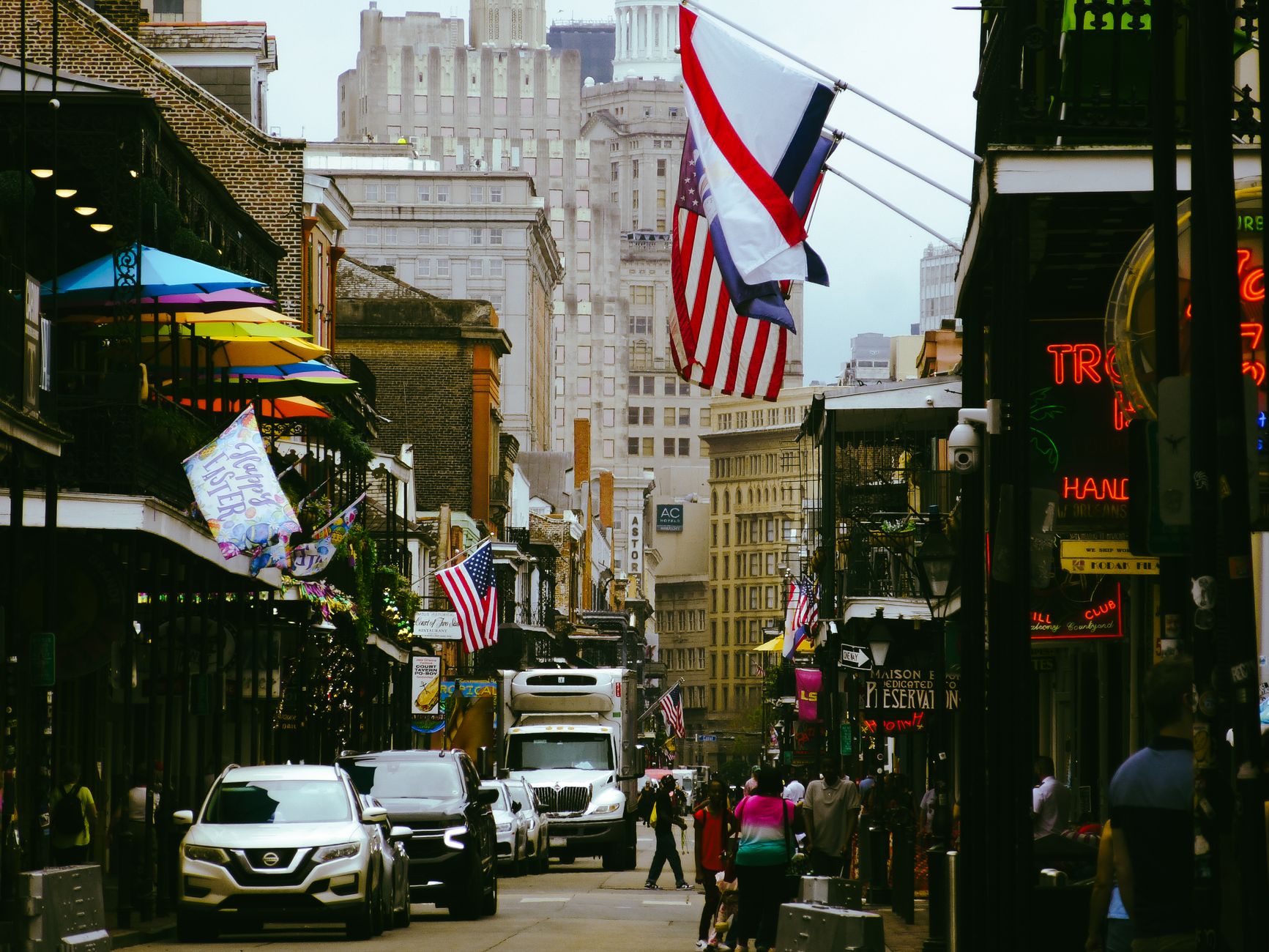
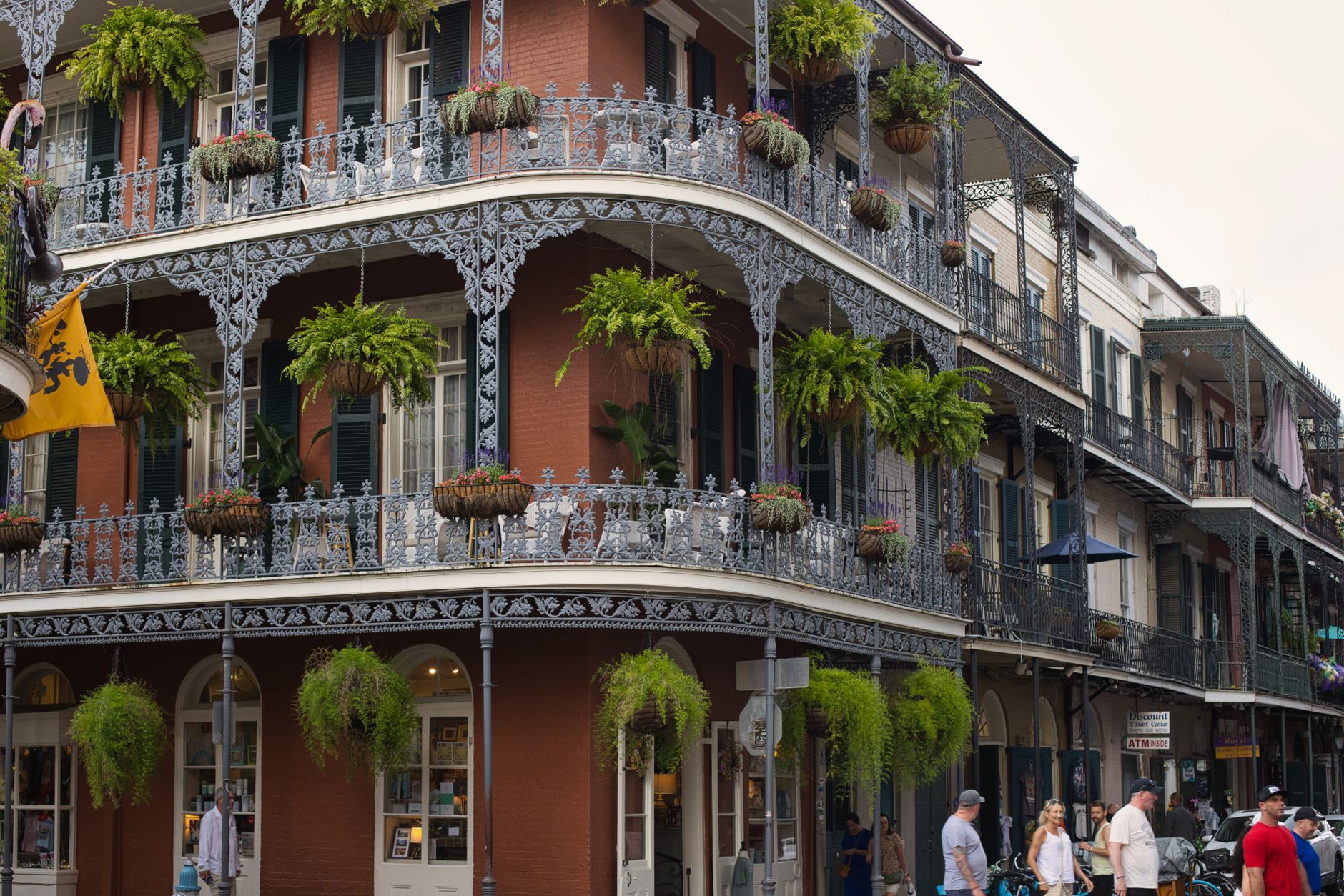
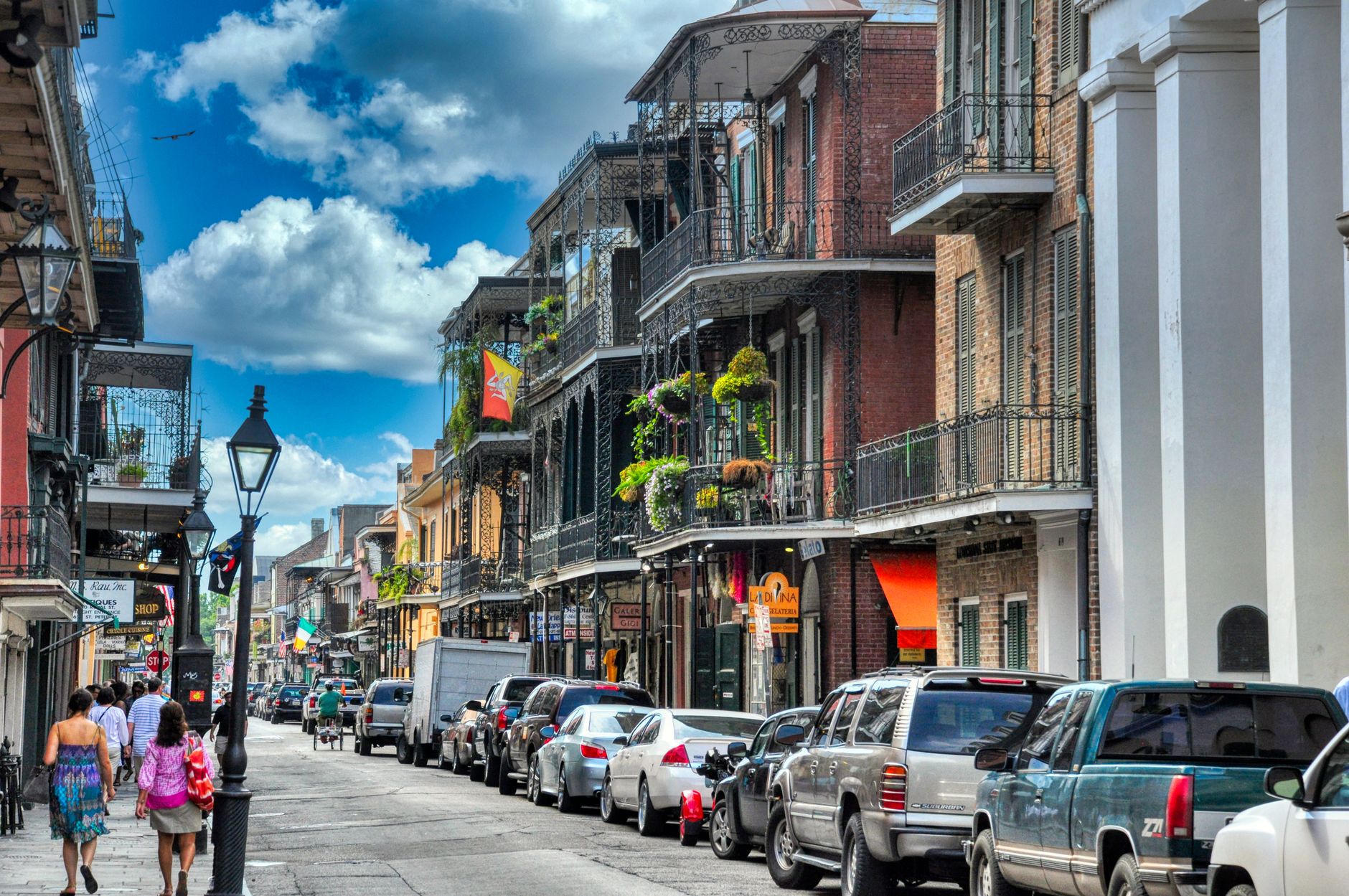
New Orleans sits at a bend in the Mississippi, a city that has been French, Spanish, French again, and American — all within a century — and carries every layer with it. The oldest operating Catholic cathedral in the United States faces a square where the Cabildo and Presbytère still flank it exactly as they did in the 1790s. The St. Charles Avenue streetcar has been running since 1835.
What you notice first is how much the city is lived in rather than preserved. The ironwork balconies of the Pontalba apartments have laundry on them. Lafitte's Blacksmith Shop, dating to the 1770s, is still serving drinks on Bourbon Street.
💛 What travellers fall for
People who come back tend to orient by streetcar line rather than map. The St. Charles line drops you at Gallier Hall, carries you through the Garden District, and costs $1.25. A 24-hour Jazzy Pass at $3 covers buses and the Mississippi ferry crossings too — worth it if you're moving between the French Quarter and Algiers in a single day.
How New Orleans came to be
Jean-Baptiste Le Moyne de Bienville founded the city in 1718, naming it for Philip II, Duke of Orléans, then regent of France. His assistant engineer Adrien de Pauger laid out the French Quarter grid in 1721, and by 1722 the settlement had become the capital of French Louisiana. Fires in 1788 and 1794 erased most of the original French colonial buildings — the Ursuline Convent (1745–1752) and Madame John's Legacy on Dumaine Street survive as rare exceptions.
Control shifted to Spain after the Seven Years' War, returned briefly to France in 1801, and passed to the United States through the Louisiana Purchase of 1803. By the mid-19th century New Orleans was the largest port in the South, and its wealth read in the Greek Revival mass of Gallier Hall (1853) and the Garden District mansions built by Anglo-American merchants who settled upriver from the Creole Quarter.
Who and what shaped it
People who shaped it
Landmark buildings
See New Orleans in motion
Plan your visit
On the map
When to go
Winters are mild and short — rarely cold enough for a heavy coat — while summers run hot and extremely humid from June through September, with frequent afternoon thunderstorms. October and November offer the most comfortable conditions for walking the city's neighborhoods at length.
Right now
Background & history adapted from Wikipedia (CC BY-SA) · specs from Wikidata (CC0) · weather from Open-Meteo · map data © OpenStreetMap contributors · photos from Wikimedia Commons / Unsplash with per-image credit. No third-party reviews or social posts reproduced.