
Zion National Park
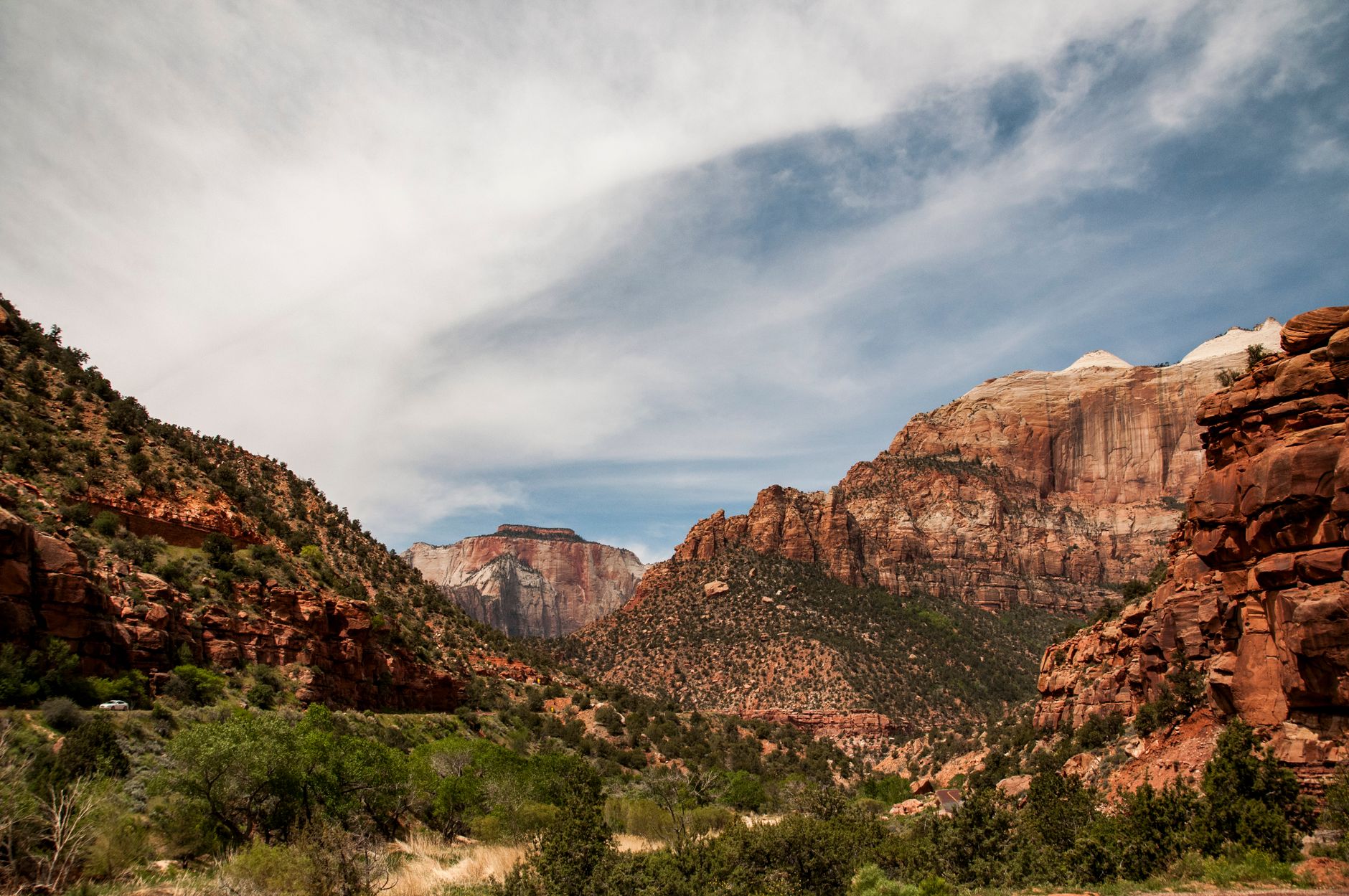
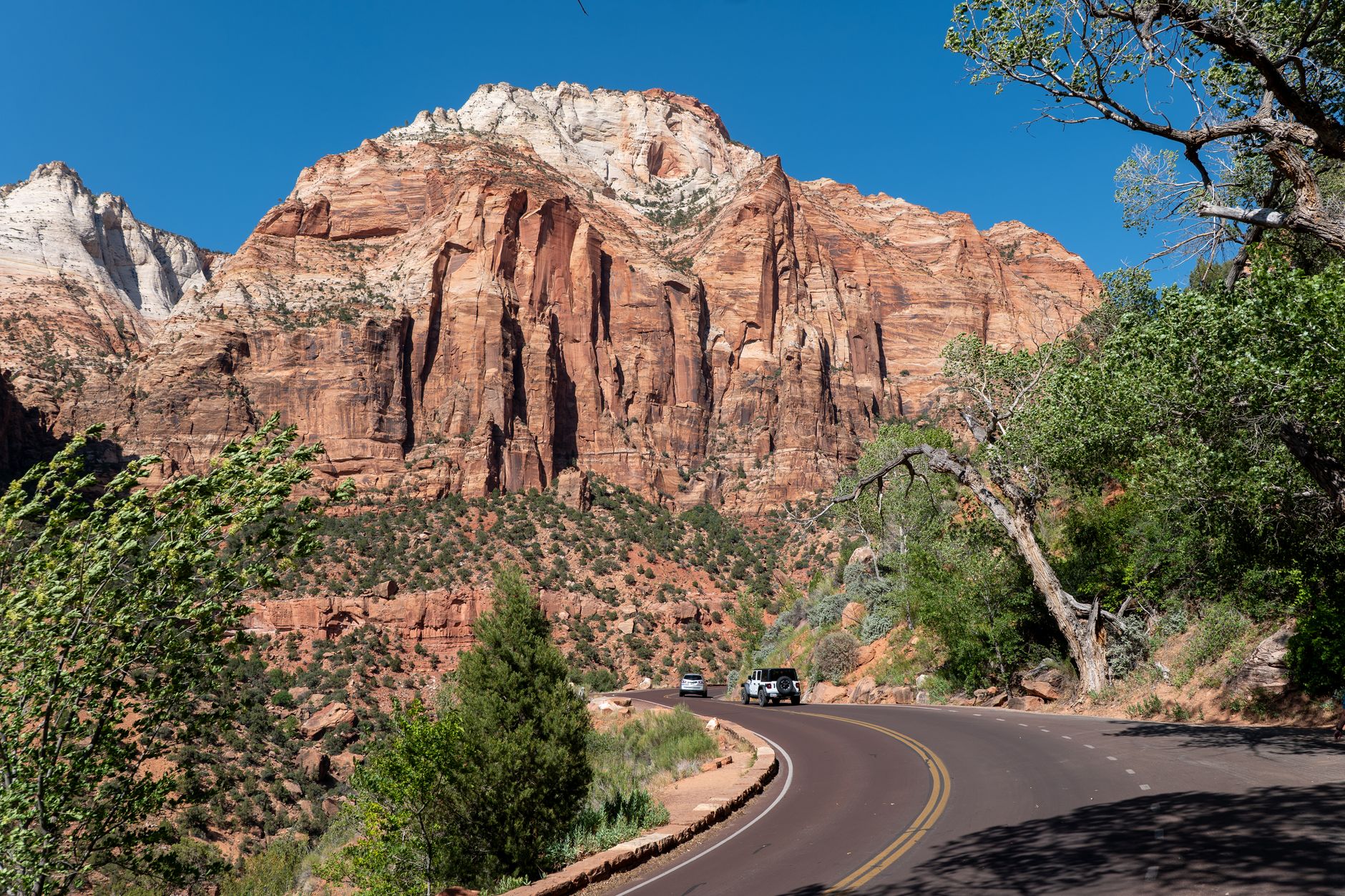

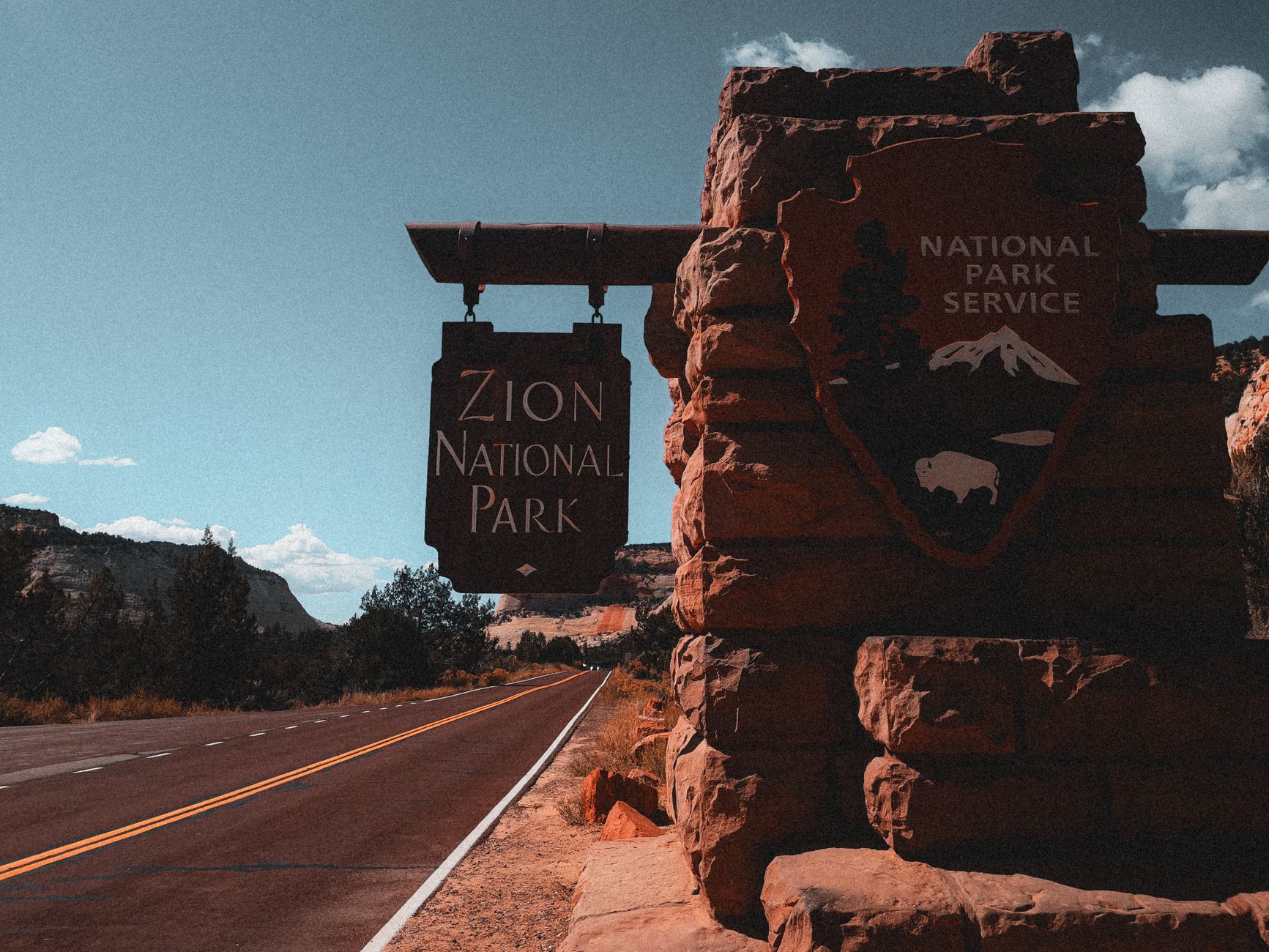
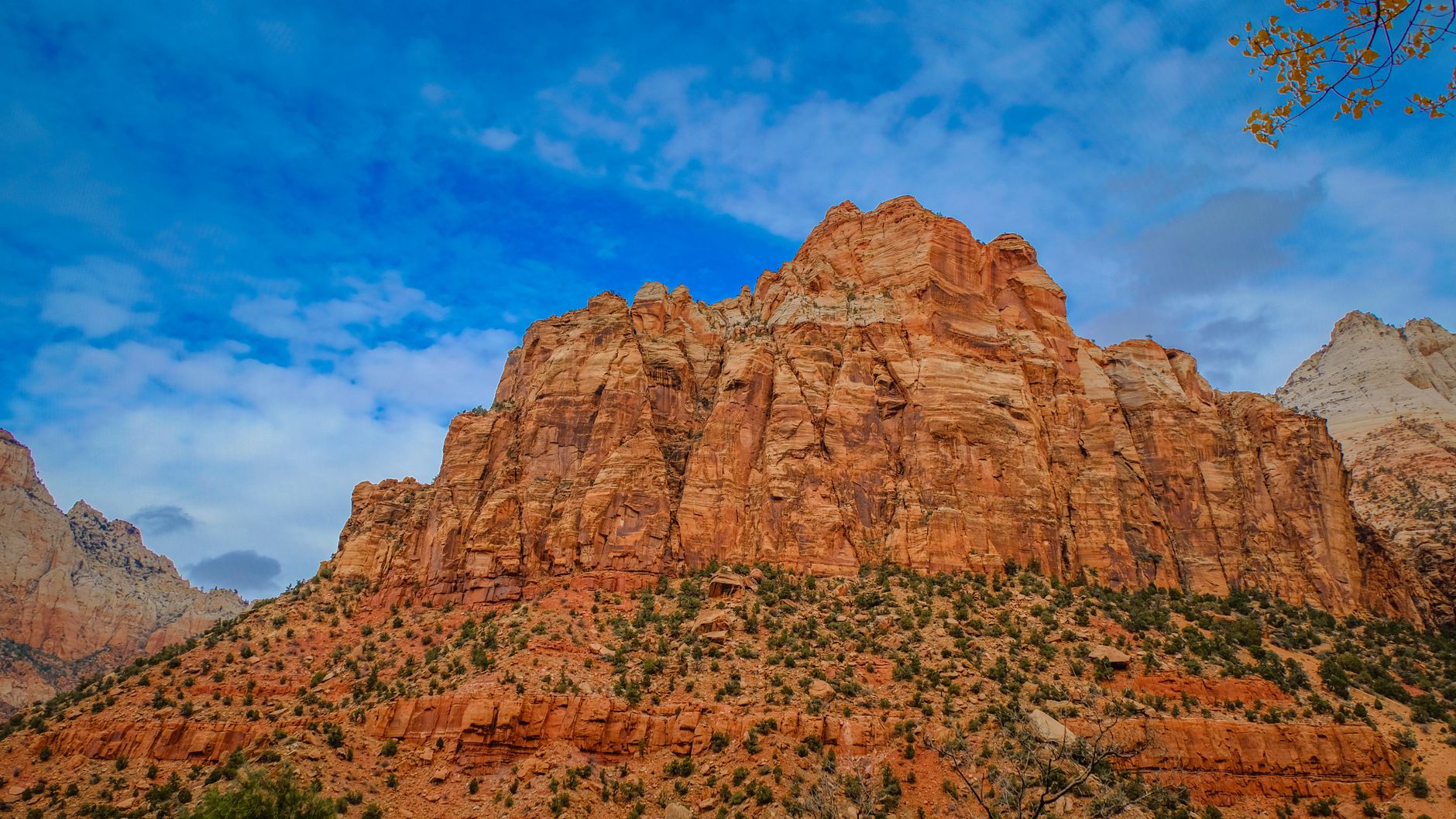
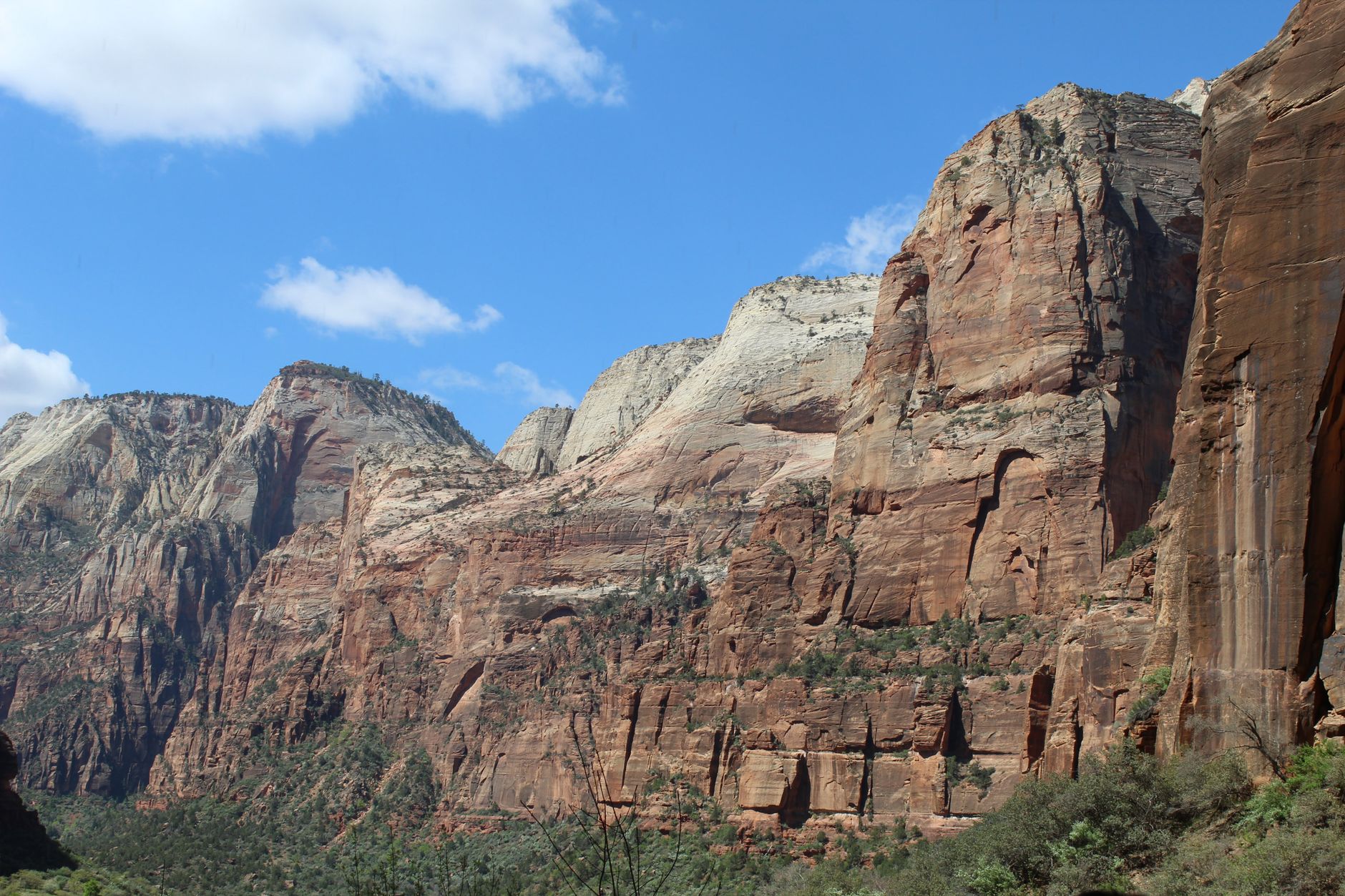
The first thing that stops you is the scale. Zion Canyon runs fifteen miles long and drops nearly three thousand feet in places, and the rock walls are not grey or brown but a deep, layered red that shifts toward orange and cream depending on the hour. The Great White Throne rises fifteen hundred feet from the canyon floor. The Court of the Patriarchs carries the biblical names Abraham, Isaac, and Jacob, which tells you something about the people who named things here.
This is a park you move through slowly — on foot, on the free shuttle that traces the canyon road from March through November, or simply standing still while the light changes.
💛 What travellers fall for
People who come back tend to time the Angels Landing lottery well in advance, then spend the remaining days in Kolob Canyons, the quieter western section most first-timers skip entirely. The Riverside Walk to the Narrows requires nothing but waterproof footwear and patience — wade as far in as the water allows.
How Zion National Park came to be
A painter named Frederick Dellenbaugh published his canyon work in Scribner's Magazine in 1904–1905, and the images reached Washington. President William Howard Taft proclaimed Mukuntuweap National Monument on July 31, 1909. The name, drawn from the Southern Paiute, was locally unpopular, and in 1917 Horace Albright — acting director of the newly formed National Park Service — proposed replacing it with Zion, the name Mormon settlers had already given the canyon. Congress formalized Zion National Park on November 19, 1919.
The infrastructure followed. Isaac Behunin had built a one-room log cabin near the present Zion Lodge site back in 1861. The lodge itself, designed by Gilbert Stanley Underwood, went up in 1929–1930. A fire destroyed it in 1966; a hasty rebuild stripped away the original character; a 1990 remodel put it back. The 1.1-mile Zion-Mount Carmel Tunnel, completed in 1930, opened the east entrance and remains in use today.
Who and what shaped it
People who shaped it
Landmark buildings
See Zion National Park in motion
Plan your visit
On the map
When to go
Summers run genuinely hot — June averages push toward 95°F — while spring and autumn are mild and the most comfortable for long days on trail. Winters are cool with occasional snow, and the park stays open year-round.
Right now
Background & history adapted from Wikipedia (CC BY-SA) · specs from Wikidata (CC0) · weather from Open-Meteo · map data © OpenStreetMap contributors · photos from Wikimedia Commons / Unsplash with per-image credit. No third-party reviews or social posts reproduced.