
Miami and South Florida

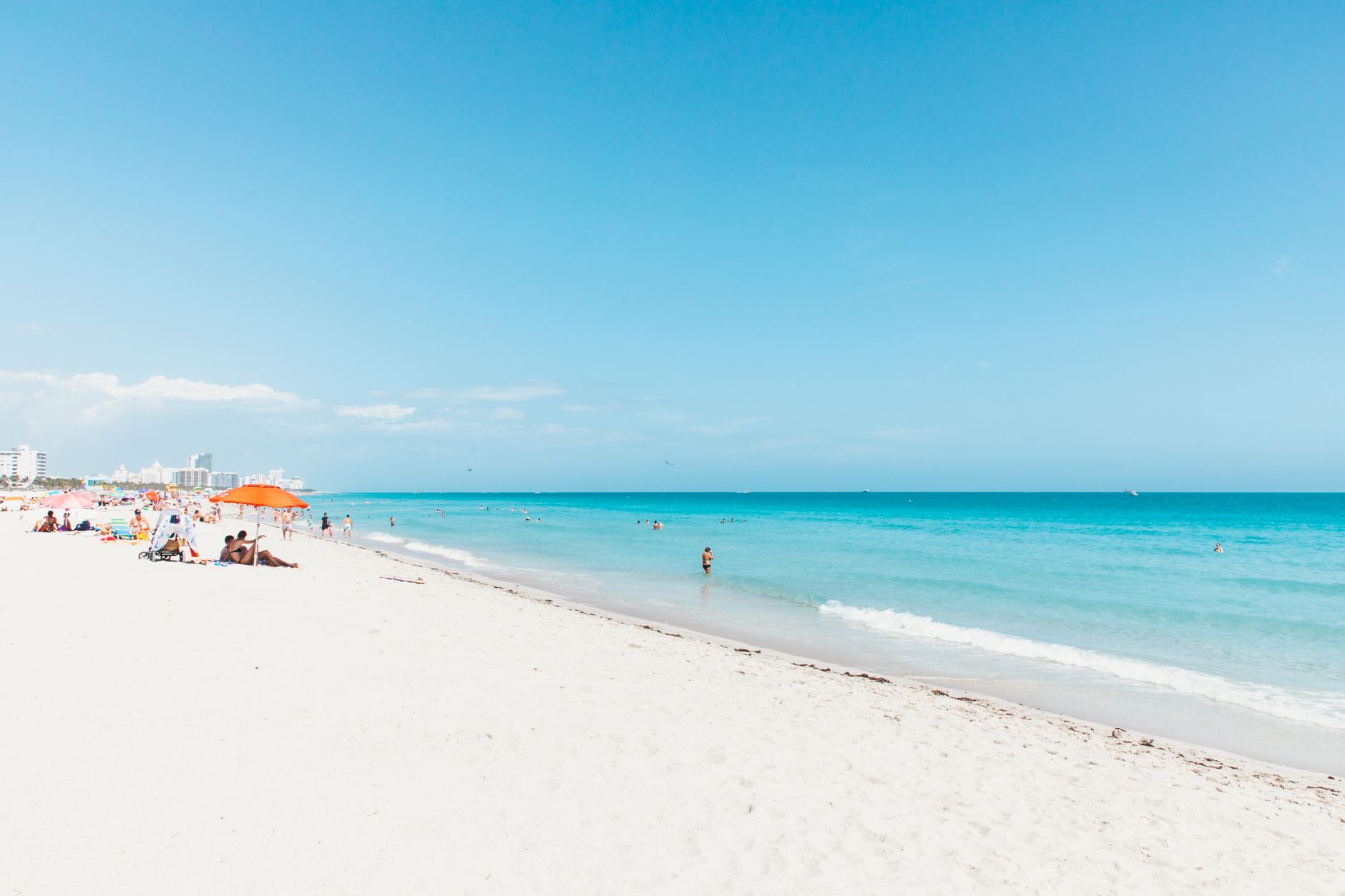

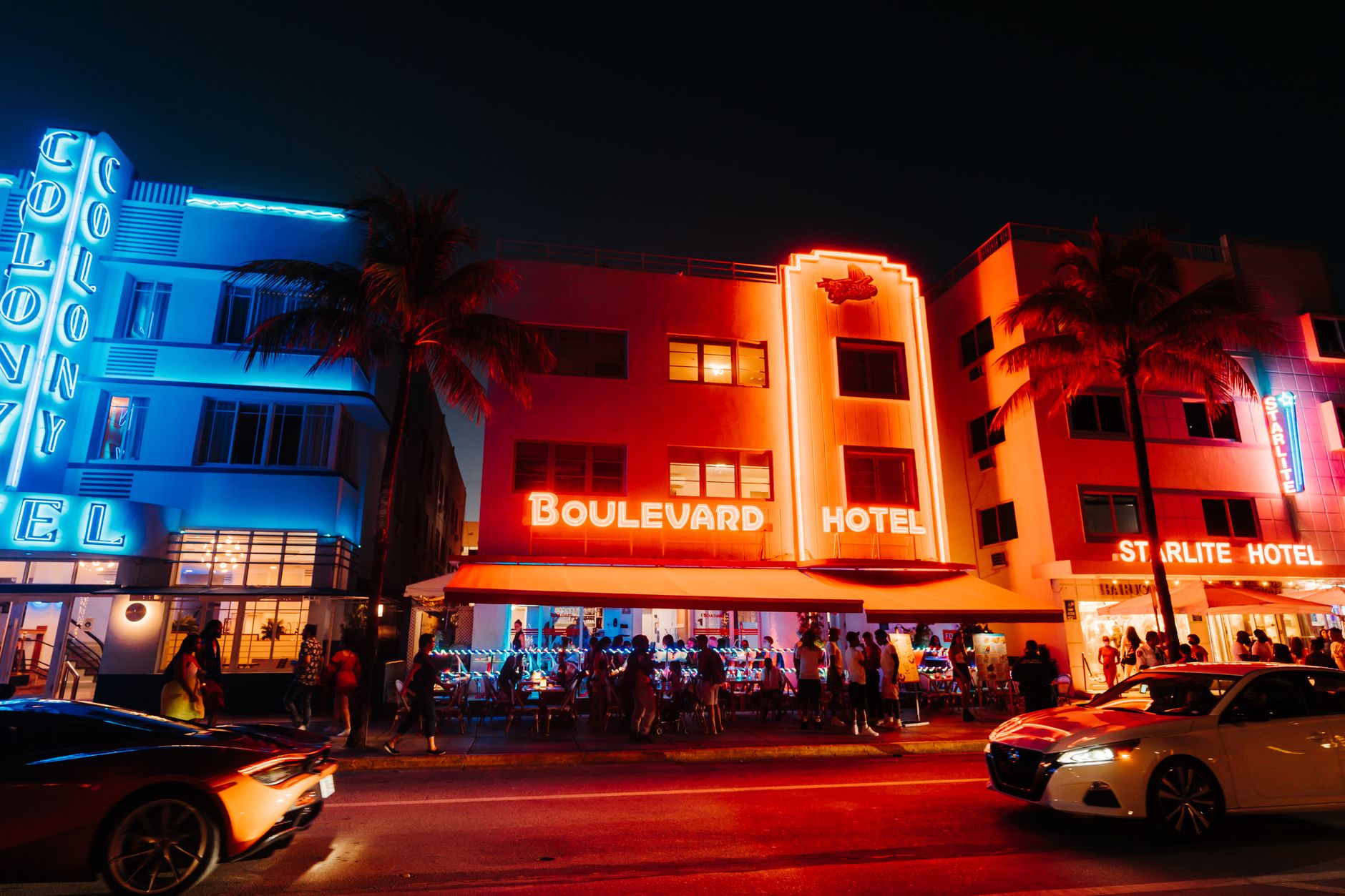
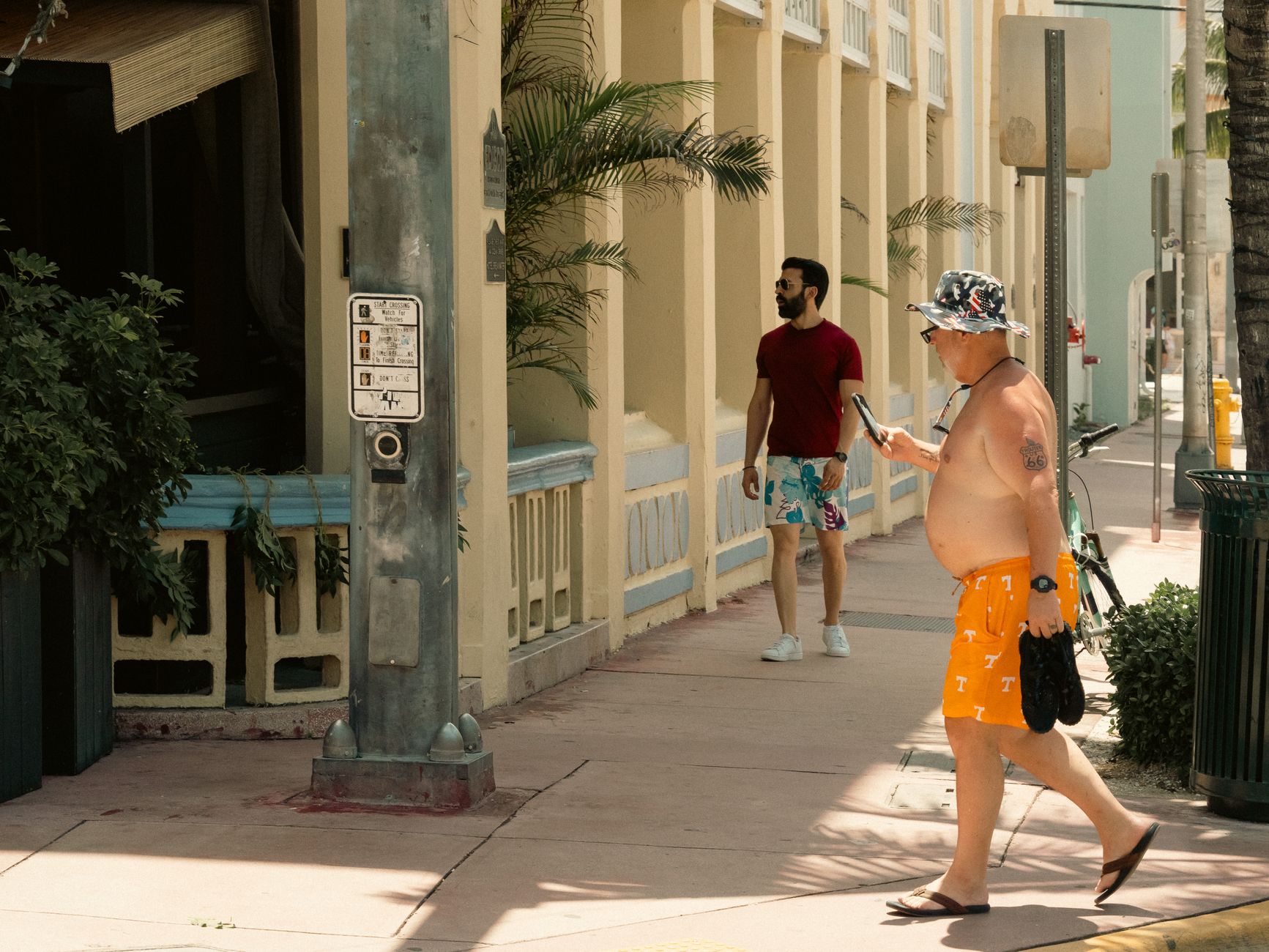

South Florida is where the continent runs out of land and the logic shifts accordingly. The light here is different — flatter, more insistent, bouncing off Biscayne Bay and the pale Art Deco facades of Ocean Drive. More than 800 buildings went up between 1923 and 1943 along South Beach alone, and walking among them still feels like stumbling into a period photograph that hasn't quite finished developing.
The region pulls in several directions at once: Cuban coffee at a ventanita window, Everglades cypress canopy an hour west, horse racing at Gulfstream Park, the freshwater quiet of the Venetian Pool in Coral Gables. That range is the point.
💛 What travellers fall for
People who keep coming back tend to sort themselves by neighborhood early. Coral Gables regulars swear by the Biltmore's Sunday brunch and an afternoon at the Venetian Pool. Those drawn to Coconut Grove end up at Vizcaya or walking the Biscayne Bay shoreline near the Barnacle, Munroe's 1891 home, on a weekday when the crowds thin.
How Miami and South Florida came to be
Miami incorporated on July 28, 1896, with barely 300 residents — a number that tells you how recent all of this is. The city exists largely because of one conversation: Julia Tuttle, a Cleveland native who had staked her future on South Florida citrus, sent Henry Flagler orange blossoms after the catastrophic freeze of 1894–95 to prove her groves had survived. Flagler extended his Florida East Coast Railway south, the first train arrived April 13, 1896, and a city followed.
The 1920s brought a real-estate boom, then a bust in 1925, then the 1926 hurricane, then the Depression. The region remade itself again after 1959, when Fidel Castro's rise to power sent waves of Cuban exiles north to Miami, permanently reshaping its culture, its food, and its Spanish-language street life.
Who and what shaped it
People who shaped it
Landmark buildings
See Miami and South Florida in motion
Plan your visit
On the map
When to go
Winter is the sweet spot — warm, dry, and rarely above the low 70s Fahrenheit, with rainfall under an inch a month from December through February. Summer runs hot (daily highs around 87°F) with heavy afternoon thunderstorms from May through October, and the region sits in one of the country's most hurricane-exposed corridors, so check forecasts if you're traveling between June and November.
Right now
Background & history adapted from Wikipedia (CC BY-SA) · specs from Wikidata (CC0) · weather from Open-Meteo · map data © OpenStreetMap contributors · photos from Wikimedia Commons / Unsplash with per-image credit. No third-party reviews or social posts reproduced.