
Orlando
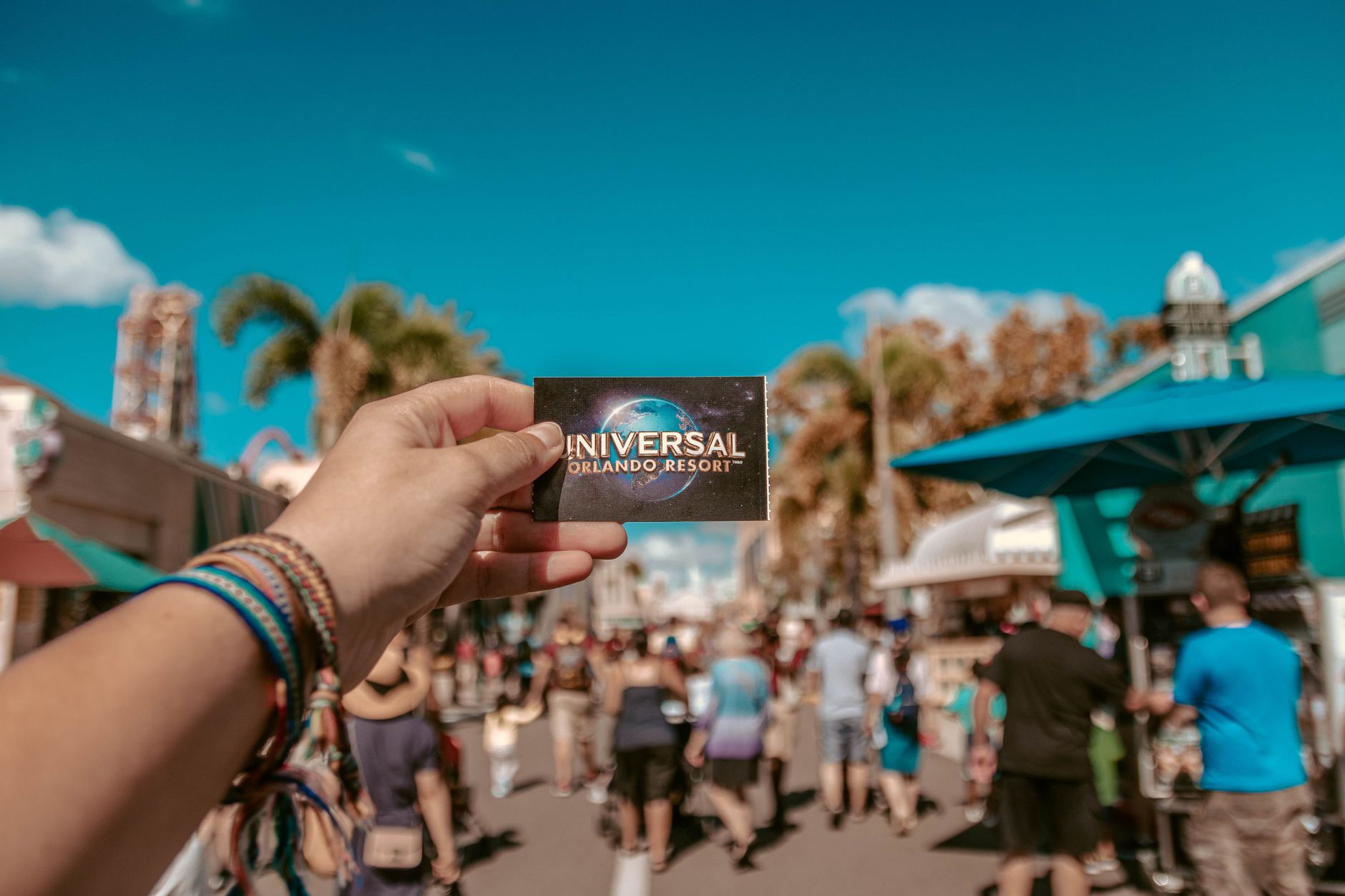
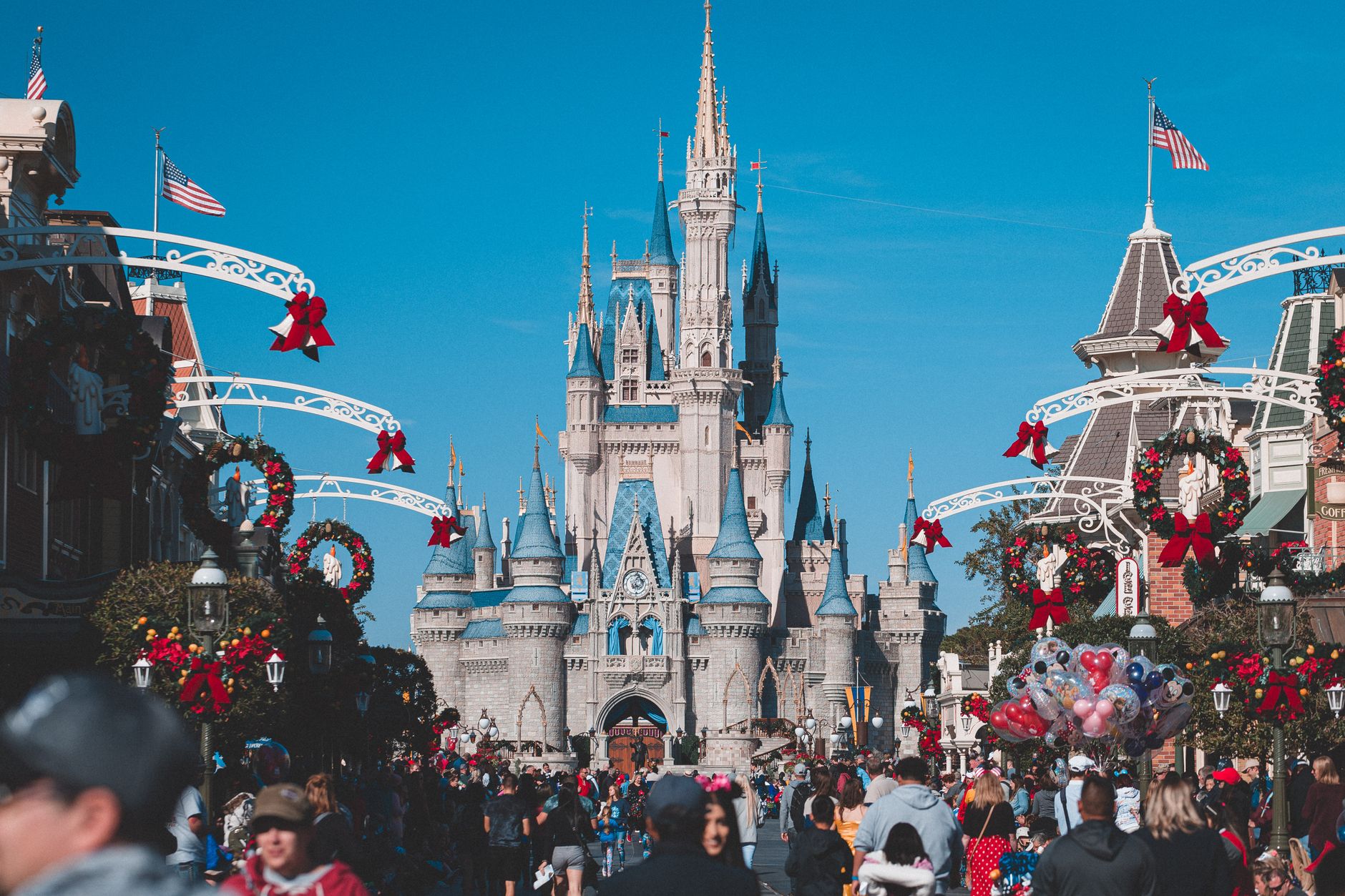
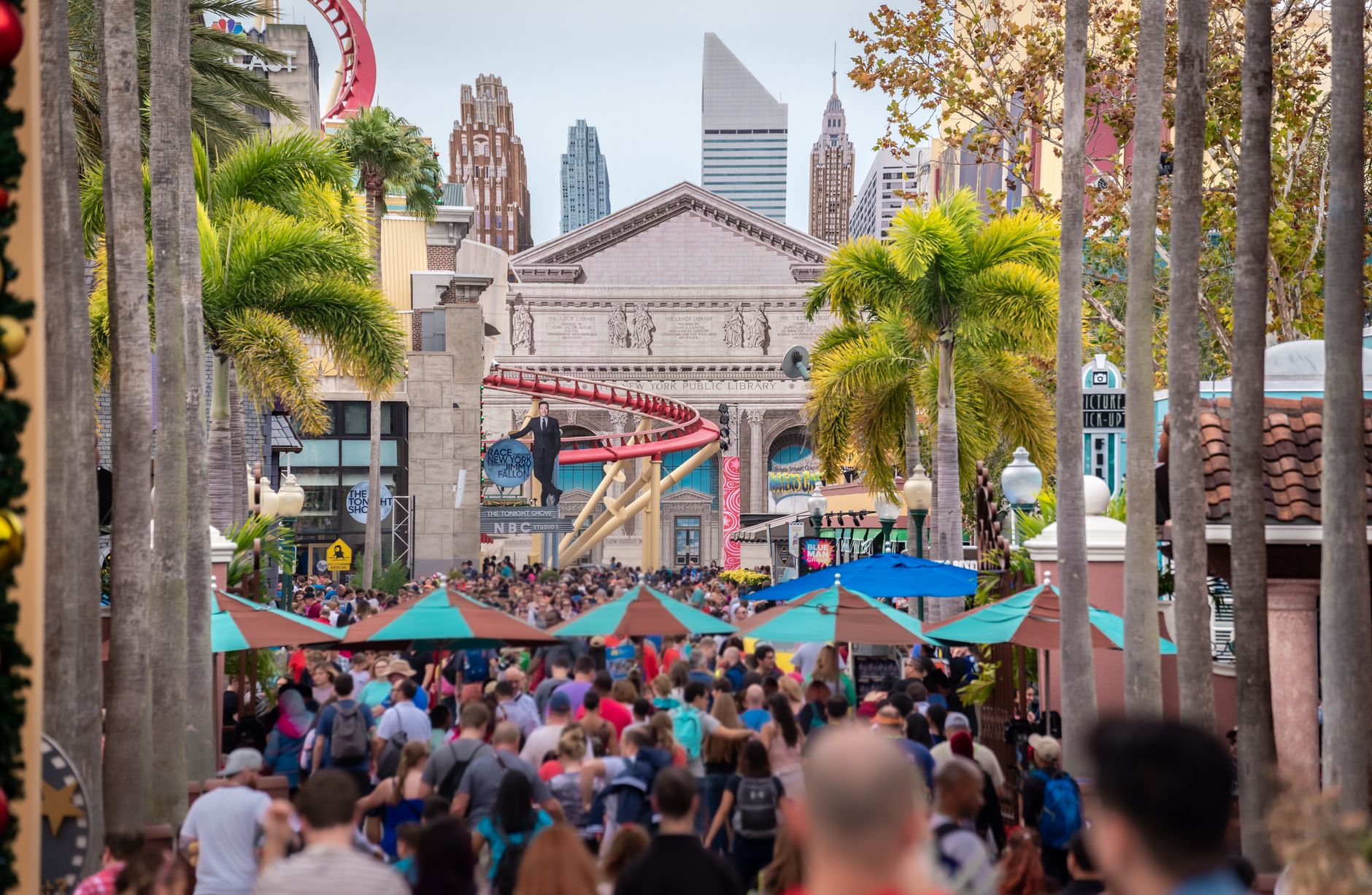
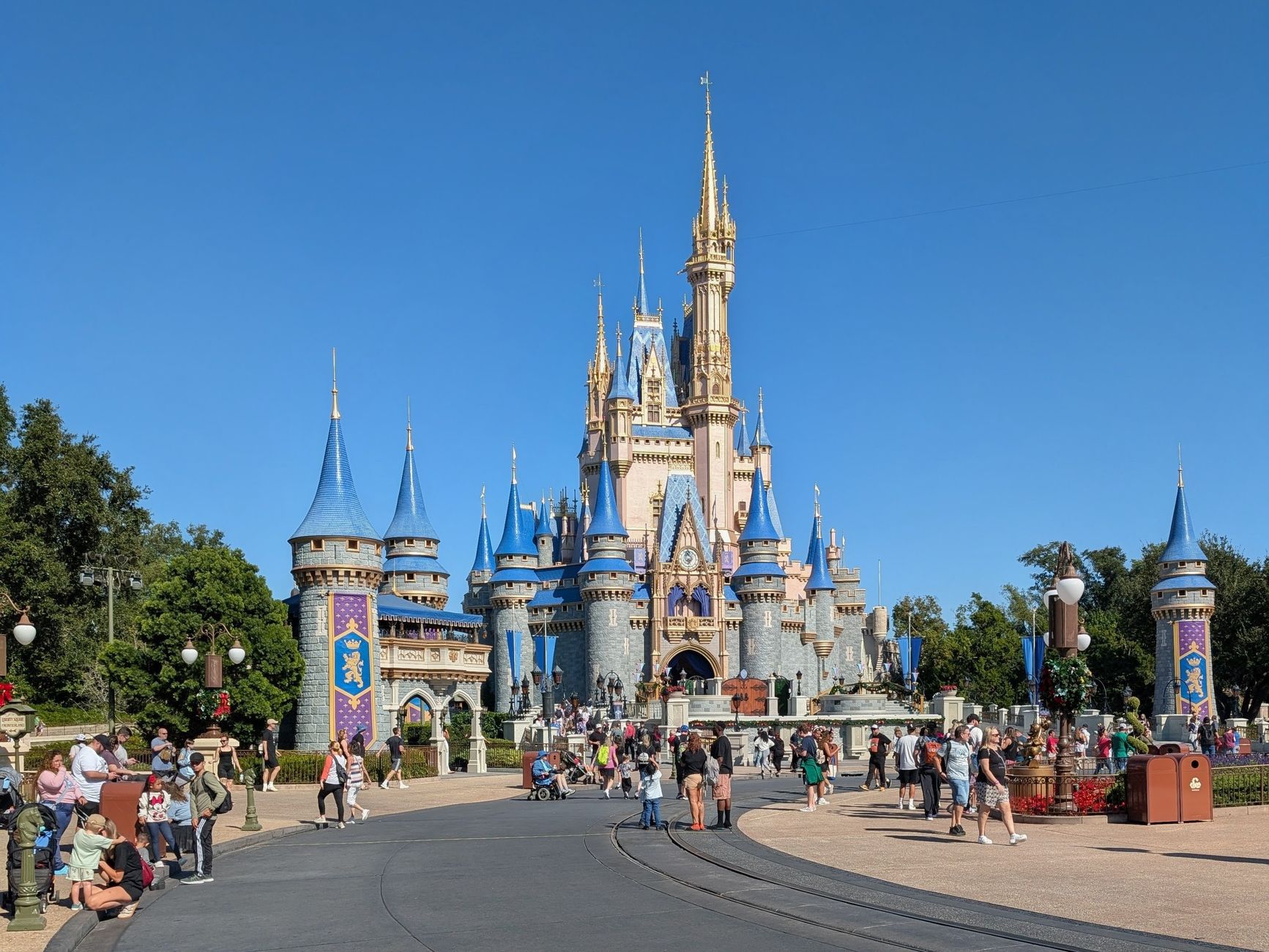
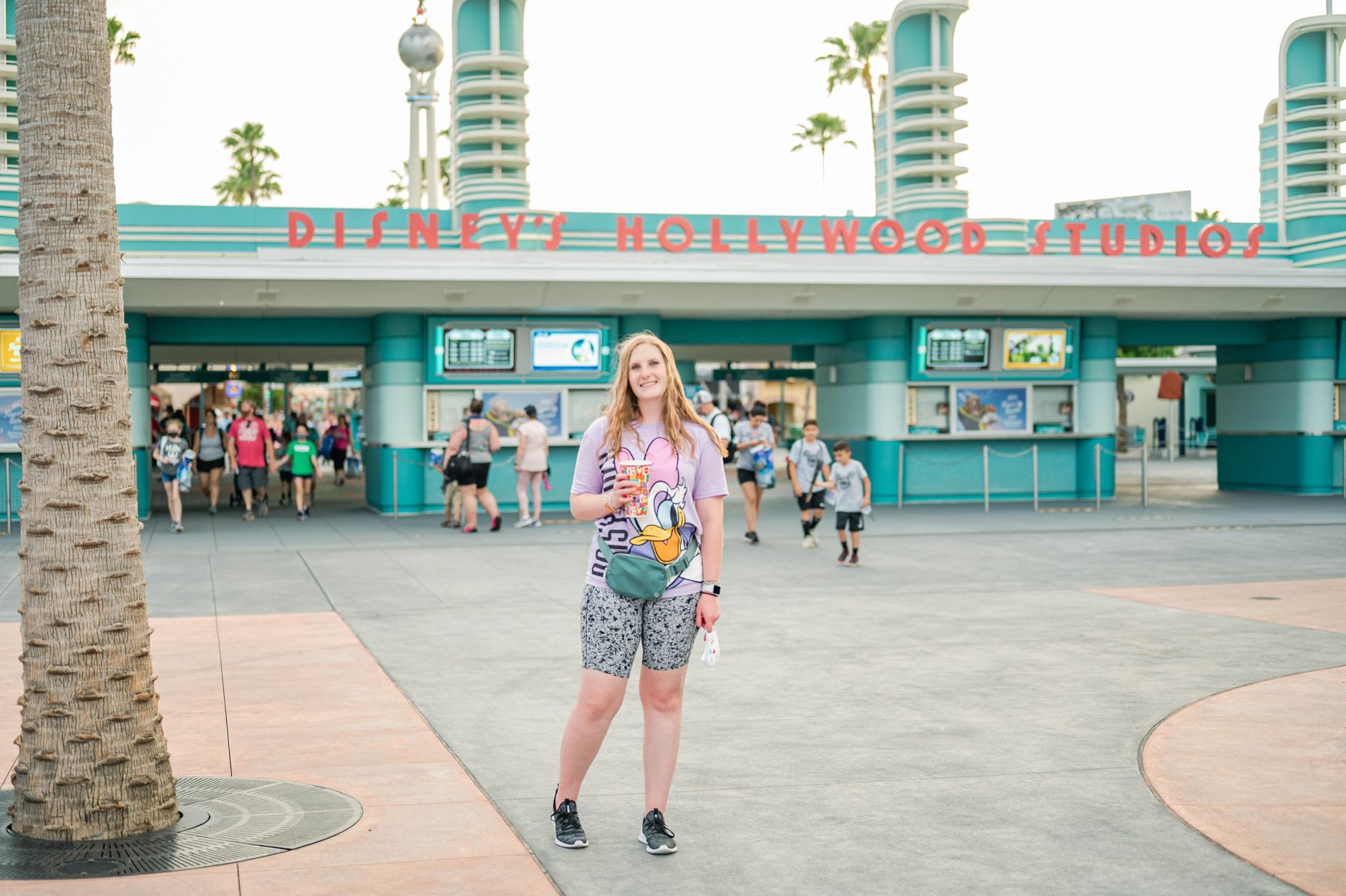
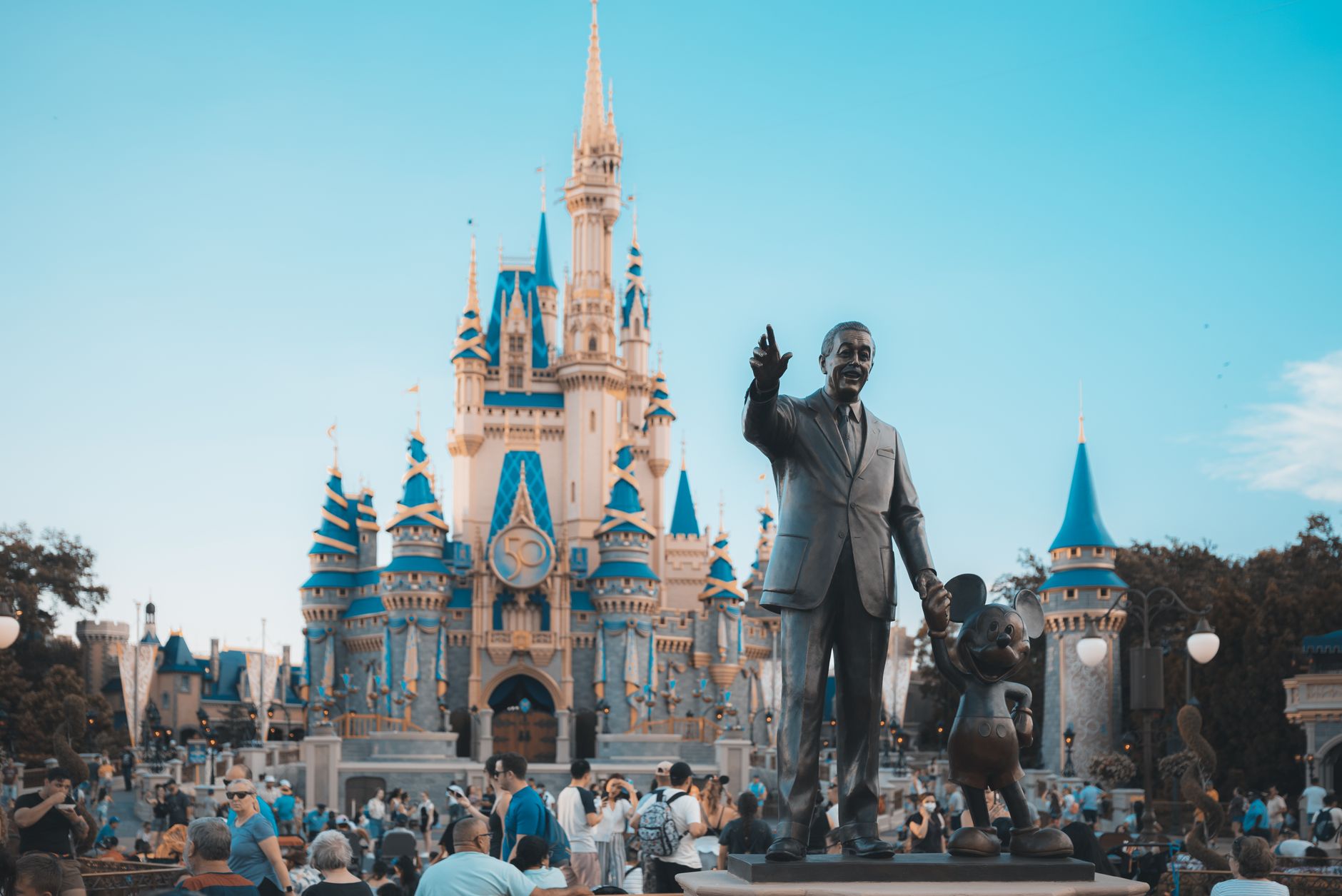
Orlando is two cities sharing a zip code. One is the theme-park capital of the world — Cinderella Castle rising 189 feet above the flat Florida scrub, Spaceship Earth's geodesic sphere catching the Epcot light, and as of May 2025, Epic Universe adding a new chapter to Universal's sprawl. The other Orlando runs along Mills 50, where hand-lettered signs above mom-and-pop kitchens advertise pho and Malaysian street food, and where Lake Eola's Chinese ting — built in Shanghai, disassembled, shipped, and reassembled here after a 1987 gift from Dr. Nelson Ying — sits quietly beside joggers and Sunday-morning families.
Most visitors arrive for one Orlando and stumble into the other. Both reward the time.
💛 What travellers fall for
People who come back tend to anchor in Thornton Park or Mills 50 rather than International Drive, and they learn to read the sky: that afternoon thunderhead building by 2pm means you have about an hour before the rain comes sideways. Build the outdoor parks into your mornings, leave the afternoon for air-conditioning, and the day stops feeling like a battle.
How Orlando came to be
In 1875, Orlando was incorporated as a town of 85 people around a courthouse square of four streets, with William Jackson Brack elected its first mayor. The name's origin is genuinely disputed — the most repeated story involves a man killed during the Second Seminole War in 1835, but no definitive source has settled it.
The two decades that followed were Orlando's citrus era. Groves spread across the surrounding flatlands and the town grew into a regional hub — until the Great Freeze of 1894–95 wiped out independent growers almost overnight. Consolidated holdings shifted south, and Orlando had to reinvent itself. It did, more than once: the 1927 courthouse that now houses the Orange County Regional History Center is one of the few built landmarks that bridge those earlier eras to the city tourists recognize today.
Who and what shaped it
People who shaped it
Landmark buildings
See Orlando in motion
Plan your visit
On the map
When to go
Winters are genuinely mild — daytime highs in the low 70s°F, cool evenings — and draw the lightest crowds; summers run 90–95°F with high humidity and near-daily afternoon downpours, especially in July. Hurricane season runs June through November; Orlando's inland position reduces direct-hit risk, but tropical systems still bring heavy rain and wind.
Right now
Background & history adapted from Wikipedia (CC BY-SA) · specs from Wikidata (CC0) · weather from Open-Meteo · map data © OpenStreetMap contributors · photos from Wikimedia Commons / Unsplash with per-image credit. No third-party reviews or social posts reproduced.