
Las Vegas
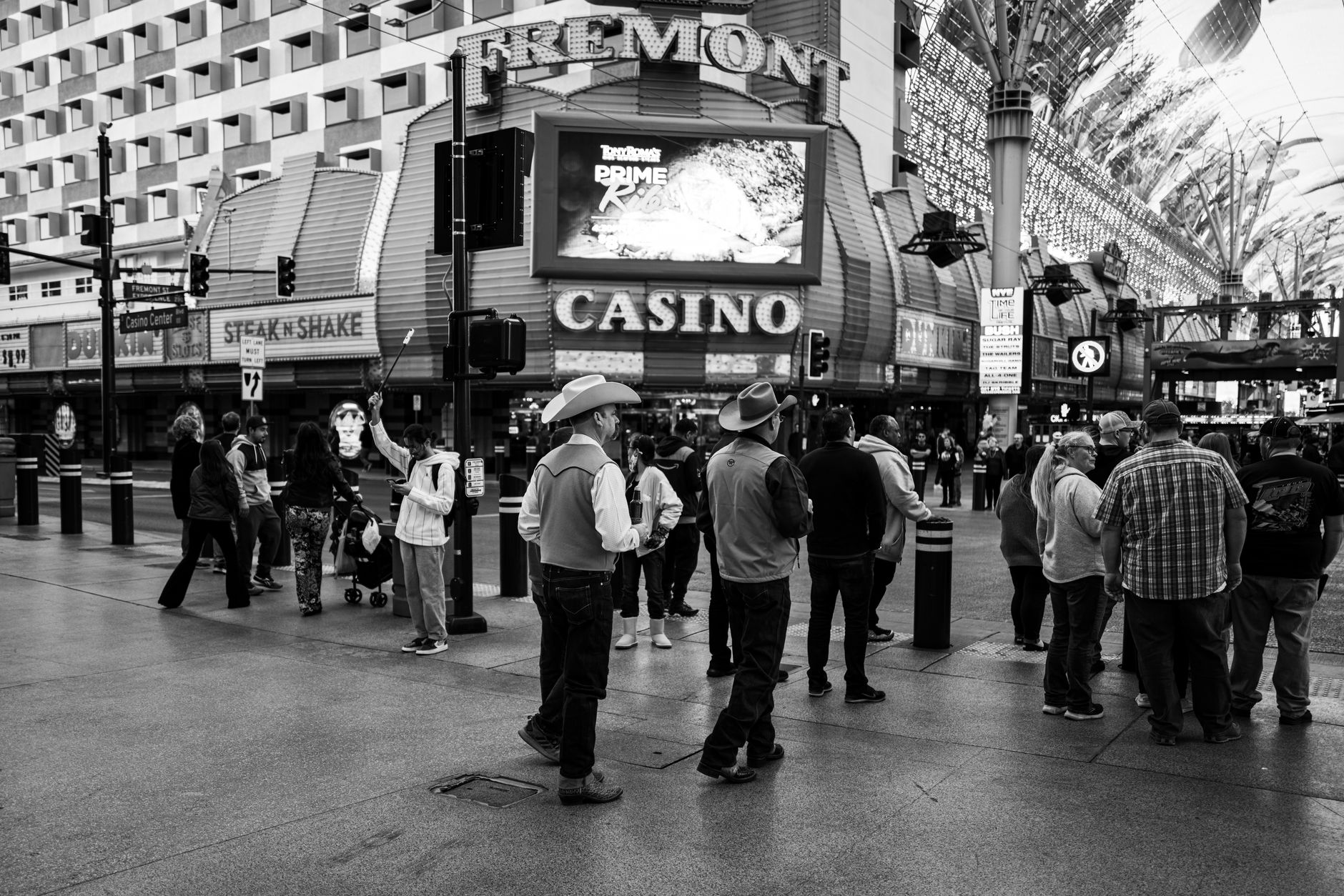
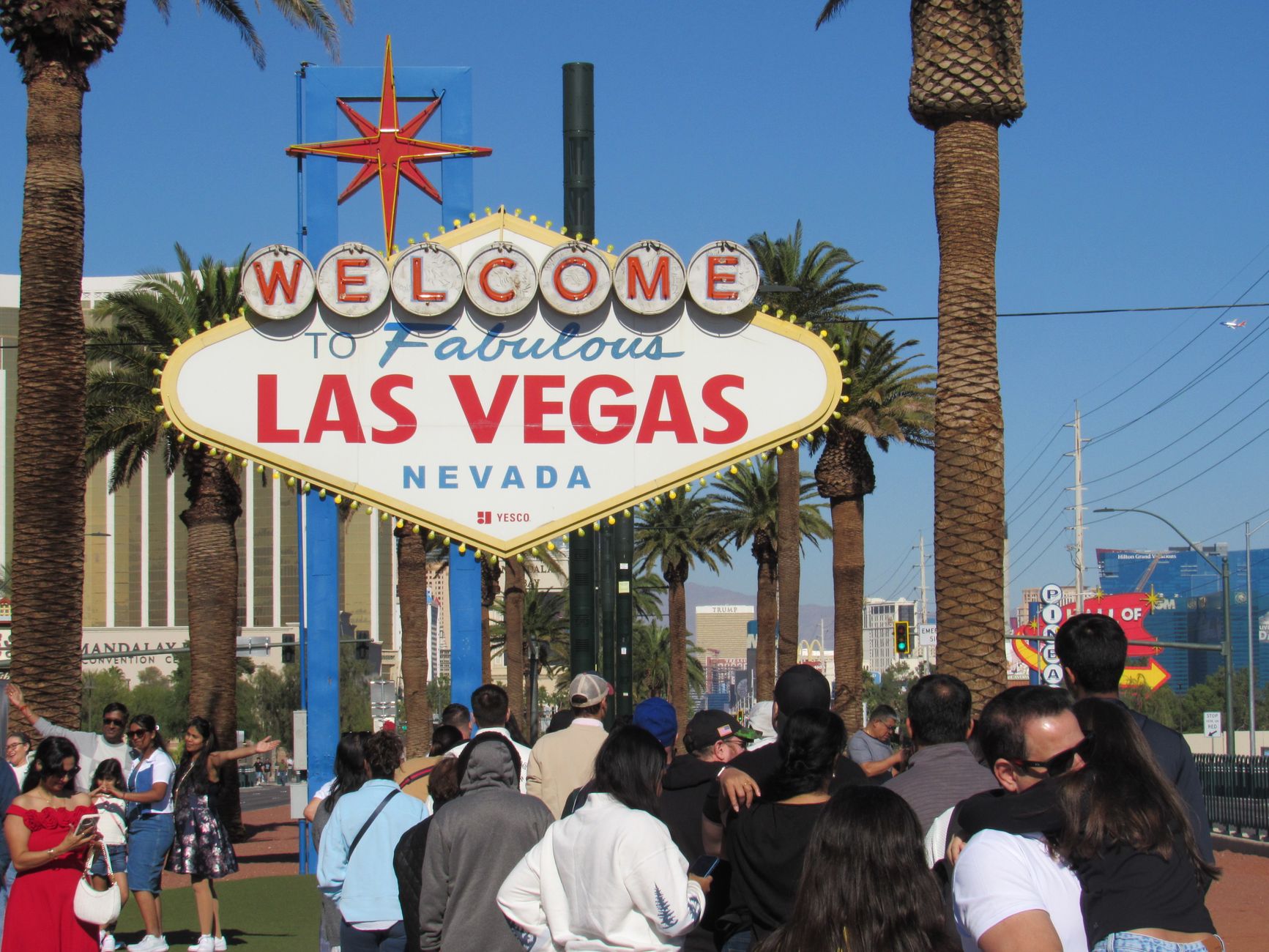
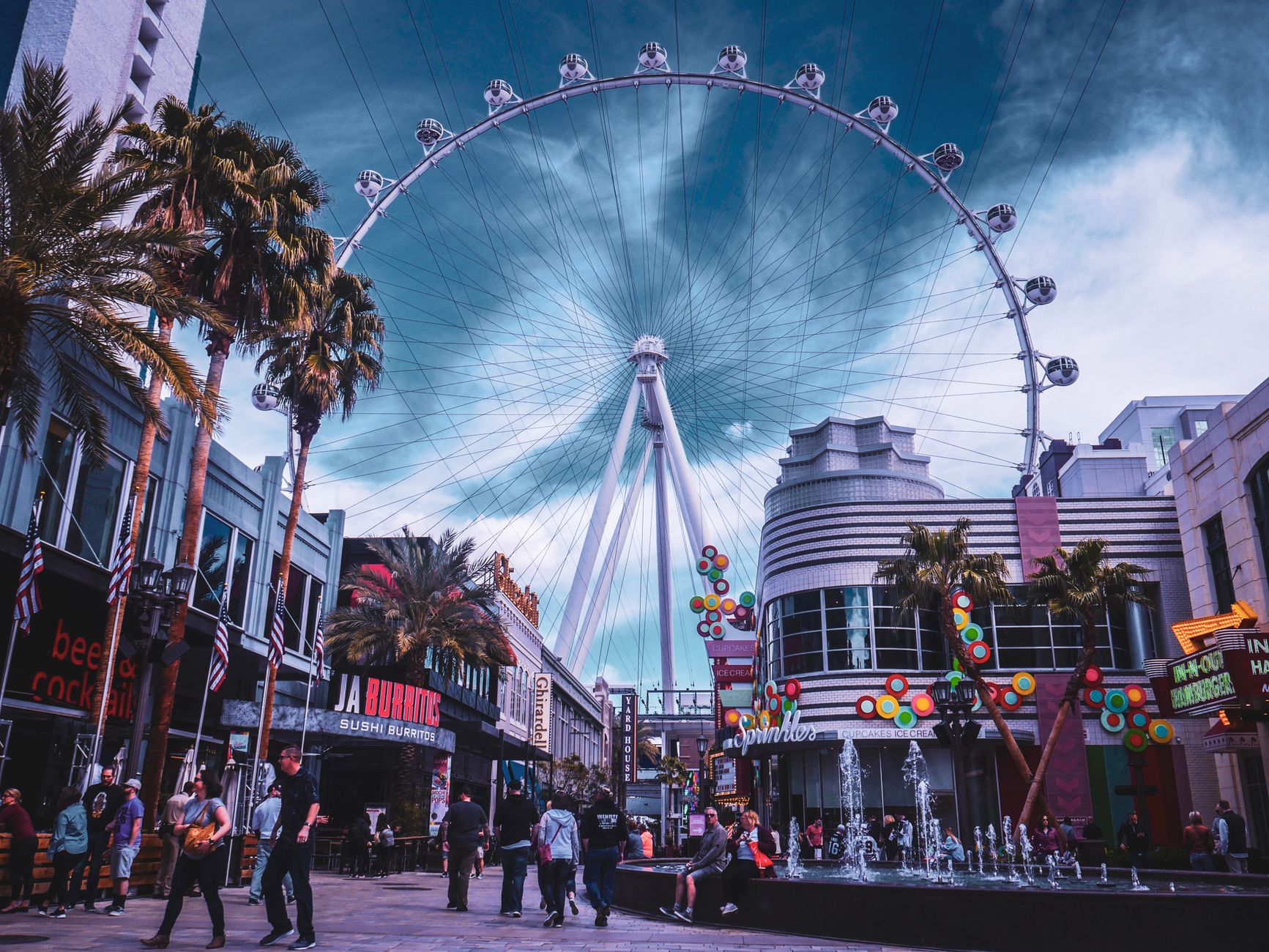
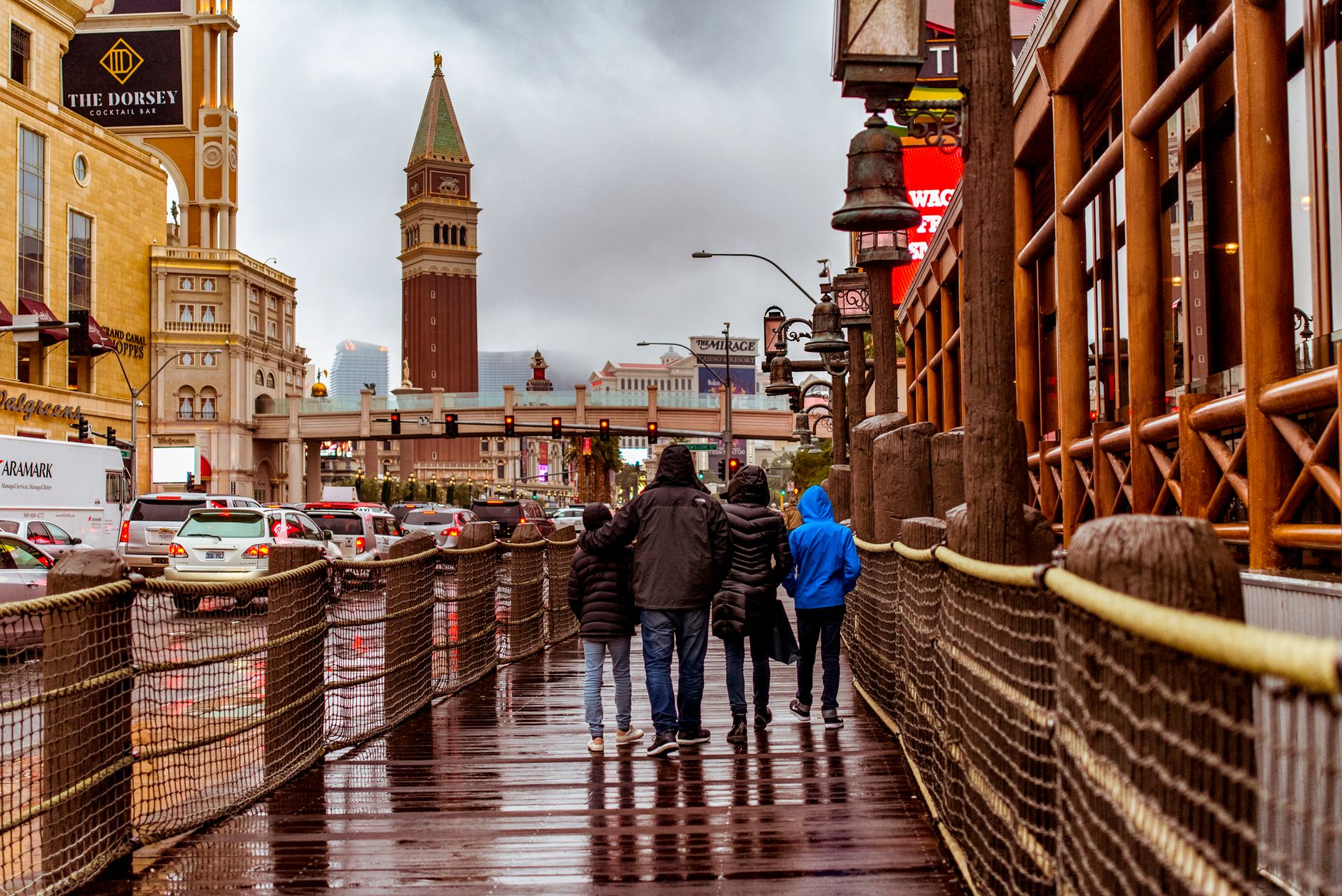
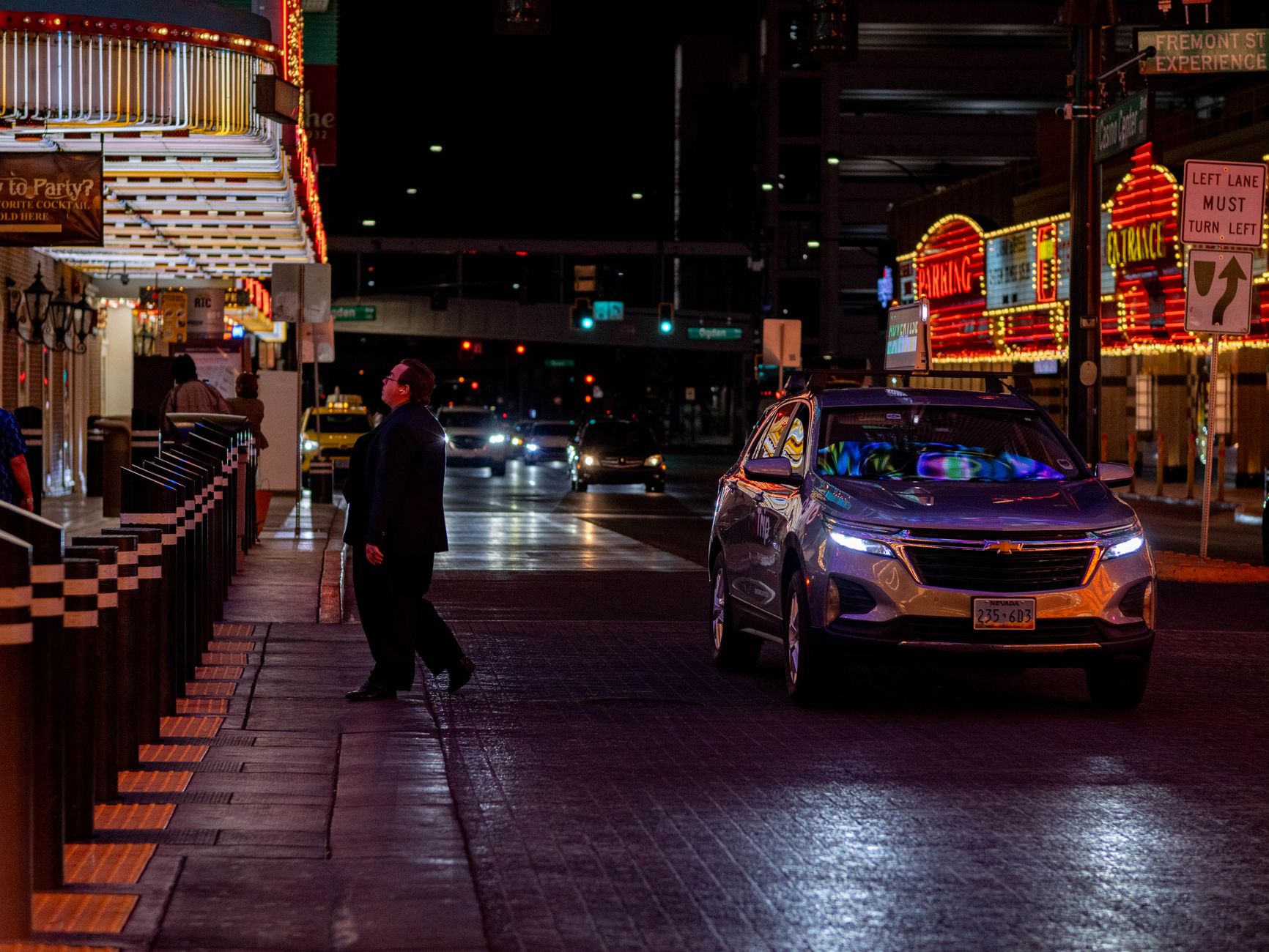
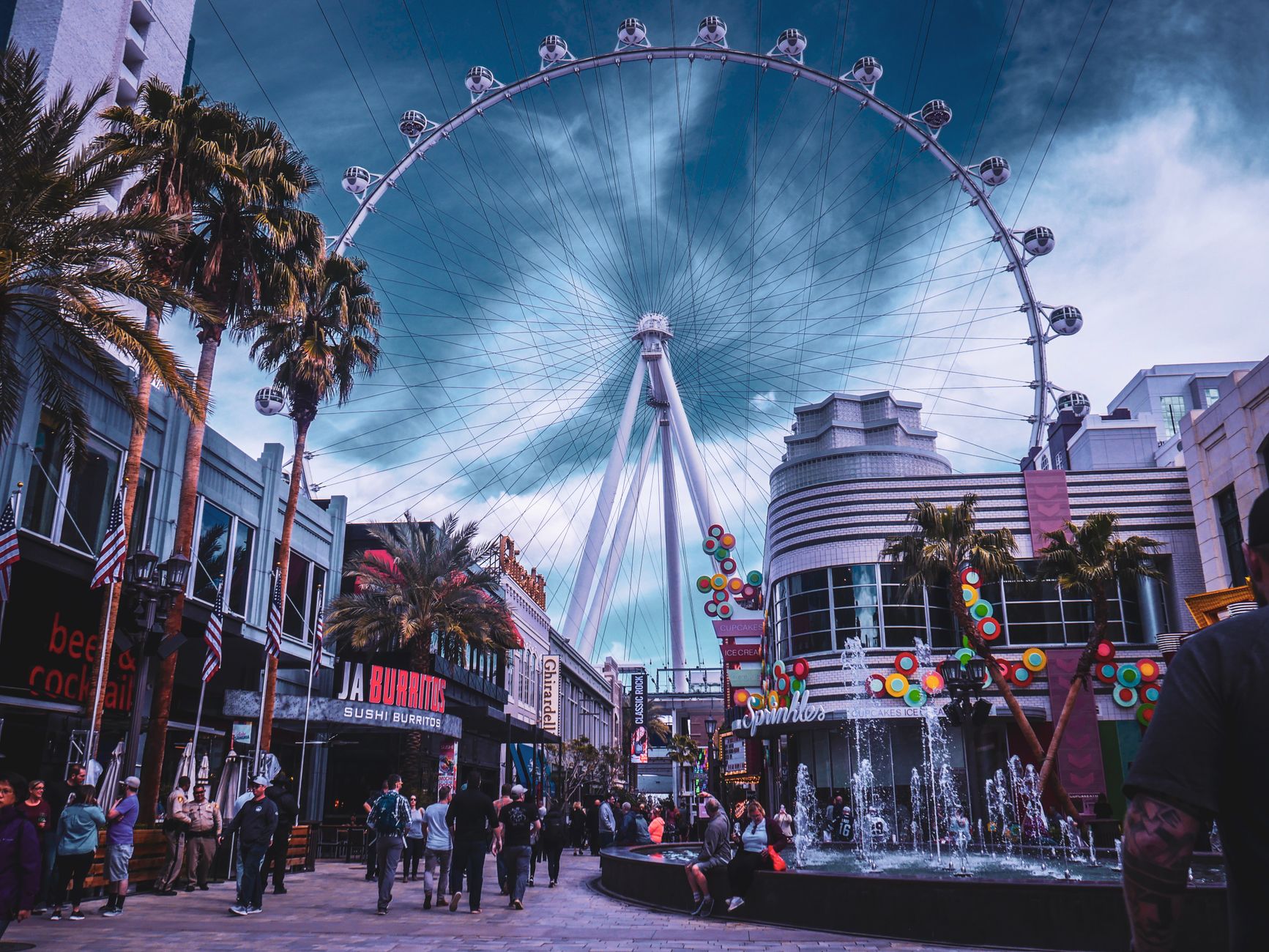
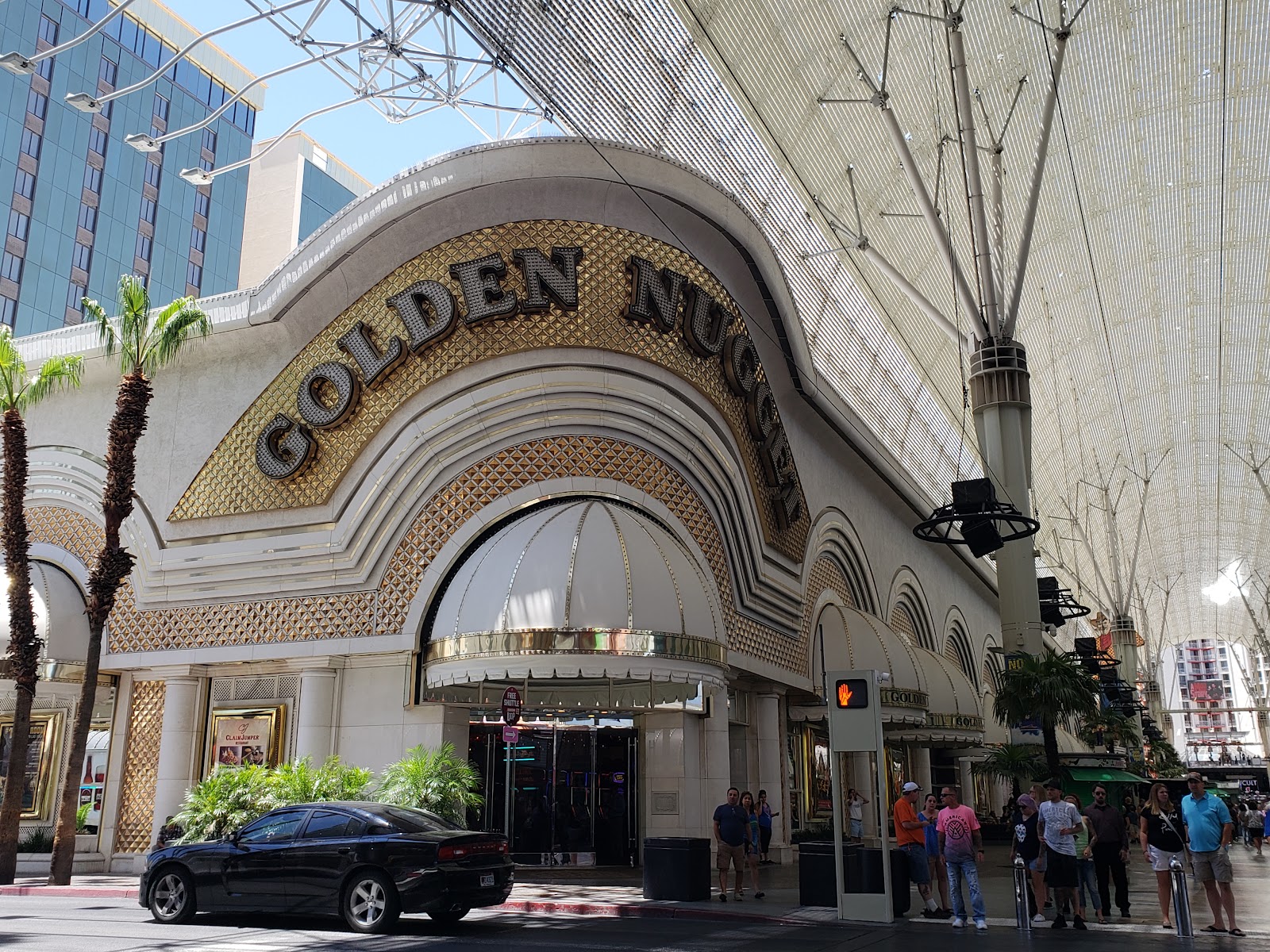
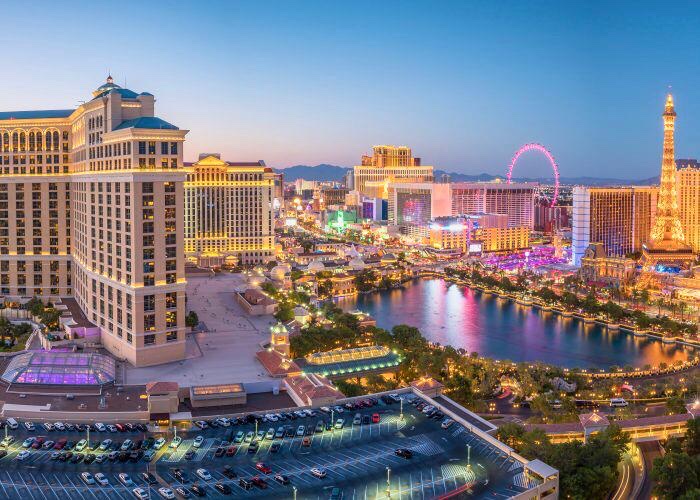
Las Vegas sits in a desert basin ringed by low mountains, and the first thing that strikes you is the scale of the light — not neon, exactly, but the sheer candlepower of a city that runs on spectacle and never dims. The Strip is a two-mile corridor of casino-hotels that each contain their own simulation of somewhere else: an Italian lake, a Venetian canal, a Roman forum, an Egyptian pyramid. None of it is subtle, and none of it is trying to be.
Beyond the replicas, Las Vegas has its own genuine texture. The Neon Museum's boneyard preserves the hand-lettered signs of an earlier city. Frank Gehry's deconstructivist Lou Ruvo Center sits a few blocks from the courthouse that now houses the Mob Museum. The desert is always just past the last interchange, enormous and indifferent.
Popular cities in Las Vegas
💛 What travellers fall for
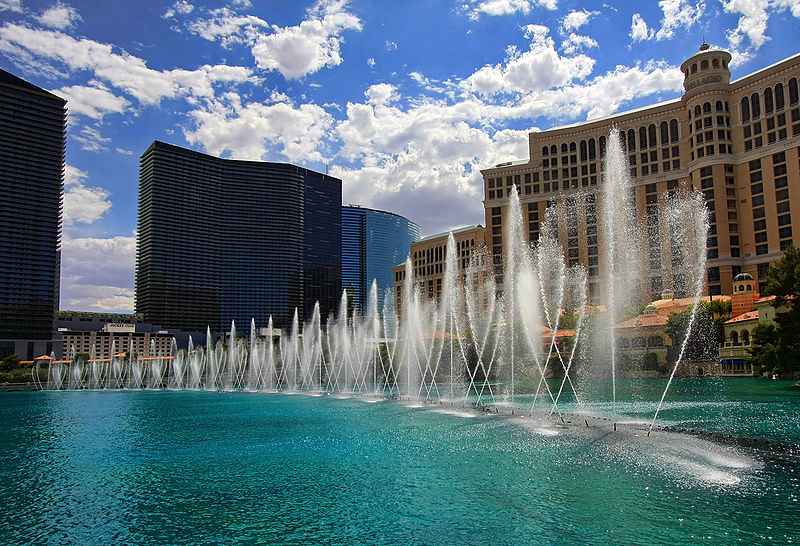
People who keep coming back tend to anchor to one end of the Strip or the other, and rarely stray far. They know that taxis can't be hailed — you queue at the hotel stand. They book shows months ahead and leave the days loose. They walk the Bellagio fountains at midnight, when the crowds thin slightly and the water is easier to watch.
How Las Vegas came to be
The valley had been home to Paiute communities for over a thousand years when Spanish scout Rafael Rivera named it Las Vegas — the meadows — in 1829, noting the artesian springs that made it a waypoint on the Old Spanish Trail. The modern city dates to May 15, 1905, when railroad magnate William Andrews Clark auctioned 110 acres of desert townsite to connect Los Angeles and Salt Lake City. Las Vegas incorporated in 1911.
The twin catalysts of gambling legalization and Hoover Dam construction arrived together in 1931, flooding the valley with workers and money. Bugsy Siegel opened the Flamingo in 1946, setting the template for the casino-resort. Howard Hughes arrived in 1966 — checked into the Desert Inn and eventually bought it — and his corporate approach began edging out the mob era, redirecting the city toward the convention-and-entertainment economy it runs on today.
Who and what shaped it
People who shaped it
Landmark buildings
See Las Vegas in motion
Plan your visit
On the map
When to go
Spring and autumn sit in the 60s–80s°F and are the easiest times to spend time outdoors. Summer is genuinely extreme — 105°F is routine and 111°F is possible — while winter days are mild and clear, though nights drop toward freezing. Las Vegas logs around 3,800 hours of sunshine a year, so shade and water matter in any season.
Right now
↡ Attractions
Background & history adapted from Wikipedia (CC BY-SA) · specs from Wikidata (CC0) · weather from Open-Meteo · map data © OpenStreetMap contributors · photos from Wikimedia Commons / Unsplash with per-image credit. No third-party reviews or social posts reproduced.