
Lake Geneva Region
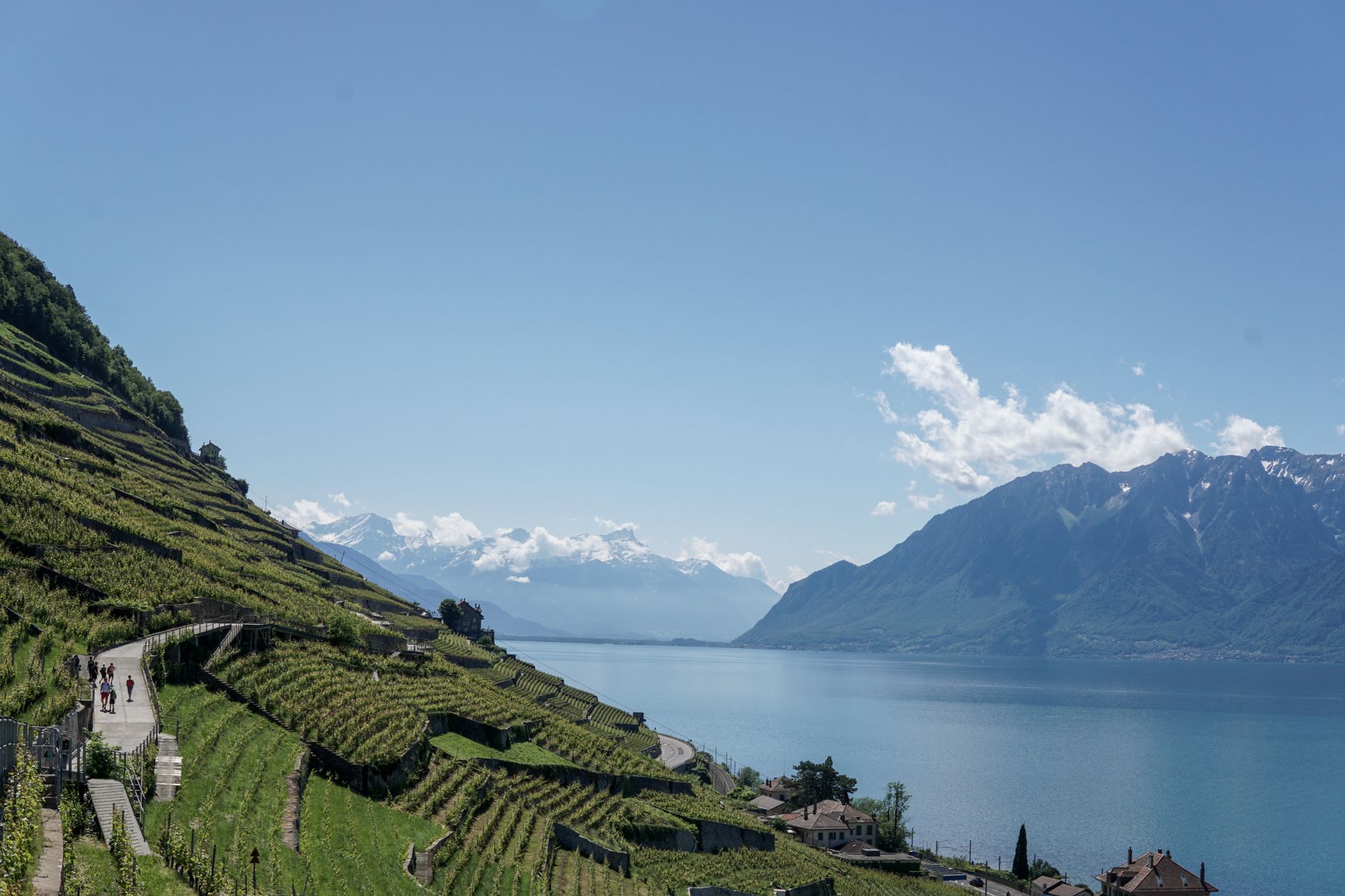

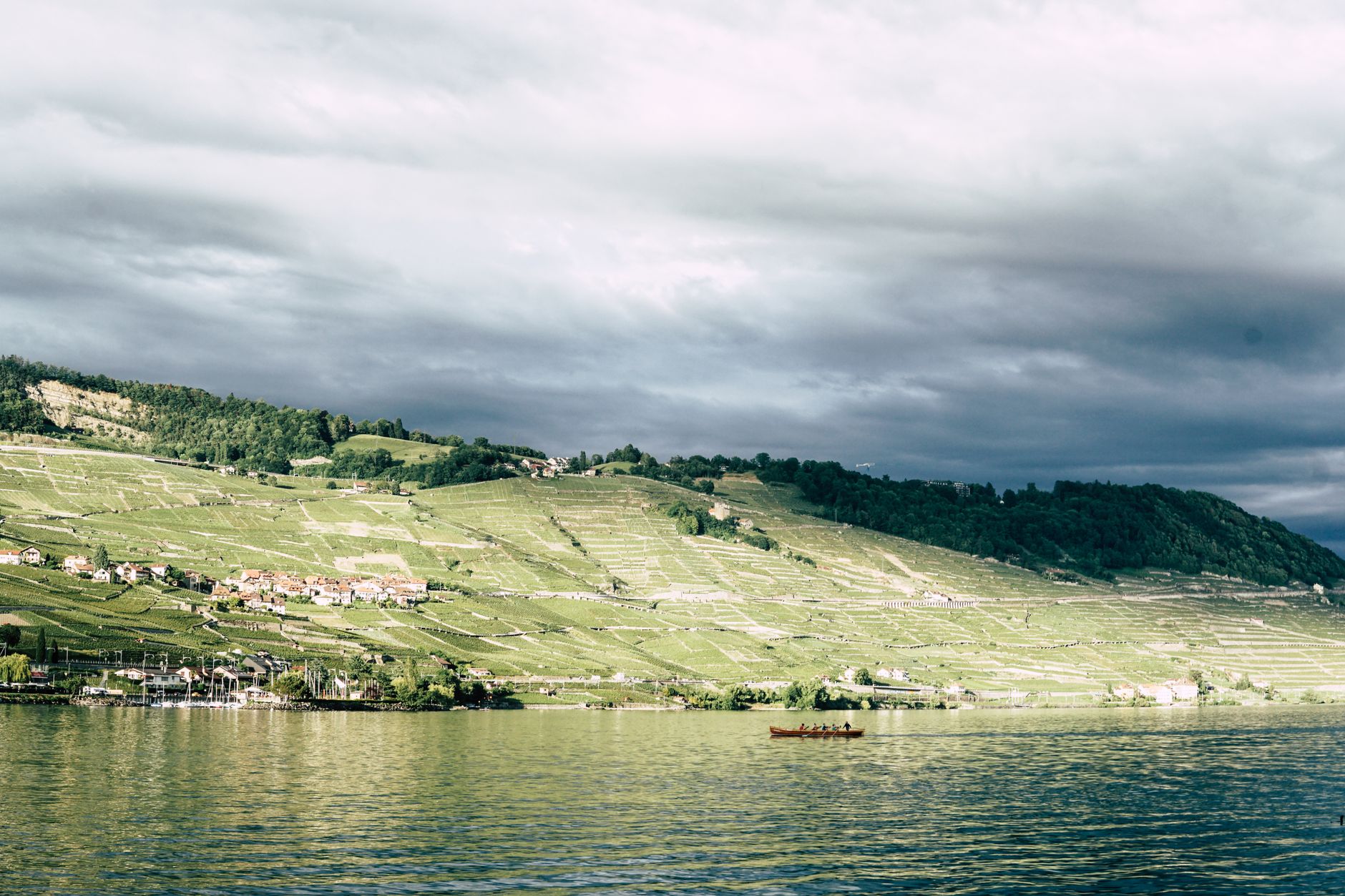
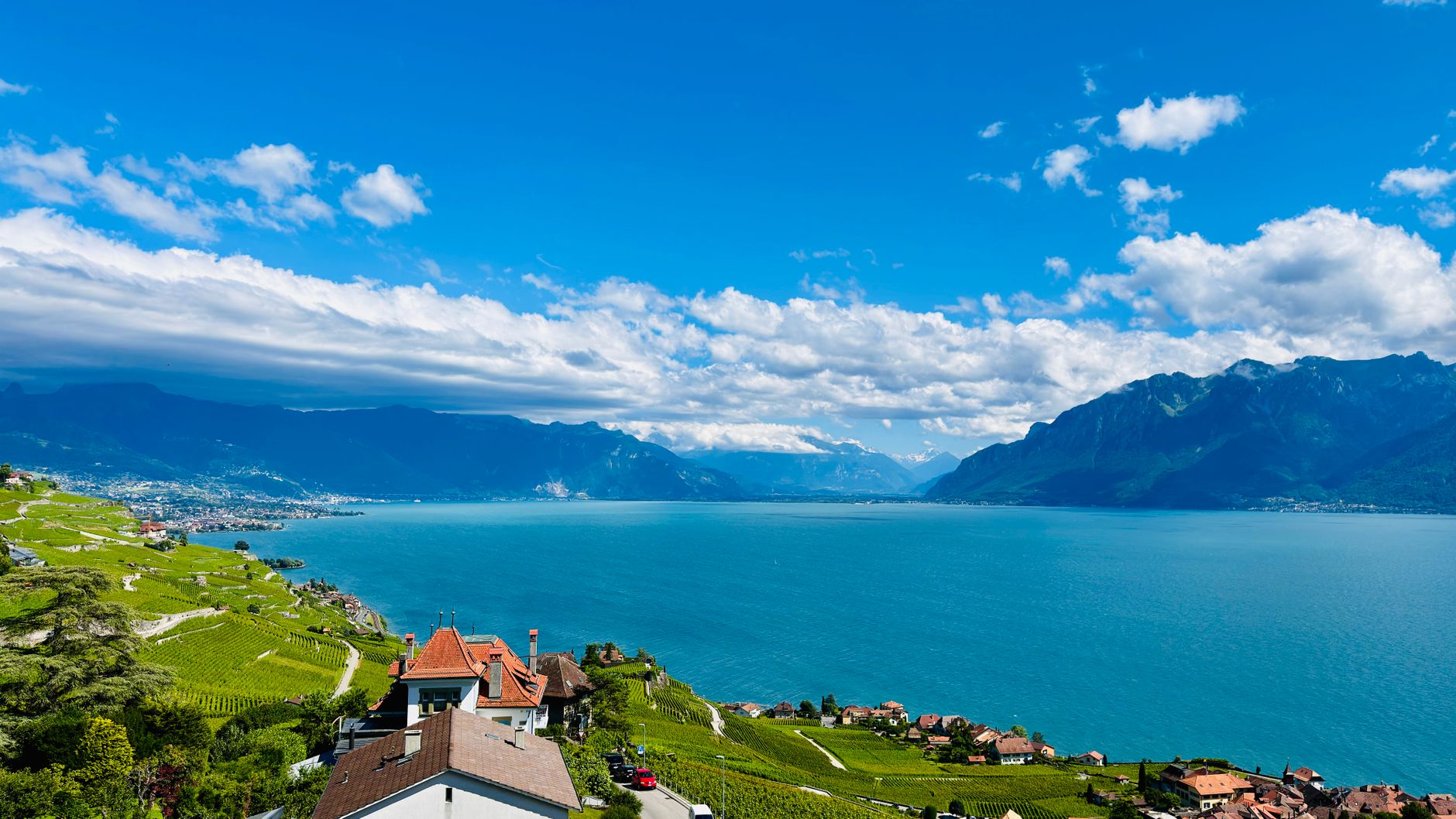
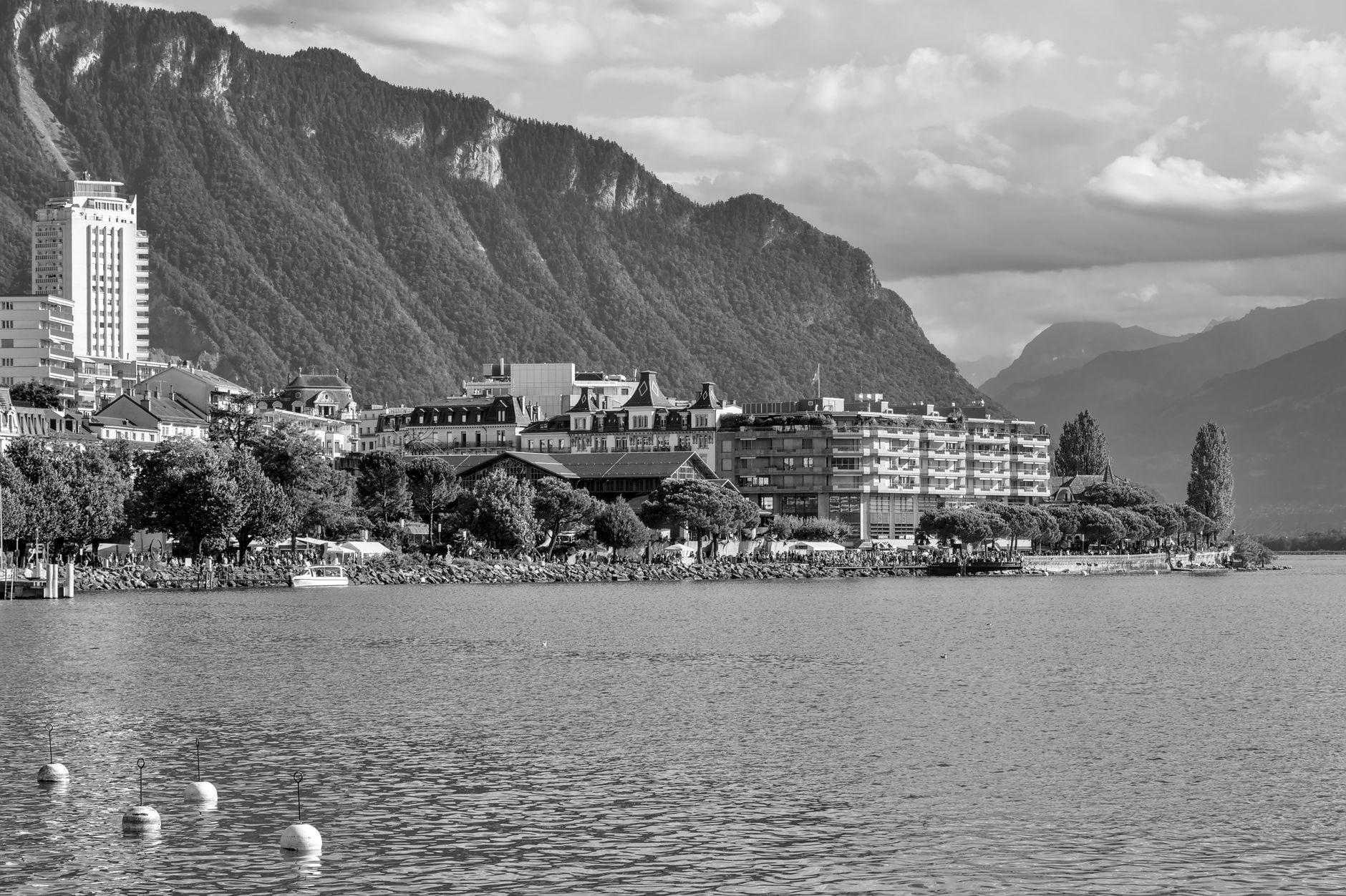
The lake is larger than you expect. Standing at its edge — at Lausanne, at Morges, at the terraced vineyards of Lavaux — you understand why so many people arrived here and simply stayed. Crescent-shaped, shared between Switzerland and France, Lake Geneva (Lac Léman) stretches across three Swiss cantons: Geneva, Vaud, and Valais. The water shifts from grey-green to deep blue depending on the hour and the wind.
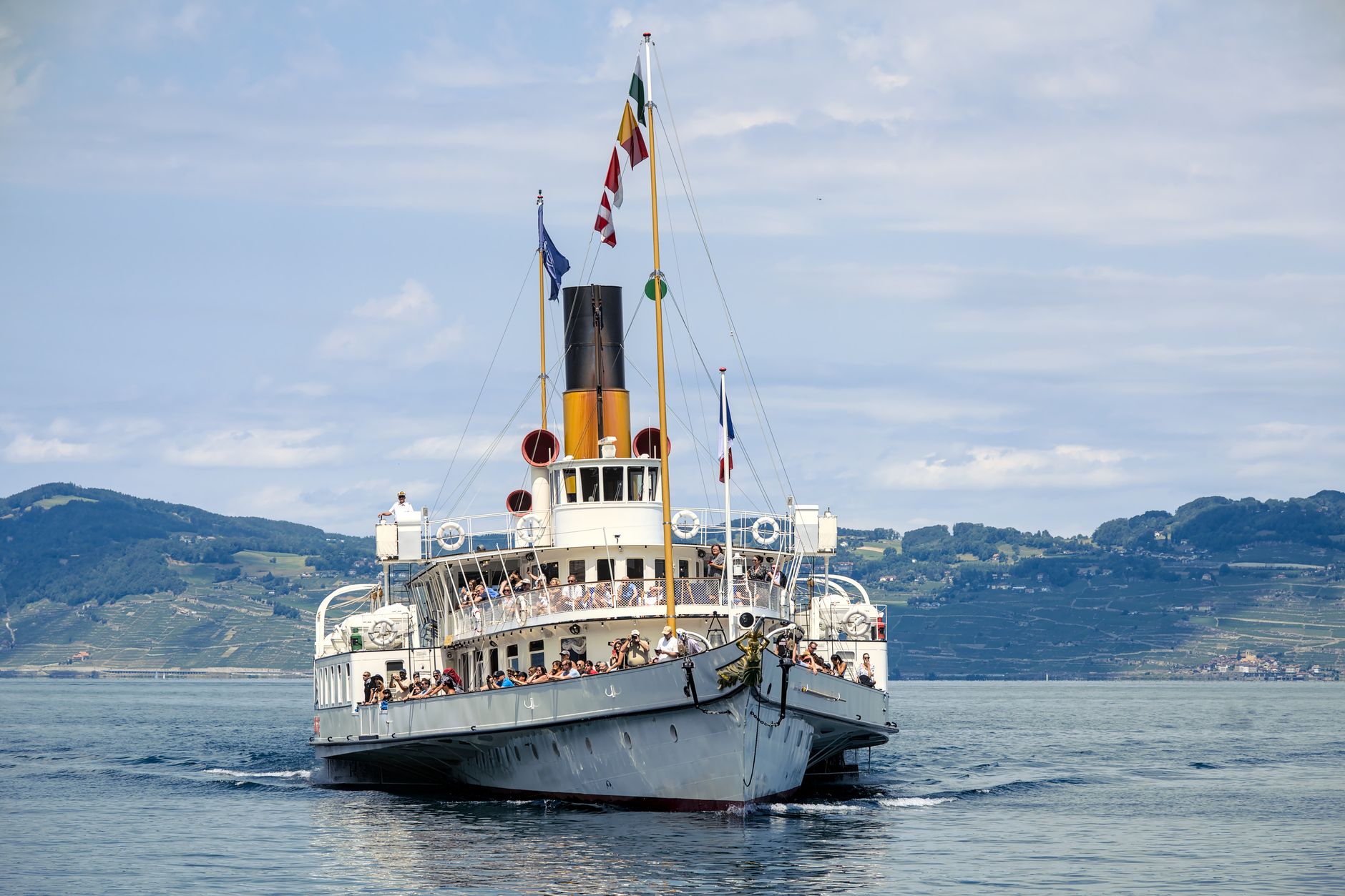
This is a region of distinct shorelines. The flat stretch from Nyon to Lausanne, known as La Côte, is gentle and agricultural. East of Lausanne, Lavaux rises in stone-walled terraces above the water — vineyards that have been worked since the Middle Ages, now a UNESCO World Heritage landscape. The Compagnie Générale de Navigation's white steamers connect more than 35 ports, which remains one of the most sensible ways to move between them.
How Lake Geneva Region came to be
Roman legions were here by 58 B.C., and it was under Rome that both Geneva and Lausanne took their first urban shape. Geneva became a bishop's seat as Christianity spread through the empire; by around 400 C.E., Germanic tribes had broken through Roman defenses, and the Burgundians settled across western Switzerland. The medieval period left its architecture: Chillon Castle has stood on its rocky island for close to a thousand years, and Yvoire, on the French shore, was fortified in 1306 by Amédée V of Savoy.
The region drew writers and composers in the 18th and 19th centuries at a rate that reads almost like a guest list — Rousseau, Voltaire, Byron, Dickens, Tolstoy, Tchaikovsky, Stravinsky. Mary Shelley drafted Frankenstein during a summer stay on the lake's shore. The Lavaux vineyards, worked continuously since the Middle Ages, received UNESCO World Heritage designation in 2007.
Who and what shaped it
People who shaped it
Landmark buildings
See Lake Geneva Region in motion
Plan your visit
On the map
When to go
Summer (June to August) is warm and sunny, with lake breezes keeping evenings cool and water temperatures reaching 20–24°C by July. Winter is cold and occasionally icy, with around 30 cm of snowfall annually and January averages sitting near freezing — the Bise wind makes it feel sharper than the thermometer suggests.
Right now
Background & history adapted from Wikipedia (CC BY-SA) · specs from Wikidata (CC0) · weather from Open-Meteo · map data © OpenStreetMap contributors · photos from Wikimedia Commons / Unsplash with per-image credit. No third-party reviews or social posts reproduced.