
Ticino
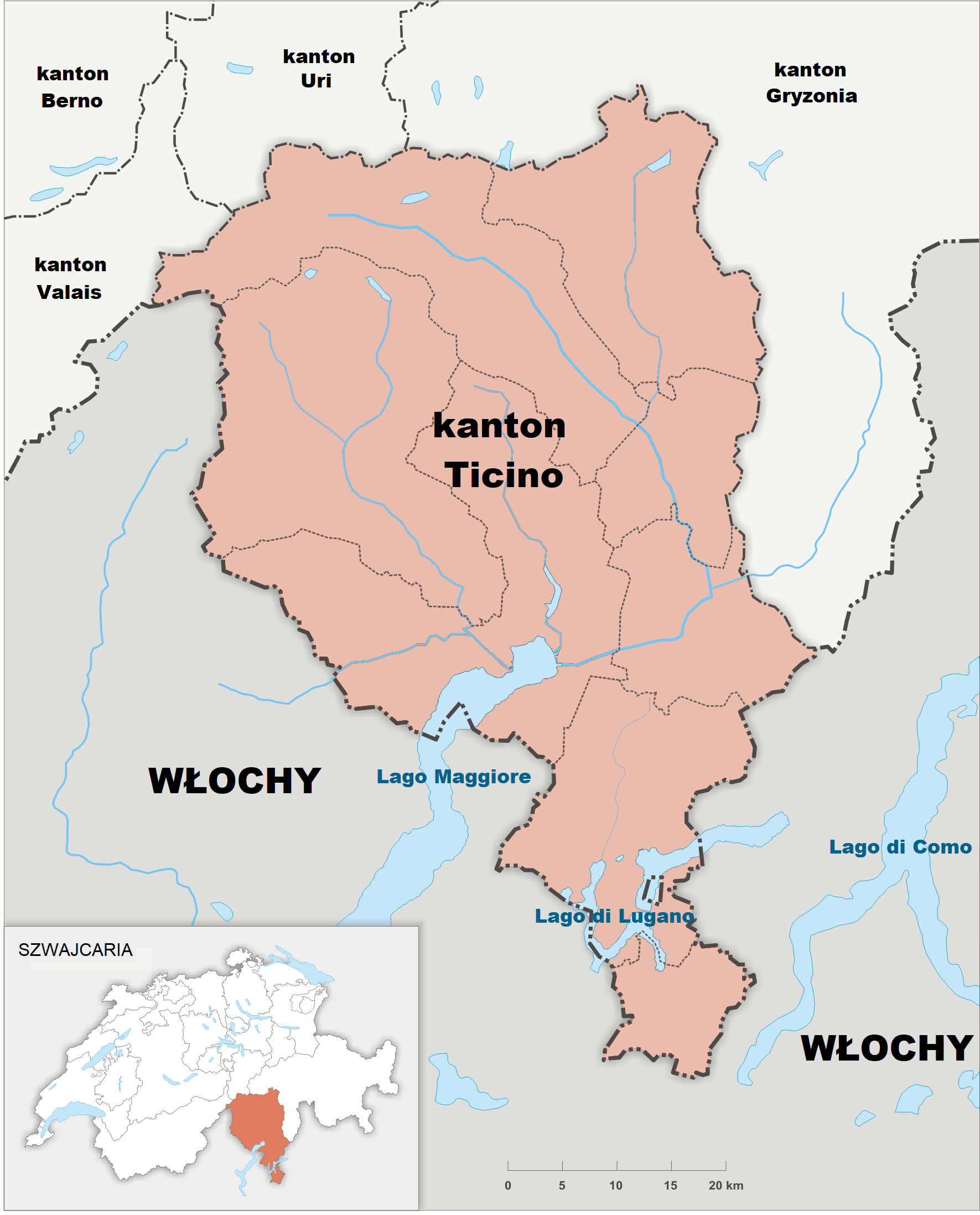
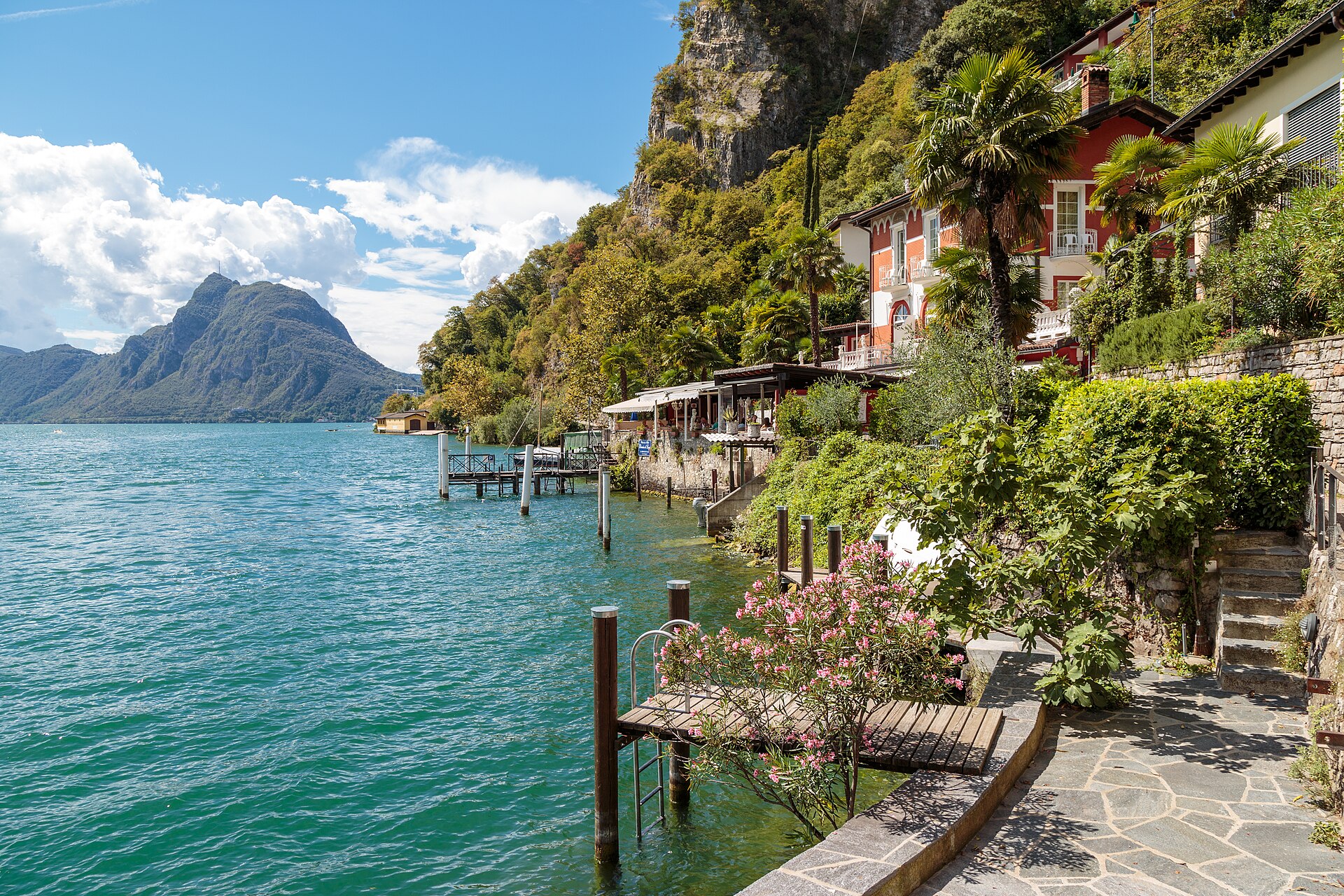
South of the Alps, Ticino operates by different rules from the rest of Switzerland. The official language is Italian, the lake light is Mediterranean in quality, and the hills around Lugano and Locarno carry olive trees and vineyards rather than the pine and pasture you expect this far north. The canton is small enough to cross by train in an afternoon, yet it holds the oldest Christian monument in Switzerland, three UNESCO-listed medieval castles, and a Romanesque church carved from stone in 1210.
What draws people here is the specific friction of it — Swiss precision running on Italian time, Alpine drama descending into lakeside warmth. The Centovallina railway alone, threading 10 Swiss stations between Locarno and the Italian border, earns the detour.
How Ticino came to be
The Lepontii, a Celtic people, were the first recorded inhabitants, absorbed into the Roman Empire under Augustus. The medieval centuries passed the territory through the hands of the Visconti Dukes of Milan before the forest cantons of Uri, Schwyz and Nidwalden pushed south — Uri taking the Airolo area between 1403 and 1440, and the three cantons together seizing Bellinzona in 1500. Locarno, Lugano and Mendrisio followed as the Old Swiss Confederacy extended its reach across the Alps.
Ticino became a single canton in 1803 when it joined the Swiss Confederation, though for the next 75 years Bellinzona, Lugano and Locarno took turns as capital. Bellinzona has held the role permanently since 1878. A monument in what is now called Piazza dell'Indipendenza marks the centenary of that consolidation, unveiled on 1 May 1898.
Who and what shaped it
People who shaped it
Landmark buildings
See Ticino in motion
Plan your visit
On the map
When to go
Ticino is the sunniest canton in Switzerland, with summer temperatures running between 20°C and 26°C (68°F–79°F), though afternoon thunderstorms are a reliable feature from June onward. Autumn brings heavy rain and winter is quiet and cool, settling around 6°C (43°F) in January — fine for castle-visiting, less so for the lakes.
Right now
Background & history adapted from Wikipedia (CC BY-SA) · specs from Wikidata (CC0) · weather from Open-Meteo · map data © OpenStreetMap contributors · photos from Wikimedia Commons / Unsplash with per-image credit. No third-party reviews or social posts reproduced.