
Zermatt
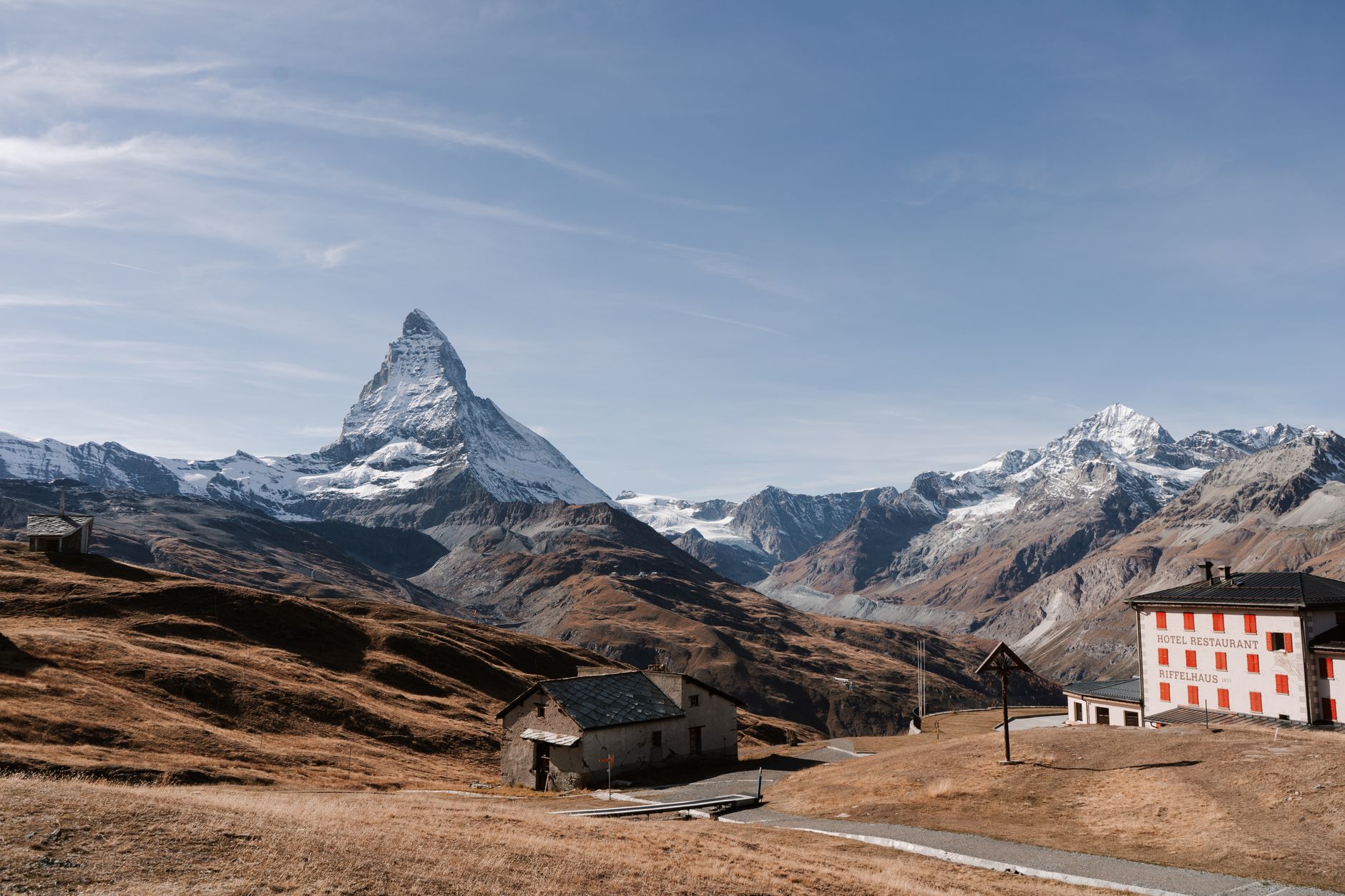
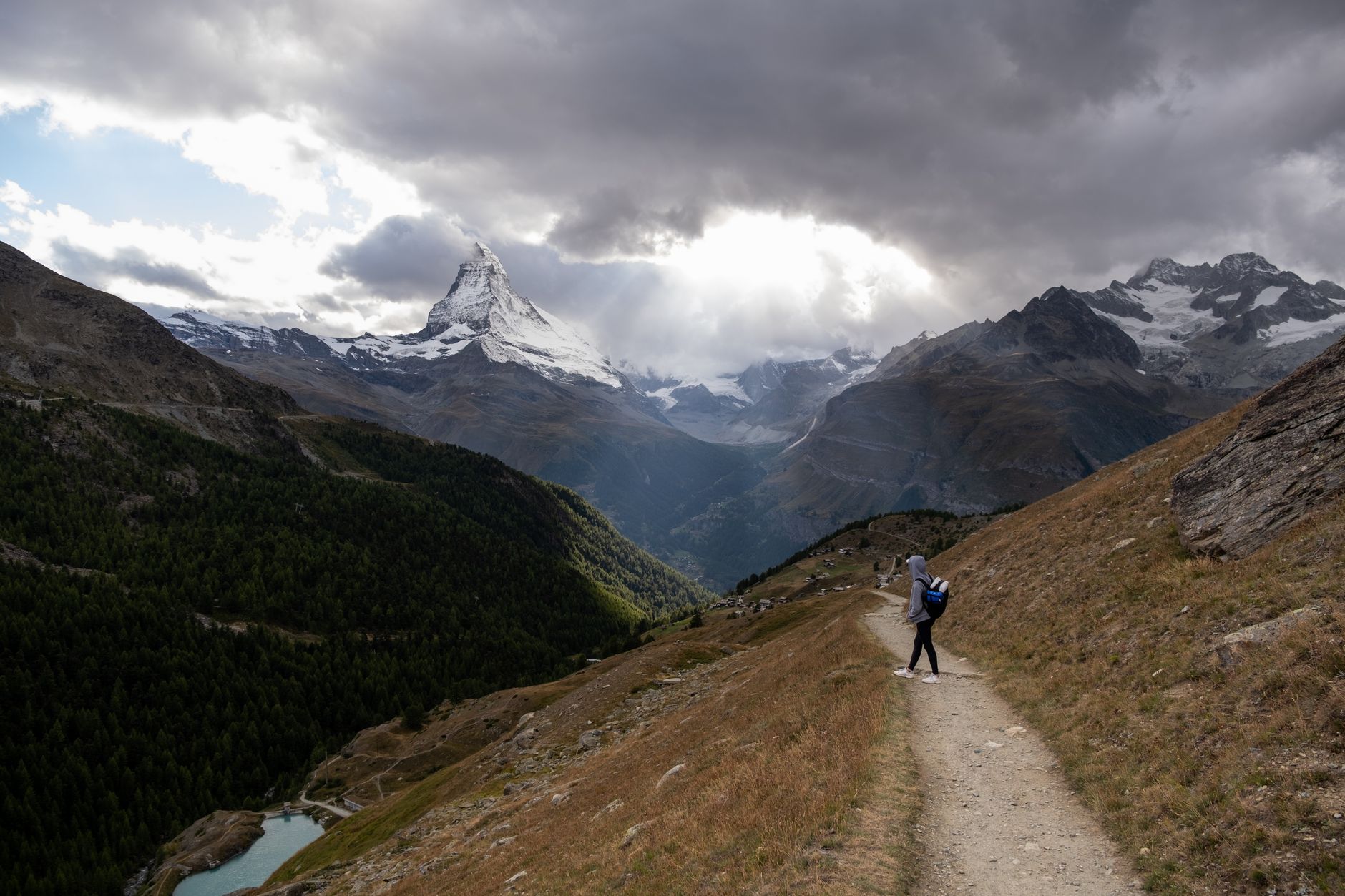
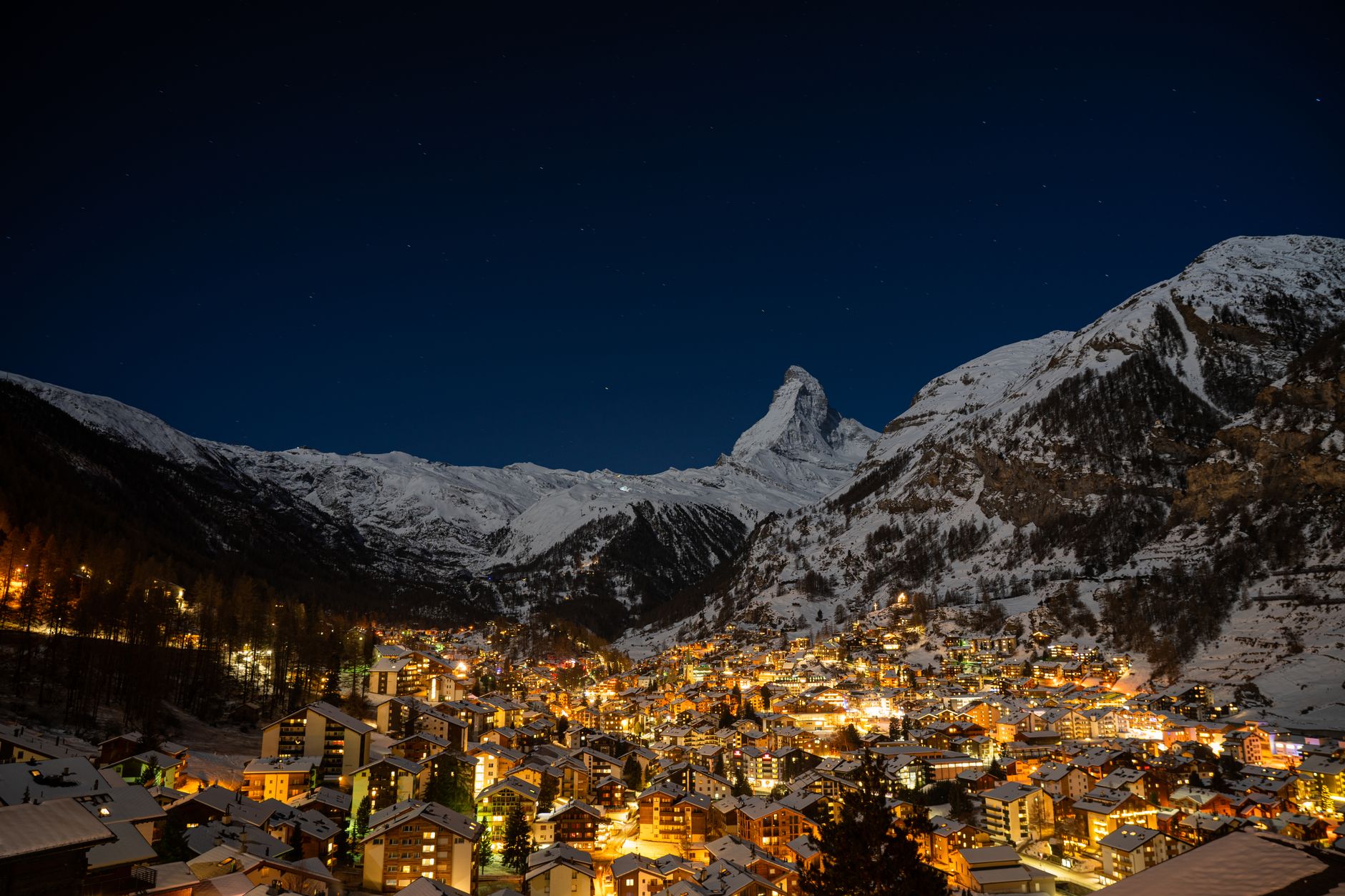
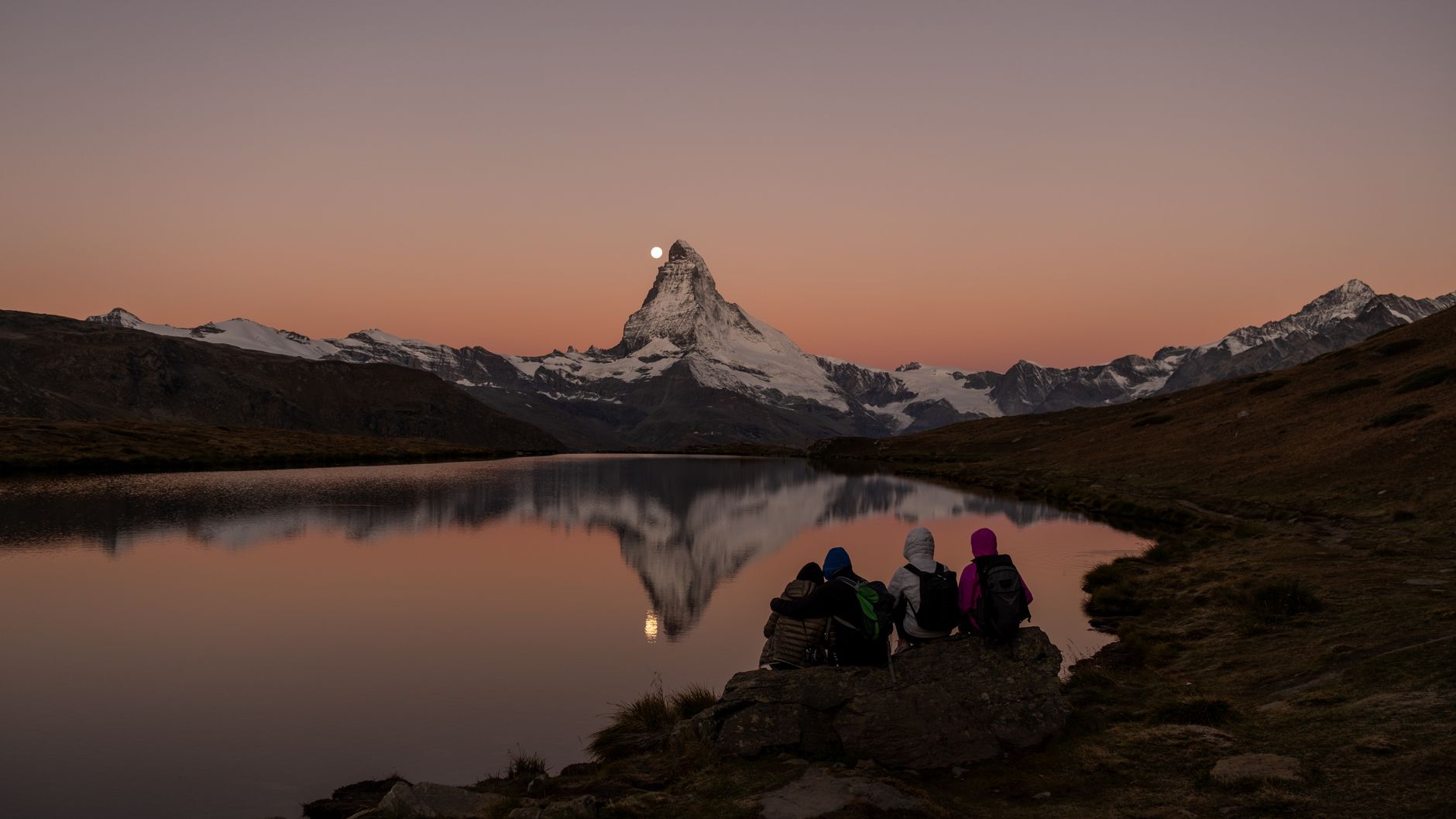
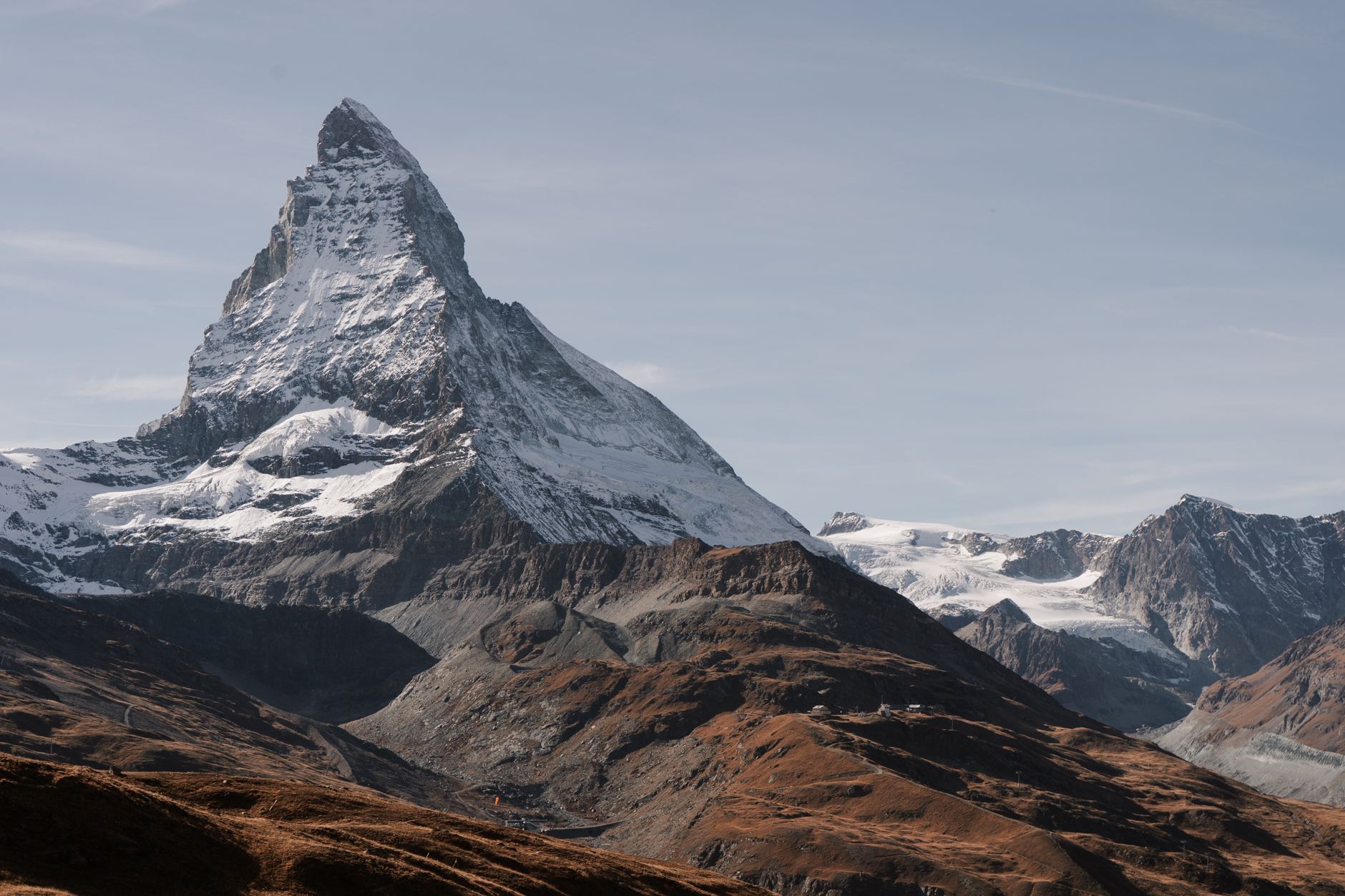
The Matterhorn is not subtle. It rises above Zermatt like a thesis statement — a four-sided pyramid so improbable it looks hand-drawn — and the whole village has organised itself around the fact of it for well over a century. Cars are banned here, so the streets belong to electric taxis, horse-drawn carts, and people arriving by train with too much luggage and wide eyes.
Beyond the peak, Zermatt sits at the junction of serious alpine ambition and genuine comfort: the Gornergrat railway climbs to 3,089 metres, the Matterhorn Glacier Paradise cable car goes higher still, and down in the old village, larch-wood barns on stone stilts — some dating to the 1380s — still stand a few steps from well-stocked hotel bars.
💛 What travellers fall for
People who come back tend to have a ritual spot on the Gornergrat for watching the sunrise turn the Matterhorn pink, and they know to walk the old alleyways behind the church — past the mountaineers' cemetery and the Inderbinen Fountain — early, before the day-trippers arrive. The train from Täsch is always the right call; don't bother with the car park stress.
How Zermatt came to be
The meadow has been here longest. Zermatt's oldest names — Praborno, Prato Borno, both meaning meadow — appear on maps from the thirteenth century, and the form 'Zur Matte' (at the meadow) was recorded in 1495. For centuries the scattered hamlets were agricultural and largely self-sufficient, and they only merged into a single community in 1791.
The pivot came on 14 July 1865, when Edward Whymper led the first ascent of the Matterhorn from Zermatt — a triumph shadowed immediately by disaster, as four of the seven climbers fell to their deaths on the descent. The guides Peter Taugwalder Sr. and Jr. survived; their gravestones are in the mountaineers' cemetery behind St. Mauritius Church. The tragedy drew the world's attention, and Zermatt followed quickly: the Monte Rosa Hotel had already opened in 1839, but the rush on the surrounding peaks drove a wave of construction through the 1870s and 1880s. The Visp-to-Zermatt railway arrived in 1891, ending the village's isolation, and the Gornergrat Bahn — Switzerland's first electric mountain railway — opened in 1898.
Who and what shaped it
People who shaped it
Landmark buildings
See Zermatt in motion
Plan your visit
On the map
When to go
Winters are cold and snow-reliable from December through March, with heavy snowfall possible at any point. Summer (July–August) brings warm days at valley level but temperatures drop sharply with altitude — a jacket is sensible above 2,500 metres even in August. Spring and autumn are changeable and some high installations close for maintenance.
Right now
Background & history adapted from Wikipedia (CC BY-SA) · specs from Wikidata (CC0) · weather from Open-Meteo · map data © OpenStreetMap contributors · photos from Wikimedia Commons / Unsplash with per-image credit. No third-party reviews or social posts reproduced.