
Zurich
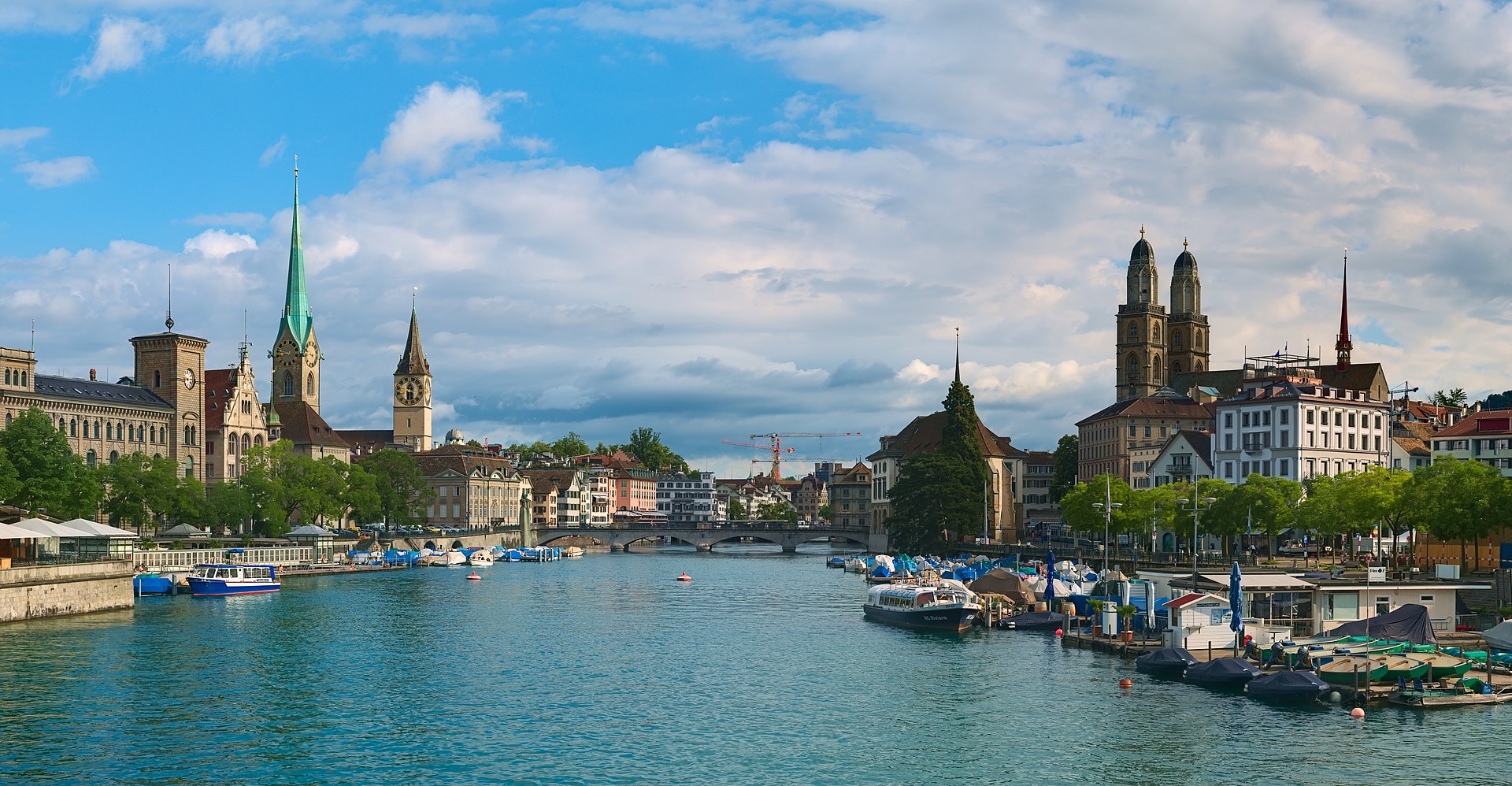
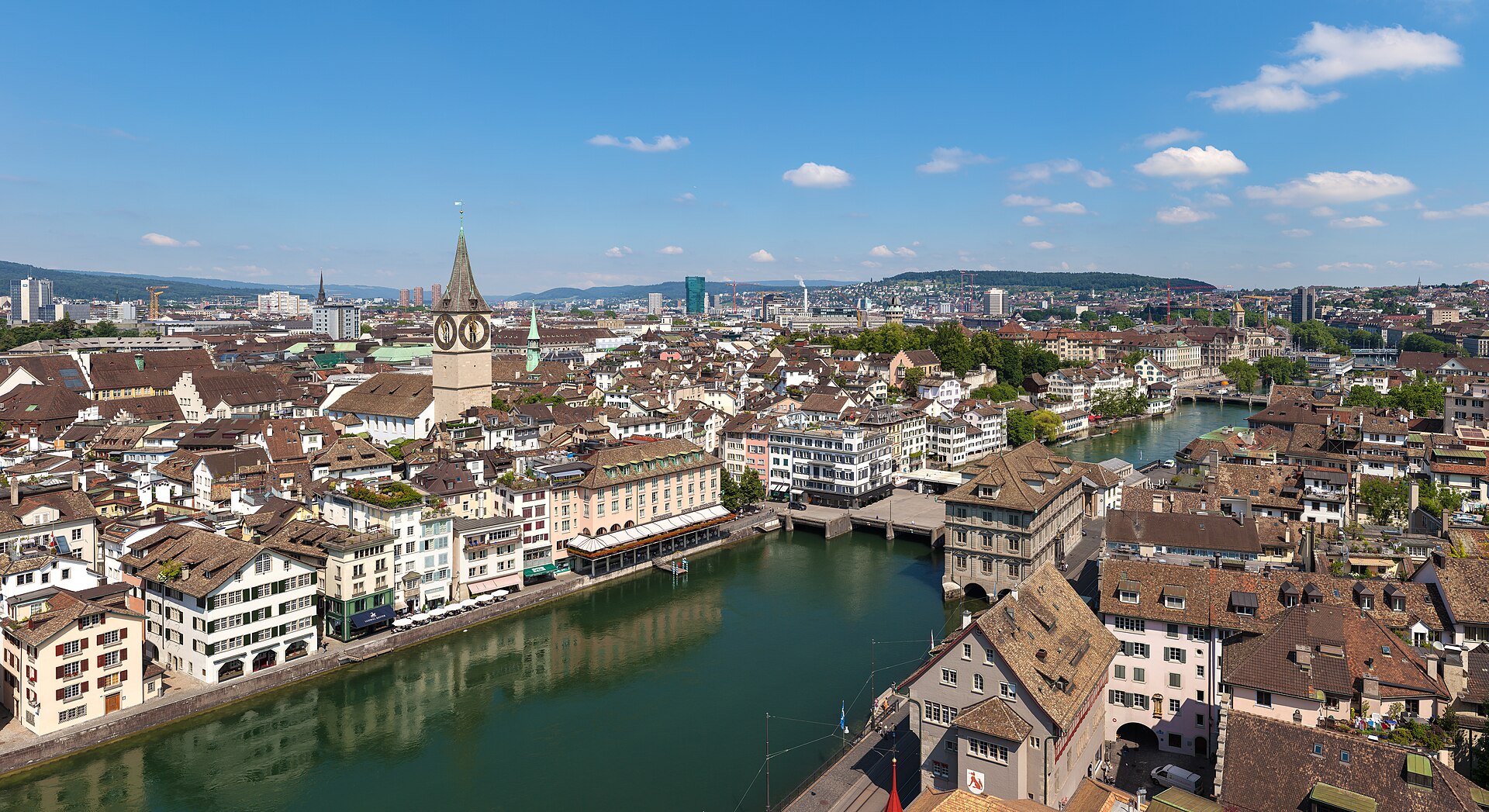
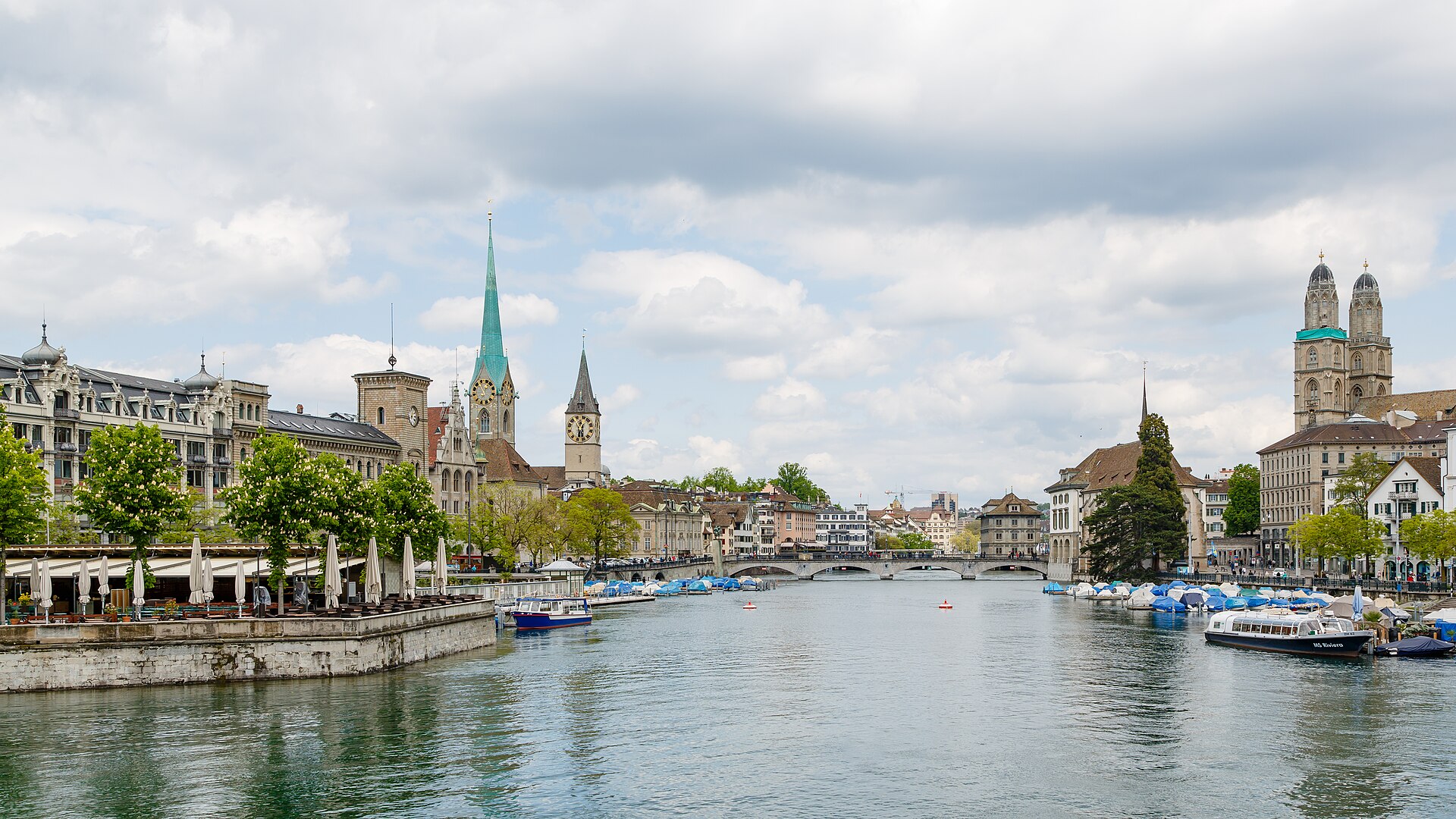
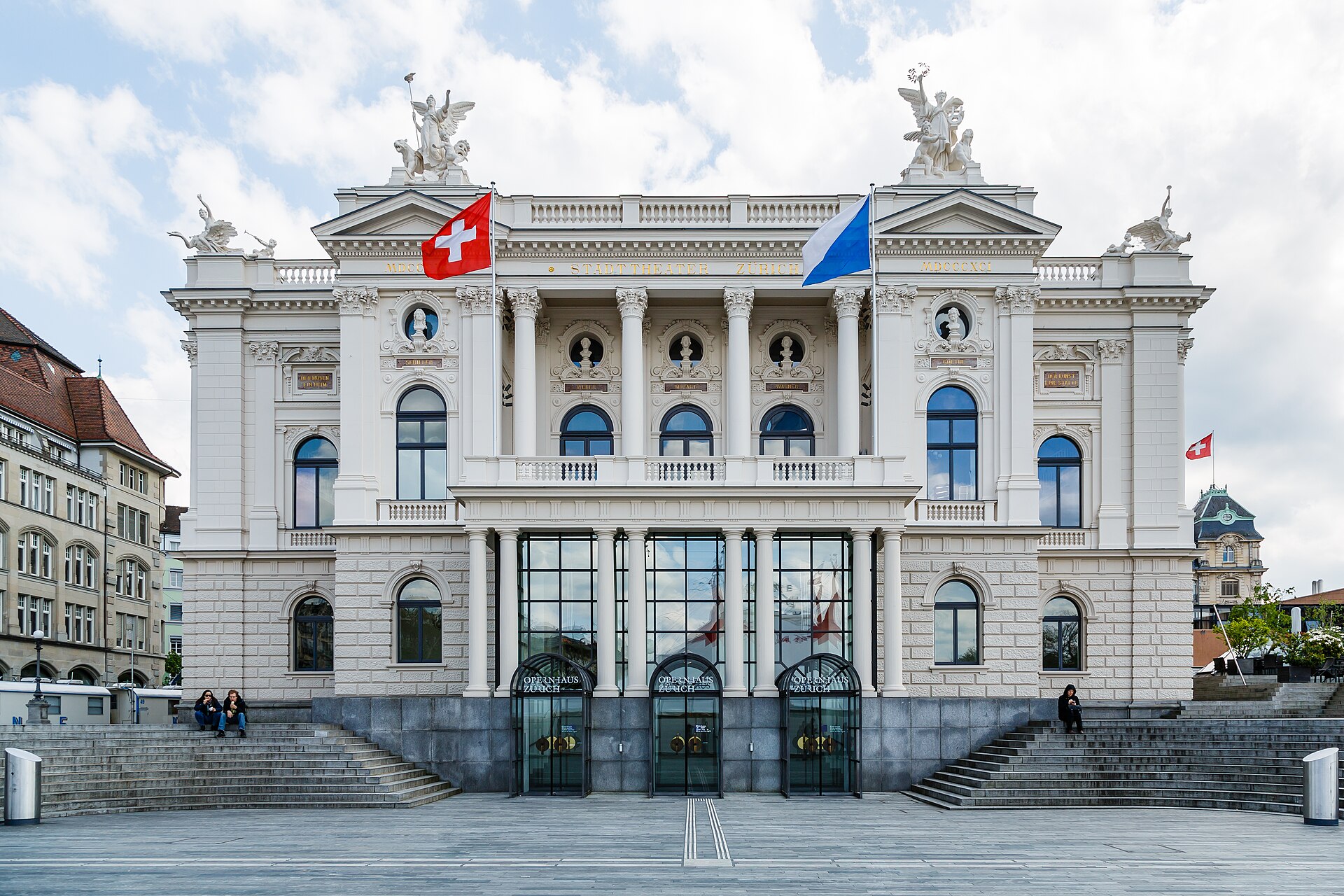
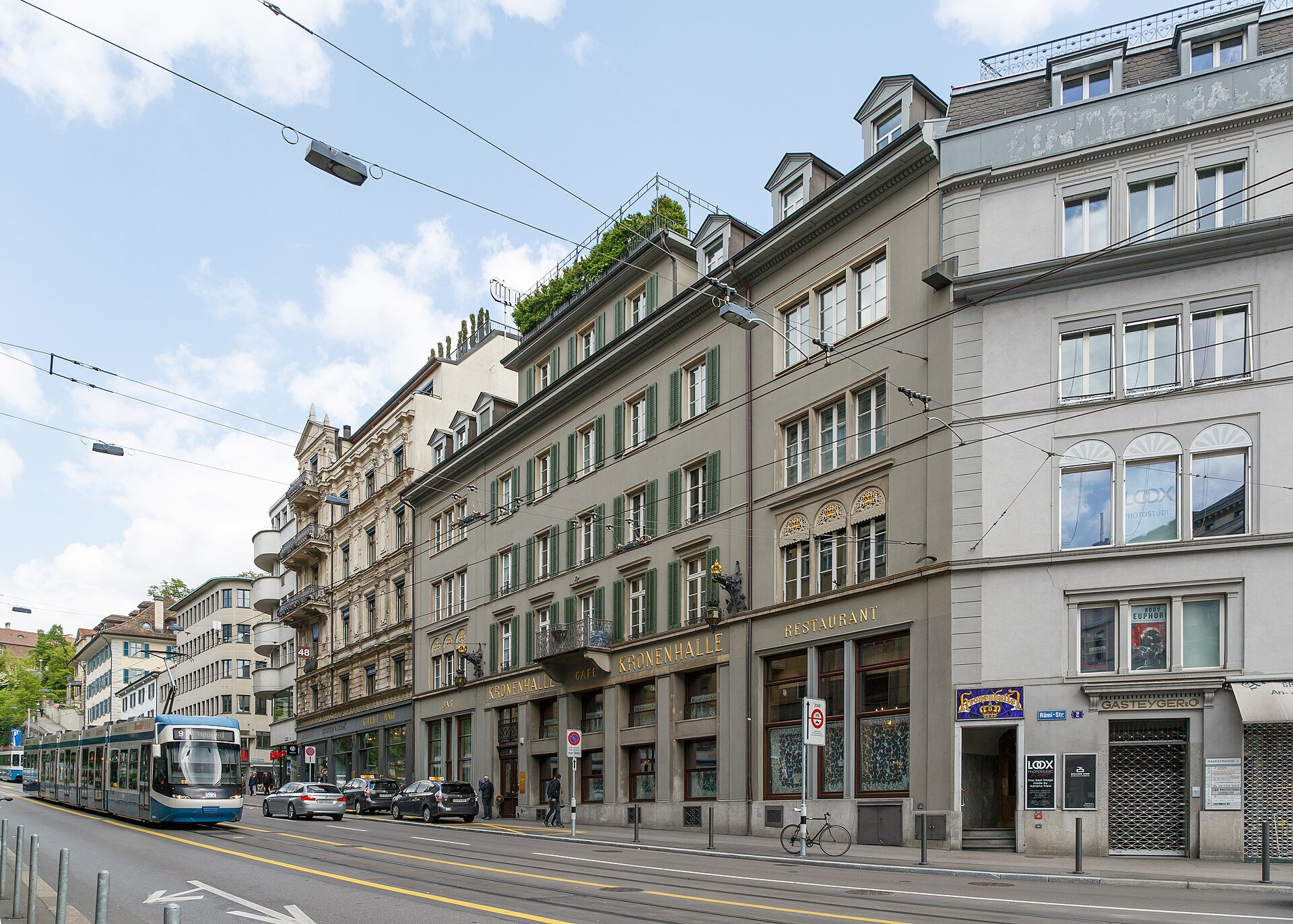
Zurich runs on precision — the trams arrive when they say they will, the coffee is ready before you've found a seat — but the city underneath that reputation is stranger and more layered than its efficiency suggests. This is the place where James Joyce wrote parts of Ulysses, where the Dada movement was born in a cabaret on a side street in 1916, and where Carl Jung worked out ideas that are still argued over. The lake sits at the city's southern edge, the river cuts through the old town, and the Alps appear on clear days like a rumour you half-believe.
As a gateway to Switzerland, Zurich earns its position not by being central but by being genuinely interesting on its own terms. The old town holds Roman foundations, Romanesque towers, and Chagall windows in a medieval church. The main station alone — the country's largest — could occupy an afternoon.
💛 What travellers fall for
People who return to Zurich tend to mention the same few things: the tram network as a kind of meditation, the Kunsthaus extension for a long afternoon, and the Lindenhügel at Lindenhof where you can stand roughly where a Roman fort once stood and watch the city go about its business below.
How Zurich came to be
People have lived around the Limmat and Zürichsee for more than six thousand years, but the city's legible history starts with the Romans, who established a garrison called Turicum around 15 BC on the hill now known as Lindenhof. Zurich became an imperial free city in 1218 and joined the Swiss Confederation in 1351.
The city's most consequential moment may have been 1519, when Huldrych Zwingli made it the centre of the Protestant Reformation in the German-speaking world. Three centuries later, Alfred Escher — financier and railway builder — drove the project that produced the Gotthard rail tunnel, finally linking Switzerland to Italy and Germany in 1880. The University of Zurich, founded in 1833, drew scientists and thinkers whose work still carries weight: Einstein, Jung, Pauli, Joyce all spent formative years here.
Who and what shaped it
People who shaped it
Landmark buildings
See Zurich in motion
Plan your visit
On the map
When to go
January averages just above freezing and the city receives around 85 cm of snow a year, so winter visits are cold but functional. July is the warmest month at around 19°C, with summer highs occasionally reaching the mid-twenties — comfortable for walking the old town or taking a boat on the lake. Spring and autumn sit between these extremes and tend to be the quietest seasons.
Right now
Background & history adapted from Wikipedia (CC BY-SA) · specs from Wikidata (CC0) · weather from Open-Meteo · map data © OpenStreetMap contributors · photos from Wikimedia Commons / Unsplash with per-image credit. No third-party reviews or social posts reproduced.