
Lugano
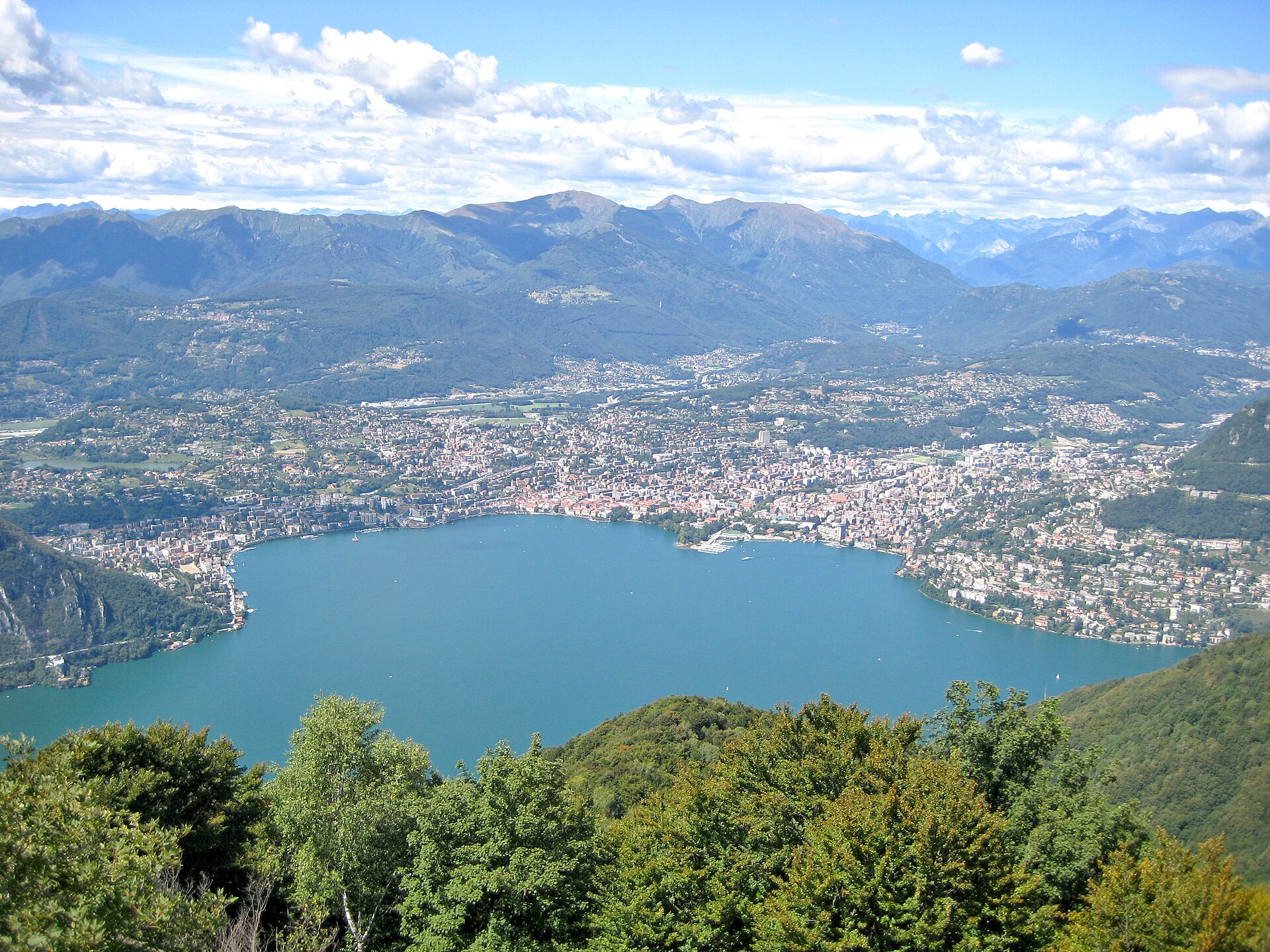
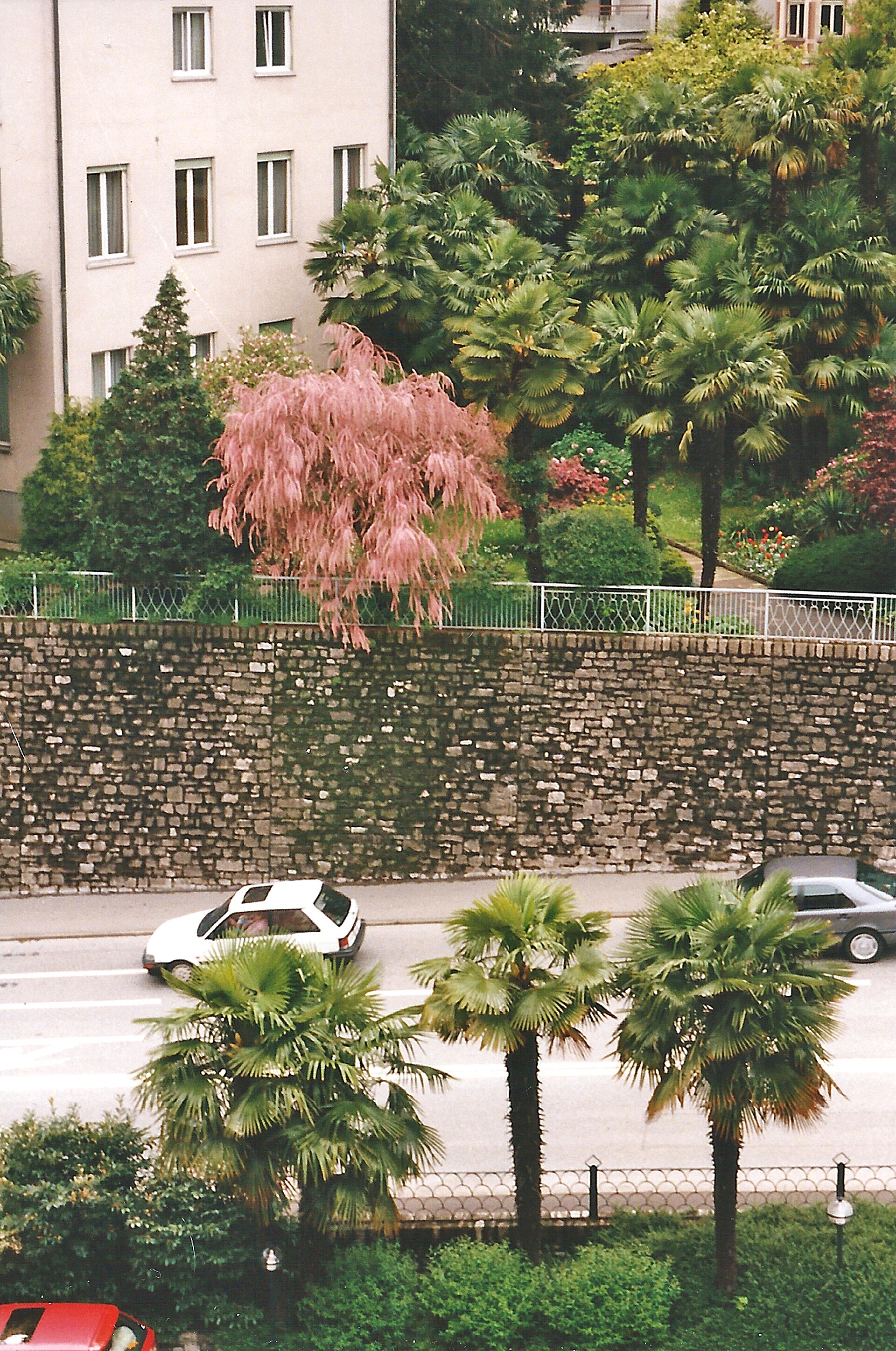
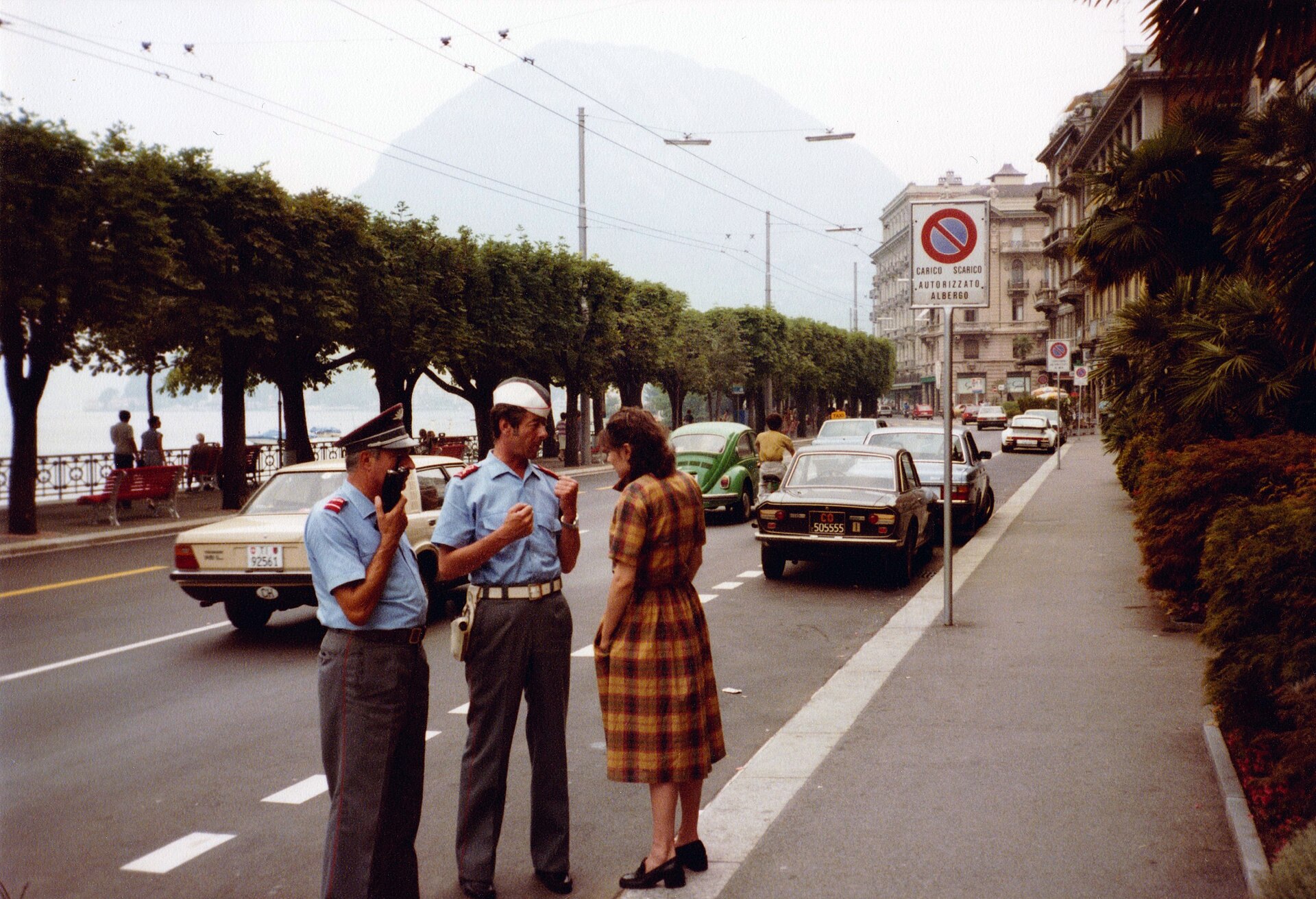
Lugano sits at the point where Switzerland runs out of German and French and becomes, unmistakably, Italian. The lake is a deep, still blue, palms line the waterfront promenade, and the menus are written in a third language before you've crossed any border. This is Ticino, the canton that the Gotthard railway opened to the world in 1882 and that has been quietly accumulating art, architecture and refugees of distinction ever since.
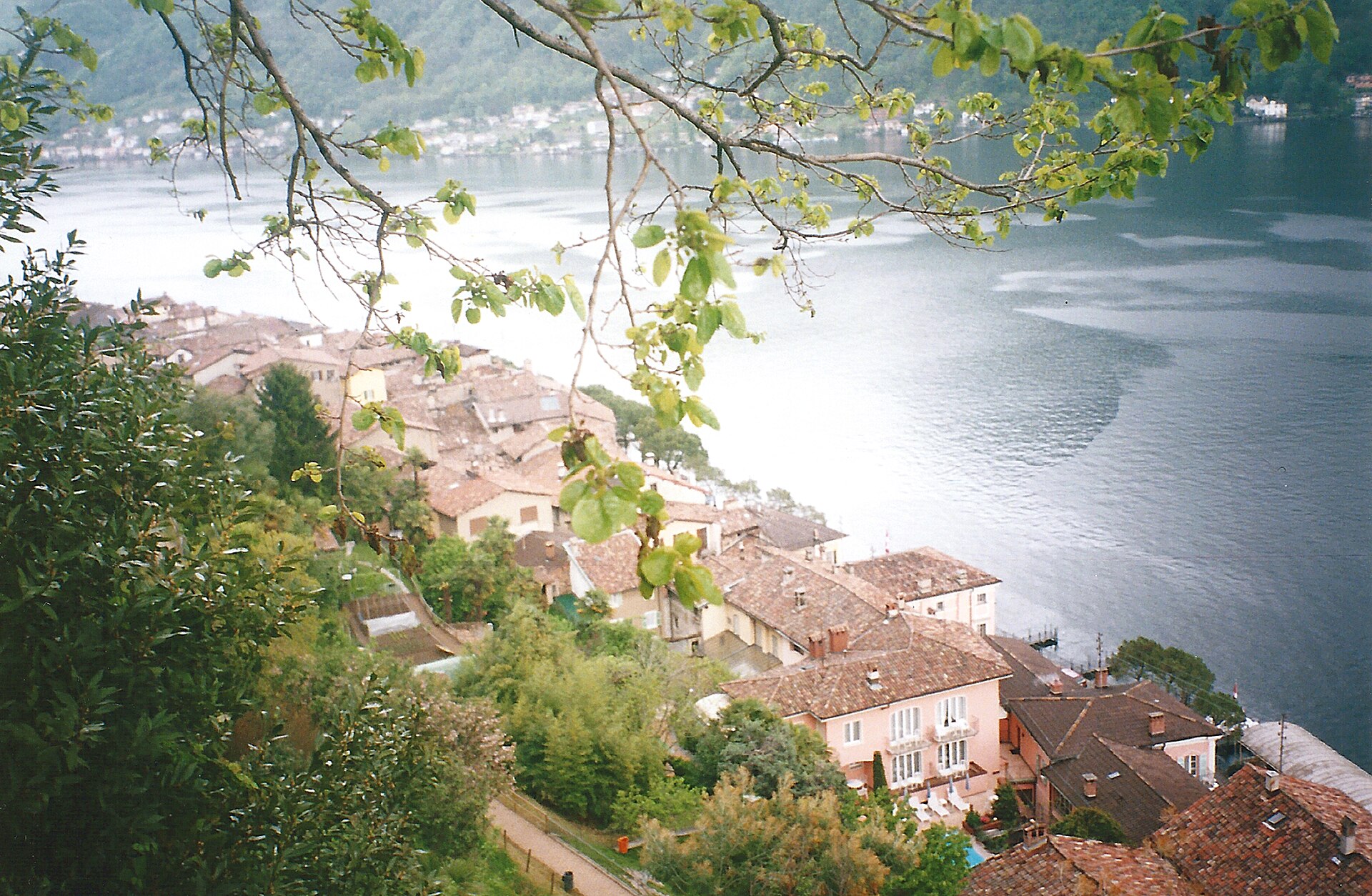
The city is small enough to walk across in an afternoon but layered enough to hold you longer. A Renaissance fresco by a student of Leonardo da Vinci faces the lake from a former Franciscan church. A 2015 cultural centre anchors the waterfront with a seriousness that earns its footprint. The hills above town conceal a village, Gandria, that you can only reach properly by boat.
💛 What travellers fall for
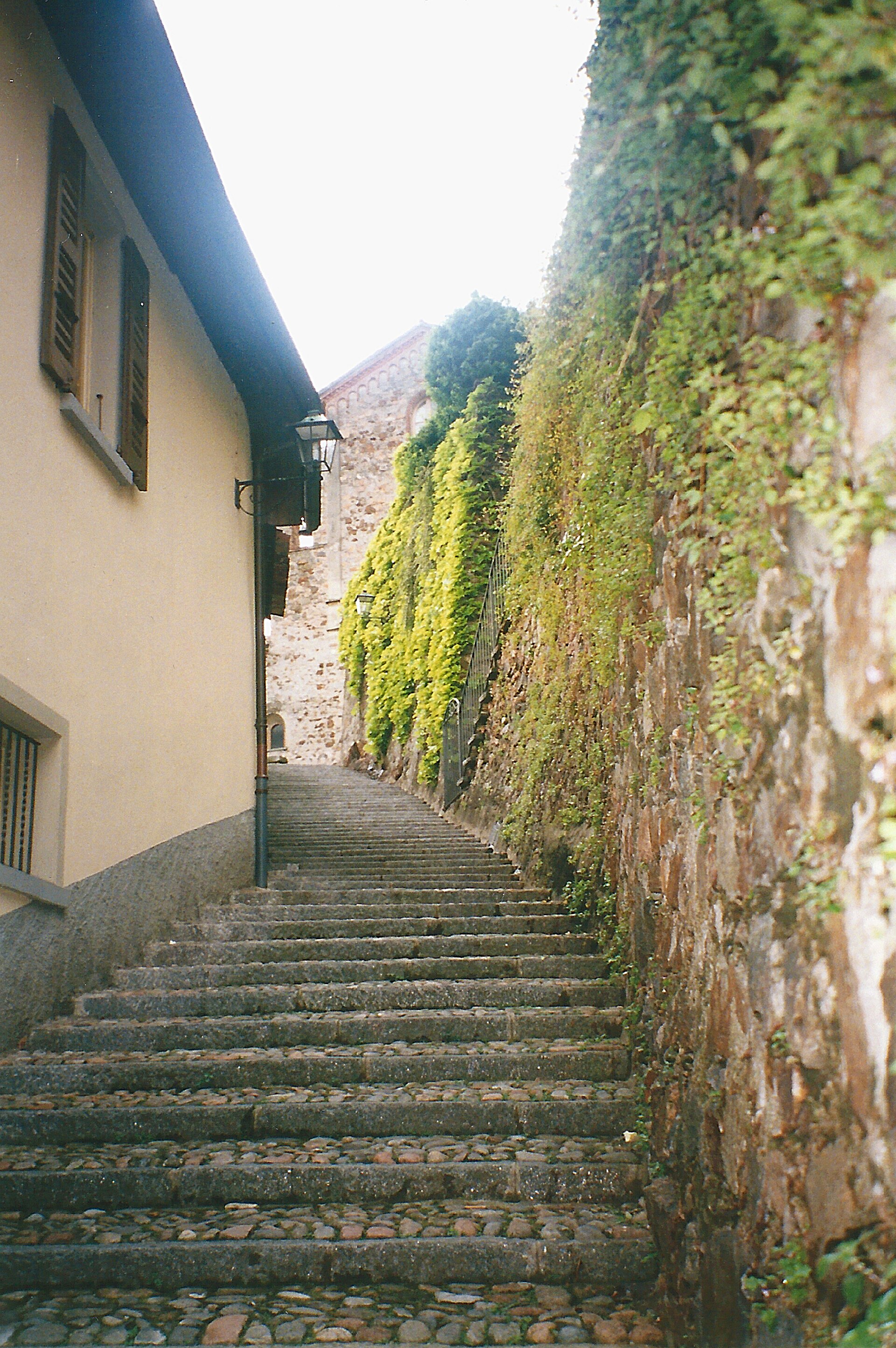
Return visitors tend to time a morning around Santa Maria degli Angioli before the tour groups arrive — Luini's Passion of Christ covers an entire wall and rewards slow looking. They also know that the boat to Gandria leaves from the Piazza Luini landing and that the old village centre, free of cars, is a different pace entirely from the city below.
How Lugano came to be
Lugano appears in records as early as the 6th century. The Swiss Confederation took the town from French control in 1512, and it spent the following centuries as a subject territory of the Confederation's cantons. During the Napoleonic reorganisation it briefly served as the capital of the short-lived Lugano canton, then was folded into the newly formed Ticino in 1803, sharing cantonal capital duties with Locarno and Bellinzona until 1878.
The opening of the Gotthard railway line in 1882 was the hinge point. The population roughly doubled between 1880 and 1910, and the city's role as a crossroads — between Italy and northern Europe, between political exile and refuge — became structural rather than incidental. Giuseppe Mazzini used it as a base during the 1848–66 struggle for Italian unification. Carlo Cattaneo, philosopher of the Risorgimento, lived here for more than twenty years after his exile from Milan. Hermann Hesse spent the last 43 years of his life in the region. The founding of the University of Italian Switzerland in 1996 added a younger, more restless layer to that long tradition of arriving and staying.
Who and what shaped it
People who shaped it
Landmark buildings
See Lugano in motion
Plan your visit
On the map
When to go
Ticino has the warmest, sunniest climate in Switzerland: summers are genuinely Mediterranean-hot, with lake swimming from June through September, while winters are mild and often clear, with snow rare at lake level. April, May and October offer the most comfortable conditions for walking and exploring without the peak-season crowds.
Right now
Background & history adapted from Wikipedia (CC BY-SA) · specs from Wikidata (CC0) · weather from Open-Meteo · map data © OpenStreetMap contributors · photos from Wikimedia Commons / Unsplash with per-image credit. No third-party reviews or social posts reproduced.