
Geneva
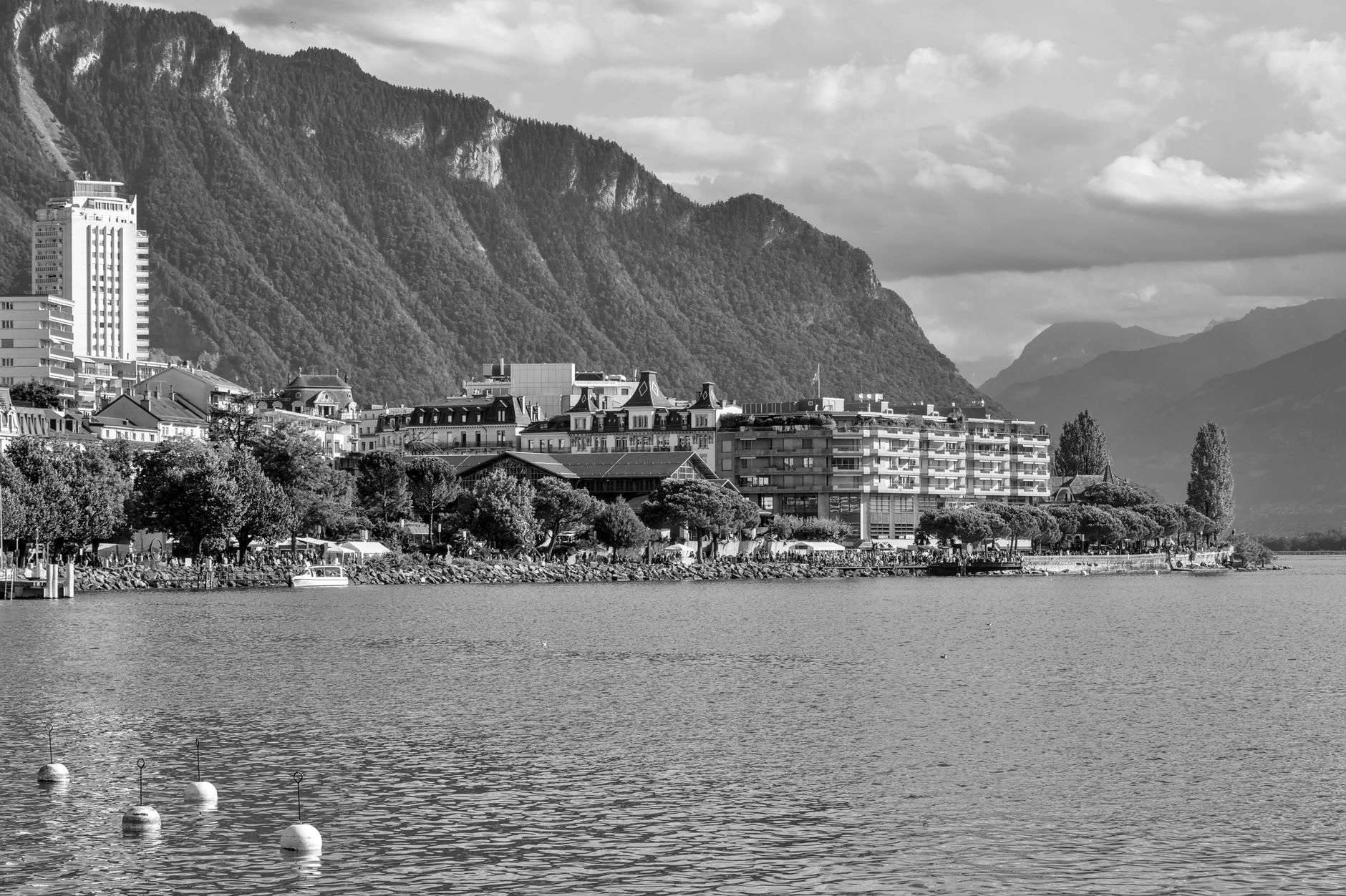
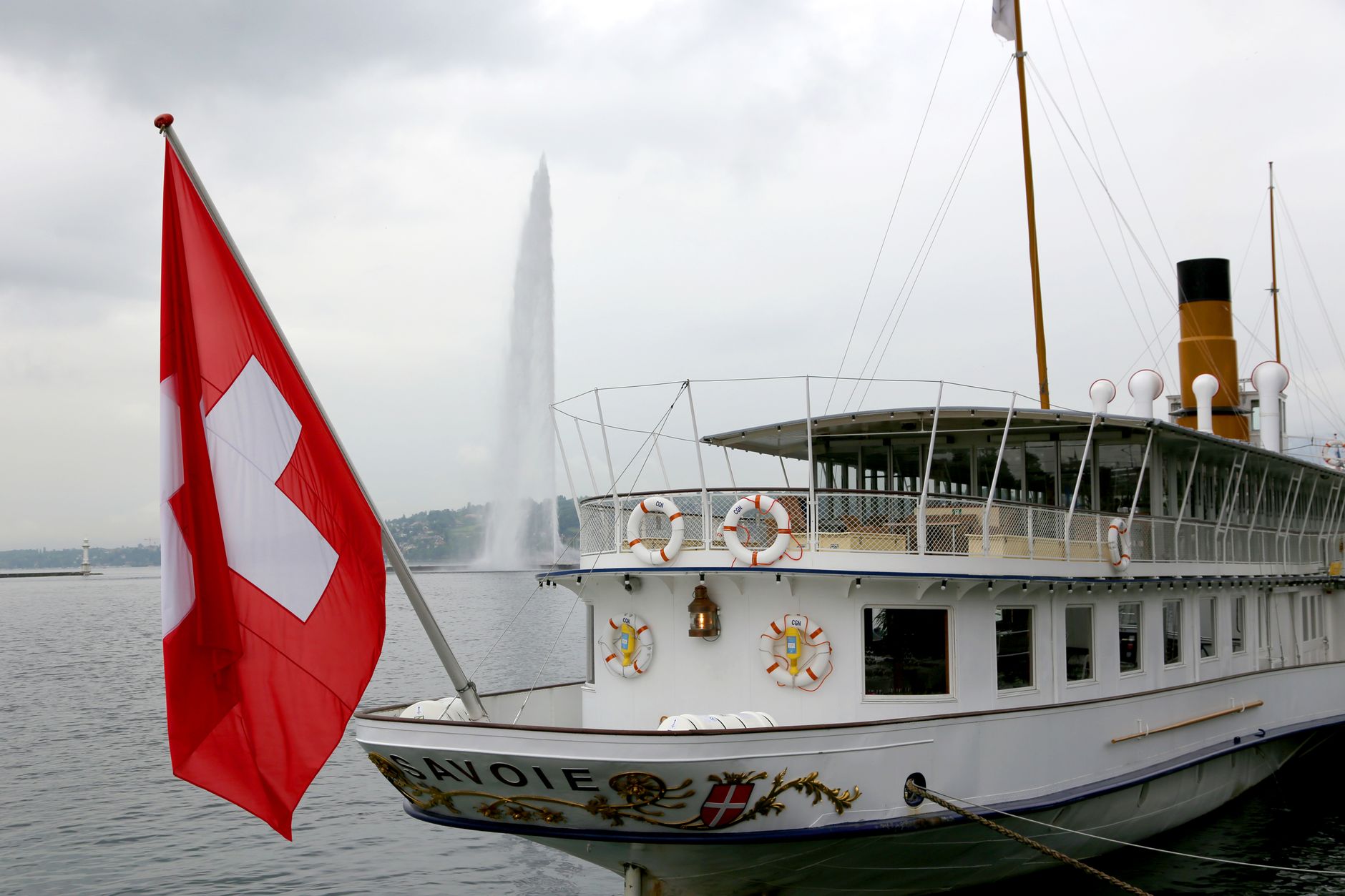
Geneva sits at the southwestern tip of Switzerland where the Rhône leaves its lake, and the city's most famous landmark announces itself without ceremony: a single column of water rising 145 metres into the sky, visible from almost anywhere on the waterfront. The Jet d'Eau has been shooting since the 19th century and still draws your eye every time.
Beneath that showpiece is a city that has spent centuries at the centre of things — Reformation theology, humanitarian law, post-war diplomacy. The United Nations, the Red Cross, the WTO all have roots here. Geneva is compact enough to walk across in an afternoon, yet its institutional weight gives it the gravity of somewhere much larger.
How Geneva came to be
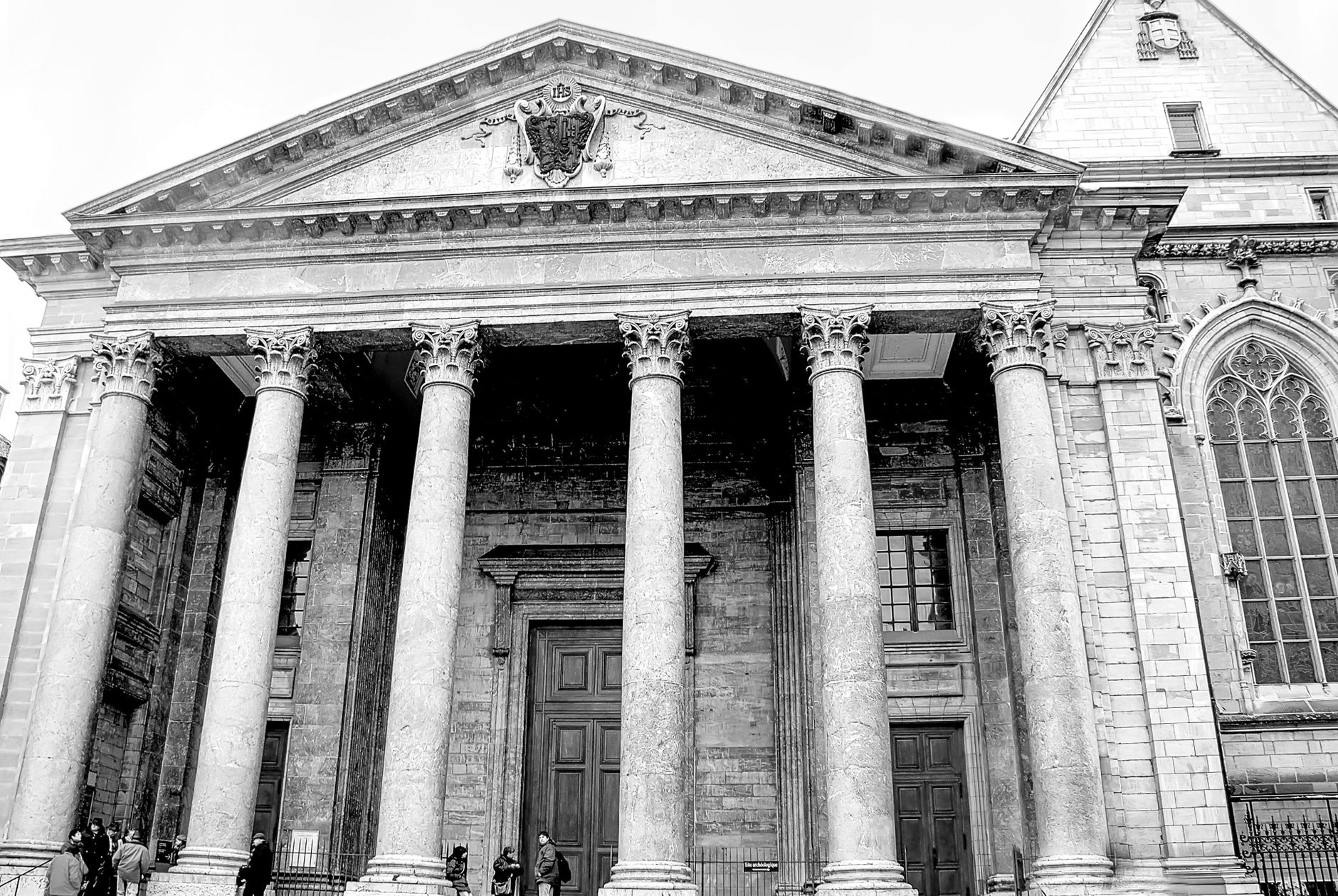
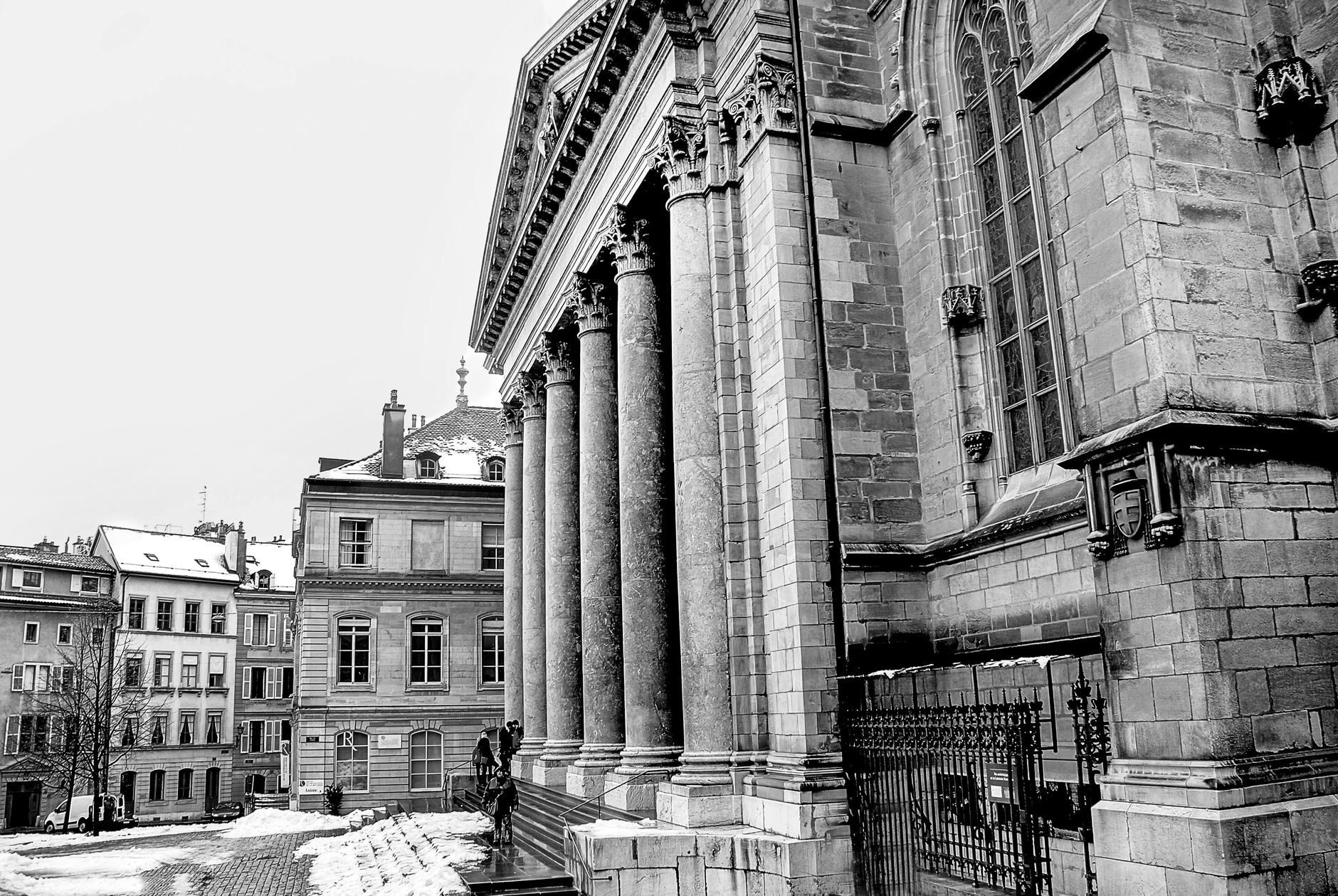
Julius Caesar mentioned Geneva in 58 BC, by which point it had already been a fortified Celtic settlement for several centuries. The city became an episcopal seat in the 4th century, then spent the Middle Ages as an independent city-state. Its most consequential chapter came in 1541, when John Calvin arrived and turned Geneva into the operational headquarters of European Protestantism — the cathedral of Saint-Pierre, begun in 1160, became his pulpit for the next two decades.
After the Napoleonic Wars, Geneva joined the Swiss Confederation in 1814. Henry Dunant, born here, founded the Red Cross in 1864. After World War I the city became home to the League of Nations, and later the European seat of the United Nations, housed in the Palais des Nations — built between 1929 and 1938 and still one of the largest UN centres in the world.
Who and what shaped it
People who shaped it
Landmark buildings
See Geneva in motion
Plan your visit
On the map
When to go
Geneva has cold, often grey winters — January averages just above freezing — and warm summers that make the lake genuinely swimmable. Spring and early autumn offer the clearest skies and the most comfortable temperatures for walking the city.
Right now
Background & history adapted from Wikipedia (CC BY-SA) · specs from Wikidata (CC0) · weather from Open-Meteo · map data © OpenStreetMap contributors · photos from Wikimedia Commons / Unsplash with per-image credit. No third-party reviews or social posts reproduced.