
Davos
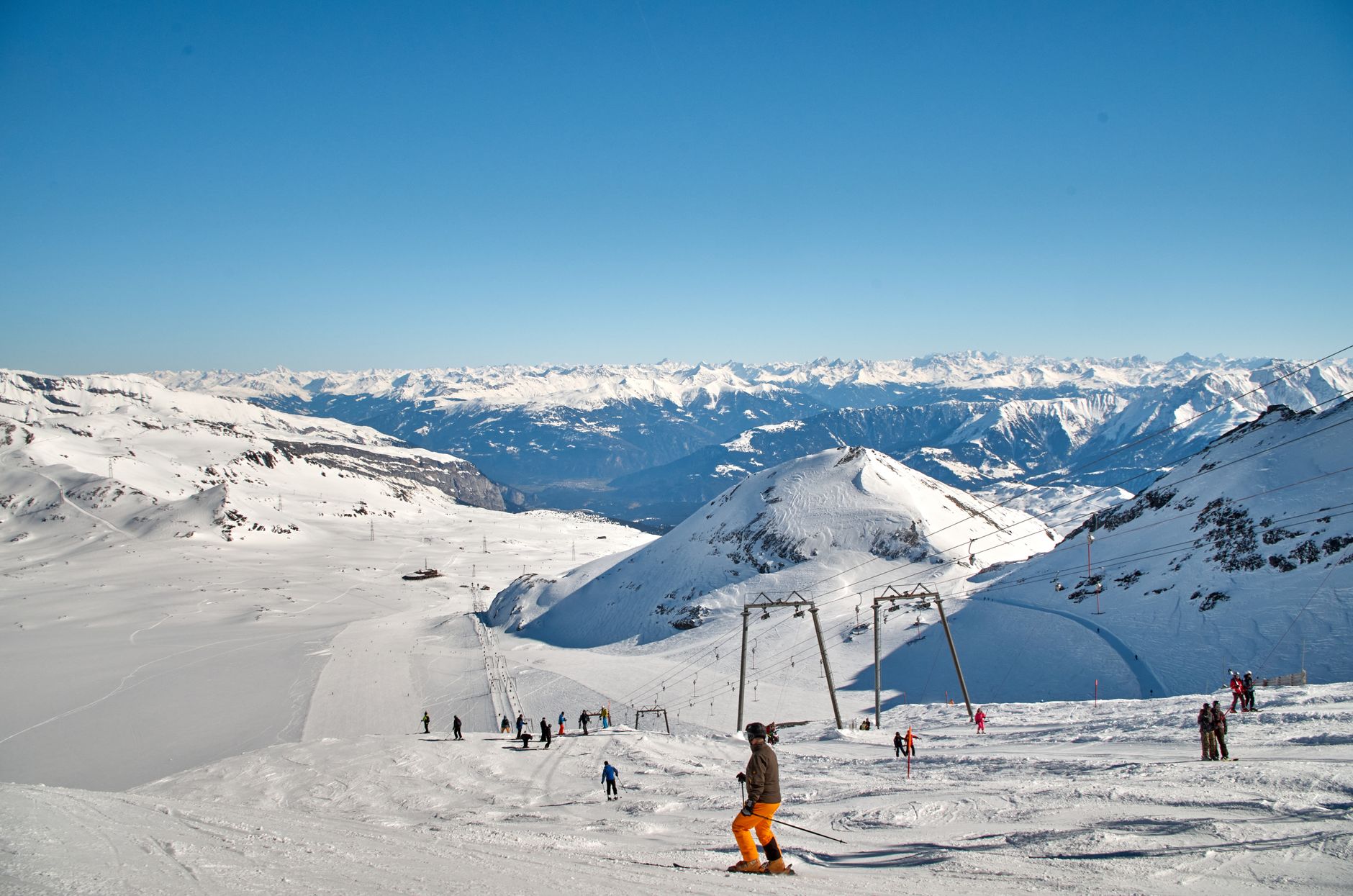
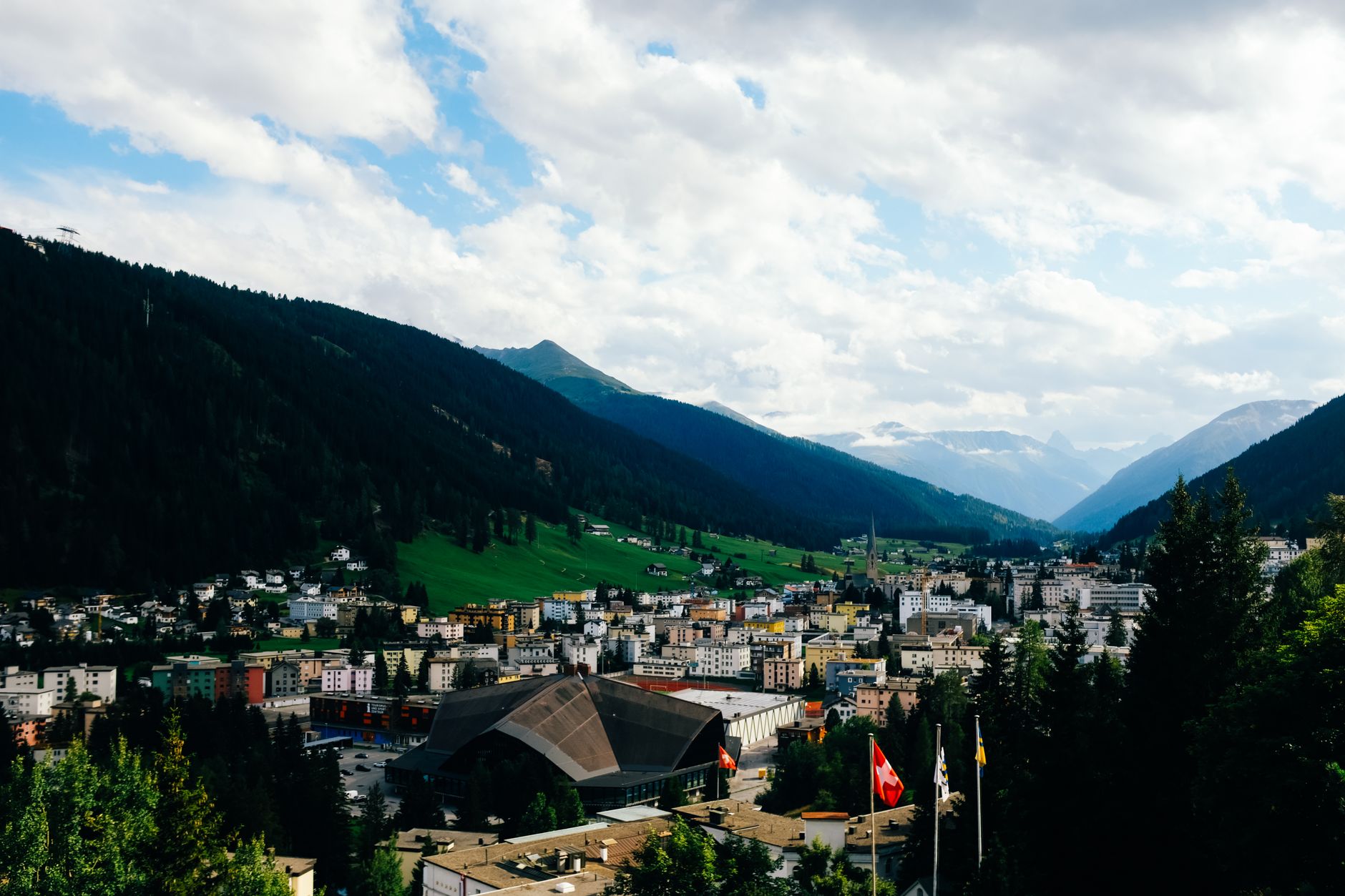
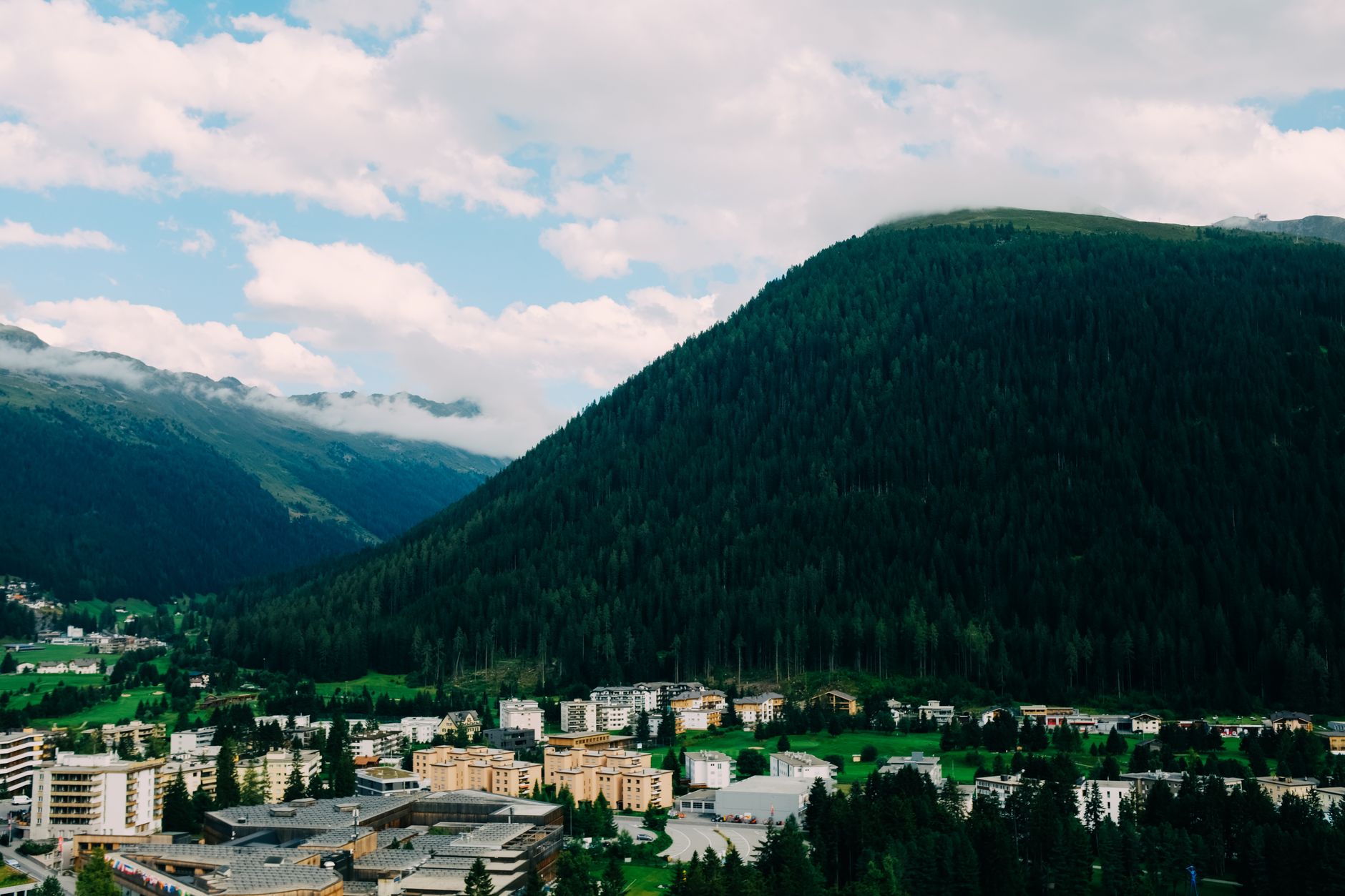
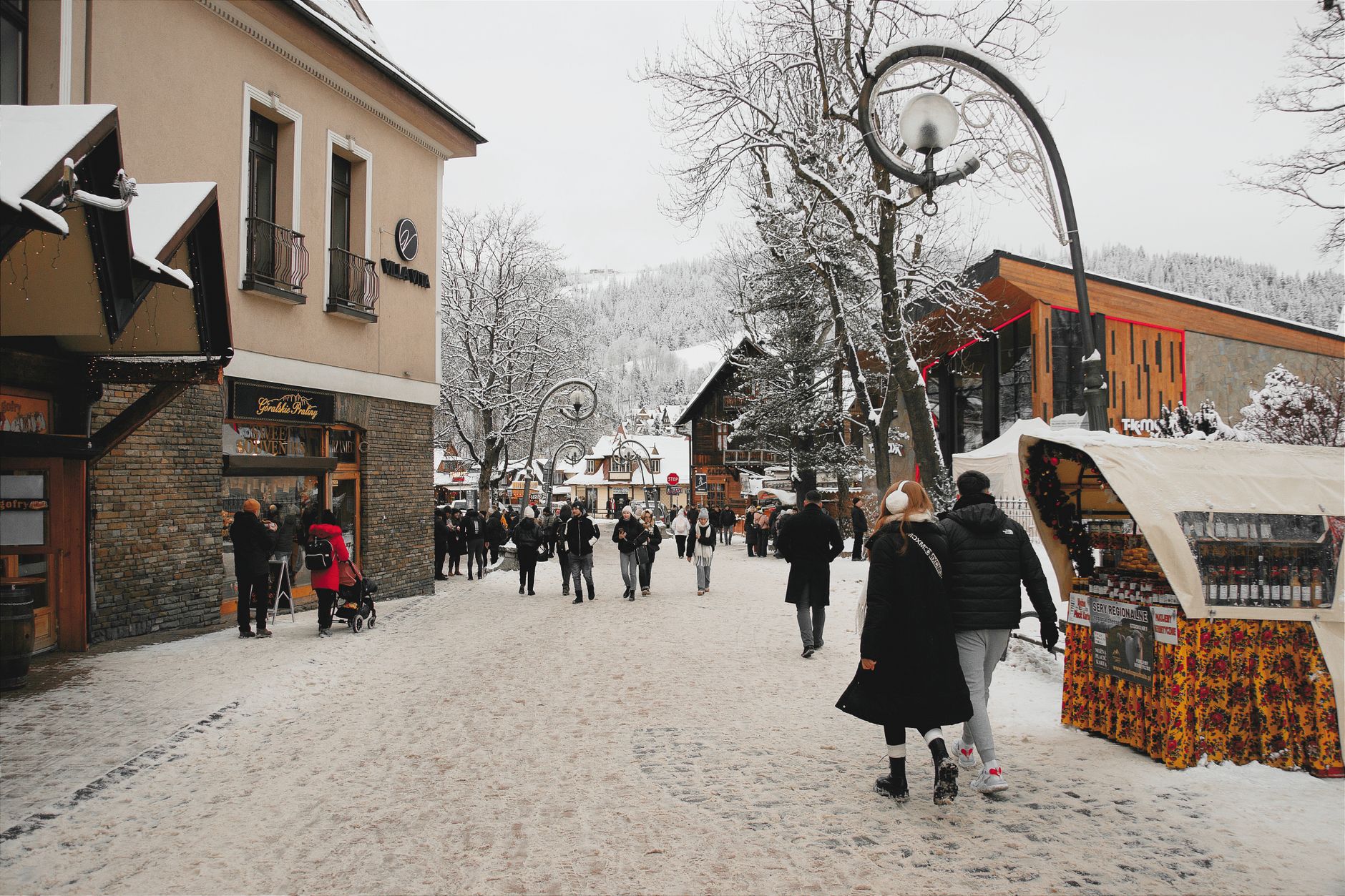
At 1,560 metres, Davos is the highest town in the Alps, and the altitude makes itself known immediately — the air thinner, the light sharper, the snow on the surrounding peaks present even in June. Most people arrive carrying one of two associations: the World Economic Forum, which has convened here every January since 1971, or Thomas Mann's novel *The Magic Mountain*, whose consumptive patients were modelled on the guests of the sanatoriums that once lined these slopes.
Both associations are accurate, and neither fully prepares you for the place itself. Davos is a working valley town that happens to host the world's most photographed summit of power, surrounded by serious ski terrain and a genuinely excellent art museum dedicated to the expressionist Ernst Ludwig Kirchner, who spent the last two decades of his life painting here.
How Davos came to be
Davos first appears in documents from 1160 and 1213, when it was Romansh-speaking territory. German-speaking Walser settlers arrived in the 13th century under the barons of Vaz, who granted them unusual rights of self-administration; a 1289 agreement exempted Davos citizens from personal taxes — an early signal of the town's instinct for governance on its own terms.
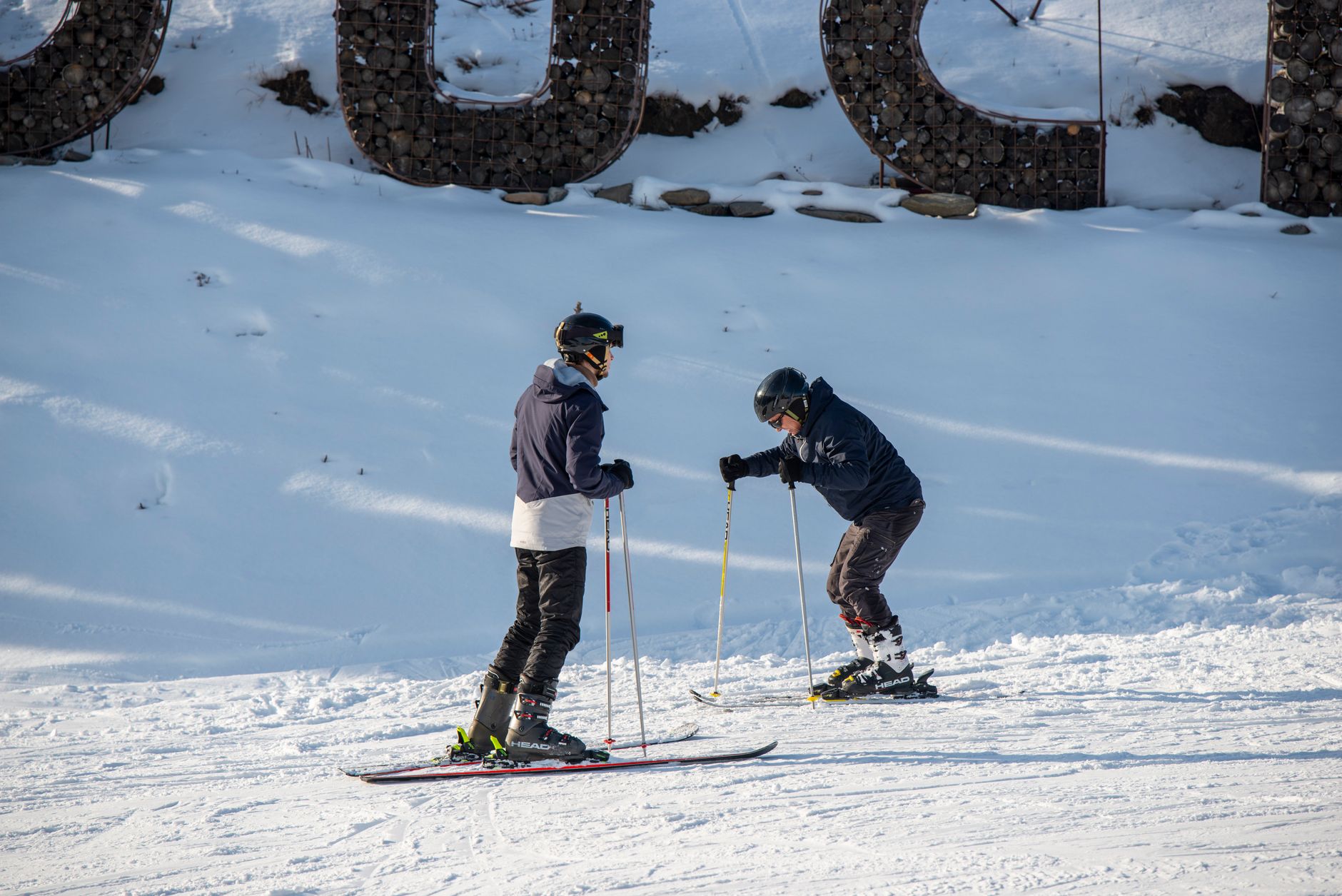
The modern Davos began with a single doctor. Alexander Spengler, a German who arrived in 1853, started sending patients with lung disease up to the mountain air, and within a generation the valley was dense with sanatoriums and guesthouses. The railway arrived in 1890, consolidating the resort. Skiing eventually replaced the cure, and in February 1971 Klaus Schwab convened the first European Management Forum here with roughly 450 participants from 31 countries — the meeting that became the World Economic Forum.
Who and what shaped it
People who shaped it
Landmark buildings
See Davos in motion
Plan your visit
On the map
When to go
Winters are long and genuinely cold, with daytime highs that rarely clear freezing and nights that can drop well below -10°C; pack accordingly. Summers are mild in the afternoons but cool sharply after dark, and June through August brings regular thunderstorms, so mornings are the reliable window for anything outdoors.
Right now
Background & history adapted from Wikipedia (CC BY-SA) · specs from Wikidata (CC0) · weather from Open-Meteo · map data © OpenStreetMap contributors · photos from Wikimedia Commons / Unsplash with per-image credit. No third-party reviews or social posts reproduced.