
St. Moritz
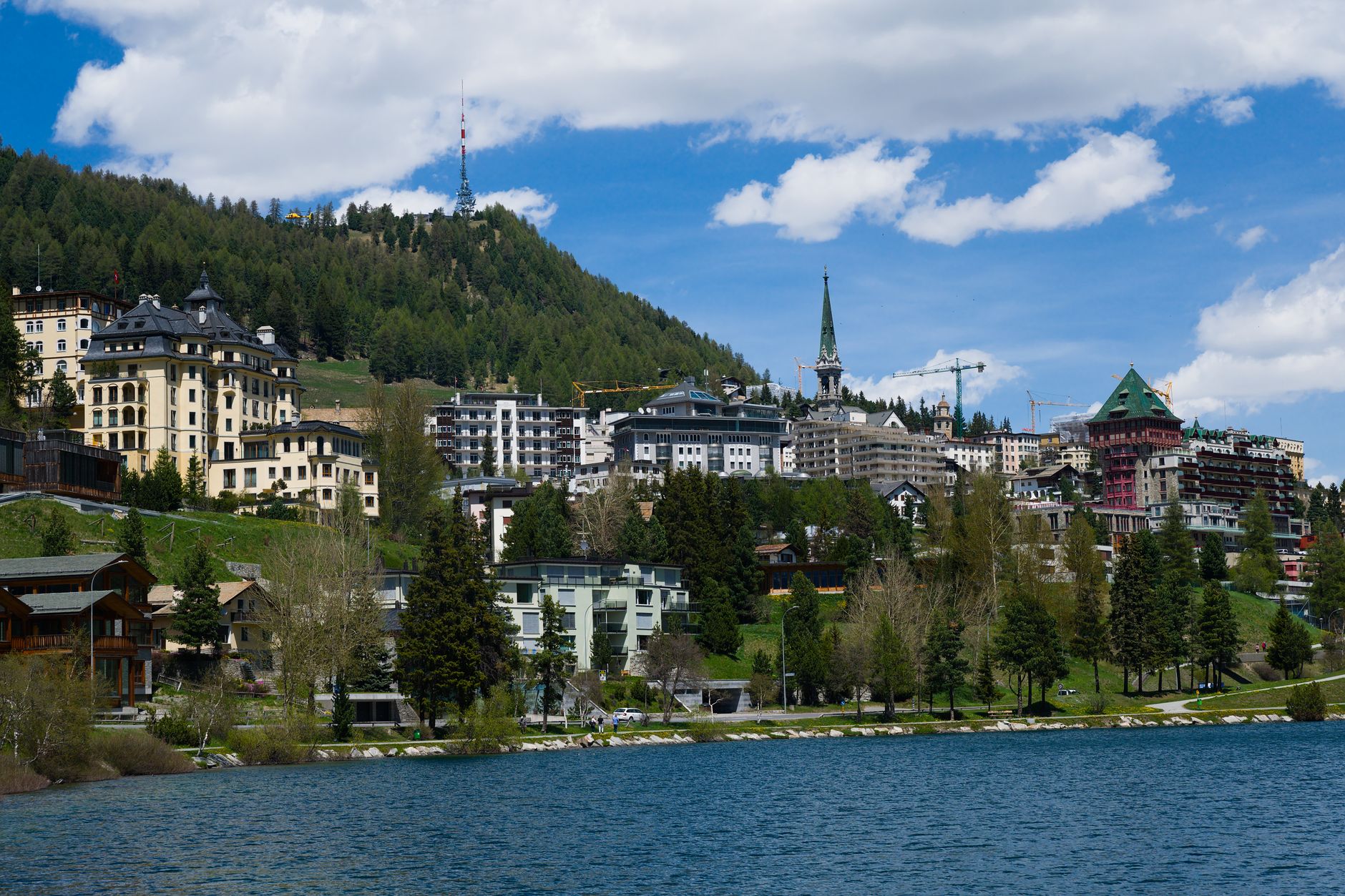
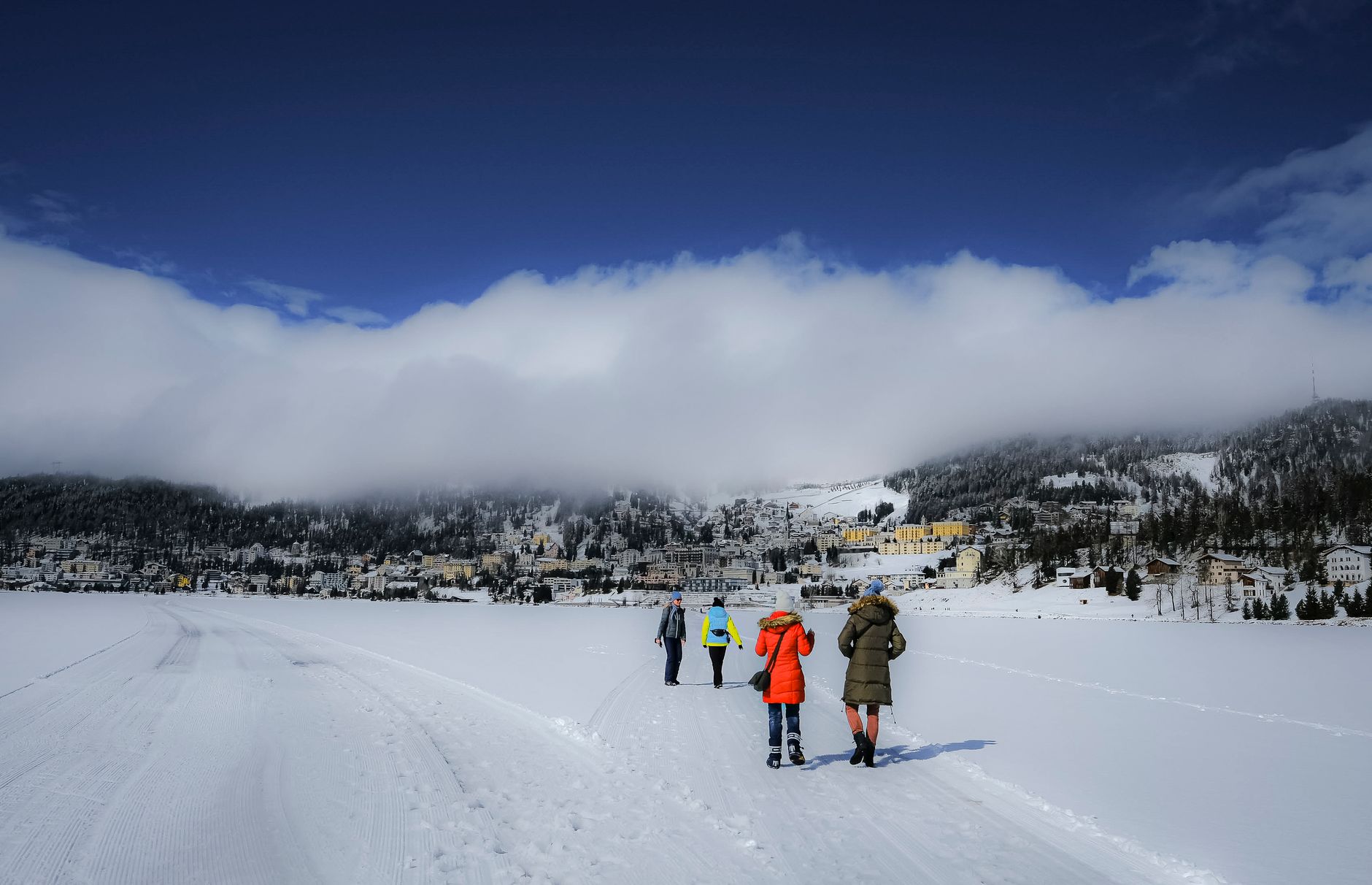
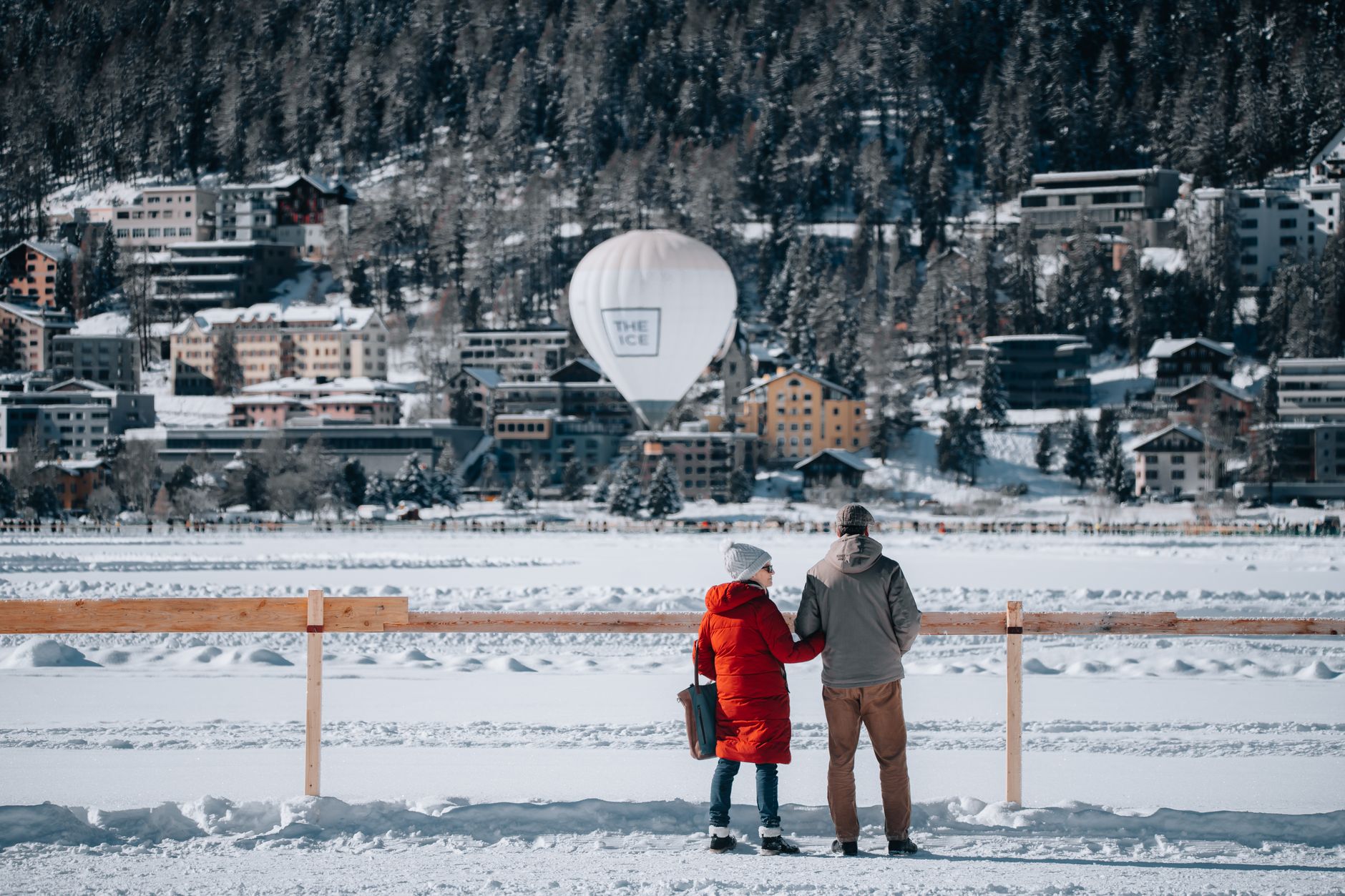
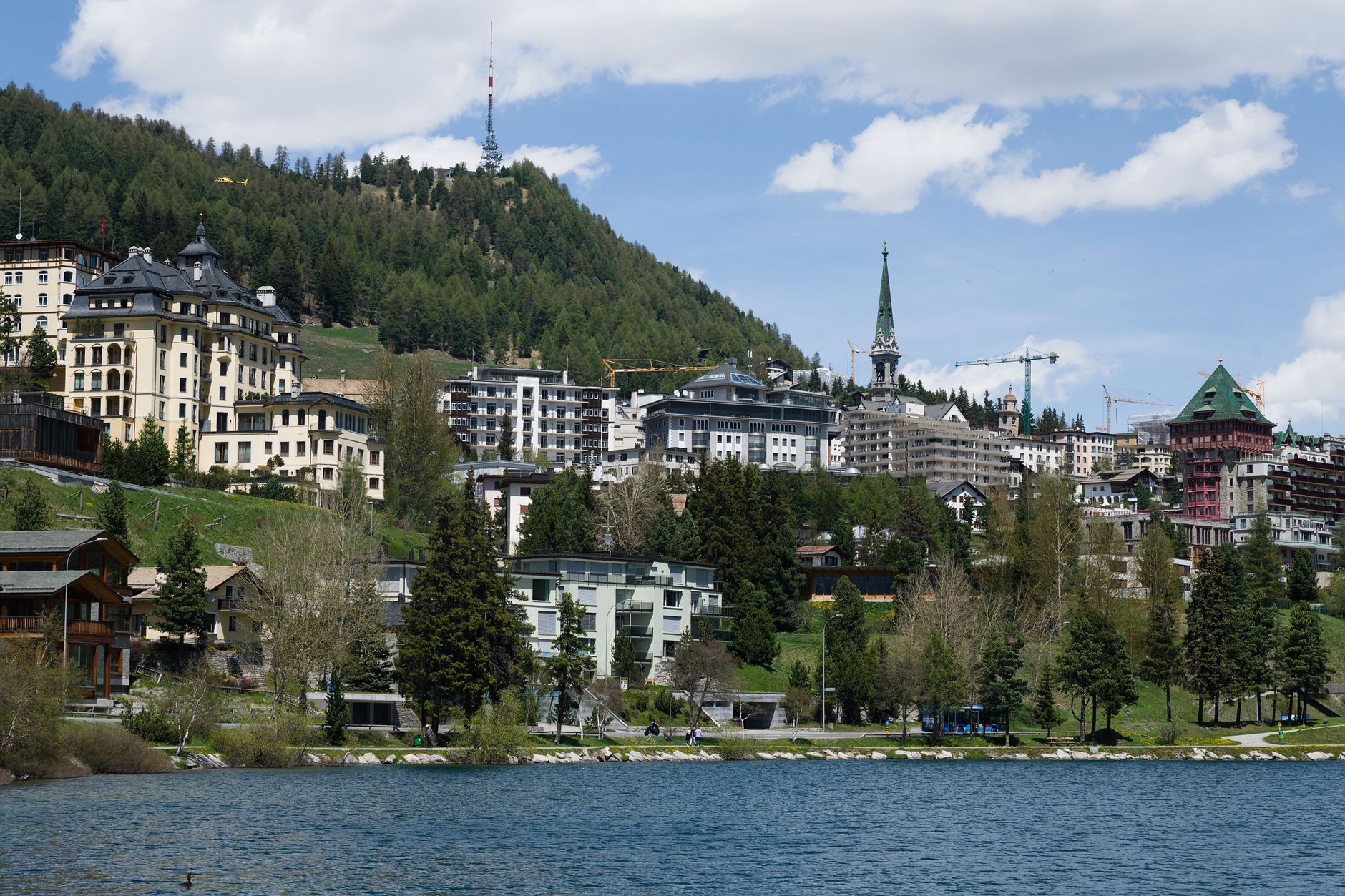
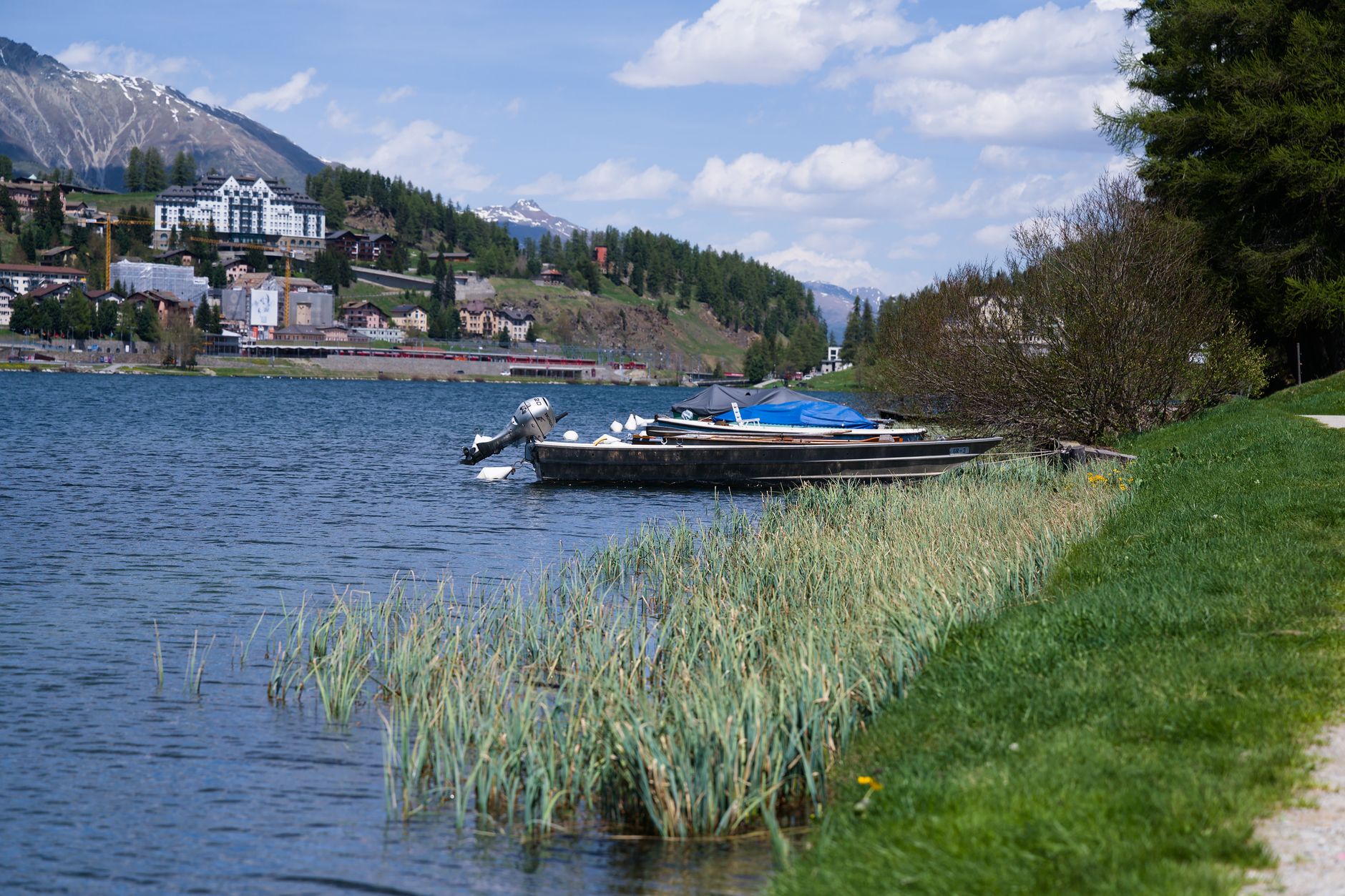
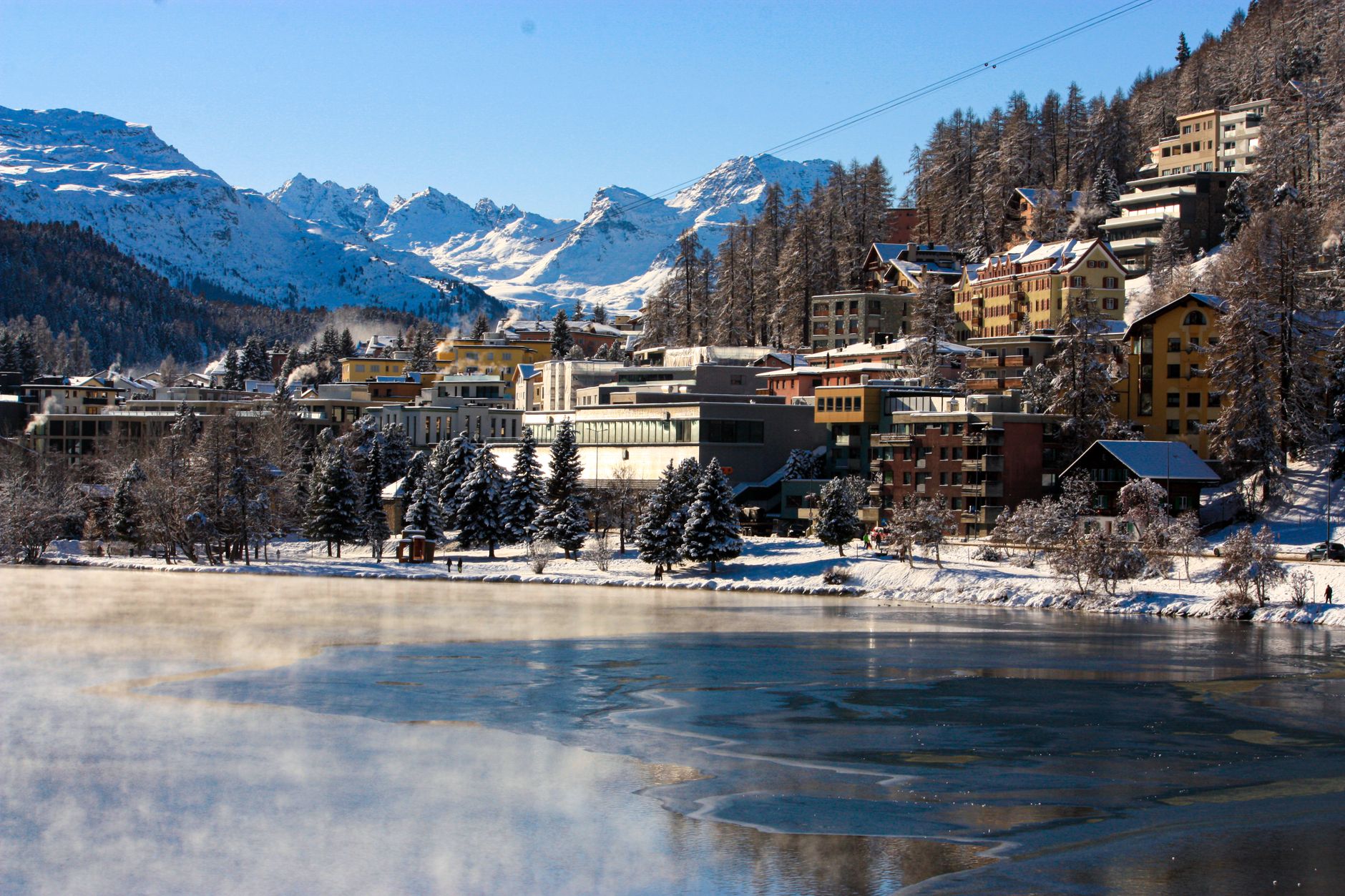
The leaning tower at the centre of St. Moritz tilts more sharply than Pisa's — five and a half degrees, caused by centuries of shifting soil — and somehow that detail captures the place: a little precarious, a little excessive, and genuinely old beneath the gloss. The town sits at 1,800 metres in the Upper Engadine, a wide glaciated valley where the light arrives clear and cold and the lake below town reflects whatever the sky is doing.
This is where Alpine winter tourism began, in a wager made in 1864, and the infrastructure that followed — grand hotels, a natural ice bob run, two Winter Olympics — has never quite stopped accumulating. You come for snow, or for the altitude, or for the particular social theatre of it all.
💛 What travellers fall for
People who return tend to build rituals around the Bernina Express south toward Tirano, taken on a weekday when the carriages are quieter. The Segantini Museum on a grey afternoon is worth the short walk uphill — the light inside the stone-and-cupola building suits those large Alpine canvases better than sunshine does.
How St. Moritz came to be
The springs were here first. Celtic offerings — swords, needles — found at their base suggest people were making the journey more than 3,500 years ago. The settlement appears in written records around 1137, named for Saint Maurice, a third-century martyr from Egypt. A spa formalised the springs' use from 1466 onward.
The modern resort, though, begins with a bet. In September 1864, hotelier Johannes Badrutt wagered four British summer guests that winter here would be worth the return trip — and that if they disagreed, he'd cover their travel costs. They came back. The wager became an industry: the first tourist office in Switzerland opened that same year, the Kulm Hotel received the country's first electric light in 1878, and the town hosted the Winter Olympics in both 1928 and 1948.
Who and what shaped it
People who shaped it
Landmark buildings
See St. Moritz in motion
Plan your visit
On the map
When to go
Winters are cold and consistently sunny — the Engadine averages more than 300 sunny days a year, and snow is reliable from December through March. Summers are mild at altitude, rarely warm, with afternoon thunderstorms common from July onward.
Right now
Background & history adapted from Wikipedia (CC BY-SA) · specs from Wikidata (CC0) · weather from Open-Meteo · map data © OpenStreetMap contributors · photos from Wikimedia Commons / Unsplash with per-image credit. No third-party reviews or social posts reproduced.