
Bern
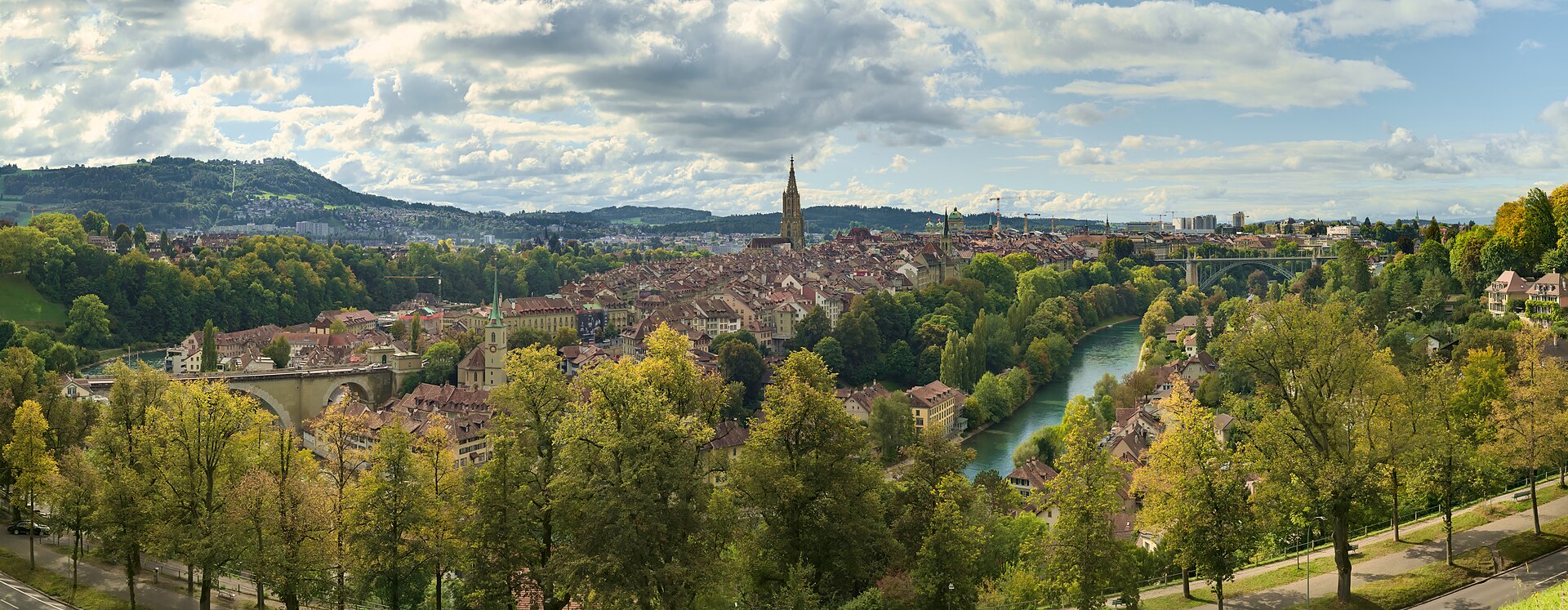
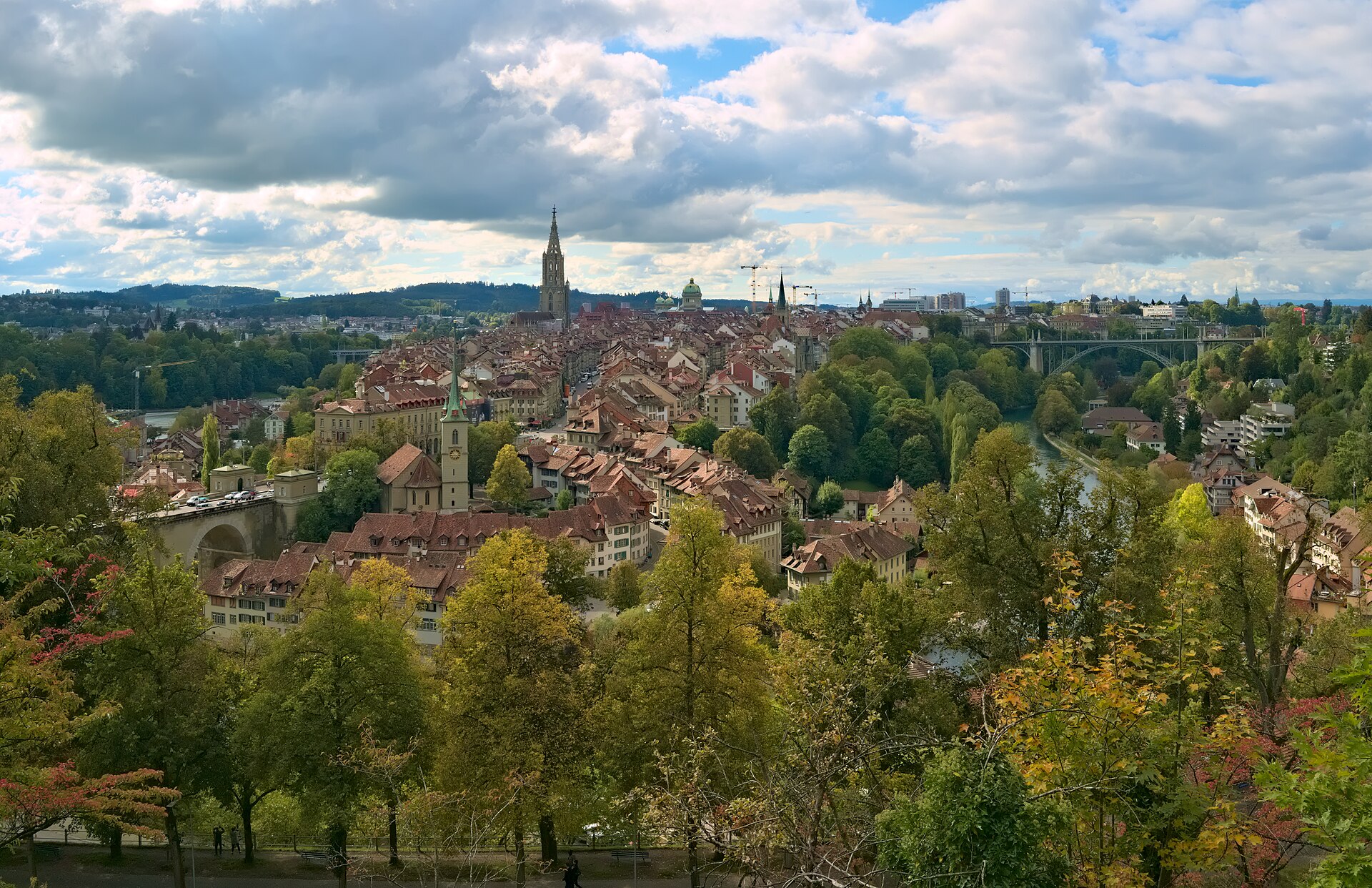
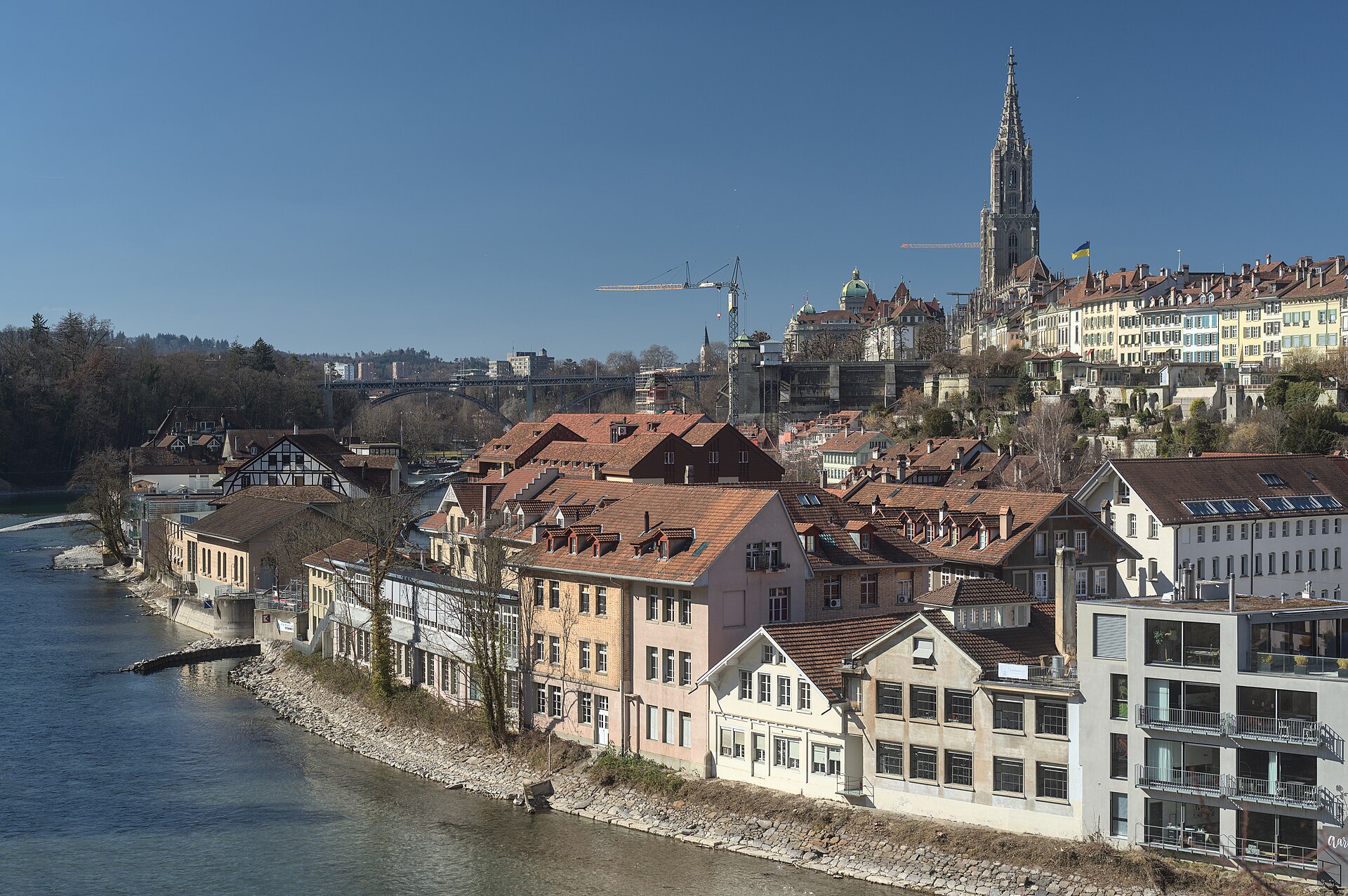
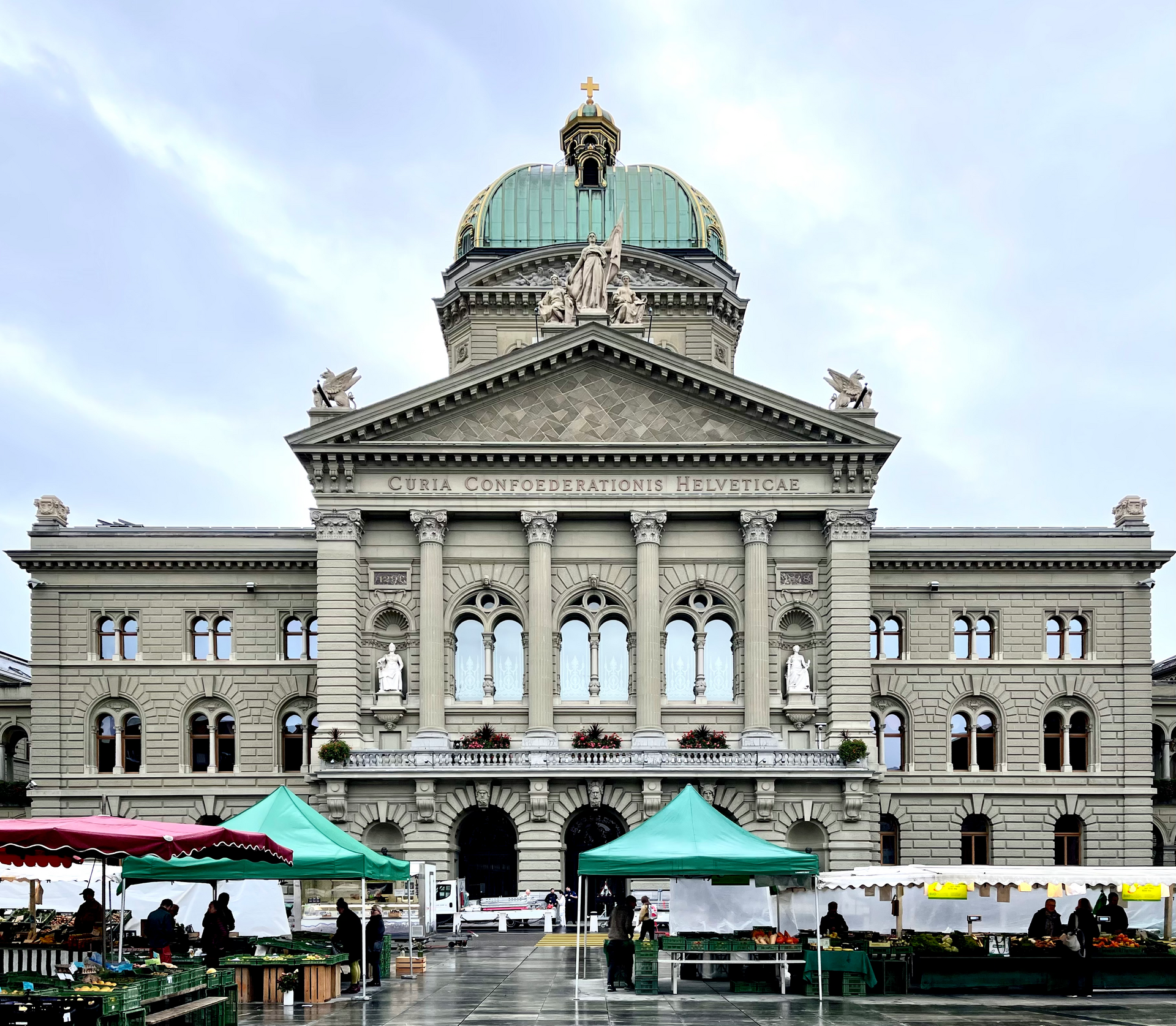
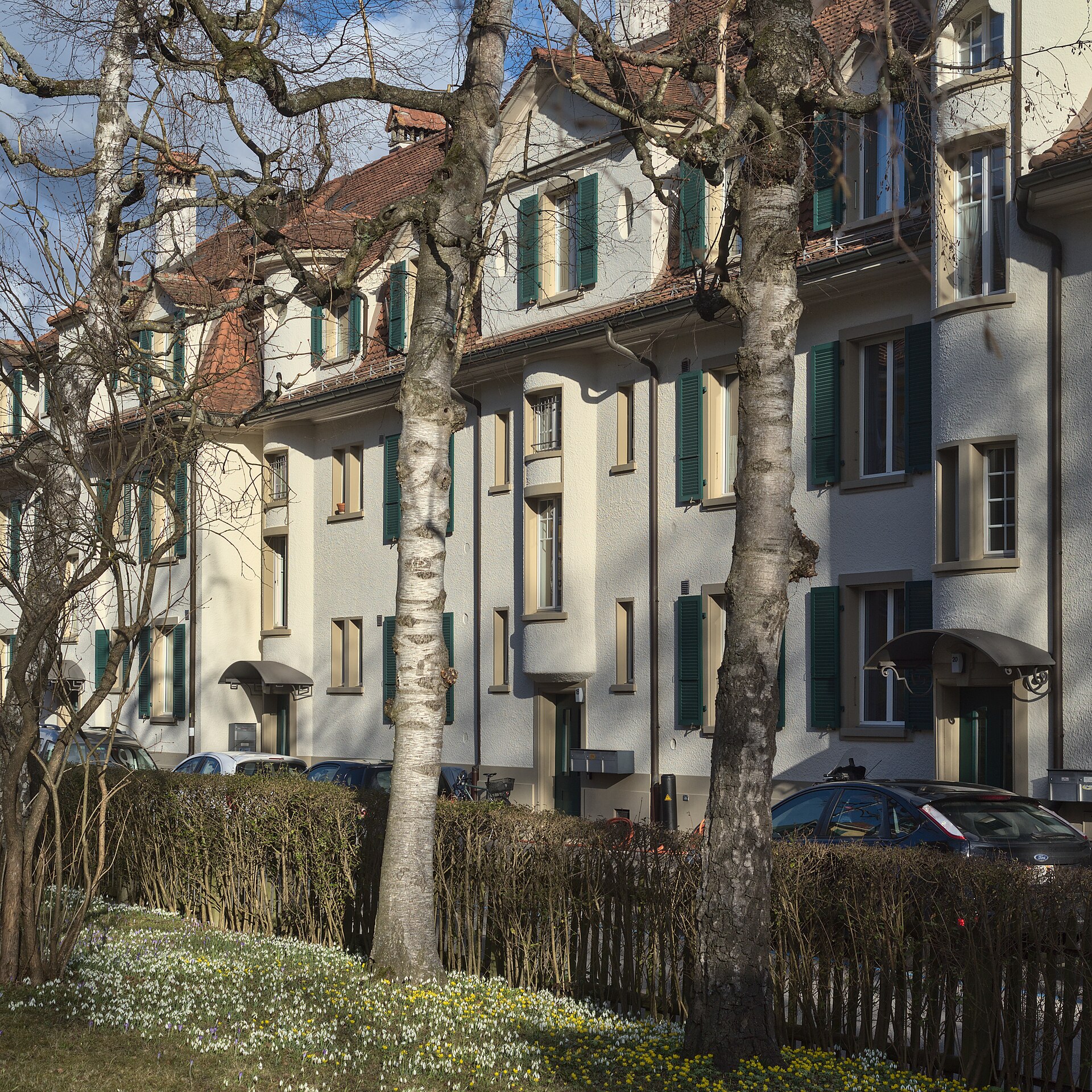
Bern is a city that keeps its medieval bones in plain sight. The sandstone arcades lining Kramgasse have sheltered pedestrians for centuries, and the Zytglogge's astronomical clock has marked the hour since the early 1500s — details that announce themselves without ceremony. For a national capital, it moves at a measured pace, which is part of the point.
As the political and geographic centre of Switzerland, Bern connects you efficiently to the Jungfrau Region, Lausanne and beyond, while offering enough of its own — the UNESCO-listed Altstadt, the cathedral spire, the bears by the Aare — to justify time spent rather than just passing through.
How Bern came to be
Berthold V, Duke of Zähringen, founded Bern in 1191 as a military post. When he died without an heir in 1218, Holy Roman Emperor Frederick II granted it free imperial city status. The city joined the Swiss Confederation in 1353, and a devastating fire in 1405 prompted a rebuild in sandstone — the material that still defines the Altstadt today.
Bern's modern role crystallised in 1848, when it became the political capital of the Swiss Confederation. The Federal Palace still houses parliament and the executive. In 1983, the medieval core was designated a UNESCO World Heritage Site, recognising the arcaded streets, 100-plus fountains and the Zytglogge as an unusually intact ensemble.
Who and what shaped it
People who shaped it
Landmark buildings
See Bern in motion
Plan your visit
On the map
When to go
Winters run cold, with temperatures between 1–3°C and regular night frosts; summers are warm rather than hot, averaging 17–19°C with highs around 22–24°C. Bern sees meaningful rainfall year-round — around 1,170 mm annually — so a layer and a compact umbrella are sensible companions in any season.
Right now
Background & history adapted from Wikipedia (CC BY-SA) · specs from Wikidata (CC0) · weather from Open-Meteo · map data © OpenStreetMap contributors · photos from Wikimedia Commons / Unsplash with per-image credit. No third-party reviews or social posts reproduced.