
Lauterbrunnen Valley
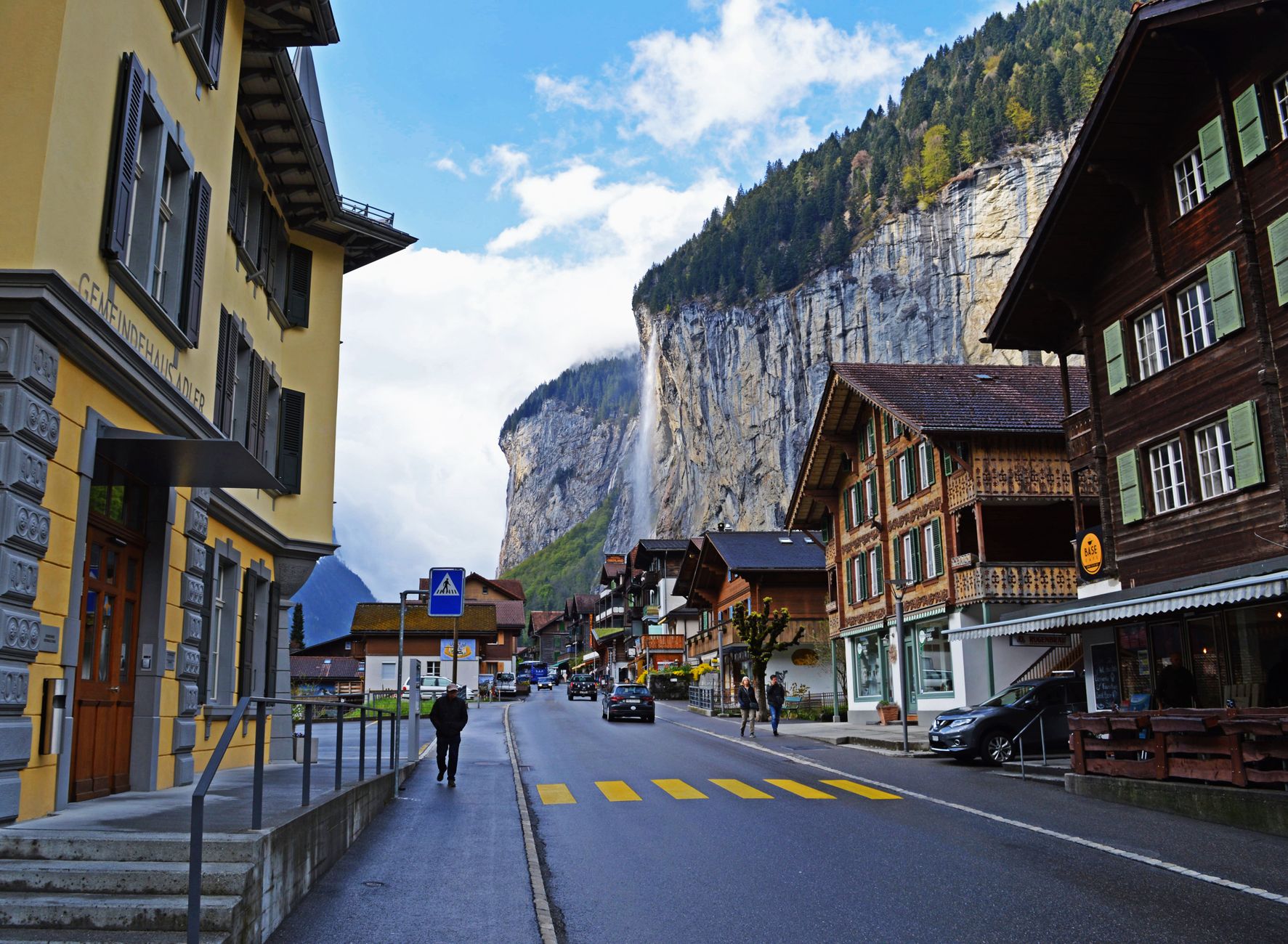
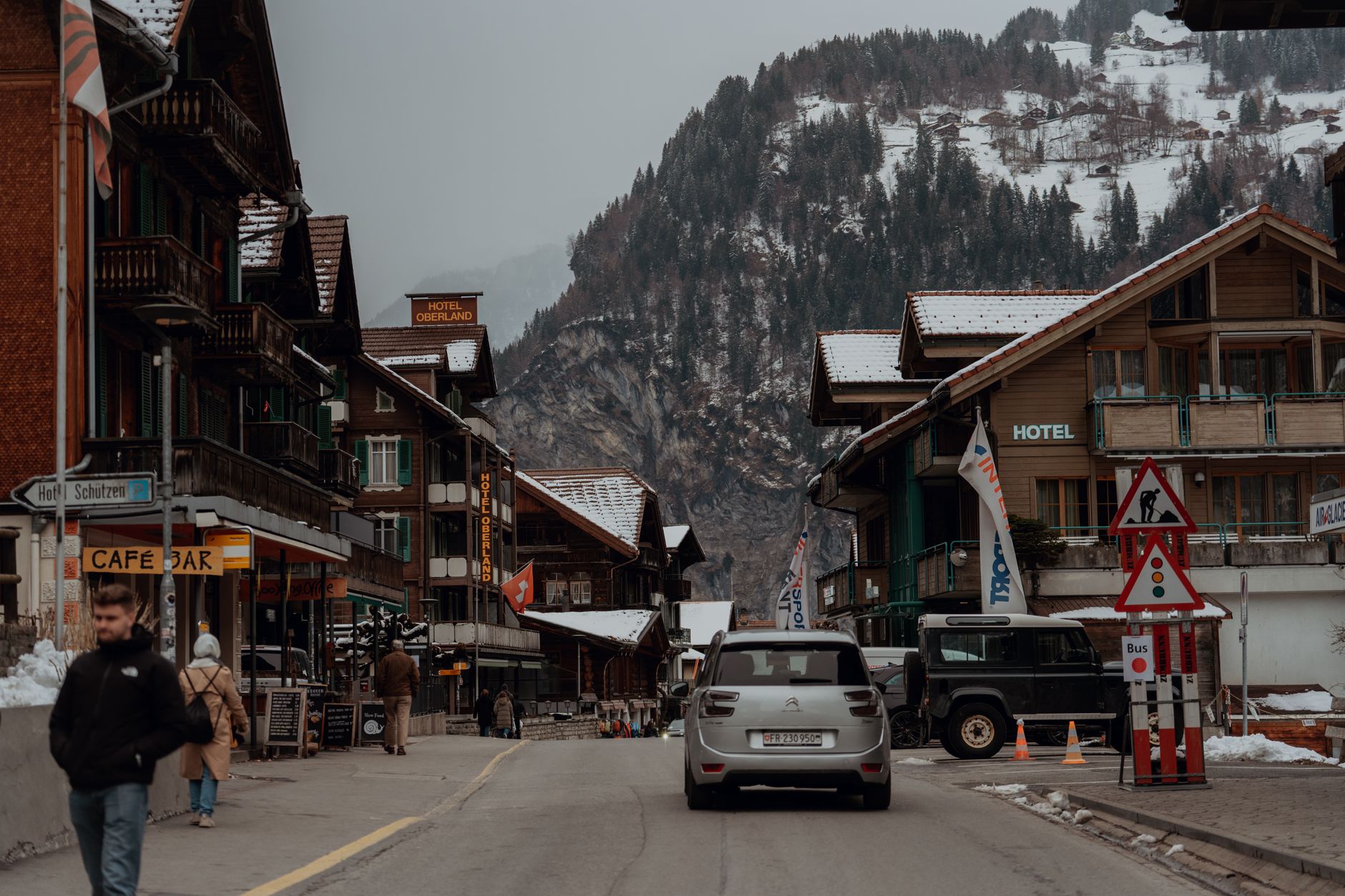
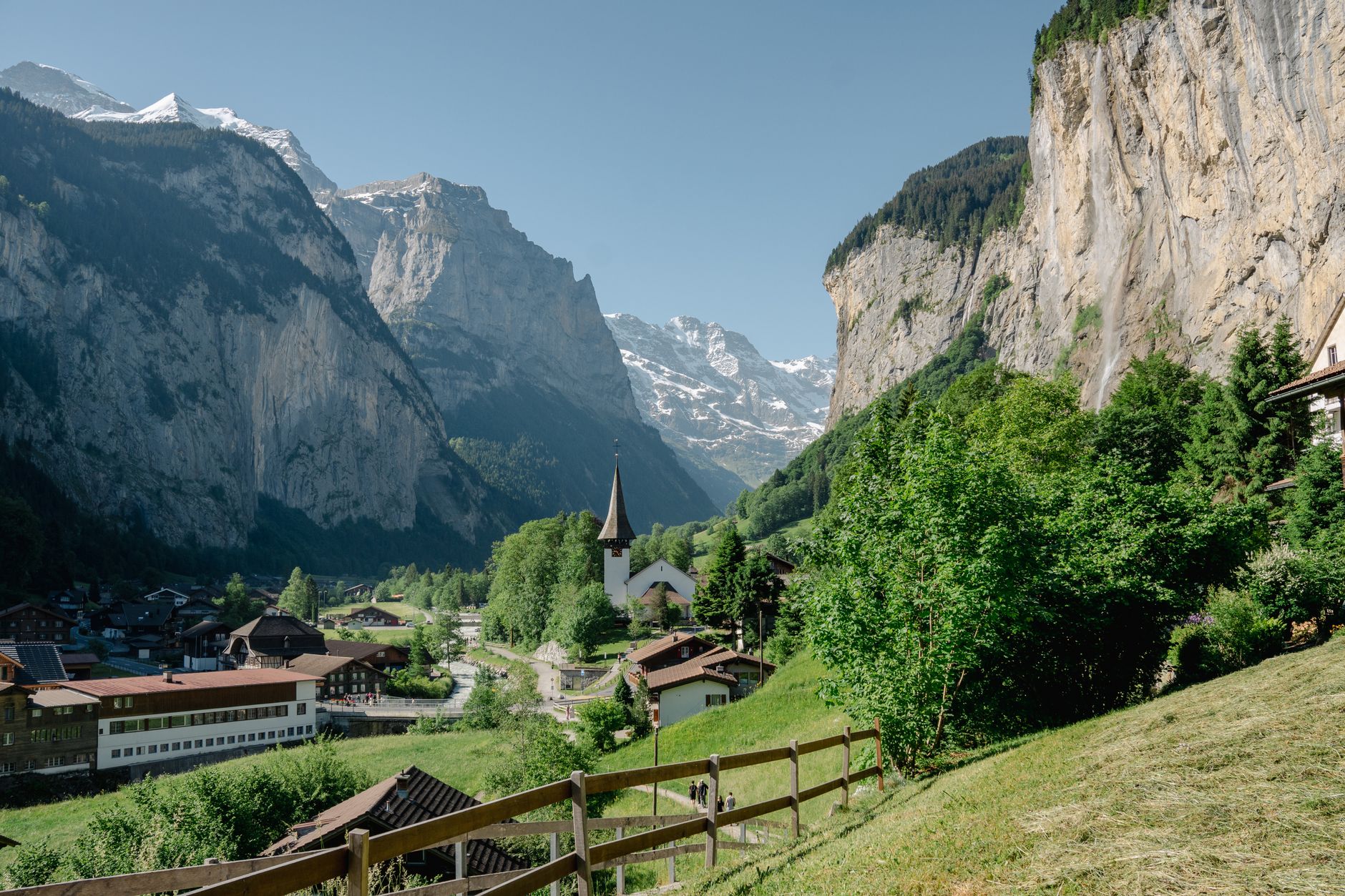
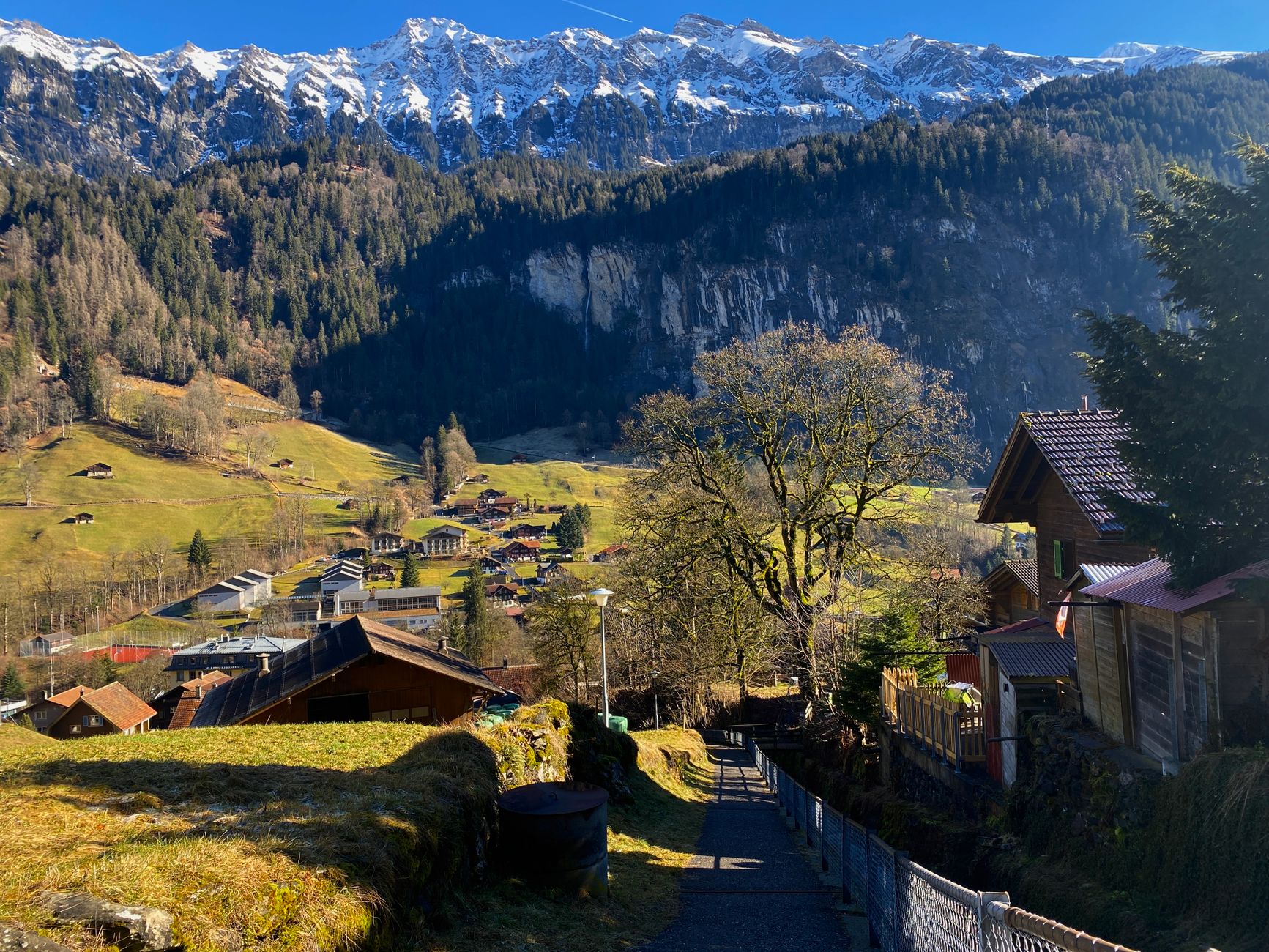
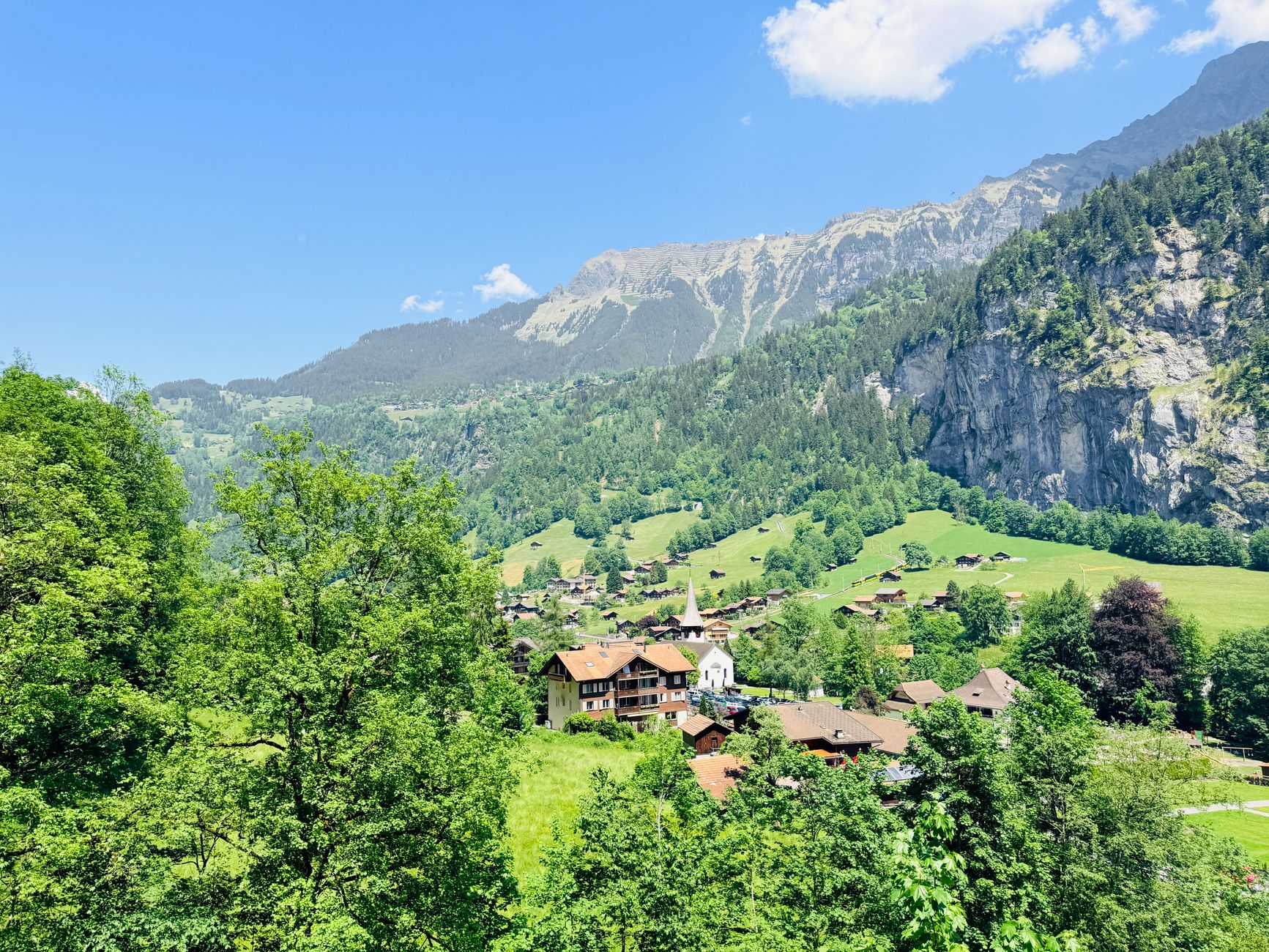
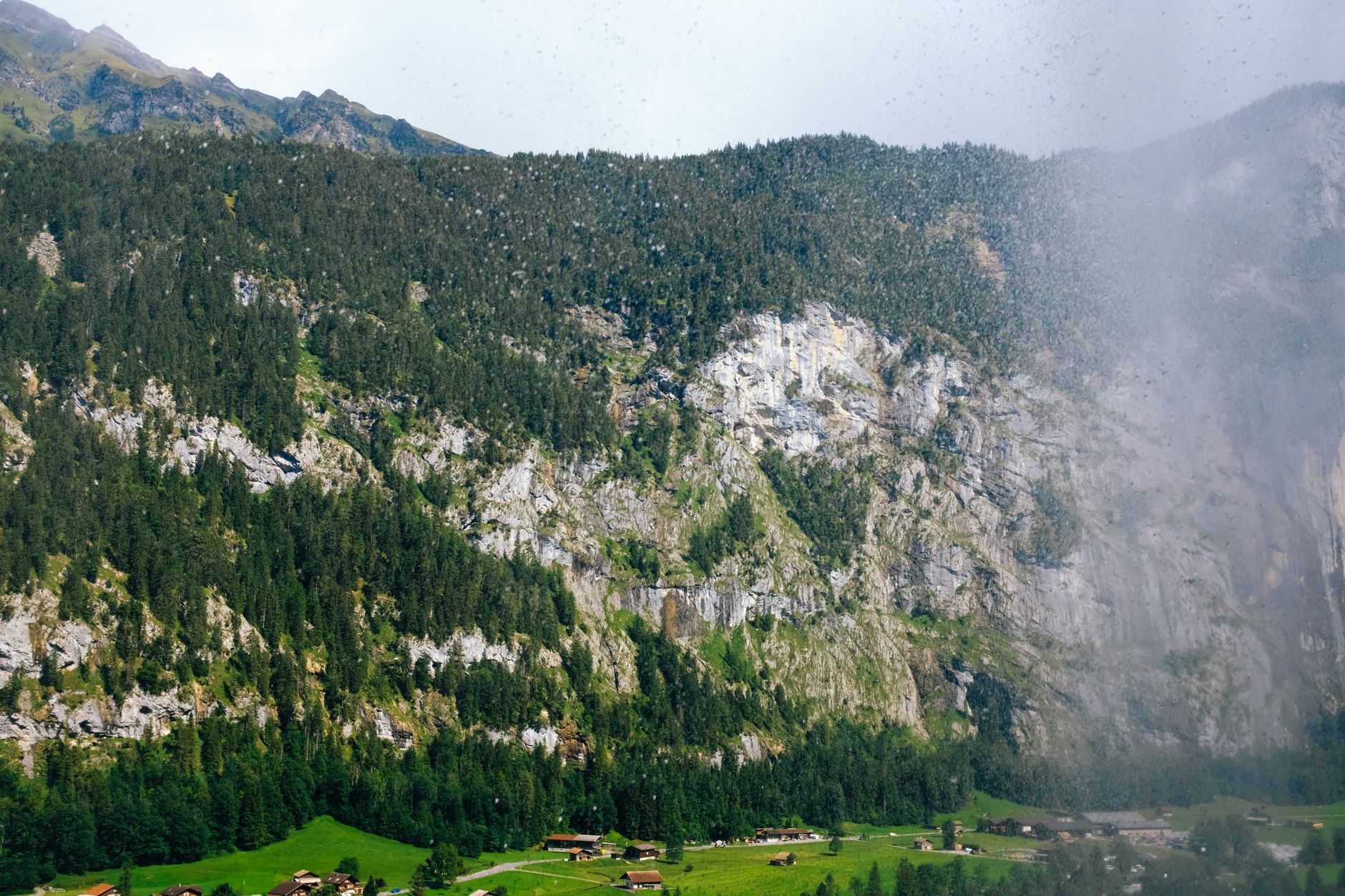
Seventy-two waterfalls drop into a single valley floor. That number sounds invented until you're standing in Lauterbrunnen and the sound of falling water is simply the ambient noise of the place — coming from the cliff face ahead, from the gorge to your left, from somewhere up in the mist you can't quite locate. The valley runs roughly ten kilometres between sheer limestone walls, and the villages that cling to its ledges — Wengen, Mürren, Gimmelwald — are car-free and reachable only by cog railway or cable car.
The Staubbach Fall, at 300 metres of near-vertical free fall, was the one that stopped Goethe long enough to write a poem about it. The Trümmelbach Falls, three kilometres up the valley, run inside the mountain itself — ten glacial cataracts audible through the rock before you ever see them. This is not a valley that needs embellishment.
💛 What travellers fall for
People who come back tend to time a second visit around snowmelt in late May or early June, when the falls are running at full volume and the valley floor is still quiet. The post bus to Stechelberg passes Trümmelbach twice an hour — worth riding the full route at least once just to watch the walls close in around you.
How Lauterbrunnen Valley came to be
The valley appears in records from the 13th century, when the Freiherr of Wädenswil held the land and sold the adjacent Sefinen Valley to Interlaken Monastery in 1240. Around 1300, the Lord of Turn settled Walser-speaking communities across the highland villages; by 1346, Lauterbrunnen, Mürren, Gimmelwald, and two other settlements each had their own village governments. The small Gothic church dedicated to St. Andrew went up between 1487 and 1488, and the valley gained a full-time parish priest in 1506.
Educated Europeans began arriving in numbers towards the end of the 18th century, drawn partly by writings from Albrecht von Haller, Rousseau, Byron, and Goethe — the last of whom was moved by the Staubbach Fall to write 'Song of the Spirits over the Waters'. Early visitors slept in the rectory, at the Steinbock inn, or in farmers' hay barns. Modest inns began to multiply from the mid-19th century onward, and the composer Felix Mendelssohn, a frequent visitor, left behind the oldest known drawing of Wengen.
Who and what shaped it
People who shaped it
Landmark buildings
See Lauterbrunnen Valley in motion
Plan your visit
On the map
When to go
Summers are mild and often sunny, with the highest waterfall volumes in late spring and early summer as snowmelt peaks. Winter brings heavy snow to the valley floor and the surrounding peaks, making it a serious base for skiing, though some upper paths and attractions close until May.
Right now
Background & history adapted from Wikipedia (CC BY-SA) · specs from Wikidata (CC0) · weather from Open-Meteo · map data © OpenStreetMap contributors · photos from Wikimedia Commons / Unsplash with per-image credit. No third-party reviews or social posts reproduced.