
Addo Elephant National Park
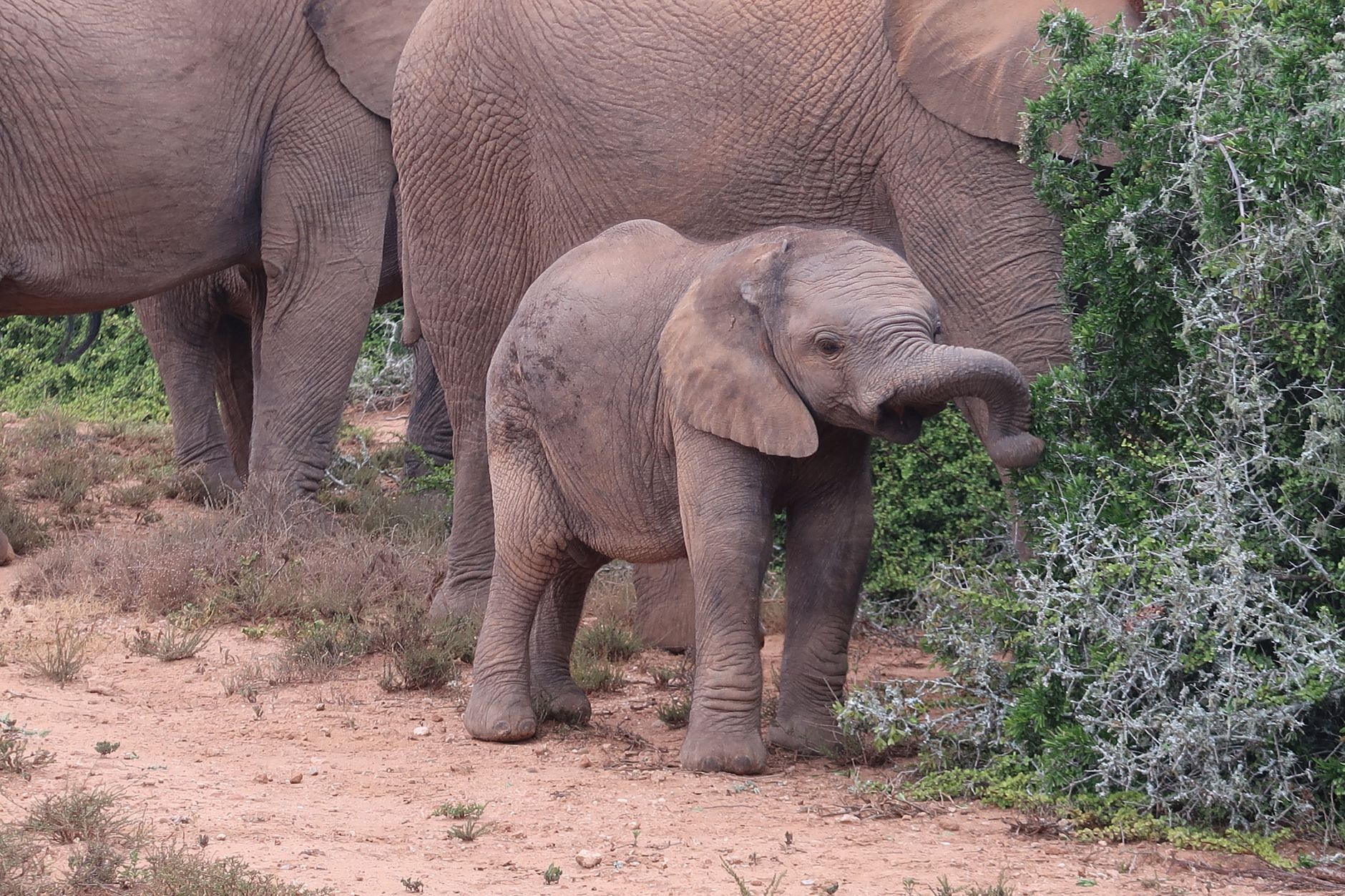
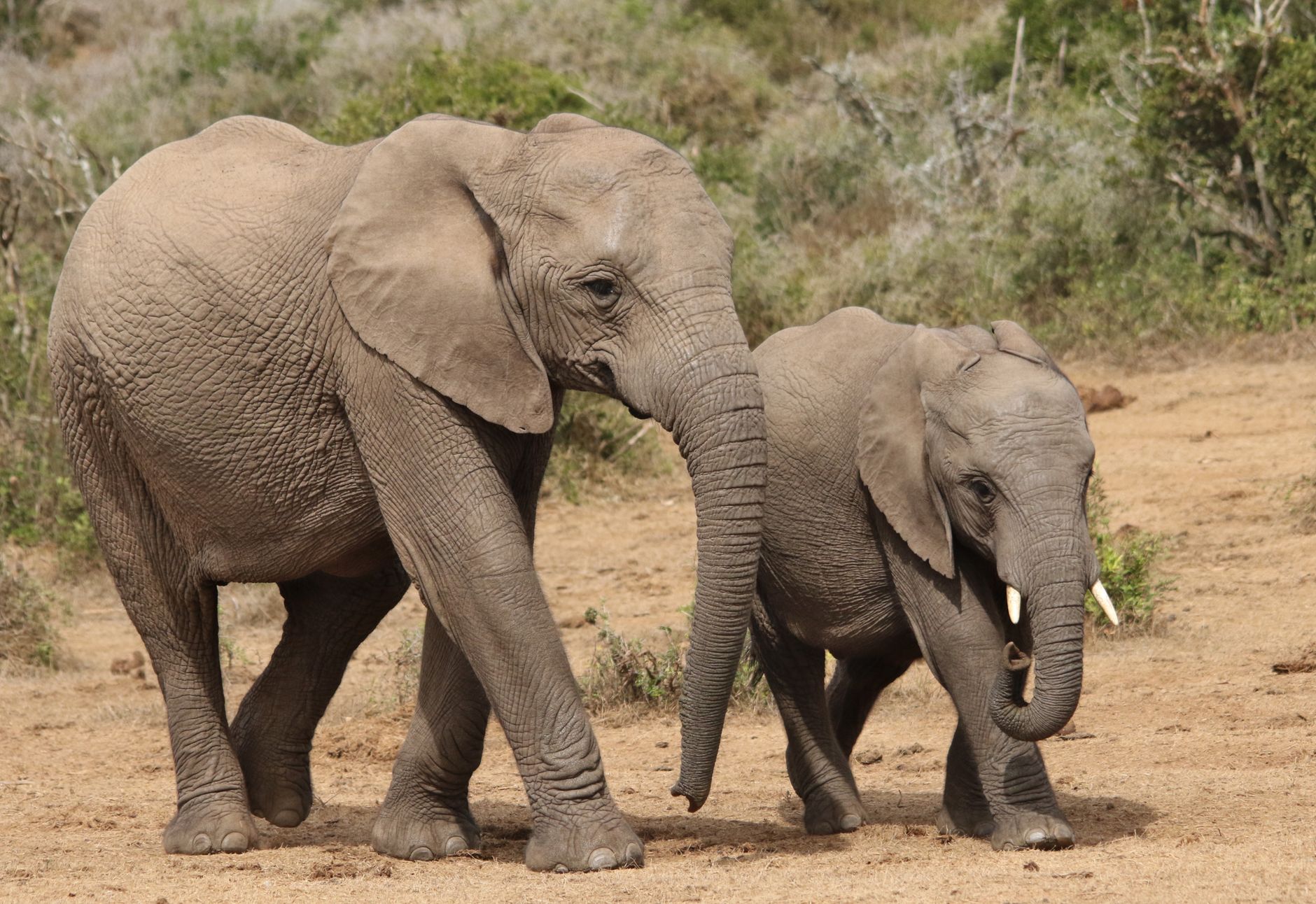
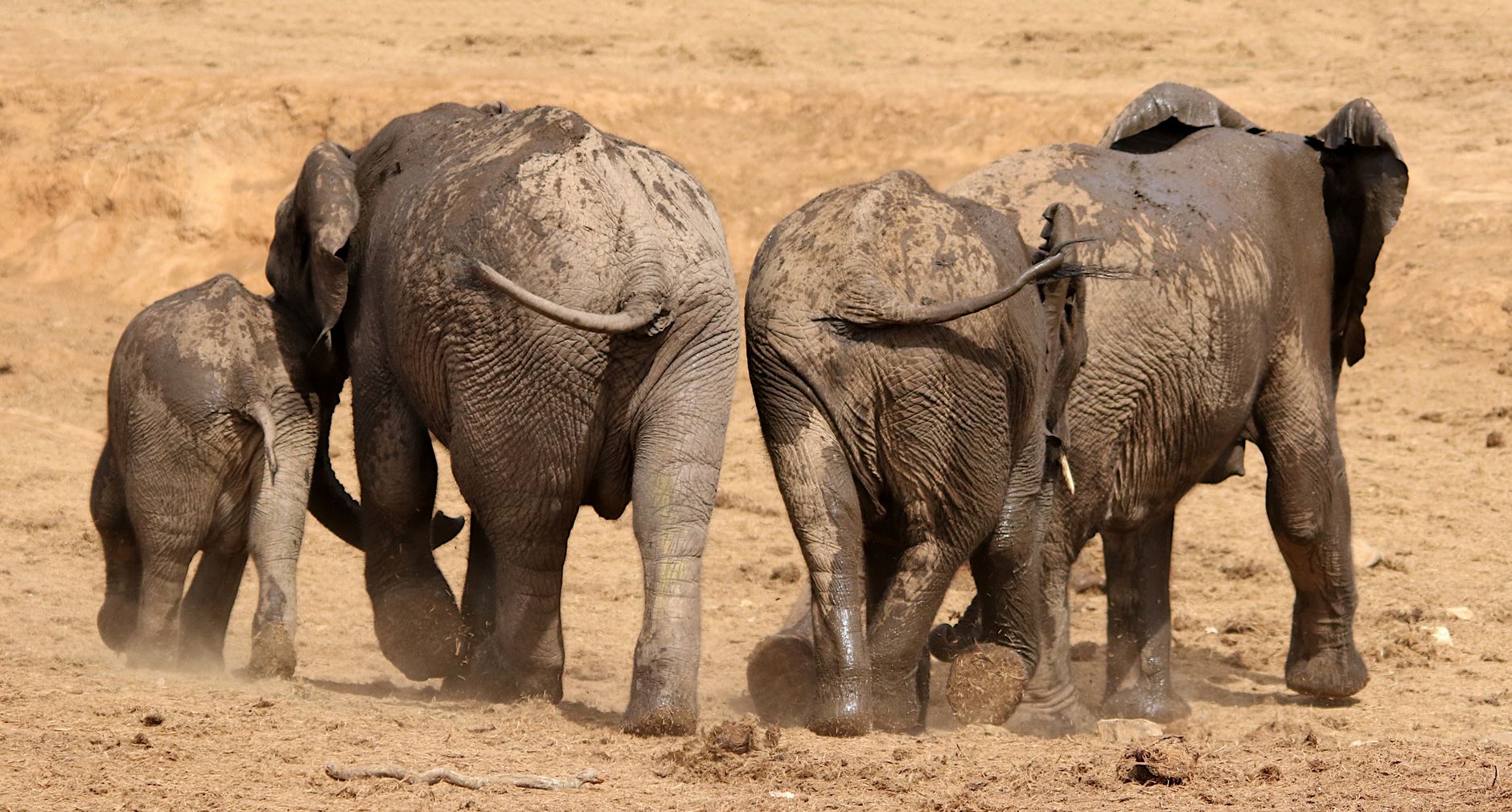
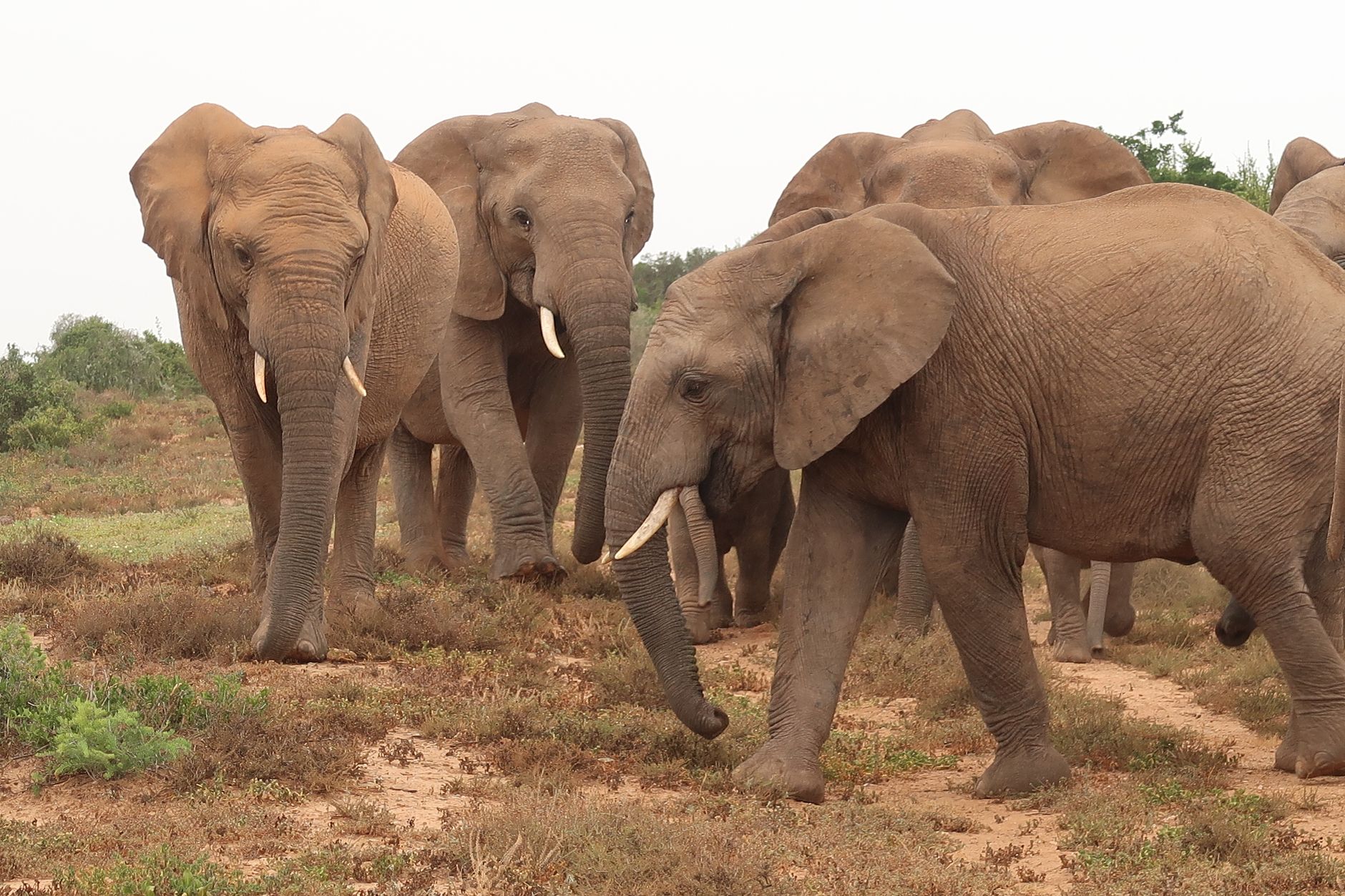
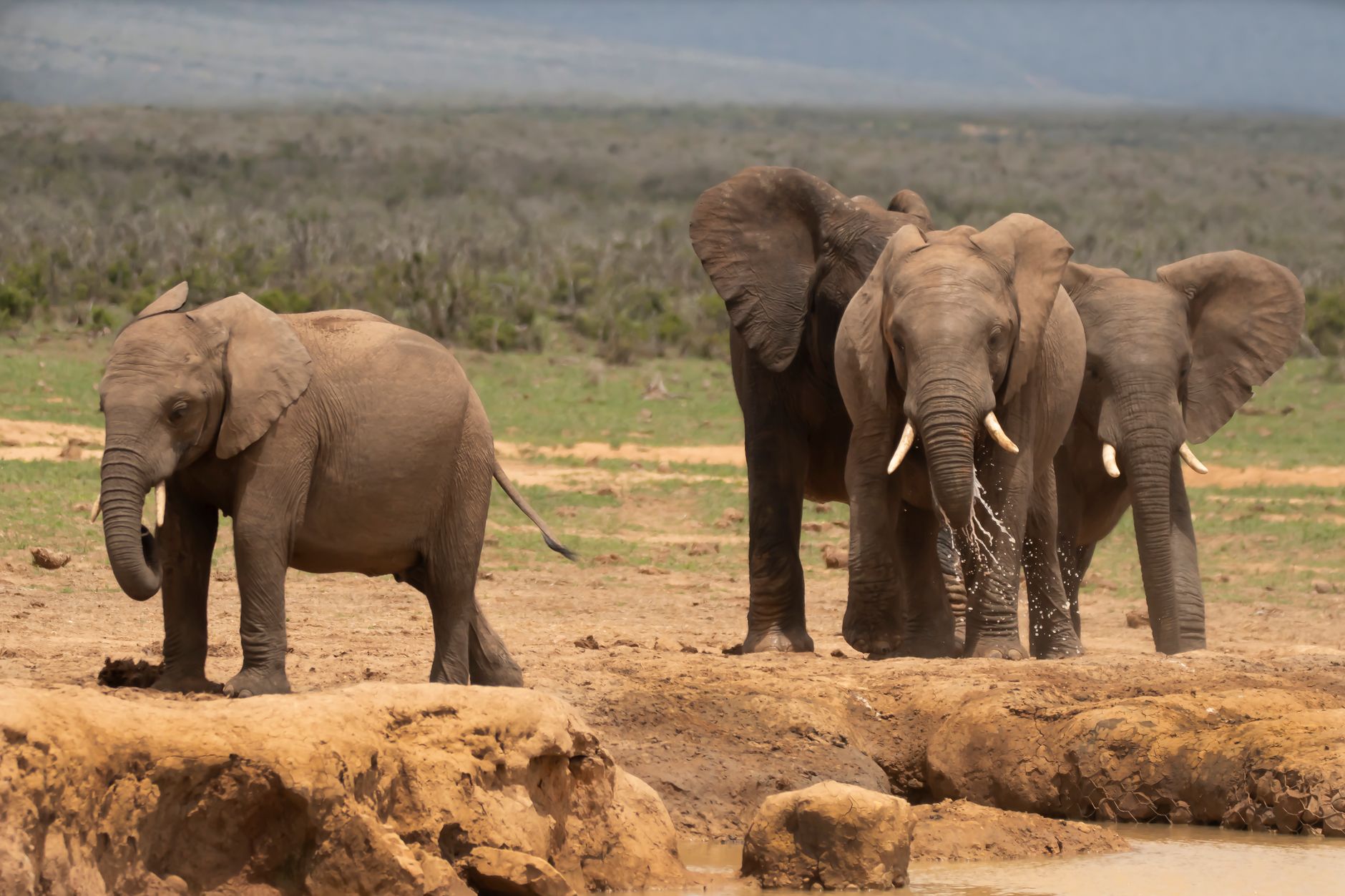
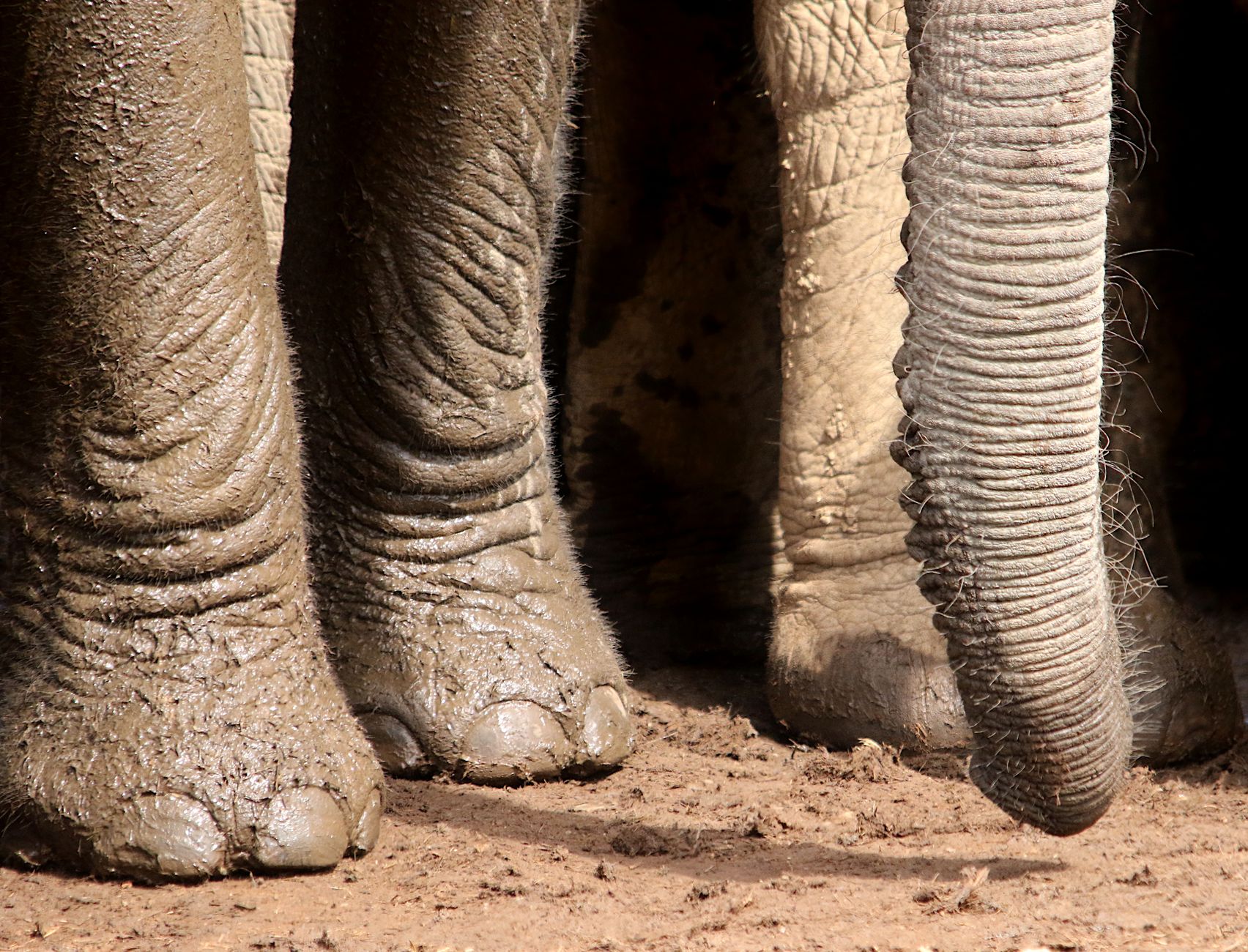
Pull up at the floodlit waterhole after dark and you might watch a herd of elephants drink in near-silence, trunks curling into the water a few metres from your chair. That is the particular quality of Addo: proximity without performance. The park sits in the Eastern Cape, roughly an hour and a half from Gqeberha, and today holds one of the densest elephant populations on earth — a fact that makes the near-extinction of the 1920s almost impossible to process.
Beyond the elephants, the park has grown into one of South Africa's Big Seven destinations, adding lions, rhino, hippo and, offshore at Bird Island, the world's largest breeding colony of Cape gannets. The landscape shifts from dense valley bushveld to the deep ravines of the Winterhoek Mountains and, on the coast, an 88-kilometre dunefield that counts as the most intact moving dune system in the southern hemisphere.
💛 What travellers fall for
People who return tend to say the same thing: skip the midday hours and spend them at the main camp's waterhole instead. The elephants come on their own schedule, not yours, and the floodlit night sessions often deliver more than a full afternoon drive. Book the waterhole-facing accommodation early — those rooms go first.
How Addo Elephant National Park came to be
By 1920, Major P. J. Pretorius had shot roughly 120 of the estimated 130 elephants living in the Addo bush, leaving just sixteen animals. The killing was commissioned to protect local citrus farmers. Five years later, Deneys Reitz — then Minister for Lands — proclaimed the area a sanctuary, and in 1931, following the Natural Parks Act, it was formally declared a national park, with Sydney Skaife among those who pushed for its establishment.
The first park manager, Stephen Harold Trollope, had to herd the surviving elephants back into the reserve using shotguns, firecrackers and fire. The elephants remained hostile to humans for decades. In 1954, manager Graham Armstrong solved the containment problem with a fence built from tram rails and lift cables — an improvised piece of engineering still in use around the park today. The dominant bull of that era, Hapoor, held his position for 24 years; his mounted head now sits in the interpretive centre at main camp.
Who and what shaped it
People who shaped it
Landmark buildings
See Addo Elephant National Park in motion
Plan your visit
On the map
When to go
Addo is semi-arid, with rainfall spread fairly evenly across the year and annual totals rarely exceeding 445 mm — meaning overcast skies are uncommon and game viewing is rarely rained out. Summer (November to February) brings the most heat; spring and autumn offer milder temperatures and good visibility through the bush.
Right now
Background & history adapted from Wikipedia (CC BY-SA) · specs from Wikidata (CC0) · weather from Open-Meteo · map data © OpenStreetMap contributors · photos from Wikimedia Commons / Unsplash with per-image credit. No third-party reviews or social posts reproduced.