
Drakensberg
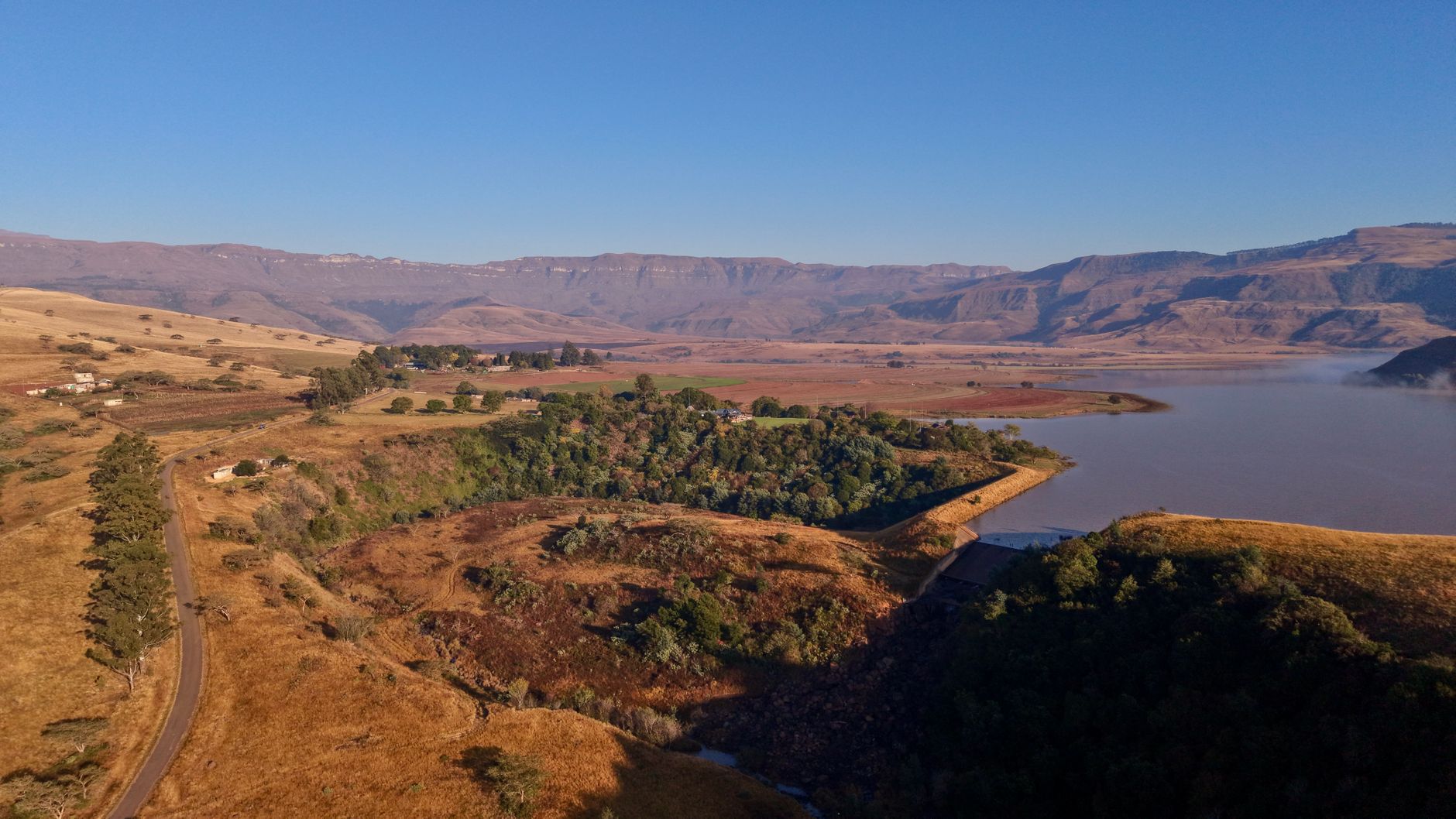
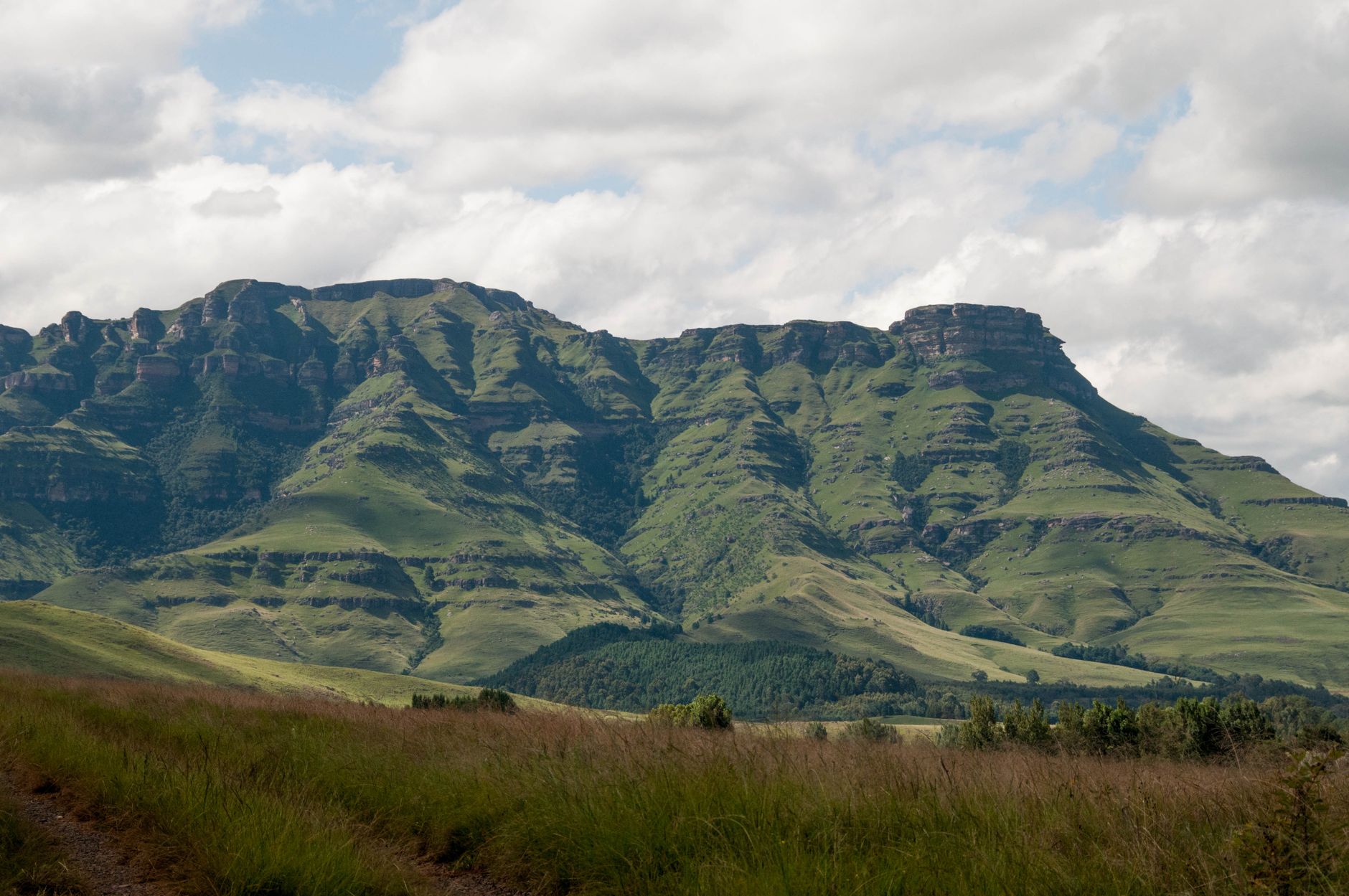
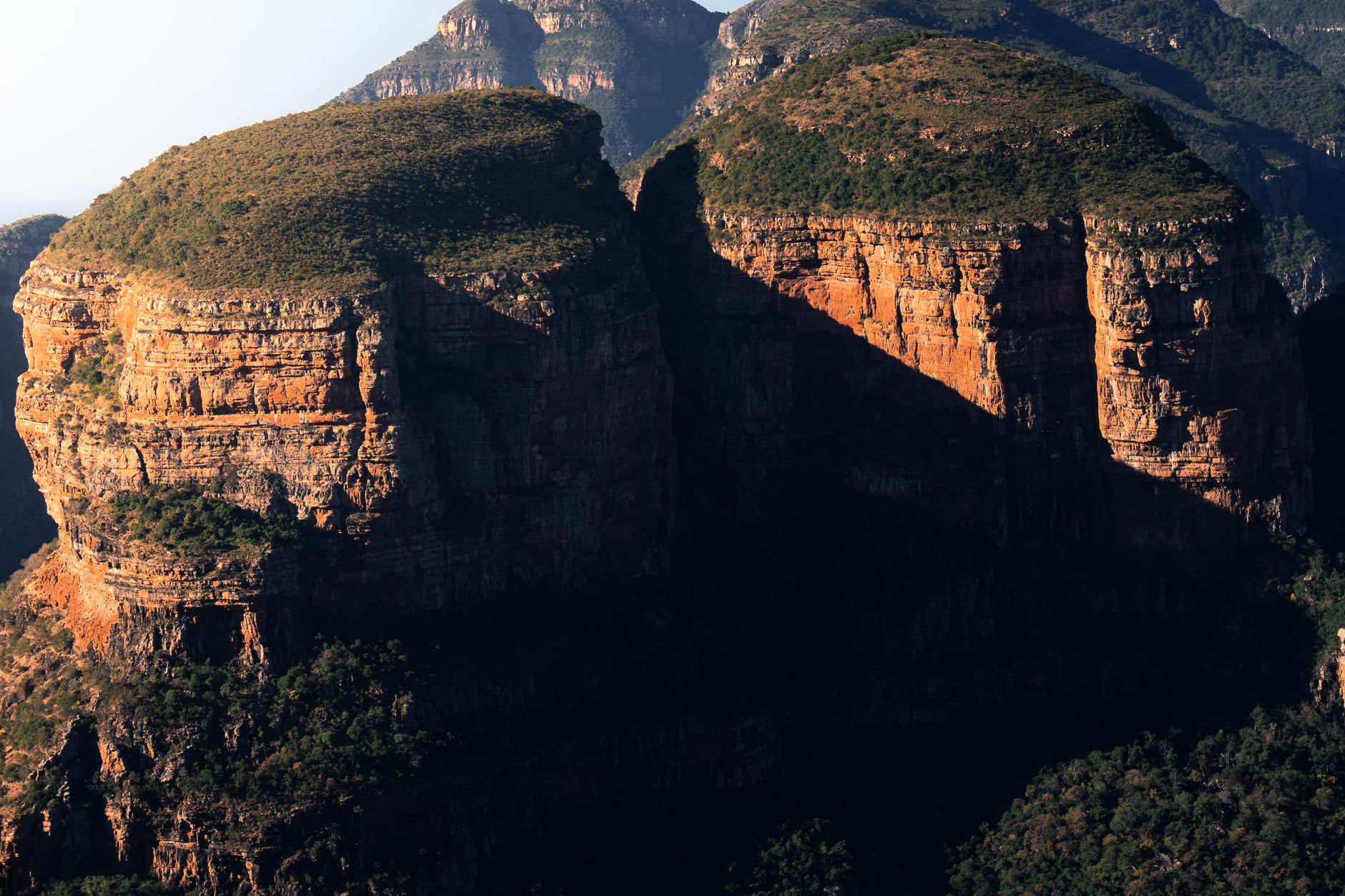
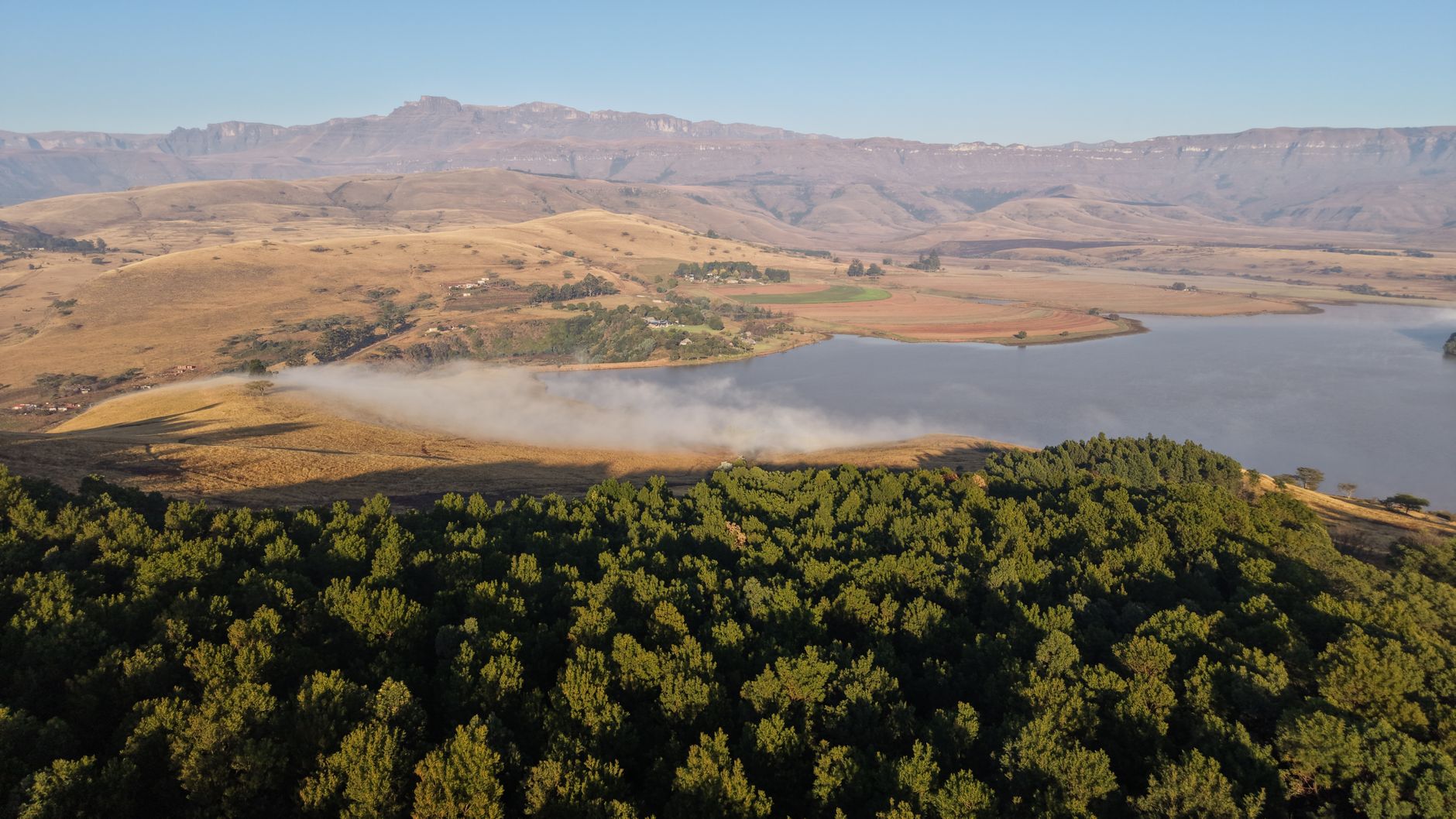
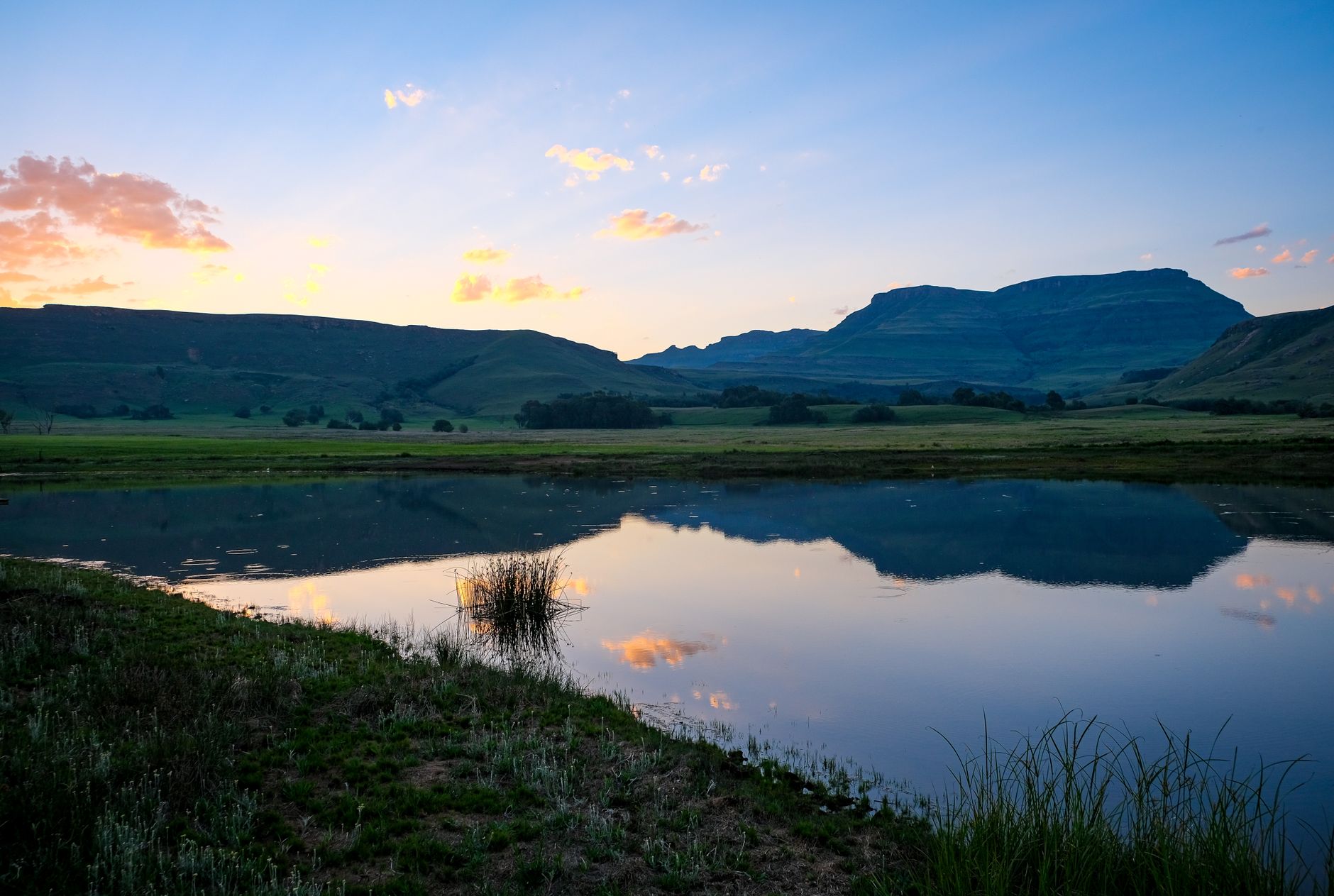
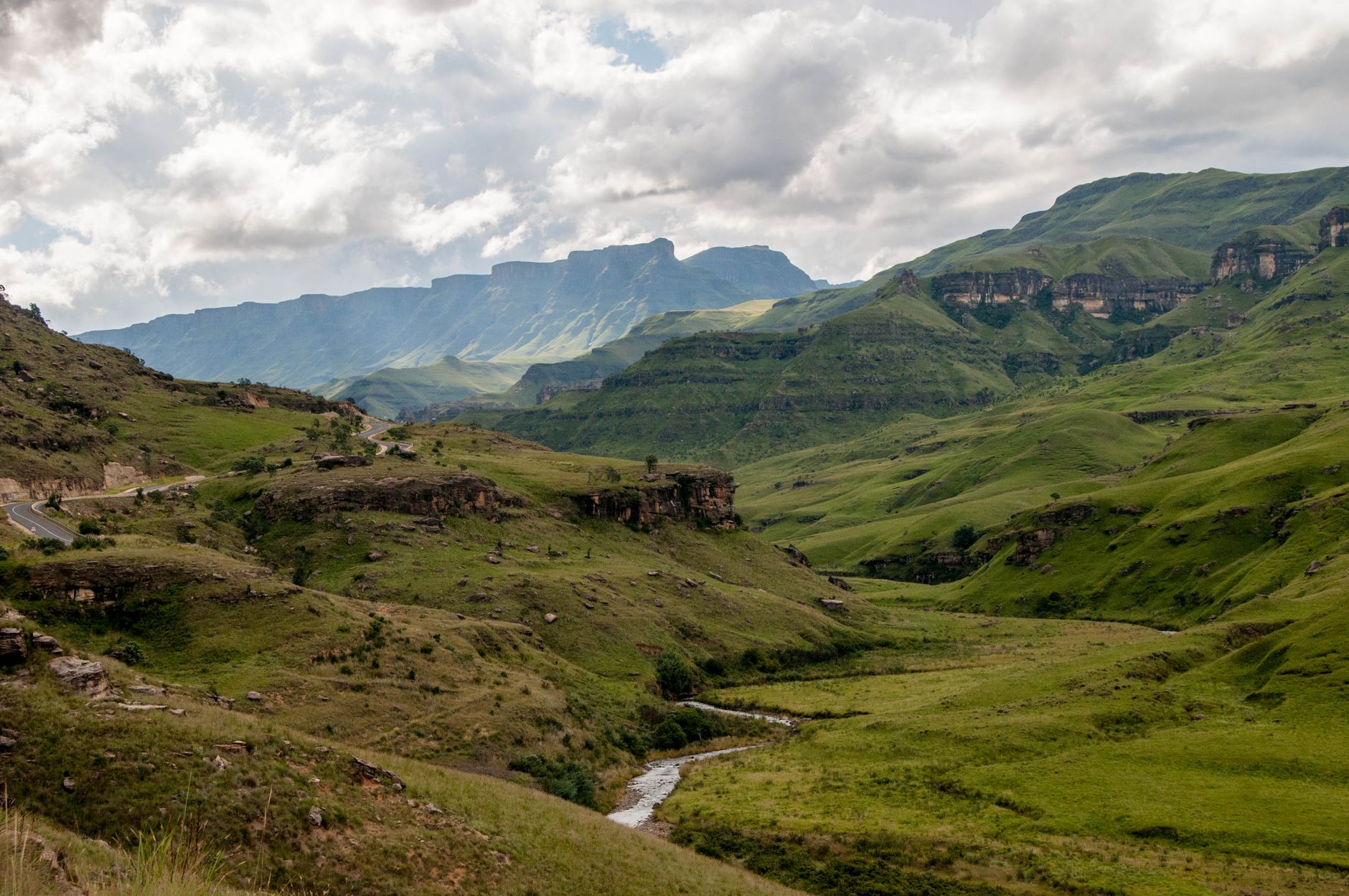
The Drakensberg is a wall of basalt and sandstone that runs for 1,000 kilometres along the eastern edge of South Africa's interior plateau, rising in places to nearly 3,500 metres. At its base, rivers cut through golden grassland; above the escarpment, the rock turns dark and the air thins. Tugela Falls drops 912 metres in five stages — the second-highest waterfall on earth — and you can stand near the source of the river that feeds it.
This is also one of the great repositories of San rock art on the planet. Thousands of paintings survive on cave walls and sheltered overhangs, made by hunter-gatherers who lived here for millennia before anyone else arrived.
💛 What travellers fall for
People who come back tend to rotate between entry points — Cathedral Peak one trip, Giant's Castle the next, Sani Pass when they want to cross into Lesotho for an afternoon at the highest pub in Africa. The Amphitheatre walk is almost always on the list. Go early, before the mist closes in from the valley.
How Drakensberg came to be
The mountains were shaped around 182 million years ago, and people have been reading that landscape ever since. The San arrived at least 8,000 years ago, sheltering in caves and leaving behind thousands of paintings — some more than 2,000 years old — depicting animals, human figures, and scenes that researchers believe are connected to shamanic ritual. Other groups moved into the foothills from around the 1200s.
The arrival of Voortrekkers with cattle and firearms in the 1800s proved catastrophic for the San. By the late nineteenth century, none remained in the Drakensberg. The Himeville Fort went up in the 1890s; by the 1920s, mountaineers and holidaymakers were coming in numbers. UNESCO designated the region a World Heritage Site in 2000.
Who and what shaped it
People who shaped it
Landmark buildings
See Drakensberg in motion
Plan your visit
On the map
When to go
Spring and autumn — March to May, September to October — bring warm days and clear light, and are widely considered the most reliable seasons. Summer afternoons can tip above 30°C and arrive with heavy thunderstorms; winter nights fall well below zero at altitude, and the high peaks carry snow. Weather in the upper Drakensberg shifts fast, so carry layers regardless of the forecast.
Right now
Background & history adapted from Wikipedia (CC BY-SA) · specs from Wikidata (CC0) · weather from Open-Meteo · map data © OpenStreetMap contributors · photos from Wikimedia Commons / Unsplash with per-image credit. No third-party reviews or social posts reproduced.