
Franschhoek
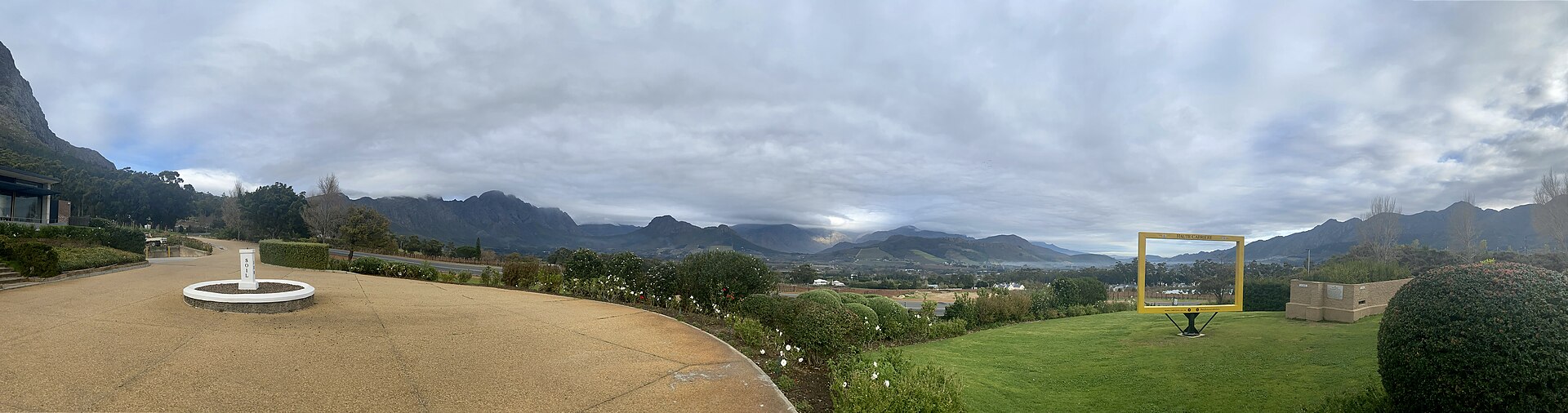
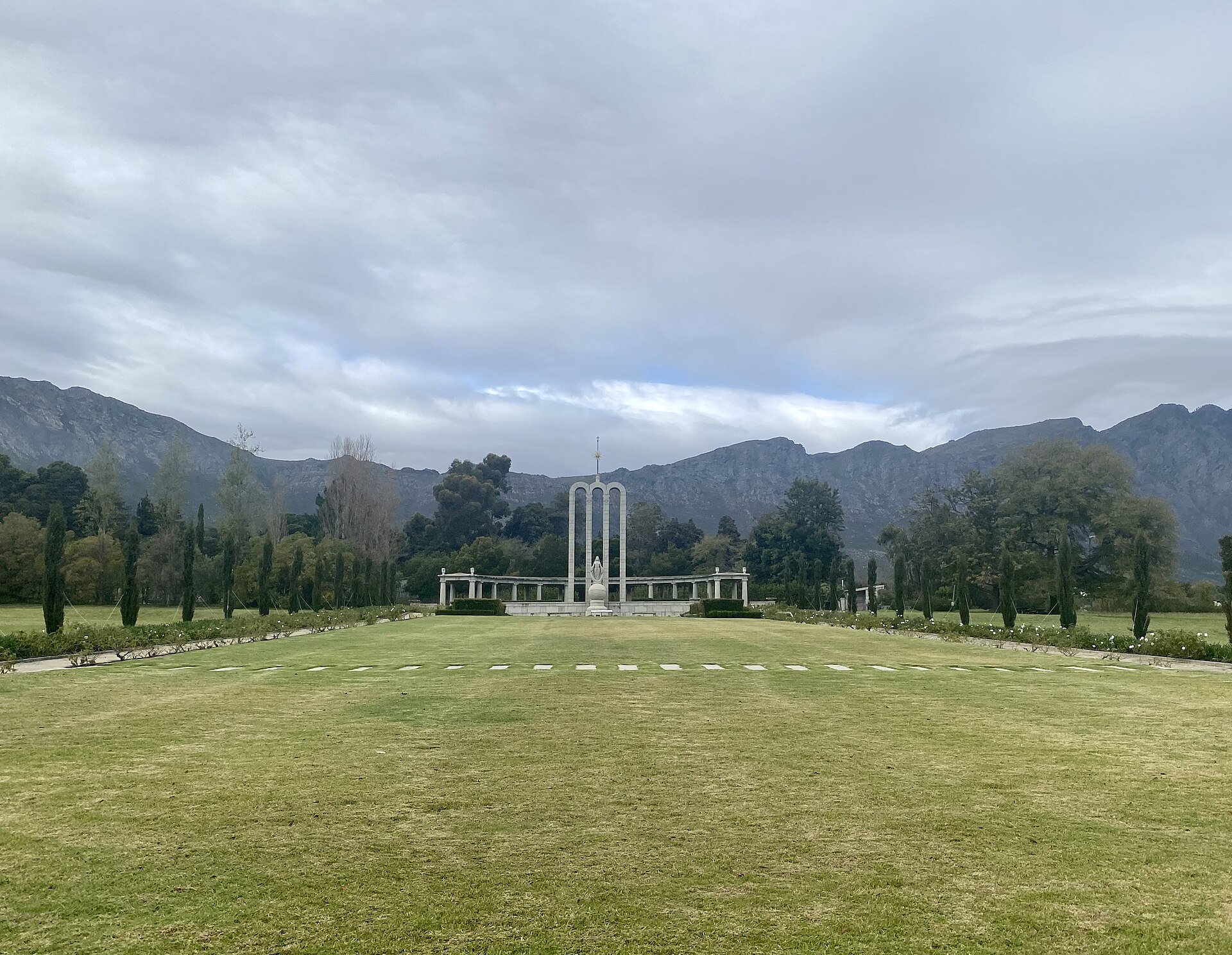
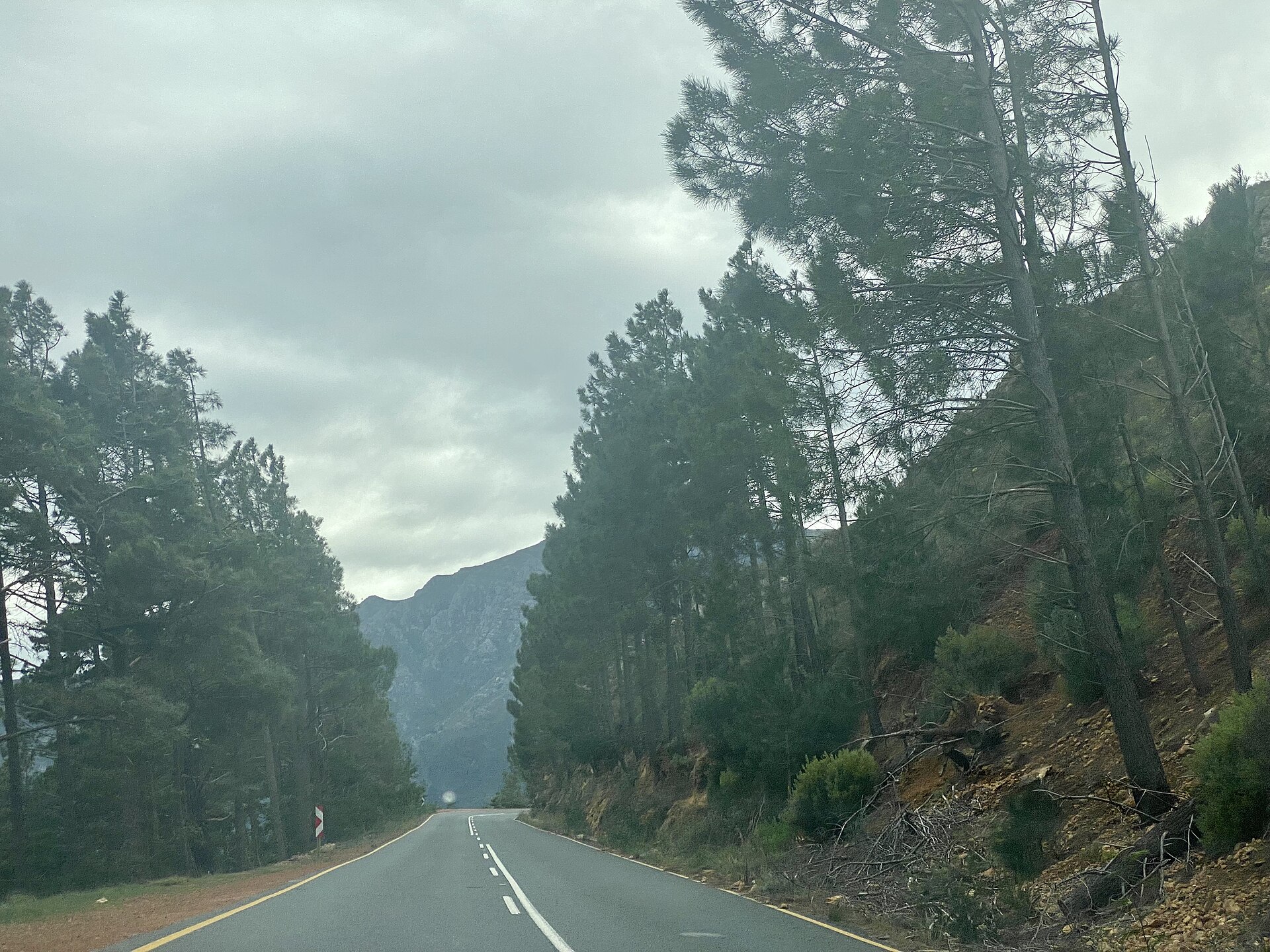
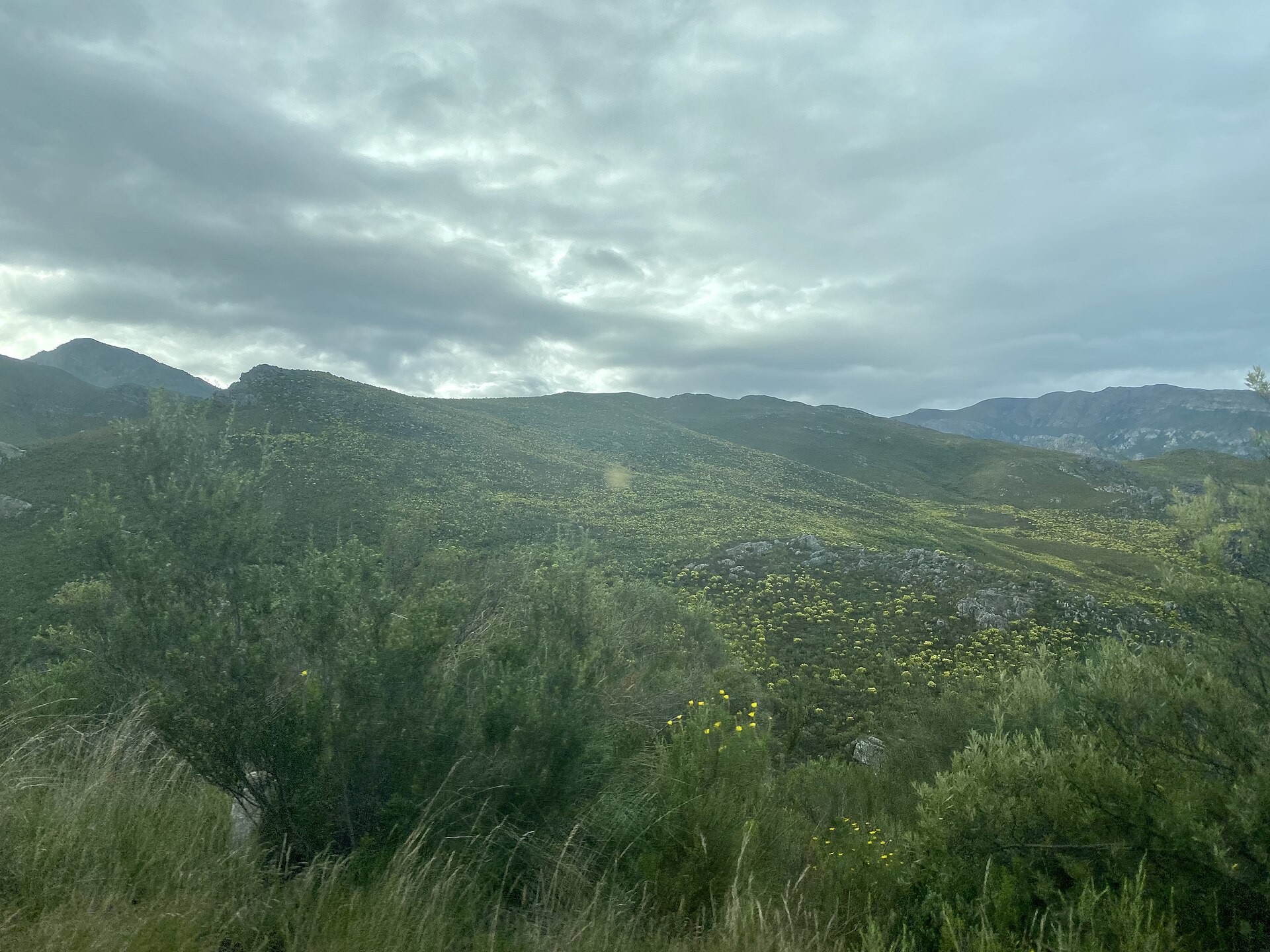
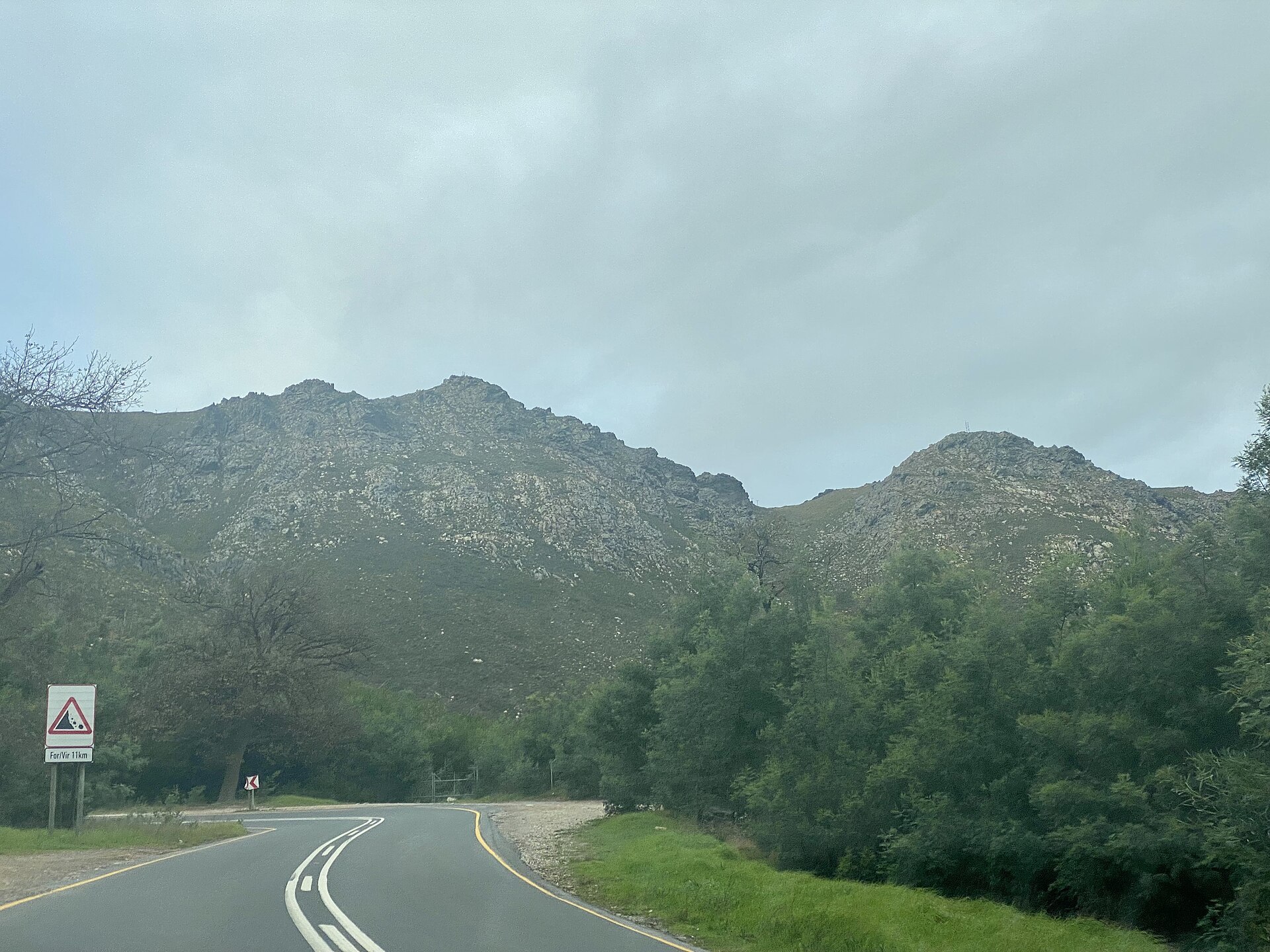
The valley opens up about 75 kilometres east of Cape Town, ringed by the Franschhoek Mountains, and the first thing you notice is how the road straightens and the vineyards begin. This is wine country with a French name and a Cape Dutch face — whitewashed gables, oak-lined streets, a monument to Huguenot refugees who arrived here in 1688 and planted the roots of South Africa's wine industry.
Franschhoek runs on a single main street, which makes it easy to underestimate. Stay longer than an afternoon. The Wine Tram loops out to estates you wouldn't find otherwise, the cooking here has a serious reputation, and the pace invites the kind of slow afternoon that's hard to manufacture anywhere else.
💛 What travellers fall for
People who return tend to book the Wine Tram on arrival and treat it as a compass rather than an itinerary — hop off at Haute Cabrière, taste, walk the vines, then reboard an hour later. Rickety Bridge comes up often for its stone arch and the quiet of eating beside the water. Book the tram in advance; it sells out.
How Franschhoek came to be
Before the vines, the valley was called Olifantshoek — elephant's corner — for the herds that moved through it. The Dutch East India Company established the broader Cape region as a provisioning stop for ships on the Europe-Asia route, and in 1688 some 300 French Huguenot refugees, fleeing religious persecution under Louis XIV, were granted land here. They arrived aboard the Oosterland and named their farms after the regions they'd left: La Motte, Cabrière, La Provence, Bourgogne. They brought an understanding of viticulture that would shape the Cape for centuries.
The settlement's name followed the same journey — from the Dutch Olifantshoek to the French Le Coin Français, and finally to the Afrikaans Franschhoek, meaning simply 'French Corner.' Since 2000 it has formed part of Stellenbosch Municipality, though the village has kept its character largely intact through strict limits on new construction.
Who and what shaped it
People who shaped it
Landmark buildings
See Franschhoek in motion
Plan your visit
On the map
When to go
Franschhoek has a Mediterranean pattern: summers (December to February) are dry and warm, reaching 25–30°C, with cooler evenings. Winter brings the rain — June is the wettest month — and daytime highs drop to around 15–18°C. The shoulder months of April, May, September and October offer mild temperatures and the kind of clear light that makes the mountains look painted.
Right now
Background & history adapted from Wikipedia (CC BY-SA) · specs from Wikidata (CC0) · weather from Open-Meteo · map data © OpenStreetMap contributors · photos from Wikimedia Commons / Unsplash with per-image credit. No third-party reviews or social posts reproduced.