
Cape Town
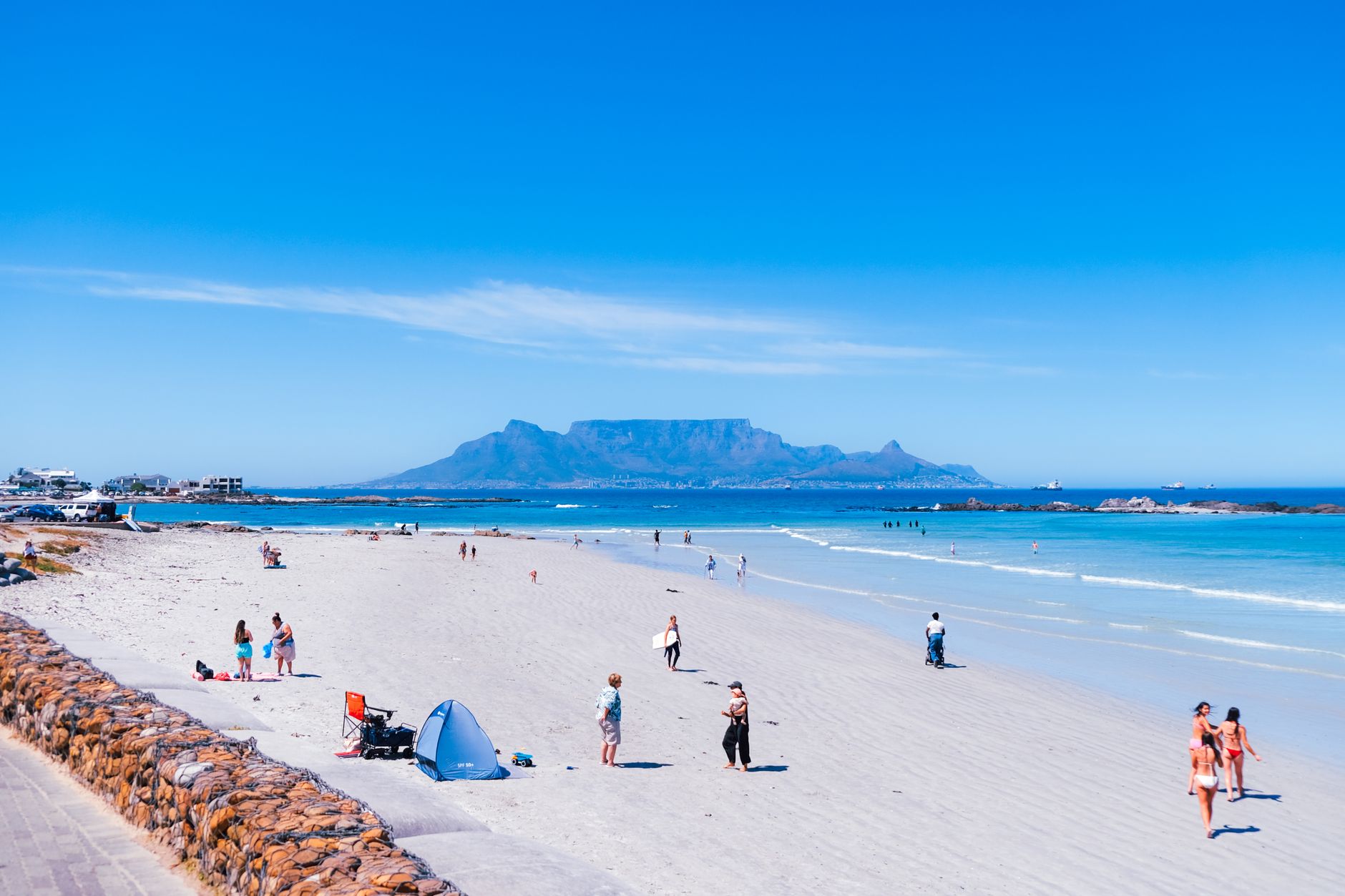
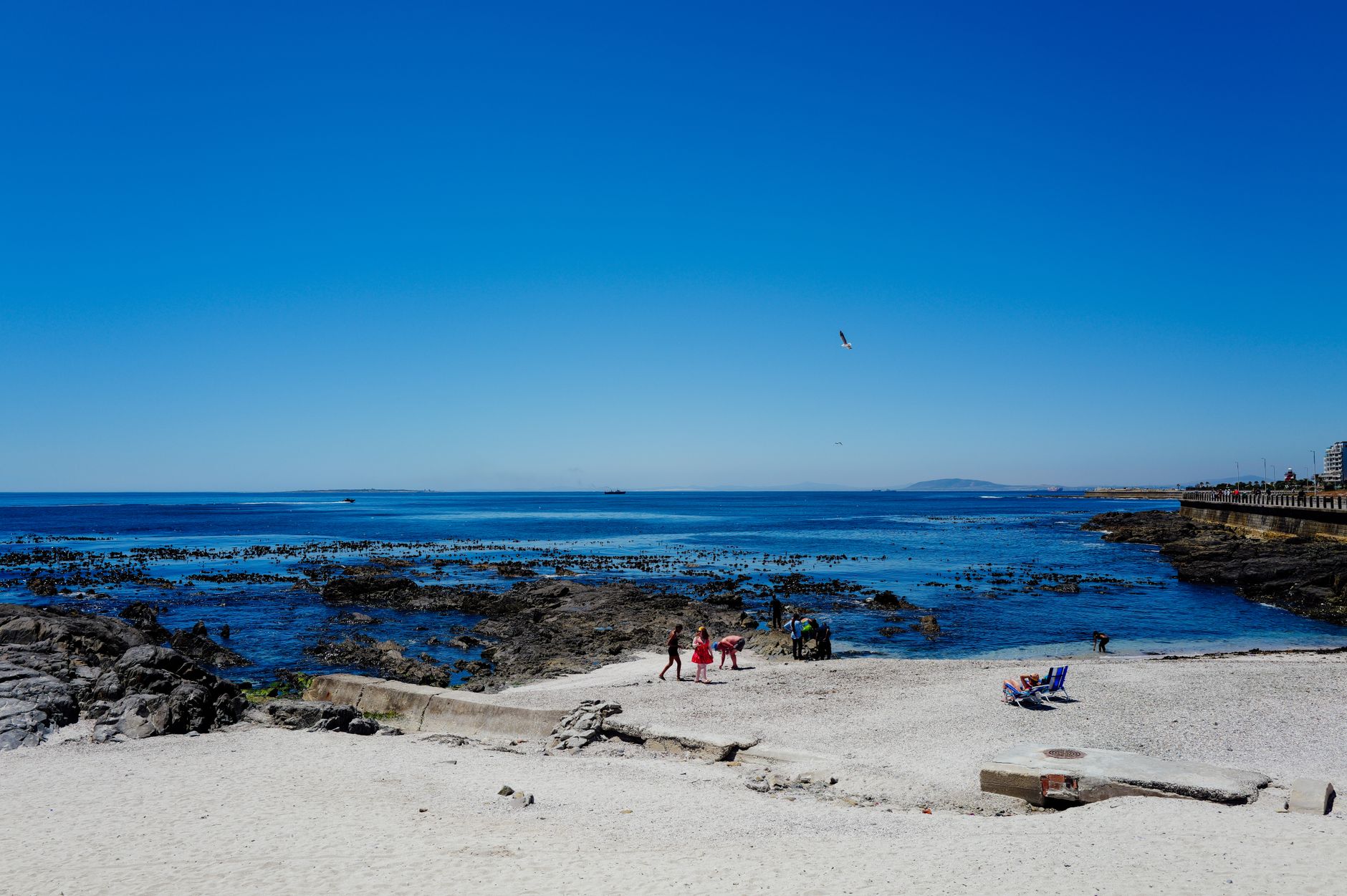
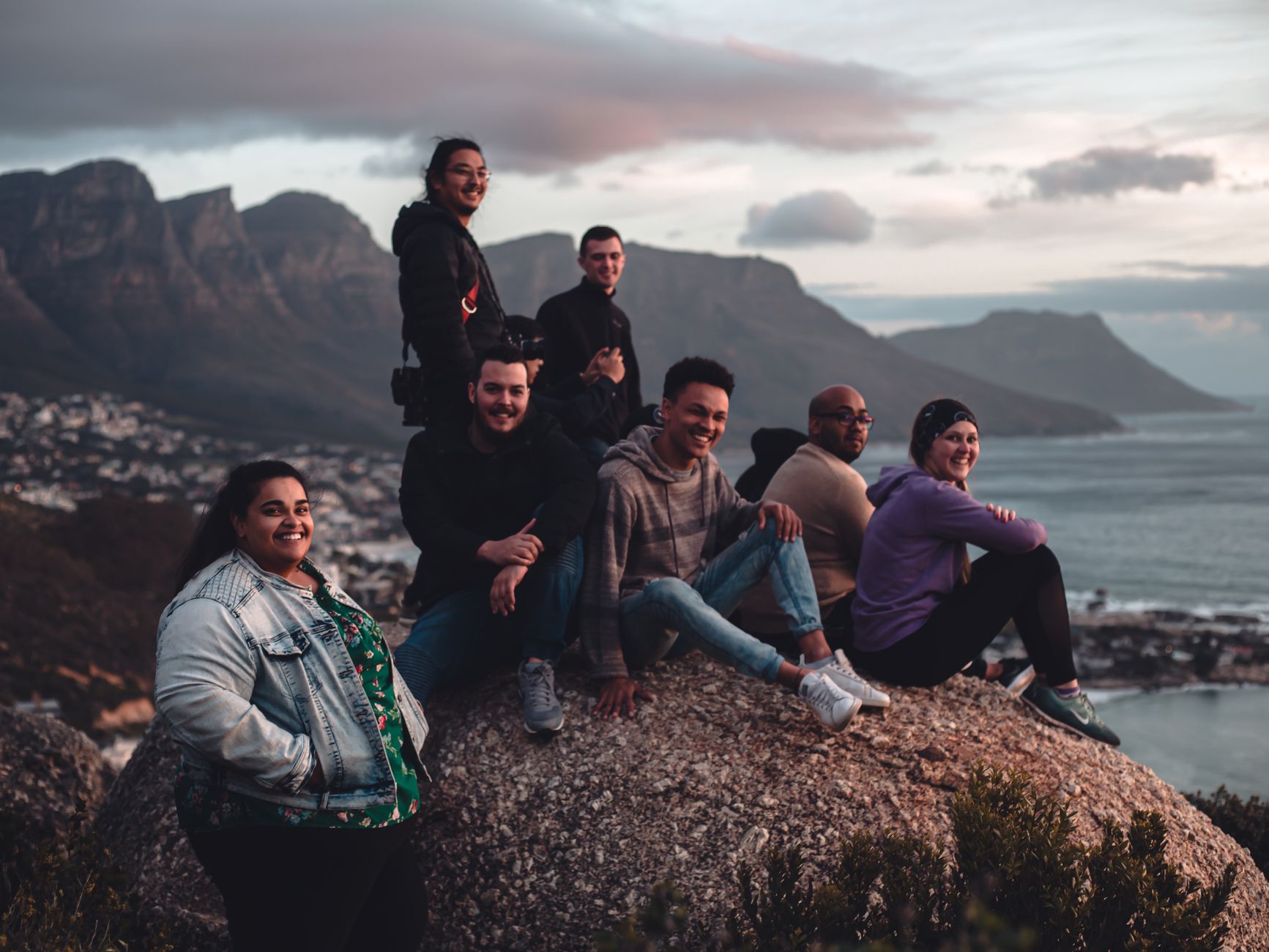
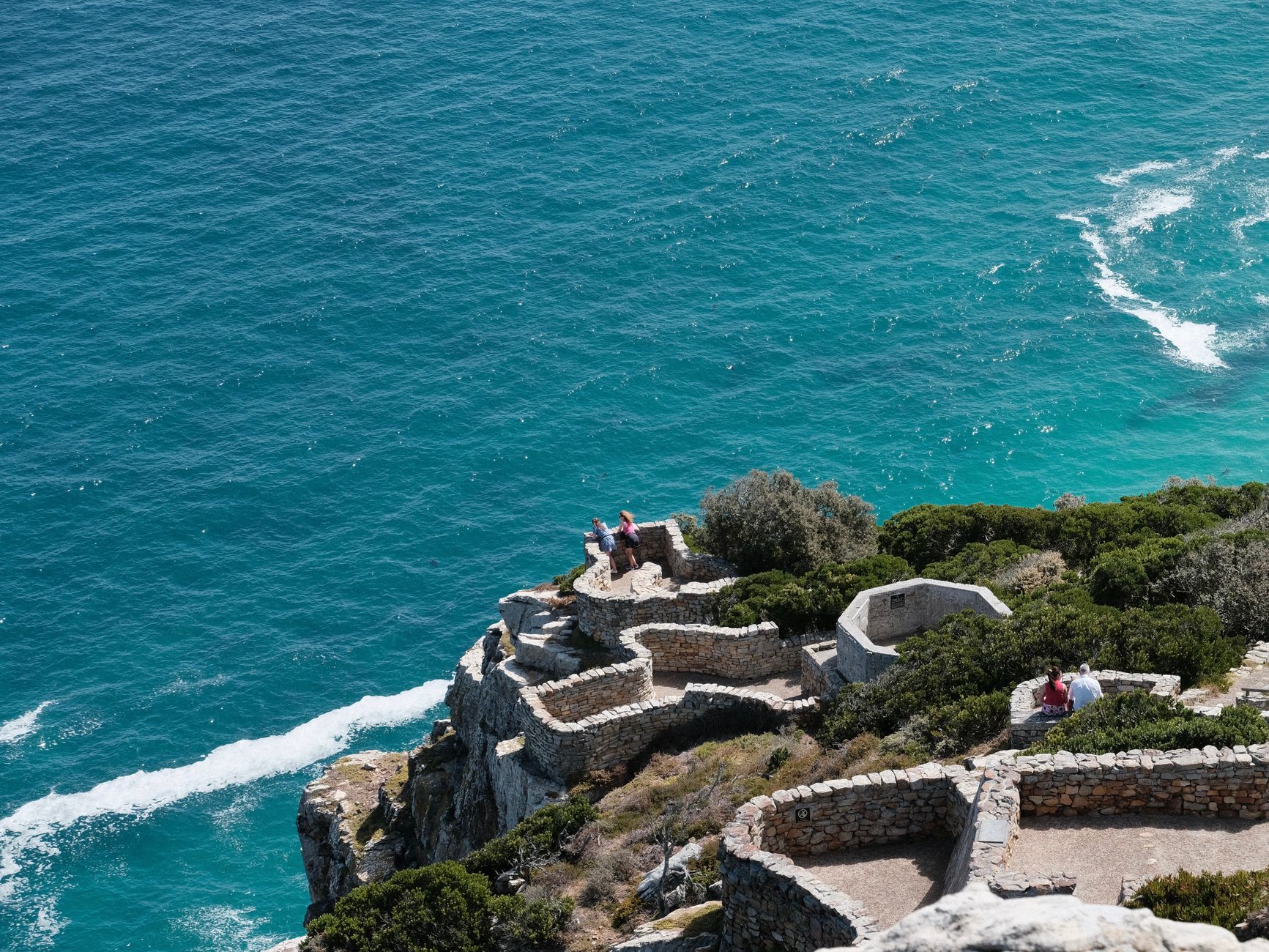
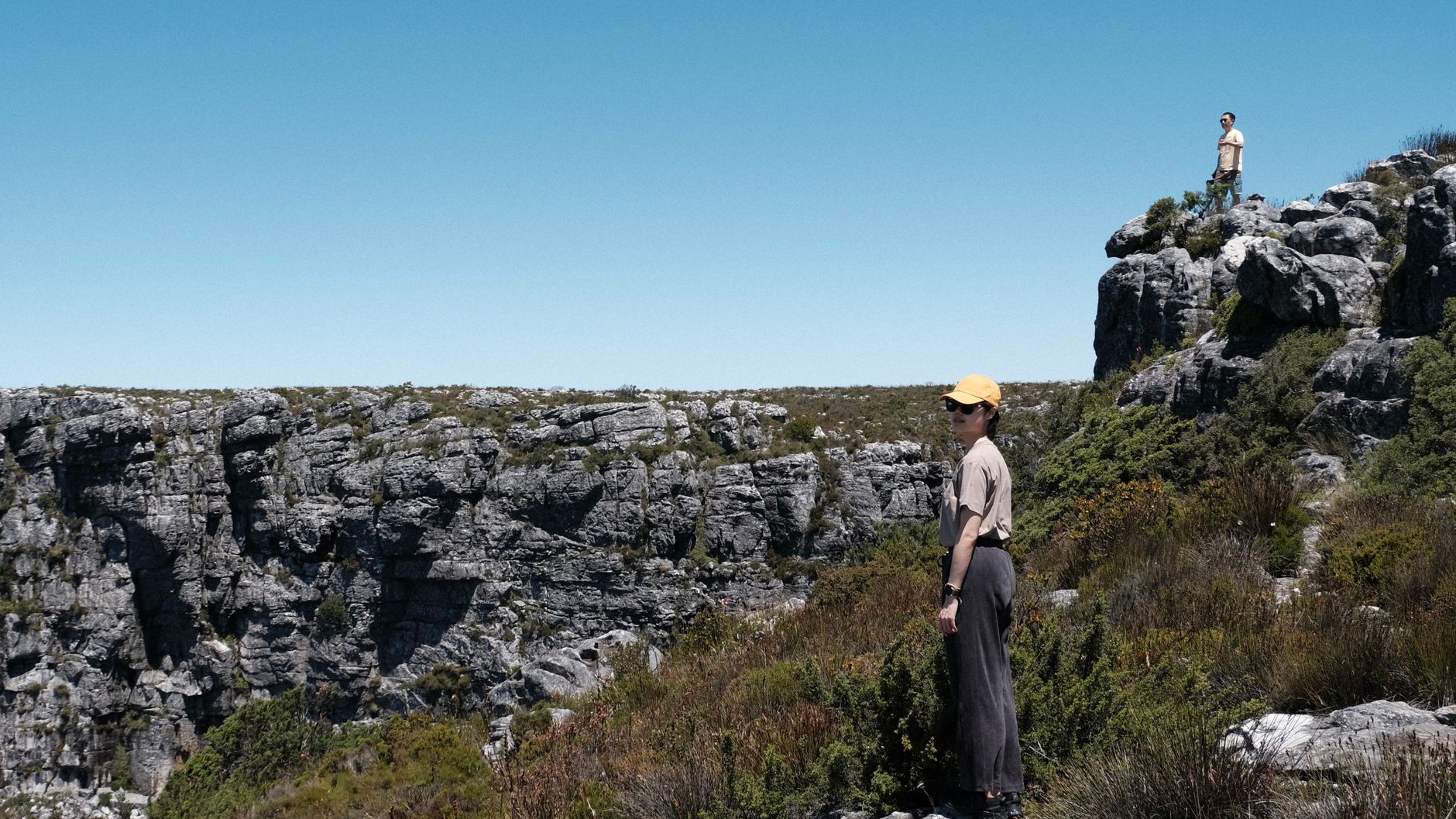
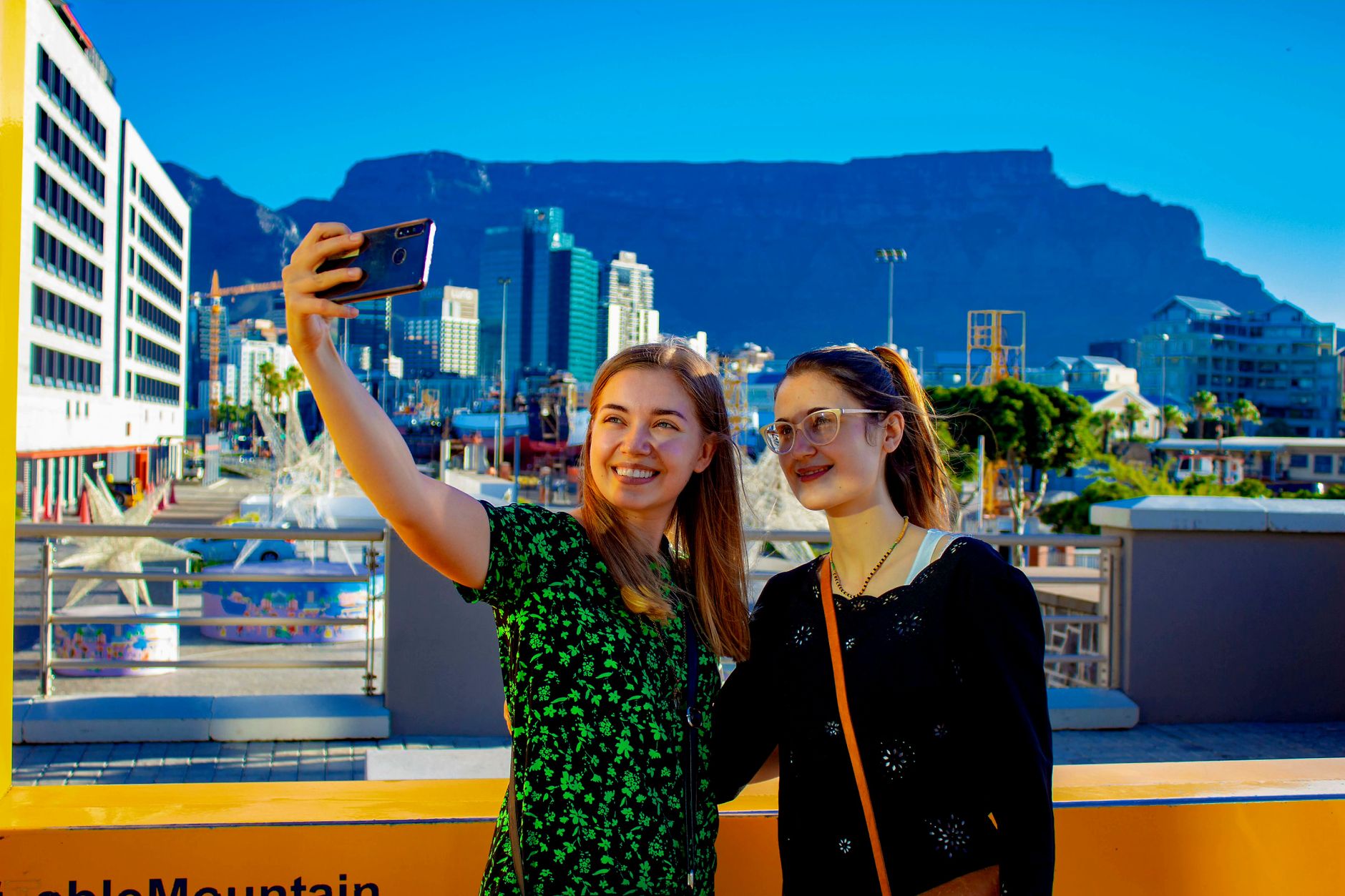
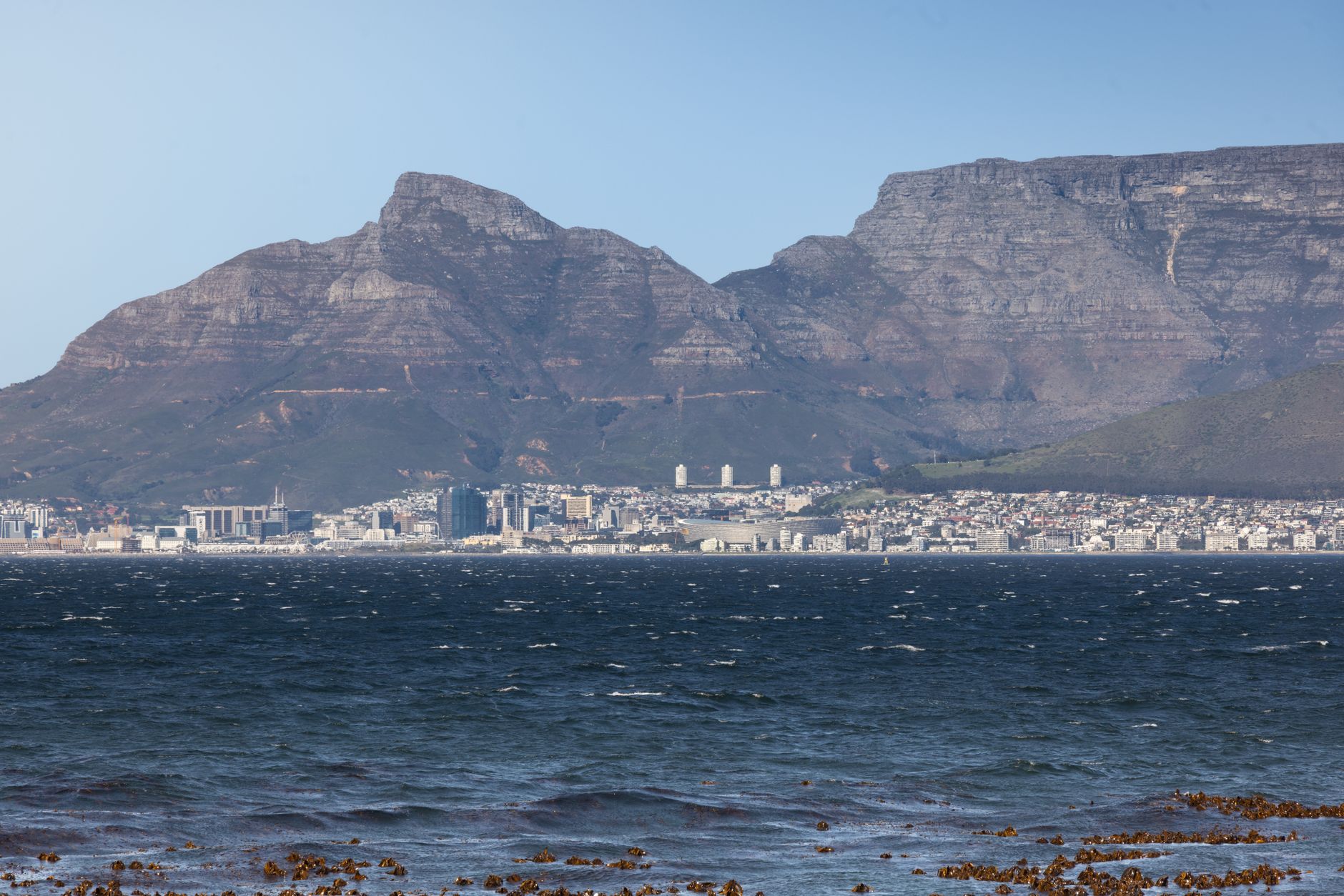
Cape Town sits at the southwestern tip of Africa, where Table Mountain rises 1,086 metres directly above the city and drops, on its far side, to a cold Atlantic that has wrecked ships for centuries. The mountain is not backdrop — it is the city's axis, visible from almost every street, changing colour through the day from grey-blue at dawn to rust at dusk.
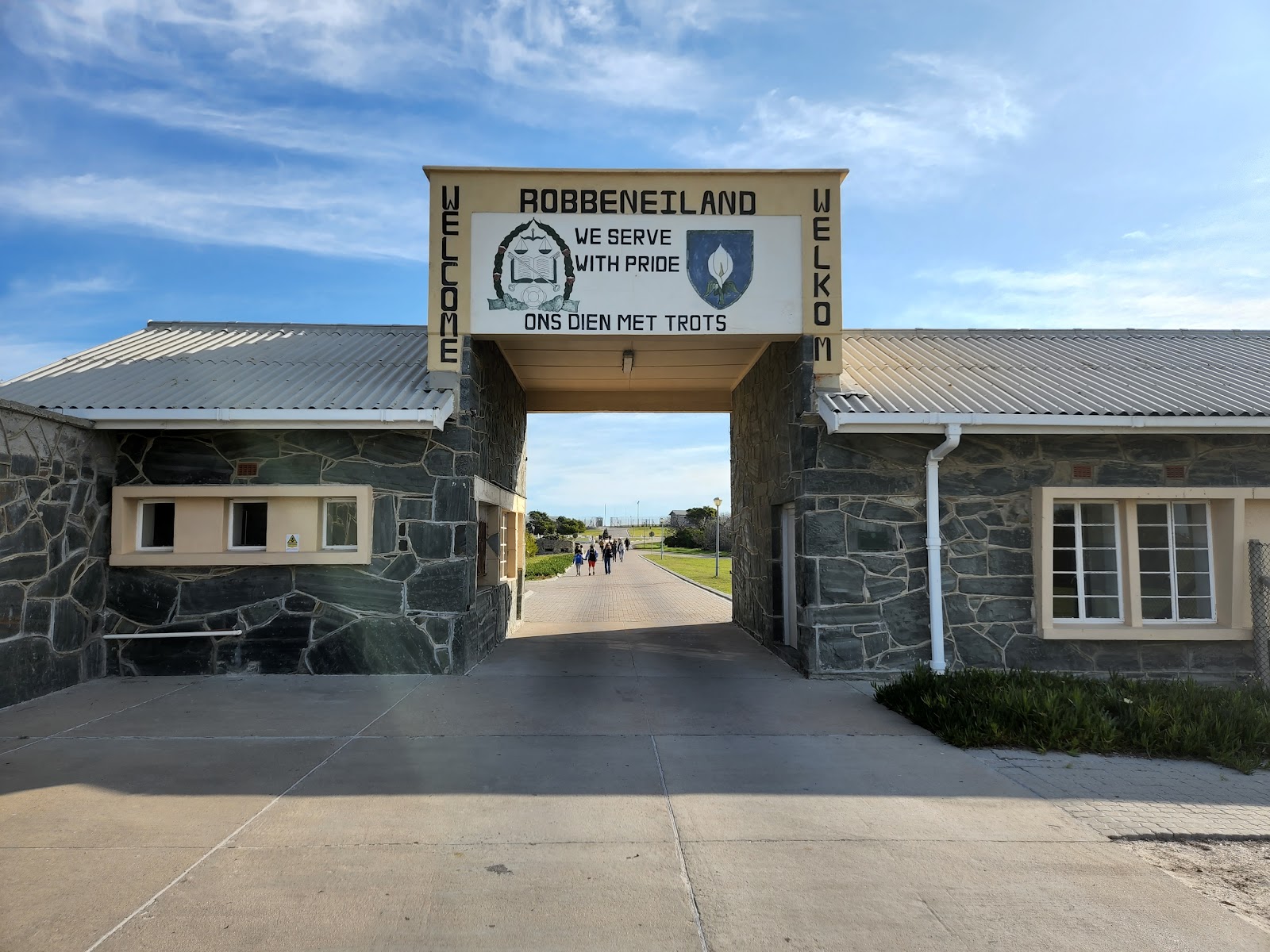
The city layers its histories in plain sight: a 1652 Dutch fort still stands in the centre, the former slave lodge sits a short walk from the parliament building, and Robben Island is visible on clear days from the waterfront. You can move between those centuries in an afternoon on foot.
Popular cities in Cape Town
💛 What travellers fall for
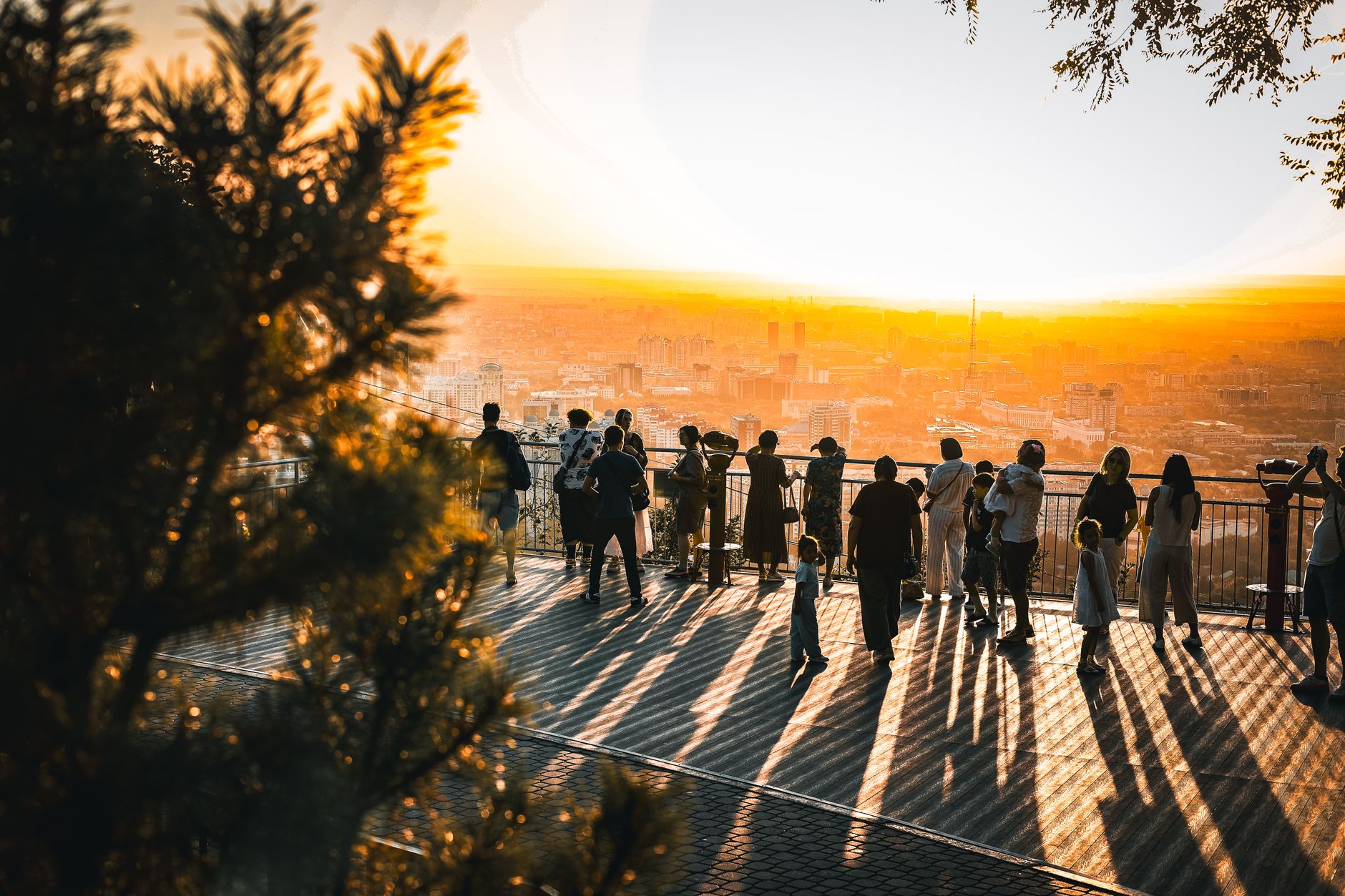
People who come back tend to build their days around the light. The cable car queue at Table Mountain is shortest before 9am. Kirstenbosch on a weekday afternoon is quieter than almost any botanical garden its size. And the MyCiTi bus from the Civic Centre to Sea Point costs almost nothing and runs reliably — worth knowing before you default to a ride-share.
How Cape Town came to be
On 6 April 1652, Jan van Riebeeck landed at Table Bay on behalf of the Dutch East India Company with a straightforward brief: build a refreshment station to supply VOC ships on the route to the East. The Company Gardens he established that same year still exist in the city centre, now a public park. The Slave Lodge went up in 1679, the same year Simon van der Stel arrived as governor and began importing the vines that would seed the Cape wine industry. French Huguenots followed in 1688, bringing wine-making expertise. The Castle of Good Hope, completed 1679, remains the oldest surviving building in South Africa.
Britain took permanent control in 1806, and the city grew into a colonial capital — Parliament was constructed in 1885, City Hall in 1905. The National Party's election in 1948 brought apartheid into law, and Cape Town became one of its most visible theatres: Nelson Mandela was imprisoned on Robben Island, and Archbishop Desmond Tutu used St George's Cathedral as a platform against the government. Mandela gave his first speech as a free man from the City Hall balcony.
Who and what shaped it
People who shaped it
Landmark buildings
See Cape Town in motion
Plan your visit
On the map
When to go
Cape Town has a Mediterranean climate: summers (November to March) are warm and dry, often reaching the low 30s Celsius, while winters (June to August) bring cool, wet weather and frequent cloud sitting on the mountain. Spring and autumn are mild and generally the most reliable for clear summit views.
Right now
↡ Cities


↡ Attractions
No places match these filters.
Background & history adapted from Wikipedia (CC BY-SA) · specs from Wikidata (CC0) · weather from Open-Meteo · map data © OpenStreetMap contributors · photos from Wikimedia Commons / Unsplash with per-image credit. No third-party reviews or social posts reproduced.