
Clifton
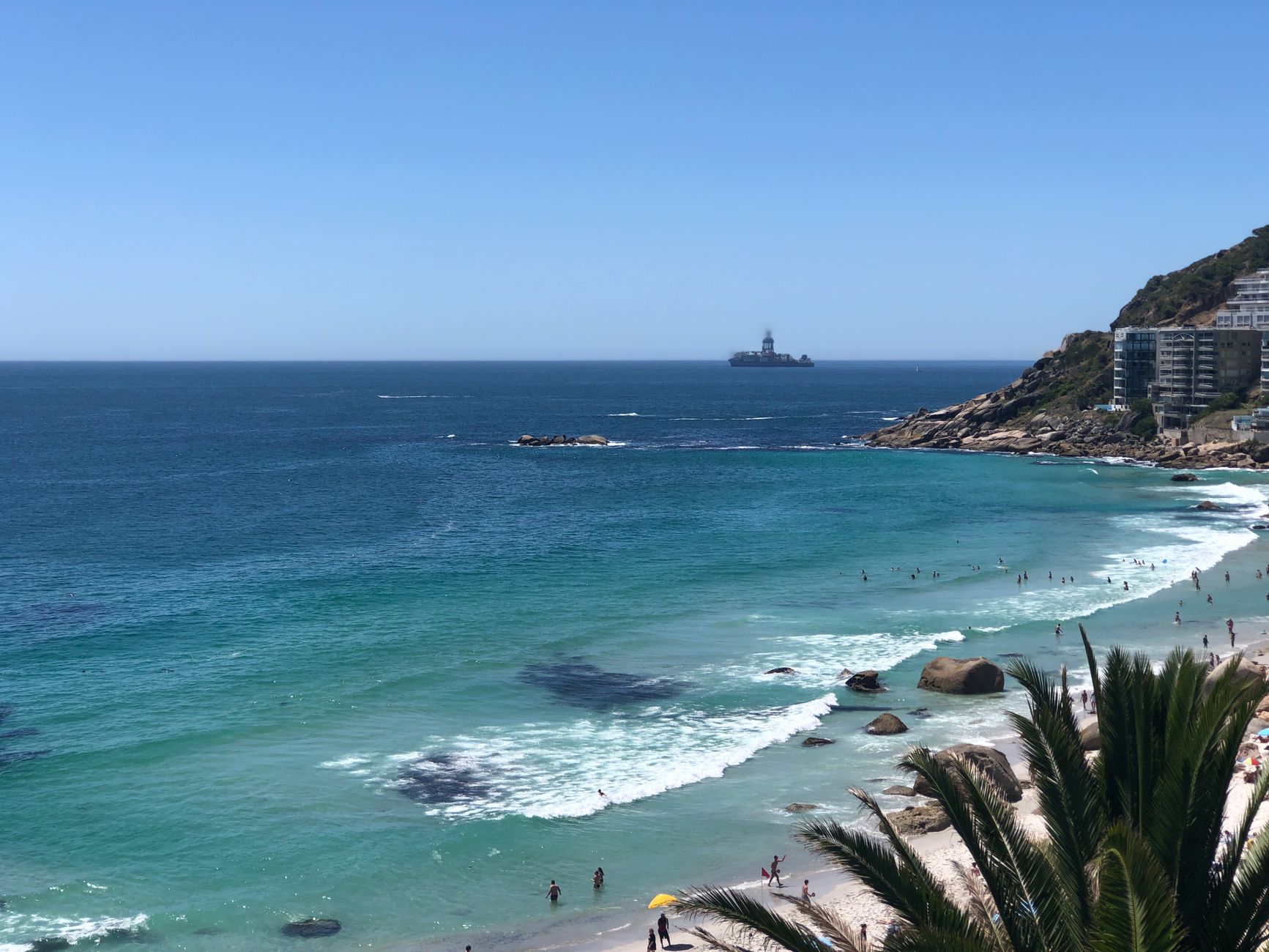
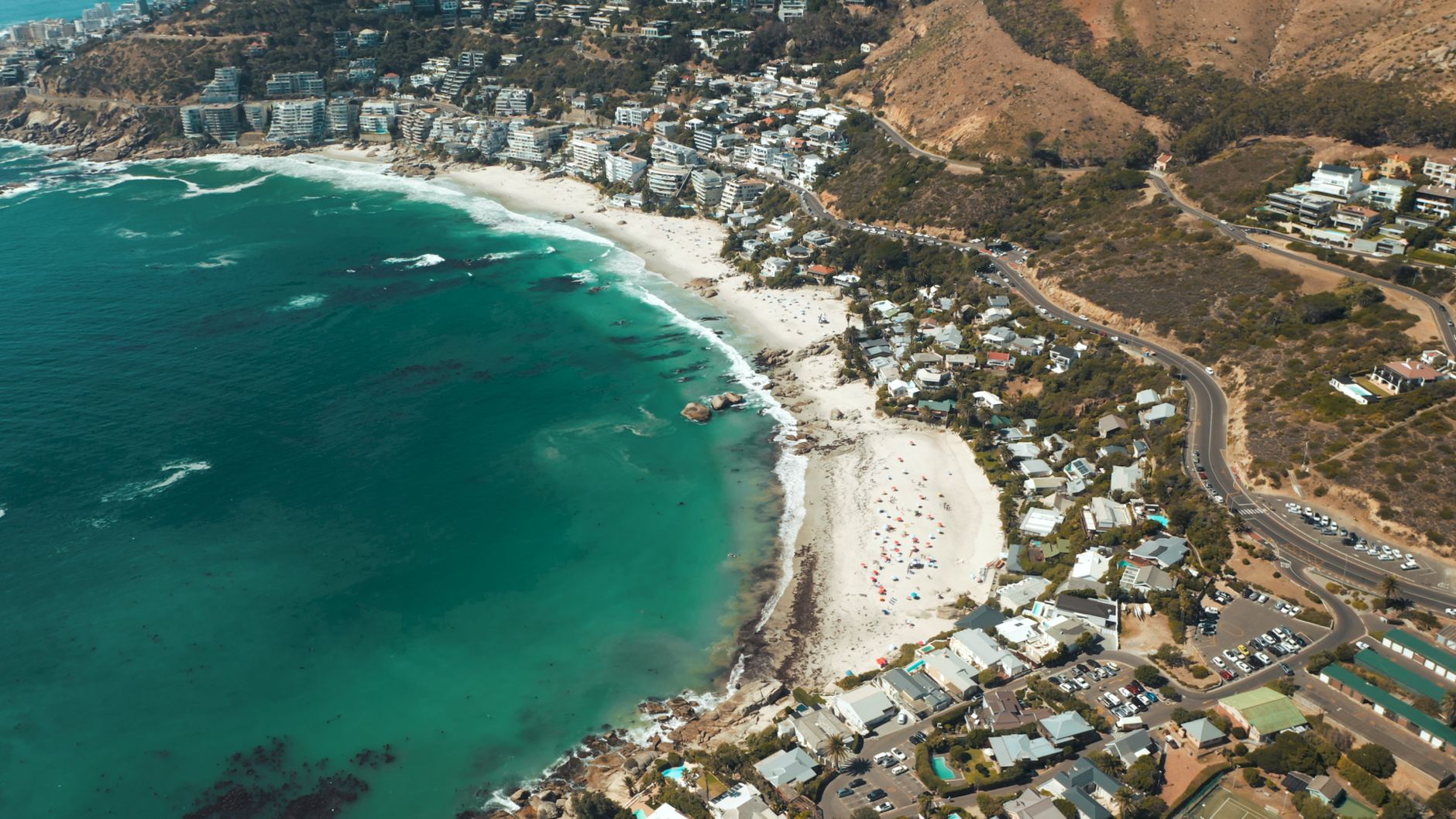
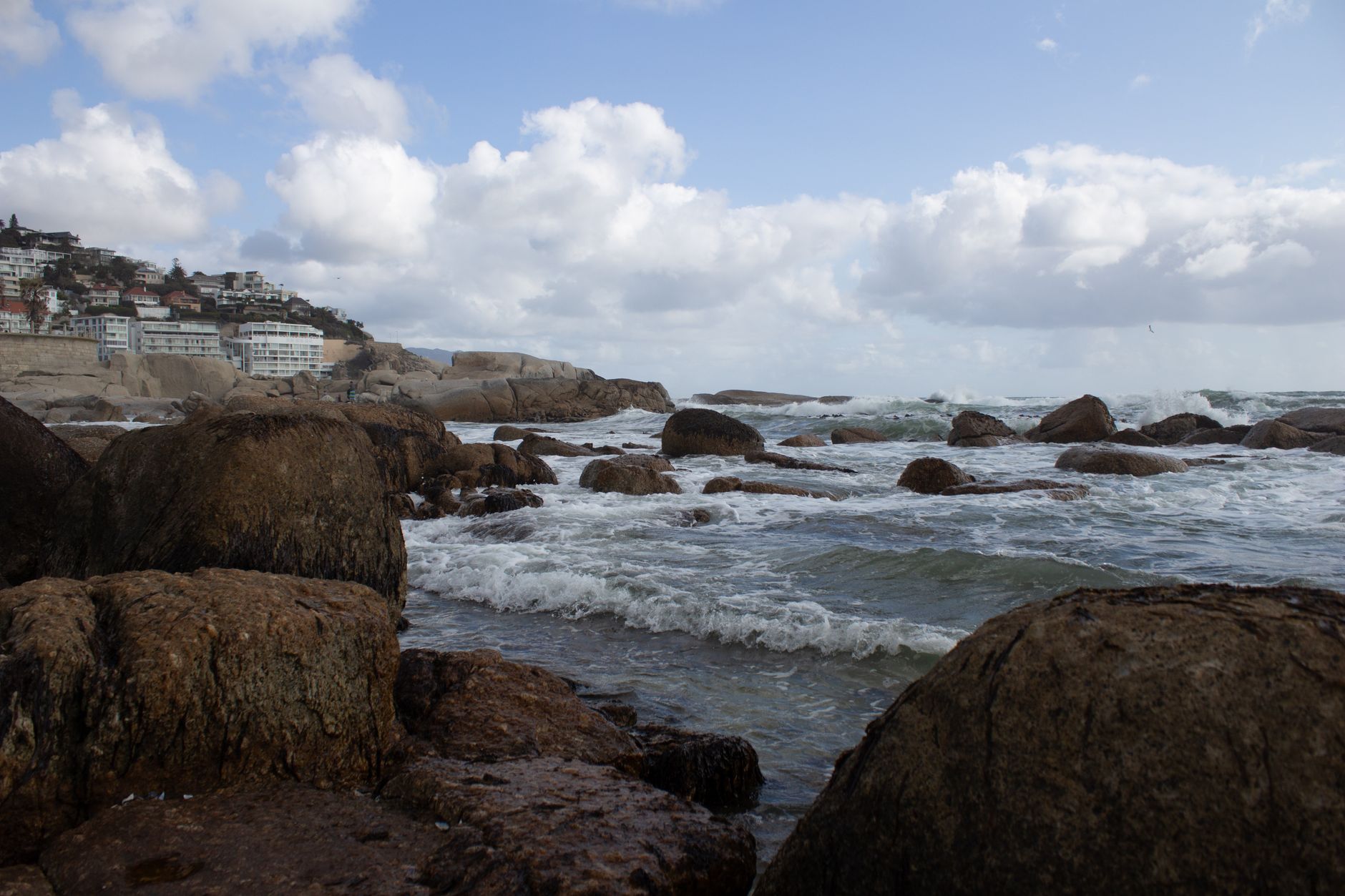
Four beaches, one after another, tucked below a wall of rock and the long shadow of Lion's Head — that's the whole geography of Clifton, and it's enough. The stairs down from Victoria Road are narrow and steep, the sand is white, and the Atlantic is a shade of blue that photographs can't quite settle. Each beach has its own unofficial constitution: surfers and strong waves at First, volleyball and beach bats at Second, a longstanding gathering spot for gay culture at Third, and families and yachts at Fourth.
The water will surprise you. Even on a hot January day it can sit below 15°C, pushed cold by the summer south-easter that drives warm surface water offshore. Most people come for the sun, not the swim — though the early-morning cold plungers would argue that point.
💛 What travellers fall for
People who come back tend to arrive before 10am, when the wind is still and the light is low and flat. They know that Fourth Beach has the best facilities but First has the fewest people. They eat late lunches at Café Caprice or Umi — the whisky bar at Umi has its own following — and they stay until the yachts anchored offshore start to catch the last of the afternoon gold.
Deals in Clifton
Book directly at the provider

How Clifton came to be
The area was known as Schoenmaker's Gat as far back as 1783 — a name that points to a shoemaker, possibly a formerly enslaved person, who lived in the cliff caves here. The name Clifton itself came later, from Bessie Clifton, who ran the only hotel in the area around 1890.
After World War I, the City of Cape Town laid out the land for returning soldiers. The original bungalows — nearly all now gone — were built from the wooden packing crates that had carried imported motor cars in the 1920s and 30s. That improvised, makeshift origin sits at some distance from the glass-and-concrete architecture that lines the slopes today, including Clifton Terraces on Victoria Road, a SAOTA-designed residential development that won a SAPOA Award for Innovative Excellence in 2018.
Who and what shaped it
People who shaped it
Landmark buildings
See Clifton in motion
Plan your visit
On the map
When to go
Summer (October to March) brings the most sun but also the south-easterly wind — Clifton's rock faces shelter the beaches better than almost anywhere else on the Atlantic Seaboard, which is a large part of why people come. Counterintuitively, water temperatures are often coldest in summer, sometimes dipping below 10°C, while winter can hold relatively warmer surface water in the bay.
Right now
Background & history adapted from Wikipedia (CC BY-SA) · specs from Wikidata (CC0) · weather from Open-Meteo · map data © OpenStreetMap contributors · photos from Wikimedia Commons / Unsplash with per-image credit. No third-party reviews or social posts reproduced.