
Cape Town City Bowl
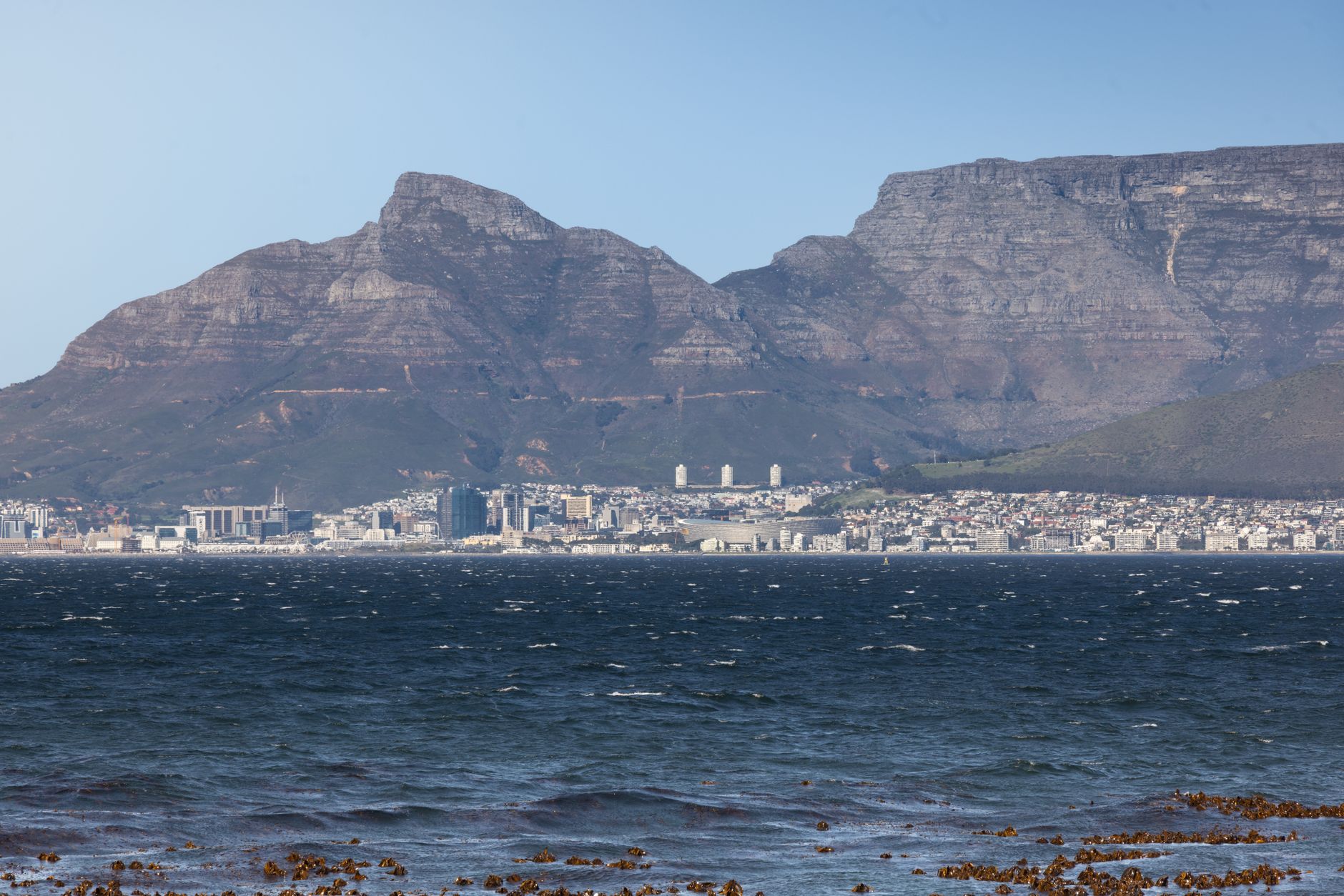
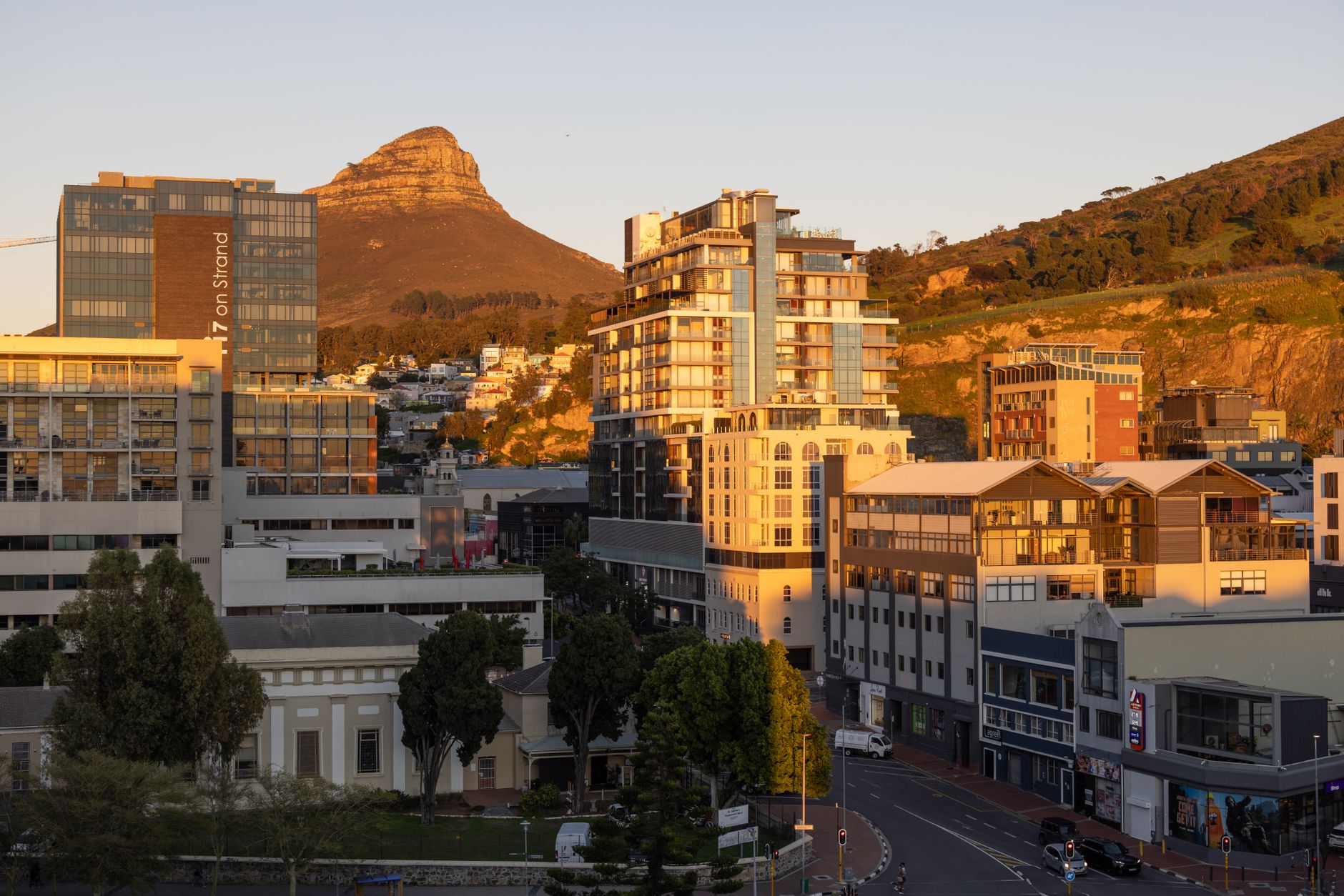
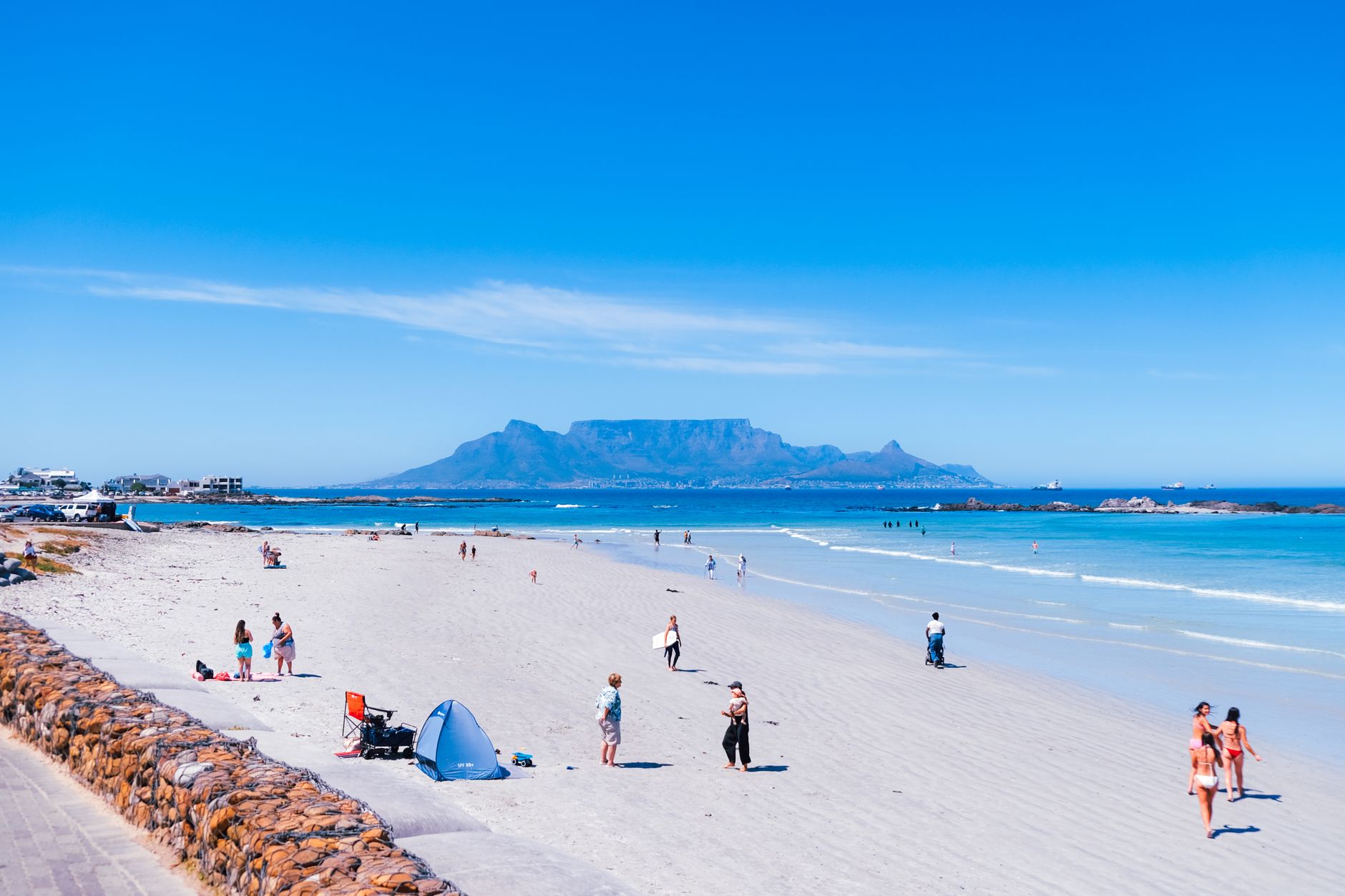
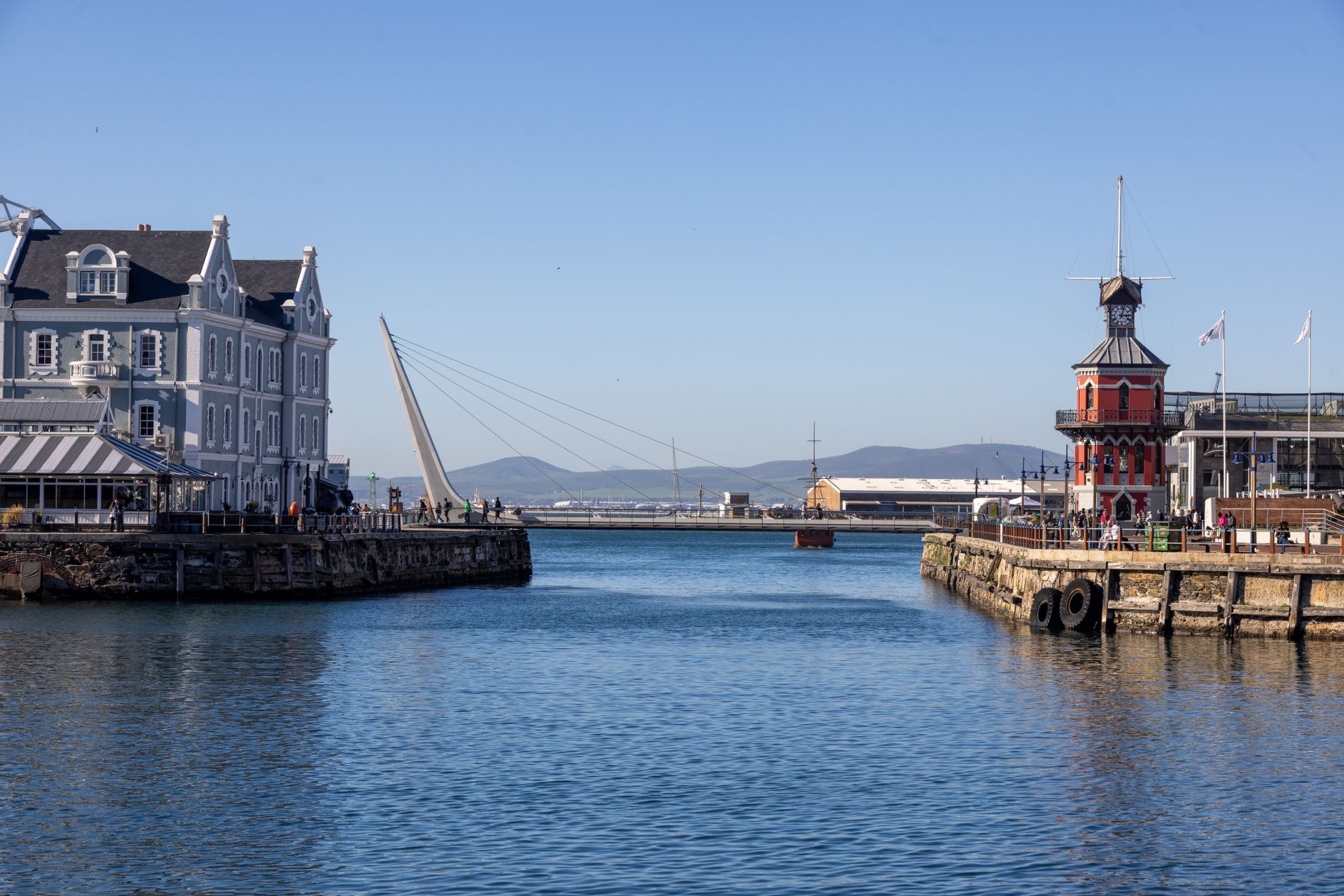
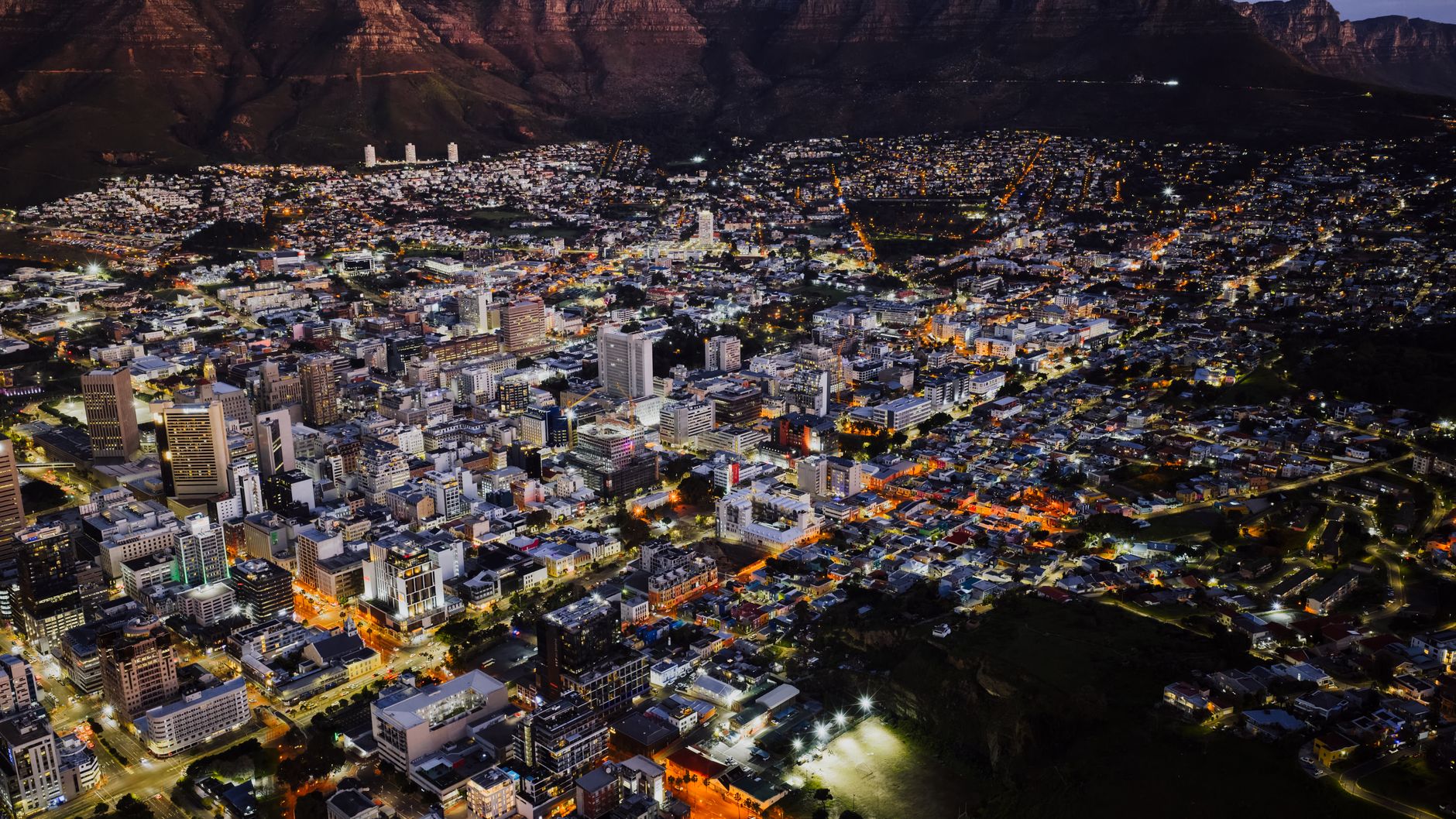

The City Bowl sits in the hollow between Table Mountain and the sea, a natural amphitheatre that has shaped every decision made here since 1652. The Dutch East India Company picked this spot to grow vegetables for passing ships, and that founding logic — practical, opportunistic, world-facing — still runs through the place. The oldest building in South Africa stands a short walk from where Nelson Mandela addressed a crowd for the first time after 27 years in prison. History in the City Bowl is not archived; it is architectural, ambient, present.
The centre is smaller than it looks on a map. You can walk from the Castle of Good Hope to the top of Company's Garden in under twenty minutes, and most of what matters falls between those two points.
💛 What travellers fall for
People who come back tend to time a visit around the third Saturday of the month, when the Cape Town Partnership runs a free walking tour from Company's Garden through St George's Mall and up to St Andrew's Square. It costs nothing and reorients the whole neighbourhood — streets you thought you knew start connecting differently once someone traces the original shoreline for you.
Experiences you don't want to miss



Deals in Cape Town City Bowl
Book directly at the provider

How Cape Town City Bowl came to be
Jan van Riebeeck arrived in 1652 to build a garden, not a city. The Dutch East India Company needed fresh produce for its ships rounding the Cape, and the bowl of land beneath Table Mountain was the answer. Within fifteen years they had replaced the original fort with the Castle of Good Hope — a pentagonal bastion fort completed in 1679 that still stands, the oldest surviving colonial building in South Africa. The Kat Balcony inside it, added in 1695, was used for public announcements; three centuries later it became a backdrop for history of a different register.
The twentieth century left deeper marks. The 1950 Group Areas Act racially classified the city's neighbourhoods, and by the 1970s District Six — a dense, mixed community within the City Bowl — had been forcibly cleared. In 1990, hours after walking free from Victor Verster Prison, Nelson Mandela stood on the balcony of City Hall, built in 1905 from Bath limestone imported from England, and spoke to the city for the first time as a free man.
Who and what shaped it
People who shaped it
Landmark buildings
See Cape Town City Bowl in motion
Plan your visit
On the map
When to go
Summer (December to February) runs warm and mostly dry, 20–26°C by day, with a strong north-easterly wind that keeps the heat honest. Winter (June to August) brings cool, wet days in the mid-teens — worth packing for, but rarely severe enough to close things down.
Right now
Background & history adapted from Wikipedia (CC BY-SA) · specs from Wikidata (CC0) · weather from Open-Meteo · map data © OpenStreetMap contributors · photos from Wikimedia Commons / Unsplash with per-image credit. No third-party reviews or social posts reproduced.